
Tender Toddler Meatballs: Soft, Yummy Bites for Little Tummies
Crafting meals for toddlers presents a unique challenge: balancing nutrition with textures and flavors that appeal to tiny palates. Enter Tender Toddler Meatballs, a culinary solution designed to be soft, flavorful, and incredibly easy for little ones to manage. These aren’t just miniature portions of adult food; they are thoughtfully developed to be gentle on developing digestive systems and budding teeth. This guide explores the essential elements of creating perfect toddler meatballs, from ingredient selection to preparation tips, ensuring mealtime becomes a joyful, stress-free experience for everyone.
- Tender Toddler Meatballs: Soft, Yummy Bites for Little Tummies
- The Art of Crafting Tender Toddler Meatballs
- Key Ingredients for Wholesome Toddler Meatballs
- Step-by-Step Preparation Guide
- Expert Tips for Perfect Toddler Meatballs
- Creative Serving Suggestions
- Frequently Asked Questions About Toddler Meatballs
- Q1: What makes these toddler meatballs “tender” and perfect for little tummies?
- Q2: Are these meatballs suitable for toddlers with picky eating habits?
- Q3: How can I adapt the recipe for toddlers with food allergies?
- Q4: What sides pair perfectly with these tender toddler meatballs?
- Q5: Can these meatballs be prepared in advance?
- Final Thoughts on Tender Toddler Meatballs
- Focus on Softness: Prioritize ingredients and cooking methods that ensure a melt-in-your-mouth texture.
- Nutrient-Dense Ingredients: Incorporate lean proteins, vegetables, and whole grains for optimal growth.
- Flavorful but Mild: Use gentle seasonings that introduce new tastes without overwhelming sensitive palates.
- Easy to Handle: Small, uniform shapes are perfect for little hands and developing chewing skills.
The Art of Crafting Tender Toddler Meatballs
Tender toddler meatballs are a staple for a reason. They offer a comforting, homemade feel with a texture specifically designed for young eaters. These bites are engineered for ease of chewing, making them ideal for babies transitioning to solids and toddlers still honing their motor skills. My approach to these meatballs is rooted in personal experience, aiming to create a dish that is both nourishing and genuinely enjoyable for even the most discerning little diner.
The magic of these meatballs lies in their composition. By carefully selecting ingredients and employing gentle cooking techniques, we achieve a remarkably soft consistency. This recipe marries wholesome components with subtle yet appealing seasonings, ensuring a treat that delights growing taste buds while providing essential nutrients for a developing body. It’s about creating a positive association with food from the very start.
Prep and Cook Time
Preparation: 15 minutes | Cooking: 20 minutes | Total: 35 minutes
Yield
Serves 4 toddlers (approx. 20 meatballs)
Difficulty Level
Easy – perfect for busy parents seeking a nutritious, quick meal
Key Ingredients for Wholesome Toddler Meatballs
The foundation of tender toddler meatballs begins with the right ingredients. Opting for lean ground poultry like chicken or turkey is paramount, as these meats are naturally softer and easier for toddlers to digest compared to denser red meats. Incorporating finely grated vegetables adds essential vitamins and a touch of natural sweetness, seamlessly blending into the mixture without altering the desired texture. These additions boost the nutritional profile significantly.
Binders and flavor enhancers matter significantly. Whole milk yogurt contributes moisture and a tenderizing effect, while finely ground rolled oats act as a binder and add a subtle nutty flavor and beneficial fiber. Mild herbs and garlic powder offer a gentle flavor kick that encourages palate development. A minimal amount of salt is optional, focusing instead on the natural flavors of the ingredients to create a healthy and appealing meal for your little one. Understanding the role of each component ensures optimal results.
Ingredients
- 1 lb ground chicken or turkey (lean, fresh)
- 1/2 cup cooked quinoa (for extra protein and texture)
- 1/4 cup finely grated carrot (adds sweetness and vitamins)
- 1/4 cup finely chopped spinach (rich in iron and folate)
- 1/4 cup plain whole milk yogurt (to tenderize and bind)
- 1/4 cup finely minced onion
- 1 large egg (preferably organic)
- 1/4 cup finely ground rolled oats (gluten-free if needed)
- 1 tsp dried mild Italian herbs (oregano, basil blend)
- 1/2 tsp garlic powder
- Pinch of salt (optional and minimal)
- 1 tbsp olive oil (for cooking)
Step-by-Step Preparation Guide
Preparing these tender toddler meatballs is a straightforward process, designed to be manageable even on a busy weeknight. Begin by preheating your oven and preparing a baking sheet, which allows for efficient, hands-off cooking. The initial step involves gently combining the primary ingredients – the ground meat, cooked quinoa, grated vegetables, and minced onion – in a large bowl. This ensures an even distribution of flavors and nutrients throughout the mixture.
Next, introduce the binding and seasoning agents: the yogurt, egg, ground oats, herbs, and garlic powder. Mix these thoroughly until just combined, being careful not to overmix, as this can lead to tougher meatballs. Form the mixture into small, uniform balls, roughly one inch in diameter. This size is perfect for little hands to grasp and for ensuring consistent cooking times. A gentle sauté followed by baking ensures they are cooked through while remaining incredibly tender.
Instructions
- Preheat your oven to 350°F (175°C) and line a baking sheet with parchment paper or a silicone mat.
- In a large bowl, combine ground chicken, cooked quinoa, grated carrot, chopped spinach, and minced onion. Mix gently until evenly distributed.
- Add the whole milk yogurt, egg, ground oats, Italian herbs, garlic powder, and a small pinch of salt. Use your hands or a wooden spoon to incorporate the ingredients thoroughly but avoid overmixing to keep meatballs tender.
- With clean hands, scoop out small portions about 1 inch in diameter, shaping them into smooth, uniform balls to ensure even cooking and easy eating.
- Heat olive oil in a large non-stick skillet over medium heat. Sauté the meatballs for 3-4 minutes on each side, turning gently until lightly golden but not fully cooked through.
- Transfer the browned meatballs onto the prepared baking sheet and bake for an additional 10-12 minutes, or until cooked through and juicy inside.
- Remove from oven and allow to cool slightly before serving to your toddler to avoid burns.
Expert Tips for Perfect Toddler Meatballs
Achieving the perfect tenderness for toddler meatballs involves a few key considerations. Using ground poultry is a primary factor, as it’s naturally softer than beef or pork, making it easier for little ones to chew. Ensuring vegetables are finely grated or minced is crucial; this allows them to meld into the meat mixture without creating large, unappealing chunks, maintaining a smooth, tender consistency that toddlers prefer.
Making these meatballs ahead of time is a significant advantage for busy parents. They freeze exceptionally well, allowing for quick and healthy meal solutions. Simply cool them completely, then store them in labeled freezer bags. For younger toddlers, safety is paramount. Cutting the meatballs into halves or quarters significantly reduces the choking hazard, making them safer and easier for them to manage independently.
Tips for Success
- Texture is key: Using ground poultry yields a softer meatball; avoid beef or pork which can be denser and harder for toddlers to chew.
- Vegetable finely grated or minced: This ensures they blend seamlessly without compromising the tenderness you’re aiming for.
- Make ahead and freeze: These meatballs freeze well – cool completely and store in labeled freezer bags for easy meal prep.
- Alternative binders: Swap oats for gluten-free breadcrumbs if preferred, and substitute yogurt with applesauce for a dairy-free option.
- Safe serving tip: Cut meatballs into halves or quarters for younger toddlers just starting solids to prevent choking.
Creative Serving Suggestions
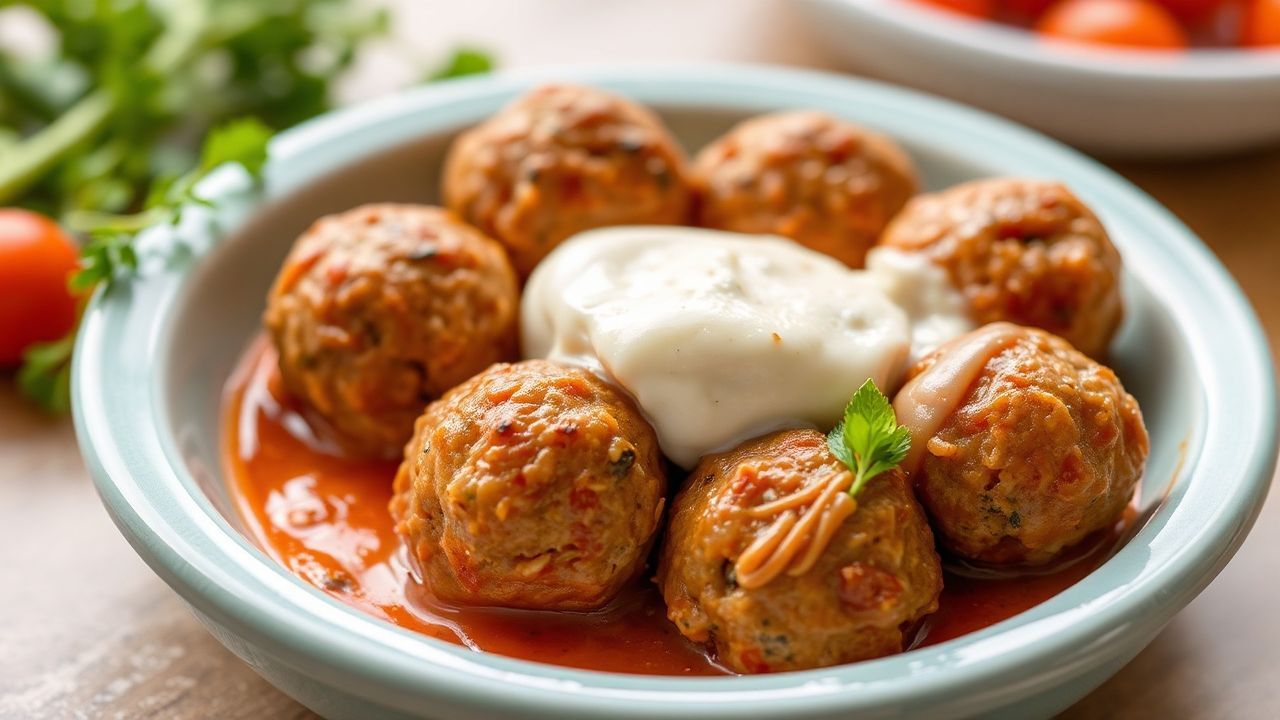
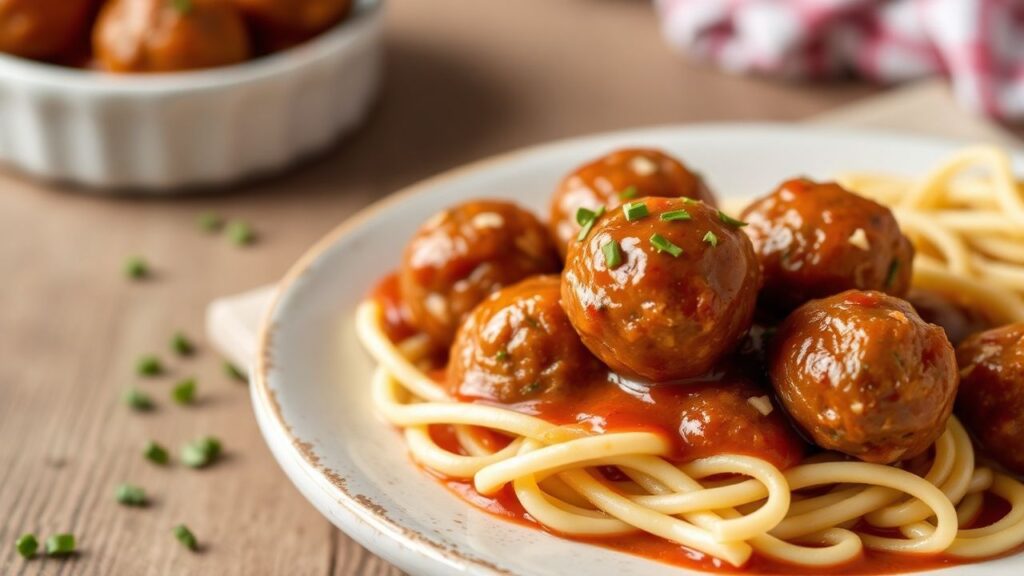
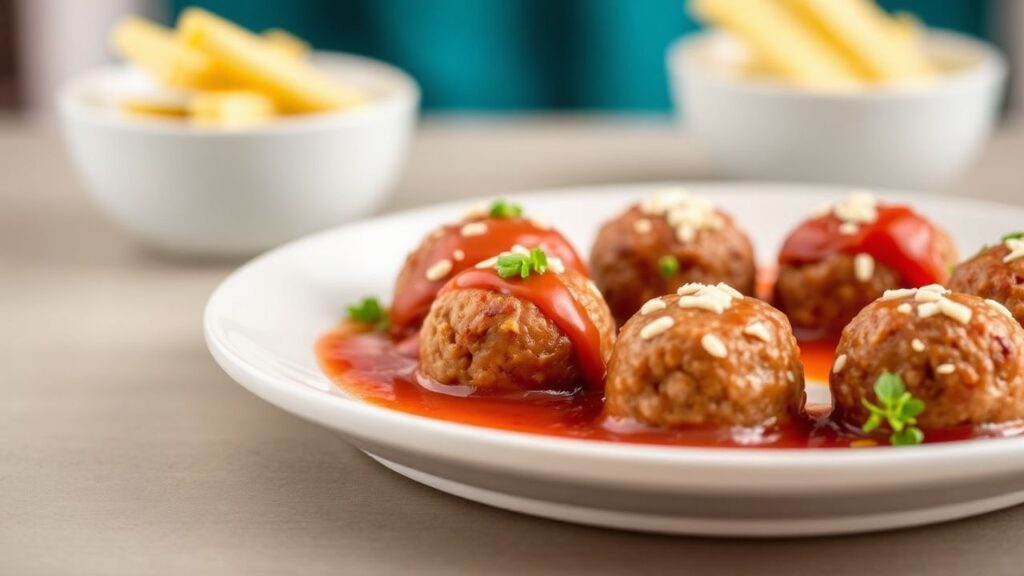
Presenting tender toddler meatballs in an appealing way can transform mealtime into a fun exploration. Pair them with a side of vibrantly colored, soft steamed vegetables such as sweet peas or a fluffy mound of mashed potatoes. A mild, homemade tomato sauce, perhaps infused with fresh basil, offers a delightful dipping option that toddlers often adore. A light garnish of finely chopped parsley adds a touch of freshness and visual appeal, making the plate more inviting.
For toddlers on the go or those who enjoy handheld meals, consider incorporating these meatballs into mini whole wheat pita pockets. A creamy avocado spread adds healthy fats and a smooth texture that complements the meatballs perfectly, creating a balanced and portable meal. The versatility of these meatballs allows for numerous creative presentations that cater to a toddler’s developing preferences and dietary needs, encouraging them to engage with their food.
Serving Suggestions
The tender toddler meatballs invite playful presentation with a side of colorful, soft steamed veggies like sweet peas or mashed potatoes. A mild tomato sauce made with fresh basil adds subtle flavor that kids adore and is perfect for dipping. Garnish with a sprinkle of finely chopped parsley for freshness and visual appeal. For toddlers on the go, add meatballs to mini whole wheat pita pockets with some creamy avocado spread for a handheld delight.
These meatballs are an excellent source of protein, vital for muscle development and overall growth in toddlers. The inclusion of vegetables like spinach and carrots provides essential vitamins and minerals such as iron and vitamin A, crucial for cognitive function and vision. Quinoa adds a complete protein and fiber, contributing to sustained energy levels and digestive health. This balanced nutritional profile supports a toddler’s rapid development.
Understanding the nutritional breakdown can help parents make informed choices about their child’s diet. For example, the fat content comes primarily from healthy sources, supporting brain development. The carbohydrate count, mainly from quinoa and oats, provides necessary energy. This makes the meatballs a well-rounded addition to a toddler’s diet, contributing positively to their nutritional intake and overall well-being. It’s a simple way to pack in goodness.
| Nutrient | Per Serving (5 meatballs) |
|---|---|
| Calories | 140 |
| Protein | 15 g |
| Carbohydrates | 6 g |
| Fat | 5 g |
For further exploration into feeding little ones, discover our collection of healthy toddler meals, featuring more wholesome ground poultry options. To gain deeper insights into pediatric nutrition and guidelines, the American Academy of Pediatrics offers a wealth of reliable information.
Frequently Asked Questions About Toddler Meatballs
Q1: What makes these toddler meatballs “tender” and perfect for little tummies?
The secret to these tender meatballs lies in their gentle blend of finely ground meat, soft binders like oats or breadcrumbs, and moisture from ingredients like yogurt or a splash of broth. Cooking them using methods like baking or gentle sautéing ensures they remain moist and easy to chew, making them ideal for tiny mouths still mastering eating skills.
Q2: Are these meatballs suitable for toddlers with picky eating habits?
Absolutely! These meatballs are designed with mild, appealing flavors that don’t overwhelm sensitive palates, while still being packed with hidden nutrition. You can easily incorporate finely grated vegetables like carrots or zucchini, which add natural sweetness and nutrients without drastically changing the texture, making them more palatable for picky eaters.
Q3: How can I adapt the recipe for toddlers with food allergies?
Adapting for allergies is straightforward. For dairy sensitivities, substitute the yogurt with unsweetened applesauce or a dairy-free yogurt alternative. To make them gluten-free, replace oats with certified gluten-free oats or finely crushed rice crackers or cornflakes. Always introduce new ingredients cautiously and monitor your child for any reactions.
Q4: What sides pair perfectly with these tender toddler meatballs?
Soft and colorful sides are ideal. Think about mashed sweet potatoes, creamy avocado slices, or a smooth vegetable puree like butternut squash or pea. Small pasta shapes, fluffy rice, or steamed green beans also complement these meatballs beautifully, creating a balanced and visually appealing meal that encourages variety.
Q5: Can these meatballs be prepared in advance?
Yes, these little bites are excellent for meal prep. Prepare a large batch, then freeze the cooked meatballs. Once cooled, transfer them to an airtight freezer bag. They can be thawed overnight in the refrigerator or gently reheated, maintaining their tender texture and delicious flavor for convenient weeknight meals.
Final Thoughts on Tender Toddler Meatballs
In the dynamic world of toddler nutrition, Tender Toddler Meatballs emerge as a standout choice, offering a perfect blend of softness, flavor, and nutritional value. These bite-sized delights not only introduce young children to enjoyable tastes but also foster a positive relationship with food, making meal preparation and consumption a shared joy for families. Their wholesome ingredients and careful preparation ensure they are more than just a meal; they represent a gentle step toward establishing lifelong healthy eating habits and contented tummies.
When seeking a simple yet satisfying option for any meal, remember the appeal of these tender morsels. They are consistently designed to please tiny taste buds and are ready to become a beloved staple in your toddler’s diet. The ease of preparation, coupled with their nutritional benefits and kid-approved taste, makes them an indispensable addition to any parent’s recipe repertoire, promising happy mealtimes filled with delicious, nourishing bites.
See also: Tender Toddler Meatballs