
Mastering Toddler Mealtimes: Your Essential Book Guide
Mealtime with toddlers often feels like navigating a small, messy jungle. It’s a world of unpredictable moods, curious tastes, and the occasional food battle. Yet, within these whirlwind moments lies a beautiful opportunity to nourish not just their growing bodies, but their budding independence and love for wholesome eating. A trusted guide can transform mealtime chaos into joyful rituals.
- Mastering Toddler Mealtimes: Your Essential Book Guide
- The Power of Books in Toddler Nutrition
- Expert-Curated Books for Confident Feeding
- Recipe Inspiration and Practical Tips for Toddler Nutrition
- Top Book Recommendations for Toddler Nutrition
- Ellyn Satter’s Approach to Feeding
- Annabel Karmel’s Practical Recipes
- Jill Swenson’s ‘Eat Like a Rainbow’
- Other Valuable Resources
- Navigating Mealtime Challenges with Confidence
- Frequently Asked Questions (FAQ)
- Q1: How do I introduce new foods to a picky toddler?
- Q2: Can books really help with toddler feeding issues?
- Q3: What is the Division of Responsibility in Feeding?
- Q4: How important is routine for toddler mealtimes?
- Q5: Should I worry if my toddler eats very little some days?
- Conclusion: Cultivating Joyful Mealtimes
At a Glance: Key Takeaways
- Books provide practical strategies for picky eating and building healthy habits.
- Expert-reviewed guides offer reassurance and empower caregivers.
- Focus on positive reinforcement and making mealtimes a connection point.
- Variety, patience, and understanding developmental stages are crucial.
Enter a collection of thoughtfully chosen books designed to inspire, educate, and empower parents and caregivers. This collection acts as a compass to mealtime success, helping families cultivate health, happiness, and harmony around the table. From expert tips on picky eating to creative recipe ideas and nurturing mealtime routines, these top picks are invaluable resources for any parent seeking to improve their toddler’s eating habits.
The Power of Books in Toddler Nutrition
Nourishing toddlers with wholesome, balanced meals is a joyful journey. It becomes even more rewarding when paired with expert insights and engaging storytelling. Combining trusted nutritional science with the magic of stories transforms mealtimes from struggle to celebration. This resource blueprint offers an inspired way to nurture healthy eating habits for young children.
It draws on expert-approved literature and creative mealtime strategies that other caregivers have embraced successfully. Understanding the ‘why’ behind toddler eating behaviors is often the first step. Books demystify these complexities, offering parents a clear path forward to better understanding their child’s needs and preferences. This knowledge is crucial for fostering a positive relationship with food.
Expert-Curated Books for Confident Feeding
Successfully navigating toddler mealtimes requires more than just recipes; it demands understanding and strategy. The right books offer parents and caregivers a robust toolkit. They provide evidence-based advice and empathetic guidance for common feeding challenges. These resources build confidence and foster a positive relationship with food from an early age.
These selections focus on creating a supportive environment for children to explore new tastes and textures. They emphasize making mealtime a positive, shared experience. Many authors draw on extensive research in child development to offer practical, actionable advice for parents.
Understanding Picky Eaters
Picky eating is a common developmental phase for toddlers. It’s often characterized by a limited range of accepted foods and strong preferences. Books dedicated to this topic offer insights into the underlying reasons for this behavior. They provide strategies to gently encourage broader palates without resorting to pressure.
These resources highlight the importance of repeated exposure to new foods. They suggest creative ways to present meals that are both visually appealing and nutritious. Understanding that this phase is temporary can significantly reduce parental stress and anxiety associated with meal preparation and feeding challenges.
Building Healthy Habits Early
Establishing healthy eating habits in toddlerhood lays the foundation for a lifetime of well-being. Books on this subject go beyond just nutrition facts. They explore how to create positive mealtime routines and associations with food. This includes teaching portion control and encouraging mindful eating from a young age.
Many guides emphasize the role of modeling. Parents and caregivers who demonstrate enjoyment of healthy foods are more likely to have children who do the same. These books also offer practical tips on meal planning and preparation, making healthy eating more accessible for busy families and promoting a balanced diet.
Recipe Inspiration and Practical Tips for Toddler Nutrition
Beyond the psychological and behavioral aspects of toddler feeding, practical recipe ideas are essential. Many of the best books offer a treasure trove of simple, nutritious recipes tailored for little ones. These recipes often use ingredients that are readily available and easy to prepare.
The focus is on creating meals that are not only healthy but also appealing to toddlers’ senses. This includes vibrant colors, interesting textures, and mild, appealing flavors. Many books also include tips on adapting recipes to accommodate allergies or dietary restrictions, ensuring inclusivity for all children.
Creative Meal Presentations
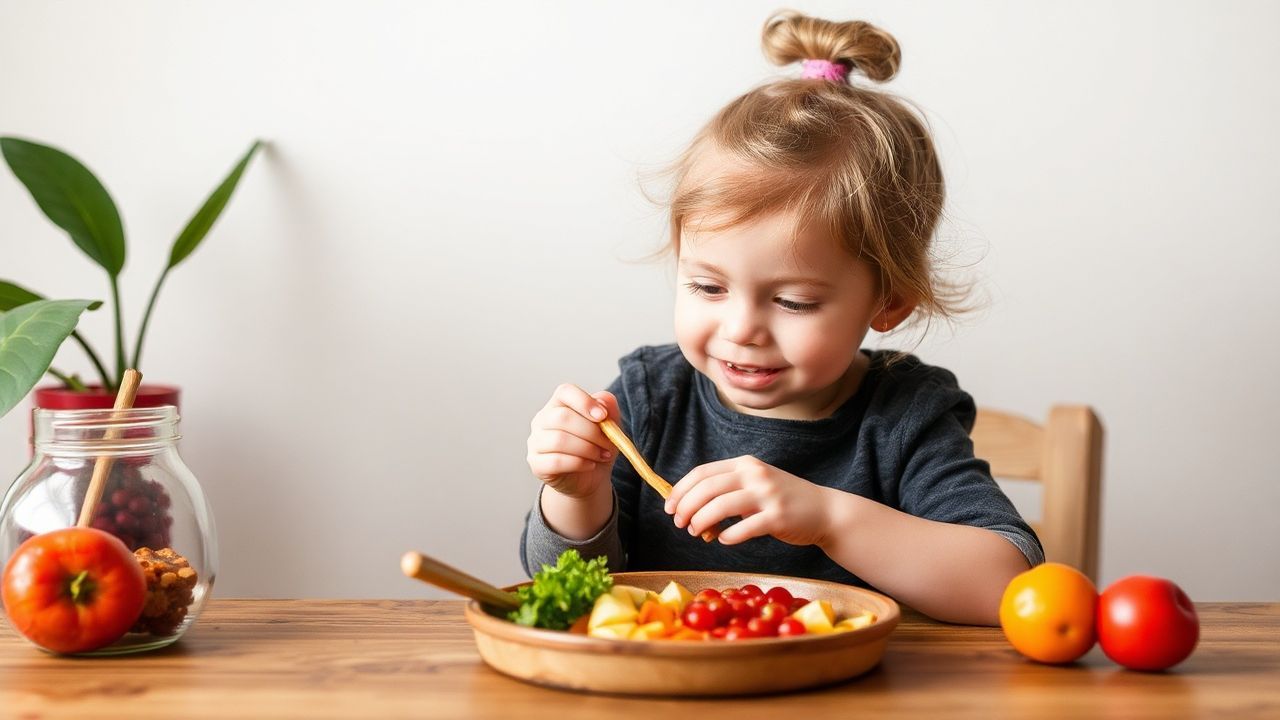
How food looks on the plate significantly influences a toddler’s willingness to try it. Books often provide creative ideas for presenting meals in fun and engaging ways. This can include using cookie cutters to make shapes, arranging food into playful designs, or offering dips and sauces.
These visual strategies transform a standard meal into an exciting culinary adventure for a child. It’s about making food approachable and enjoyable, sparking curiosity rather than apprehension. Many parents find these visual aids incredibly effective for encouraging children to explore new foods.
Making Mealtime a Connection Point
Ultimately, mealtime is more than just about sustenance; it’s a crucial opportunity for connection and bonding. The most effective books emphasize creating a positive and relaxed atmosphere. They encourage families to eat together whenever possible, fostering communication and shared experiences.
These resources guide parents on how to manage distractions and focus on interacting with their children during meals. They highlight how shared mealtimes strengthen family bonds and create lasting memories. This focus on connection turns a daily necessity into a cherished ritual, promoting family well-being.
Top Book Recommendations for Toddler Nutrition
Selecting the right resources dramatically impacts your approach to toddler feeding. Here are some highly-regarded books that offer comprehensive guidance, practical recipes, and empathetic support for parents navigating this important stage of childhood development.
Ellyn Satter’s Approach to Feeding
Ellyn Satter is a renowned authority on feeding dynamics. Her philosophy centers on the “Division of Responsibility in Feeding.” This approach empowers parents to provide *what*, *when*, and *where* food is offered, while the child decides *whether* and *how much* to eat. Her books offer profound insights into building trust and reducing mealtime conflict.
Her seminal works, such as “Child of Mine: Feeding with Love and Good Sense” and “How to Get Your Kid to Eat But Not Too Much,” are considered essential reading for parents. They provide a framework for peaceful and productive mealtimes, respecting both the parent’s role and the child’s autonomy. This balanced perspective is key to long-term healthy eating habits, fostering a positive attitude towards food.
Annabel Karmel’s Practical Recipes
Annabel Karmel is celebrated for her practical, child-friendly recipes. Her cookbooks, like “The Toddler Cookbook,” are packed with innovative ideas that are easy for parents to follow and irresistible to toddlers. She focuses on making healthy food fun and accessible, often incorporating hidden vegetables and appealing textures.
Karmel’s approach is highly actionable, offering meal plans and strategies for even the fussiest eaters. Her recipes are designed to be nutritious and balanced, supporting healthy growth and development. She understands the challenges parents face and provides solutions that are both effective and enjoyable for the whole family. Her work proves that healthy eating can be a joy, not a chore, promoting a diverse palate.
Jill Swenson’s ‘Eat Like a Rainbow’
“Eat Like a Rainbow” by Jill Swenson takes a visually engaging approach to healthy eating. It encourages children to explore a wide spectrum of colorful fruits and vegetables. The book makes learning about nutrition an exciting adventure, associating different colors with essential vitamins and minerals.
This method helps children understand the diversity of healthy foods and their benefits in a simple, memorable way. It’s an excellent resource for introducing new produce and fostering a positive attitude towards a varied diet. The book’s playful format makes it a favorite among both parents and children, promoting an early appreciation for wholesome foods and understanding of nutritional benefits.
Other Valuable Resources
Beyond these specific titles, numerous other books offer valuable insights into toddler feeding. Look for resources that align with your parenting style and address your specific concerns, whether it’s picky eating, allergy management, or simply building a more harmonious mealtime environment. The key is to find guides that empower you with knowledge and practical tools.
Exploring different authors and their unique perspectives can provide a well-rounded approach to tackling feeding challenges. Many offer advice grounded in developmental psychology and practical experience, making them indispensable for parents.
Navigating Mealtime Challenges with Confidence
Parenting a toddler comes with unique challenges, and mealtimes are often at the forefront. Books provide a sense of community and shared experience, reminding parents they are not alone in their struggles. They offer reassurance that common issues like picky eating or food refusal are normal phases in toddler development.
By equipping parents with knowledge and strategies, these books build confidence. They empower caregivers to approach feeding with a calm, informed perspective. This shift in mindset transforms stressful mealtimes into opportunities for growth and connection for the entire family. Understanding toddler behavior is crucial, as outlined in general behavioral psychology principles.
The Role of Routine and Environment
Creating a predictable mealtime routine is a cornerstone of healthy eating habits. Books often emphasize the importance of setting regular meal and snack times. This helps regulate a toddler’s appetite and reduces grazing, which can interfere with hunger cues.
The mealtime environment also plays a significant role. Creating a calm, distraction-free space—away from screens—allows toddlers to focus on their food and the experience. These books guide parents in establishing such positive environments, fostering mindful eating and family interaction around the table.
Forcing a child to eat can backfire, creating negative associations with food and mealtimes. The goal is to foster intrinsic motivation for healthy eating. This involves making food appealing and accessible, and respecting the child’s autonomy over their intake, which is a key tenet in many feeding philosophies.
Involving Toddlers in the Process
Engaging toddlers in food-related activities significantly increases their interest in trying new foods. Many books suggest involving children in simple meal preparation tasks, such as washing produce or stirring ingredients. This hands-on approach makes them feel invested in the meal.
Visiting farmers’ markets, growing a small herb garden, or simply talking about where food comes from can also pique a child’s curiosity. These experiences help demystify food and build excitement around eating. Making food a fun exploration rather than a chore is key to developing adventurous eaters.
Frequently Asked Questions (FAQ)
Q1: How do I introduce new foods to a picky toddler?
Introduce new foods gradually and repeatedly. Offer them alongside familiar favorites without pressure. Make them visually appealing and involve your toddler in preparation if possible. Patience and a positive attitude are crucial when expanding a toddler’s palate.
Q2: Can books really help with toddler feeding issues?
Absolutely. Books offer expert advice, practical strategies, and reassurance. They help parents understand toddler behavior, build confidence, and implement effective techniques for creating positive mealtime experiences and healthy eating habits. This knowledge base is invaluable.
Q3: What is the Division of Responsibility in Feeding?
This approach, championed by Ellyn Satter, means parents are responsible for the *what*, *when*, and *where* of meals, while the child is responsible for the *whether* and *how much*. It fosters trust and reduces mealtime battles, promoting a healthy relationship with food.
Q4: How important is routine for toddler mealtimes?
Routine is very important. Regular meal and snack times help regulate a toddler’s appetite, ensuring they are hungry for meals and less likely to graze. Predictability also creates a sense of security around food, contributing to a calmer eating environment.
Q5: Should I worry if my toddler eats very little some days?
Toddlers’ appetites fluctuate based on growth spurts, activity levels, and overall development. Occasional low-intake days are usually normal. Focus on offering balanced meals consistently and trust their innate ability to regulate their intake over time. If you have significant concerns, consult a pediatrician or registered dietitian for personalized advice on child nutrition.
Conclusion: Cultivating Joyful Mealtimes
Mealtime shapes more than just a toddler’s appetite; it cultivates curiosity, confidence, and connection. Having the right guidance turns every bite into a nourishing moment. These top books offer a treasure trove of wisdom, tips, and encouragement to help parents and caregivers navigate the often unpredictable world of toddler nutrition and development.
With the insights shared, mealtime can evolve from a daily challenge into a joyful adventure. This fosters healthy habits that last a lifetime. Pick up one (or all) of these trusted companions, and watch as your little one’s plate—and palate—flourish with love and nourishment, building a strong foundation for lifelong healthy eating.

See also: Toddler Books