
Baking with Sunflower Seed Flour: A Nutty Twist to Recipes
Imagine stepping into your kitchen and reaching for an ingredient that not only adds a subtle, nutty crunch to your baked goods but also packs a powerful nutritional punch. Sunflower seed flour, a vibrant alternative to traditional flours, is quickly gaining attention among bakers and health enthusiasts alike. This golden-hued powder, made from finely ground sunflower seeds, offers a delightful twist to classic recipes, infusing them with rich flavor, moisture, and a boost of protein and healthy fats. Whether you’re gluten-free, looking to experiment with flavors, or simply eager to elevate your baking game, sunflower seed flour promises an exciting journey from pantry staple to star ingredient. Let’s uncover how this humble seed transforms everyday treats into extraordinary bites brimming with heart-healthy goodness.
- Baking with Sunflower Seed Flour: A Nutty Twist to Recipes
- Understanding Sunflower Seed Flour
- Getting Started with Sunflower Seed Flour Baking
- Step-by-Step Baking Instructions
- Chef’s Notes and Expert Tips
- Serving Suggestions
- Frequently Asked Questions (FAQ)
- Q1: What is sunflower seed flour, and how is it different from regular flour?
- Q2: Why should I consider using sunflower seed flour in my baking?
- Q3: Can sunflower seed flour be used as a direct substitute for wheat flour?
- Q4: How does sunflower seed flour affect the texture and rise of baked goods?
- Q5: What types of recipes work best with sunflower seed flour?
- Q6: Are there any special storage tips for sunflower seed flour?
- Q7: Can sunflower seed flour help those with dietary restrictions?
- Q8: Where can I find sunflower seed flour?
- Q9: Any tips for getting started with sunflower seed flour baking?
- To Wrap It Up
Key Takeaways: Baking with Sunflower Seed Flour
- Sunflower seed flour offers a distinct nutty flavor and a moist crumb.
- It’s a naturally gluten-free and nut-free alternative, ideal for various dietary needs.
- Proper storage is crucial to maintain freshness and prevent rancidity.
- It can be incorporated into both sweet and savory baked goods for added nutrition and taste.
This versatile flour introduces bakers to a wholesome, subtly sweet ingredient that elevates traditional baking with its unique flavor and nutritional profile. From its rich, nutty aroma to its moist crumb, sunflower seed flour transforms everyday treats into memorable delights. Whether you’re gluten-free, seeking a nutritious boost, or simply eager to experiment, sunflower seed flour offers a versatile edge that’s as tasty as it is healthful.
Understanding Sunflower Seed Flour
What is Sunflower Seed Flour?
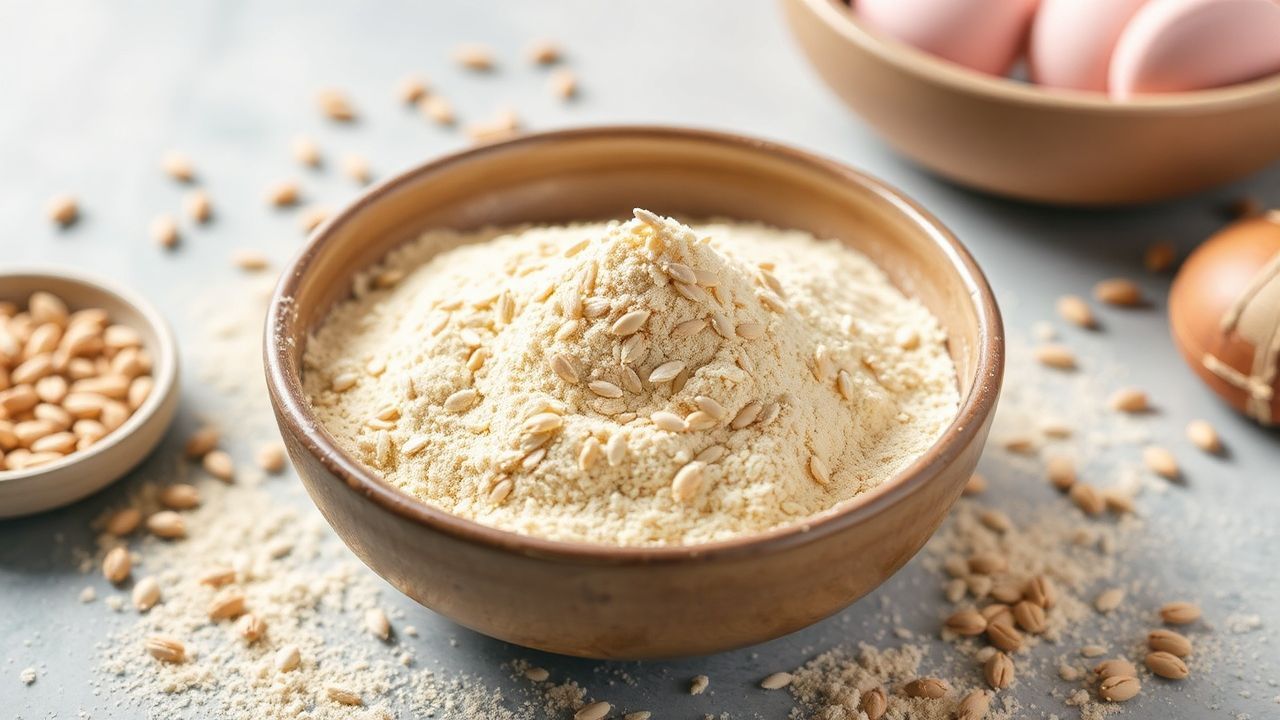
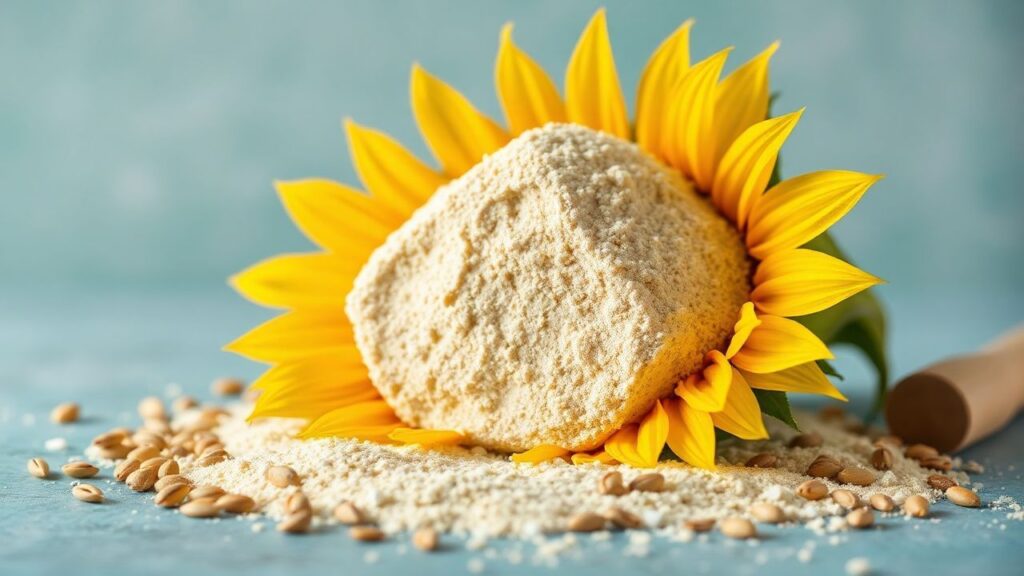
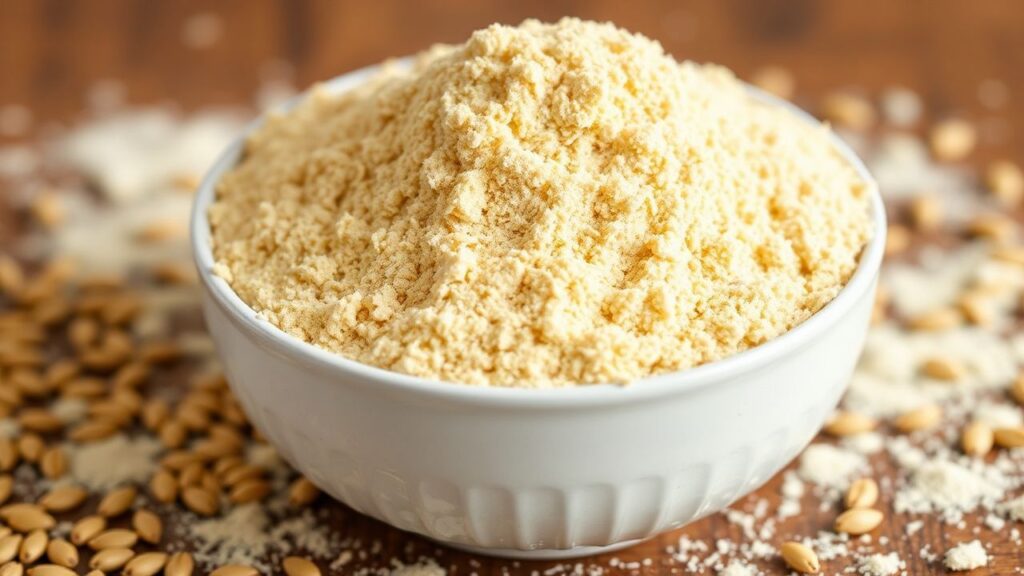
Sunflower seed flour is crafted from hulled sunflower seeds that have been finely ground. This process yields a powdery consistency similar to traditional flours but with a distinct nutritional composition. Unlike wheat flour, it is naturally free from gluten, making it a prime candidate for gluten-free baking endeavors. Its rich content of protein and healthy fats also sets it apart from many other flour alternatives.
The conversion of sunflower seeds into flour is a meticulous process that ensures the integrity of its nutrients and flavor. This makes it a valuable addition for anyone looking to enhance the health profile of their baked goods without sacrificing taste or texture. It’s a simple yet profound transformation that unlocks a world of culinary possibilities.
Nutritional Benefits
Beyond its culinary applications, sunflower seed flour is a powerhouse of nutrition. It boasts a significant amount of protein, which is essential for muscle repair and satiety. The flour is also rich in healthy monounsaturated and polyunsaturated fats, contributing to heart health and providing sustained energy. Furthermore, it’s a good source of vitamin E, a powerful antioxidant that protects cells from damage.
These nutritional advantages make sunflower seed flour a smart choice for health-conscious bakers. It allows you to create delicious treats that also contribute positively to your overall well-being. Incorporating it into your diet is an easy way to boost your intake of essential nutrients while enjoying your favorite baked goods.
Flavor Profile and Texture
Sunflower seed flour imparts a distinctive nutty flavor to baked goods, often described as mild and slightly earthy, with a hint of sweetness. This profile allows it to complement a wide range of ingredients, from fruits and spices to chocolate and nuts. It adds a subtle complexity that can elevate simple recipes into gourmet creations.
In terms of texture, sunflower seed flour tends to produce a moist and tender crumb. However, because it lacks gluten, baked goods made solely with it can be more delicate or crumbly. Bakers often use it in combination with other flours or employ binding agents to achieve the desired structure and mouthfeel. Understanding these characteristics is key to successful baking with this unique flour.
Getting Started with Sunflower Seed Flour Baking
Preparation and Cook Time
- Preparation: 15 minutes
- Cooking/Baking: 30-40 minutes
- Total Time: 45-55 minutes
Yield
8 generous servings
Difficulty Level
Medium – perfect for adventurous bakers eager to explore new flours
Essential Ingredients for a Classic Cake
To create a foundational recipe that showcases sunflower seed flour, gather these key ingredients. The blend of flours ensures a balanced texture, while the wet ingredients provide moisture and richness. Selecting quality ingredients is the first step toward a delicious outcome.
- 1 cup sunflower seed flour, sifted for a light texture
- 1 cup all-purpose flour (can substitute with gluten-free blend for a gluten-free option)
- 1/2 cup coconut sugar or your preferred natural sweetener
- 1 teaspoon baking powder
- 1/2 teaspoon baking soda
- 1/4 teaspoon sea salt
- 2 large eggs, lightly beaten
- 1/2 cup Greek yogurt (adds moisture and subtle tang)
- 1/4 cup melted coconut oil or unsalted butter
- 1 teaspoon pure vanilla extract
- Optional: 1/3 cup chopped dark chocolate or toasted nuts for extra crunch
Step-by-Step Baking Instructions
Mixing the Dry and Wet Ingredients
Begin by preheating your oven to 350°F (175°C). Prepare a 9-inch round cake pan by greasing it lightly and lining the bottom with parchment paper. This preparation ensures that your baked good releases cleanly from the pan.
In a large mixing bowl, whisk together the sunflower seed flour, all-purpose flour, coconut sugar, baking powder, baking soda, and sea salt until evenly combined. This dry mix forms the nutty base of your baked goods, ensuring all leavening agents and flavorings are distributed. In a separate bowl, combine the eggs, Greek yogurt, melted coconut oil, and vanilla extract. Whisk gently to blend the wet ingredients into a smooth, creamy mixture.
Combining and Baking the Batter
Gradually add the wet mixture to the dry ingredients, stirring just until incorporated. It is crucial not to overmix, as overworking the batter can lead to a dense texture in the final product. The goal is a cohesive batter without excessive gluten development.
If desired, fold in the chopped dark chocolate or toasted nuts for added texture and bursts of flavor. Pour the batter into the prepared pan, smoothing the surface with a spatula for even baking. Bake for 30-40 minutes, or until a toothpick inserted into the center comes out clean. Rotate the pan halfway through baking to ensure even heat distribution and consistent browning.
Cooling and Finishing
Once baked, allow the creation to cool in the pan for 10 minutes before carefully transferring it to a wire rack to cool completely. This gradual cooling process helps to set the structure of the baked good, preventing it from breaking apart.
This cooling period is essential for achieving the best texture and allowing the flavors to meld. Rushing this step can result in a less desirable outcome, so patience is a virtue when it comes to perfect baking.
Chef’s Notes and Expert Tips
- Substitutions: Use almond or oat flour instead of all-purpose flour for different textures and flavor nuances. Each alternative offers a unique contribution to the final bake.
- Moisture tip: Sunflower seed flour can sometimes absorb more liquid; if the batter feels too thick, stir in a tablespoon of almond milk or extra yogurt. Adjusting moisture levels is key to a tender crumb.
- Make-ahead: Store finished baked goods in an airtight container at room temperature for up to 3 days or freeze for 2 weeks. Proper storage maintains freshness and quality.
- Allergy alert: Sunflower seed flour is a fantastic alternative for those with nut allergies, but always ensure no cross-contamination if allergies are a concern. Vigilance is paramount for safety.
Serving Suggestions
Present your sunflower seed flour baked creation with a light dusting of powdered sugar or a drizzle of honey to highlight its nutty sweetness. This simple enhancement can elevate the visual appeal and taste. Pair slices with a dollop of whipped cream, fresh berries, or a scoop of vanilla ice cream for a dessert experience that delights the eyes and palate alike.
For breakfast or brunch, serve alongside a steaming cup of chai or your favorite herbal tea. The warm spices of chai beautifully complement the nutty undertones of the flour, creating a comforting and satisfying meal. This versatile flour lends itself well to both sweet indulgences and wholesome morning fare.
| Nutrient | Per Serving |
|---|---|
| Calories | 220 kcal |
| Protein | 7 g |
| Carbohydrates | 26 g |
| Fat | 11 g |
Exploring the unique flavor profile of sunflower seed flour reveals its mild sweetness balanced by earthy, nutty undertones that lend depth without overpowering other ingredients. Rich in healthy fats, protein, and vitamin E, sunflower seed flour not only enhances taste but also brings essential nutrients to the table, making it a smart choice for nourishing baking. Incorporating this flour into your recipes encourages creative variations, from muffins and pancakes to gluten-free breads and cookies.
For curious cooks seeking inspiration beyond this recipe, explore our nutty gluten-free bread recipes to experience sunflower seed flour’s versatility. For detailed scientific backing on sunflower seed flour’s health benefits, visit Healthline’s comprehensive guide.
Frequently Asked Questions (FAQ)
Q1: What is sunflower seed flour, and how is it different from regular flour?
Sunflower seed flour is a finely ground powder made from hulled sunflower seeds. Unlike traditional wheat flour, it’s gluten-free and packed with protein, healthy fats, and a subtle nutty flavor that adds a unique twist to your baked goods. Its composition is significantly different from wheat flour, which contains gluten and a different nutrient profile.
Q2: Why should I consider using sunflower seed flour in my baking?
Beyond its nutritional perks, sunflower seed flour introduces a rich, earthy taste that enhances the complexity of cakes, breads, and cookies. It’s a fantastic alternative for those with nut allergies or gluten sensitivities who want to experiment with new textures and flavors. Its adaptability makes it a valuable addition to any baker’s repertoire.
Q3: Can sunflower seed flour be used as a direct substitute for wheat flour?
Not quite! Sunflower seed flour lacks gluten, which gives traditional doughs their structure and elasticity. For best results, it’s often blended with other flours or used in recipes specifically designed for gluten-free baking. Pro tip: start by replacing 25-30% of your regular flour with sunflower seed flour to add nuttiness without compromising texture.
Q4: How does sunflower seed flour affect the texture and rise of baked goods?
Because it’s gluten-free and dense, sunflower seed flour can make baked goods more crumbly and moist. To counterbalance this, bakers often add binding agents like eggs, xanthan gum, or psyllium husk. Expect a tender crumb with a slightly chewy, wholesome bite. Understanding these characteristics helps in predicting and adjusting baking outcomes.
Q5: What types of recipes work best with sunflower seed flour?
Its rich flavor shines in muffins, pancakes, quick breads, and cookies. It’s also brilliant in savory applications like crackers or cornbread. Sunflower seed flour pairs beautifully with ingredients like cinnamon, cocoa, and citrus zest, or herbs and cheese for savory treats. Its versatility extends to a wide array of culinary creations.
Q6: Are there any special storage tips for sunflower seed flour?
Absolutely! To keep that nutty flavor fresh, store sunflower seed flour in an airtight container in the refrigerator or freezer. Because it contains natural oils, it can turn rancid faster than regular flour if left at room temperature for too long. Proper storage is crucial for maintaining its quality and flavor profile.
Q7: Can sunflower seed flour help those with dietary restrictions?
Yes! It’s naturally gluten-free and nut-free, making it an excellent choice for people with gluten intolerance or nut allergies. Plus, it’s vegan-friendly and rich in vitamin E and magnesium, adding a health boost to your baked goods. This makes it an inclusive ingredient for many dietary needs.
Q8: Where can I find sunflower seed flour?
Sunflower seed flour is becoming more popular and can be found in health food stores, specialty grocery shops, and online retailers. Alternatively, you can make your own at home by grinding hulled sunflower seeds into a fine powder. Just be careful not to over-process, or you’ll end up with sunflower seed butter! Making it at home offers control over the grind and freshness.
Q9: Any tips for getting started with sunflower seed flour baking?
Start simple! Try substituting a portion of your regular flour in a familiar recipe like banana bread or pancakes. Pay attention to moisture levels – they might need a little bump – and don’t shy away from pairing it with complementary flavors. Experimentation is half the fun! Embrace the learning process and enjoy the delicious results.
Baking with sunflower seed flour is like taking your recipes on a delightful nutty adventure, unlocking new textures and tastes. Whether you’re catering to dietary needs or simply craving something different, this flour offers a wholesome and tasty twist worth exploring. Happy baking!
To Wrap It Up
As you embark on your next baking adventure, sunflower seed flour invites you to sprinkle a little sunshine into your recipes. Its nutty depth and wholesome goodness not only enrich your baked goods but also offer a delightful alternative for those seeking gluten-free or allergen-friendly options. From crumbly cookies to tender breads, this golden ingredient promises to turn ordinary treats into extraordinary delights.
So, why not embrace the warmth and versatility of sunflower seed flour and give your kitchen creations a flavorful twist that’s as nourishing as it is delicious? Happy baking—may your oven always be filled with sunshine! Consider exploring recipes that highlight its unique qualities, such as scones, muffins, or even savory crackers.
See also: sunflower seed flour