
The aroma of simmering spices, the vibrant green of wilted spinach, and the earthy comfort of tender chickpeas—this is the olfactory and gustatory signature of a truly soul-satisfying chickpea spinach curry. It’s a dish that transcends borders, appearing in myriad forms across South Asia, the Middle East, and beyond, yet its essence remains remarkably consistent: wholesome, flavourful, and deeply nourishing. For many, a well-executed chickpea spinach curry is more than just a meal; it’s a taste of home, a culinary anchor in a fast-paced world. It embodies the magic of transforming simple, readily available ingredients into something extraordinary, proof of the power of thoughtful spice blending and patient cooking. Today, we explore the heart of this beloved dish, not just as a recipe, but as a culinary phenomenon worthy of our deepest appreciation.
- The Genesis of a Global Staple: Chickpea Spinach Curry’s Culinary Journey
- Unveiling the Core: Ingredients for an Authentic Chickpea Spinach Curry
- The Pillars: Chickpeas and Spinach
- The Aromatic Foundation: Aromatics and Fat
- The Spice Ensemble: Building Depth and Complexity
- The Creamy Embrace: Liquid and Finishing Touches
- The Art of Assembly: Crafting the Perfect Chickpea Spinach Curry
- The Nutritional Bounty: More Than Just a Delicious Meal
- Elevating Your Chickpea Spinach Curry: Pro Tips for Restaurant-Quality Results
- Conclusion: proof of Simplicity and Flavor
- Frequently Asked Questions
At a Glance: Key Takeaways
- Cultural Significance: The chickpea spinach curry is a versatile dish with deep roots in plant-based culinary traditions globally.
- Flavor Profile: Achieved through a nuanced balance of aromatic spices, creamy coconut milk (or yogurt), and the natural sweetness of the ingredients.
- Nutritional Powerhouse: Offers a robust combination of plant-based protein, fiber, vitamins, and minerals.
- Adaptability: Easily customizable to suit diverse dietary needs and flavor preferences, making it a staple for home cooks.
The Genesis of a Global Staple: Chickpea Spinach Curry’s Culinary Journey
The seemingly simple combination of chickpeas and spinach, elevated by a symphony of spices, has a lineage that stretches back centuries. While pinpointing a single origin is akin to tracing the first spoken word, the dish’s widespread presence in Indian subcontinent cuisines, particularly as a vegetarian staple, is undeniable. Here, it’s often known by names like Chana Saag or Palak Chana, variations that highlight the core components: chana (chickpeas) and saag/palak (greens, specifically spinach). These dishes emerged from a need for accessible, protein-rich meals that could be prepared with ingredients readily grown or traded in the region. The lentil and pulse culture of India provided the perfect canvas for showcasing the humble chickpea, while spinach, a readily cultivated leafy green, offered a vital source of nutrients.
Beyond India, similar preparations can be found. In the Middle East, variations might incorporate tahini for creaminess or different spice blends, but the fundamental pairing of legumes and greens persists. The dish’s inherent adaptability has allowed it to travel and evolve, absorbing local influences and dietary patterns. Its modern resurgence in Western kitchens, particularly within the burgeoning plant-based and vegan movements, is proof of its inherent appeal—it’s healthy, delicious, and remarkably forgiving for novice cooks. The chickpea spinach curry stands as a prime example of how a few humble ingredients, when treated with respect and seasoned with intention, can create a dish of profound depth and universal appeal.
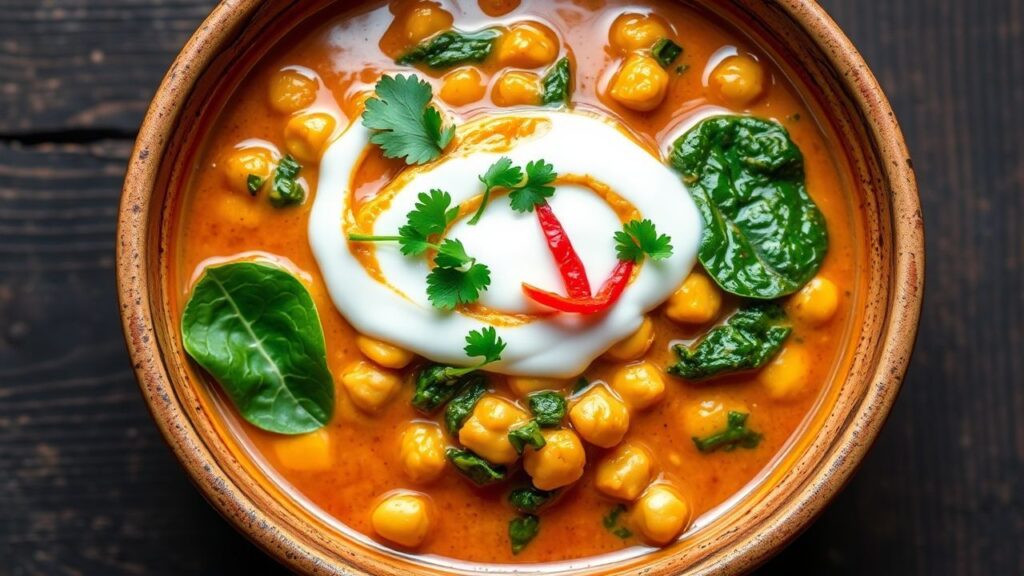
Unveiling the Core: Ingredients for an Authentic Chickpea Spinach Curry
The beauty of a chickpea spinach curry lies in its straightforward yet impactful ingredient list. Each component matter significantly in building the dish’s complex flavor and satisfying texture. Precision in measurement is always beneficial in cooking, but this is a dish where a touch of intuition can also lead to delightful results. The foundation is typically built upon aromatic vegetables and a carefully selected spice blend.
The Pillars: Chickpeas and Spinach
- Chickpeas (Garbanzo Beans): 400g (approx. 2 cups) canned chickpeas, drained and rinsed, or 200g (approx. 1 1/3 cups) dried chickpeas, soaked overnight and cooked until tender. Canned are a superb time-saver, but dried offer a superior texture and often a more nuanced flavor when cooked from scratch.
- Spinach: 200g (approx. 7 oz) fresh spinach, washed thoroughly and roughly chopped, or 150g (approx. 5 oz) frozen spinach, thawed and squeezed dry. Fresh spinach wilts down significantly, so don’t be alarmed by the volume initially. Frozen is a convenient alternative, though it can sometimes impart a slightly different texture.
The Aromatic Foundation: Aromatics and Fat
- Olive Oil or Ghee: 2 tablespoons. For a traditional Indian flavor, ghee (clarified butter) is excellent. For a vegan or lighter option, a good quality olive oil or coconut oil works wonderfully.
- Onion: 1 medium, finely chopped. Yellow or red onions both lend their sweetness and savory notes.
- Garlic: 3-4 cloves, minced. The pungent depth of fresh garlic is indispensable.
- Ginger: 1-inch piece (approx. 2.5 cm), grated or finely minced. Fresh ginger adds a bright, zesty counterpoint to the richness.
- Tomatoes: 1 (400g / 14.5 oz) can crushed tomatoes, or 2-3 fresh ripe tomatoes, finely chopped. Tomatoes provide acidity and a subtle sweetness, forming a vital base for the sauce.
The Spice Ensemble: Building Depth and Complexity
This is where the magic truly happens. The precise blend can vary, but a classic combination brings warmth, earthiness, and a hint of heat.
- Ground Cumin: 1 teaspoon. Earthy and warm, it’s a cornerstone of many Indian spice profiles.
- Ground Coriander: 1 teaspoon. Citrusy and floral, it complements cumin beautifully.
- Turmeric Powder: ½ teaspoon. For its vibrant color and earthy, slightly peppery notes.
- Garam Masala: ½ teaspoon (added towards the end). A warming blend of spices, typically including cinnamon, cardamom, and cloves, it adds a final layer of fragrant complexity.
- Red Chili Powder (or Cayenne Pepper): ¼ teaspoon, or to taste. Adjust this based on your heat preference. A pinch of Kashmiri chili powder will lend a beautiful color without excessive heat.
- Salt: To taste. Essential for bringing out all the other flavors.
The Creamy Embrace: Liquid and Finishing Touches
- Coconut Milk: 200ml (approx. ¾ cup) full-fat coconut milk. This is crucial for creating a rich, creamy sauce that balances the spices. Use full-fat for the best texture and flavor. For a lighter version, you can use light coconut milk, but the richness will be diminished.
- Water or Vegetable Broth: 100-150ml (approx. ½ – ¾ cup), or as needed, to achieve your desired sauce consistency.
- Fresh Cilantro: A generous handful, chopped, for garnish. Adds a burst of freshness.
- Lemon or Lime Juice: A squeeze, to finish. A touch of acidity at the end brightens the entire dish.
The Art of Assembly: Crafting the Perfect Chickpea Spinach Curry
The process of making a chickpea spinach curry is a meditative dance of sautéing, simmering, and allowing flavors to meld. It’s a dish that rewards patience, transforming humble ingredients into a luxurious and comforting meal. The key is to build layers of flavor, ensuring each aromatic and spice is coaxed into releasing its full potential before moving to the next stage.
Step-by-Step Mastery
- Prepare the Aromatics: Heat the olive oil or ghee in a large pot or Dutch oven over medium heat. Add the finely chopped onion and sauté until softened and translucent, about 5-7 minutes. Be patient here; browning the onions too quickly can lead to a bitter flavor.
- Infuse with Ginger and Garlic: Add the minced garlic and grated ginger to the pot. Sauté for another 1-2 minutes until fragrant, being careful not to burn the garlic. The aroma at this stage is a promising sign of the deliciousness to come.
- Bloom the Spices: Stir in the ground cumin, ground coriander, turmeric powder, and red chili powder. Cook for about 30-60 seconds, stirring constantly, until the spices are fragrant. This brief toasting process, known as blooming, intensifies their flavor and aroma.
- Introduce the Tomatoes: Pour in the crushed tomatoes (or fresh chopped tomatoes). Stir well, scraping up any bits stuck to the bottom of the pot. Cook for 5-7 minutes, allowing the tomatoes to break down and meld with the spice mixture, creating a rich base.
- Add the Chickpeas and Liquids: Add the drained and rinsed chickpeas to the pot. Pour in the full-fat coconut milk and 100ml (½ cup) of water or vegetable broth. Stir everything together to combine.
- Simmer and Meld: Bring the curry to a gentle simmer. Reduce the heat to low, cover the pot, and let it cook for at least 15-20 minutes. This allows the chickpeas to absorb the flavors of the sauce and for the sauce to thicken slightly. Stir occasionally to prevent sticking.
- Wilt the Spinach: Add the fresh or thawed frozen spinach to the pot. Stir it into the curry. If using fresh spinach, it will wilt down considerably within a few minutes. Continue to simmer until the spinach is tender and fully incorporated. If the curry becomes too thick, add the remaining water or broth, a little at a time, until your desired consistency is reached.
- The Grand Finale: Stir in the garam masala and season generously with salt to taste. Taste and adjust seasonings as needed – perhaps a little more salt, a pinch more chili for heat, or a touch more cumin.
- Finishing Touches: Just before serving, stir in a squeeze of fresh lemon or lime juice. This brightens all the flavors and adds a vibrant lift to the dish. Garnish with freshly chopped cilantro.
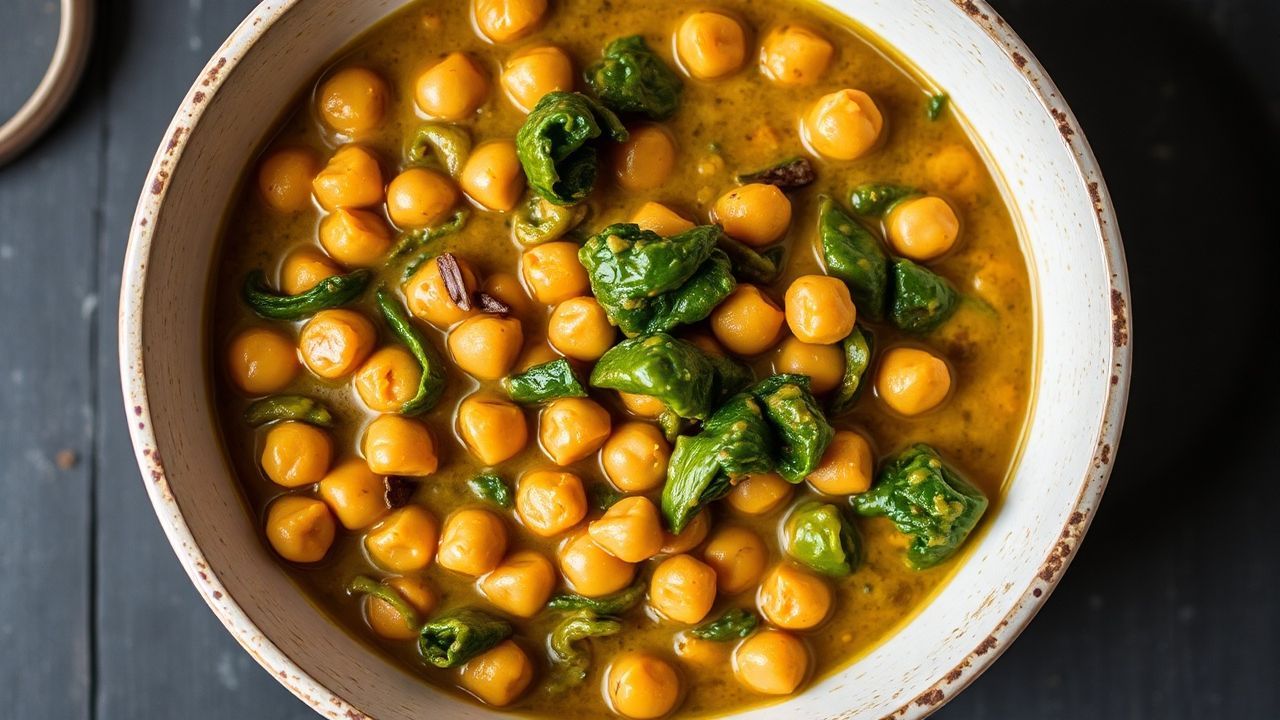
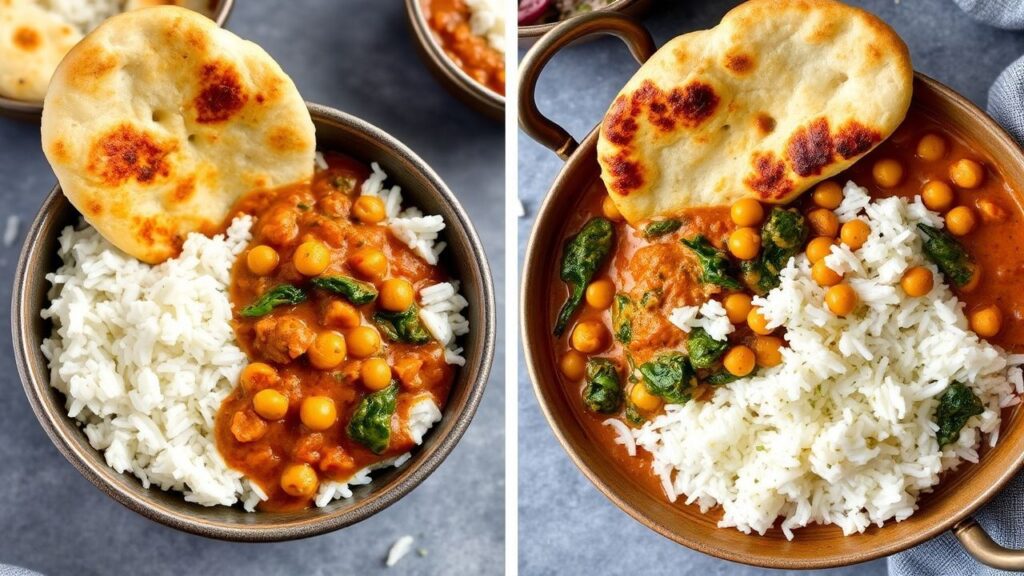
Serving this chickpea spinach curry is an experience in itself. It’s traditionally enjoyed with steamed basmati rice, fluffy naan bread, or roti. The simplicity of these accompaniments allows the complex flavors of the curry to shine. A dollop of plain yogurt on the side can offer a cooling contrast for those who prefer a milder experience. The visual appeal—the rich, earthy tones of the curry punctuated by vibrant green spinach and flecks of cilantro—is as enticing as its aroma.
The Nutritional Bounty: More Than Just a Delicious Meal
Beyond its undeniable flavor and comforting texture, the chickpea spinach curry is a nutritional powerhouse, offering a wealth of benefits that make it a cornerstone of healthy eating. Its plant-based composition makes it an excellent choice for vegetarians, vegans, and anyone looking to incorporate more wholesome ingredients into their diet. The synergy between chickpeas and spinach creates a profile rich in essential nutrients.
A Closer Look at the Benefits
- Protein Powerhouse: Chickpeas are an excellent source of plant-based protein, essential for muscle repair and satiety. A typical serving can contribute significantly to your daily protein intake, making it a fulfilling meal.
- Fiber-Rich: Both chickpeas and spinach are exceptionally high in dietary fiber. Fiber aids digestion, helps regulate blood sugar levels, and promotes a feeling of fullness, which can be beneficial for weight management.
- Vitamin and Mineral Fortification: Spinach is a champion of vitamins, particularly Vitamin K (crucial for bone health and blood clotting), Vitamin A (important for vision and immune function), and Vitamin C (an antioxidant that supports the immune system). It also provides essential minerals like iron, folate, and magnesium.
- Complex Carbohydrates: Chickpeas offer complex carbohydrates, providing sustained energy release rather than the sharp spikes associated with simple sugars.
- Antioxidant Properties: The spices used, such as turmeric (containing curcumin), cumin, and coriander, are rich in antioxidants, which help combat oxidative stress in the body.
A standard serving of this chickpea spinach curry (approximately 1.5 cups) can typically provide around 300-400 calories, depending on the exact quantities of oil and coconut milk used. It’s a balanced meal, offering a good ratio of carbohydrates, protein, and healthy fats. For instance, a study published in the *Journal of Nutrition* highlighted how incorporating legumes like chickpeas into the diet can lead to improved markers of cardiovascular health, including lower cholesterol levels. This makes the chickpea spinach curry not just a culinary delight, but a strategic choice for long-term well-being.

Elevating Your Chickpea Spinach Curry: Pro Tips for Restaurant-Quality Results
Transforming a good chickpea spinach curry into a truly exceptional one is an achievable goal with a few strategic techniques and considerations. These refinements move the dish from merely satisfying to genuinely sublime, imbuing it with a depth of flavor and a sophisticated texture that rivals any professional establishment.
Technique Refinements and Flavor Enhancements
- The Power of Fresh Aromatics: While pre-minced garlic and ginger are convenient, the flavor impact of freshly grated ginger and finely minced garlic is unparalleled. Take the extra minute to prepare them fresh for a brighter, more potent aromatic base.
- Layering Spices: Don’t rush the spice blooming process. Allowing each spice to toast for its optimal time in the hot oil before adding the next creates distinct layers of flavor rather than a muddled mix.
- Roasting Tomatoes (Optional but Recommended): For an even richer tomato flavor, consider roasting fresh tomatoes until slightly charred before pureeing them. This caramelizes their sugars, adding a wonderful depth.
- The Coconut Milk Choice: Always opt for full-fat coconut milk. The higher fat content is essential for achieving that luxurious, creamy texture that coats the palate. If you find it too rich, you can dilute it slightly with water or broth, but the base should be full-fat.
- The “Tadka” or Tempering: For an extra layer of aromatic complexity, consider a final “tadka” or tempering. In a small separate pan, heat a tablespoon of ghee or oil. Add a few whole cumin seeds, mustard seeds, a dried red chili, and a pinch of asafoetida (hing). Once the seeds splutter, immediately pour this fragrant oil over the finished curry just before serving. This is a common technique in Indian cooking that adds a final, bright burst of flavor.
- Achieving the Perfect Consistency: The ideal curry consistency is a matter of personal preference, but it should be thick enough to coat the back of a spoon without being cloying. If it’s too thick, add a splash of water or vegetable broth. If too thin, simmer it uncovered for a few extra minutes to allow some of the liquid to evaporate.
- Balancing Flavors: The final squeeze of lemon or lime juice is not optional; it’s crucial. It cuts through the richness and rounds out the flavors, preventing the curry from tasting flat. Similarly, a touch of sweetness, perhaps from a pinch of sugar or a tiny bit of maple syrup, can sometimes balance the acidity of the tomatoes and the heat of the chilies.
One classic example of how these techniques elevate the dish is seen in regional variations. In some South Indian preparations, a tablespoon of tamarind paste is added along with the tomatoes to introduce a distinct tanginess, a subtle difference that significantly alters the overall flavor profile. This highlights the dish’s inherent flexibility and the impact of even minor adjustments.
Furthermore, the quality of your ingredients plays a significant role. Fresh, vibrant spinach will offer a cleaner flavor than older, wilted leaves. High-quality canned chickpeas, often found in gourmet food stores, can have a superior texture and taste compared to mass-produced varieties. Investing in good quality spices also makes a palpable difference; freshly ground spices are always preferable to those that have been sitting in the cupboard for years.
Conclusion: proof of Simplicity and Flavor
The chickpea spinach curry is a culinary masterpiece born from simplicity and elevated by thoughtful preparation. It’s a dish that nourishes the body and comforts the soul, proving that the most profound flavors often arise from the most humble ingredients. Whether you’re a seasoned chef or a novice cook, this recipe offers a rewarding journey, yielding a dish that is both universally appealing and deeply satisfying. It’s proof of the enduring power of plant-based cuisine and a vibrant example of how global flavors can be embraced and adapted in our own kitchens.
Frequently Asked Questions
What are the best types of spinach to use for this curry?
You can use a variety of spinach types, but baby spinach is often preferred for its tender leaves and mild flavor, which wilts down beautifully without becoming overly mushy. If you use mature spinach, ensure it’s washed very thoroughly to remove any grit, and you might consider removing the tougher stems before chopping. Frozen spinach is also a perfectly acceptable and convenient option, just be sure to thaw it completely and squeeze out as much excess moisture as possible before adding it to the curry to prevent a watery sauce.
Can I make this chickpea spinach curry vegan?
Absolutely. The recipe as outlined is largely vegan-friendly, provided you use olive oil or coconut oil instead of ghee. Full-fat coconut milk is inherently vegan and provides the essential creaminess. If you choose to use yogurt as a garnish or accompaniment, opt for a plant-based yogurt alternative (like coconut or soy-based) to maintain the vegan status of the entire meal.
How can I adjust the spice level of this curry?
Adjusting the spice level is straightforward and primarily involves managing the amount of red chili powder or cayenne pepper. For a milder curry, start with just a pinch (⅛ teaspoon) or omit it entirely. For a spicier kick, gradually increase the amount, tasting as you go. You can also add a whole dried red chili or a fresh green chili (finely chopped) along with the onions for an extra layer of heat. Remember that garam masala also contains warming spices, so adding more of that will increase the overall warmth without necessarily increasing the chili heat.
See also: chickpea spinach