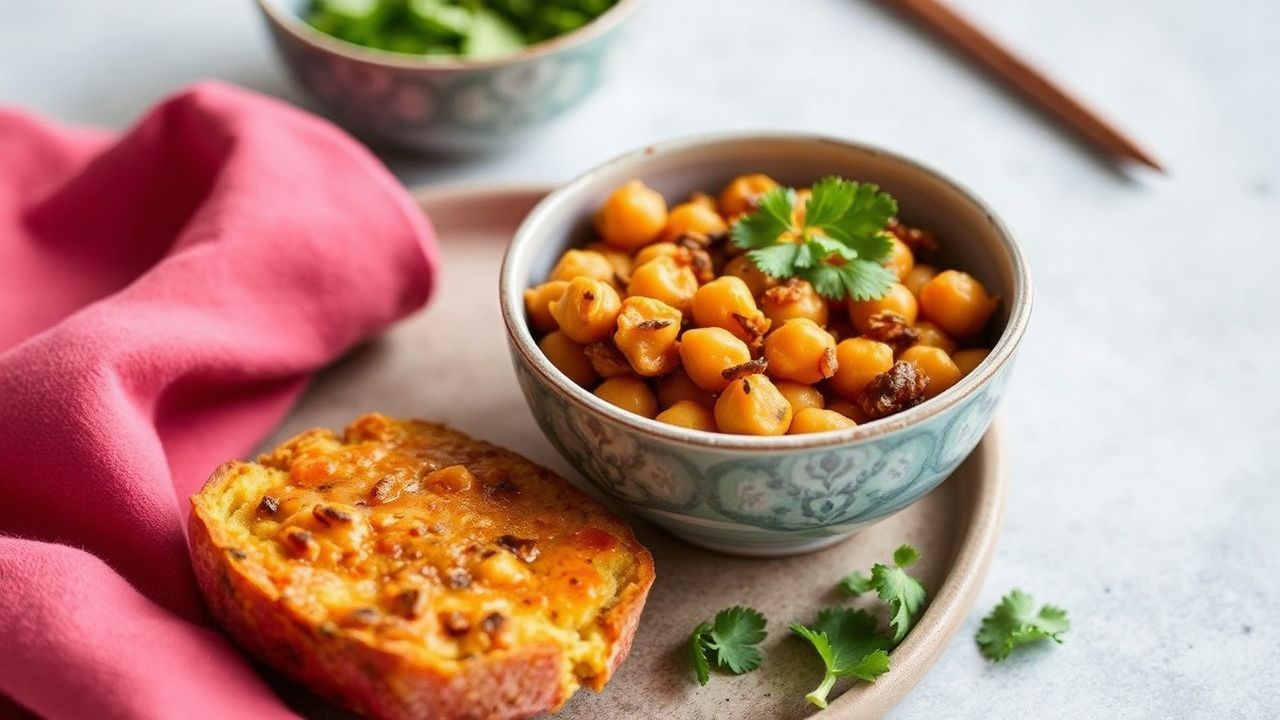

The Humble Chickpea Curry Bake: A Symphony of Simplicity and Spice
The notion that vegan cooking is inherently less satisfying or complex than its animal-product-laden counterparts is demonstrably false. Plant-based cuisine, when approached with culinary acumen and an understanding of flavor architecture, can achieve a depth and nuance that rivals, and often surpasses, traditional fare. Consider the humble chickpea and potato curry bake. Often relegated to quick weeknight meals, this dish, when executed with intention, transcends its utilitarian origins to become a profound expression of comfort and sophisticated taste. It’s proof of how a few well-chosen ingredients, coaxed by judicious technique, can create something truly extraordinary. This isn’t merely about sustenance; it’s about crafting an experience, a culinary journey that begins with the earthy sweetness of potatoes and the robust texture of chickpeas, culminating in a symphony of aromatic spices, all bound together in a comforting, baked embrace.
- The Humble Chickpea Curry Bake: A Symphony of Simplicity and Spice
- The Alchemy of Preparation: Crafting Your Chickpea Curry Bake
- Step 1: Building the Aromatic Foundation
- Step 2: Toasting and Blooming the Spices
- Step 3: Incorporating the Hearty Elements
- Step 4: The Richness of Coconut Milk and Simmering
- Step 5: The Transformative Bake
- Step 6: The Final Flourish
- Nutritional Profile: A Wholesome Feast
- Expert Insights: Elevating Your Chickpea Curry Bake to Culinary Stardom
- Serving Suggestions: The Grand Finale
- Conclusion: proof of Plant-Powered Potential
- Frequently Asked Questions
Key Takeaways:
- The chickpea curry bake, when elevated, offers profound depth and complexity through thoughtful spice layering and ingredient selection.
- This recipe moves beyond a simple stew, leveraging the transformative power of baking to meld flavors and achieve a superior texture.
- Mastering the foundational spice blend is paramount to unlocking the full potential of this versatile dish.
- Adaptability is a core strength; this bake serves as a canvas for personal culinary expression and seasonal variations.
The genesis of many comfort food classics lies in necessity and resourcefulness. In South Asian culinary traditions, where pulses and root vegetables form the bedrock of countless dishes, the concept of a hearty, spiced bake is deeply ingrained. While the traditional stovetop curry is ubiquitous, the baked iteration offers a distinct advantage: a concentrated intensity of flavor as the moisture gently evaporates, allowing the spices to bloom and meld more intimately with the vegetables. This process creates a richer, more cohesive sauce that clings beautifully to the chickpeas and potatoes, transforming them into something far greater than the sum of their parts.
Unearthing the Potential: Ingredients for a Superior Chickpea Curry Bake
The success of any culinary endeavor hinges on the quality and synergy of its components. For this elevated chickpea curry bake, we move beyond the absolute basics to ensure a truly memorable dish.
The Foundation: Aromatic Base and Hearty Staples
- Olive Oil: 2 tablespoons (30ml) – A good quality extra virgin olive oil for sautéing.
- Yellow Onion: 1 large, finely chopped (approx. 150g) – Provides foundational sweetness and depth.
- Garlic: 4 cloves, minced (approx. 20g) – Essential for pungency and aromatic complexity.
- Ginger: 1-inch piece, grated (approx. 15g) – Adds a warming, zesty counterpoint.
- Potatoes: 500g (about 2 medium-large), peeled and cut into 2.5cm (1-inch) cubes – Waxy varieties like Yukon Gold or Maris Piper are ideal for holding their shape.
- Chickpeas: 2 cans (400g each, drained and rinsed) or 300g dried chickpeas, soaked overnight and cooked until tender – The protein powerhouse, offering satisfying texture.
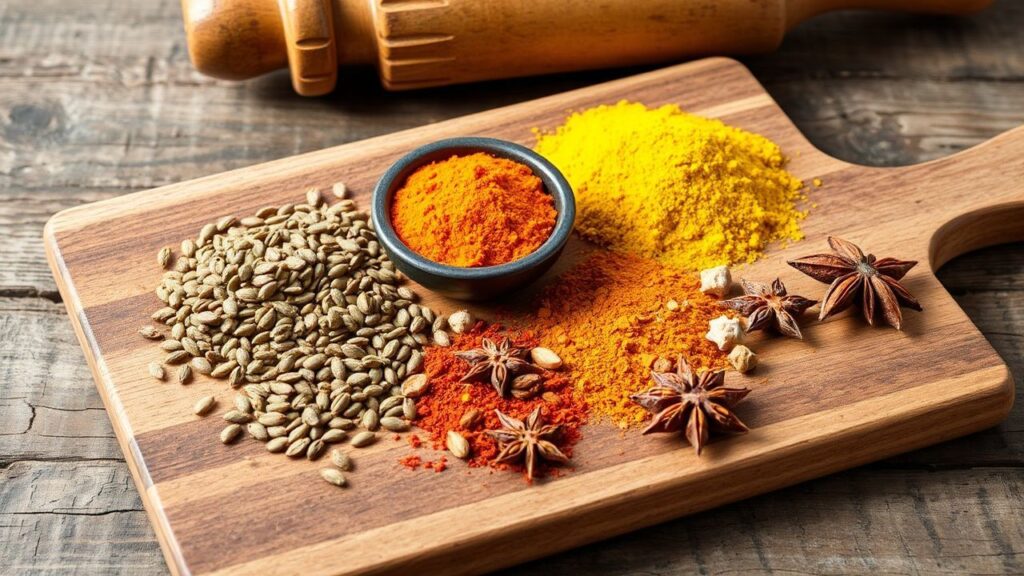
The Soul: A Masterful Spice Blend
This is where the magic truly happens. A nuanced spice blend is crucial for developing a complex, layered flavor profile that defines an exceptional chickpea curry.
- Cumin Seeds: 1 teaspoon (2g) – Toasted whole, they offer a nutty, earthy depth.
- Coriander Seeds: 1 teaspoon (2g) – Adds a citrusy, slightly floral note.
- Turmeric Powder: 1 teaspoon (3g) – For vibrant color and its subtle earthy warmth.
- Ground Cumin: 1 ½ teaspoons (4g) – Complements the toasted seeds with a deeper flavor.
- Ground Coriander: 1 ½ teaspoons (4g) – Enhances the citrusy notes.
- Garam Masala: 1 teaspoon (2g) – A warming blend that adds complexity and fragrance.
- Cayenne Pepper (or Red Chili Flakes): ¼ to ½ teaspoon (0.5-1g), adjust to your heat preference – For a gentle kick.
- Smoked Paprika: ½ teaspoon (1.5g) – Imparts a subtle smoky undertone, a departure from traditional methods that adds intrigue.
The Unifier: Liquid and Richness
- Crushed Tomatoes: 1 can (400g) – Provides acidity and a rich, saucy base.
- Coconut Milk: 1 can (400ml), full-fat – For creaminess and a subtle tropical sweetness that balances the spices.
- Vegetable Broth: 120ml (½ cup) – To adjust consistency and add savory depth.
- Salt: To taste (start with 1 teaspoon, approx. 5g) – Essential for enhancing all other flavors.
- Black Pepper: Freshly ground, to taste.
The Finishing Touches: Freshness and Flair
- Fresh Cilantro: ½ cup, chopped (approx. 15g) – For a burst of freshness and herbaceous notes.
- Fresh Lime or Lemon Juice: 1 tablespoon (15ml) – To brighten the flavors just before serving.
The Alchemy of Preparation: Crafting Your Chickpea Curry Bake
The journey from individual ingredients to a harmonious bake is a deliberate one, requiring attention to detail at each stage. This is not a dish to be rushed, but rather one to be savored in its creation.
Step 1: Building the Aromatic Foundation
Begin by preheating your oven to 190°C (375°F). This initial step ensures the oven is at the optimal temperature when your curry bake is ready for its transformative journey.
In a large, oven-safe pot or Dutch oven, heat the olive oil over medium heat. Add the chopped onion and sauté until softened and translucent, about 5-7 minutes. This gentle cooking process coaxes out the onion’s natural sweetness without browning, forming a crucial sweet base for the curry. Next, introduce the minced garlic and grated ginger. Stir continuously for about 1 minute until fragrant. Avoid burning the garlic, as this can impart a bitter note.
Step 2: Toasting and Blooming the Spices
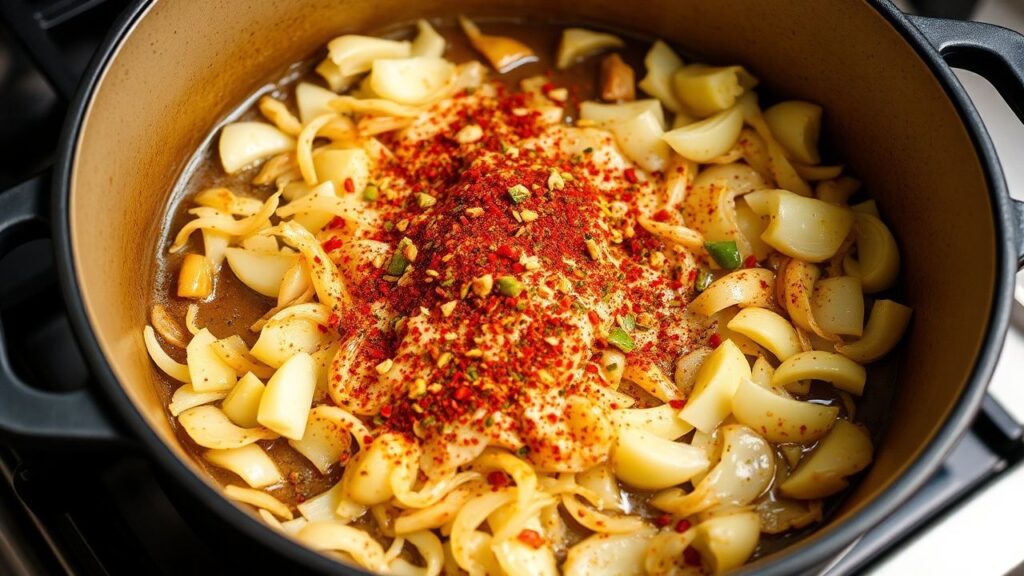
Now, the heart of the flavor development. Add the cumin seeds and coriander seeds to the pot. Toast them for about 30 seconds until fragrant. This brief toasting awakens their essential oils, intensifying their aroma and flavor. Then, stir in the turmeric powder, ground cumin, ground coriander, cayenne pepper, and smoked paprika. Cook for another minute, stirring constantly, until the spices are fragrant and well combined with the onion mixture. This blooming process in the hot oil is critical for releasing the full spectrum of their complex flavors.
Step 3: Incorporating the Hearty Elements
Add the cubed potatoes and drained chickpeas to the pot. Stir well to coat them evenly with the spiced onion mixture, ensuring that every morsel will be infused with the developing flavors. Pour in the crushed tomatoes and vegetable broth. Stir everything together, scraping any browned bits from the bottom of the pot – these are nuggets of pure flavor. Bring the mixture to a simmer.
Step 4: The Richness of Coconut Milk and Simmering
Pour in the full-fat coconut milk. Stir gently to incorporate it into the tomato and vegetable base. Season generously with salt and freshly ground black pepper. Taste and adjust the seasoning as needed; this is your final opportunity to fine-tune the saltiness and spice level before baking. Let the curry simmer gently for about 10 minutes, allowing the flavors to meld and the sauce to thicken slightly. The potatoes should begin to soften but should not be fully cooked.
Step 5: The Transformative Bake
Cover the oven-safe pot tightly with its lid. Transfer the pot to the preheated oven. Bake for 30-40 minutes, or until the potatoes are tender when pierced with a fork and the sauce has thickened to your desired consistency. The baking process allows the flavors to deepen and meld in a way that stovetop cooking alone cannot achieve, creating a truly cohesive and satisfying dish.
Step 6: The Final Flourish
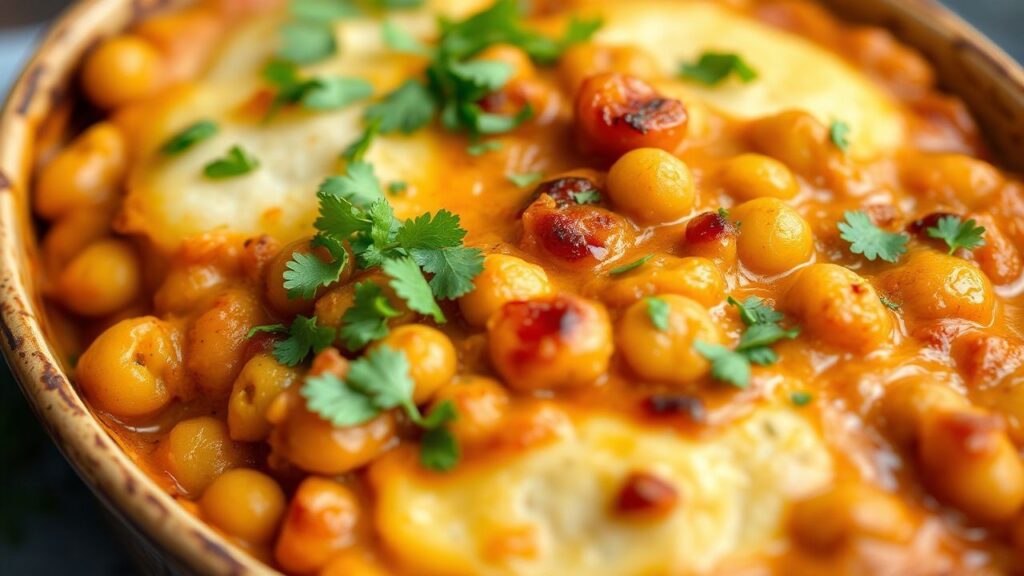
Once baked to perfection, carefully remove the pot from the oven. Let it rest, covered, for 5-10 minutes. This resting period allows the sauce to settle and the flavors to harmonize further. Just before serving, stir in the chopped fresh cilantro and the fresh lime or lemon juice. The brightness of the citrus cuts through the richness, lifting the entire dish and adding a final layer of complexity.
Nutritional Profile: A Wholesome Feast
This vegan chickpea and potato curry bake, while deeply satisfying, also offers a robust nutritional profile. The precise figures will vary based on specific ingredient brands and portion sizes, but a general breakdown per serving (assuming 4 servings) is as follows:
- Calories: Approximately 450-550 kcal
- Protein: 15-20g (primarily from chickpeas)
- Fiber: 12-18g (excellent source from chickpeas and potatoes)
- Healthy Fats: 20-30g (largely from coconut milk and olive oil)
- Carbohydrates: 50-70g (from potatoes and chickpeas)
- Vitamins & Minerals: Rich in Vitamin A (from sweet potatoes if used), Vitamin C, B vitamins, iron, magnesium, and potassium.
This dish exemplifies how plant-based meals can provide substantial protein and fiber, contributing to satiety and overall well-being. The complex carbohydrates offer sustained energy, while the healthy fats contribute to nutrient absorption and a feeling of fullness.
Expert Insights: Elevating Your Chickpea Curry Bake to Culinary Stardom
While the provided recipe is designed for excellence, a true culinary artist always seeks to refine and personalize. Here are some pro tips to elevate your vegan chickpea curry bake from delicious to truly unforgettable.
Ingredient Nuances and Substitutions
- Potato Variety: While waxy potatoes are recommended, you can experiment with starchy varieties like Russets for a creamier interior, though they may break down more readily during baking. A mix can also be effective.
- Sweet Potatoes: For a touch of sweetness and a vibrant orange hue, substitute half of the regular potatoes with sweet potatoes. Their inherent sweetness pairs beautifully with the spices.
- Greens: Wilt in a generous handful of spinach or kale during the last 10 minutes of baking for an added nutritional boost and a touch of vibrant color.
- Tomatoes: Fire-roasted diced tomatoes can add an extra layer of smoky complexity.
Spice Layering and Intensity
- Fresh Spices: If possible, use freshly ground spices. The difference in aroma and flavor is palpable. A small spice grinder is a worthwhile investment for any serious home cook.
- Heat Control: The cayenne pepper is a guide; adjust it to your personal preference. For a milder dish, omit it entirely. For more heat, add a finely chopped fresh green chili alongside the ginger and garlic.
- Aromatic Boost: Consider adding a bay leaf or a cinnamon stick to the simmering sauce for an extra layer of subtle warmth and fragrance. Remove them before serving.
Serving Suggestions: The Grand Finale
This vegan chickpea and potato curry bake is a complete meal in itself, but it truly shines when paired with complementary accompaniments.
- Basmati Rice: Steamed, fluffy basmati rice is the quintessential partner, providing a neutral canvas to soak up the rich sauce.
- Naan or Roti: Warm, pillowy naan bread or whole wheat roti are perfect for scooping up every last drop of the delectable curry.
- Yogurt or Raita: A dollop of plain, unsweetened vegan yogurt or a cooling cucumber raita can provide a refreshing counterpoint to the warmth of the spices.
- Pickles and Chutneys: A side of Indian pickles or a sweet mango chutney can add a delightful tang and sweetness.
The visual appeal is also paramount. Garnish generously with fresh cilantro, a squeeze of lime, and perhaps a scattering of toasted slivered almonds or cashews for added texture and visual interest.
Conclusion: proof of Plant-Powered Potential
The vegan chickpea and potato curry bake, as presented here, is far more than a simple recipe; it’s a culinary philosophy made manifest. It demonstrates that with thoughtful ingredient selection, meticulous technique, and a nuanced understanding of flavor, plant-based cooking can achieve remarkable heights of complexity, satisfaction, and sheer deliciousness. This dish is proof of the power of humble ingredients, transformed through the alchemy of spice and heat, to create something profoundly comforting and exquisitely flavorful. It’s a vibrant, wholesome, and deeply satisfying meal that will undoubtedly become a cherished staple in your repertoire, proving that vegan cuisine is not about restriction, but about boundless creativity and unparalleled flavor.
Frequently Asked Questions
Can I make this chickpea curry bake ahead of time?
Yes, absolutely. This dish is an excellent candidate for make-ahead preparation. You can assemble the entire bake, up to the point of baking, and refrigerate it for up to 24 hours. When ready to cook, simply place the covered dish in the preheated oven and increase the baking time by about 10-15 minutes to account for the cold ingredients. Alternatively, you can bake it completely, let it cool, and then reheat it gently in the oven or on the stovetop. The flavors often meld and deepen even further upon reheating, making it a fantastic option for meal prep.
What if I don’t have an oven-safe pot? Can I still make this chickpea curry bake?
Certainly. If you lack an oven-safe pot, you can prepare the curry base on the stovetop as outlined in steps 1-4. Once the curry is simmering and ready for baking, transfer it to a suitable oven-safe baking dish (e.g., a casserole dish or a deep baking tray). Cover the dish tightly with aluminum foil to create a seal and prevent excessive moisture loss. Then, proceed with the baking step as directed. Ensure the baking dish is deep enough to accommodate the volume of the curry.
How can I make this chickpea curry bake spicier?
To increase the heat of your chickpea curry bake, you have several options. You can add more cayenne pepper or red chili flakes to the spice blend, starting with an additional ¼ teaspoon and tasting as you go. For a more complex heat, consider adding a finely chopped fresh green chili (like a jalapeño or serrano) along with the garlic and ginger in Step 1. Another method is to incorporate a tablespoon or two of your favorite hot sauce or chili paste into the sauce during Step 4, before baking. Remember, it’s always easier to add more heat than to take it away, so proceed with caution and taste frequently.
What are some other vegetables that would work well in this chickpea curry bake?
This chickpea curry bake is wonderfully versatile and can accommodate a wide array of vegetables. Some excellent additions include:
- Bell Peppers: Red, yellow, or orange bell peppers, chopped, add sweetness and vibrant color. Add them with the onions.
- Cauliflower Florets: Small cauliflower florets can be added with the potatoes. They absorb the flavors beautifully.
- Green Beans: Trimmed green beans can be added during the last 20 minutes of baking to ensure they remain tender-crisp.
- Peas: Frozen peas can be stirred in during the final 5-10 minutes of baking for a pop of sweetness and color.
- Zucchini or Eggplant: Diced zucchini or eggplant can be added with the potatoes, though they may cook faster and could become very soft if overcooked.
- Spinach or Kale: As mentioned in the expert tips, a few handfuls of leafy greens can be wilted in during the last 10 minutes of baking for an added nutritional boost.
When adding new vegetables, consider their cooking times and adjust their addition to the recipe accordingly to ensure they are perfectly tender by the time the bake is ready.
See also: Chickpea curry