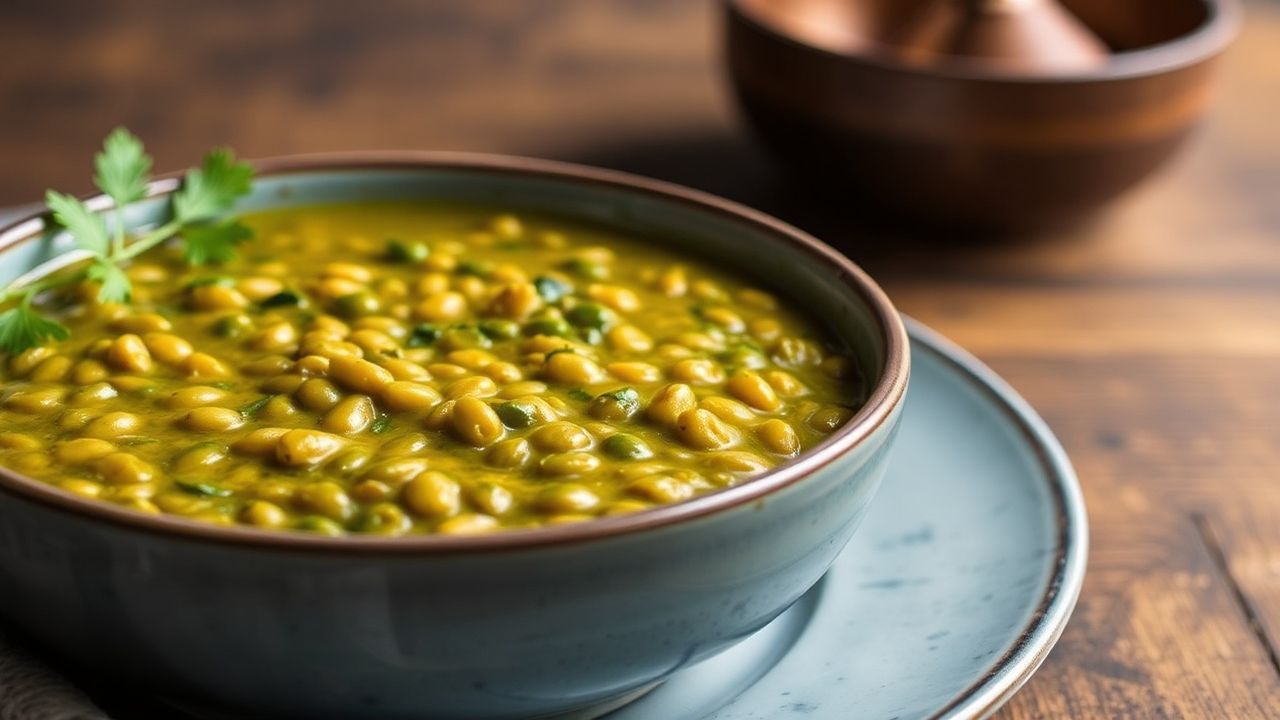

The aroma of toasted cumin and simmering spices, the earthy perfume of lentils yielding to the gentle heat, the vibrant dance of turmeric and coriander – these are the sensory hallmarks that draw us to the humble yet profound world of lentil curry. It’s a dish that transcends mere sustenance, acting as a culinary anchor in countless households, proof of the ingenuity of simple ingredients transformed into something extraordinary. For many, a well-executed lentil curry evokes memories of home, of shared meals, and of a comforting familiarity. Beyond nostalgia, this dish is a masterclass in balancing flavors, textures, and nutrition, offering a gateway into the intricate tapestry of Indian cuisine for the uninitiated and a cherished staple for seasoned aficionados.
- The Genesis of the Humble Lentil Curry
- Mastering the Foundation: Ingredients for an Exemplary Green Lentil Curry
- The Alchemy of Preparation: Crafting the Perfect Green Lentil Curry
- Step 1: Preparing the Lentils
- Step 2: The Initial Simmer
- Step 3: Building the Flavor Base (The Tadka/Chaunk)
- Step 4: Infusing the Spices
- Step 5: Marrying the Components
- Step 6: The Final Flourish
- Nutritional Profile: A Wholesome Bowl
- Elevating Your Lentil Curry: Pro Tips for Restaurant-Quality Results
- The Art of the Second Tempering (Tadka/Chaunk)
- Embracing Regional Variations
- The Power of Fresh Aromatics
- Texture Play: Creaminess vs. Bite
- The Unsung Hero: Acidity
- A Case Study in Flavor Enhancement: The “Dal Makhani” Influence
- Conclusion: A Culinary Embrace
- Frequently Asked Questions
At a Glance: The Essence of Expert Lentil Curry
* Flavor Depth: Achieved through meticulous tempering (tadka/chaunk) and the slow infusion of aromatics.
* Texture Control: Mastering the lentil-to-liquid ratio is paramount for a creamy, not watery, consistency.
* Nutritional Powerhouse: A complete protein source, rich in fiber and essential minerals.
* Adaptability: A versatile canvas for regional variations and personal spice preferences.
This comprehensive guide demystifies the creation of an exceptional green lentil curry, exploring the nuances of ingredient selection, precise technique, and the subtle art of flavor layering that elevates it from good to truly sublime. We explore not just the ‘how-to’, but the ‘why’ behind each step, empowering you to recreate this iconic dish with confidence and flair.
The Genesis of the Humble Lentil Curry
The story of lentil curry is as ancient as agriculture itself. Lentils, one of the earliest domesticated legumes, have been a cornerstone of diets across the Indian subcontinent for millennia. Their resilience, ease of cultivation, and remarkable nutritional profile made them an indispensable food source, particularly for agrarian communities. The development of curries, a broad category encompassing a vast array of dishes characterized by their spiced sauces, naturally integrated these versatile legumes. Early Indian culinary traditions, deeply influenced by Ayurvedic principles emphasizing balance and nourishment, recognized the inherent goodness of lentils. They were often prepared simply, perhaps with ginger, garlic, and a touch of chili, to enhance their digestibility and flavor.
Over centuries, as trade routes expanded and regional cuisines flourished, the lentil curry evolved. Different regions developed their unique interpretations, influenced by local produce, available spices, and cultural preferences. In the north, thicker, creamier versions might feature yogurt or coconut milk. The south could lean towards lighter, tangier preparations with tamarind and mustard seeds. This inherent adaptability is one of the lentil curry’s greatest strengths, allowing it to be a canvas for an almost infinite number of flavor profiles. The very act of cooking lentils, breaking down their complex starches to create a naturally creamy texture, is a fundamental culinary principle perfected over generations.
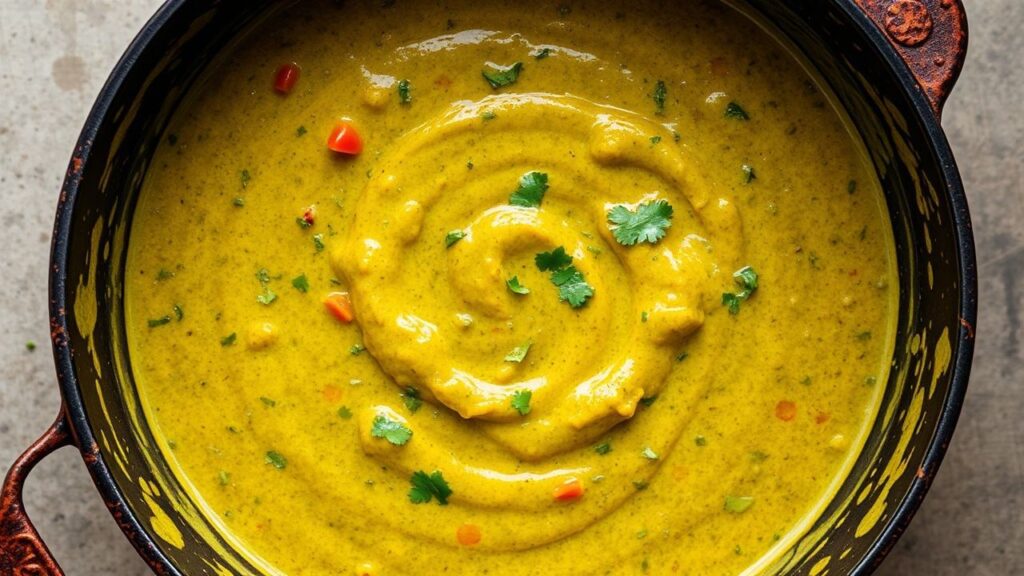
Mastering the Foundation: Ingredients for an Exemplary Green Lentil Curry
The soul of any great lentil curry lies in the quality and synergy of its components. While seemingly straightforward, each ingredient matter significantly in building the final symphony of flavors and textures. For this foundational recipe, we focus on green lentils, prized for their ability to hold their shape while becoming tender, offering a satisfying bite.
The Lentil Star
- Green Lentils (Masoor Dal or Whole Green Lentils): 250g (approx. 1 ¼ cups). Opt for good quality, unblemished lentils. Whole green lentils (like moong dal or whole urad dal) offer a slightly firmer texture and nutty flavor. If using split green lentils (masoor dal), they will cook faster and break down more, resulting in a creamier, thicker consistency. The choice here significantly impacts the final mouthfeel.
The Aromatic Core
- Ghee or Neutral Oil (e.g., Sunflower, Canola): 2-3 tablespoons. Ghee imparts a rich, nutty depth that is quintessentially Indian. For a lighter, vegan option, a neutral oil works beautifully.
- Cumin Seeds (Jeera): 1 teaspoon. These are the first to bloom in hot oil, releasing their warm, earthy aroma.
- Mustard Seeds (Rai/Sarson): ½ teaspoon (optional, for a subtle pungency). Black mustard seeds are traditional.
- Asafoetida (Hing): A generous pinch (about ¼ teaspoon). This pungent resin is a digestive aid and adds a unique savory, almost onion-garlic-like complexity. Use sparingly; its flavor is potent.
- Ginger: 1-inch piece, finely grated or minced. Fresh ginger provides a bright, zesty counterpoint to the richness.
- Garlic: 3-4 cloves, finely minced. Its pungent sweetness is indispensable.
- Green Chilies: 1-2, finely chopped (adjust to heat preference). Deseeded for milder heat, or left whole for a more intense kick.
- Onion: 1 medium, finely chopped. Provides a sweet base.
The Spice Cabinet Symphony
- Turmeric Powder (Haldi): ½ teaspoon. For its vibrant color and earthy, slightly peppery notes.
- Coriander Powder (Dhaniya): 1 ½ teaspoons. Adds a warm, citrusy, and slightly floral undertone.
- Cumin Powder (Jeera): 1 teaspoon. Complements the whole cumin seeds, deepening the earthy profile.
- Garam Masala: ½ teaspoon (added towards the end). A blend of warming spices that provides a fragrant finish.
- Red Chili Powder (Lal Mirch): ¼ – ½ teaspoon (optional, adjust to heat preference). For added warmth and color.
The Liquid Backbone and Enrichments
- Water or Vegetable Broth: 4-5 cups (approx. 1 – 1.2 liters). Broth adds an extra layer of savory depth. The amount may vary depending on lentil type and desired consistency.
- Tomatoes: 1 medium ripe tomato, finely chopped, or 2 tablespoons tomato paste. Adds acidity and a hint of sweetness.
- Salt: To taste. Crucial for balancing all flavors.
- Fresh Cilantro (Coriander Leaves): A generous handful, chopped, for garnish and fresh aroma.
- Lemon or Lime Juice: A squeeze (optional, at the end) to brighten the flavors.
The Alchemy of Preparation: Crafting the Perfect Green Lentil Curry
The journey from raw ingredients to a comforting bowl of lentil curry is a mindful process, best undertaken with patience and attention to detail. Each stage, from rinsing the lentils to the final tempering, contributes to the dish’s ultimate character.
Step 1: Preparing the Lentils
Begin by thoroughly rinsing the green lentils under cold running water. This crucial step removes any dust or debris and helps to eliminate some of the natural starch that can make the curry gummy. Continue rinsing until the water runs clear. After rinsing, soak the lentils for at least 30 minutes if using whole green lentils; split lentils do not typically require soaking. Soaking aids in even cooking and reduces cooking time.
Step 2: The Initial Simmer
In a medium-sized pot or Dutch oven, combine the rinsed lentils with 4 cups (approx. 1 liter) of fresh water or vegetable broth. Bring the mixture to a boil over medium-high heat. Once boiling, reduce the heat to low, cover the pot partially, and simmer. The simmering time will vary: split green lentils may take 20-30 minutes, while whole green lentils could require 30-45 minutes, or even longer, until they are tender but not mushy. Skim off any foam that rises to the surface during the initial stages of cooking.
Step 3: Building the Flavor Base (The Tadka/Chaunk)
While the lentils are simmering, prepare the tempering, known as ‘tadka’ or ‘chaunk’ in Indian cuisine. This is where a significant portion of the curry’s aromatic magic happens. In a separate small pan or skillet, heat the ghee or oil over medium heat. Once shimmering, add the cumin seeds and mustard seeds (if using). Allow them to splutter and release their fragrance; this usually takes about 30 seconds. Be careful not to burn them, as this will impart a bitter taste.
Next, add the asafoetida, grated ginger, minced garlic, and chopped green chilies. Sauté for about 1-2 minutes until the garlic turns fragrant and a pale golden hue. Avoid browning the garlic too much, as it can become bitter. This aromatic foundation is critical for the depth of flavor in the final lentil curry.
Step 4: Infusing the Spices
Reduce the heat to low. Add the turmeric powder, coriander powder, cumin powder, and red chili powder (if using) to the pan with the aromatics. Stir continuously for about 30-60 seconds, allowing the spices to bloom in the hot oil. This step is vital for releasing their volatile oils and deepening their flavor. Do not let the spices burn.
Step 5: Marrying the Components
Once the spices are fragrant, carefully pour the entire tempering mixture into the pot of simmering lentils. Stir well to combine. Add the finely chopped tomatoes or tomato paste to the pot. Continue to simmer the lentil curry, uncovered, for another 10-15 minutes, or until the lentils have reached your desired consistency and the tomatoes have softened and integrated into the sauce. If the curry becomes too thick, you can add a little more hot water or broth to reach the perfect consistency.
Step 6: The Final Flourish
Season the lentil curry generously with salt to taste. Stir in the garam masala and chopped fresh cilantro. If using, add a squeeze of fresh lemon or lime juice just before serving to brighten the flavors. This final addition of acidity cuts through the richness and elevates the entire dish.
Nutritional Profile: A Wholesome Bowl
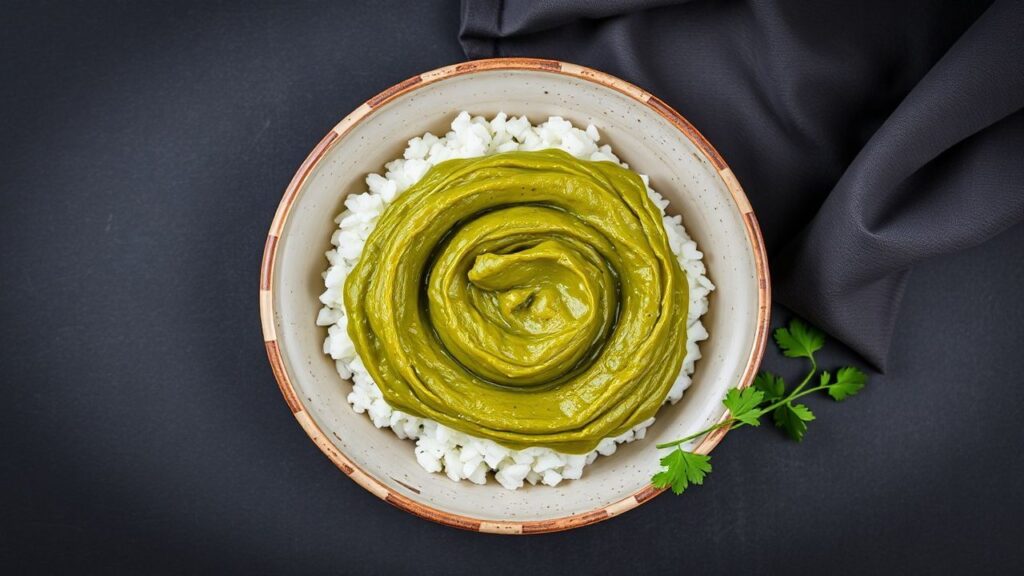
A well-prepared green lentil curry is a nutritional powerhouse, offering a compelling blend of macronutrients and micronutrients that contribute to overall well-being. Its inherent goodness makes it a staple in balanced diets, particularly for vegetarians and vegans.
Approximate Nutritional Information per Serving (assuming 4 servings):
- Calories: 250-300 kcal (varies based on oil/ghee usage)
- Protein: 15-20g (excellent source of plant-based protein)
- Fiber: 10-15g (promotes digestive health and satiety)
- Carbohydrates: 30-40g
- Fat: 8-12g (primarily from healthy fats in oil/ghee and lentils)
- Iron: Significant contribution, crucial for energy levels.
- Folate: Abundant, important for cell growth and function.
- Potassium: Supports healthy blood pressure.
- Magnesium: Involved in numerous bodily processes.
The combination of complex carbohydrates and high fiber content ensures sustained energy release, making lentil curry an excellent choice for a satisfying meal that keeps you feeling full and energized. Its plant-based protein content is comparable to that of meat, making it a vital component for those seeking to reduce meat consumption without compromising on protein intake.
Elevating Your Lentil Curry: Pro Tips for Restaurant-Quality Results
Transforming a good lentil curry into an exceptional one often comes down to subtle techniques and thoughtful additions that enhance its complexity and depth. These expert tips guide you toward achieving that coveted restaurant-quality taste and texture.
The Art of the Second Tempering (Tadka/Chaunk)
For an added layer of aromatic intensity and visual appeal, consider a second, lighter tempering just before serving. In a very small pan, heat a teaspoon of ghee or oil. Add a pinch of cumin seeds and a few curry leaves (if available and you enjoy their flavor). Once the seeds splutter, immediately pour this fragrant oil over the finished curry. This final infusion awakens the palate with fresh, vibrant notes.
Embracing Regional Variations
Don’t be afraid to explore. A South Indian style might incorporate tamarind paste for tanginess and a tempering of mustard seeds, curry leaves, and dried red chilies. A North Indian version could benefit from a swirl of full-fat yogurt or a dollop of cream for richness. Even a simple addition of fenugreek leaves (kasoori methi), crushed between your palms, can impart a unique, slightly bitter depth that is incredibly addictive.
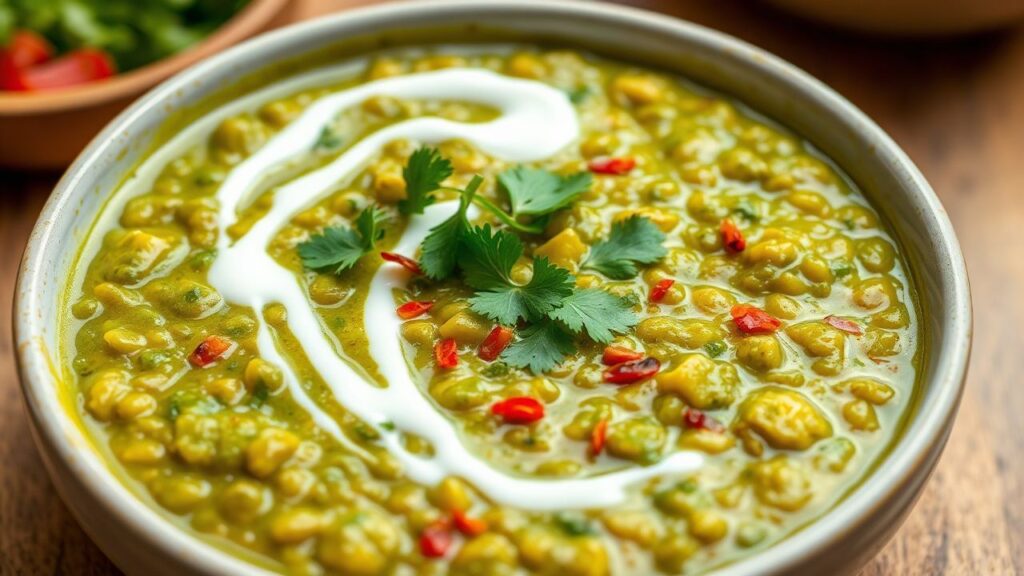
The Power of Fresh Aromatics
While dried spices are foundational, the judicious use of fresh aromatics can significantly elevate the dish. Beyond the initial ginger, garlic, and chilies, consider adding a finely minced shallot alongside the onion for a sweeter, more nuanced base. A small amount of fresh turmeric root, grated finely, can also offer a brighter, more complex flavor than its powdered counterpart.
Texture Play: Creaminess vs. Bite
The texture of your lentil curry is paramount. If you prefer a very smooth, creamy consistency, consider blending a portion of the cooked lentils with a little of the cooking liquid before returning them to the pot. Alternatively, for a heartier dish with more distinct lentil grains, ensure you use whole green lentils and do not overcook them. The ratio of liquid to lentils is key; too much liquid results in a watery curry, while too little can make it stiff and dry.
The Unsung Hero: Acidity
Acidity is often the missing piece in home-cooked curries. A squeeze of fresh lemon or lime juice at the very end of cooking acts as a flavor enhancer, cutting through richness and making all the other spices pop. A small amount of tamarind paste dissolved in warm water and added towards the end can also provide a delightful tang, especially in more traditional preparations. The key is balance; you want a bright lift, not an overpowering sourness.
A Case Study in Flavor Enhancement: The “Dal Makhani” Influence
Consider the legendary Dal Makhani, a rich lentil dish often made with black lentils and kidney beans. Its signature creaminess and depth are achieved through slow cooking and generous use of butter and cream. While our green lentil curry is distinct, the principle of patient simmering and enrichment applies. For a richer green lentil curry, you might consider adding a tablespoon of cashew paste during the final simmering stage, or finishing with a small knob of butter. This isn’t about replicating Dal Makhani, but about understanding how slow cooking and fat contribute to a more luxurious mouthfeel and integrated flavor profile.
Conclusion: A Culinary Embrace
The green lentil curry is more than just a recipe; it’s a culinary embrace, a dish that nourishes the body and comforts the soul. Its versatility, coupled with its inherent nutritional value and rich flavor potential, makes it an enduring classic. By understanding the interplay of ingredients, mastering the art of tempering, and embracing thoughtful enhancements, you can create a lentil curry that not only satisfies but truly delights. Whether you are a seasoned cook or embarking on your culinary journey, this dish offers a rewarding and delicious exploration of the vibrant world of Indian cuisine.
Frequently Asked Questions
What is the difference between green lentils and other types of lentils for curry?
The primary difference lies in their texture and cooking behavior. Green lentils, especially whole ones, tend to hold their shape better and offer a slightly firmer bite. Split green lentils (masoor dal) break down more readily, yielding a creamier, thicker curry. Red and yellow lentils cook very quickly and disintegrate almost completely, creating a smooth, soup-like consistency. Brown lentils are similar to green lentils but can sometimes cook a bit faster. Each type offers a unique textural experience, so the choice depends on your desired outcome. For a classic, satisfying lentil curry with discernible grains, green lentils are an excellent choice.
How can I make my lentil curry creamier?
Several methods can achieve a creamier texture. Firstly, ensure you are using split lentils (like masoor dal) as they naturally break down more. Secondly, the ratio of liquid to lentils is crucial; start with less liquid and add more as needed to achieve your desired consistency. Thirdly, a common technique is to partially blend a portion of the cooked lentils with some of the cooking liquid using an immersion blender or a regular blender (be cautious with hot liquids) and then stir this back into the main pot. For a richer, dairy-based creaminess, you can stir in a tablespoon or two of heavy cream, coconut milk, or even a dollop of yogurt towards the end of cooking. Cashew paste, made from soaked and blended cashews, is another excellent plant-based option for achieving a luxurious creaminess.
Can I make lentil curry ahead of time, and how should I store it?
Absolutely. Lentil curry often tastes even better the next day, as the flavors have more time to meld and deepen. You can make the entire curry and let it cool completely before storing it. Transfer the cooled curry to an airtight container and refrigerate it. It should remain fresh in the refrigerator for 3-4 days. When reheating, you may need to add a splash of water or broth, as the curry can thicken upon standing. Gently reheat on the stovetop over low heat, stirring occasionally, or microwave until heated through. Freezing is also an option; ensure it’s cooled and in an airtight container or freezer bag. Frozen lentil curry can last for up to 3 months.
See also: lentil curry