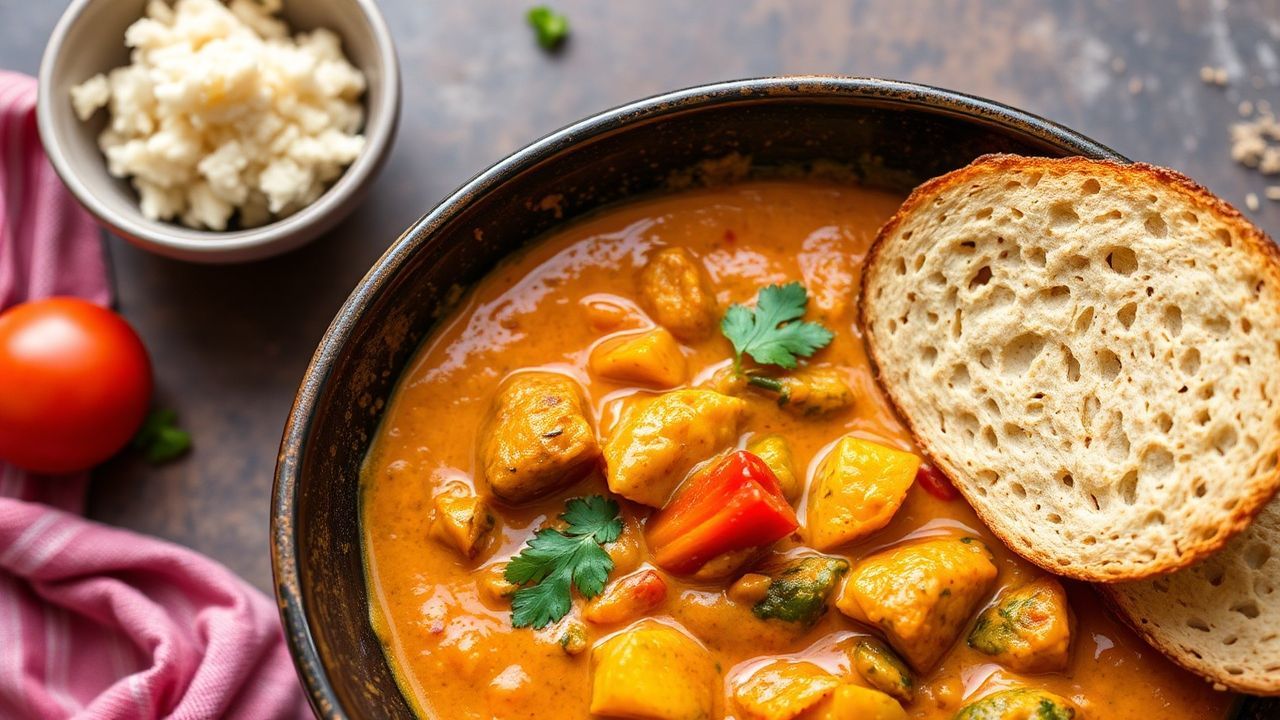

Curry, a word that evokes a kaleidoscope of aromas and a tapestry of global culinary traditions, finds a unique and vibrant expression in the Caribbean. More than just a dish, Caribbean vegetable curry is proof of resilience, adaptation, and the joyous fusion of cultures. It’s a culinary narrative woven from the threads of African, Indian, European, and indigenous influences, a dish that speaks of sun-drenched islands and the ingenuity of those who cultivated them.
- The Heart of the Caribbean Vegetable Curry: Ingredients
- The Art of Assembly: Preparation Method
- Harnessing the Aromatics
- Blooming the Spices
- Building the Body of the Curry
- Incorporating the Softer Vegetables
- The Final Flourish
- Serving Suggestions
- Nutritional Insights: A Wholesome Embrace
- Elevating the Experience: Expert Pro-Tips
- A Deeper Dive into the Cultural Tapestry
- Frequently Asked Questions
At a Glance:
- Caribbean vegetable curry is a vibrant fusion dish, reflecting a rich multicultural heritage.
- It emphasizes fresh, seasonal produce, transformed by aromatic spices and creamy coconut milk.
- This dish is a cornerstone of island home cooking, adaptable to diverse ingredients and palates.
- Mastering its preparation involves understanding the balance of sweet, savory, and piquant notes.
The genesis of this particular iteration of curry is intrinsically linked to the indentured laborers, primarily from India, who arrived in the Caribbean in the 19th and early 20th centuries. They brought with them their cherished spices and cooking techniques, which were then ingeniously adapted to the local bounty of tropical vegetables and fruits. Unlike its South Asian progenitors, Caribbean vegetable curry often embraces a broader palette of ingredients, incorporating root vegetables, gourds, and leafy greens that are abundant in the region. The result is a dish that is both familiar and distinct, a bold declaration of its own identity.
The Heart of the Caribbean Vegetable Curry: Ingredients
Crafting an authentic and deeply satisfying Caribbean vegetable curry hinges on the quality and synergy of its components. Each element matter significantly in the symphony of flavors.
Aromatic Foundation
The soul of any curry lies in its aromatic base. For this Caribbean rendition, this begins with the trifecta of onion, garlic, and ginger, sautéed until fragrant. This foundational layer is then amplified by the strategic inclusion of Scotch bonnet pepper, the quintessential Caribbean chili, which lends a distinctive heat and fruity undertone.
- Onions: 2 large (approximately 300g), finely chopped
- Garlic: 6-8 cloves, minced
- Fresh Ginger: 2-inch piece, peeled and grated (approximately 30g)
- Scotch Bonnet Pepper: 1-2, finely minced (adjust to heat preference, seeds removed for less heat)
- Vegetable Oil or Coconut Oil: 3 tablespoons (45ml)
The Spice Ensemble
The spice blend is where the true magic happens. It’s a carefully orchestrated combination that moves beyond mere heat to deliver warmth, depth, and complexity. Turmeric, for its earthy sweetness and vibrant hue, is paramount. Cumin and coriander provide a grounding earthiness, while a touch of allspice, a spice deeply rooted in Caribbean culinary history, adds a unique, subtly sweet, and peppery note.
- Ground Turmeric: 1 tablespoon
- Ground Cumin: 1 teaspoon
- Ground Coriander: 1 teaspoon
- Ground Allspice: ½ teaspoon
- Optional: A pinch of ground cloves for added depth.
The Vegetable Chorus
The beauty of Caribbean vegetable curry lies in its versatility. It’s a celebration of what’s in season and readily available. Root vegetables provide substance, while softer vegetables add texture and sweetness.
- Potatoes: 2 medium (approximately 300g), peeled and cut into 1-inch cubes
- Sweet Potatoes: 1 medium (approximately 250g), peeled and cut into 1-inch cubes
- Carrots: 2 medium (approximately 200g), peeled and sliced into ½-inch rounds
- Cho-cho (Christophine/Chayote): 1 medium (approximately 200g), peeled, deseeded, and cut into 1-inch cubes
- Okra: 1 cup (approximately 150g), trimmed and cut into 1-inch pieces (optional, can be omitted if slime is a concern)
- Green Beans: 1 cup (approximately 150g), trimmed and cut into 1-inch lengths
- Spinach or Callaloo: 2 cups, packed (approximately 100g), roughly chopped
The Creamy Unifier
Coconut milk is the indispensable binder that transforms disparate ingredients into a harmonious whole. Full-fat coconut milk provides the richest, most luxurious texture and a subtle, tropical sweetness that perfectly complements the spices.
- Full-Fat Coconut Milk: 2 cans (approximately 800ml)
- Water or Vegetable Broth: ½ cup (120ml), if needed to adjust consistency
Finishing Touches
A squeeze of lime juice at the end brightens the entire dish, cutting through the richness and awakening the palate. Fresh cilantro adds a burst of herbaceous freshness, a common and beloved herb throughout the Caribbean.
- Fresh Lime Juice: 1-2 tablespoons
- Fresh Cilantro: ½ cup, chopped, for garnish
- Salt: To taste
- Black Pepper: Freshly ground, to taste
The Art of Assembly: Preparation Method
The methodical approach to preparing Caribbean vegetable curry is key to unlocking its full potential. Each step is designed to build layers of flavor and achieve a harmonious balance.
Harnessing the Aromatics
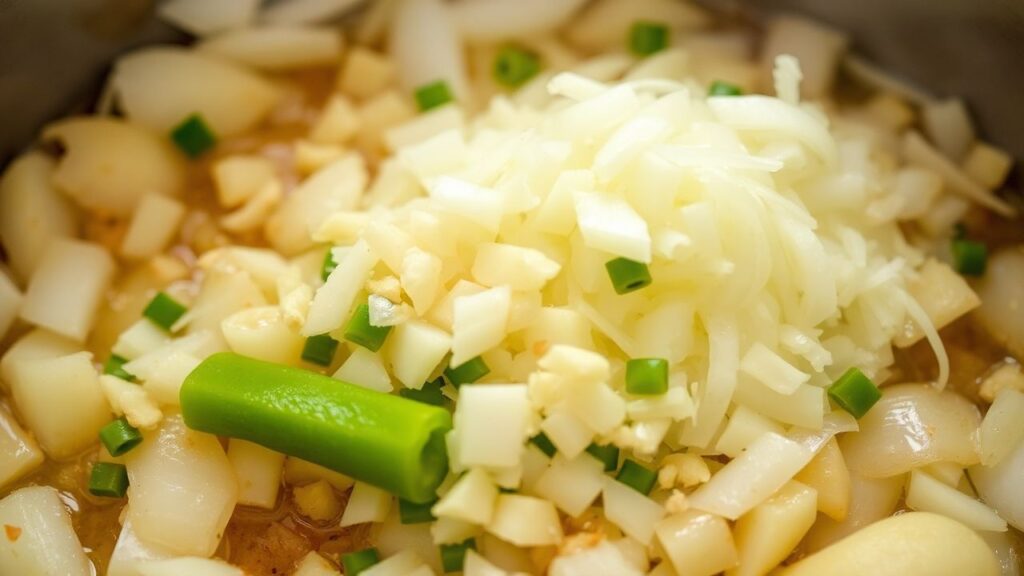
Begin by heating the oil in a large, heavy-bottomed pot or Dutch oven over medium heat. Add the chopped onions and sauté until they become translucent and begin to soften, about 5-7 minutes. This gentle cooking process draws out their natural sweetness.
Next, introduce the minced garlic, grated ginger, and finely minced Scotch bonnet pepper. Stir continuously for about 1-2 minutes until their fragrant aromas are released. Be mindful of the heat from the Scotch bonnet; if you’re sensitive, you can reduce the amount or ensure good ventilation.
Blooming the Spices
Add the turmeric, cumin, coriander, and allspice to the pot. Stir the spices into the onion-garlic mixture and cook for another minute, allowing them to toast gently. This process, known as “blooming,” intensifies their flavor and aroma.
Building the Body of the Curry
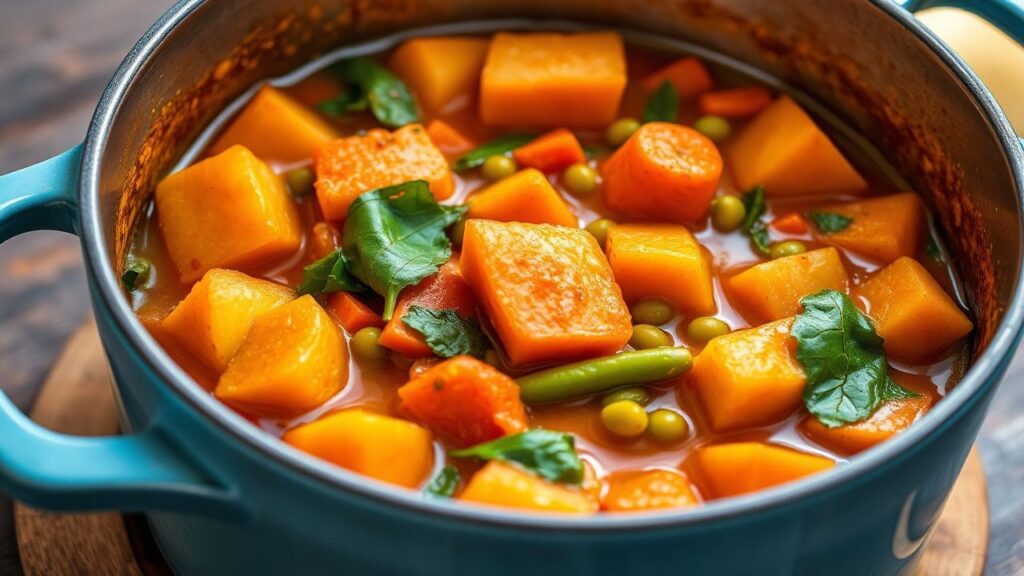
Introduce the cubed potatoes, sweet potatoes, and carrots to the pot. Stir them well to coat them evenly with the spiced onion mixture. Pour in one can of the coconut milk and the water or vegetable broth. Bring the mixture to a gentle simmer, then reduce the heat to low, cover the pot, and let it cook for about 15-20 minutes, or until the root vegetables are partially tender.
Incorporating the Softer Vegetables
Add the cho-cho and green beans to the pot. Stir gently to combine. Continue to simmer, covered, for another 10-15 minutes, or until these vegetables are tender but not mushy.
The okra, if using, should be added towards the end of the cooking process. Stir it in and cook for a final 5-7 minutes. Finally, wilt in the chopped spinach or callaloo, stirring until it’s just tender.
The Final Flourish
Stir in the remaining can of coconut milk. This will lend a luscious creaminess to the curry. Allow the curry to heat through gently for a few minutes; avoid boiling it vigorously at this stage, as it can cause the coconut milk to separate. Season generously with salt and freshly ground black pepper to taste.
Just before serving, stir in the fresh lime juice. This bright acidity is essential for balancing the richness of the coconut milk and the warmth of the spices.
Serving Suggestions
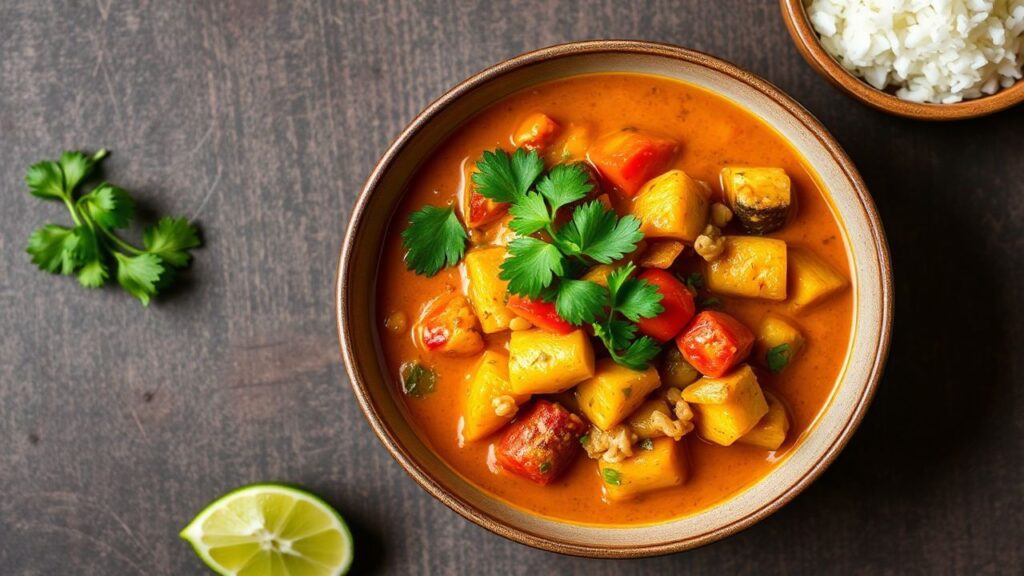
Serve the Caribbean vegetable curry piping hot, garnished generously with fresh cilantro. It is traditionally served with fluffy white rice, but it also pairs beautifully with roti, flatbread, or even quinoa for a lighter option.
Nutritional Insights: A Wholesome Embrace
This Caribbean vegetable curry, when prepared with mindful intention, offers a commendable nutritional profile. It’s a powerhouse of vitamins, minerals, and fiber, owing to the generous inclusion of diverse vegetables.
Per Serving (approximate, based on 6 servings):
- Calories: 350-450 (depending on oil and coconut milk quantity)
- Protein: 5-8g
- Fat: 20-30g (primarily from coconut milk, healthier fats)
- Carbohydrates: 40-55g (complex carbohydrates from root vegetables)
- Fiber: 10-15g
- Vitamins: Rich in Vitamin A (from sweet potatoes and carrots), Vitamin C (from peppers and greens), and various B vitamins.
- Minerals: Good source of potassium, magnesium, and manganese.
The use of coconut milk contributes medium-chain triglycerides (MCTs), which are metabolized differently by the body and can be a source of quick energy. The abundance of fiber aids in digestion and promotes satiety.
Elevating the Experience: Expert Pro-Tips
To transform this already delightful dish into a truly restaurant-quality experience, a few subtle yet significant adjustments can be made.
The Importance of Freshness
While dried spices are essential, don’t underestimate the power of fresh aromatics. Using freshly grated ginger and garlic offers a more pungent and vibrant flavor. Similarly, fresh herbs like cilantro, added at the end, provide a brighter, more complex aroma.
Mastering the Heat
The Scotch bonnet pepper is a Caribbean icon, but its heat can be formidable. To control the intensity, always remove the seeds and membranes before mincing. For a milder curry, you can use half a pepper, or even substitute a milder chili like a habanero, though the flavor profile will subtly shift. A small amount of finely diced bell pepper can also be added alongside the Scotch bonnet to provide bulk and sweetness without overwhelming heat.
Texture Play
The variety of vegetables is key to a captivating curry. Consider adding a firm, slightly starchy vegetable like plantain (unripe) for a more robust, almost meaty texture. Alternatively, for a pop of sweetness and a different kind of tenderness, chunks of pumpkin or butternut squash can be incorporated. The interplay of textures is as important as the interplay of flavors.
A Deeper Dive into the Cultural Tapestry
The story of Caribbean vegetable curry is a microcosm of the wider Caribbean experience. It mirrors the historical narrative of migration, adaptation, and the creation of new identities from disparate origins. The introduction of Indian indentured laborers to the Caribbean, a policy enacted by the British Empire following the abolition of slavery, brought a significant population of people from various parts of India. These laborers, bound by indentured contracts, carried with them their culinary traditions, including the art of making curries.
Initially, these curries were adapted to the local ingredients available on the islands. The tropical climate provided an abundance of vegetables that differed from those found in India. Root vegetables like yams, dasheen (taro), and cassava became staples, alongside fruits like mangoes and breadfruit, which could be incorporated into savory dishes. The use of coconut milk, ubiquitous in many parts of the Caribbean, replaced or supplemented other liquids, adding a distinctive richness and tropical flair.
Over time, these adapted curries became integral to the culinary landscape of the Caribbean. They were embraced not only by the Indian diaspora but by other ethnic groups as well, evolving into a beloved national and regional dish. In Trinidad and Tobago, for instance, *callaloo*, a dish often made with dasheen leaves and coconut milk, shares a similar creamy base and is a close cousin to the vegetable curry. In Guyana, variations might include the addition of dried shrimp or salted fish, though vegetarian versions remain profoundly popular.
The economic and social conditions of the time also played a role. Curries, being largely vegetarian and utilizing staple crops, offered a cost-effective and nutritious way to feed families. This inherent practicality cemented its place in home kitchens, where recipes were passed down through generations, each family adding its own unique twist and treasured secret. The humble vegetable curry became a symbol of sustenance, community, and the enduring power of culinary heritage. It’s a dish that embodies the spirit of the islands: resourceful, flavorful, and welcoming.
Frequently Asked Questions
What vegetables are most traditional in a Caribbean vegetable curry?
While the beauty of this curry lies in its adaptability, some vegetables are considered more traditional. These often include potatoes, sweet potatoes, carrots, cho-cho (christophine/chayote), and leafy greens like spinach or callaloo. Okra is also frequently used, though it can be omitted if preferred. The inclusion of root vegetables provides a satisfying heartiness, while the softer greens add a pleasant contrast in texture and nutrients.
How can I make my Caribbean vegetable curry creamier?
To achieve a richer, creamier curry, ensure you are using full-fat coconut milk. Avoid “light” or “reduced-fat” versions, as they contain less fat and will result in a thinner consistency. Adding a second can of coconut milk towards the end of the cooking process, and gently simmering it through, will significantly enhance the creaminess. For an even more luxurious texture, some cooks might add a tablespoon of cashew paste or a swirl of heavy cream, though this moves away from the more traditional preparations.
Can I make this curry ahead of time?
Yes, Caribbean vegetable curry often tastes even better the next day. The flavors meld and deepen as the dish sits. Reheat it gently on the stovetop over low heat, adding a splash of water or vegetable broth if it has become too thick. Be cautious not to boil it vigorously, as this can affect the texture of the coconut milk. It’s best to add fresh garnishes like cilantro just before serving to maintain their vibrancy.
What is the significance of the Scotch bonnet pepper in this curry?
The Scotch bonnet pepper is integral to the authentic flavor profile of many Caribbean dishes, including this curry. It provides a distinctive heat that is often described as having fruity undertones, differentiating it from other chilies. While it brings significant spice, it also contributes a complex layer of flavor that is essential to the dish’s character. The amount can be adjusted based on personal preference for heat, but its inclusion is key to achieving the characteristic Caribbean warmth.
See also: Curry