
The Soul of Simplicity: Mastering Vegetable Curry with the Potato as its Cornerstone
In the vast and variegated landscape of global cuisine, few dishes possess the inherent comfort and profound adaptability of a vegetable curry. It’s a canvas upon which cultures paint with spices, proof of the earth’s bounty, and a dish that can be as complex or as straightforward as the cook desires. Yet, within this broad spectrum, there exists a particular iteration that consistently captivates the palate and soothes the soul: vegetable curry featuring the potato. This isn’t just about adding a starchy filler; it’s about understanding how the potato, in its unassuming glory, can become the very bedrock of a successful curry, dictating texture, absorbing nuanced flavors, and providing a grounding satiety that elevates the entire experience. For too long, the potato in curry has been relegated to a supporting role, a mere spectator. This article aims to unveil its potential as a star player, demonstrating how its unique properties can be harnessed to create a truly exceptional vegetable curry.
- The Soul of Simplicity: Mastering Vegetable Curry with the Potato as its Cornerstone
- Deconstructing the Perfect Potato Vegetable Curry: A Master Recipe
- Ingredients: The Foundation of Flavor
- Preparation Method: The Art of Layering Flavors
- Nutritional Information (Approximate Per Serving, assuming 6 servings)
- Elevating Your Vegetable Curry: Expert Techniques and Insights
- Frequently Asked Questions About Vegetable Curry Potato
- What are the best vegetables to pair with potatoes in a vegetable curry?
- How can I make my vegetable curry sauce thicker if it’s too watery?
- Can I prepare vegetable curry potato ahead of time?
- Conclusion
At a Glance: Key Insights for the Perfect Potato Vegetable Curry
- The Potato’s Dual Role: Potatoes are not just about bulk; they are flavor sponges and textural harmonizers, crucial for absorbing and mellowing intense spices.
- Variety Matters: The choice of potato significantly impacts the final dish, from the creaminess of waxy varieties to the fluffy absorption of starchy ones.
- Layering is Key: Proper preparation of aromatics and spices before adding the potatoes ensures a deep, resonant flavor profile.
- Balance is Paramount: Achieving the right consistency and spice level is a delicate dance, where the potato matter significantly in binding and smoothing.
The journey of a vegetable curry is often a reflection of its origins, a culinary narrative woven from regional ingredients and historical trade routes. While the concept of a spiced stew with vegetables is ancient and global, the curry as we recognize it today, with its characteristic blend of aromatic spices, has its deepest roots in the Indian subcontinent. The introduction of the potato, however, is a more recent chapter. Native to the Andes, the potato was brought to India by the Portuguese in the 17th century. Its rapid adoption, owing to its high yield, nutritional value, and adaptability to varied climates, quickly cemented its place in the Indian diet. It’s fascinating to consider how quickly this South American tuber integrated itself into traditional Indian cooking, becoming an indispensable ingredient in countless regional dishes, including, of course, the ubiquitous vegetable curry. The potato’s ability to absorb the complex spice blends, its creamy texture when cooked through, and its sheer ability to provide a satisfying heartiness made it a natural, almost inevitable, partner for the fragrant gravies and sauces that define curry.
Deconstructing the Perfect Potato Vegetable Curry: A Master Recipe
This recipe is not merely a set of instructions; it is a philosophy. It’s about understanding the interplay of ingredients, the dance of heat and spice, and the transformative power of slow simmering. We aim for a curry that is both comforting and complex, where each element – from the foundational aromatics to the final garnish – plays its part in creating a harmonious whole.
Ingredients: The Foundation of Flavor
The quality and freshness of your ingredients are paramount. For this recipe, we will focus on a robust, yet adaptable, North Indian-inspired vegetable curry.
Yields: 4-6 servings
Prep time: 25 minutes
Cook time: 40-50 minutes
- Potatoes: 500g (approx. 1.1 lbs) Yukon Gold or Maris Piper potatoes, peeled and cut into 2.5cm (1-inch) cubes. These varieties offer a good balance of starch and moisture, holding their shape while becoming tender and slightly creamy.
- Onions: 2 medium (approx. 200g / 7 oz), finely chopped.
- Tomatoes: 400g (approx. 14 oz) canned crushed tomatoes (good quality, San Marzano if possible) or 3-4 ripe medium tomatoes, finely chopped.
- Ginger: 2.5 cm (1 inch) piece fresh ginger, finely grated or minced.
- Garlic: 4-5 cloves, finely minced.
- Green Chilies: 1-2, finely chopped (adjust to your heat preference).
- Vegetable Oil or Ghee: 3 tablespoons (e.g., canola, sunflower, or clarified butter for a richer flavor).
- Whole Spices:
- 1 teaspoon cumin seeds (Cuminum cyminum).
- 1/2 teaspoon mustard seeds (Brassica juncea).
- 2-3 green cardamom pods (Elettaria cardamomum), lightly bruised.
- 1 bay leaf (Laurus nobilis).
- 2-3 whole cloves (Syzygium aromaticum).
- Ground Spices:
- 1 teaspoon ground coriander (Coriandrum sativum).
- 1/2 teaspoon ground turmeric (Curcuma longa).
- 1/2 teaspoon Kashmiri red chili powder (for color and mild heat) or paprika.
- 1/4 teaspoon ground cumin.
- 1/4 teaspoon garam masala (added towards the end for freshness).
- Mixed Vegetables: 300-400g (approx. 10-14 oz) – e.g., cauliflower florets, carrots (sliced), peas (fresh or frozen), green beans (trimmed and halved), bell peppers (diced). Choose vegetables that cook in roughly the same time as the potatoes or require minimal extra cooking.
- Water or Vegetable Broth: 1.5 – 2 cups (360-480 ml), adjust for desired consistency.
- Salt: To taste.
- Fresh Cilantro (Coriander Leaves): A generous handful, chopped, for garnish.
- Optional additions: 1 tablespoon lemon juice for brightness, a pinch of sugar to balance acidity, a dollop of plain yogurt or coconut milk for creaminess in the final stage.
Preparation Method: The Art of Layering Flavors
The symphony of a great vegetable curry is built layer by meticulous layer. Rushing this process is to invite a flat, uninspired dish.
1. Preparing the Potatoes: Begin by peeling and cubing your potatoes. For this recipe, a medium-starch potato like Yukon Gold is ideal. It will soften beautifully without disintegrating into a mush. Ensure the cubes are uniform in size for consistent cooking.
2. Building the Aromatic Base: Heat the oil or ghee in a large, heavy-bottomed pot or Dutch oven over medium heat. Once shimmering, add the whole spices: cumin seeds, mustard seeds, cardamom pods, bay leaf, and cloves. Allow them to sizzle and release their fragrance for about 30-60 seconds until the mustard seeds begin to pop. This tempering of spices, known as *tadka* or *chaunk*, is fundamental to unlocking their complex aromas.
3. Sautéing the Aromatics: Add the finely chopped onions to the pot. Sauté them, stirring frequently, until they are softened and translucent, about 5-7 minutes. Gently caramelizing the onions builds a crucial layer of sweetness and depth. Next, introduce the minced ginger, garlic, and chopped green chilies. Sauté for another 1-2 minutes until fragrant, being careful not to burn the garlic, which can impart a bitter note.
4. Blooming the Ground Spices: Reduce the heat to low. Add the ground coriander, turmeric, and Kashmiri red chili powder (or paprika). Stir continuously for about 30 seconds, allowing the spices to bloom in the residual oil. This brief toasting enhances their flavor and color. Be vigilant; ground spices can scorch quickly.
5. Incorporating the Tomatoes: Pour in the crushed tomatoes (or finely chopped fresh tomatoes). Increase the heat to medium-low and cook, stirring occasionally, until the tomatoes break down and the oil begins to separate from the mixture, forming a rich, thick paste. This stage, often referred to as *bhunao*, is critical for developing the curry’s core flavor. This process can take about 8-10 minutes. Season with salt at this stage; it helps draw out moisture from the tomatoes and melds the flavors.
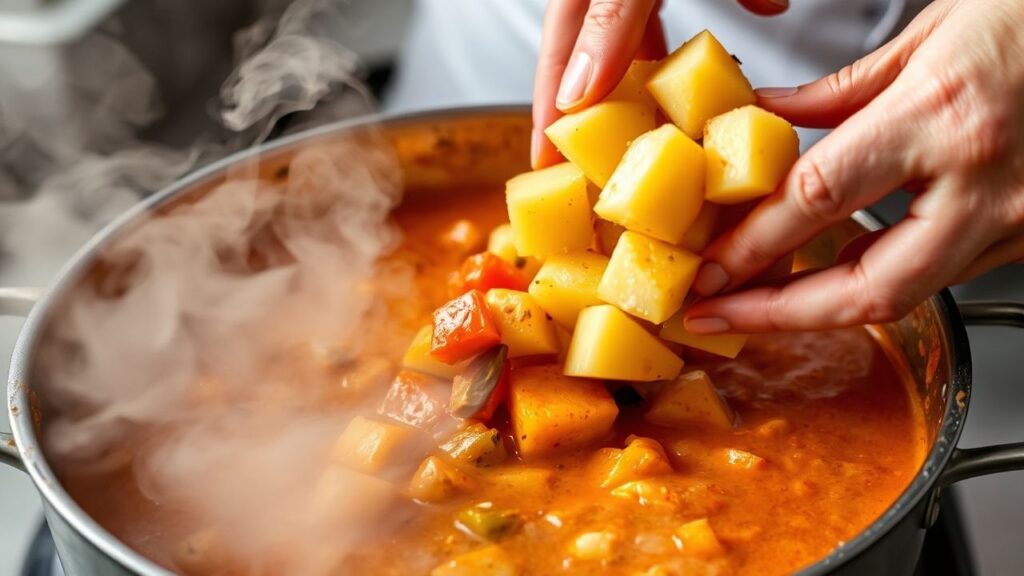
6. Introducing the Stars: Potatoes and Vegetables: Add the cubed potatoes and your chosen mixed vegetables to the pot. Stir well to coat them evenly with the aromatic tomato-spice mixture. Ensure every piece is embraced by the nascent curry base.
7. Simmering to Perfection: Pour in the water or vegetable broth. Stir everything together, scraping any bits from the bottom of the pot. Bring the mixture to a gentle simmer. Once simmering, reduce the heat to low, cover the pot, and let it cook for 20-30 minutes, or until the potatoes and vegetables are tender when pierced with a fork. Stir occasionally to prevent sticking and to ensure even cooking. The potatoes will absorb the liquid and the spices, becoming incredibly flavorful and lending a creamy, thickening quality to the sauce. If the curry becomes too thick, add a splash more water or broth; if too thin, uncover and simmer for a few minutes to reduce.
8. Finishing Touches: Once the vegetables are tender, stir in the garam masala. This spice blend is traditionally added at the end to preserve its volatile aromatics. Taste and adjust seasoning with salt as needed. For an extra layer of brightness and complexity, stir in a tablespoon of fresh lemon juice. If you desire a creamier consistency, you can swirl in a tablespoon of plain yogurt or coconut milk at this stage, ensuring not to boil the curry vigorously after adding yogurt to prevent curdling.
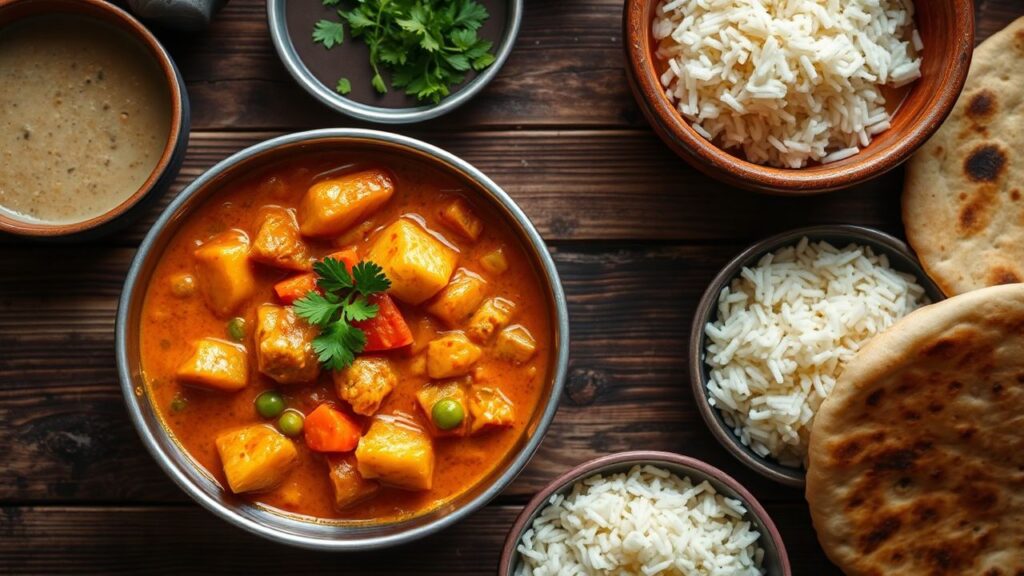
9. Garnishing and Serving: Ladle the hot vegetable curry into serving bowls. Garnish generously with fresh chopped cilantro. Serve immediately with basmati rice, naan, roti, or paratha for a complete and satisfying meal. The vibrant green of the cilantro provides a beautiful visual contrast and a burst of freshness against the rich, earthy tones of the curry.
Nutritional Information (Approximate Per Serving, assuming 6 servings)
This nutritional breakdown is an approximation and can vary significantly based on specific ingredients and portion sizes.
| Nutrient | Amount |
|---|---|
| Calories | 250-300 kcal |
| Protein | 5-7 g |
| Fat | 10-15 g (varying with oil/ghee used) |
| Saturated Fat | 2-4 g |
| Carbohydrates | 35-45 g |
| Fiber | 7-10 g |
| Sugars | 8-12 g (from vegetables and tomatoes) |
| Sodium | 300-500 mg (depending on added salt) |
The potato, while contributing carbohydrates, also provides essential potassium and Vitamin C. The medley of vegetables offers a broad spectrum of vitamins, minerals, and dietary fiber, while the spices contribute antioxidants and unique flavor compounds. The overall dish is a nutritionally balanced and deeply satisfying meal.
Elevating Your Vegetable Curry: Expert Techniques and Insights
Transforming a good vegetable curry into an exceptional one lies in understanding the nuances of technique and ingredient selection. The potato, often seen as a mere filler, is actually a crucial element that can be manipulated to achieve superior texture and flavor absorption.
The Potato’s Role: More Than Just Starch
The humble potato acts as a natural thickener and flavor carrier. When cooked in the curry, its starches break down, releasing amylose and amylopectin into the sauce. This process contributes to a creamier, more viscous texture, binding the other ingredients together harmoniously. Furthermore, the porous nature of cooked potato allows it to absorb the complex spice profile of the curry, becoming a flavor vessel itself rather than just a bland carbohydrate.
Mastering the Spice Blend
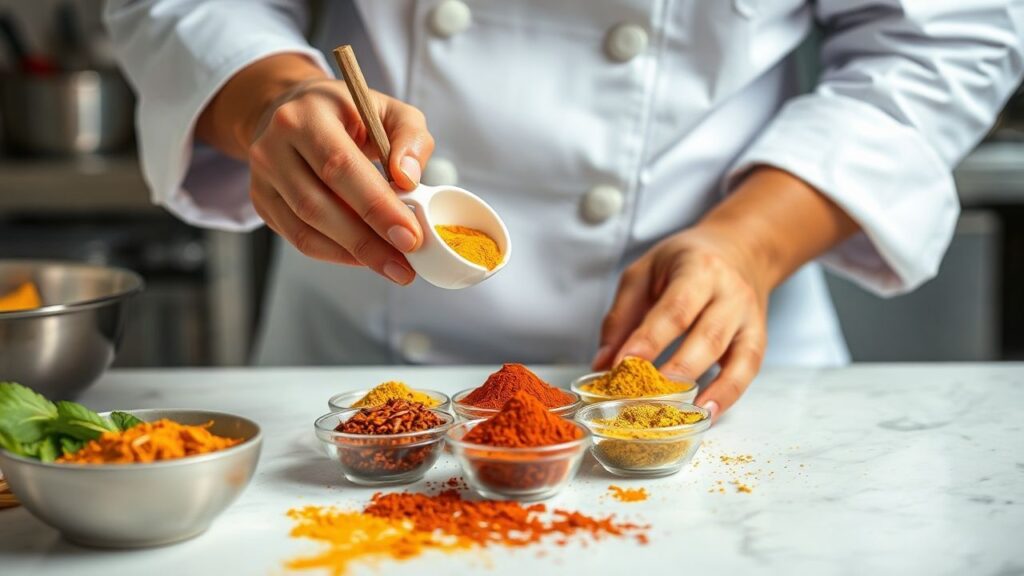
The depth of a curry relies heavily on the careful layering and tempering of spices. The initial *tadka* with whole spices awakens their volatile oils, providing a foundational aroma. The subsequent blooming of ground spices in oil intensifies their flavors and colors. It’s a culinary alchemy that requires attention to heat and timing.
A common pitfall is adding ground spices to a too-hot pan or for too long, leading to a burnt, bitter taste. The goal is to gently toast them for mere seconds until fragrant. This process is analogous to how a perfumer layers base, middle, and top notes; each spice has its own aromatic profile that is released at different stages of cooking.
Consider the example of a renowned South Indian restaurant in London, “The Spice Garden,” which consistently receives accolades for its vegetable curries. Their chef, a third-generation cook from Kerala, attributes the exceptional depth of their *potato thoran* (a drier curry preparation, but the principle applies) to a meticulous process of “slow-sautéing the aromatics until they achieve a deep, nutty brown hue, almost like a dark caramel.” This patient approach, he asserts, builds a sweetness and complexity that cannot be replicated by simply adding spices to a liquid base.
The aroma that fills your kitchen during the simmering stage is proof of the flavors melding. The potatoes, absorbing the spices, begin to soften and release their starch, which gradually thickens the sauce. This slow, gentle simmer is where the magic truly happens, allowing the disparate elements to coalesce into a unified, delicious whole. This patient simmering is a vital, often overlooked, step in achieving a truly restaurant-quality curry.
Balancing Flavors and Textures
A truly memorable vegetable curry is a masterclass in balance. The earthy sweetness of the potatoes and other vegetables should be complemented by the pungency of ginger and garlic, the warmth of spices, and the acidity of tomatoes. A touch of sweetness, perhaps from caramelized onions or a pinch of sugar, can round out the profile.
The final garnish of fresh cilantro and a squeeze of lemon juice are not mere afterthoughts; they are essential components that lift the dish, providing brightness and contrast. This interplay of sweet, sour, spicy, and savory is what creates a complex and satisfying flavor profile. The textural contrast between tender potatoes, slightly firm vegetables, and the rich sauce is equally important for an engaging culinary experience.
Frequently Asked Questions About Vegetable Curry Potato
What are the best vegetables to pair with potatoes in a vegetable curry?
The beauty of a vegetable curry is its versatility. Excellent pairings for potatoes include cauliflower, carrots, green beans, peas, bell peppers, spinach, and sweet potatoes. When selecting vegetables, consider their cooking times. Root vegetables like carrots and sweet potatoes will require similar cooking times to potatoes. Leafy greens like spinach or kale can be added towards the end as they wilt quickly. Cruciferous vegetables like cauliflower and broccoli cook relatively fast and can be added after the potatoes have started to soften.
How can I make my vegetable curry sauce thicker if it’s too watery?
There are several effective methods to thicken a watery curry sauce. The most natural method, already inherent in this recipe, is the starch released from the potatoes as they cook. If your curry is still too thin after the potatoes are tender, you can:
- Simmer uncovered: Allow the curry to simmer gently without a lid for 10-15 minutes. This allows excess moisture to evaporate, concentrating the flavors and thickening the sauce.
- Mash some potatoes: Carefully remove a few cooked potato cubes, mash them with a fork, and then stir them back into the curry. This releases more starch, naturally thickening the sauce.
- Cornstarch or flour slurry: For a quicker fix, mix 1-2 teaspoons of cornstarch or all-purpose flour with an equal amount of cold water to create a smooth slurry. Stir this into the simmering curry and cook for a few minutes until thickened.
- Nut paste: A tablespoon of ground almond or cashew paste, or a purée of soaked cashews, can add richness and thickness.
Avoid adding too much thickener at once; it’s easier to add more than to correct an overly thick sauce.
Can I prepare vegetable curry potato ahead of time?
Yes, vegetable curry potato is an excellent candidate for meal prep and can be made ahead of time. In fact, the flavors often deepen and meld beautifully when the curry rests overnight. Store the cooled curry in an airtight container in the refrigerator for up to 3-4 days. When reheating, you may need to add a splash of water or vegetable broth to loosen the sauce, as it can thicken considerably upon cooling. Reheat gently on the stovetop or in the microwave until heated through.
Conclusion
The vegetable curry, with the potato as its anchor, is more than just a meal; it’s proof of the power of simple ingredients prepared with care and understanding. It’s a dish that speaks of warmth, comfort, and the enduring appeal of spices. By mastering the techniques of building flavor layers, selecting the right potato, and allowing the ingredients to meld through patient simmering, you can transform this humble dish into a culinary masterpiece. The potato, far from being a mere filler, is the quiet hero that absorbs, softens, and binds, creating a curry that is both deeply satisfying and exquisitely flavorful. Embrace its potential, and you will unlock a new dimension of comfort food.
See also: Vegetable curry