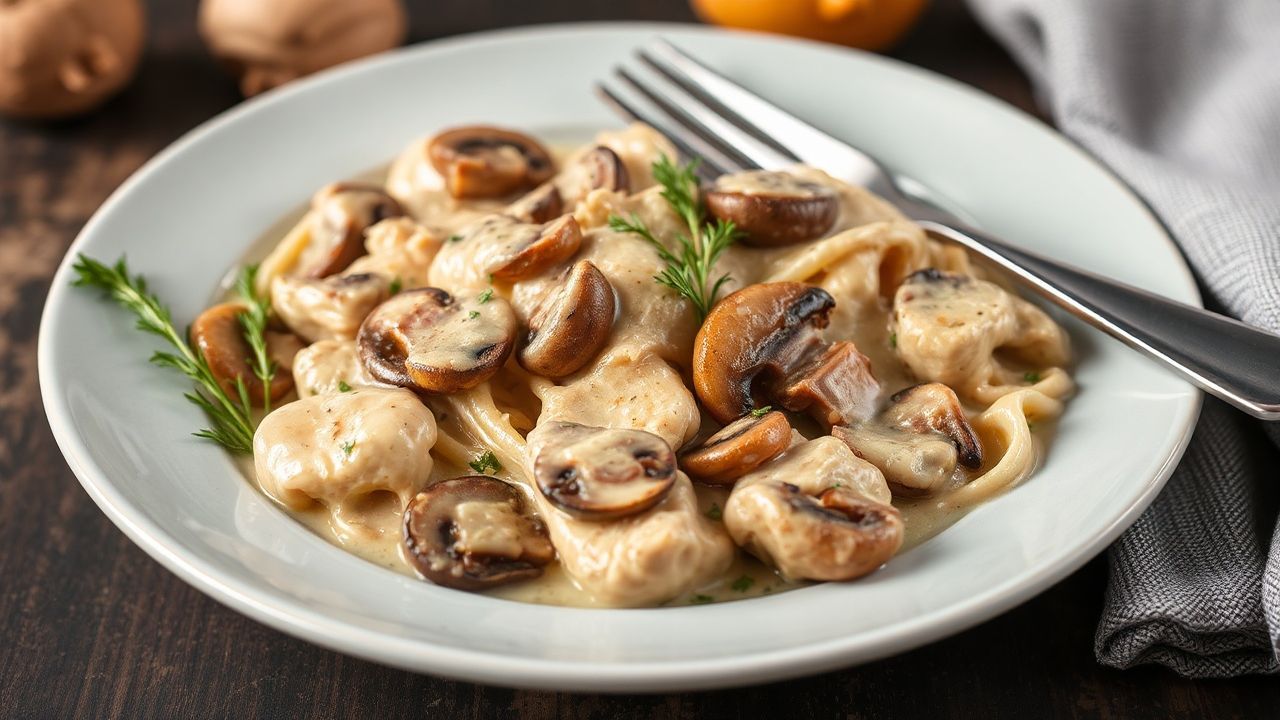

The scent of simmering cream, earthy mushrooms, and tender chicken, laced with the subtle tang of Dijon mustard and a whisper of Worcestershire – this is the evocative aroma of a well-executed Chicken Mushroom Stroganoff. For many, it conjures memories of cozy family dinners, a comforting classic that has transcended its Russian origins to become a beloved staple in kitchens worldwide. While beef traditionally held the spotlight in its aristocratic past, the humble chicken offers a lighter, more accessible, and equally delectable interpretation of this iconic dish. This isn’t merely a recipe; it’s an invitation to explore the nuanced symphony of flavors and textures that define true Stroganoff.
## At a Glance: Mastering Chicken Mushroom Stroganoff
* The Foundation is Key: A robust, well-browned chicken and perfectly sautéed mushrooms are non-negotiable for depth of flavor.
* Creamy Emulsion is Art: The delicate balance of dairy and acid is crucial to prevent curdling and achieve a silken sauce.
* Flavor Layering is Paramount: Don’t rush the aromatics; building a rich base with onions, garlic, and seasonings elevates the dish exponentially.
* Finishing Touches Matter: A final swirl of sour cream, a sprinkle of fresh parsley, and a squeeze of lemon can transform a good dish into an exceptional one.
The story of Stroganoff is as rich and layered as the dish itself. Originating in mid-19th century Russia, it is widely attributed to the culinary inventiveness of a chef serving the wealthy Stroganov family. Initially a beef dish, its elegance and distinctive flavor profile quickly cemented its place in haute cuisine. The classic preparation involves tender strips of beef, sautéed quickly and then bathed in a sauce often enriched with sour cream, onions, and mushrooms. The dish’s journey across continents saw adaptations, with chicken emerging as a popular and versatile substitute, offering a quicker cooking time and a lighter profile that appeals to a broader palate. This adaptation speaks to the enduring adaptability of classic cuisine, proving that a well-conceived flavor profile can transcend its original ingredients.
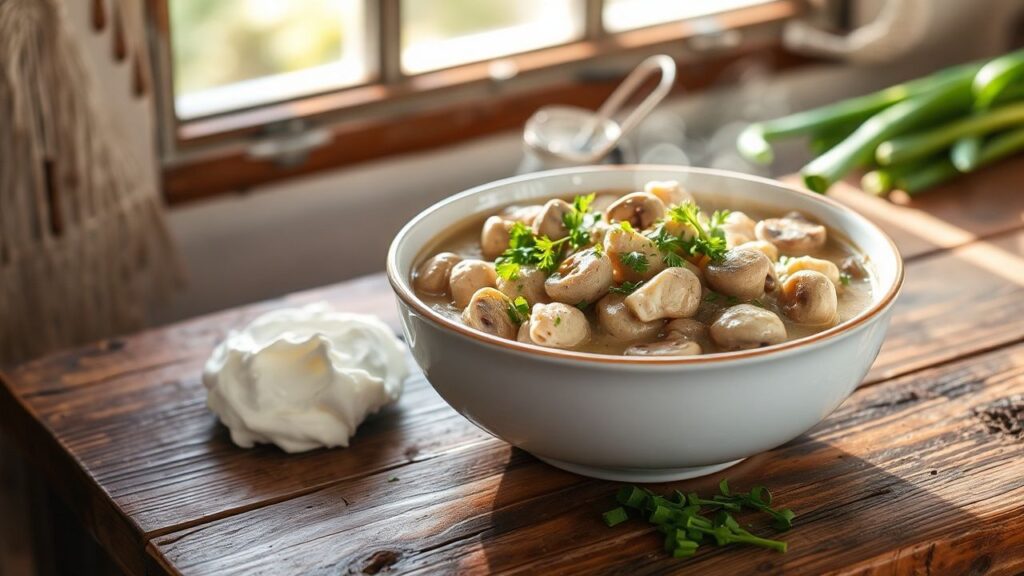
Crafting an exceptional Chicken Mushroom Stroganoff is an exercise in controlled culinary alchemy. It’s about understanding the interplay of ingredients, the precision of technique, and the patience to allow flavors to meld and deepen. This isn’t a dish to be rushed; each step contributes to the final, harmonious whole.
The quality of your ingredients will directly influence the final outcome. Opt for fresh, high-quality components to ensure the best possible flavor and texture.
For the Chicken and Mushrooms:
- Chicken:
- 500g (approx. 1.1 lbs) boneless, skinless chicken thighs or breasts, cut into 2.5 cm (1 inch) cubes or strips. (Thighs offer more moisture and flavor; breasts are leaner and cook faster.)
- 1 tablespoon olive oil
- 1 tablespoon unsalted butter
- Salt and freshly ground black pepper, to taste
- Mushrooms:
- 300g (approx. 10.5 oz) mixed mushrooms (e.g., cremini, shiitake, oyster), cleaned and sliced ¼ inch thick. (A mix provides a more complex fungal flavor profile.)
- 1 tablespoon unsalted butter
For the Sauce:
- 1 large yellow onion, finely chopped
- 2 cloves garlic, minced
- 2 tablespoons unsalted butter
- 2 tablespoons all-purpose flour
- 120ml (½ cup) dry white wine (optional, but adds depth)
- 480ml (2 cups) chicken broth (low sodium preferred)
- 1 tablespoon Dijon mustard
- 1 teaspoon Worcestershire sauce
- 120ml (½ cup) heavy cream
- 120g (approx. 4.2 oz) full-fat sour cream, at room temperature
- 1 tablespoon fresh lemon juice (optional, for brightness)
- Salt and freshly ground black pepper, to taste
- Fresh parsley, chopped, for garnish
- Cooked egg noodles, rice, or mashed potatoes, for serving
The journey to a perfect Chicken Mushroom Stroganoff is one of careful, deliberate steps.
1. Prepare the Chicken: Pat the chicken pieces thoroughly dry with paper towels. This is crucial for achieving a good sear. Season generously with salt and freshly ground black pepper.
2. Sear the Chicken: In a large, heavy-bottomed skillet or Dutch oven, heat 1 tablespoon of olive oil and 1 tablespoon of butter over medium-high heat until the butter is melted and shimmering. Working in batches to avoid overcrowding the pan (which will steam the chicken instead of searing it), add the chicken pieces. Sear for 2-3 minutes per side until golden brown. Remove the chicken from the skillet and set aside on a plate.
3. Sauté the Mushrooms: Add 1 tablespoon of butter to the same skillet. Once melted, add the sliced mushrooms. Cook over medium-high heat, stirring occasionally, until the mushrooms release their moisture and begin to brown, about 5-7 minutes. This caramelization is key to their savory depth. Remove the mushrooms from the skillet and set aside with the chicken.
4. Build the Aromatic Base: Reduce the heat to medium. Add the remaining 2 tablespoons of butter to the skillet. Add the finely chopped onion and sauté until softened and translucent, about 5-7 minutes. Do not rush this step; allowing the onions to sweeten gently builds a crucial flavor layer. Add the minced garlic and cook for another minute until fragrant, being careful not to burn it.
5. Create the Roux: Sprinkle the flour over the softened onions and garlic. Stir constantly for 1-2 minutes to cook out the raw flour taste and create a roux. This will help thicken the sauce.
6. Deglaze and Simmer: If using white wine, pour it into the skillet and scrape the bottom of the pan with a wooden spoon to loosen any browned bits (fond). Let the wine simmer and reduce by about half, about 2-3 minutes. Gradually whisk in the chicken broth, ensuring no lumps form. Bring the mixture to a gentle simmer.
7. Infuse the Flavors: Stir in the Dijon mustard and Worcestershire sauce. Season with salt and freshly ground black pepper to taste. Remember that the broth and Worcestershire sauce already contain sodium, so taste before adding too much salt.
8. Return the Stars: Return the seared chicken and sautéed mushrooms to the skillet. Stir to combine. Let the mixture simmer gently for 5-7 minutes, or until the chicken is cooked through and the sauce has thickened slightly.
9. The Creamy Embrace: Reduce the heat to low. Stir in the heavy cream. Allow it to heat through gently, but do not boil, as this can cause the cream to separate.
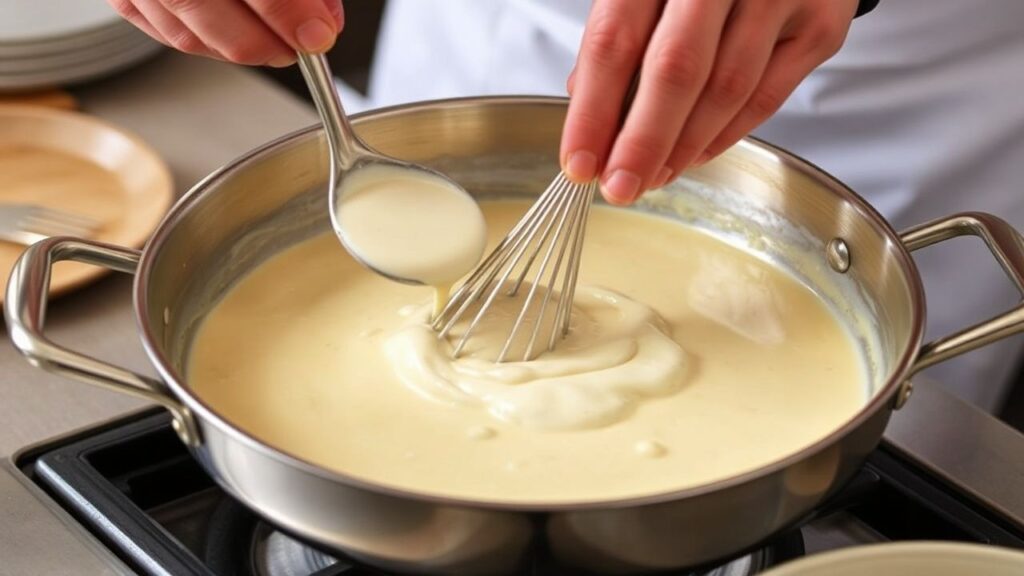
10. The Silken Finish: Remove the skillet from the heat. Gently whisk in the room-temperature sour cream, a tablespoon at a time, until fully incorporated and the sauce is smooth and creamy. The gentle heat from the residual pan temperature is sufficient to warm the sour cream without curdling it. If desired, stir in the fresh lemon juice for a touch of brightness. Taste and adjust seasoning as needed.
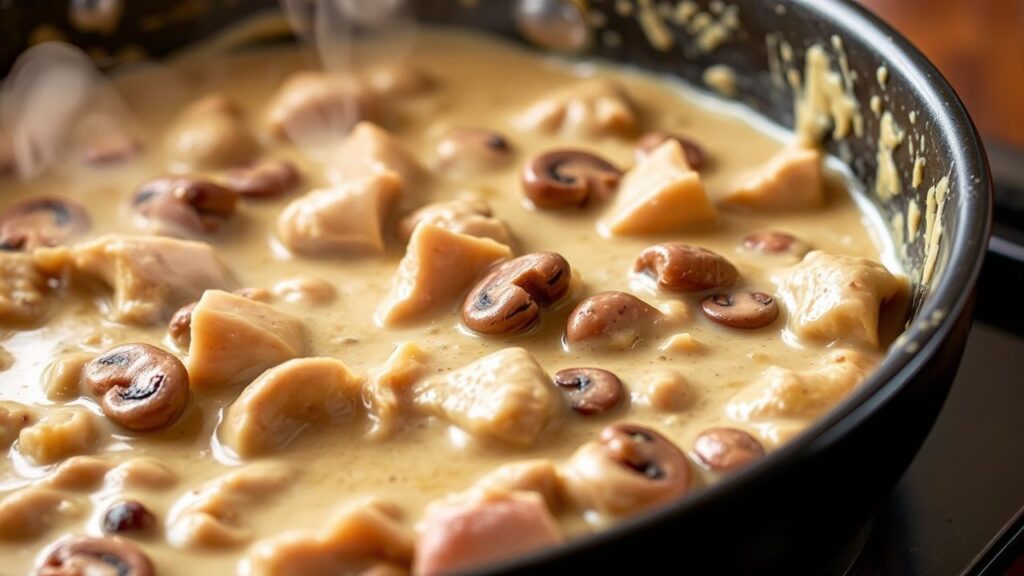
While indulgence is part of the appeal, understanding the nutritional breakdown can help in mindful consumption. This is an approximate per-serving estimate, assuming 4 servings and serving with plain egg noodles:
- Calories: 450-550 kcal
- Protein: 30-40g
- Fat: 25-35g (saturated fat will vary based on dairy fat content)
- Carbohydrates: 20-30g
- Fiber: 2-4g
- Sodium: 500-800mg (highly dependent on broth and added salt)
Note: These figures are estimates and can vary significantly based on specific ingredients used, portion sizes, and whether you serve with noodles, rice, or potatoes. Opting for lower-sodium broth and reducing added salt can significantly impact the sodium content. Using Greek yogurt as a partial substitute for sour cream can reduce fat content, though it may alter the flavor profile slightly.
Transforming a good Chicken Mushroom Stroganoff into a truly memorable culinary experience often comes down to those subtle refinements that seasoned chefs instinctively employ. These are not merely suggestions but foundational principles for achieving peak flavor and texture.
The interaction between dairy and acid in Stroganoff is a classic point of concern for home cooks. The traditional inclusion of sour cream, which is inherently acidic, can sometimes lead to a curdled sauce if not handled with care. This is precisely why the sour cream is added off the heat, at the very end of the cooking process, and gently stirred in. The residual warmth of the sauce is enough to incorporate it smoothly without bringing it to a boil, which is the primary culprit for curdling. The optional lemon juice, added at the same stage, provides a bright counterpoint to the richness of the cream and sour cream, cutting through the fat and enhancing the overall flavor profile.
The choice and preparation of mushrooms are more significant than many realize. While button or cremini mushrooms are readily available and form a good base, exploring a mix of varieties can introduce delightful textural and flavor dimensions. Shiitake mushrooms contribute a deep, smoky umami, while oyster mushrooms offer a delicate, slightly peppery note. Cleaning mushrooms with a brush or a damp cloth is preferable to washing them under running water, as they absorb water like sponges, which can dilute their flavor and make them release more liquid during cooking, hindering proper browning. Slicing them consistently ensures even cooking.
Consider the humble onion and garlic. In many recipes, they are simply sautéed until fragrant. However, in a truly exceptional Stroganoff, their preparation is a deliberate act of flavor extraction. Softening the onion over medium heat, allowing it to become translucent and slightly sweet, creates a foundation of subtle sweetness that balances the savory elements. Similarly, blooming the garlic for just a minute until its aroma intensifies without scorching is crucial. Overcooked garlic turns bitter, a discordant note in an otherwise harmonious dish. This methodical approach to aromatics is a hallmark of classic French and Russian culinary techniques and is directly responsible for the depth of flavor in a well-made Stroganoff.
The debate between chicken and beef Stroganoff often hinges on tradition versus practicality. Beef Stroganoff, with its tender, seared strips of sirloin or tenderloin, offers a robust, deeply savory experience. However, chicken, particularly thighs, provides a more forgiving cooking medium and a lighter, yet equally satisfying, flavor. Chicken thighs, with their higher fat content, remain remarkably moist and tender even if slightly overcooked, a common pitfall with leaner chicken breasts. When preparing chicken breast, ensuring it’s not overcooked is paramount; a few minutes too long can render it dry and unappealing. The key with chicken is to achieve a beautiful sear, just as with beef, locking in juices and building flavor.
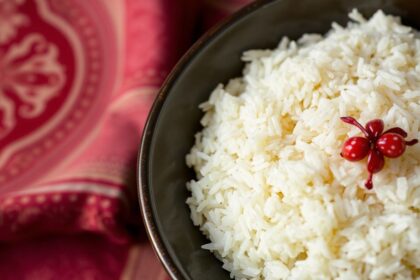
The classic pairing for Stroganoff is, of course, egg noodles. The wide, ribbon-like strands are perfect for catching the rich, creamy sauce. However, the versatility of this dish allows for numerous other delightful accompaniments. Fluffy white rice, particularly basmati or jasmine, offers a neutral canvas that allows the Stroganoff’s flavors to shine. Creamy mashed potatoes provide another comforting and absorbent base. For a lighter option, consider serving it over a bed of steamed green beans or asparagus, or even as a filling for baked potatoes. The key is to choose a side that complements the richness without overwhelming it.
The most critical factor in achieving a smooth, uncurdled Stroganoff sauce is temperature control, particularly when adding the dairy components. Always add the heavy cream and, most importantly, the sour cream off the heat, or over very low heat. The residual warmth of the sauce is sufficient to incorporate them. Avoid bringing the sauce to a rolling boil after the dairy has been added. If you find your sour cream is reluctant to incorporate, gently whisking in a tablespoon of the warm sauce into the sour cream before adding it to the pan can temper it and reduce the risk of separation. Using full-fat dairy also tends to be more stable than reduced-fat versions.
Yes, you can certainly make Chicken Mushroom Stroganoff ahead of time, but with a slight caveat regarding the sauce’s final texture. The flavors actually meld and deepen beautifully when allowed to sit. You can prepare the dish up to the point of adding the cream and sour cream, let it cool completely, and refrigerate it. When you’re ready to serve, gently reheat the chicken and mushroom mixture in a saucepan over low heat. Once it’s warmed through, remove it from the heat and stir in the cream and sour cream as directed in the recipe. It’s best not to reheat it after the dairy has been added, as repeated heating can degrade the texture and flavor.
Adapting Stroganoff for vegetarian or vegan diets is quite achievable and can yield delicious results. For a vegetarian version, simply omit the chicken and increase the quantity and variety of mushrooms. Consider adding other vegetables like peas, bell peppers, or even cooked lentils for added texture and protein. For a vegan Stroganoff, you’ll need to make a few substitutions. Use a plant-based butter and oil. For the liquid base, a good quality vegetable broth is essential. Instead of heavy cream, use full-fat coconut milk (the kind from a can, not the beverage) or a cashew cream. For the sour cream element, a vegan sour cream alternative made from cashews or tofu is available, or you can create your own by blending silken tofu with lemon juice and a touch of apple cider vinegar. The flavor profile will naturally shift with these substitutions, but the creamy, savory essence of Stroganoff can still be beautifully captured.
See also: Stroganoff