
Key Takeaways:
- Achieving restaurant-quality beef stir fry at home hinges on mastering a few core techniques, not just ingredient quality.
- Properly slicing and marinating the beef is paramount for tenderness and flavour infusion.
- The ‘wok hei’ — the elusive breath of the wok — can be mimicked through high heat and strategic ingredient addition.
- A balanced sauce is critical; it should be savoury, slightly sweet, tangy, and umami-rich, not merely salty.
The humble beef stir fry, a dish often relegated to the realm of hurried weeknight meals, holds within its seemingly simple structure the potential for profound culinary artistry. For too long, it has been perceived as a mere assembly of disparate ingredients thrown into a pan, a culinary afterthought. This perspective fundamentally misunderstands the dish. A truly exceptional beef stir fry is not about speed alone; it’s a symphony of textures, a vibrant interplay of aromatics, and proof of precise technique, capable of transforming humble ingredients into a gastronomic revelation. When executed with intention, it transcends its utilitarian origins to become a genuinely satisfying and deeply flavourful experience, easily rivalling more elaborate preparations.
- The Foundation of a Stellar Beef Stir Fry: Ingredient Selection and Preparation
- Choosing the Right Cut for Maximum Tenderness
- The Art of Slicing: Against the Grain is Non-Negotiable
- The Power of the Marinade: Flavour and Tenderness Amplified
- The Symphony of the Wok: High Heat, Rapid Cooking, and ‘Wok Hei’
- Mastering High Heat: The Foundation of ‘Wok Hei’
- The Dance of Ingredients: Order and Timing are Everything
- The Umami Bomb: Crafting the Perfect Stir Fry Sauce
- Elevating Your Beef Stir Fry: Beyond the Basics
- Nutritional Snapshot: A Wholesome Weeknight Meal
- Putting it all Together: The Final Flourish
- Frequently Asked Questions about Beef Stir Fry
Many home cooks lament the toughness of their beef or the watery, insipid sauce that characterizes their stir-fries. This isn’t proof of the dish’s inherent limitations, but rather a consequence of overlooking foundational principles. The notion that a quick stir fry must inherently sacrifice flavour or texture is a fallacy. In fact, the very nature of stir-frying, with its high heat and rapid cooking, is ideally suited to preserving ingredient integrity and developing concentrated flavours, provided the cook understands the subtle nuances that elevate it. This article will demystify the process, revealing how to achieve a beef stir fry that is not only quick and easy but also undeniably delicious and restaurant-worthy.
The Foundation of a Stellar Beef Stir Fry: Ingredient Selection and Preparation
The success of any stir fry, particularly one featuring beef, begins long before the ingredients hit the heat. It starts with the careful selection of the beef itself and, crucially, its meticulous preparation. This stage is where many home cooks falter, leading to the common pitfalls of tough, chewy meat. Understanding the cut of beef and how to treat it is not merely a suggestion; it is the cornerstone upon which a truly magnificent beef stir fry is built.
Choosing the Right Cut for Maximum Tenderness
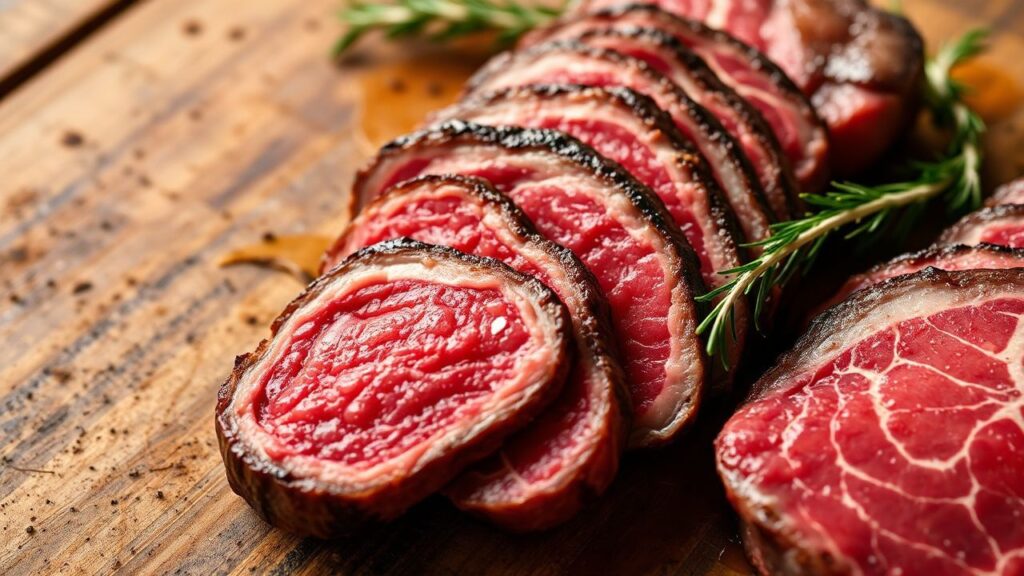
When selecting beef for stir-frying, the goal is to choose cuts that are inherently tender or can be made so through proper technique. Cuts with good marbling, those fine streaks of fat running through the muscle, are ideal as they render during cooking, adding moisture and flavour. Flank steak, skirt steak, and sirloin are excellent choices. These cuts, when sliced against the grain, break down the muscle fibres, resulting in a more yielding texture. Ribeye, while often more expensive, offers exceptional tenderness due to its high fat content. For those seeking a more economical option, top round can be used, but it requires more diligent attention to marinating and slicing.
The Art of Slicing: Against the Grain is Non-Negotiable
The single most critical step in ensuring tender beef in your stir fry is slicing the meat *against* the grain. This means identifying the direction in which the muscle fibres run and making your cuts perpendicular to them. When cooked, the muscle fibres will shorten, and if you’ve sliced with the grain, you’re essentially creating long, chewy strands. Slicing against the grain shortens these fibres, making them easy to sever with a bite. For best results, partially freeze the beef for about 30-45 minutes. This firms the meat, making it significantly easier to slice thinly and precisely. Aim for slices no more than 1/8-inch thick. This thinness allows for rapid cooking, preventing the beef from becoming tough and overcooked.
The Power of the Marinade: Flavour and Tenderness Amplified
A well-formulated marinade does double duty: it infuses the beef with flavour and begins the tenderizing process. A classic stir-fry marinade typically includes a base of soy sauce for saltiness and umami, a touch of acid (like rice vinegar or mirin) to break down proteins, and a sweetener (honey, sugar, or maple syrup) to balance the flavours and aid in caramelization. Aromatics such as minced garlic and ginger are essential for building the foundational flavour profile. For an extra boost of tenderness, a small amount of cornstarch is often incorporated. This acts as a moisture-retaining agent, creating a velvety coating that locks in juices during high-heat cooking. A typical marinade might consist of 2 tablespoons soy sauce, 1 tablespoon rice vinegar, 1 teaspoon honey, 1 clove minced garlic, 1/2 teaspoon grated ginger, and 1 teaspoon cornstarch. Marinate the beef for at least 15-30 minutes at room temperature, or up to 2 hours in the refrigerator. Avoid marinating for too long, especially with acidic ingredients, as the meat can become mushy.
The Symphony of the Wok: High Heat, Rapid Cooking, and ‘Wok Hei’
The magic of stir-frying lies in its intense heat and the speed at which ingredients are cooked. This method, when mastered, imparts a unique smoky flavour known as ‘wok hei’ – literally, the breath of the wok. Recreating this elusive element at home is achievable with the right approach, transforming a simple meal into a culinary spectacle.
Mastering High Heat: The Foundation of ‘Wok Hei’
Achieving high heat is paramount. For home cooks, this often means using the highest setting on your stovetop and employing a wok or a heavy-bottomed skillet that can withstand and distribute heat effectively. Cast iron woks are excellent for this purpose. Preheating your wok until it just begins to smoke is crucial. This ensures that when the oil hits the pan, it’s hot enough to sear the ingredients instantly, creating that characteristic char and smoky aroma. The oil should shimmer, not smoke excessively, before you add the ingredients. A high smoke point oil, such as peanut oil, canola oil, or grapeseed oil, is essential.
The Dance of Ingredients: Order and Timing are Everything
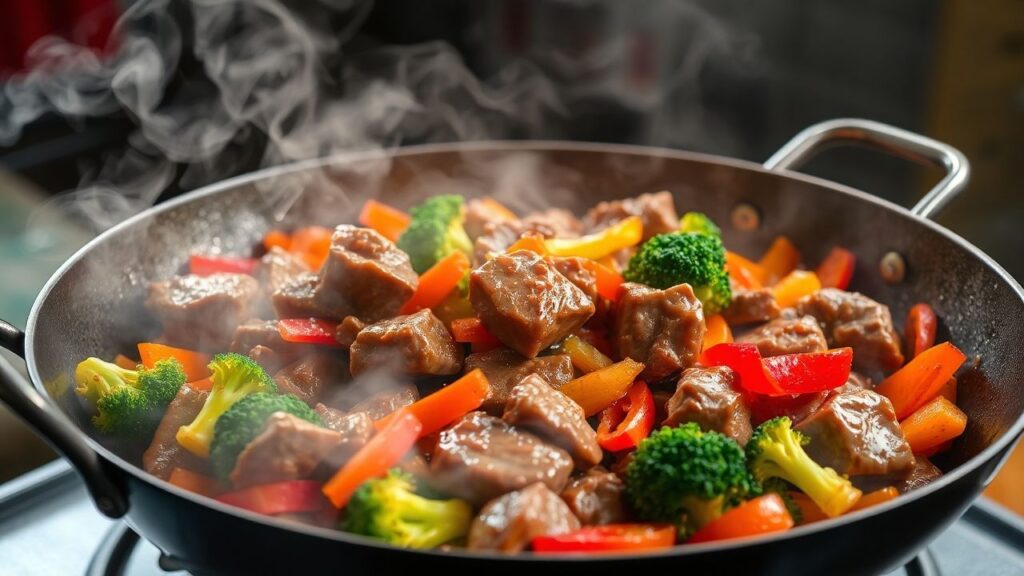
Stir-frying is a dynamic process that requires constant movement and precise timing. Ingredients are added in stages, based on their cooking times. First, the aromatics (garlic, ginger, chili) are quickly sautéed to release their fragrance. Then, the marinated beef is added and seared for a minute or two until browned, but not necessarily cooked through. It’s then removed from the wok to prevent overcooking. Next, harder vegetables like carrots and broccoli are added, followed by softer vegetables like bell peppers and snap peas. Each ingredient is given sufficient time to cook while maintaining its crisp-tender texture. The beef is then returned to the wok along with the sauce, and everything is tossed together for a final minute to meld the flavours and finish cooking the beef. This sequential addition ensures that no single ingredient is overcooked or undercooked, leading to a harmonious blend of textures and flavours.
The Umami Bomb: Crafting the Perfect Stir Fry Sauce
The sauce is the unifying element of a beef stir fry, binding all the individual components into a cohesive and flavourful dish. A balanced sauce should possess a complex interplay of savoury, sweet, sour, and umami notes. The foundation is typically soy sauce, providing saltiness and depth. Oyster sauce adds a rich, savoury, and slightly sweet umami flavour, a staple in many authentic stir-fry sauces. For sweetness, honey, brown sugar, or even a touch of mirin can be used. Rice vinegar or a splash of lime juice introduces a welcome tanginess that cuts through the richness. To thicken the sauce and give it a glossy sheen, a cornstarch slurry (cornstarch mixed with a little cold water) is added at the end. A well-constructed sauce might look like this: 3 tablespoons soy sauce, 2 tablespoons oyster sauce, 1 tablespoon rice vinegar, 1 teaspoon honey, 1/2 teaspoon sesame oil, and 1 tablespoon cornstarch mixed with 2 tablespoons water.
Elevating Your Beef Stir Fry: Beyond the Basics
While the fundamental techniques of slicing, marinating, high heat, and a balanced sauce are crucial, several additional steps can elevate your beef stir fry from good to truly outstanding, rivaling even the most skilled restaurant chefs. These are the subtle refinements that demonstrate a deeper understanding of flavour development and texture.
The Role of Aromatics and Spices
The aromatic foundation of garlic and ginger is non-negotiable, but their preparation can make a difference. For a more subtle flavour, finely mince them. For a more pungent kick, grate them directly into the pan. Don’t underestimate the power of other aromatics. Sliced scallions (white parts added earlier, green parts later for garnish), slivers of fresh chili for heat, or even a pinch of Sichuan peppercorns for their unique numbing sensation can add layers of complexity. A toasted sesame oil drizzle at the very end adds a nutty aroma and flavour that is distinctly Asian.
Vegetable Selection and Preparation: Colour, Crunch, and Contrast
The choice and preparation of vegetables are as important as the beef. Aim for a variety of colours and textures. Broccoli florets, crisp snap peas, vibrant bell peppers (red, yellow, orange), thinly sliced carrots, water chestnuts for crunch, and mushrooms for earthiness all contribute to a visually appealing and texturally diverse dish. Ensure all vegetables are cut into uniform, bite-sized pieces to ensure even cooking. Blanching harder vegetables like broccoli or carrots for a minute in boiling water before stir-frying can ensure they are perfectly tender-crisp without becoming mushy in the wok. This is a technique often employed in professional kitchens to guarantee perfect texture.
Nutritional Snapshot: A Wholesome Weeknight Meal
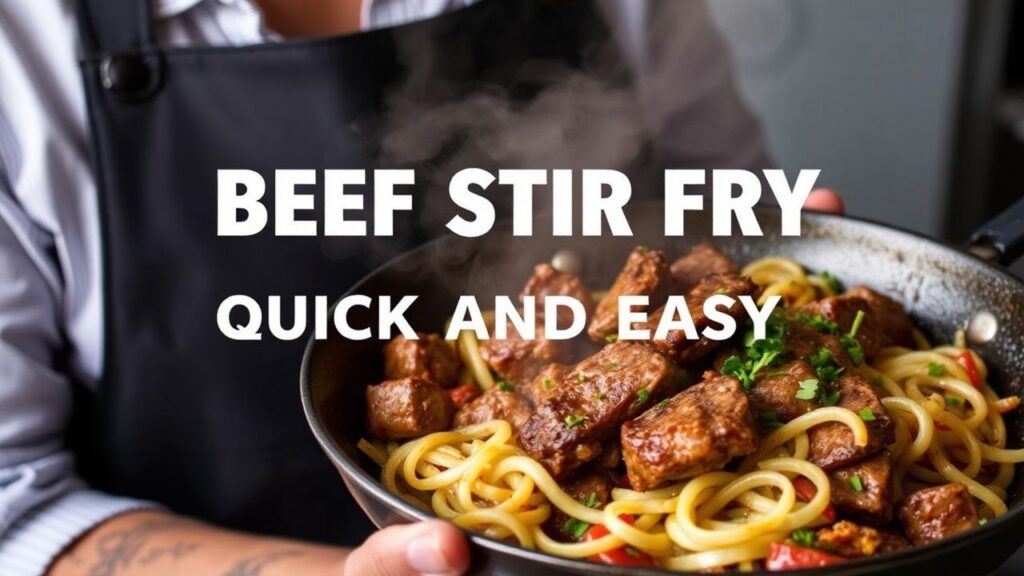
A well-prepared beef stir fry can be a remarkably healthy and balanced meal. It offers a good source of lean protein from the beef, essential vitamins and minerals from the vegetables, and its sodium and fat content can be controlled.
Typical Nutritional Information per Serving (approximate, based on standard recipe):
- Calories: 350-450 kcal
- Protein: 25-35g
- Fat: 15-25g (depending on oil and cut of beef)
- Carbohydrates: 15-25g (depending on added sugar and vegetables)
- Fiber: 3-5g
- Sodium: 600-900mg (can be significantly reduced by using low-sodium soy sauce)
Putting it all Together: The Final Flourish
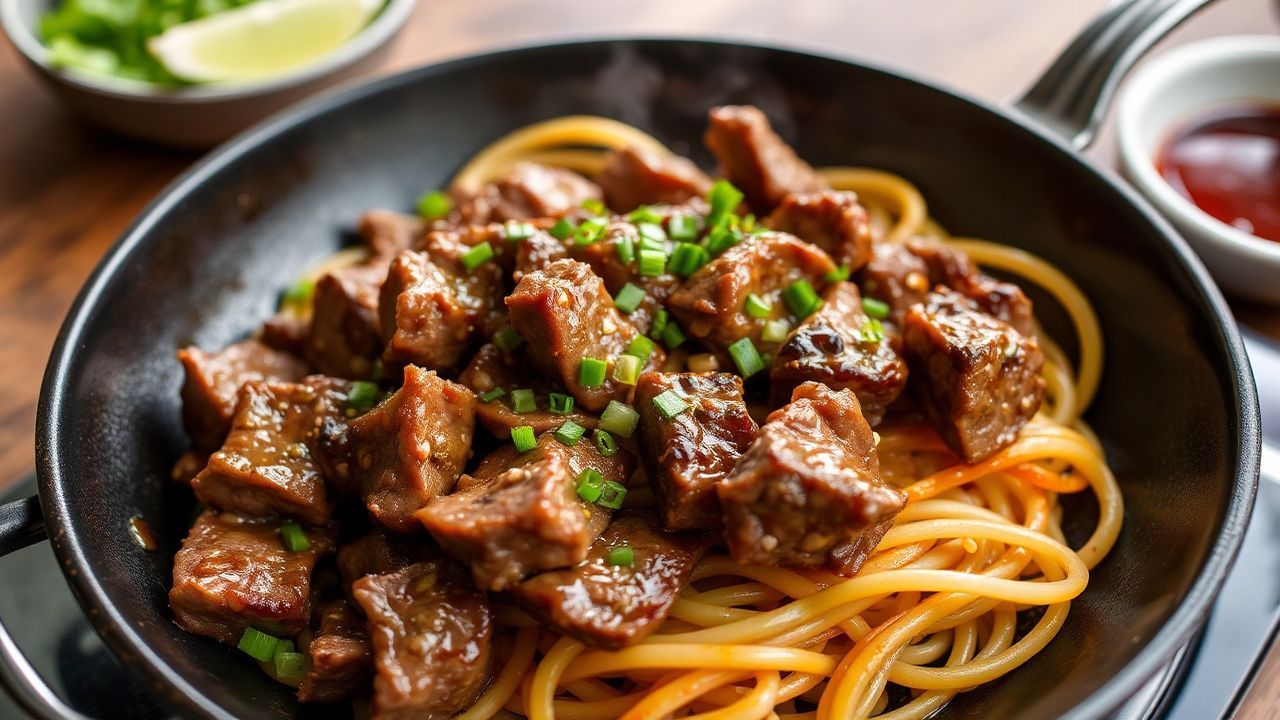
The culmination of careful planning and execution results in a dish that is both aesthetically pleasing and deeply satisfying. Serving your beef stir fry immediately after it’s finished cooking is paramount. The textures are at their peak, the aromas are most potent, and the heat is just right. Serve it over steamed rice, quinoa, or noodles for a complete and wholesome meal. Garnish with toasted sesame seeds, chopped scallions, or a sprinkle of fresh cilantro for an extra pop of flavour and visual appeal.
Frequently Asked Questions about Beef Stir Fry
How can I make my beef stir fry more tender?
Tenderness in beef stir fry is primarily achieved through two key factors: the cut of beef and how it’s sliced. Always choose tender cuts like sirloin, flank steak, or skirt steak. The most crucial step is to slice the beef thinly against the grain. Partially freezing the beef for 30-45 minutes before slicing makes this process much easier and ensures uniform thinness. Additionally, a marinade containing a mild acid (like rice vinegar) and cornstarch will help to break down muscle fibres and lock in moisture during cooking.
What is ‘wok hei’ and how can I achieve it at home?
‘Wok hei’ is the elusive smoky, slightly charred flavour imparted to food cooked in a well-seasoned wok over intense heat. While replicating it perfectly in a home kitchen can be challenging due to limitations in burner power, you can mimic it by using the highest heat setting on your stove, preheating your wok until it just begins to smoke, and using a high smoke point oil (like peanut or canola oil). Ensure the oil is shimmering hot before adding ingredients. The rapid searing and caramelization that occurs at high temperatures contribute significantly to this desirable flavour profile. Don’t overcrowd the pan; cook ingredients in batches if necessary to maintain high heat.
My stir fry sauce is too watery. What went wrong?
A watery stir fry sauce is usually a result of insufficient thickening or the addition of too much liquid without adequate reduction time. The most common thickener is a cornstarch slurry (cornstarch mixed with cold water). Ensure you add the slurry to the simmering sauce and cook for at least 30-60 seconds, stirring constantly, until it thickens to your desired consistency. If the sauce is still too thin after adding the slurry, you can mix a little more cornstarch with water and add it gradually. Another reason for a watery sauce can be the vegetables releasing too much moisture; this can be mitigated by ensuring vegetables are dry before adding them to the wok and by not overcrowding the pan, which leads to steaming rather than stir-frying.
Can I prepare some ingredients for beef stir fry in advance?
Absolutely! Preparing ingredients in advance is key to making a quick beef stir fry truly *quick*. You can slice the beef, marinate it, and chop all your vegetables hours, or even a day, ahead of time. Store them separately in airtight containers in the refrigerator. The sauce can also be mixed in advance and kept in a separate container. This ‘mise en place’ (everything in its place) approach ensures that once you heat your wok, the actual cooking process takes mere minutes, allowing you to assemble a delicious meal in under 15 minutes.
See also: Beef Stir Fry