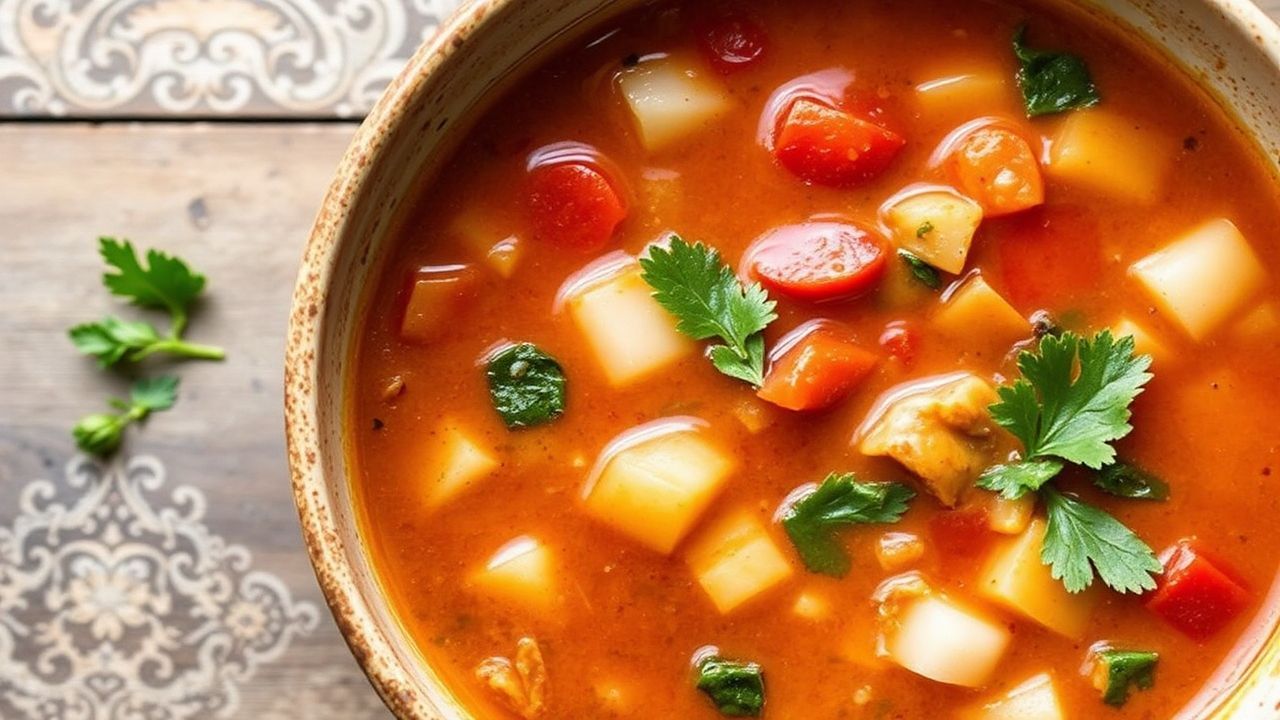

Minestrone, a hearty Italian vegetable soup, evokes a sense of rustic tradition and comforting warmth, a culinary embrace from the Italian countryside. While countless variations exist, the Olive Garden rendition has achieved a near-iconic status in American casual dining, a dish that many seek to replicate in their own kitchens. But what makes this particular minestrone so enduringly popular, and can its signature blend of robust flavors and satisfying textures truly be captured at home? This exploration explore the very essence of this beloved soup, dissecting its components and offering a meticulous pathway to recreating its distinctive charm.
### At a Glance: Key Takeaways for Mastering Olive Garden’s Minestrone
* The Foundation is Key: A deeply flavored vegetable broth, built from aromatics and quality stock, is paramount.
* Texture is Paramount: The soup’s appeal lies in its diverse textural elements – tender vegetables, al dente pasta, and toothsome beans.
* Balancing Act: Achieving the right balance of acidity, sweetness, and savory notes is crucial for that signature Olive Garden taste.
* Fresh Finish: A final flourish of fresh herbs and a drizzle of good olive oil elevates the soup from good to exceptional.
The very concept of minestrone, a word derived from the Italian “minestra” meaning soup, is inherently a celebration of the season’s bounty. It’s a dish that historically served as a way to utilize leftover vegetables, proof of culinary resourcefulness. Unlike a strictly defined French consommé or a precise Thai curry, minestrone is a canvas, a fluid definition that allows for regional and seasonal adaptation. Yet, the Olive Garden version, with its consistent and recognizable profile, has managed to distill this flexibility into a universally appealing formula. It’s this very accessibility, the promise of familiar, comforting flavors, that drives home cooks to seek out its secrets.
To replicate the Olive Garden’s Minestrone, one must first understand its core components and the subtle interplay that defines its character. It’s not simply a matter of tossing vegetables into a pot; rather, it’s a carefully orchestrated symphony of aromatics, vegetables, legumes, pasta, and a broth that sings with savory depth. The success of this particular minestrone lies in its bold yet balanced flavor profile, its satisfying textural variety, and its universally comforting essence. It’s a soup designed to be both nourishing and deeply satisfying, a dish that can transition from a light lunch to a substantial starter.
The foundation of any great minestrone, and indeed the Olive Garden’s signature broth, begins with a robust soffritto. This aromatic base, comprised of finely diced onions, carrots, and celery, is slowly sautéed to release its inherent sweetness and develop complex flavor molecules. This process, often referred to as “sweating” the vegetables, is crucial. It’s not about browning them aggressively, but rather coaxing out their natural sugars through gentle heat and a touch of fat, typically olive oil. This patient approach ensures that the aromatics dissolve into the broth, imparting a subtle sweetness and a depth that a hurried sauté simply cannot achieve.
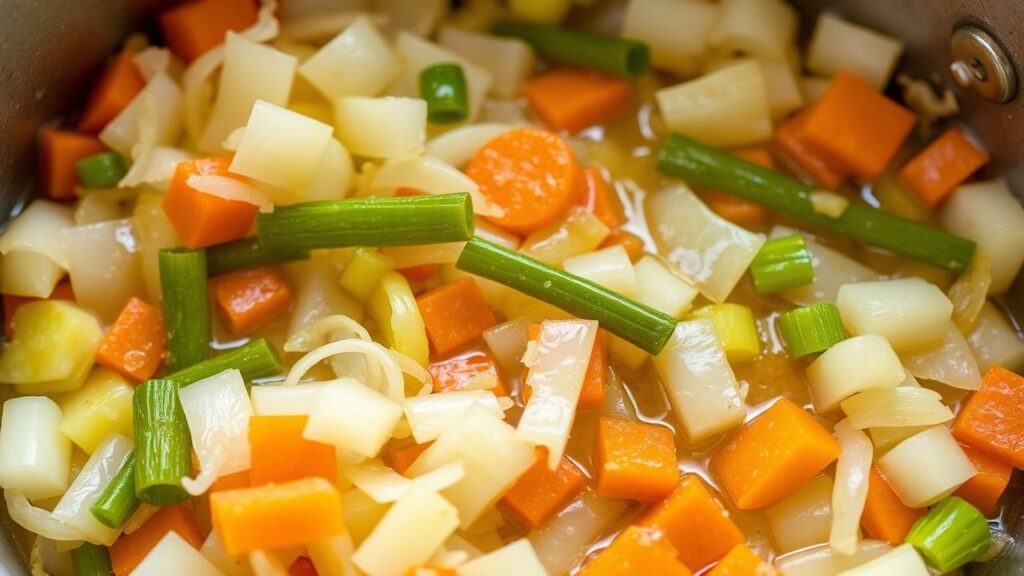
Beyond the soffritto, the Olive Garden minestrone distinguishes itself with a specific selection of vegetables and legumes. While flexibility is inherent to minestrone, their version leans towards a consistent mix that provides both color and substance. The inclusion of kidney beans and cannellini beans offers a creamy texture and earthy flavor, while diced tomatoes contribute both acidity and a vibrant hue. The presence of green beans and zucchini adds a fresh, slightly crisp element, preventing the soup from becoming overly heavy. And the indispensable spinach, wilted into the broth at the very end, provides a final burst of vibrant green and a subtle, mineral note.
The pasta, typically ditalini or small elbow macaroni, is another textural player. Cooked *al dente*, it offers a pleasant bite that holds up to the broth without becoming mushy. The choice of pasta is not arbitrary; its small size ensures it integrates seamlessly into the soup, providing bursts of carb-laden comfort without dominating the other ingredients. The broth itself is a carefully balanced blend, often a combination of vegetable broth and chicken broth for added depth and richness, seasoned with Italian herbs like oregano and basil, and a hint of garlic. The precise ratio of these elements is what elevates a simple vegetable soup to the celebrated Olive Garden Minestrone.
Achieving the authentic taste of the Olive Garden’s Minestrone at home requires a meticulous approach to ingredient selection and preparation. This recipe aims to capture that distinctively savory, slightly sweet, and wonderfully textured soup that has become a comfort food staple.
Yields: Approximately 8-10 servings
Prep time: 25 minutes
Cook time: 45-60 minutes
For the Soffritto and Base:
- 2 tablespoons olive oil
- 1 large yellow onion, finely diced (about 1 ½ cups)
- 3 medium carrots, peeled and finely diced (about 1 cup)
- 3 stalks celery, finely diced (about 1 cup)
- 4 cloves garlic, minced
- 1 teaspoon dried oregano
- ½ teaspoon dried basil
- ¼ teaspoon red pepper flakes (optional, for a touch of heat)
- Salt and freshly ground black pepper, to taste
For the Broth and Vegetables:
- 8 cups (1.9 liters) low-sodium vegetable broth
- 4 cups (950 ml) low-sodium chicken broth (or use 12 cups vegetable broth for a vegetarian version)
- 1 (14.5 ounce / 411 gram) can diced tomatoes, undrained
- 1 (15 ounce / 425 gram) can kidney beans, rinsed and drained
- 1 (15 ounce / 425 gram) can cannellini beans, rinsed and drained
- 1 cup (about 150 grams) green beans, trimmed and cut into 1-inch pieces
- 1 medium zucchini, diced (about 1 ½ cups)
- 1 cup (about 30 grams) fresh spinach, roughly chopped
For the Pasta:
- ½ cup (85 grams) ditalini pasta (or other small pasta shape like elbow macaroni)
For Finishing:
- 2 tablespoons fresh parsley, chopped
- 1 tablespoon fresh basil, chopped (optional)
- Extra virgin olive oil, for drizzling
1. Building the Aromatic Foundation: Heat the olive oil in a large, heavy-bottomed pot or Dutch oven over medium heat. Add the diced onion, carrots, and celery. Cook, stirring occasionally, until the vegetables are softened and translucent, about 8-10 minutes. This slow sauté is critical for developing a deep, sweet base.
2. Infusing with Aromatics: Stir in the minced garlic, dried oregano, dried basil, and red pepper flakes (if using). Cook for another 1-2 minutes until fragrant, being careful not to burn the garlic. Season generously with salt and black pepper.
3. Developing the Broth: Pour in the vegetable broth and chicken broth. Add the diced tomatoes (with their juice), kidney beans, and cannellini beans. Bring the mixture to a simmer, then reduce the heat to low, cover, and let it gently simmer for at least 20 minutes to allow the flavors to meld. This simmering period is crucial for developing the soup’s characteristic depth.
4. Adding the Vegetables: Increase the heat to medium-high and add the green beans and diced zucchini to the pot. Bring back to a simmer and cook for 5-7 minutes, or until the vegetables are tender-crisp. We want them cooked through but still retaining a slight bite.
5. Cooking the Pasta: Stir in the ditalini pasta. Cook according to package directions, typically 7-10 minutes, until *al dente*. It’s imperative not to overcook the pasta, as it will continue to soften in the hot soup.
6. The Final Flourish: Just before serving, stir in the fresh spinach. The residual heat of the soup will wilt it perfectly, imparting its color and nutrients without becoming stringy. Taste and adjust seasoning with salt and pepper as needed.
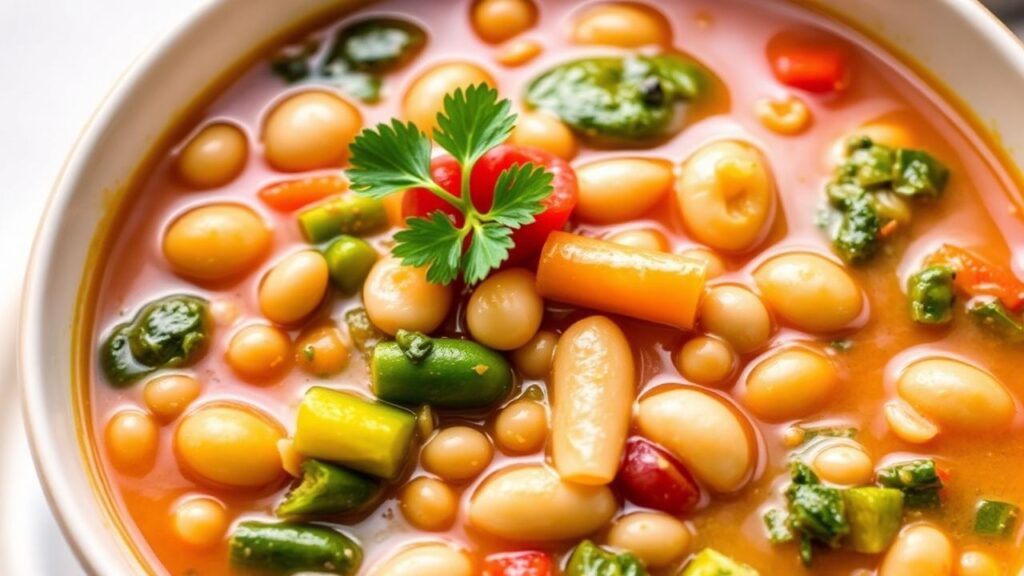
While the precise nutritional data for Olive Garden’s Minestrone can vary slightly due to preparation nuances and portion sizes, a homemade version offers a remarkably wholesome profile. This recipe, for an approximate 1.5-cup serving, is designed to be rich in fiber, vitamins, and minerals, while remaining relatively moderate in calories and fat.
| Nutrient | Per Serving (approx.) | % Daily Value* |
|---|
| :—————— | :——————– | :———— |
| Calories | 250-300 | 13-15% |
|---|
| Total Fat | 6-8g | 8-10% |
| Saturated Fat | 1-2g | 5-10% |
|---|
| Cholesterol | 0mg | 0% |
| Sodium | 600-800mg | 26-35% |
|---|
| Total Carbohydrates | 40-45g | 15-16% |
| Dietary Fiber | 8-10g | 29-36% |
|---|
| Total Sugars | 6-8g | N/A |
| Protein | 10-12g | 20-24% |
|---|
| Vitamin A | Varies | High |
| Vitamin C | Varies | Good |
|---|
| Iron | Varies | Good |
| Potassium | Varies | High |
|---|
- *Based on a 2,000 calorie diet. Individual needs may vary.*
The significant fiber content, derived from the abundance of vegetables and beans, contributes to satiety and digestive health. The use of low-sodium broths and careful seasoning allows for control over sodium intake, a common concern with restaurant soups. The protein content, primarily from the beans and broth, makes this a satisfying meal option.
To truly capture the nuanced flavors and textures that make the Olive Garden’s Minestrone so beloved, consider these expert-level enhancements. These small adjustments can yield significant improvements in your homemade rendition.
One of the most impactful ways to elevate your minestrone is through the quality of your broth. While store-bought low-sodium options are convenient, making your own vegetable broth from kitchen scraps (onion skins, carrot peels, celery ends) can impart a depth of flavor that is unparalleled. If using store-bought, consider simmering it for 15-20 minutes with a few sprigs of fresh thyme and a bay leaf before adding it to your soup base. This simple step can transform a good broth into a great one.
When it comes to the vegetables, freshness is paramount. While frozen vegetables can be a convenient substitute for green beans, opt for fresh whenever possible for optimal texture and flavor. For the zucchini, choose smaller, firmer specimens, as they tend to have a better texture and less watery seeds. Cutting all your vegetables into uniform, bite-sized pieces not only ensures even cooking but also contributes to the visual appeal and the satisfying mouthfeel of the soup.
The final seasoning and finishing touches are where you can truly personalize and perfect your minestrone. A generous amount of freshly chopped parsley added at the very end provides a bright, herbaceous counterpoint to the rich broth. A drizzle of high-quality extra virgin olive oil just before serving adds a luxurious sheen and a peppery finish. For those who enjoy a more robust flavor, a small pinch of Parmesan rind simmered in the broth can impart a subtle umami depth. The key is to taste and adjust seasoning frequently throughout the cooking process, ensuring a harmonious balance of flavors.
The Olive Garden’s Minestrone has succeeded not by reinventing the wheel, but by perfecting a beloved classic. Its enduring appeal lies in its ability to be both comforting and complex, familiar yet satisfyingly varied. It’s a soup that speaks to a universal desire for wholesome, nourishing food, prepared with care and enjoyed with pleasure. By understanding the nuances of its construction and employing a few key culinary techniques, you can bring this iconic taste of Italian-American comfort into your own kitchen, proving that the magic of a truly great minestrone is indeed replicable.
What is the difference between minestrone and other Italian vegetable soups?
Minestrone’s Unique Identity
Minestrone stands apart from other Italian vegetable soups primarily due to its inherent flexibility and its robust, hearty nature. While other Italian soups might focus on a single vegetable (like Ribollita, which emphasizes beans and bread, or a simple Pappa al Pomodoro, a tomato and bread soup), minestrone is a celebration of multiple vegetables, legumes, and often pasta or rice. Its name, derived from “minestra” (soup), suggests a more substantial, general soup category. Historically, minestrone was a peasant dish, designed to use whatever seasonal produce was available, leading to countless regional variations. This adaptability is its hallmark, allowing for a wide spectrum of ingredients and flavor profiles, from a lighter, brothier version to a thick, stew-like consistency.
Unlike some more refined Italian soups, minestrone is characterized by its rustic charm and its complete embrace of the garden’s bounty. It’s a soup that doesn’t shy away from texture; the slight chew of the pasta, the tender bite of the beans, and the softened vegetables all contribute to its satisfying mouthfeel. While other Italian soups might have a more specific ingredient focus or a more delicate preparation, minestrone is about abundance and resourcefulness. It’s a versatile dish that can be adjusted to the season, the ingredients on hand, and the desired heartiness, making it a true cornerstone of Italian home cooking.
Can I make minestrone vegetarian or vegan?
Adapting Minestrone for Plant-Based Diets
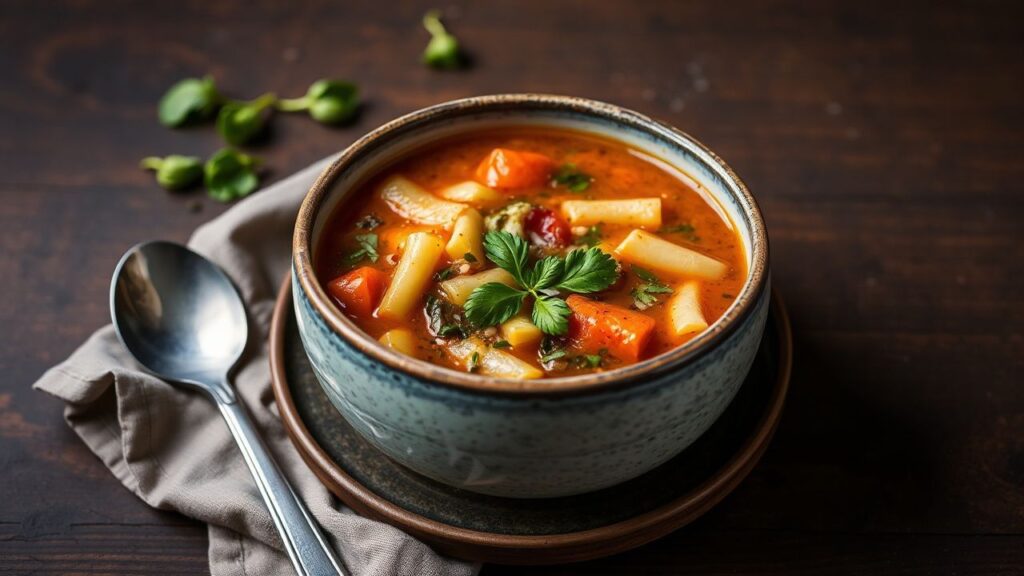
Absolutely, minestrone is remarkably adaptable to vegetarian and vegan diets. The foundational elements of minestrone – the aromatic soffritto, the diverse vegetables, and the beans – are naturally plant-based. The primary modification for a vegan version involves replacing any animal-based broths with a high-quality vegetable broth. For a vegetarian version, vegetable broth is also ideal, but some may choose to use a light chicken broth if they are not strictly vegetarian. The inclusion of pasta is generally fine, as most dried pasta is vegan; however, always check the ingredients to ensure no egg is present if preparing a strict vegan dish.
To enhance the richness and depth of flavor in a vegan minestrone, consider sautéing the vegetables in a generous amount of good quality olive oil and perhaps adding a splash of nutritional yeast towards the end of cooking for a subtle cheesy, umami note. A small piece of dried mushroom, rehydrated and chopped, can also lend a profound depth to the broth without adding meat. The beans themselves provide significant protein and fiber, making the soup satisfying and complete without any animal products. The key is to ensure your vegetable broth is flavorful and well-seasoned, as it forms the backbone of the soup.
What are the best vegetables to use in minestrone soup?
The Art of Vegetable Selection in Minestrone
The beauty of minestrone lies in its flexibility, meaning there isn’t a single definitive list of vegetables. However, certain ingredients are considered staples and contribute significantly to the soup’s characteristic flavor and texture. The foundational soffritto of finely diced onions, carrots, and celery is non-negotiable for developing a sweet and aromatic base. Beyond this, common additions include diced tomatoes (for acidity and color), green beans (for a fresh, crisp element), zucchini (which adds a mild sweetness and tender texture), and leafy greens like spinach or kale (for vibrant color and nutrients). Potatoes or sweet potatoes can be added for extra heartiness, while peas offer a pop of sweetness.
The choice of vegetables also often depends on the season. In the spring and summer, one might lean towards lighter vegetables like peas, asparagus, and young zucchini. In the autumn and winter, heartier options like potatoes, hearty greens such as kale or Swiss chard, and root vegetables like parsnips can be incorporated. The key is to achieve a balance of textures and flavors: some tender, some with a slight bite, some sweet, and some savory. The goal is not to overcrowd the soup, but to create a harmonious medley where each ingredient plays its part. For instance, adding cabbage, thinly shredded, can add a wonderful, slightly sweet crunch that holds up well during cooking.
See also: Minestrone