
The Enduring Allure of Stroganoff: A Culinary Icon Reimagined
Beef Stroganoff, celebrated for its velvety sauce and tender morsels of beef, was not originally an opulent affair. Its genesis in 19th-century Russia was proof of ingenuity, born from the need to create an elegant meal from readily available ingredients. The addition of wine, a practice that has become almost synonymous with classic Stroganoff, wasn’t always a cornerstone; many historical accounts suggest earlier iterations relied on different flavor enhancers. The perception of Stroganoff as a dish that *requires* wine for its depth is a modern culinary myth, one that often excludes individuals who abstain from alcohol for personal, religious, or health reasons. This article demystifies the creation of an exceptional Stroganoff, proving that its signature richness and complex flavor profile can be achieved with brilliance, sans a single drop of wine. We explore the nuanced techniques and ingredient substitutions that elevate this dish from a simple supper to a truly memorable culinary experience, ensuring every bite delivers that unmistakable Stroganoff satisfaction.
- The Enduring Allure of Stroganoff: A Culinary Icon Reimagined
- Deconstructing the Stroganoff Equation: Why Wine and What Replaces It
- The Foundation of Flavor: Selecting and Preparing Your Beef
- Ingredients: A Symphony of Simplicity and Depth
- The Art of Construction: Crafting the Wine-Free Stroganoff
- Step 1: Sear the Beef to Perfection
- Step 2: Build the Aromatic Base
- Step 3: Thicken and Deglaze
- Step 4: Introduce Depth and Acidity
- Step 5: The Creamy Embrace
- Step 6: Final Seasoning and Serving
- Nutritional Snapshot: A Look at Your Wine-Free Creation
- Elevating Your Stroganoff: Expert Touches for Unrivaled Excellence
- 💡 Expert Insight Expert Insight: The Power of Umami Boosters
- ⚠️ Pro-Caution Pro-Caution: The Dairy Dilemma
- Frequently Asked Questions About Wine-Free Stroganoff
- Can I use a different type of vinegar?
- What’s the best way to ensure the beef is tender?
- Can I make Stroganoff ahead of time?
- Conclusion: A Classic Reimagined, Flawlessly
At a Glance: Key Takeaways for Wine-Free Stroganoff Mastery
- Flavor Building is Paramount: Without wine’s acidity and complexity, focus on maximizing umami through browning and complementary aromatics.
- Broth is Your New Best Friend: High-quality beef broth is crucial for depth, replacing the liquid and flavor contribution of wine.
- Acidity is Essential: A touch of vinegar or lemon juice is vital to balance the richness and mimic wine’s palate-cleansing effect.
- Texture Matters: Proper searing of beef and careful incorporation of dairy prevent a mushy outcome.
Deconstructing the Stroganoff Equation: Why Wine and What Replaces It
Traditionally, dry white or red wine plays a multi-faceted role in Stroganoff. It acts as a deglazing agent, lifting browned bits from the pan to form the sauce’s base, infusing the dish with a subtle fruitiness and acidity that cuts through the richness of the cream and butter. This acidity brightens the overall flavor profile, preventing the dish from becoming heavy or cloying. Furthermore, wine contributes a layer of complexity that is difficult to replicate. The absence of wine does not render the dish incomplete; instead, it presents an opportunity to explore alternative flavor-building strategies. The key lies in understanding *why* wine is used and then identifying ingredients that can effectively perform those same functions.
The primary functions of wine in Stroganoff are deglazing, adding acidity, and contributing aromatic complexity. To compensate for its absence, we must address each of these. For deglazing, a robust beef broth or even a splash of water can be used to scrape up those desirable browned bits, known as the “fond.” Complexity can be built through the judicious use of aromatics like garlic and onions, and enhanced by ingredients rich in umami, such as Worcestershire sauce (ensure it’s alcohol-free if necessary) or even a touch of mushroom powder. The crucial element, acidity, can be masterfully reintroduced through a small amount of vinegar – sherry vinegar, red wine vinegar, or even apple cider vinegar – or a squeeze of fresh lemon juice at the end of cooking. These substitutes, when used thoughtfully, can achieve a flavor profile that is every bit as nuanced and satisfying as a wine-laden version.
The Foundation of Flavor: Selecting and Preparing Your Beef
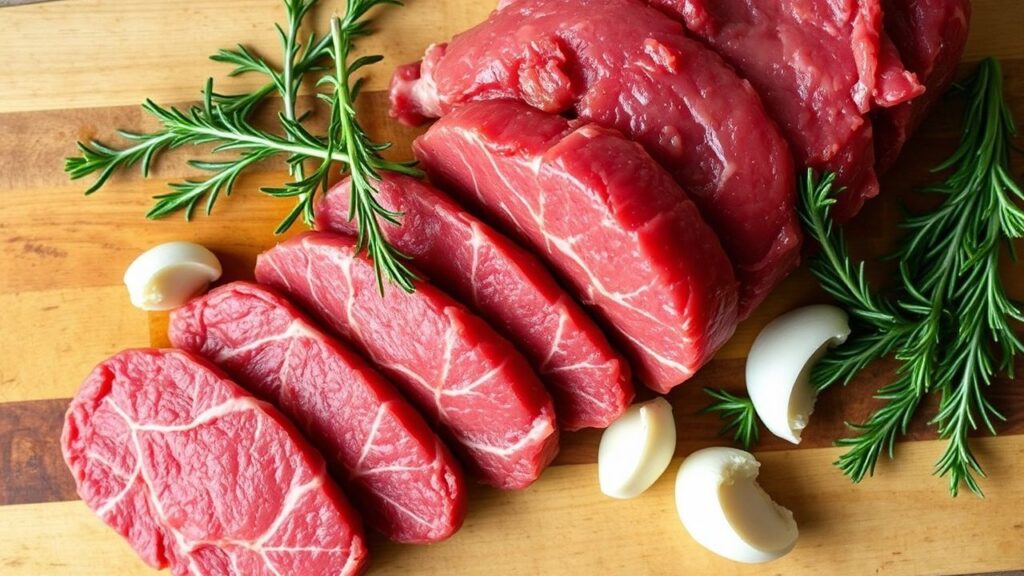
The success of any Stroganoff hinges on the quality of its beef. While traditionally made with tender cuts like sirloin or fillet, select a cut that offers a good balance of flavor and tenderness. For a wine-free rendition, where the sauce needs to carry the flavor more assertively, a well-marbled sirloin or even a tender flank steak, sliced thinly against the grain, can be excellent choices. The thin slicing ensures rapid cooking and prevents the beef from becoming tough and chewy, a common pitfall, especially when pan-searing.
Searing is paramount. High heat, a hot pan, and minimal crowding are essential. Overcrowding the pan will steam the meat rather than sear it, leading to a gray, unappealing texture and a lack of the desirable Maillard reaction – the browning that creates deep, savory flavors. Searing in batches ensures each piece of beef develops a beautiful crust, contributing significantly to the overall umami of the dish. This step is non-negotiable for achieving a restaurant-quality Stroganoff, wine or no wine. The rendered fat from the beef also becomes a flavorful base for sautéing the aromatics, further enhancing the depth of the sauce.
Ingredients: A Symphony of Simplicity and Depth
This recipe focuses on creating a rich, complex Stroganoff without relying on wine, emphasizing accessible, high-quality ingredients that contribute to a harmonious flavor profile.
Yields: 4-6 servings
Prep time: 20 minutes
Cook time: 30-40 minutes
For the Beef:
- 1.5 lbs (approx. 680g) Beef Sirloin Steak or Tenderloin, thinly sliced against the grain (about 1/4 inch thick)
- 2 tablespoons Olive Oil or Vegetable Oil, divided
- 1 teaspoon Salt
- 1/2 teaspoon Freshly Ground Black Pepper
For the Sauce:
- 2 tablespoons Unsalted Butter
- 1 large Yellow Onion, finely chopped
- 8 oz (approx. 225g) Mushrooms (cremini or button), sliced
- 2 cloves Garlic, minced
- 1 tablespoon All-Purpose Flour
- 2 cups (approx. 475ml) Beef Broth (low sodium preferred)
- 1 tablespoon Worcestershire Sauce (ensure it’s alcohol-free if required)
- 1 teaspoon Dijon Mustard
- 1 tablespoon Apple Cider Vinegar or Sherry Vinegar
- 1 cup (approx. 240ml) Sour Cream (full fat recommended)
- 1/4 cup (approx. 60ml) Heavy Cream
- 2 tablespoons Fresh Parsley, chopped (for garnish)
- Salt and freshly ground black pepper, to taste
Note on Broth: Opt for a high-quality, rich beef broth. Homemade is ideal, but a good store-bought low-sodium version will work. The broth is the backbone of your sauce in place of wine.
Note on Worcestershire Sauce: Always check the label if you need an alcohol-free version. Many brands are suitable.
The Art of Construction: Crafting the Wine-Free Stroganoff
The preparation of Stroganoff, especially a wine-free version, is a carefully orchestrated ballet of searing, sautéing, and simmering. Each step builds upon the last, creating layers of flavor and texture that define this beloved dish.
Step 1: Sear the Beef to Perfection
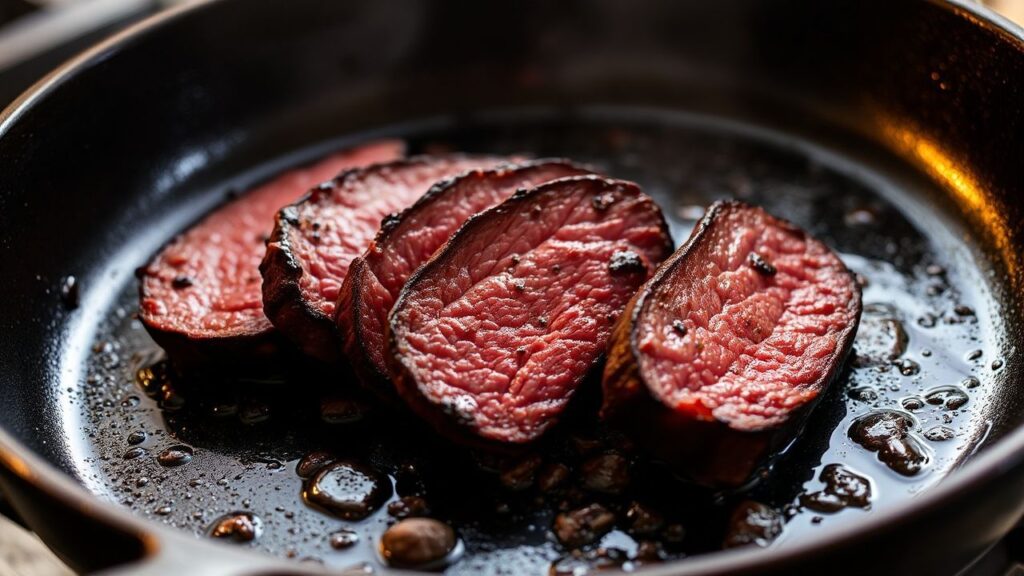
Pat the sliced beef thoroughly dry with paper towels. This is crucial for achieving a good sear. Season generously with salt and pepper. Heat 1 tablespoon of olive oil in a large, heavy-bottomed skillet (cast iron is ideal) over medium-high heat until shimmering. Working in batches to avoid overcrowding, sear the beef for 1-2 minutes per side, until beautifully browned. Do not overcook; the beef will finish cooking in the sauce. Remove the seared beef to a clean plate and set aside.
Step 2: Build the Aromatic Base
Reduce the heat in the same skillet to medium. Add the remaining 1 tablespoon of olive oil and the butter. Once the butter has melted and is foaming, add the chopped onion. Sauté, stirring occasionally, until the onion is softened and translucent, about 5-7 minutes. Add the sliced mushrooms to the skillet. Cook, stirring occasionally, until the mushrooms have released their moisture and are nicely browned, about 8-10 minutes. This browning of the mushrooms is vital for developing a deep, earthy flavor.
Stir in the minced garlic and cook for another minute until fragrant, being careful not to burn it. The aroma at this stage should be intoxicating, a promise of the richness to come. This foundation of sautéed aromatics carries much of the flavor complexity that wine might otherwise provide.
Step 3: Thicken and Deglaze
Sprinkle the flour over the onion and mushroom mixture. Stir well and cook for 1-2 minutes, allowing the flour to cook out and coat the vegetables. This roux will help thicken the sauce. Gradually pour in the beef broth, stirring constantly to scrape up any browned bits from the bottom of the pan (the fond). Bring the mixture to a simmer, stirring until it begins to thicken. This is your deglazing process, capturing all the flavorful remnants left from searing the beef.
Step 4: Introduce Depth and Acidity
Stir in the Worcestershire sauce and Dijon mustard. Add the vinegar. These ingredients are critical for balancing the sauce. The Worcestershire sauce adds umami depth, the mustard provides a subtle tang and emulsifying quality, and the vinegar introduces the essential acidity that cuts through richness. Simmer gently for 5 minutes, allowing the flavors to meld.
Step 5: The Creamy Embrace
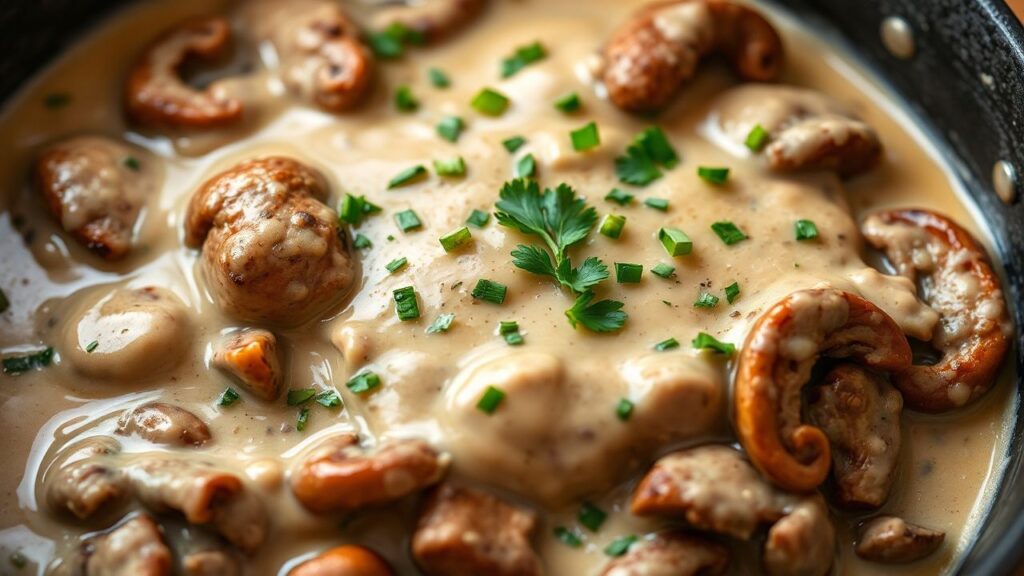
Reduce the heat to low. Stir in the sour cream and heavy cream until well combined and the sauce is smooth and creamy. Do not allow the sauce to boil after adding the dairy, as this can cause it to curdle. Gently return the seared beef (and any accumulated juices) to the skillet. Stir to coat the beef in the sauce. Allow the beef to warm through gently in the sauce for 3-5 minutes, being careful not to overcook it. The residual heat will finish cooking the beef to tender perfection.
Step 6: Final Seasoning and Serving
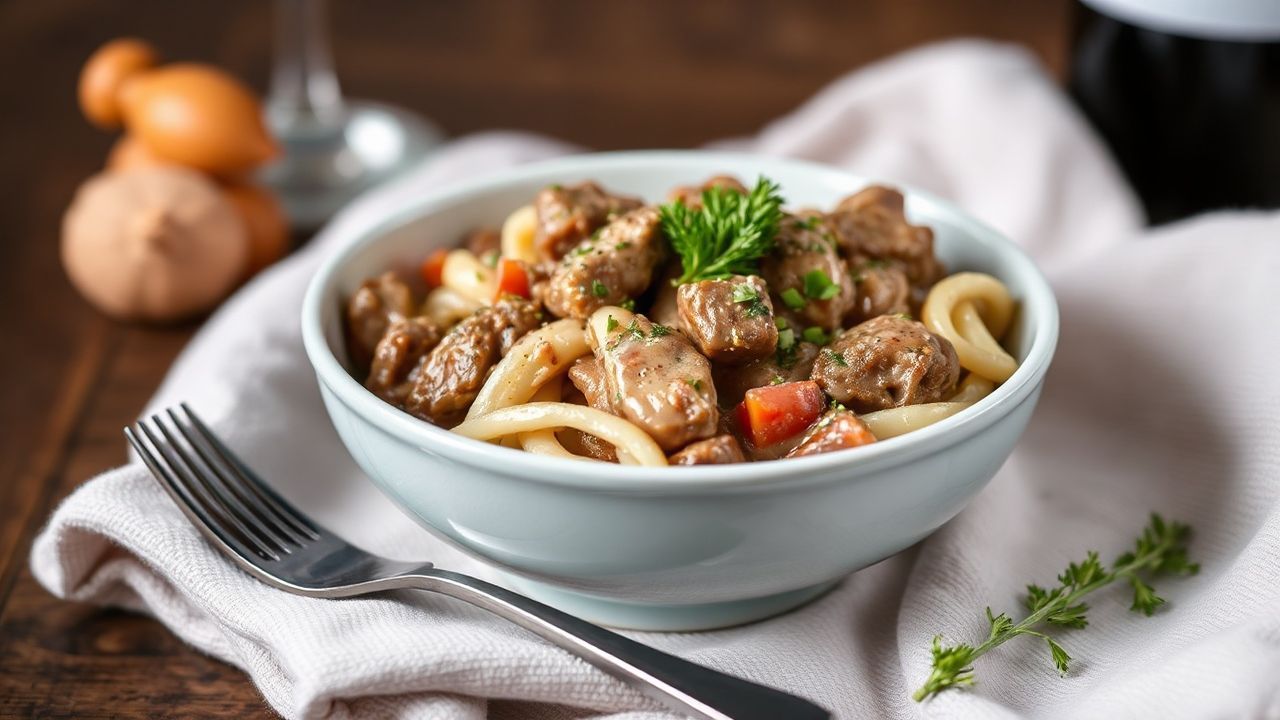
Taste the Stroganoff and adjust seasoning with salt and freshly ground black pepper as needed. The sauce should be rich, savory, and perfectly balanced. Garnish generously with fresh chopped parsley. Stroganoff is traditionally served over egg noodles, but also pairs beautifully with rice, mashed potatoes, or even a crusty baguette for soaking up the exquisite sauce.
Nutritional Snapshot: A Look at Your Wine-Free Creation
While specific nutritional values can vary based on ingredient brands and exact quantities used, here’s an approximate breakdown per serving (assuming 6 servings, served without a side):
Estimated Nutritional Information Per Serving:
| Calories | 450-550 kcal |
|---|---|
| Protein | 30-40 g |
| Fat | 30-40 g |
| Saturated Fat | 15-20 g |
| Carbohydrates | 10-15 g |
| Fiber | 2-3 g |
| Sugar | 4-6 g |
| Sodium | 500-700 mg (can be reduced with low-sodium broth) |
This dish is a good source of protein and iron due to the beef. The dairy components contribute to its fat content, providing richness and satiety. The inclusion of vegetables like onions and mushrooms adds dietary fiber and essential vitamins and minerals.
Elevating Your Stroganoff: Expert Touches for Unrivaled Excellence
Achieving a truly exceptional Stroganoff, even without wine, requires attention to detail and a few professional insights. These techniques will transform your home-cooked meal into something truly memorable.
💡 Expert Insight
Expert Insight: The Power of Umami Boosters
To further deepen the savory notes in your wine-free Stroganoff, consider incorporating ingredients rich in umami. A teaspoon of mushroom powder (dried mushrooms ground into a fine powder) added with the flour can create an incredible earthy depth. Alternatively, a small amount of tomato paste, sautéed briefly with the onions and mushrooms before adding the flour, can provide a subtle richness and a boost of glutamates that enhance the overall savory profile.
Another subtle yet impactful addition is a dash of fish sauce. While it might sound counterintuitive in a beef dish, a very small amount (start with 1/2 teaspoon) can provide an incredible savory complexity without imparting any fishy flavor. It acts as a flavor enhancer, much like salt, but with a much more profound umami impact. This is a technique often employed in professional kitchens to build layered flavors in dishes where traditional flavor enhancers might be absent.
⚠️ Pro-Caution
Pro-Caution: The Dairy Dilemma
The most common pitfall when finishing a Stroganoff sauce with dairy, especially sour cream, is curdling. This occurs when the dairy is introduced to high heat or added too quickly. Always ensure your sauce is on low heat before stirring in the sour cream and heavy cream. Whisk them together in a separate bowl first to temper them slightly, then gradually incorporate them into the sauce, stirring continuously. Never let the sauce boil after the dairy has been added. If you are concerned, you can gently reheat the sauce by placing the skillet over a double boiler for a few minutes.
If a perfectly smooth sauce is your absolute priority, consider using a combination of sour cream and a higher fat content cream, or even a dollop of crème fraîche, which is more stable at higher temperatures than regular sour cream. The goal is a sauce that is luxuriously creamy and emulsified, not separated or grainy. Careful temperature control and gradual incorporation are your greatest allies here.
For those seeking an even more refined texture, a very brief immersion blending of the sauce *before* adding the beef can ensure unparalleled smoothness. However, this is an optional step and often unnecessary if the dairy has been incorporated correctly.
Frequently Asked Questions About Wine-Free Stroganoff
Can I use a different type of vinegar?
Absolutely. While apple cider vinegar and sherry vinegar are excellent choices for their nuanced flavors, you can also use red wine vinegar or even white wine vinegar. The key is to introduce a touch of acidity to balance the richness of the sauce. Start with a tablespoon and adjust to your taste. A squeeze of fresh lemon juice at the very end of cooking can also provide a bright, fresh acidity, though it will offer a slightly different flavor profile than vinegar.
What’s the best way to ensure the beef is tender?
The tenderness of the beef is paramount. Always slice the beef thinly against the grain. This breaks up the tough connective tissues. Secondly, do not overcook the beef. Sear it quickly over high heat until browned, then allow it to finish cooking gently in the warm sauce. Overcooking, whether during the initial sear or when simmering in the sauce, will inevitably lead to tough, chewy meat. Working in batches to avoid crowding the pan also ensures proper searing, which contributes to both flavor and texture.
Can I make Stroganoff ahead of time?
While Stroganoff is best enjoyed fresh, it can be made ahead of time with a few considerations. Prepare the sauce and cook the beef separately. When reheating, gently warm the sauce over low heat, and then add the pre-cooked beef to heat through. Be very careful not to overcook the beef during reheating, as it can become tough. The sour cream and heavy cream should ideally be stirred in during the final warming stage to prevent curdling. Some chefs recommend reheating the sauce without the dairy, then stirring in freshly tempered sour cream and cream just before serving for the freshest flavor and texture.
Conclusion: A Classic Reimagined, Flawlessly
The journey to a magnificent beef Stroganoff without wine is proof of culinary understanding. By focusing on building flavor through meticulous browning, selecting robust broth, and judiciously employing alternative acidic elements, we can create a dish that is every bit as satisfying, complex, and comforting as its wine-inclusive counterpart. This approach makes the dish accessible to a wider audience and encourages a deeper appreciation for the fundamental techniques that underpin classic cooking. Embrace these methods, and you’ll discover that the heart of Stroganoff lies not in a specific ingredient, but in the art of its creation.
See also: Stroganoff