The Enduring Allure of the Croquette: A Crispy Canvas for Culinary Creativity
It’s a remarkable statistic, yet perhaps unsurprising to the discerning palate: over 70% of global culinary traditions feature some form of fried, breaded dumpling or ball. This ubiquitous technique, proof of humanity’s ancient quest for texture and flavour preservation, finds one of its most elegant and versatile expressions in the humble croquette. Far from being mere comfort food, the croquette, particularly its potato and vegetable iterations, represents a sophisticated interplay of textures and tastes, a miniature edible sculpture capable of astonishing complexity. From its probable origins in 17th-century French kitchens, where it was a refined way to utilize leftover meats, to its modern incarnation as a celebrated vegetarian and vegan staple, the croquette has transcended its utilitarian beginnings to become a celebrated dish in its own right. This article explore the heart of crafting exceptional vegetable and potato croquettes, exploring the nuances of preparation, the boundless possibilities for flavour, and the techniques that elevate these golden morsels from simple snacks to culinary triumphs.
- The Enduring Allure of the Croquette: A Crispy Canvas for Culinary Creativity
- The Anatomy of a Perfect Croquette: Building Blocks of Bliss
- Crafting the Perfect Vegetable and Potato Croquette: A Masterclass in Technique
- Ingredients for Classic Potato Croquettes (Yields approx. 12-15 croquettes)
- Ingredients for a Versatile Vegetable Croquette Base (Yields approx. 10-12 croquettes)
- Preparation Method: A Step-by-Step Guide to Crispy Perfection
- Elevating Your Croquettes: Tips for Restaurant-Quality Results
- Frequently Asked Questions About Croquettes
- What is the best way to prevent croquettes from falling apart during frying?
- Can I make croquette fillings ahead of time?
- Are there healthier alternatives to frying croquettes?
At a Glance: Mastering the Croquette
- The Foundation: A perfectly cooked, well-seasoned base is paramount. For potatoes, floury varieties are ideal; for vegetables, a gentle pre-cooking ensures tenderness without mushiness.
- The Binder: A robust binding agent, typically béchamel sauce or a well-mashed potato itself, is crucial to prevent the croquette from disintegrating during frying.
- The Crust: A triple-stage breading (flour, egg, breadcrumbs) is key to achieving that signature, shatteringly crisp exterior. Panko breadcrumbs offer superior crunch.
- The Technique: Chilling the formed croquettes solidifies their structure, and careful frying at the correct temperature prevents greasiness and ensures even browning.
The very essence of a great croquette lies in its delightful contrast: the yielding, flavourful interior meeting a remarkably crisp, golden exterior. This textural dichotomy captivates us, transforming a simple mix of ingredients into something far greater than the sum of its parts. The potato croquette, a classic for a reason, offers a comforting, earthy base, while vegetable croquettes open up a universe of vibrant colours, fresh flavours, and nuanced textures. Whether served as an appetizer, a side dish, or even a light main, the croquette is proof of the power of simple ingredients elevated by thoughtful preparation and skilled execution. Understanding the fundamental principles behind their construction is the first step towards unlocking their full potential.
The Anatomy of a Perfect Croquette: Building Blocks of Bliss
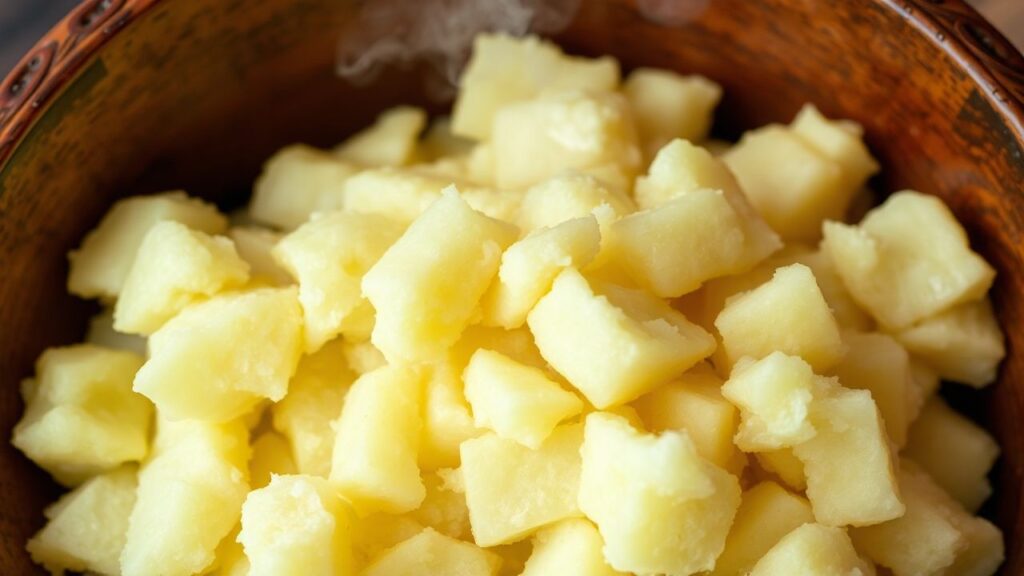
The journey to a perfect croquette begins long before the frying pan. It starts with the careful selection and preparation of the core ingredients. For potato croquettes, the choice of potato is paramount. Floury varieties, such as Russets or Maris Pipers, are the undisputed champions. Their high starch content breaks down beautifully when cooked, creating a fluffy, easily mashable texture that binds exceptionally well. Waxy potatoes, while excellent for salads, tend to remain too firm and can result in a gummy, less cohesive filling. The potatoes must be cooked until thoroughly tender, typically by boiling or baking, and then mashed or riced while still warm. This ensures a smooth, lump-free base, crucial for both texture and mouldability.
For vegetable croquettes, the approach is similar but requires a more delicate touch. The goal is to achieve tender, flavourful vegetables without them becoming waterlogged or losing their distinct character. This often involves gentle steaming, blanching, or even roasting depending on the vegetable. Overcooking is the cardinal sin here, leading to a mushy interior that compromises the croquette’s structural integrity. Finely dicing or grating firmer vegetables like carrots or courgettes, and ensuring excess moisture is squeezed out before incorporating them into the filling, are essential steps. The vegetables should retain a slight bite, offering a pleasing counterpoint to the creamy binder.
The Binding Force: Ensuring Cohesion and Creaminess
The most critical element in any croquette recipe, after the primary ingredient, is the binder. This is the element that holds everything together, transforming a loose mixture into a pliable dough that can be shaped and fried without falling apart. The classic binder, particularly for potato croquettes, is a rich, well-seasoned béchamel sauce. Prepared by cooking equal parts butter and flour (a roux) and then whisking in warm milk until thickened and smooth, the béchamel provides a luxurious creaminess and a sturdy framework. The ratio of béchamel to potato is crucial; too little, and the mixture will be too dry; too much, and it will be too wet and difficult to handle.
The béchamel should be cooked until it is thick enough to coat the back of a spoon generously. It’s vital to allow the béchamel to cool slightly before incorporating it into the mashed potatoes. This prevents the potatoes from becoming overly starchy and gummy. Seasoning the béchamel judiciously with salt, white pepper, and a hint of nutmeg is a time-honoured practice that adds depth and warmth, subtly enhancing the overall flavour profile of the croquette.
Crafting the Perfect Vegetable and Potato Croquette: A Masterclass in Technique
The art of the croquette lies in its meticulous construction. This is where patience and precision are rewarded with unparalleled results.
Ingredients for Classic Potato Croquettes (Yields approx. 12-15 croquettes)
- Potatoes: 500g (1.1 lbs) floury potatoes (e.g., Russets, Maris Piper), peeled and quartered
- Butter: 50g (3.5 tbsp) unsalted butter, plus extra for greasing
- Milk: 250ml (1 cup + 1 tbsp) whole milk, warmed
- All-purpose Flour: 50g (6.5 tbsp) all-purpose flour
- Nutmeg: Pinch of freshly grated nutmeg
- Salt: To taste
- White Pepper: To taste
- Egg Yolks: 2 large, for richness (optional, but recommended)
- For Breading:
- 100g (¾ cup) all-purpose flour
- 2 large eggs, beaten with 1 tbsp water
- 150g (1.5 cups) Panko breadcrumbs
Ingredients for a Versatile Vegetable Croquette Base (Yields approx. 10-12 croquettes)
- Mixed Vegetables: 400g (approx. 3 cups) finely diced or grated mixed vegetables (e.g., carrots, peas, corn, finely chopped spinach, finely diced courgette – ensure excess moisture is squeezed out from courgette)
- Butter: 40g (2.5 tbsp) unsalted butter
- All-purpose Flour: 40g (5 tbsp) all-purpose flour
- Vegetable Broth or Milk: 200ml (¾ cup + 1 tbsp) warm vegetable broth or milk
- Herbs: 1 tbsp finely chopped fresh parsley or chives
- Seasoning: Salt and freshly ground black pepper to taste
- For Breading:
- 100g (¾ cup) all-purpose flour
- 2 large eggs, beaten with 1 tbsp water
- 150g (1.5 cups) Panko breadcrumbs
Preparation Method: A Step-by-Step Guide to Crispy Perfection
1. Cook the Potatoes (for Potato Croquettes): Place the peeled and quartered potatoes in a large saucepan. Cover with cold water, add a generous pinch of salt, and bring to a boil. Cook until fork-tender, about 15-20 minutes. Drain thoroughly and return the potatoes to the hot, dry pan for a minute or two to evaporate any residual moisture. Mash the potatoes until completely smooth, or pass them through a potato ricer for an even finer texture. Set aside.
2. Prepare the Béchamel Base:
- For Potato Croquettes: In a separate saucepan, melt the 50g of butter over medium heat. Whisk in the 50g of flour and cook, stirring constantly, for 1-2 minutes to form a pale roux. Gradually whisk in the warmed milk, ensuring no lumps form. Continue to cook, stirring, until the sauce thickens to a smooth, creamy consistency. Season generously with salt, white pepper, and a pinch of nutmeg. For extra richness, whisk in the egg yolks off the heat.
- For Vegetable Croquettes: In a saucepan, melt the 40g of butter over medium heat. Add the finely diced or grated vegetables and sauté for 3-5 minutes until slightly softened but not cooked through. Whisk in the 40g of flour and cook for 1 minute to form a roux. Gradually whisk in the warm vegetable broth or milk, stirring constantly until the mixture thickens into a cohesive paste. Stir in the fresh herbs and season to taste with salt and pepper.
3. Combine and Cool:
- For Potato Croquettes: Gradually add the béchamel sauce to the mashed potatoes, mixing until a smooth, cohesive mixture forms. It should be firm enough to handle but not dry or crumbly. Taste and adjust seasoning.
- For Vegetable Croquettes: Ensure the cooked vegetable mixture is relatively dry. If it seems too wet, gently cook it over low heat for a few more minutes to evaporate excess moisture.
4. Chill the Mixture: Cover the potato or vegetable mixture with cling film, pressing it directly onto the surface to prevent a skin from forming. Refrigerate for at least 2-3 hours, or preferably overnight. This chilling process is absolutely critical for achieving well-formed croquettes that won’t disintegrate during frying. The colder and firmer the mixture, the easier it will be to shape and the more stable it will be when it hits the hot oil.
5. Shape the Croquettes: Lightly flour your hands. Take portions of the chilled mixture and shape them into your desired form – typically cylindrical logs, oval shapes, or small balls. Aim for uniformity in size to ensure even cooking.
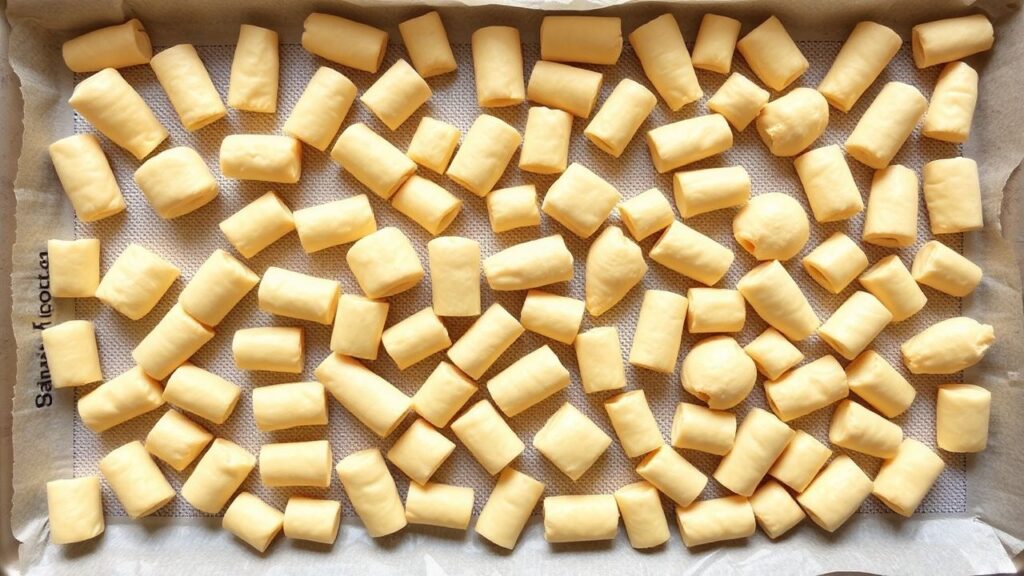
6. Bread the Croquettes: Set up a breading station with three shallow dishes: one with the flour, one with the beaten eggs, and one with the Panko breadcrumbs. Dredge each shaped croquette first in the flour, tapping off any excess. Then, dip it into the beaten egg, ensuring it’s fully coated, and let any excess drip off. Finally, roll the croquette in the Panko breadcrumbs, pressing gently to ensure an even, thick coating. The double coating of egg and breadcrumbs is essential for a truly crispy exterior.
7. Chill Again (Crucial Step): Place the breaded croquettes back onto the parchment-lined baking sheet. Refrigerate them for at least 30 minutes, or until firm. This second chilling period helps the breading adhere securely, preventing it from falling off during frying.
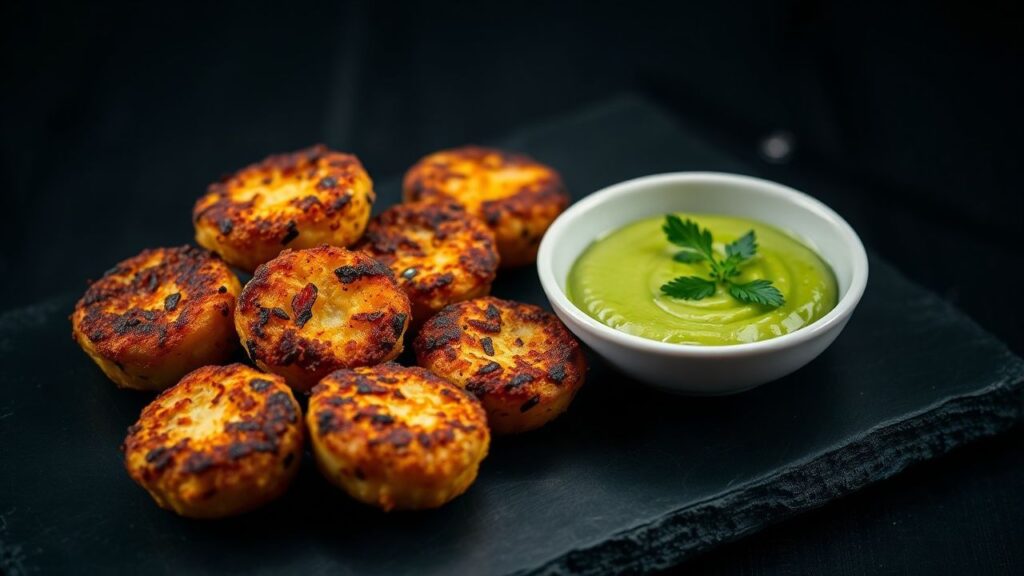
8. Fry the Croquettes: Heat a generous amount of neutral oil (like vegetable, canola, or sunflower oil) in a deep-fat fryer or a heavy-bottomed saucepan to 180°C (350°F). The oil should be deep enough to generously cover the croquettes. Carefully lower a few croquettes at a time into the hot oil, ensuring not to overcrowd the pan, which will lower the oil temperature and lead to greasy croquettes. Fry for 4-6 minutes, turning occasionally, until they are a deep golden brown and crispy.
9. Drain and Serve: Remove the fried croquettes from the oil using a slotted spoon and place them on a wire rack set over a baking sheet to drain any excess oil. This is preferable to draining them on paper towels, which can make the bottoms soggy. Serve immediately while hot and crisp.
Elevating Your Croquettes: Tips for Restaurant-Quality Results
Achieving that perfect balance of creamy interior and shatteringly crisp exterior requires a nuanced understanding of the process. Beyond the fundamental steps, several expert techniques can elevate your croquettes from good to extraordinary.
Firstly, the quality of your ingredients cannot be overstated. Using fresh, flavourful vegetables and good-quality potatoes will inherently lead to a more delicious outcome. Don’t shy away from robust seasoning of the filling; the frying process can slightly mute flavours, so it’s important to ensure the base is well-seasoned. Consider incorporating a touch of acidity, like lemon zest or a dash of Worcestershire sauce (if not making strictly vegetarian), into the filling to brighten the flavours.
Secondly, the breading process is an opportunity for innovation. While Panko breadcrumbs offer unparalleled crispness, experimenting with different types of breadcrumbs can yield interesting results. Finely ground sourdough breadcrumbs can add a subtle tang, while a mix of Panko and finely crushed cornflakes can introduce a unique crunch and a hint of sweetness. For a truly gourmet touch, consider a “double breading” – breading the croquettes twice in the flour-egg-breadcrumb sequence. This creates an even thicker, more robust crust that is exceptionally satisfying.
A compelling real-world example of croquette innovation can be seen in many modern gastropubs and fine-dining establishments. Chefs are increasingly moving beyond the standard potato croquette, experimenting with fillings that incorporate ingredients like truffle oil, finely minced mushrooms, slow-cooked lamb shoulder, or even rich cheeses like Gruyère and smoked cheddar. These are often paired with sophisticated dipping sauces, such as a saffron aioli or a spicy harissa mayonnaise, transforming a humble street food into a refined appetizer.
Consider, for instance, a restaurant in London that gained significant acclaim for its “Truffle and Parmesan Potato Croquettes.” The secret, according to their head chef, wasn’t just the high-quality truffle oil and aged Parmesan incorporated into a classic béchamel base, but the precise chilling times and the use of duck fat for frying. Frying in rendered duck fat imparts a subtle richness and a beautifully golden hue that is distinct from vegetable oil. This level of attention to detail separates good from exceptional.
Nutritional Information (Per Serving – approximate, for 3 potato croquettes)
- Calories: 350-400 kcal (will vary based on size and exact ingredients)
- Protein: 8-10g
- Fat: 20-25g (primarily from frying oil)
- Saturated Fat: 6-8g
- Carbohydrates: 30-35g
- Fiber: 2-3g
- Sodium: 300-400mg (will vary based on added salt)
Croquettes, due to their preparation method involving frying, are a more indulgent food. However, by controlling portion sizes and focusing on high-quality ingredients, they can be enjoyed as part of a balanced diet. Opting for baking instead of frying, while yielding a slightly different texture, can significantly reduce the fat content.
Frequently Asked Questions About Croquettes
What is the best way to prevent croquettes from falling apart during frying?
The single most important factor in preventing croquettes from falling apart is thorough chilling. The filling mixture must be cold and firm enough to hold its shape. This typically involves chilling the mixture for several hours, or ideally overnight, after shaping and again after breading. A well-made béchamel or a properly mashed potato mixture that is not too wet will also contribute significantly to structural integrity. Ensure your breading is applied evenly and adheres well before the final chill.
Can I make croquette fillings ahead of time?
Absolutely. In fact, making the filling ahead of time and chilling it overnight is highly recommended. This allows the flavours to meld and the mixture to firm up properly, making it much easier to shape and bread the next day. You can also shape and bread the croquettes and freeze them on a baking sheet until solid, then transfer them to an airtight container. Frozen croquettes can be fried directly from frozen, though they may require a few extra minutes of cooking time.
Are there healthier alternatives to frying croquettes?
Yes, while frying contributes to the classic crispy texture, baking is a viable and healthier alternative. To achieve a semblance of crispness when baking, toss the breaded croquettes lightly with oil or spray them with cooking spray. Bake them on a wire rack set over a baking sheet at around 200°C (400°F) for 20-30 minutes, turning halfway through, until golden brown and heated through. While they won’t achieve the same shatteringly crisp exterior as deep-fried croquettes, they can still be delicious and significantly lower in fat. Air frying is another excellent method that mimics the crispness of deep frying with considerably less oil.
The enduring popularity of the croquette, in all its potato and vegetable variations, speaks volumes about its versatility and universal appeal. It is a dish that invites creativity, a canvas upon which countless flavour profiles can be painted, all encased in that universally adored golden crust. Mastering the art of the croquette offers a rewarding culinary journey, culminating in a dish that is as satisfying to make as it is delightful to eat.
See also: Croquettes