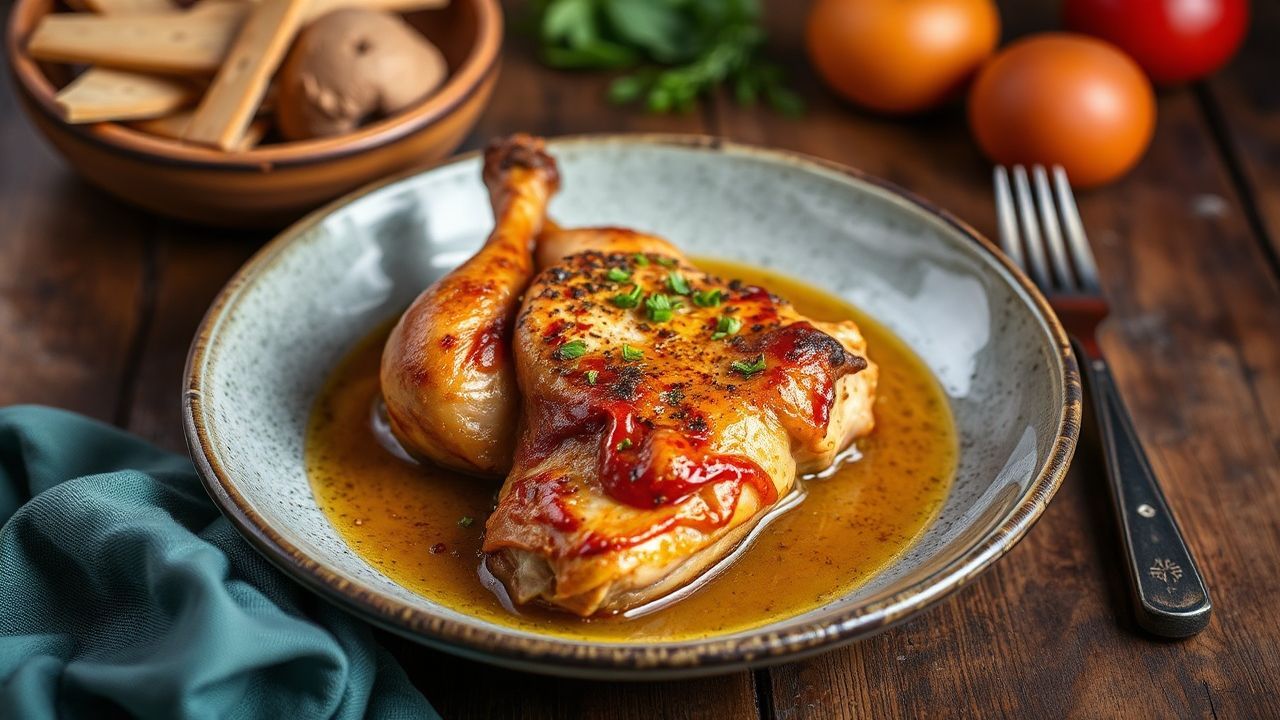

What if a single dish could transport you to the sun-drenched hills of the Basque Country, a region where culinary tradition is as vibrant as its landscapes? Basque chicken, or *Pollo a la Vasca*, is precisely that kind of culinary passport. It’s a dish that speaks of rustic charm, robust flavours, and a profound respect for ingredients, proof of a cuisine that has weathered centuries, evolving yet remaining steadfastly true to its soul.
- The Genesis of a Classic: Basque Chicken’s Culinary Roots
- Deconstructing the Flavour Profile: What Makes Basque Chicken Sing?
- The Quintessential Basque Chicken Recipe: A Masterclass in Simplicity
- Nutritional Information (Per Serving, approximate, based on 6 servings):
- Elevating Your Basque Chicken: Pro-Tips for Culinary Excellence
- Ingredient Sourcing: The Foundation of Excellence
- Technique Refinements: Precision in Process
- Finishing Touches: The Art of Presentation
- The Enduring Appeal of Basque Chicken
- Frequently Asked Questions about Basque Chicken
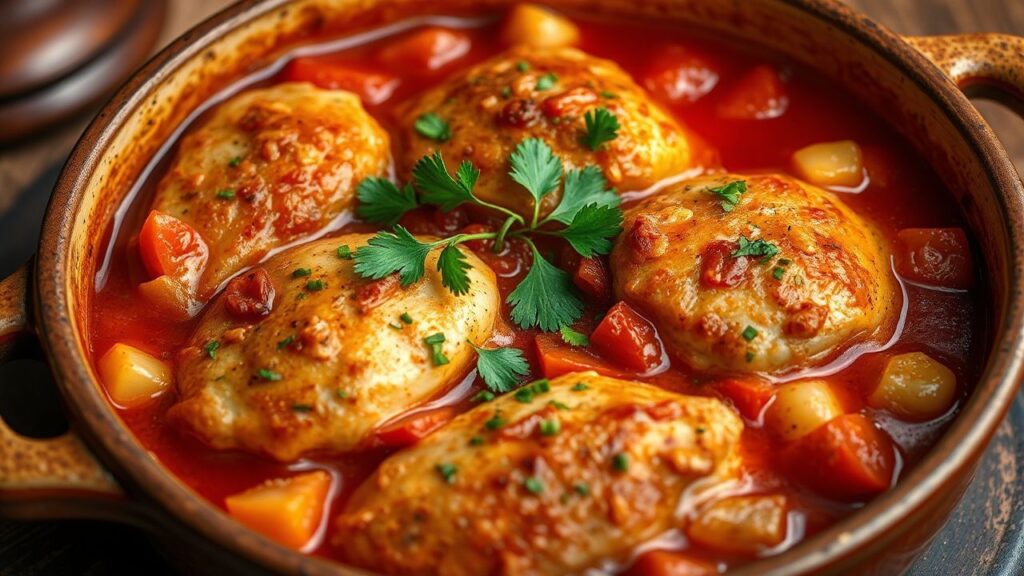
At a Glance: Key Takeaways
* Basque chicken is a cornerstone of its regional cuisine, celebrated for its simplicity and depth of flavour.
* The dish masterfully balances sweet peppers, acidic tomatoes, and savory chicken, often enhanced by smoky paprika and a hint of wine.
* While traditionally a hearty peasant dish, it can be elevated with premium ingredients and refined techniques for a sophisticated dining experience.
* Its versatility allows for adaptation, making it a perfect candidate for both weeknight comfort and impressive dinner parties.
The aromatic symphony that defines *Pollo a la Vasca* is built upon a foundation of seemingly simple elements: chicken, peppers, tomatoes, and onions, often elevated by the subtle magic of garlic, white wine, and, crucially, pimentón – the Spanish paprika that lends its characteristic colour and smoky warmth. This is not a dish of fussy garnishes or overly complex processes; its brilliance lies in the harmonious interplay of quality components, coaxed into sublime tenderness and flavour through patient simmering. The very essence of Basque cooking—rooted in the fertile Pyrenean foothills and the bountiful Atlantic coast—is distilled into this single, comforting preparation. It’s a cuisine that prizes the intrinsic taste of its ingredients, allowing them to shine without being overshadowed.
The Genesis of a Classic: Basque Chicken’s Culinary Roots
To truly appreciate Basque chicken, one must understand its cultural context. The Basque Country, straddling the border of Spain and France, possesses a unique culinary heritage shaped by its geographical isolation and rich agricultural traditions. Historically, this was a region of fishermen and farmers, and their cooking reflected the bounty of the land and sea, emphasizing preservation, heartiness, and the ingenious use of seasonal produce. Dishes like *bacalao a la vizcaína* (cod in Biscayan sauce) and *marmitako* (tuna stew) share a common thread with Basque chicken: a reliance on foundational aromatics, slow cooking, and the judicious use of regional specialties like Espelette pepper (a milder cousin of pimentón) or cider.
The advent of the tomato and the bell pepper, brought to Europe from the Americas, profoundly influenced Spanish cuisine, and the Basque Country was no exception. These ingredients, vibrant in colour and rich in flavour, became integral to many regional dishes, including the evolution of what we now recognize as Basque chicken. The original iterations were likely simpler, perhaps just chicken browned and simmered with onions and garlic, but as new ingredients and techniques were adopted, the dish blossomed into its more recognizable, flavourful form. It became a staple in homes across the region, a comforting meal that could feed a family and stand as a proud representation of Basque culinary identity.
Deconstructing the Flavour Profile: What Makes Basque Chicken Sing?
The true artistry of Basque chicken lies in its balanced flavour profile. At its core, it’s a celebration of the sweet, the savory, and the subtly smoky. The bell peppers, particularly the vibrant red ones, contribute a natural sweetness and a slightly vegetal note that mellows beautifully during the slow cooking process. Tomatoes, whether fresh or canned, provide essential acidity, cutting through the richness of the chicken and creating a luscious sauce. Onions and garlic form the indispensable aromatic base, their pungent notes softening and deepening as they caramelize and meld with other ingredients.
The addition of pimentón is where the dish truly finds its distinctiveness. Spanish paprika, particularly the smoked varieties (*pimentón de la Vera*), imparts a complex flavour – a smoky depth that is both earthy and slightly sweet, with a hint of fruitiness. This is not the aggressive heat of chili powder but a nuanced warmth that permeates the entire dish. A splash of dry white wine or cider further enhances the sauce, adding a layer of brightness and complexity that complements the other ingredients. Some traditional recipes might also incorporate a touch of bay leaf or thyme, lending subtle herbal notes that round out the flavour profile. The overall effect is a dish that is rich and comforting, yet remarkably bright and engaging to the palate.
At a Glance: Key Takeaways
* Basque chicken is a cornerstone of its regional cuisine, celebrated for its simplicity and depth of flavour.
* The dish masterfully balances sweet peppers, acidic tomatoes, and savory chicken, often enhanced by smoky paprika and a hint of wine.
* While traditionally a hearty peasant dish, it can be elevated with premium ingredients and refined techniques for a sophisticated dining experience.
* Its versatility allows for adaptation, making it a perfect candidate for both weeknight comfort and impressive dinner parties.
The Quintessential Basque Chicken Recipe: A Masterclass in Simplicity
This recipe aims to capture the authentic spirit of *Pollo a la Vasca*, focusing on accessible ingredients and straightforward techniques that yield exceptional results. It’s a dish designed to be savoured, its aromas filling the kitchen as it simmers to perfection.
Ingredients:
- For the Chicken:
- 1.5 kg (approximately 3.3 lbs) bone-in, skin-on chicken pieces (thighs and drumsticks are ideal for flavour and moisture)
- Salt and freshly ground black pepper, to taste
- 2 tablespoons all-purpose flour (optional, for a slightly thicker sauce)
- 2 tablespoons olive oil
- For the Sofrito and Sauce:
- 2 large onions, thinly sliced
- 4 cloves garlic, minced
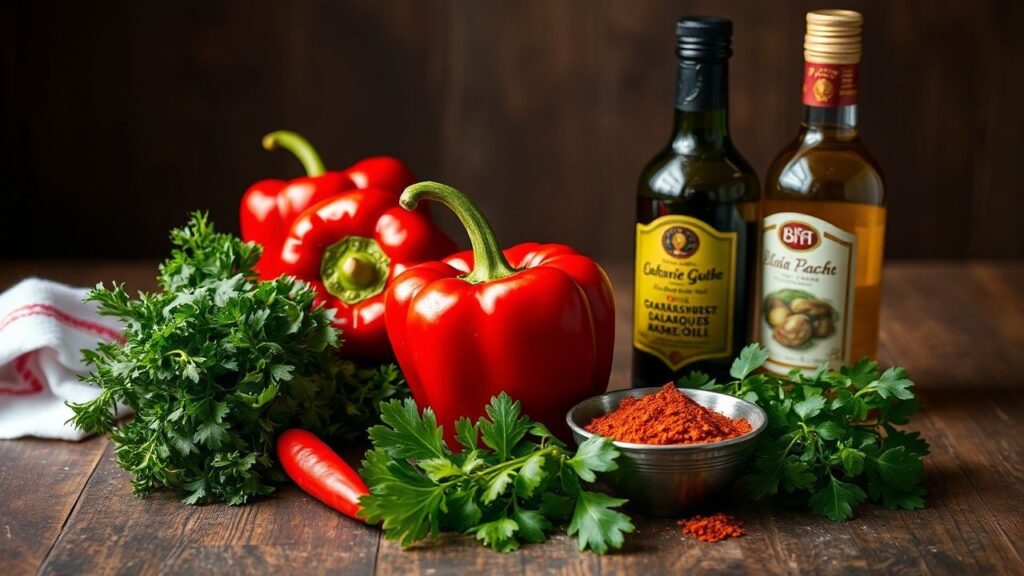
- 2 large red bell peppers, seeded and cut into thick strips
- 1 large green bell pepper, seeded and cut into thick strips
- 1 teaspoon smoked paprika (pimentón de la Vera dulce or agridulce)
- ½ teaspoon sweet paprika
- 100 ml (approximately ½ cup) dry white wine (such as Albariño or a crisp Sauvignon Blanc)
- 400g (14 oz) crushed tomatoes (good quality canned tomatoes are excellent)
- 150 ml (approximately ⅔ cup) chicken broth or water
- 1 bay leaf
- Fresh parsley, chopped, for garnish
Preparation Method:
1. Prepare the Chicken: Pat the chicken pieces thoroughly dry with paper towels. This is a crucial step for achieving a beautiful sear. Season generously with salt and freshly ground black pepper. If using flour, lightly dust the chicken pieces, shaking off any excess.
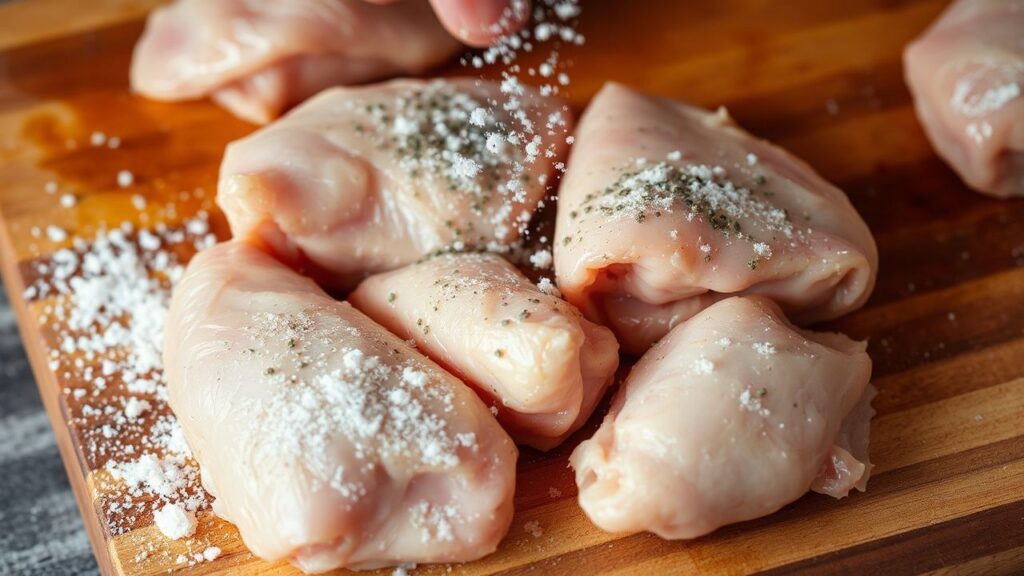
2. Sear the Chicken: Heat the olive oil in a large, heavy-bottomed pot or Dutch oven over medium-high heat. Working in batches to avoid overcrowding the pan, sear the chicken pieces until golden brown on all sides. This browning process, known as the Maillard reaction, is fundamental to developing deep flavour. Remove the seared chicken to a plate and set aside.
3. Build the Sofrito: Reduce the heat to medium. Add the sliced onions to the same pot, scraping up any browned bits from the bottom. Cook, stirring occasionally, until the onions are softened and translucent, about 8-10 minutes. Add the minced garlic and cook for another minute until fragrant, being careful not to burn it.
4. Add the Peppers and Paprika: Introduce the sliced red and green bell peppers to the pot. Cook, stirring, for about 5-7 minutes until they begin to soften. Sprinkle in the smoked paprika and sweet paprika, stirring constantly for about 30 seconds until fragrant. This blooming of the spices in the hot fat enhances their flavour and aroma.
5. Deglaze and Simmer: Pour in the dry white wine, scraping the bottom of the pot to loosen any remaining browned bits. Let the wine simmer and reduce by about half, allowing the alcohol to evaporate and its flavour to concentrate. Add the crushed tomatoes, chicken broth (or water), and the bay leaf. Stir to combine.
6. Return Chicken and Simmer: Nestle the seared chicken pieces back into the pot, ensuring they are partially submerged in the sauce. Bring the liquid to a gentle simmer. Cover the pot, reduce the heat to low, and cook for 45-60 minutes, or until the chicken is tender and cooked through. The sauce should have thickened slightly.
7. Final Touches: Remove the bay leaf. Taste the sauce and adjust seasoning with salt and pepper as needed. If the sauce is too thin for your liking, you can remove the chicken and simmer the sauce uncovered for a few minutes to reduce it further.
8. Serve: Garnish generously with freshly chopped parsley. Basque chicken is traditionally served hot, accompanied by crusty bread for soaking up the delicious sauce, or with rice, potatoes, or a simple green salad.
Nutritional Information (Per Serving, approximate, based on 6 servings):
This is an estimation and can vary based on specific ingredients and portion sizes.
- Calories: 450-550 kcal
- Protein: 35-45 g
- Fat: 25-35 g (includes saturated fat)
- Carbohydrates: 15-25 g
- Fiber: 3-5 g
- Sodium: Varies significantly based on added salt and broth
Elevating Your Basque Chicken: Pro-Tips for Culinary Excellence
While this recipe is already a celebration of simple goodness, a few refinements can elevate your Basque chicken from delicious home cooking to something truly restaurant-worthy.
Ingredient Sourcing: The Foundation of Excellence
The adage “you are only as good as your ingredients” holds particularly true for dishes like Basque chicken. Prioritizing high-quality chicken – organic, free-range birds, for instance – will yield a noticeably richer flavour and more tender texture. The bell peppers should be ripe and vibrant; slightly charred peppers, grilled before being added to the pot, can introduce an even deeper layer of smoky sweetness. Opting for San Marzano tomatoes or other high-quality plum varieties will lend a more refined acidity and less watery consistency to the sauce.
Technique Refinements: Precision in Process
The searing of the chicken is non-negotiable. Ensure the pan is hot enough and that you don’t overcrowd it. This creates a foundation of flavour that permeates the entire dish. Similarly, allowing the onions to caramelize slowly before adding the garlic prevents a raw onion taste and builds a sweet, complex base. When deglazing with wine, don’t rush the reduction. This step concentrates flavour and removes harsh alcohol notes. Consider adding a sprig of fresh thyme or rosemary during the simmering process, then removing it before serving, for a subtle herbaceous lift.
Finishing Touches: The Art of Presentation
While rustic in origin, a few elegant flourishes can elevate the presentation. A final drizzle of good quality extra virgin olive oil just before serving can add a luxurious sheen and a fresh, peppery note. A scattering of fresh, vibrant parsley is essential, but consider also adding a few finely chopped chives for a subtle oniony brightness or a sprinkle of toasted almonds for textural contrast. Serving the Basque chicken directly from its cooking vessel – a beautiful cast-iron Dutch oven or a rustic earthenware cazuela – enhances its inherent charm.
The Enduring Appeal of Basque Chicken
Basque chicken is more than just a recipe; it’s a narrative of a region, proof of culinary wisdom passed down through generations. Its enduring popularity lies in its ability to be both profoundly comforting and remarkably sophisticated. It’s a dish that welcomes the novice cook with its forgiving nature and rewards the experienced chef with its capacity for nuanced flavour development. As we continue to explore global cuisines, the fundamental principles embodied by *Pollo a la Vasca* – respect for ingredients, patience in preparation, and the pursuit of harmonious flavour – remain timeless. It’s a dish that, with every bite, offers a delicious and authentic taste of the Basque soul.
Frequently Asked Questions about Basque Chicken
What is the best type of chicken to use for Basque chicken?
The best chicken for *Pollo a la Vasca* is bone-in and skin-on. Thighs and drumsticks are particularly well-suited because their higher fat content ensures they remain moist and tender during the long simmering process, contributing rich flavour to the sauce. While you can use a whole chicken cut into pieces, bone-in thighs and drumsticks offer the most consistent and delicious results for this particular dish. The skin, when seared properly, adds a wonderful depth of flavour and renders its fat, which contributes to the succulence of the final dish.
Can I make Basque chicken ahead of time?
Yes, Basque chicken is an excellent candidate for making ahead. In fact, many chefs and home cooks find that the flavours meld and deepen even further when the dish is allowed to rest overnight in the refrigerator. When reheating, gently warm it on the stovetop over low heat, adding a splash of water or chicken broth if the sauce seems too thick. This allows the flavours to reawaken without overcooking the chicken. It’s important to let it cool completely before refrigerating and to store it in an airtight container.
What are some traditional side dishes to serve with Basque chicken?
Traditionally, Basque chicken is served with simple accompaniments that allow its rich flavours to shine. Crusty bread is almost mandatory, perfect for sopping up every last drop of the delicious sauce. Boiled or roasted potatoes, particularly small, waxy varieties, are a classic pairing. Plain steamed white rice also works wonderfully to absorb the sauce. For a lighter option, a simple green salad with a vinaigrette provides a refreshing contrast to the richness of the chicken. Some might also enjoy it with braised white beans or a side of sautéed spinach.
See also: Basque chicken