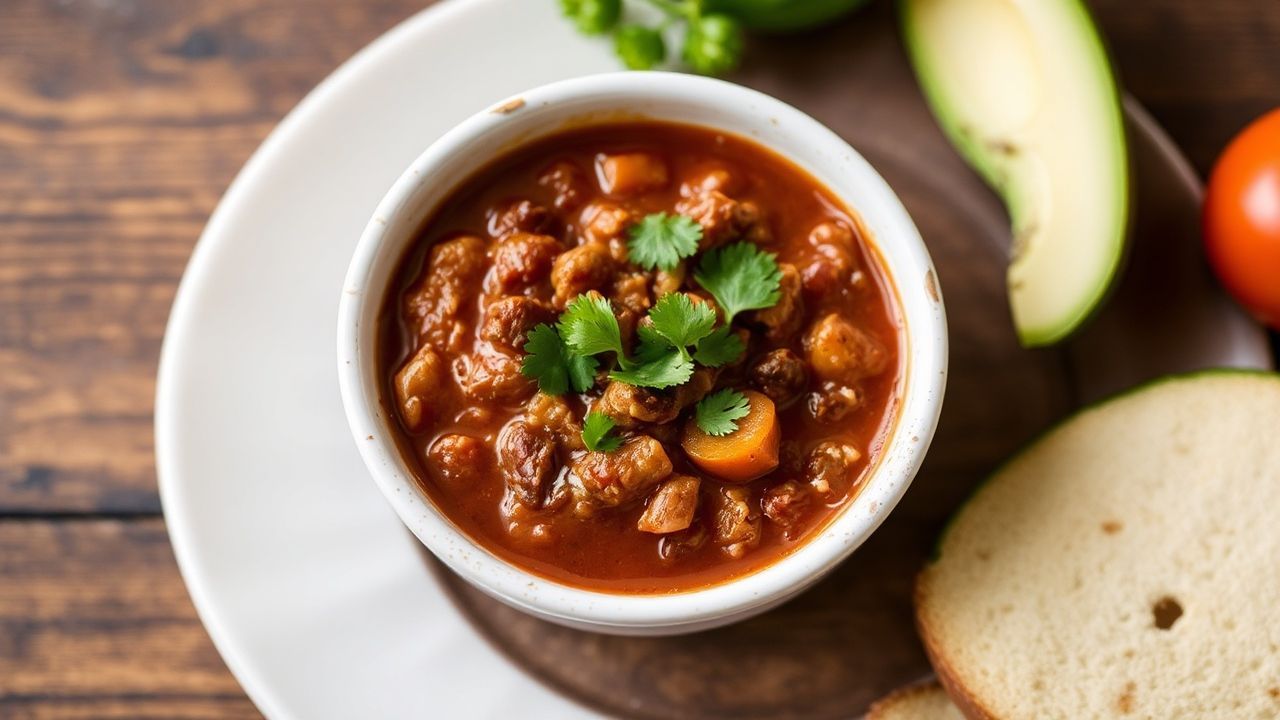

The Enduring Allure of a Humble Pot
What is it about a steaming bowl of chili that conjures such primal comfort, such a sense of communal warmth? For generations, chili con carne has been a cornerstone of hearty, unpretentious cooking, its rich, savory depths proof of slow simmering and bold spices. Yet, as palates evolve and dietary consciousness expands, the question arises: can we capture that same soul-satisfying essence without the meat? The answer, unequivocally, is yes. Crafting a truly exceptional vegetarian chili is not merely about substitution; it is about a profound understanding of flavor layering, textural interplay, and the inherent power of plant-based ingredients to deliver an experience that rivals, and in some ways surpasses, its traditional counterpart. This is not just a meatless alternative; it is a culinary destination in its own right, a vibrant testament to the possibilities of modern vegetarian cooking.
- The Enduring Allure of a Humble Pot
- The Foundation: Building a Robust Flavor Profile
- The Alchemy of Spice: Crafting Nuanced Heat
- The Art of the Finish: Elevating the Bowl
- The Recipe: A Masterclass in Vegetarian Chili
- Nutritional Information (Per Serving, Approximately 6 Servings)
- Expert Pro-Tips for Restaurant-Quality Vegetarian Chili
- Frequently Asked Questions
- The Evolution of Chili: From Frontier Fare to Global Phenomenon
At a Glance: Mastering Vegetarian Chili
- Texture is paramount: A thoughtful combination of beans, grains, and vegetables creates a satisfying mouthfeel, crucial for a successful vegetarian chili.
- Umami is king: Deep, savory notes are achieved through ingredients like mushrooms, soy sauce, and tomato paste, mimicking the richness of meat.
- Spice layering is key: A nuanced blend of chilies and aromatics builds complexity, avoiding a one-dimensional heat.
- Patience yields perfection: Slow simmering allows flavors to meld and deepen, transforming simple ingredients into a diverse mix.
This exploration into the art of the vegetarian chili is an invitation to explore a dish that, at its best, is a symphony of earthy notes, subtle heat, and profound satisfaction. It requires a discerning eye for ingredient selection and a patient hand in its preparation. We will dissect the components, understand the alchemy of spices, and ultimately, construct a recipe that is not just a placeholder for meat, but a celebration of vegetables in their own right, proving that a robust and deeply flavorful chili is entirely achievable without a single animal product.
The Foundation: Building a Robust Flavor Profile
The cornerstone of any great chili, vegetarian or otherwise, lies in its aromatic base. This is where the magic begins, where humble onions, garlic, and peppers are coaxed into releasing their full potential. For our vegetarian chili, we will elevate this base by incorporating ingredients that contribute depth and umami from the outset. Think beyond the standard onion and bell pepper. A finely diced caramelized onion provides a sweet, nutty foundation. Adding carrots and celery, finely minced, introduces subtle sweetness and vegetal complexity. And for that crucial savory backbone, mushrooms, specifically cremini or shiitake, finely chopped and sautéed until deeply browned, will lend a profound umami that is often missing in lesser vegetarian chilis.
The choice of tomatoes is equally critical. While canned diced tomatoes provide a convenient base, a combination of crushed tomatoes and a good quality tomato paste is essential for building richness and body. The tomato paste, when sautéed briefly before adding liquids, develops a deeper, more concentrated flavor, a technique often overlooked but vital for achieving that characteristic chili depth. For an added layer of complexity and a subtle tang, consider a splash of red wine vinegar or even a tablespoon of balsamic vinegar towards the end of cooking.
The Heart of the Matter: Beyond Beans
While beans are undeniably the textural and proteinaceous soul of chili, relying on a single type can lead to a monotonous experience. A truly exemplary vegetarian chili thrives on a diverse medley of legumes. Kidney beans offer a classic, slightly firm bite. Black beans provide a creamy, earthy counterpoint. Pinto beans, with their subtle sweetness, round out the trio. For an unexpected textural surprise and a boost of protein, consider incorporating lentils, such as green or brown lentils, which break down slightly during cooking, adding to the chili’s thickness and richness, or even chickpeas for a firmer, nuttier element.
But the quest for texture doesn’t end with beans. To replicate the satisfying chew and heft that meat provides, we can turn to other plant-based powerhouses. Textured Vegetable Protein (TVP), rehydrated, offers a remarkable meaty texture. Alternatively, crumbled firm tofu or tempeh, sautéed until golden brown, can provide a delightful chew. For a more rustic, whole-food approach, quinoa or bulgur wheat, cooked until tender, can absorb the chili’s flavors and add a substantial, satisfying bite. The interplay of these varied textures is what elevates a vegetarian chili from merely “good” to truly “great,” creating a complex and engaging mouthfeel with every spoonful.
The Alchemy of Spice: Crafting Nuanced Heat
The soul of chili resides in its spice blend. This is where raw ingredients are transformed into a complex tapestry of aroma and flavor. Achieving a nuanced heat requires a thoughtful combination of different chili varieties, each contributing its unique character. A good quality chili powder is the backbone, but it’s the addition of specific dried chilies that truly unlocks the magic. Ancho chilies, for their smoky, mild sweetness, are indispensable. Guajillo chilies bring a bright, fruity tang with moderate heat. For a touch of fiery complexity, a small amount of chipotle in adobo sauce, minced, or a pinch of cayenne pepper can be introduced, but with judicious care.
Beyond the chilies, a supporting cast of spices is crucial. Cumin, in its toasted, ground form, provides an earthy, slightly smoky warmth. Smoked paprika amplifies the smoky notes, adding both color and depth. A whisper of Mexican oregano lends a distinctive herbaceous quality. For a surprising counterpoint, a tiny pinch of ground cinnamon or cocoa powder can add an unexpected layer of complexity and richness, enhancing the chili’s inherent sweetness without making it taste overtly of either.

The Simmering Symphony: Patience as an Ingredient
The true transformation of a vegetarian chili occurs during the simmer. This is not a dish to be rushed; it is a slow dance of flavors, a gradual deepening of character. Once all the ingredients are combined, the initial vigorous simmer is followed by a period of gentle, low heat. This allows the spices to bloom, the beans to soften and meld, and the liquid to reduce, concentrating the flavors into a rich, cohesive whole. Aim for at least 45 minutes to an hour of simmering, stirring occasionally to prevent sticking. The longer it simmers, the more profound the flavor becomes.
This slow cooking process is not merely about heat application; it’s about evaporation and concentration. As water dissipates, the dissolved solids — the spices, the tomato essence, the savory notes from the mushrooms and beans — become more potent. It’s akin to a reduction in classical French cuisine, concentrating the very essence of the dish. This is where a vegetarian chili truly distinguishes itself, developing a complexity that can only be achieved through time and gentle heat.
The Art of the Finish: Elevating the Bowl
A perfectly executed vegetarian chili is a canvas, ready to be adorned with a thoughtful selection of accompaniments. These are not mere afterthoughts; they are integral components that can transform a good dish into an unforgettable experience. Fresh cilantro, its bright, herbaceous notes cutting through the richness, is almost non-negotiable. A dollop of sour cream or Greek yogurt provides a cooling, creamy contrast, taming any excess heat.
For those who appreciate a bit of crunch, shredded sharp cheddar cheese or a cotija cheese adds a salty, savory dimension. Diced red onion or scallions offer a fresh, pungent bite. And for the truly adventurous, a sprinkle of toasted pepitas (pumpkin seeds) or crumbled tortilla chips can introduce a delightful textural element. The beauty of these garnishes lies in their ability to cater to individual preferences, allowing each diner to personalize their bowl and further enhance the multi-sensory experience of the vegetarian chili.

A Case Study in Flavor: The Umami Power of Mushrooms
Consider the profound impact of mushrooms in vegetarian cooking. In a study published in the *Journal of Food Science*, researchers analyzed the umami compounds in various mushrooms. They found that certain species, like shiitake, are exceptionally rich in guanylate, a compound that significantly enhances the perception of savoriness. When these mushrooms are finely diced and sautéed until deeply browned, their umami compounds are not only concentrated but also undergo the Maillard reaction, developing complex, savory notes that are essential for a satisfying vegetarian chili. This scientific understanding underpins the culinary practice of browning mushrooms intensely – it’s not just for color, but for unlocking a depth of flavor that is truly irreplaceable.
The Recipe: A Masterclass in Vegetarian Chili
This recipe is designed to deliver a deeply flavorful, texturally satisfying, and remarkably robust vegetarian chili that stands proudly on its own merits.
Ingredients:
- For the Aromatic Base:
- 2 tablespoons olive oil (30ml)
- 2 large yellow onions, finely diced (approx. 400g)
- 2 carrots, finely diced (approx. 150g)
- 2 celery stalks, finely diced (approx. 150g)
- 4 cloves garlic, minced
- 250g cremini mushrooms, finely chopped
- 1-2 chipotle peppers in adobo sauce, minced (adjust to heat preference)
- For the Spice Blend:
- 3 tablespoons chili powder
- 1 tablespoon ground cumin
- 1 tablespoon smoked paprika
- 1 teaspoon Mexican oregano
- ½ teaspoon ground cinnamon (optional)
- ¼ teaspoon cayenne pepper (optional, adjust to heat preference)
- Salt and freshly ground black pepper, to taste
- For the Heart of the Chili:
- 1 (800g) can crushed tomatoes
- 1 (400g) can diced tomatoes
- 2 tablespoons tomato paste
- 1 (400g) can kidney beans, rinsed and drained
- 1 (400g) can black beans, rinsed and drained
- 1 (400g) can pinto beans, rinsed and drained
- 1 cup vegetable broth (240ml)
- 1 tablespoon soy sauce or tamari (for umami boost)
- 1 tablespoon red wine vinegar
- Optional Additions for Texture:
- ½ cup cooked green or brown lentils
- ½ cup rehydrated textured vegetable protein (TVP)
- For Garnishes:
- Fresh cilantro, chopped
- Sour cream or Greek yogurt
- Shredded cheddar cheese or cotija cheese
- Diced red onion or scallions
- Lime wedges
Preparation Method:
1. Build the Aromatic Foundation: Heat the olive oil in a large, heavy-bottomed pot or Dutch oven over medium heat. Add the diced onions, carrots, and celery. Sauté, stirring occasionally, until the vegetables have softened and the onions are translucent, about 8-10 minutes.
2. Develop Mushroom Umami: Add the finely chopped mushrooms to the pot. Increase the heat slightly and cook, stirring frequently, until the mushrooms have released their liquid and are deeply browned. This step is crucial for developing rich, savory flavors.
3. Infuse with Garlic and Spice: Stir in the minced garlic and minced chipotle peppers (if using). Cook for 1 minute until fragrant, being careful not to burn the garlic.
4. Bloom the Spices: Add the chili powder, cumin, smoked paprika, Mexican oregano, cinnamon (if using), and cayenne pepper (if using) to the pot. Stir and cook for another 1-2 minutes, allowing the spices to toast and release their aromas. This “blooming” process intensifies their flavor.
5. Introduce Tomato Depth: Stir in the tomato paste and cook for 1 minute, stirring constantly. This helps to deepen its flavor and richness.
6. Combine Wet Ingredients and Beans: Pour in the crushed tomatoes, diced tomatoes, and vegetable broth. Add the rinsed and drained kidney beans, black beans, and pinto beans. Stir in the soy sauce (or tamari) and red wine vinegar. If using cooked lentils or rehydrated TVP, add them now.
7. The Slow Simmer: Bring the chili to a gentle simmer. Reduce the heat to low, cover the pot, and let it simmer for at least 45 minutes to 1 hour, stirring occasionally. The longer it simmers, the more the flavors will meld and deepen. The chili should thicken to your desired consistency. If it becomes too thick, add a splash more vegetable broth or water.
8. Season and Serve: Taste the chili and season generously with salt and freshly ground black pepper. Adjust spices as needed. Ladle the hot vegetarian chili into bowls and serve immediately with your favorite garnishes.

Nutritional Information (Per Serving, Approximately 6 Servings)
- Calories: 350-450 (depending on specific ingredients and garnishes)
- Protein: 18-25g
- Fiber: 15-20g
- Fat: 8-15g (mostly healthy fats from olive oil and beans)
- Carbohydrates: 40-55g
- Vitamins & Minerals: Excellent source of Vitamin A, Vitamin C, Iron, Potassium, and Folate.
*Note: Nutritional values are approximate and can vary based on exact ingredient brands and quantities used, as well as portion size and garnishes.*
Expert Pro-Tips for Restaurant-Quality Vegetarian Chili
To truly elevate your vegetarian chili to a level that rivals professional kitchens, consider these nuanced techniques:
Consider incorporating a small amount of dark chocolate (70% or higher cacao) or a tablespoon of unsweetened cocoa powder into the chili during the last 30 minutes of simmering. This isn’t about making the chili taste like chocolate; rather, it adds a subtle, almost imperceptible richness and depth that complements the savory and spicy notes beautifully, a technique often employed in mole sauces.
For an even more intense umami punch, try adding a tablespoon of nutritional yeast towards the end of cooking. This deactivated yeast imparts a cheesy, nutty, savory flavor that is a vegetarian cooking staple and can significantly enhance the overall savoriness of the dish.
If you have the time, allowing the chili to rest overnight in the refrigerator before reheating can be transformative. The flavors will continue to meld and deepen, creating an even more harmonious and satisfying dish. Reheat gently on the stovetop.
Frequently Asked Questions
The Evolution of Chili: From Frontier Fare to Global Phenomenon
Chili’s origins are shrouded in a certain mystique, often linked to the rugged landscapes of Texas and the American Southwest. While the exact genesis is debated, its roots are undeniably tied to the need for a hearty, portable meal for cowboys and travelers. The addition of beans and tomatoes became more prevalent as ingredients became more accessible. Over time, chili transcended its humble beginnings, evolving into a national dish with countless regional variations. The vegetarian iteration, while more recent, taps into this rich culinary history, adapting and innovating to meet contemporary dietary preferences without sacrificing the soul of the dish. It is proof of the enduring appeal of slow-cooked, richly spiced comfort food, proving that culinary traditions are not static but living, breathing entities capable of remarkable transformation. The journey of vegetarian chili from a niche alternative to a celebrated dish reflects a broader cultural shift towards more conscious and inclusive eating.
See also: Vegetarian chili