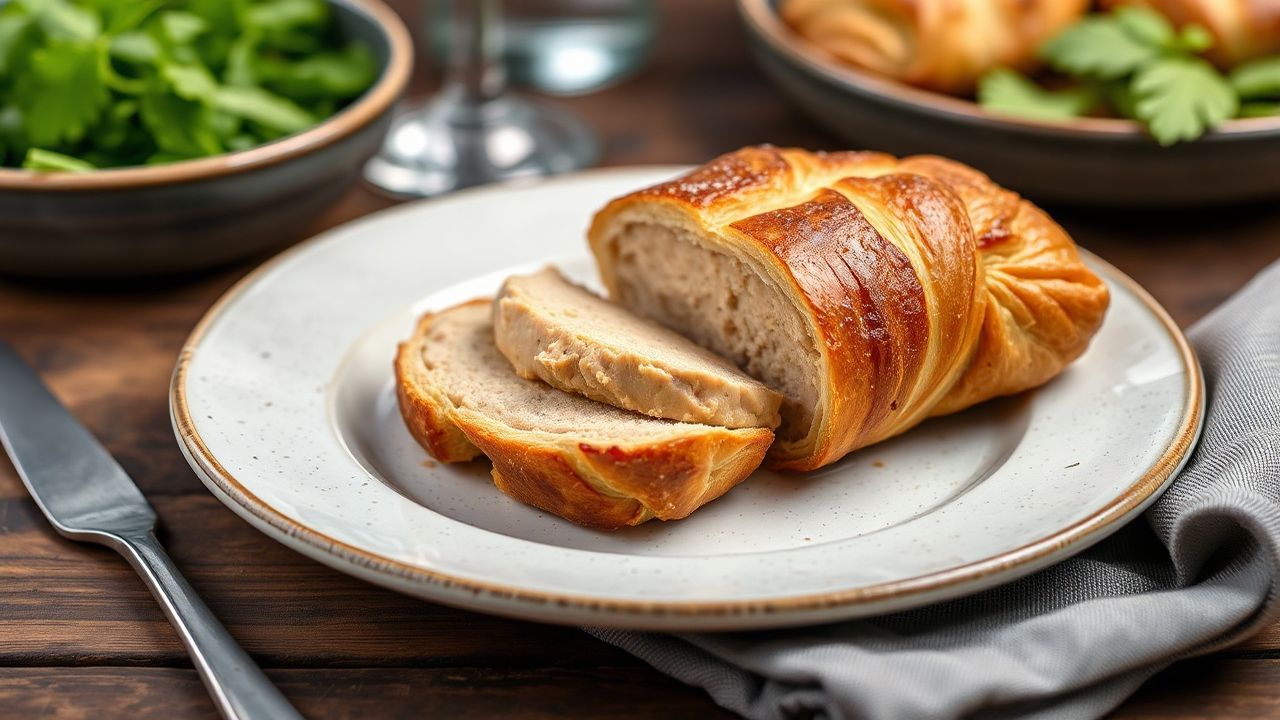

The scent of butter-laden pastry, mingling with the rich, savoury aroma of finely ground chicken and its accompanying aromatics, is a prelude to pure indulgence. For many, the mere mention of chicken pâté en croûte evokes images of grand banquets, sophisticated dinner parties, and the quintessential elegance of French country cuisine. It’s a dish that demands attention, a true showstopper that, when executed with precision, offers a textural and flavour symphony unlike any other. Yet, for home cooks, it can also represent a daunting culinary Everest, a seemingly insurmountable challenge of delicate pastry work and nuanced flavour building. I recall a particular Christmas Eve, years ago, when a renowned chef, a mentor of mine, presented his own rendition. The golden crust, impossibly flaky, yielded to reveal a mosaic of perfectly formed pâté within. It wasn’t just food; it was edible artistry, proof of patience and technique that has stayed with me ever since.
- A Timeless Classic: The Genesis of Chicken Pâté en Croûte
- The Anatomy of Perfection: Deconstructing the Chicken Pâté en Croûte
- The Quest for the Perfect Recipe: A Detailed Guide to Chicken Pâté en Croûte
- Nutritional Insights: A Rich Indulgence
- Elevating the En Croûte: Expert Tips for Culinary Mastery
- Conclusion: A Culinary Legacy on Your Plate
- Frequently Asked Questions
At a Glance: Mastering Chicken Pâté en Croûte
- The Foundation is Key: A superior chicken pâté en croûte begins with high-quality chicken, rendered fat, and a well-seasoned forcemeat.
- Pastry Perfection: Achieving a truly flaky, golden crust requires precise temperature control and careful handling of the puff pastry.
- Assembly is Art: The layering and sealing of the pâté within the pastry are critical for both presentation and even cooking.
- Resting is Non-Negotiable: Allowing the finished en croûte to rest is paramount for the flavours to meld and the texture to set.
A Timeless Classic: The Genesis of Chicken Pâté en Croûte
The origins of pâté, in its many forms, stretch back centuries, deeply embedded in the necessity of preserving food before refrigeration. Early pâtés were often rustic affairs, utilizing game meats, offal, and whatever was available, encased in pastry or cooked in terrines. The concept of encasing a finely processed mixture – a forcemeat – within a protective and palatable pastry shell, however, truly blossomed with the evolution of French cuisine. While specific documentation for the very first *pâté de volaille en croûte* is elusive, its lineage can be traced to the broader tradition of *pâtés en croûte* that became a staple of *charcuterie* and celebratory meals. These weren’t merely peasant fare; they graced the tables of nobility, showcasing the chef’s skill in transforming humble ingredients into luxurious dishes. The pastry shell, originally a utilitarian vessel, evolved into an integral component, its crispness and buttery flavour complementing the richness of the filling.
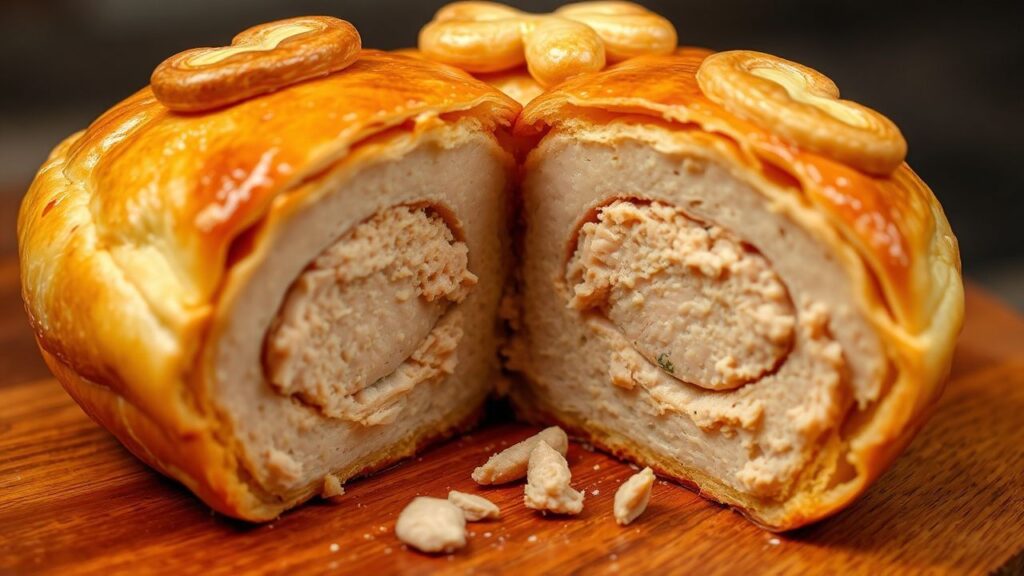
The en croûte preparation offers a unique advantage: the pastry acts as a barrier, gently steaming the pâté within, resulting in an exceptionally moist and tender filling. This contrasts with a pâté baked directly in a terrine, which can sometimes develop a slightly drier exterior. The visual appeal of a well-made *pâté en croûte* is undeniable. The burnished gold of the pastry, often adorned with decorative cut-outs, signals a special occasion. This dish represents a pinnacle of *charcuterie*, demanding both technical proficiency and an understanding of flavour harmony. It is a dish that speaks of tradition, refinement, and a deep appreciation for the transformative power of cooking.
The Anatomy of Perfection: Deconstructing the Chicken Pâté en Croûte
At its heart, *chicken pâté en croûte* is a marriage of two distinct but complementary elements: the pâté itself and the surrounding pastry. The success of the final dish hinges on the quality and execution of both. The pâté, a finely ground mixture of chicken, often enhanced with pork fat, liver, and a symphony of seasonings, forms the flavourful core. The pastry, typically a rich, buttery shortcrust or a delicate puff pastry, provides the structural integrity and textural contrast. Understanding the interplay between these components is crucial for achieving a harmonious and delectable result.
The forcemeat can be surprisingly versatile. While chicken breast offers a lean base, the addition of chicken thighs or even finely diced chicken liver introduces a richer, more complex flavour profile and a smoother texture. Pork fat, often in the form of *bardes* (thin slices of pork fatback), is indispensable for binding and moisture. It prevents the chicken from becoming dry and contributes to the luxurious mouthfeel. The seasoning is where the chef’s artistry truly shines. A balanced blend of salt, pepper, often nutmeg, and sometimes a hint of brandy or Madeira, elevates the simple chicken into something extraordinary. The goal is a pâté that is deeply savoury, subtly spiced, and possesses a melt-in-the-mouth consistency.
The Quest for the Perfect Recipe: A Detailed Guide to Chicken Pâté en Croûte
Crafting an exceptional *chicken pâté en croûte* requires meticulous attention to detail, but the rewards are immeasurable. This recipe, honed through years of practice and observation, aims to demystify the process, guiding you towards a restaurant-quality dish.
Ingredients:
For the Chicken Pâté:
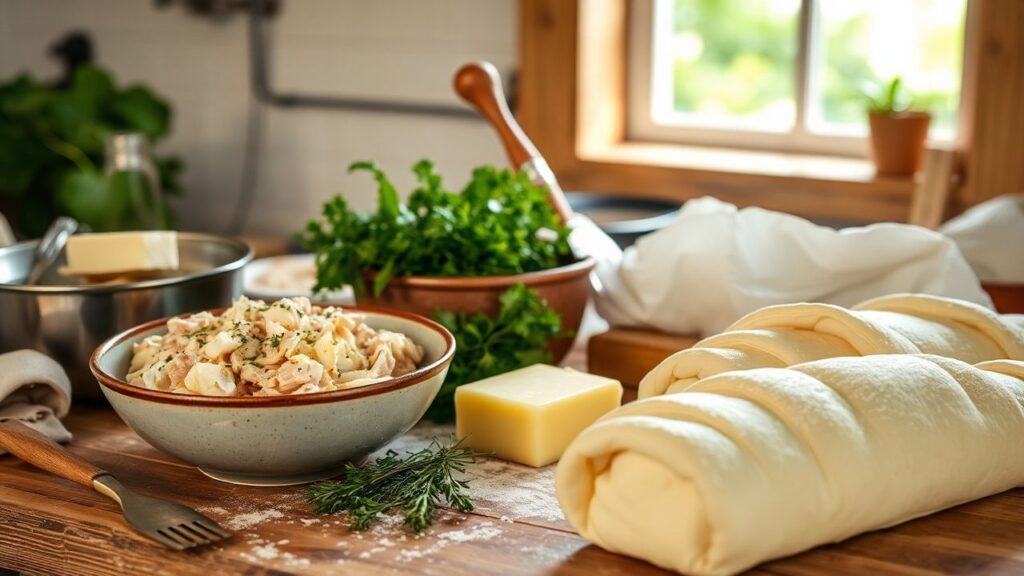
- 500g (1.1 lbs) boneless, skinless chicken thighs, chilled
- 200g (7 oz) chicken livers, trimmed of any sinew, chilled
- 150g (5.3 oz) high-quality pork fat (such as belly or back fat), very cold
- 1 large shallot, finely minced
- 2 cloves garlic, finely minced
- 50ml (3.4 tbsp) brandy or Madeira
- 1 large egg, lightly beaten
- 15g (1 tbsp) fresh parsley, finely chopped
- 5g (1 tsp) fresh thyme leaves
- 1 tsp sea salt, plus more to taste
- ½ tsp freshly ground black pepper, plus more to taste
- ¼ tsp freshly grated nutmeg
- Pinch of ground cloves (optional)
- Thin slices of pork fatback (bardes) for lining, if desired
For the Pastry:
- 500g (1.1 lbs) high-quality all-butter puff pastry (store-bought or homemade)
- 1 large egg, beaten with 1 tbsp milk or water (egg wash)
For the Aspic Glaze (Optional):
- 100ml (3.4 fl oz) chicken or veal stock
- 1 sheet gelatin (about 2g)
Preparation Method:
- Prepare the Forcemeat:
- Begin by processing the chilled chicken thighs and pork fat in a food processor until finely ground. Be careful not to over-process into a paste; a slightly coarse texture is desirable. Transfer this mixture to a large bowl.
- Add the chilled chicken livers to the food processor and pulse until just broken down. Do not purée. Add these to the bowl with the chicken and fat.
- In a small sauté pan, gently cook the minced shallot and garlic in a tablespoon of neutral oil over low heat until softened but not browned. Deglaze the pan with the brandy or Madeira and cook for another minute until the alcohol has evaporated. Let this mixture cool completely.
- Add the cooled shallot and garlic mixture to the bowl with the chicken and liver. Add the beaten egg, chopped parsley, thyme, salt, pepper, nutmeg, and cloves (if using).
- Using your hands (chilled, if possible), gently mix all the ingredients together until just combined. Overmixing can toughen the pâté.
- Chill and Test the Forcemeat:
- Cover the bowl and refrigerate the forcemeat for at least 1 hour. This allows the flavours to meld and the fat to firm up, making it easier to shape.
- To test the seasoning, take a small spoonful of the mixture and fry it in a lightly oiled pan until cooked through. Taste and adjust the salt and pepper as needed. Remember, the pastry will absorb some of the seasoning.
- Assemble the Pâté en Croûte:
- Preheat your oven to 200°C (400°F). Line a baking sheet with parchment paper.
- If using pork fatback bardes, line the base and sides of your pâté mould or a terrine dish with them, overlapping slightly. This adds moisture and flavour.
- Press the chilled forcemeat firmly into the prepared mould, ensuring there are no air pockets. Smooth the top. The traditional shape for *pâté en croûte* is often a rectangular log, which can be achieved by shaping the forcemeat by hand before placing it in the mould, or by using a specific mould.
- If you have not lined a mould, you can shape the pâté into a log directly on a piece of plastic wrap, then carefully transfer it to the refrigerator to firm up before wrapping it in pastry.
- Roll out about two-thirds of the puff pastry on a lightly floured surface to a thickness of about 3mm (⅛ inch). This should be large enough to encase your pâté log.
- Carefully lift the pâté log (either from the mould or by sliding it off the plastic wrap) and place it onto the rolled-out pastry.
- Trim the pastry to leave a 2.5cm (1 inch) overhang. Brush the edges of the pastry with the egg wash.
- Carefully bring the pastry up and over the pâté, sealing the seam tightly. Trim any excess pastry. For a rustic presentation, you can fold the edges to create a neat seam.
- If you have remaining pastry, you can cut out decorative shapes (leaves, lattice) to adorn the top. Attach these with egg wash.
- Place the assembled *pâté en croûte* seam-side down on the prepared baking sheet.
- Brush the entire surface generously with the egg wash.
- Using the tip of a sharp knife, make a small vent hole in the centre of the pastry to allow steam to escape during baking.
- Bake the Pâté en Croûte:
- Place the baking sheet in the preheated oven and bake for 15 minutes at 200°C (400°F).
- Reduce the oven temperature to 180°C (350°F) and continue baking for another 35-45 minutes, or until the pastry is deeply golden brown and cooked through. If the pastry starts to brown too quickly, you can loosely tent it with foil.
- To check if the pâté is cooked, you can insert a thin skewer into the centre. It should feel hot to the touch (around 70°C / 160°F internal temperature).
- Cool and Glaze (Optional):
- Once baked, remove the *pâté en croûte* from the oven and let it cool on a wire rack for at least 15-20 minutes. This allows the internal temperature to continue rising slightly and the juices to settle.
- For an optional aspic glaze, soak the gelatin sheet in cold water for 5 minutes until softened. Squeeze out excess water.
- Gently warm the chicken or veal stock. Stir in the softened gelatin until fully dissolved. Let it cool slightly until it begins to thicken but is still pourable.
- Carefully brush a thin layer of the glaze over the warm pastry. This adds a beautiful sheen.
- Rest and Serve:
- This is arguably the most crucial step. Allow the *pâté en croûte* to cool completely to room temperature, and then refrigerate for at least 6 hours, or preferably overnight. This allows the pâté to set properly and the flavours to fully develop and meld. Rushing this step will result in a softer pâté and potentially a soggy bottom.
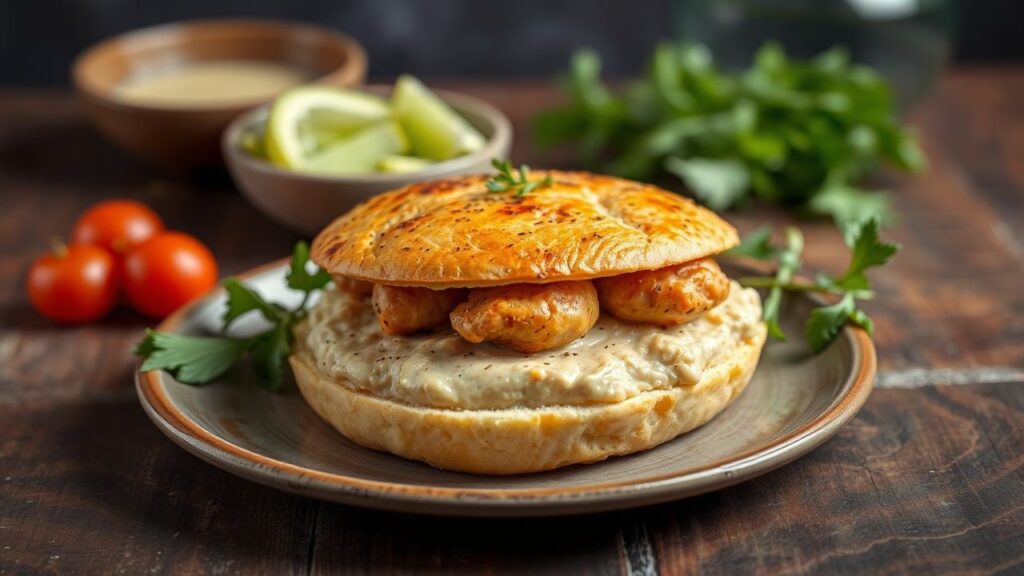
- To serve, slice the *pâté en croûte* using a very sharp knife. Serve with cornichons, crusty bread, and a sharp Dijon mustard.
Nutritional Insights: A Rich Indulgence
While *chicken pâté en croûte* is undeniably a decadent dish, understanding its nutritional profile allows for informed enjoyment. A typical serving (assuming one-eighth of the recipe) can be estimated as follows:
| Nutrient | Approximate Amount (per serving) |
|---|---|
| Calories | 450-550 kcal |
| Protein | 20-25g |
| Fat | 30-40g |
| Saturated Fat | 12-16g |
| Carbohydrates | 15-20g |
| Sodium | 500-700mg |
The fat content, particularly saturated fat, is significant due to the pork fat and butter in the puff pastry. However, this fat is essential for the characteristic richness, moisture, and mouthfeel of the dish. The protein comes primarily from the chicken. The carbohydrates are mainly derived from the pastry.
For those seeking to moderate certain aspects, consider using a slightly leaner pork fat or reducing the amount of pork fatback lining. Opting for a homemade puff pastry can also allow for greater control over the fat content. However, it’s crucial to remember that the richness is integral to the identity of *chicken pâté en croûte*. It is best enjoyed as a special treat, savoured in moderation as part of a balanced diet.
Elevating the En Croûte: Expert Tips for Culinary Mastery
Transforming a good *chicken pâté en croûte* into an exceptional one is about refining technique and understanding the subtle nuances that elevate a dish from home-style to haute cuisine. These insights are born from countless hours spent in professional kitchens, observing and executing this classic preparation.
The choice of pork fat is also critical. Lard from a heritage breed pig, or high-quality pork belly fat, will offer a cleaner, more nuanced flavour than generic supermarket lard. This subtle difference in the fat’s flavour profile can significantly impact the final taste of the pâté. Moreover, ensure all ingredients, especially the meat and fat, are thoroughly chilled before processing. This is not merely a suggestion; it is a fundamental requirement for achieving the correct texture and preventing the fat from melting prematurely, which can lead to a greasy and undesirable outcome. The food processor should be used in short bursts, allowing the mixture to cool between pulses if necessary.
When working with puff pastry, temperature is your greatest ally and potential enemy. If the pastry becomes too warm, the layers will meld together, resulting in a dense, heavy crust rather than the ethereal flakiness that defines a truly great *pâté en croûte*. Keep your work surfaces, your hands, and the pastry itself as cool as possible. If you feel the pastry becoming soft, do not hesitate to return it to the refrigerator for 15-20 minutes to firm up. This patience will be rewarded tenfold in the final texture of the crust. Furthermore, the vent hole is not just for show; it’s essential for releasing steam, which prevents the pastry from becoming soggy from the inside out.
The resting period after baking is non-negotiable. This is when the magic truly happens. The pâté needs time to cool, for the fat to solidify, and for the flavours to meld and mature. A *pâté en croûte* served warm straight from the oven will be under-seasoned and texturally inferior. The ideal scenario is to prepare it at least a day in advance. This allows the pastry to fully cool and crisp, and the pâté to achieve its optimal consistency and depth of flavour. The slight cooling after baking, before glazing, is also important. Applying a glaze to a piping hot surface can cause it to melt too quickly and unevenly.
Consider the accompaniments. A sharp, acidic counterpoint is vital to cut through the richness. Cornichons, with their vinegary tang, are classic for a reason. A good quality Dijon mustard, with its pungent bite, is equally essential. For a truly elevated experience, a simple fig or onion jam can provide a delightful sweetness that complements the savoury pâté. And, of course, a crusty baguette or a slice of hearty sourdough will provide the perfect vehicle for enjoying every last morsel.
A fascinating example of the impact of precise execution can be seen in the annual “Concours International de la Charcuterie” held in France. Winning entries for *pâté en croûte* are often lauded not just for their flavour but for the absolute perfection of their pastry – a crisp, shatteringly delicate crust that encases a uniformly moist and flavourful forcemeat. Judges meticulously assess the texture of both components, the evenness of the bake, and the clarity of the flavour. This demonstrates that the technical execution of *chicken pâté en croûte* is as critical as the quality of the ingredients.
For a more refined presentation, consider incorporating a layer of *quenelles* (small, smooth dumplings) made from chicken mousse within the pâté. This adds a visual and textural intrigue, transforming the log into a more complex composition. Alternatively, infusing the forcemeat with finely diced pistachios or truffles can introduce sophisticated layers of flavour and aroma, elevating the *chicken pâté* to a truly gourmet level. These additions require careful consideration to ensure they enhance rather than overpower the primary chicken flavour.
The history of *pâté en croûte* is also rich with regional variations. While the recipe presented here is a classic French style, exploring Italian *pasticcio* or German *pasteten* can offer insights into different approaches to encased meat dishes. These explorations can inspire new flavour combinations or textural elements to incorporate into your own *chicken pâté en croûte*.
Conclusion: A Culinary Legacy on Your Plate
The journey to creating a magnificent *chicken pâté en croûte* is proof of the enduring appeal of classic French cuisine. It is a dish that rewards patience, precision, and a genuine love for the art of cooking. From the careful selection of ingredients to the final, crucial resting period, each step matter significantly in achieving that perfect balance of tender pâté and flaky, golden pastry. It is more than just a recipe; it is an invitation to participate in a culinary tradition that has graced tables for generations, a celebration of flavour, texture, and timeless elegance. When you slice into that perfectly baked creation, you are not just serving food; you are presenting a piece of edible history, a masterpiece born from dedication and skill.
Frequently Asked Questions
What is the best way to prevent a soggy bottom on my chicken pâté en croûte?
Preventing a soggy bottom is a multi-faceted approach. Firstly, ensure your forcemeat is well-chilled and not overly wet. The use of pork fatback bardes to line the mould (if using one) helps create a barrier. Crucially, baking the *pâté en croûte* on a preheated baking sheet or baking stone helps to provide intense bottom heat, promoting crispness. The vent hole in the top of the pastry is also essential for allowing steam to escape, preventing moisture build-up within the pastry. Finally, the extended resting period after baking is critical; it allows the pastry to fully cool and firm up, re-crisping any residual moisture.
Can I make chicken pâté en croûte ahead of time?
Yes, *chicken pâté en croûte* is an ideal make-ahead dish, and in fact, it benefits significantly from it. Preparing it a day in advance allows the flavours to meld beautifully and the pâté to set to its optimal texture. You can prepare the forcemeat a day or two before assembling and baking. Once baked and cooled, it can be refrigerated for up to 3-4 days. For serving, it is best brought to room temperature for about 30-60 minutes before slicing, as the flavours are more pronounced at this temperature than when ice-cold from the refrigerator.
What are some good variations or additions to the basic chicken pâté en croûte recipe?
The beauty of *chicken pâté en croûte* lies in its adaptability. For enhanced flavour, consider adding finely diced sautéed mushrooms (like chanterelles or morels), black truffle shavings, or even a small amount of foie gras to the forcemeat. Pistachios or toasted hazelnuts can add a delightful crunch and nutty aroma. For a richer flavour, a small amount of finely minced cured ham, such as prosciutto or speck, can be incorporated. Herbs like tarragon or chervil can also offer a subtle variation on the classic parsley and thyme. For a more decorative approach, consider adding a layer of chicken mousse quenelles within the pâté before encasing it in pastry.
My puff pastry is not as flaky as I expected. What could be the reason?
The flakiness of puff pastry is dependent on several factors. Temperature is paramount: if the butter melts into the dough during lamination, the layers will fuse, resulting in a dense texture. Ensure your butter is cold and your workspace is cool. Proper resting periods: each turn of the dough requires adequate chilling to allow the gluten to relax and the butter to re-firm. If you rush these steps, you’ll sacrifice flakiness. Accurate folding: the precise way you fold and roll the dough creates the distinct layers. If the folds are too thick or uneven, the steam won’t be able to lift them properly. Finally, avoid overworking the dough during the rolling process. Gentle, consistent pressure is key. Using a high-quality, high-fat butter is also beneficial.
See also: Chicken pâté