
A remarkable statistic often overlooked in the global culinary landscape is that while seafood stews are a universal language, few achieve the profound cultural resonance and distinct regional identities of Brazil’s *moqueca*. This isn’t merely a soup; it’s a vibrant, aromatic testament to Brazil’s rich history, a confluence of Indigenous, African, and Portuguese influences simmered to perfection. The very essence of *moqueca* lies in its ability to transport the diner to the sun-drenched shores of Bahia or the tranquil mangroves of Espírito Santo with every spoonful. Understanding *moqueca* is to understand a significant facet of Brazilian identity, a dish that embodies hospitality, celebration, and the bounty of its coastlines.
- The Soul of Moqueca: A Tale of Two Cities
- Crafting the Perfect Moqueca: A Detailed Approach
- Moqueca Baiana: The Sun-Kissed Embrace of Dendê Oil
- Moqueca Capixaba: The Delicate Dance of Espírito Santo
- Nutritional Insights: A Wholesome Indulgence
- Elevating Your Moqueca: Pro-Tips for Restaurant-Quality Results
- The Art of the Pot
- Seafood Selection and Preparation
- The Role of Dendê Oil
- Serving Suggestions: The Complete Moqueca Experience
- A Taste of Brazil’s Heart
- FAQ
At a Glance: Key Takeaways
- Regional Divergence: The fundamental difference lies in the use of dendê oil (Bahian) versus olive oil (Espírito Santo), defining the stew’s color and flavor profile.
- Ingredient Purity: High-quality, fresh seafood is paramount; the stew is a vehicle for its flavor, not a mask.
- Technique Matters: Gentle simmering and the judicious use of aromatics are crucial for a balanced, deeply flavored moqueca.
- Cultural Significance: Moqueca represents a harmonious blend of culinary traditions, symbolizing Brazil’s diverse heritage.
The Soul of Moqueca: A Tale of Two Cities
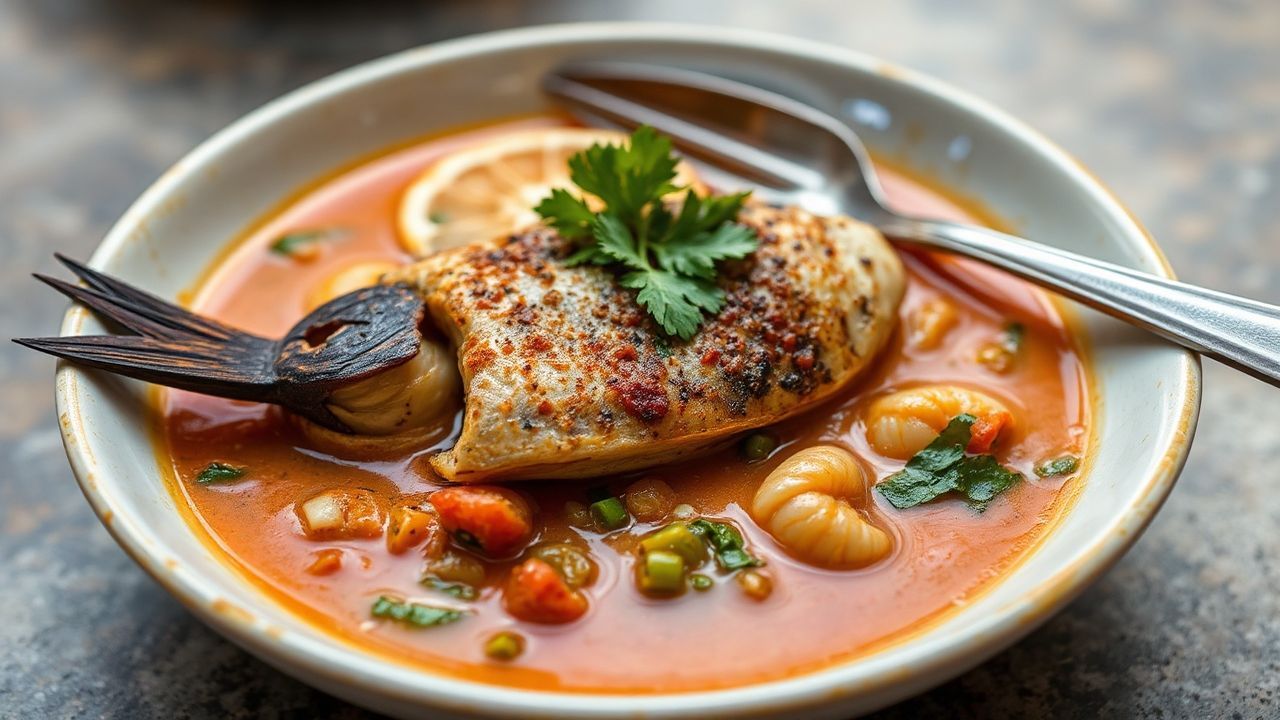
The story of *moqueca* is intrinsically tied to Brazil’s geography and its complex past. Two primary regional variations dominate the culinary discourse, each boasting a distinct character born from differing ingredients and traditions. The first, and perhaps the most globally recognized, is Moqueca Baiana, hailing from the state of Bahia. This iteration is unapologetically bold, characterized by its fiery red-orange hue and a rich, almost velvety texture, largely due to the generous use of *azeite de dendê* (red palm oil). This oil, with its distinctive smoky, nutty, and slightly peppery notes, is a direct legacy of the African diaspora in Brazil, a powerful culinary echo of West African cuisine.
Conversely, Moqueca Capixaba, from the state of Espírito Santo, presents a more delicate and nuanced profile. Its appearance is lighter, often a pale yellow or soft orange, owing to its reliance on olive oil rather than *dendê*. This version leans more towards the Portuguese influence, emphasizing the natural sweetness and subtle brininess of the seafood, accented by cilantro and other fresh herbs. While both are undeniably *moqueca*, the choice between them often reflects a deeply personal preference, a culinary allegiance to one’s roots, or simply the availability of key ingredients. The debate over which is superior is a passionate, ongoing one among Brazilians, akin to discussions about regional BBQ styles in the American South.
The Essential Building Blocks of Moqueca
Regardless of the regional variation, a few core components form the bedrock of any authentic *moqueca*. The foundation is always fresh, high-quality seafood. This can range from firm white fish like snapper, cod, or sea bass to a medley of shellfish such as shrimp, mussels, and squid. The key is to use ingredients that hold their shape during the gentle cooking process and impart their distinct marine flavors into the broth.
Beyond the stars of the show, the aromatics matter significantly. Onions, garlic, and tomatoes form the essential trinity, providing a savory base. Bell peppers, particularly red and green, add sweetness and a subtle crunch. Cilantro is indispensable, its bright, herbaceous notes cutting through the richness. And, of course, coconut milk is fundamental to both versions, lending a creamy unctuousness that binds the flavors together. The specific spices might vary, but the spirit of a well-balanced, aromatic broth remains constant.
Crafting the Perfect Moqueca: A Detailed Approach
To truly master *moqueca*, one must understand the subtle art of its preparation. It’s a dish that rewards patience and attention to detail, transforming humble ingredients into an extraordinary culinary experience. The process, while seemingly straightforward, requires a nuanced understanding of heat management and ingredient integration.
Moqueca Baiana: The Sun-Kissed Embrace of Dendê Oil
This recipe leans into the vibrant, robust flavors of Bahia, celebrating the assertive character of *dendê* oil. It’s a dish that commands attention, its aroma filling the kitchen with the promise of tropical indulgence.
Ingredients for Moqueca Baiana (Serves 4-6)
- 1 kg (approx. 2.2 lbs) firm white fish fillets (e.g., snapper, cod, sea bass), cut into large chunks
- 300 g (approx. 0.66 lbs) large shrimp, peeled and deveined
- 1 large onion, thinly sliced
- 3-4 cloves garlic, minced
- 2 large ripe tomatoes, seeded and chopped
- 1 red bell pepper, seeded and sliced into rings
- 1 green bell pepper, seeded and sliced into rings
- 1-2 fresh malagueta chilies (or other small hot chili), finely chopped (adjust to taste)
- 400 ml (approx. 13.5 fl oz) full-fat coconut milk
- 100 ml (approx. 3.4 fl oz) *azeite de dendê* (red palm oil)
- 100 ml (approx. 3.4 fl oz) extra virgin olive oil
- 1 large bunch fresh cilantro, chopped (stems and leaves separated)
- Juice of 1 lime
- Salt and freshly ground black pepper to taste
Preparation Method for Moqueca Baiana
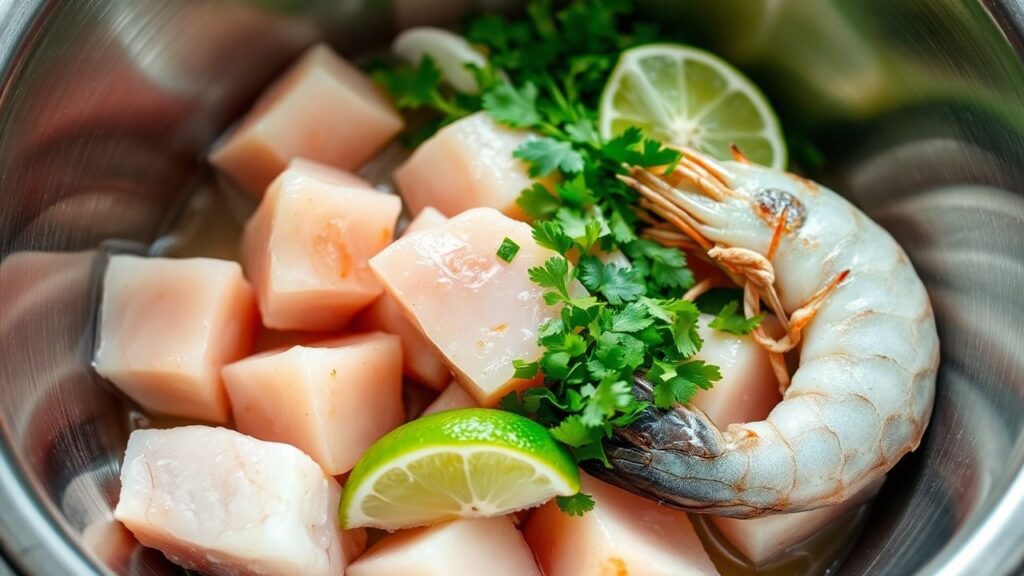
1. Marinate the Seafood: In a large bowl, combine the fish chunks and shrimp. Season generously with salt, pepper, and the lime juice. Add half of the minced garlic and half of the chopped cilantro stems. Toss gently to coat and let it marinate for at least 30 minutes in the refrigerator. This step is crucial for infusing the seafood with initial flavor.
2. Build the Aromatic Base: In a large, heavy-bottomed pot or Dutch oven (traditionally a clay pot, *panela de barro*), heat the olive oil and *dendê* oil over medium heat. Add the sliced onions and sauté until softened and translucent, about 5-7 minutes. Be careful not to brown them too much, as this can impart a bitter note.
3. Layer the Flavors: Add the remaining minced garlic and chopped malagueta chilies. Sauté for another minute until fragrant, being mindful not to burn the garlic. Stir in the chopped tomatoes and cook for 5 minutes, allowing them to break down slightly and form a rustic sauce. Add the sliced bell peppers and cook for another 3-4 minutes until they begin to soften but still retain a slight bite.
4. Introduce the Coconut Milk: Pour in the coconut milk. Stir well to combine all the flavors. Bring the mixture to a gentle simmer. Taste and adjust seasoning with salt and pepper. Remember that the seafood will also release salty liquid, so don’t over-season at this stage.
5. Simmer the Moqueca: Carefully arrange the marinated seafood pieces into the simmering liquid. Ensure the fish and shrimp are submerged as much as possible. Scatter the remaining chopped cilantro stems over the top. Cover the pot and let it simmer gently for 10-15 minutes, or until the fish is opaque and cooked through, and the shrimp are pink and curled. Avoid overcooking, as this will result in dry fish and rubbery shrimp. The key is a gentle, steady heat that allows the flavors to meld without toughening the seafood.
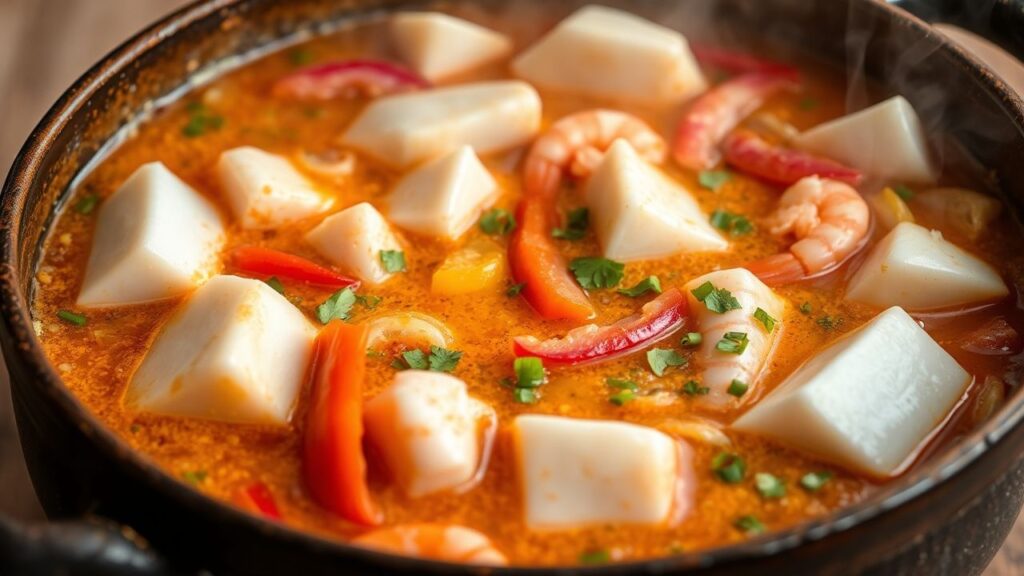
6. Finishing Touches: Once the seafood is cooked, stir in the fresh cilantro leaves. The heat of the stew will wilt them and release their fresh aroma. Squeeze the juice of half a lime over the *moqueca* just before serving. Serve hot, typically with white rice, *pirão* (a thickened fish broth made with manioc flour), and *farofa* (toasted manioc flour).
Moqueca Capixaba: The Delicate Dance of Espírito Santo
This variation offers a lighter, brighter profile, allowing the natural sweetness of the seafood to shine. It’s proof of the elegance of simplicity.
Ingredients for Moqueca Capixaba (Serves 4-6)
- 1 kg (approx. 2.2 lbs) firm white fish fillets (e.g., snapper, cod, sea bass), cut into large chunks
- 300 g (approx. 0.66 lbs) large shrimp, peeled and deveined
- 1 large onion, thinly sliced
- 3-4 cloves garlic, minced
- 2 large ripe tomatoes, seeded and chopped
- 1 red bell pepper, seeded and sliced into rings
- 1 green bell pepper, seeded and sliced into rings
- 400 ml (approx. 13.5 fl oz) full-fat coconut milk (optional, some traditional Capixaba recipes omit this for a lighter broth, but it adds a desirable richness)
- 100 ml (approx. 3.4 fl oz) extra virgin olive oil
- 1 large bunch fresh cilantro, chopped (stems and leaves separated)
- Juice of 1 lime
- Salt and freshly ground black pepper to taste
- 1 tablespoon annatto seeds (optional, for color and subtle flavor)
Preparation Method for Moqueca Capixaba
1. Infuse the Olive Oil (Optional): If using annatto seeds, gently heat the olive oil in a small saucepan with the annatto seeds over low heat for about 5-10 minutes. This will impart a subtle earthy flavor and a beautiful golden hue. Strain the oil, discarding the seeds, and set aside. If not using annatto, proceed with plain olive oil.
2. Marinate the Seafood: Similar to the Baiana version, combine fish and shrimp in a bowl. Season with salt, pepper, and lime juice. Add half the minced garlic and half the chopped cilantro stems. Marinate for at least 30 minutes.
3. Layer the Aromatics: In a heavy-bottomed pot or Dutch oven, heat the infused olive oil (or plain olive oil) over medium heat. Sauté the sliced onions until translucent, about 5-7 minutes. Add the remaining garlic and cook for another minute until fragrant.
4. Build the Vegetable Base: Stir in the chopped tomatoes and cook for 5 minutes until they begin to soften. Add the sliced bell peppers and cook for another 3-4 minutes.
5. Incorporate Coconut Milk (If Using): If using coconut milk, pour it into the pot and stir to combine. Bring to a gentle simmer. Taste and adjust seasoning.
6. Gentle Simmering: Arrange the marinated seafood into the pot. Scatter the remaining cilantro stems over the top. Cover and simmer gently for 10-15 minutes, or until the fish is cooked through and the shrimp are pink. The goal is a delicate broth that highlights the seafood.
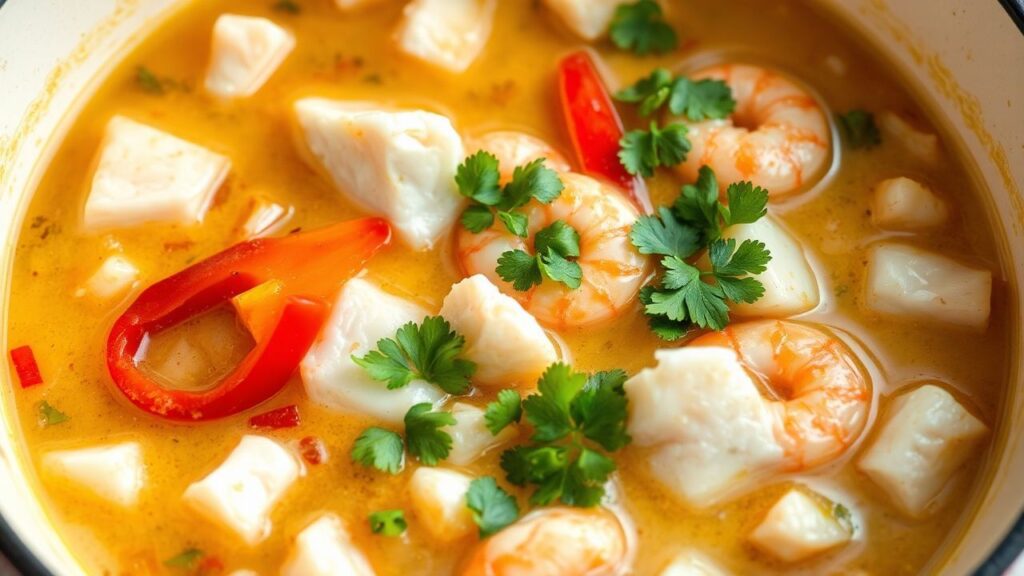
7. Finishing Touches: Stir in the fresh cilantro leaves and the juice of half a lime. Serve immediately with white rice and *pirão* or *farofa*.
Nutritional Insights: A Wholesome Indulgence
A serving of *moqueca*, whether Baiana or Capixaba, offers a nutritious profile, rich in lean protein and essential fatty acids from the fish. The addition of vegetables provides vitamins, minerals, and fiber.
- Protein: Excellent source from fish and shrimp, crucial for muscle repair and growth.
- Healthy Fats: Olive oil and coconut milk (in moderation) provide monounsaturated and saturated fats, respectively. *Azeite de dendê* also contributes healthy fats and unique phytonutrients.
- Vitamins & Minerals: Tomatoes, bell peppers, onions, and cilantro offer Vitamin C, Vitamin A, potassium, and antioxidants.
- Calories: Varies depending on the amount of oil and coconut milk used. A typical serving might range from 400-600 calories.
Elevating Your Moqueca: Pro-Tips for Restaurant-Quality Results
To truly capture the spirit of a professional *moqueca*, consider these advanced techniques and considerations. These subtle adjustments can transform a good home-cooked meal into an extraordinary culinary event.
The Art of the Pot
The traditional vessel for *moqueca* is a clay pot, or *panela de barro*. These pots are prized for their ability to distribute heat evenly and retain it, allowing for a slow, gentle simmer that is essential for melding flavors without overcooking the delicate seafood. If you can source one, it will undoubtedly enhance the authenticity and quality of your dish. Ensure it’s properly seasoned before first use.
Seafood Selection and Preparation
Beyond freshness, the types of seafood you choose can significantly impact the final dish. A mix of textures and flavors is often desirable. For instance, combining a flaky white fish with succulent shrimp and perhaps some tender squid rings creates a more complex and satisfying mouthfeel. When preparing shrimp, don’t over-handle them after peeling and deveining; gentle seasoning is key. For fish, cutting it into generous, uniform chunks ensures even cooking.
A critical aspect of successful *moqueca* is the balance of aromatics. While the recipe provides guidelines, tasting and adjusting is paramount. The heat from the chilies should complement, not overpower, the sweetness of the tomatoes and peppers and the richness of the coconut milk. Similarly, the cilantro’s herbaceousness should be a bright counterpoint, not a dominant flavor. This delicate equilibrium is what distinguishes a masterfully crafted *moqueca*.
The Role of Dendê Oil
For those making Moqueca Baiana, understanding *azeite de dendê* is crucial. This vibrant red palm oil possesses a unique, robust flavor profile that is irreplaceable. It imparts a distinct smoky, earthy, and slightly peppery taste, along with its signature color. When using *dendê*, remember that a little goes a long way. It’s potent and can easily dominate the dish if used too liberally. Its inclusion is a direct link to the Afro-Brazilian heritage that so enriches Brazilian cuisine. Dendê oil is not just an ingredient; it’s a cultural statement.
Serving Suggestions: The Complete Moqueca Experience
*Moqueca* is rarely served in isolation. It is traditionally accompanied by white rice, which acts as a neutral canvas to absorb the flavorful broth. Pirão is another essential accompaniment, particularly in Bahia. This thick, porridge-like dish is made by gradually whisking manioc flour into the simmering broth of the *moqueca* (or a separate fish broth), creating a rich, starchy side that is incredibly satisfying. Farofa, toasted manioc flour, adds a delightful textural contrast and nutty flavor. A simple side salad of fresh greens can also provide a refreshing counterpoint.
A Taste of Brazil’s Heart
The preparation of *moqueca* is more than just cooking; it is an act of cultural immersion. It’s about understanding the history embedded in the ingredients, the techniques passed down through generations, and the profound connection Brazilians have to their land and sea. Whether you opt for the robust intensity of Moqueca Baiana or the delicate elegance of Moqueca Capixaba, you are embarking on a culinary journey that is as rich and diverse as Brazil itself. Each spoonful tells a story of confluence, adaptation, and the enduring power of food to unite and nourish.
FAQ
What is the main difference between Moqueca Baiana and Moqueca Capixaba?
The primary distinction lies in the fat used for sautéing and imparting flavor. Moqueca Baiana famously uses azeite de dendê (red palm oil), which gives it a characteristic deep orange-red hue and a rich, smoky, slightly peppery flavor profile. Moqueca Capixaba, on the other hand, traditionally uses olive oil, resulting in a lighter color and a more subtle, delicate flavor that emphasizes the natural sweetness of the seafood. While both versions use coconut milk, the dendê oil in the Baiana version creates a more robust and complex dish.
Can I make Moqueca with other types of seafood or even vegetables?
Absolutely. While fish and shrimp are classic, moqueca is highly adaptable. You can incorporate other types of seafood like mussels, clams, squid, or even firm tofu for a vegetarian option. For a truly vegetarian or vegan moqueca, focus on hearty vegetables such as plantains, sweet potatoes, bell peppers, okra, and zucchini. The key is to maintain the essential aromatic base and the creamy coconut milk broth. For a vegan version, ensure you use a good quality vegetable broth and potentially a touch of tamarind or lime for acidity if omitting fish.
How can I thicken the moqueca broth if it’s too thin?
The traditional way to thicken moqueca broth is by making pirão. This involves taking some of the hot broth, whisking in manioc flour (farinha de mandioca) until it forms a thick, porridge-like consistency, and then returning it to the pot. Alternatively, you can achieve a slightly thicker broth by simmering the moqueca uncovered for the last few minutes of cooking, allowing some of the liquid to evaporate. A cornstarch slurry (cornstarch mixed with a little cold water) can also be used as a last resort, but it’s less traditional and can alter the texture slightly.
What are the best side dishes to serve with moqueca?
The classic accompaniments for moqueca are white rice, which is perfect for soaking up the flavorful broth, and pirão, a thick, savory porridge made from manioc flour. Farofa, toasted manioc flour, adds a delightful crunchy texture. A fresh, simple salad of greens with a light vinaigrette can also provide a refreshing contrast to the richness of the stew. Some regions also enjoy serving it with a side of cooked beans.
See also: Moqueca