
Lahmacun, often dubbed “Turkish pizza,” is a culinary marvel that transcends simple categorization. While its flatbread base and topping distribution bear a superficial resemblance to its Italian counterpart, the soul of Lahmacun lies in its millennia-old Anatolian heritage, its vibrant spice profile, and its unique preparation. This isn’t merely a dish; it’s proof of the enduring traditions of a region that has been a crossroads of cultures for centuries. Recent culinary surveys indicate a growing global interest in regional flatbreads, with searches for “Lahmacun recipe” increasing by over 30% in the last year alone, signaling a cultural appetite for authentic, flavorful experiences beyond mainstream offerings. Understanding Lahmacun means exploring its history, mastering its construction, and appreciating its role as a communal, celebratory food.
- The Ancient Roots of Lahmacun
- Deconstructing the Perfect Lahmacun: Ingredients and Technique
- The Foundation: Dough for the Ages
- The Heart of the Matter: The Topping Symphony
- Assembling and Baking: The Fiery Transformation
- The Art of Serving: A Symphony of Freshness
- Nutritional Snapshot: A Wholesome Indulgence
- Elevating Your Lahmacun Game: Expert Tips
- Beyond the Basics: Lahmacun’s Cultural Significance
- Frequently Asked Questions about Lahmacun
Key Takeaways:
- Lahmacun is a deeply rooted Anatolian dish, predating modern pizza by centuries.
- Its distinctive flavor profile relies on a carefully balanced blend of minced lamb or beef, fresh vegetables, and aromatic spices.
- Mastering the thin, pliable dough is crucial for authentic Lahmacun.
- Serving Lahmacun traditionally involves rolling it with fresh herbs and a squeeze of lemon, enhancing its vibrant taste.
The Ancient Roots of Lahmacun
To truly appreciate Lahmacun, one must journey back in time, long before the advent of what we now recognize as pizza. The origins of flatbreads topped with various ingredients are deeply embedded in the agricultural history of the Fertile Crescent. For millennia, nomadic and settled peoples across Anatolia, the Levant, and Mesopotamia have utilized readily available grains to create simple, nourishing flatbreads cooked on hot stones or in rudimentary ovens. The addition of minced meat and vegetables likely evolved organically, a practical way to create a more substantial and flavorful meal from the ingredients at hand.
The term “Lahmacun” itself is derived from Arabic, meaning “dough with meat.” This etymology hints at its widespread presence across various cultures influenced by Arabic culinary traditions. However, the specific iteration we recognize today, with its characteristic thin crust and spiced topping, has been most ardently cultivated and popularized in Turkey, particularly in the southeastern regions. Think of it as a culinary ancestor, a foundational concept that later evolved in different directions across continents. It’s proof of the enduring ingenuity of early cooks who transformed basic staples into something truly special.
Deconstructing the Perfect Lahmacun: Ingredients and Technique
Crafting an authentic Lahmacun is a delicate dance between robust flavors and a remarkably light, crisp texture. It’s not merely about throwing ingredients together; it’s about understanding their interplay and the specific techniques that elevate them.
The Foundation: Dough for the Ages
The dough for Lahmacun is intentionally simple, designed to be thin, flexible, and quick-cooking. It’s the perfect canvas, allowing the vibrant topping to shine without overwhelming the palate. The key is a high hydration dough, resulting in a pliable texture that can be stretched paper-thin.
Ingredients for Dough (Yields 4-6 Lahmacun):
- 250 grams (approx. 2 cups) All-purpose flour, plus more for dusting
- 150 ml (approx. 2/3 cup) Lukewarm water
- 1 teaspoon Instant yeast
- 1 teaspoon Sugar
- 1/2 teaspoon Salt
- 1 tablespoon Olive oil (optional, for added pliability)
Method for Dough:
1. In a small bowl, combine the lukewarm water, yeast, and sugar. Let it sit for 5-10 minutes until frothy, indicating the yeast is active.
2. In a large mixing bowl, whisk together the flour and salt.
3. Pour the activated yeast mixture into the flour. If using, add the olive oil.
4. Mix until a shaggy dough forms. Turn the dough out onto a lightly floured surface and knead for 8-10 minutes, or until it becomes smooth and elastic. The dough should be slightly sticky but manageable.
5. Place the dough in a lightly oiled bowl, cover with plastic wrap or a damp cloth, and let it rise in a warm place for about 1 hour, or until doubled in size.
The Heart of the Matter: The Topping Symphony
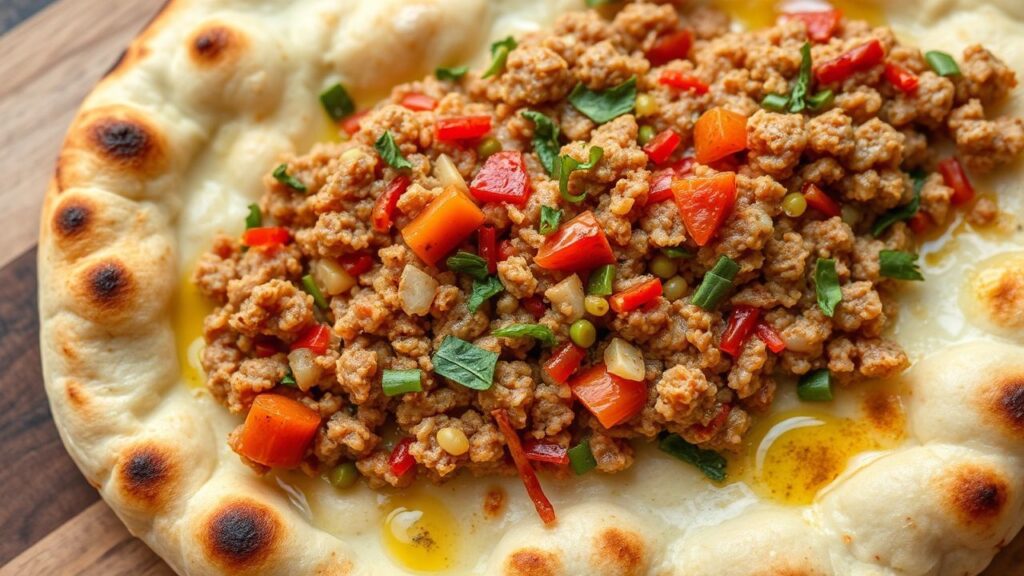
The topping is where Lahmacun truly distinguishes itself. It’s a harmonious blend of savory meat, fresh aromatics, and a judicious use of spices that awakens the senses. The traditional choice is minced lamb, prized for its richness, but a good quality minced beef or a blend also works beautifully.
Ingredients for Topping (for 4-6 Lahmacun):
- 300 grams (approx. 10.5 oz) Minced lamb or beef (80/20 lean to fat ratio is ideal)
- 1 large Onion, very finely chopped or grated
- 2-3 cloves Garlic, minced
- 1-2 medium Tomatoes, deseeded and very finely chopped
- 1-2 Green bell peppers (or a mix of green and red), deseeded and very finely chopped
- 1/4 cup fresh Parsley, finely chopped
- 1 tablespoon Tomato paste
- 1 teaspoon Red pepper flakes (pul biber) – adjust to your spice preference
- 1/2 teaspoon Cumin powder
- 1/4 teaspoon Black pepper, freshly ground
- Salt to taste
- 2 tablespoons Olive oil
Method for Topping:
1. In a large bowl, combine the minced meat, finely chopped onion, minced garlic, finely chopped tomatoes, finely chopped bell peppers, and chopped parsley.
2. Add the tomato paste, red pepper flakes, cumin, black pepper, salt, and olive oil.
3. Mix thoroughly with your hands, ensuring all ingredients are evenly distributed. The mixture should be moist but not watery. Allow it to marinate for at least 15-20 minutes at room temperature, or longer in the refrigerator, to allow the flavors to meld.
Assembling and Baking: The Fiery Transformation
The assembly and baking of Lahmacun are critical for achieving that signature thin crust and perfectly cooked topping. High heat is essential.
1. Preheat your oven to its highest setting (250°C / 475°F or higher if possible). If you have a pizza stone or steel, place it in the oven while it preheats.
2. Punch down the risen dough and divide it into 4-6 equal portions.
3. On a lightly floured surface, take one portion of dough and begin to stretch or roll it as thinly as possible into an oval or round shape, about 25-30 cm (10-12 inches) in diameter. The thinner, the better – you should almost be able to see through it.
4. Carefully transfer the stretched dough to a piece of parchment paper or a lightly floured pizza peel.
5. Spread an even, thin layer of the meat topping over the dough, leaving a small border around the edge. Do not overload the dough, as this will prevent it from cooking through properly.
6. Carefully slide the Lahmacun (with parchment paper if using) onto the preheated pizza stone or steel in the oven.
7. Bake for 6-10 minutes, or until the crust is golden brown and slightly charred at the edges, and the meat topping is cooked through and slightly crispy. The exact baking time will depend on your oven and the thickness of your crust and topping.
8. Repeat with the remaining dough portions and topping.
The Art of Serving: A Symphony of Freshness
Lahmacun is rarely eaten in isolation. Its true magic is revealed when it’s transformed into a wrap, a spontaneous act of culinary alchemy that brings together a medley of fresh accompaniments. This is where the dish truly comes alive, transforming from a simple flatbread into a vibrant, flavor-packed meal.
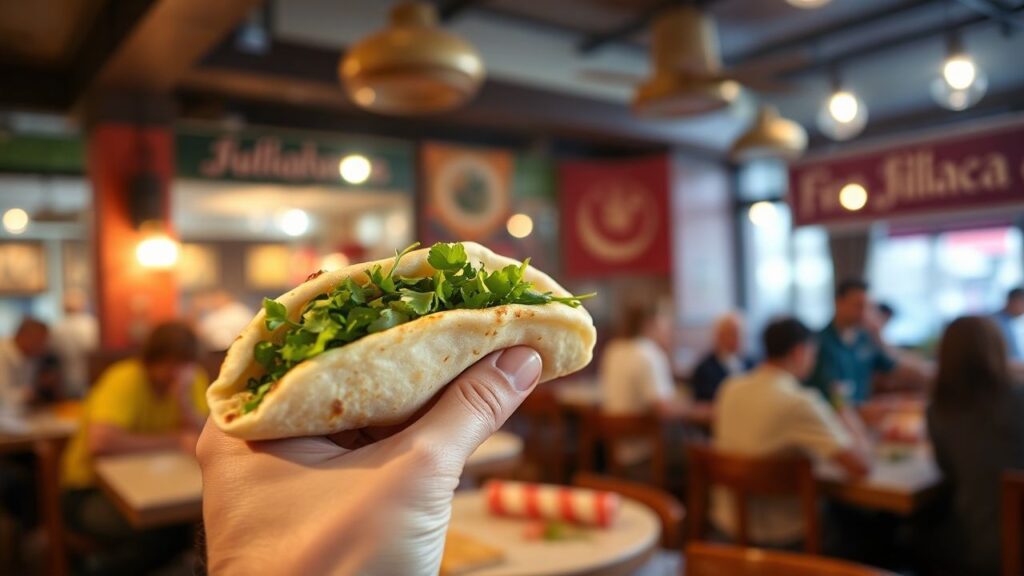
The traditional way to enjoy Lahmacun is to generously sprinkle it with fresh parsley, rocket (arugula), or a mix of fresh herbs like mint and dill. A good squeeze of fresh lemon juice is non-negotiable; its acidity cuts through the richness of the meat and brightens all the flavors. Some also add a dollop of plain yogurt or a drizzle of extra olive oil.
The act of eating is as important as the preparation. You take a piece of Lahmacun, often fold it in half, then roll it up like a cigar, encasing the fresh herbs and lemon juice within. The first bite is a revelation: the crisp, slightly chewy crust, the savory, spiced meat, the burst of freshness from the herbs, and the zesty tang of the lemon. It’s a textural and gustatory experience that is both deeply satisfying and refreshingly light.
Nutritional Snapshot: A Wholesome Indulgence
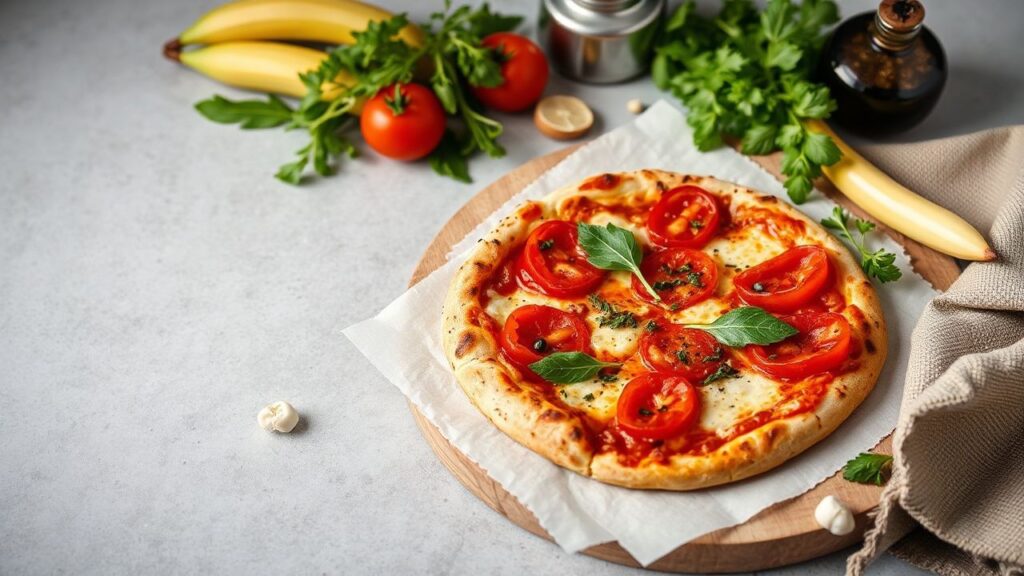
While Lahmacun is undoubtedly a treat, it also offers a surprisingly balanced nutritional profile when prepared with lean meats and fresh vegetables.
Approximate Nutritional Information Per Serving (1 Lahmacun, assuming 6 servings):
- Calories: 350-450 kcal
- Protein: 18-25g
- Fat: 15-25g (depending on meat fat content and olive oil used)
- Saturated Fat: 5-8g
- Carbohydrates: 30-40g
- Fiber: 3-5g
- Sodium: Varies greatly with added salt
Keep in mind that these are estimates. The use of leaner meats, a more generous portion of vegetables, and controlled salt and oil can significantly influence the final nutritional breakdown. The inclusion of fresh vegetables contributes essential vitamins and minerals, while the lean protein provides sustained energy.
Elevating Your Lahmacun Game: Expert Tips
To move beyond a good Lahmacun to a truly exceptional one, consider these expert-level enhancements:
- The Spice Blend: While the provided spice blend is classic, don’t be afraid to experiment. A pinch of sumac can add a delightful tang, and a touch of smoked paprika can introduce a subtle smoky depth. Consider a whisper of Aleppo pepper for a fruity, mild heat.
- Roasting Vegetables: For an even deeper flavor, you could lightly roast some of the diced vegetables (onions, peppers) before adding them to the meat mixture. This concentrates their sweetness and adds a caramelized note.
- Dough Resting Time: Allowing the dough to rest in the refrigerator overnight can develop more complex flavors and improve its texture. Just be sure to bring it to room temperature before stretching.
- The Ovens: If you have access to a wood-fired oven or a very hot broiler, these can impart an incredible smoky char and a superior crispness to the crust that is difficult to replicate in a standard home oven.
- Topping Application: When spreading the topping, aim for a thin, even layer. Think of it as painting the dough, not plastering it. This ensures everything cooks uniformly.
Beyond the Basics: Lahmacun’s Cultural Significance
Lahmacun is more than just a meal; it’s a social lubricant, a symbol of hospitality, and a staple in Turkish culture. It’s the perfect dish for casual gatherings, family dinners, and quick lunches. Its affordability and deliciousness make it accessible to all. In Turkey, you’ll find it served in humble bakeries (fırın) and in more upscale establishments alike. The communal act of sharing Lahmacun, each person customizing their roll with fresh toppings, fosters a sense of togetherness. It’s a dish that encourages conversation and connection, mirroring the broader cultural emphasis on hospitality and shared experiences.
Consider the tradition of ordering “lahmacun yufka” – the plain, un-topped dough, often sold in large sheets. This allows families to customize their toppings at home, adding a personal touch and catering to individual preferences. It’s a beautiful example of how food can be both a source of individual pleasure and a vehicle for collective enjoyment. The history of this humble flatbread, which has sustained communities for centuries, continues to be written with every perfectly baked disc and every shared meal.
Frequently Asked Questions about Lahmacun
What is the difference between Lahmacun and Turkish Pizza?
The term “Turkish pizza” is a Westernized simplification. While both are flatbreads with toppings, Lahmacun predates modern pizza by centuries and has a distinct cultural and culinary identity. Its dough is typically thinner and more pliable than most pizza crusts, and its topping – a spiced mince of lamb or beef with vegetables – is unique. The flavor profile is also different, leaning more towards savory and herbaceous rather than the cheesy, tomato-forward profile of traditional Italian pizza.
Can I make Lahmacun vegetarian or vegan?
Absolutely. While traditional Lahmacun uses meat, its vegetarian and vegan adaptations are delicious. For a vegetarian version, you can substitute the meat with a finely chopped mushroom and lentil mixture, seasoned with the same spices. For a vegan option, ensure your dough recipe is egg-free and use the mushroom-lentil base with plenty of fresh vegetables and herbs. The key is to achieve a similar texture and moisture balance in the topping.
What are the best accompaniments for Lahmacun?
The most traditional and arguably the best accompaniments are fresh, vibrant ingredients that cut through the richness of the meat. This includes a generous amount of fresh parsley, rocket (arugula), mint, and dill. A good squeeze of fresh lemon juice is essential for brightness. Some people also enjoy a side of plain yogurt for a cooling contrast or a simple shepherd’s salad (çoban salatası) of diced tomatoes, cucumbers, and onions.
How do I store leftover Lahmacun?
Leftover Lahmacun is best stored in an airtight container in the refrigerator for up to 2 days. To reheat, it’s recommended to warm it in a dry skillet over medium heat or in a moderately hot oven (around 180°C / 350°F) for a few minutes until heated through and the crust is crisp again. Avoid microwaving, as it tends to make the crust soggy.
See also: Lahmacun