
The Elusive Elegance of Japchae: More Than Just a Noodle Dish
Many consider Korean Japchae a simple stir-fry, a quick assembly of noodles and vegetables. This perception, however, is akin to calling a symphony a mere arrangement of notes. Japchae, in its truest form, is proof of Korean culinary philosophy, a dish where balance, texture, and nuanced umami converge. It embodies celebration, thoughtful preparation, and a deep respect for ingredients. To truly appreciate Japchae is to understand its journey from humble origins to its status as a beloved staple, gracing both everyday tables and festive banquets. The delicate interplay of sweet potato starch noodles, vibrant vegetables, and savory protein, all kissed by a delicate soy-sesame dressing, creates an experience that is both comforting and exquisitely refined. It’s a dish that demands patience and precision, rewarding the diligent cook with a symphony of textures and flavors that are profoundly satisfying.
- The Elusive Elegance of Japchae: More Than Just a Noodle Dish
- The Genesis and Evolution of Japchae
- Deconstructing Japchae: The Art of Ingredient Preparation
- The Masterful Synthesis: Assembling Japchae
- Nutritional Profile: A Balanced Plate
- Elevating Japchae: Chef’s Secrets to Restaurant-Quality Perfection
- Japchae Variations and Modern Interpretations
- Conclusion: A Culinary Tapestry of Flavor and Tradition
- Frequently Asked Questions about Japchae
At a Glance: Key Takeaways for Mastering Japchae
- The foundation of great Japchae lies in the quality and preparation of the sweet potato noodles (dangmyeon). Overcooking leads to a gummy texture, while undercooking results in an unpleasant chewiness.
- Ingredient separation is paramount. Each component, from the thinly sliced vegetables to the marinated protein, should be cooked individually to maintain its distinct texture and flavor before being combined.
- The dressing is the soul of Japchae. A carefully balanced mix of soy sauce, sesame oil, sugar, and garlic, with the optional addition of mushroom or anchovy broth, elevates the dish from ordinary to extraordinary.
- Japchae is best served fresh, but thoughtful preparation can allow for excellent make-ahead strategies. Understanding how moisture affects the noodles is key.
My own journey with Japchae began not in a bustling Korean market, but in a quiet, dimly lit kitchen in Seoul, under the tutelage of a grandmother whose hands moved with the practiced grace of a seasoned artist. She didn’t just cook; she orchestrated. Each ingredient was treated with reverence, its unique contribution to the final composition meticulously considered. This is the essence of true Korean cooking, a philosophy I aim to impart through this detailed exploration of Japchae. It’s a dish that, when approached with understanding and care, reveals layers of complexity that will redefine your perception of a simple noodle stir-fry.
The Genesis and Evolution of Japchae
The history of Japchae is as rich and layered as its flavor profile. While often perceived as a modern invention, its roots stretch back to the Joseon Dynasty (1392–1897). Originally, Japchae was not a noodle dish at all. It was a vegetable stir-fry, a dish of seasoned vegetables, often served during royal banquets. The inclusion of noodles, specifically dangmyeon (sweet potato starch noodles), came much later, reportedly in the early 20th century. This innovation transformed the dish, introducing a unique chewy texture that has become its hallmark.
The evolution of Japchae mirrors broader culinary shifts in Korea. As ingredients became more accessible and cooking techniques evolved, the dish adapted and gained popularity, transitioning from an elite dish to one enjoyed by all classes. This adaptability is a key reason for its enduring appeal. The basic template of seasoned vegetables and protein remained, but the addition of dangmyeon proved to be a masterstroke, providing a perfect vehicle for the savory-sweet dressing and a delightful textural contrast to the crisp vegetables.
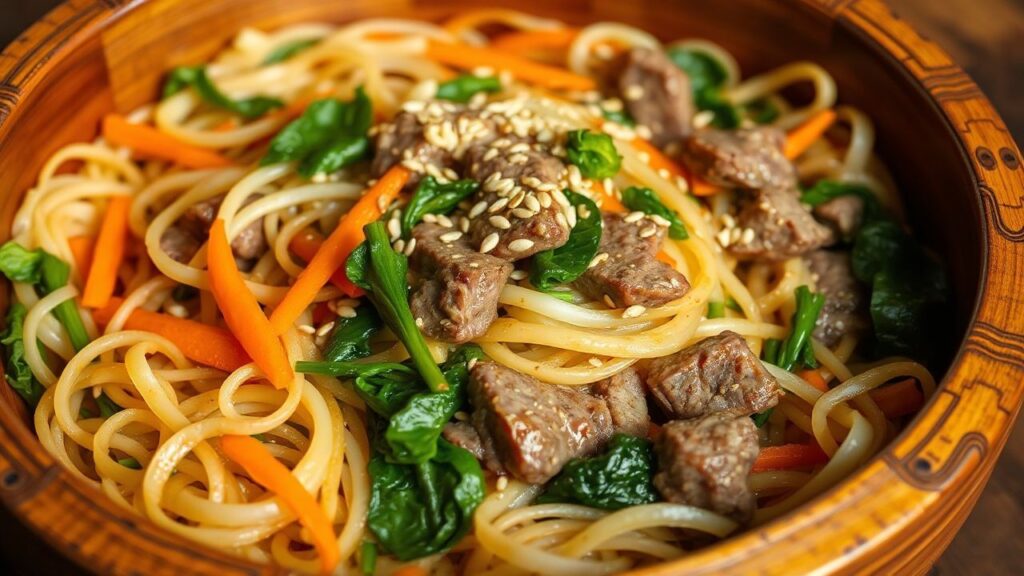
The dish’s rise to prominence is also linked to its role in Korean celebrations and holidays. Japchae is a quintessential dish for special occasions like Chuseok (Korean Thanksgiving) and Seollal (Lunar New Year). Its vibrant colors are visually appealing, and its balanced flavors are generally well-received by a wide range of palates. This communal aspect, the act of preparing and sharing a dish that embodies festivity and togetherness, further solidifies its place in the Korean culinary landscape. It’s more than just food; it’s a cultural touchstone, an edible embodiment of shared memories and joyous gatherings.
Deconstructing Japchae: The Art of Ingredient Preparation
Achieving the sublime balance of Japchae hinges on meticulous ingredient preparation. This is not a dish where you can simply chop and toss. Each component requires individual attention to ensure optimal texture and flavor before they are united in the final stir-fry.
The Star: Dangmyeon (Sweet Potato Starch Noodles)
The soul of Japchae is undoubtedly the dangmyeon. These translucent noodles, made from sweet potato starch, possess a unique chewy, slippery texture that is utterly addictive. Their preparation is crucial:
- Selection: Opt for high-quality dangmyeon, preferably those labeled “for Japchae.” The thickness can vary, so choose what you prefer, though standard thickness is most common.
- Cooking: The noodles are typically boiled until *al dente*. This is a critical stage. Overcooked noodles become mushy and break apart easily, losing their characteristic chew. Undercooked noodles remain hard and unappealing. The ideal texture is a satisfying bite with a slight resistance.
- Rinsing and Seasoning: Once cooked, the noodles are immediately rinsed under cold water to stop the cooking process and prevent them from sticking. They are then lightly seasoned with a mixture of soy sauce and sesame oil, which not only adds flavor but also helps them retain their texture and prevent clumping.
The Supporting Cast: Vegetables and Protein
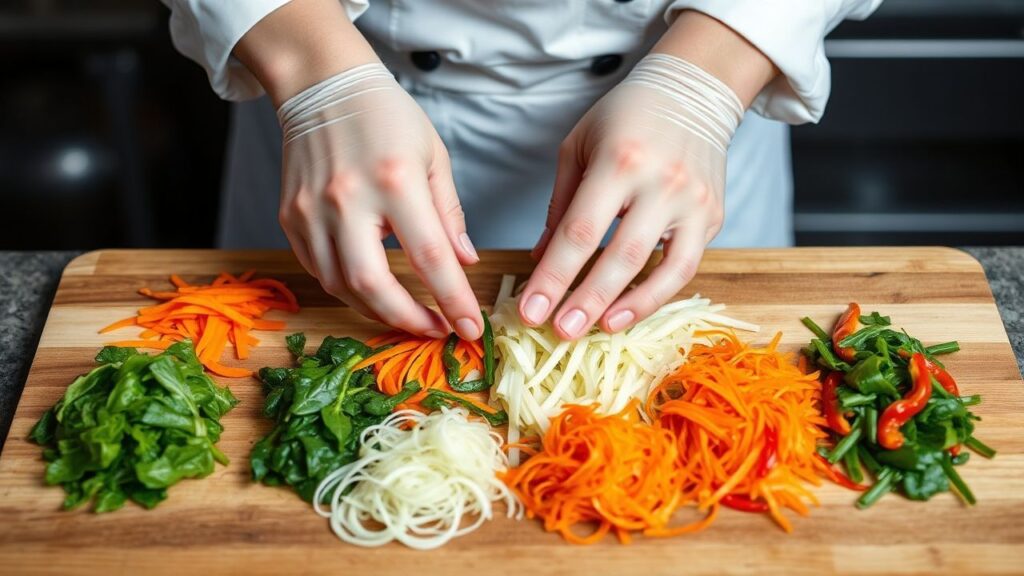
Each vegetable and protein element in Japchae is prepared separately to ensure it’s cooked to perfection before being combined. This technique is fundamental to achieving the dish’s signature multi-textural appeal.
- Vegetables: Common vegetables include spinach, carrots, onions, mushrooms (shiitake are traditional and highly recommended for their umami), bell peppers, and sometimes scallions or leeks.
- Spinach: Blanched briefly, squeezed dry to remove excess water, and then lightly seasoned with garlic, soy sauce, and sesame oil. This prevents it from becoming watery and losing its vibrant green color.
- Carrots & Onions: Julienne thinly and stir-fried until tender-crisp. Overcooking will make them limp and unappealing.
- Mushrooms: Sliced and sautéed until tender. Shiitake mushrooms, especially dried ones rehydrated, offer a depth of flavor that is irreplaceable.
- Bell Peppers: Julienne and lightly sautéed for color and a slight crunch.
- Protein: Thinly sliced beef (sirloin or ribeye) is the most traditional protein, marinated in soy sauce, garlic, sesame oil, and a touch of sugar. It’s stir-fried until just cooked through. Other options include thinly sliced pork, chicken, or even firm tofu for a vegetarian version.
The Masterful Synthesis: Assembling Japchae
The true artistry of Japchae unfolds in the final assembly. This is where individual components are brought together, not in a chaotic jumble, but with intention and care, allowing each flavor and texture to shine while contributing to the harmonious whole.
The Dressing: The Heartbeat of Japchae
The dressing is arguably the most critical element, dictating the overall flavor profile of the dish. It’s a delicate balance of salty, sweet, and savory.
Classic Japchae Dressing (per ~4 servings):
- 4 tablespoons Soy Sauce (Korean guk-ganjang or low-sodium)
- 2 tablespoons Sesame Oil (toasted)
- 1 tablespoon Sugar (or honey/maple syrup for a refined sweetness)
- 1 clove Garlic, minced
- 1 teaspoon Mirin (optional, for a touch of gloss and subtle sweetness)
- Pinch of Black Pepper
This basic dressing can be enhanced with a splash of mushroom broth or a bit of *dashima* (kelp) broth for added complexity. Some cooks also add a small amount of finely chopped Korean leek for a subtle oniony bite.
The Culinary Ballet: Combining the Elements
The process of combining the ingredients is a thoughtful one, aiming to coat everything evenly without overworking the noodles or vegetables.
1. Noodle Foundation: The seasoned dangmyeon are placed in a large mixing bowl.
2. Layering: The individually prepared vegetables and protein are carefully layered over the noodles.
3. Dressing Application: The prepared dressing is drizzled evenly over the entire mixture.
4. Gentle Toss: Using two spatulas or large spoons, gently toss the ingredients from the bottom up, ensuring everything is thoroughly coated in the dressing. The goal is to integrate the flavors without breaking the noodles or bruising the delicate vegetables.
5. Final Touches: A generous sprinkle of toasted sesame seeds and sometimes thinly sliced scallions or a pinch of *gochugaru* (Korean chili flakes) for a hint of heat are added as a garnish.
The visual appeal of Japchae is as important as its taste. The vibrant colors of the vegetables against the translucent noodles and the deep brown of the beef create a captivating mosaic. It’s a dish that engages all the senses, from the enticing aroma of sesame oil and garlic to the satisfying chew of the noodles and the crispness of the vegetables.
Nutritional Profile: A Balanced Plate
While Japchae is often associated with celebrations and indulgence, its nutritional profile can be surprisingly balanced, depending on the preparation.
Approximate Nutritional Information per Serving (based on a standard recipe with beef):
- Calories: 350-450 kcal
- Protein: 15-20g
- Fat: 10-15g (primarily from sesame oil and protein)
- Carbohydrates: 40-50g (mostly from sweet potato starch noodles)
- Fiber: 3-5g
- Vitamins & Minerals: Rich in Vitamin A (from carrots), Vitamin C (from bell peppers), iron (from beef and spinach), and various B vitamins.
The sweet potato starch noodles are gluten-free, making Japchae a viable option for those with gluten sensitivities. The dish is also a good source of complex carbohydrates for energy. By adjusting the amount of sugar and oil, and by loading up on a variety of vegetables, the nutritional value can be further enhanced. For a lighter version, one can reduce the amount of beef and increase the proportion of mushrooms and other vegetables, or opt for a leaner protein source like chicken breast or tofu.
Elevating Japchae: Chef’s Secrets to Restaurant-Quality Perfection
To truly transform Japchae from a home-cooked meal to a restaurant-worthy masterpiece, a few expert techniques come into play. These subtle refinements elevate the dish, imbuing it with a depth of flavor and textural sophistication that is truly memorable.
- The Umami Boost from Dried Shiitake Mushrooms: Don’t underestimate the power of dried shiitake mushrooms. Rehydrate them in warm water, reserving the flavorful soaking liquid. Slice the rehydrated mushrooms thinly and sauté them until tender. The soaking liquid can be strained and added to the dressing or used as a base for a richer broth, imparting a profound layer of umami that fresh mushrooms alone cannot provide. A single dried shiitake can dramatically change the dish’s character.
- Marinating the Beef with Nuance: Beyond the standard soy sauce and garlic, consider adding a touch of minced ginger to the beef marinade for a bright, zesty counterpoint. A small amount of finely chopped onion can also tenderize the meat and add subtle sweetness. Marinating for at least 30 minutes, or ideally longer, allows these flavors to meld deeply into the meat.
- The Art of the Squeeze (Spinach): After blanching the spinach, it’s crucial to squeeze out as much water as possible. Use your hands or wrap the spinach in a clean kitchen towel and wring it out. Excess water will dilute the flavors of the entire dish and can make the noodles soggy. This simple step ensures the spinach retains its vibrant color and concentrated flavor.
- Toasted Sesame Oil at the Right Time: While some sesame oil is used in the marinade and seasoning of individual components, a final drizzle of freshly toasted sesame oil just before serving is essential. This imparts a potent, fresh aroma and flavor that is characteristic of authentic Korean cuisine. Avoid using low-quality or untoasted sesame oil, as it will not deliver the same aromatic impact.
- The Role of *Guk-ganjang* (Soup Soy Sauce): For a more authentic flavor, consider using Korean *guk-ganjang* (soup soy sauce) in addition to or in place of regular soy sauce. *Guk-ganjang* is lighter in color but possesses a more concentrated, complex salty flavor, often made from fermented soybeans and brine. It adds a distinct depth without darkening the dish excessively. However, if unavailable, a good quality low-sodium soy sauce will suffice.
The pursuit of restaurant-quality Japchae is about attention to detail and understanding how each element contributes to the final symphony. It’s about respecting the ingredients and employing techniques that bring out their best qualities. The cumulative effect of these small adjustments is a dish that is not only delicious but also proof of the refined artistry of Korean cooking.
Japchae Variations and Modern Interpretations
While the traditional recipe for Japchae is a beloved classic, the dish’s inherent versatility has led to numerous creative interpretations and modern adaptations. These variations cater to diverse dietary needs and culinary preferences, demonstrating the dish’s enduring appeal and adaptability.
One significant area of innovation lies in vegetarian and vegan Japchae. By omitting the beef and incorporating more substantial vegetables like king oyster mushrooms or even pan-fried tofu strips, the dish can be made entirely plant-based. The umami from shiitake mushrooms becomes even more critical in these versions, providing the depth that meat might otherwise contribute. Some chefs even experiment with incorporating protein sources like seitan or tempeh, marinated and prepared similarly to the traditional beef.
Another trend is the exploration of different noodle types. While sweet potato starch noodles are traditional, some modern chefs experiment with glass noodles made from mung bean starch or even konjac noodles for a lower-carbohydrate option. However, Keep in mind that these substitutions will alter the characteristic chewiness and texture of authentic Japchae.
Fusion interpretations also abound. You might find Japchae incorporating ingredients from other Asian cuisines, such as a hint of Thai chili or a touch of Japanese dashi for added complexity. Some Western chefs have even introduced Japchae elements into Western dishes, such as topping a grilled steak with a small portion of Japchae or incorporating the noodles into a savory salad. These modern twists, while deviating from tradition, often highlight the fundamental appeal of Japchae: its balanced flavors, delightful textures, and visually appealing presentation.
The adaptability of Japchae is one of its greatest strengths. It serves as a canvas for culinary creativity, allowing cooks to honor its heritage while infusing it with their own personal touch or adapting it to contemporary tastes and dietary requirements.
Conclusion: A Culinary Tapestry of Flavor and Tradition
Japchae is far more than a simple noodle stir-fry; it is a culinary masterpiece, a vibrant tapestry woven from tradition, meticulous preparation, and a harmonious balance of flavors and textures. From the unique chew of the dangmyeon noodles to the crispness of the stir-fried vegetables and the savory depth of the seasoned protein, every element matter significantly in creating this iconic Korean dish. Understanding the individual preparation of each component, mastering the art of the dressing, and employing subtle chef’s techniques are the keys to unlocking its full potential. Whether enjoyed as a celebratory feast or a comforting weeknight meal, Japchae offers a profound connection to Korean culture and a truly delightful gastronomic experience. It is a dish that, with practice and appreciation, becomes a cherished part of any home cook’s repertoire, proof of the enduring power of well-crafted, soulful food.
Frequently Asked Questions about Japchae
Why are the noodles sometimes sticky in my Japchae?
Sticky noodles in Japchae are most commonly caused by improper rinsing or insufficient seasoning of the dangmyeon after boiling. It’s crucial to rinse the noodles thoroughly under cold running water immediately after draining to stop the cooking process and prevent them from clumping. Then, toss them with a small amount of sesame oil and soy sauce while still warm. This coating prevents them from sticking together and also infuses them with flavor. Overcooking the noodles can also contribute to a gummy, sticky texture, so ensuring they are cooked just until *al dente* is vital.
Can I make Japchae ahead of time, and if so, how should I store and reheat it?
Yes, Japchae can be made ahead, but it requires careful handling to maintain its best texture. It’s generally best to prepare the individual components (cook noodles, stir-fry vegetables and protein) separately and store them in airtight containers in the refrigerator. When you’re ready to serve, gently toss them together with the dressing. If you must assemble the entire dish ahead, be aware that the noodles will absorb more moisture and become softer. To reheat, a gentle stir-fry over medium-low heat is recommended, or you can microwave it briefly, adding a splash of water or soy sauce to help loosen the noodles. Avoid over-reheating, as this can make the noodles mushy.
What is the difference between traditional Japchae and the versions I sometimes see with a lot of red chili flakes?
Traditional Korean Japchae, particularly in its historical context and many home-style preparations, is not inherently spicy. The flavor profile is centered on savory, slightly sweet, and nutty notes from soy sauce, sesame oil, and garlic. The addition of significant amounts of red chili flakes (*gochugaru*) often indicates a modern adaptation or a regional variation that leans towards a spicier palate. While a tiny pinch of *gochugaru* can add a subtle warmth and color, a generous amount transforms the dish into something quite different from the classic, delicate balance of flavors. If you prefer a non-spicy version, simply omit the chili flakes.
See also: Japchae