
Peanut Stew, a dish that whispers tales of trade routes and communal kitchens, transcends its simple ingredients to offer a profound culinary experience. More than just a meal, it is a vibrant tapestry woven from the agricultural bounty and rich cultural heritage of West Africa. Its comforting aroma, the earthy depth of peanuts, and the subtle warmth of spices create a symphony of flavors that has captivated palates for generations. This article explore the heart of this iconic dish, exploring its origins, its intricate preparation, and the secrets to unlocking its full potential.
At a Glance: Key Takeaways
- West African Peanut Stew is proof of the region’s agricultural prowess and culinary ingenuity, showcasing the versatility of the peanut beyond its common raw consumption.
- The dish’s complexity arises from a careful balance of savory, sweet, and spicy notes, often achieved through slow cooking and a thoughtful layering of aromatics.
- Variations abound across West African nations, reflecting local ingredients and culinary traditions, yet the core essence of a rich, peanut-based sauce remains constant.
- Mastering this stew involves understanding ingredient synergy, proper roasting techniques for aromatics, and patience to allow flavors to meld deeply.
The genesis of Peanut Stew, often referred to by various regional names such as *Maafe* in Senegal and Gambia, *Tiga-dege* in Mali, or simply as peanut soup in Nigeria and Ghana, is intricately linked to the introduction of the peanut to West Africa by Portuguese traders in the 16th century. Originally from South America, the peanut found fertile ground and rapidly became a staple crop. Its high oil content and protein richness made it an invaluable food source, and its culinary adaptability soon led to its incorporation into indigenous dishes. This adaptation wasn’t merely about adding a new ingredient; it was a transformative process that gave rise to dishes like the celebrated Peanut Stew, a cornerstone of West African cuisine. The stew’s evolution mirrors the historical movement of people and ideas, reflecting a dynamic culinary landscape shaped by trade, migration, and resourcefulness.
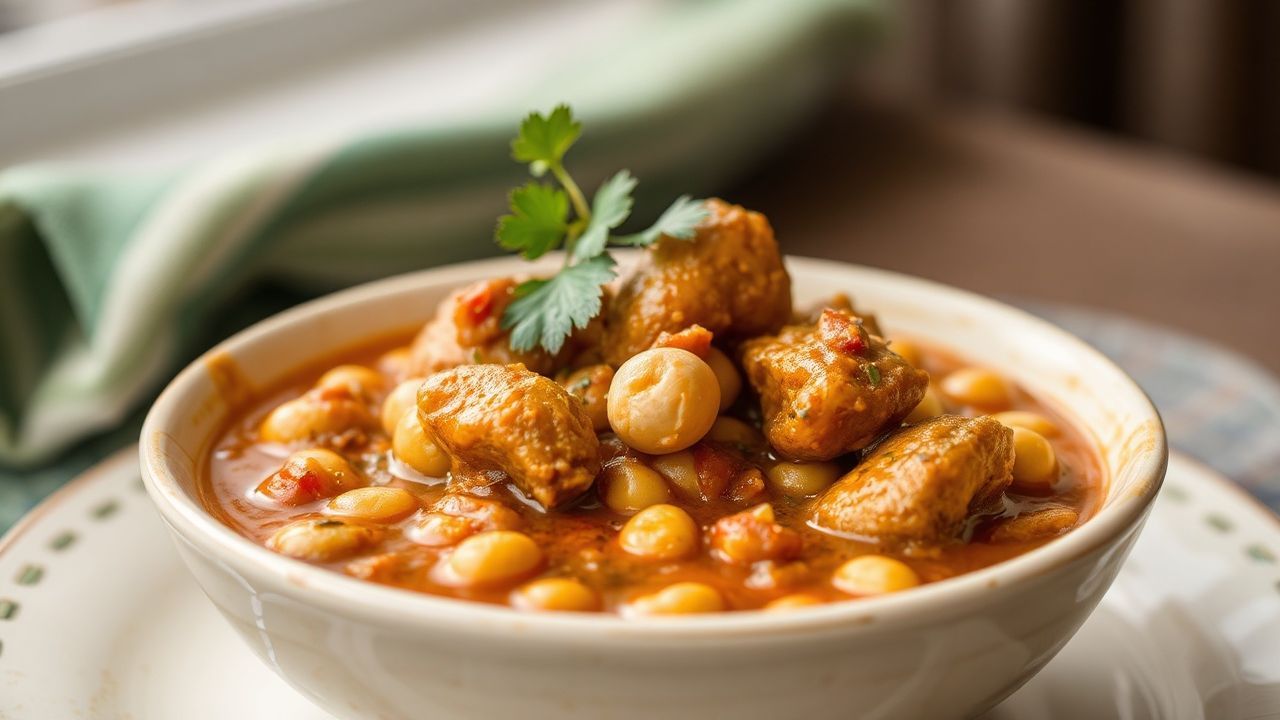
The allure of this dish lies in its profound depth of flavor, a characteristic that sets it apart from simpler stews. It’s a dish that requires time, not just for cooking, but for understanding the interplay of its components. The foundation is typically a robust tomato base, providing a tangy counterpoint to the richness of the peanut. Into this, a medley of aromatics – onions, garlic, ginger, and chilies – are introduced, their pungent notes softened and deepened through slow sautéing. The star, of course, is the peanut butter, preferably a natural, unsweetened variety, which lends a creamy texture and a nutty, slightly sweet character. Chicken, often thighs for their succulence, is the protein of choice, absorbing the complex flavors of the stew as it simmers.
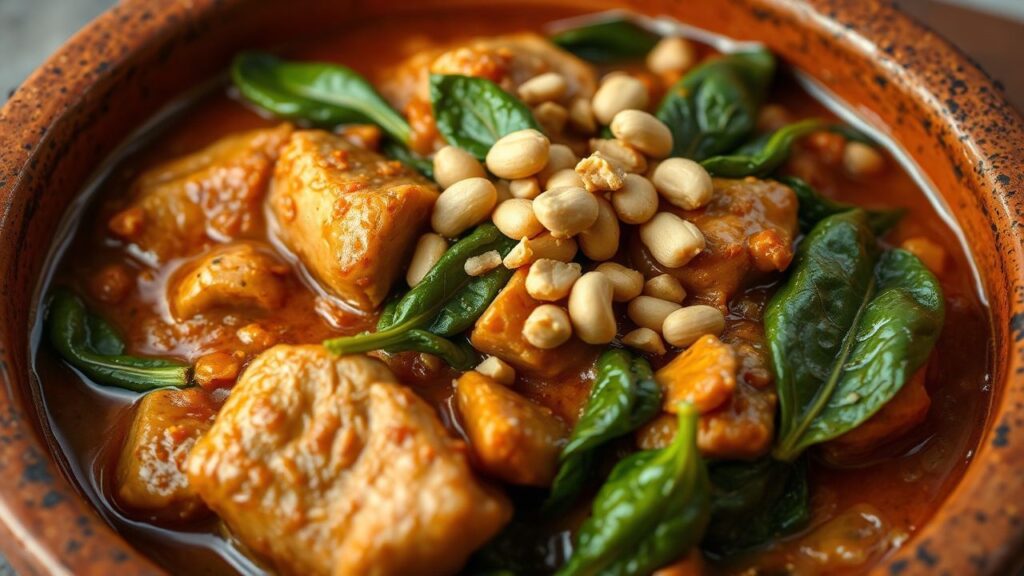
To truly appreciate West African Peanut Stew, one must dissect its constituent elements. The choice of ingredients is not arbitrary; each matter significantly in constructing the dish’s signature profile.
- Chicken: Traditionally, bone-in chicken thighs and drumsticks are preferred for their flavor and ability to remain moist during the long simmering process. The bones contribute to the richness of the broth.
- Optional Additions: Some variations incorporate beef or lamb, though chicken remains the most common. For a vegetarian rendition, firm tofu or hearty root vegetables like sweet potatoes can be substituted.
- Onions: Finely chopped or puréed, onions form the first layer of sweetness and savoriness.
- Garlic & Ginger: These pungent powerhouses add warmth and a subtle spiciness. Freshly grated ginger is essential for its bright, zesty notes.
- Chilies: Scotch bonnet peppers are the traditional choice, lending a distinctive fruity heat. The quantity can be adjusted to individual spice tolerance.
- Tomatoes: A base of crushed or puréed tomatoes provides acidity and color. Some recipes call for tomato paste for an intensified flavor.
- Peanut Butter: This is the soul of the stew. Natural, unsweetened, smooth or crunchy peanut butter is crucial. The oil separation in natural peanut butter is a good indicator of its quality. Avoid brands with added sugars or hydrogenated oils, as they can compromise the authentic flavor profile.
- Broth: Chicken or vegetable broth provides the liquid base, allowing the flavors to meld and the stew to achieve its characteristic consistency.
- Vegetables: Spinach, collard greens, or other leafy greens are often added towards the end of cooking, wilting into the stew and adding a touch of freshness and earthy bitterness. Sweet potatoes or pumpkin can also be incorporated for added sweetness and texture.
- Cumin & Coriander: These classic spices provide earthy, warm undertones.
- Paprika: Adds a subtle sweetness and depth of color.
- Curry Powder: A mild blend can enhance the complexity without overpowering the peanut flavor.
- Optional: A pinch of nutmeg or cinnamon can add an unexpected layer of warmth.
The preparation of West African Peanut Stew is an exercise in patience and layering. Each step is designed to coax out the maximum flavor from the ingredients, transforming them into a harmonious whole.
For the Chicken and Marinade:
- 1 kg (approx. 2.2 lbs) bone-in, skin-on chicken thighs and drumsticks
- 1 tablespoon fresh ginger, grated
- 3 cloves garlic, minced
- 1 teaspoon ground cumin
- 1 teaspoon ground coriander
- ½ teaspoon salt
- ¼ teaspoon black pepper
For the Stew Base:
- 2 tablespoons vegetable oil or peanut oil
- 2 large onions, finely chopped
- 4 cloves garlic, minced
- 1 tablespoon fresh ginger, grated
- 1-2 Scotch bonnet peppers, finely chopped (seeds removed for less heat, adjust to taste)
- 1 teaspoon ground cumin
- 1 teaspoon ground coriander
- ½ teaspoon smoked paprika
- ¼ teaspoon cayenne pepper (optional, for extra heat)
- 800g (approx. 28 oz) crushed tomatoes (canned)
- 150g (approx. 5.3 oz) tomato paste
- 1.2 liters (approx. 5 cups) chicken broth or vegetable broth
- 300g (approx. 10.6 oz) natural unsweetened peanut butter (smooth or crunchy)
- 200g (approx. 7 oz) fresh spinach or kale, roughly chopped
- Salt and freshly ground black pepper to taste
- Fresh cilantro or parsley, chopped, for garnish
1. Marinate the Chicken: In a large bowl, combine the chicken pieces with grated ginger, minced garlic, cumin, coriander, salt, and pepper. Toss to coat evenly. Cover and refrigerate for at least 30 minutes, or preferably 2-4 hours, to allow the flavors to penetrate.
2. Sear the Chicken: Heat 1 tablespoon of oil in a large, heavy-bottomed pot or Dutch oven over medium-high heat. Working in batches to avoid overcrowding, sear the chicken pieces until deeply golden brown on all sides. Remove the chicken from the pot and set aside. Reserve any rendered fat in the pot.
3. Build the Aromatic Base: Reduce the heat to medium. Add the remaining 1 tablespoon of oil to the pot if needed. Add the finely chopped onions and sauté, stirring frequently, until softened and lightly golden, about 8-10 minutes. This slow caramelization is key to developing sweetness.
4. Infuse the Spices: Add the minced garlic, grated ginger, and chopped Scotch bonnet peppers to the pot. Cook for another 1-2 minutes until fragrant, being careful not to burn the garlic. Stir in the ground cumin, coriander, smoked paprika, and cayenne pepper (if using). Cook for 30 seconds, stirring constantly, until the spices are fragrant.
5. Develop the Tomato Base: Add the crushed tomatoes and tomato paste to the pot. Stir well, scraping up any browned bits from the bottom of the pot. Cook for 5-7 minutes, allowing the tomato mixture to thicken slightly and darken in color. This concentration of flavor is vital.
6. Simmer the Stew: Return the seared chicken pieces to the pot. Pour in the chicken broth, ensuring the chicken is mostly submerged. Bring the mixture to a simmer, then reduce the heat to low, cover, and cook for 45-60 minutes, or until the chicken is tender and cooked through.
7. Incorporate the Peanut Butter: In a separate bowl, whisk the peanut butter with a ladleful of the hot broth from the pot until smooth and creamy. This step prevents the peanut butter from clumping when added to the stew. Pour the peanut butter mixture into the pot and stir thoroughly to combine.
8. Meld the Flavors: Continue to simmer the stew, uncovered, for another 20-30 minutes, stirring occasionally, allowing the sauce to thicken to your desired consistency. The flavors will deepen and meld beautifully during this stage.
9. Add the Greens: Stir in the chopped spinach or kale. Cook for 5-10 minutes, or until the greens have wilted.
10. Season and Serve: Taste the stew and adjust seasoning with salt and freshly ground black pepper as needed. The balance of flavors is crucial here; you might need more salt to bring out the sweetness of the peanut and tomato. Serve hot, garnished with fresh cilantro or parsley.
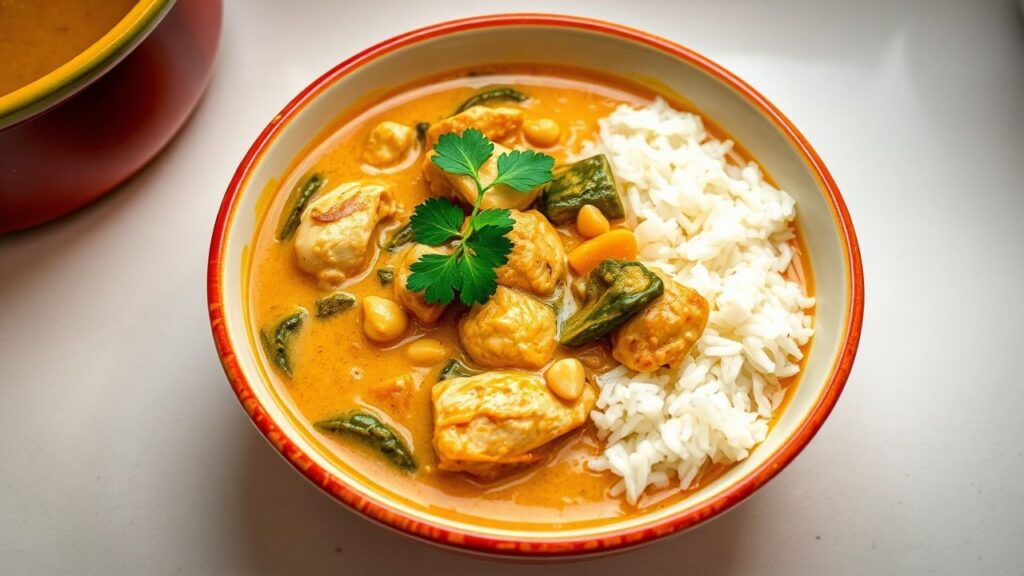
West African Peanut Stew is not only a flavor revelation but also a remarkably nutritious dish. The combination of lean protein, healthy fats from the peanuts, and essential vitamins and minerals from the vegetables makes it a well-rounded meal.
Approximate Nutritional Information (per serving, assuming 6 servings):
- Calories: 550-650 kcal
- Protein: 30-40g
- Fat: 30-40g (primarily unsaturated from peanuts)
- Carbohydrates: 25-35g
- Fiber: 5-8g
- Vitamins: Rich in Vitamin E, Niacin, Vitamin B6, Folate, and Vitamin A (from tomatoes and greens).
- Minerals: Good source of Iron, Magnesium, Phosphorus, and Potassium.
The nutritional profile can be further enhanced by incorporating a wider variety of vegetables, such as sweet potatoes or carrots, which add complex carbohydrates and beta-carotene. Opting for whole-grain rice or serving the stew with a side of millet or sorghum can also boost the fiber content and provide sustained energy release.
The traditional accompaniment to West African Peanut Stew is rice, typically a fluffy white rice to soak up the rich sauce. However, it also pairs wonderfully with millet, sorghum, couscous, or even a crusty bread for dipping. The key is a neutral base that allows the stew’s complex flavors to shine.
While the basic recipe for West African Peanut Stew is straightforward, there are nuances that can elevate it from a home-cooked meal to a truly exceptional culinary creation. These are the subtle touches that distinguish a good dish from a great one.
The initial searing of the chicken is not merely about browning; it’s about developing Maillard reaction flavors that will permeate the entire stew. A truly deep, rich sear on the chicken pieces will contribute significantly to the overall complexity. Similarly, the long, slow simmer is where the magic happens. Allowing the stew to bubble gently for an extended period enables the flavors to meld and deepen, transforming the individual ingredients into a cohesive, harmonious whole. Don’t rush this process; patience is rewarded with unparalleled depth.
The quality of the peanut butter is paramount. As mentioned, natural, unsweetened peanut butter is non-negotiable. Look for brands where the oil separates, indicating minimal processing. The technique of whisking the peanut butter with a hot liquid before adding it to the stew is a chef’s trick to ensure a perfectly smooth, lump-free sauce. This emulsification process is critical for achieving the desired creamy texture.
West African Peanut Stew is a masterclass in flavor balance. The tanginess of the tomatoes, the sweetness of the onions and peanut butter, and the heat from the Scotch bonnets must all work in concert. A well-made stew will have a discernible sweetness, a pleasant acidity, and a lingering warmth, but no single element should dominate. Tasting and adjusting seasoning throughout the cooking process is essential. A squeeze of lime juice or a touch of apple cider vinegar at the very end can brighten the flavors if they seem muted.
The Ghanaian iteration of this stew, often called Groundnut Soup, frequently features a slightly different spice profile and a more pronounced tomato base. Some recipes incorporate dried fish or shrimp for an added layer of umami, proof of the coastal influences on Ghanaian cuisine. The cooking method might also involve more extensive roasting of aromatics to achieve a deeper, smokier flavor. This variation, though distinct, still adheres to the fundamental principles of a rich, peanut-infused broth, showcasing the adaptability of this beloved dish across different culinary landscapes. Observing these regional differences provides invaluable insight into the cultural tapestry that has shaped West African cuisine. For instance, in some parts of Nigeria, the stew might be thicker, almost a paste, served with pounded yam, while in Senegal, it might be slightly looser and served with rice.
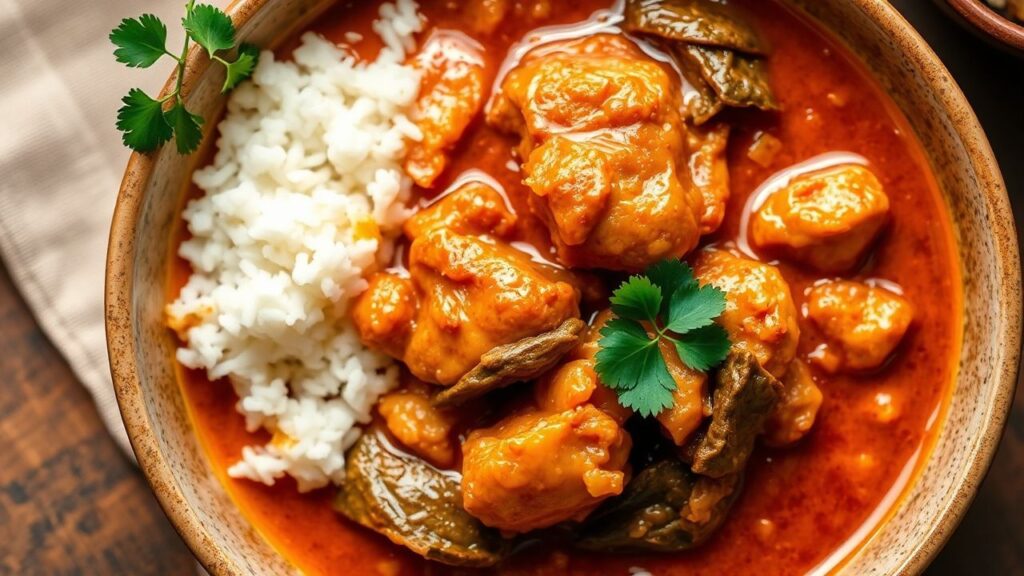
When working with Scotch bonnet peppers, always wear gloves and avoid touching your eyes or face. The oils from these peppers can cause significant irritation. It is also advisable to remove the seeds and membranes for a milder heat, as the pure capsaicin is concentrated in these areas. If you are sensitive to heat, start with half a pepper and add more to taste.
The ideal peanut butter is natural, unsweetened, and made with 100% peanuts. This type of peanut butter has a more intense peanut flavor and a less processed texture, which is crucial for the authentic taste of the stew. Avoid peanut butters that contain added sugars, oils, or emulsifiers, as these can alter the flavor profile and the consistency of the stew. If the natural peanut butter has separated, simply stir it vigorously to recombine the oil and peanut solids.
For a spicier stew: Increase the number of Scotch bonnet peppers used. You can also add a pinch of cayenne pepper or a dash of hot sauce towards the end of cooking. For an intense heat, leave some or all of the seeds and membranes in the Scotch bonnets.
For a milder stew: Use fewer Scotch bonnet peppers, or omit them entirely and rely on a milder chili pepper like jalapeño for a subtle warmth. Alternatively, you can remove all seeds and membranes from the Scotch bonnets and use only a small piece, tasting and adjusting as you go. Some recipes also call for a touch of sweetness from honey or sugar to balance the heat, but this should be used judiciously to avoid making the stew overly sweet.
Yes, West African Peanut Stew often tastes even better the next day as the flavors have more time to meld and deepen. Allow the stew to cool completely, then store it in an airtight container in the refrigerator for up to 3-4 days. Reheat gently on the stovetop over low heat, adding a splash of broth or water if the stew has become too thick. Freezing is also an option; portion the cooled stew into freezer-safe containers and freeze for up to 3 months. Thaw overnight in the refrigerator and reheat as directed.
See also: Peanut Stew