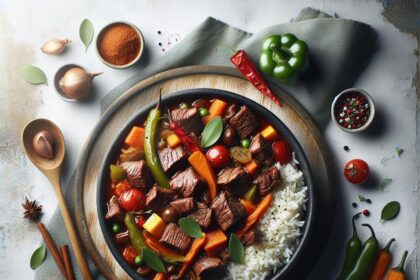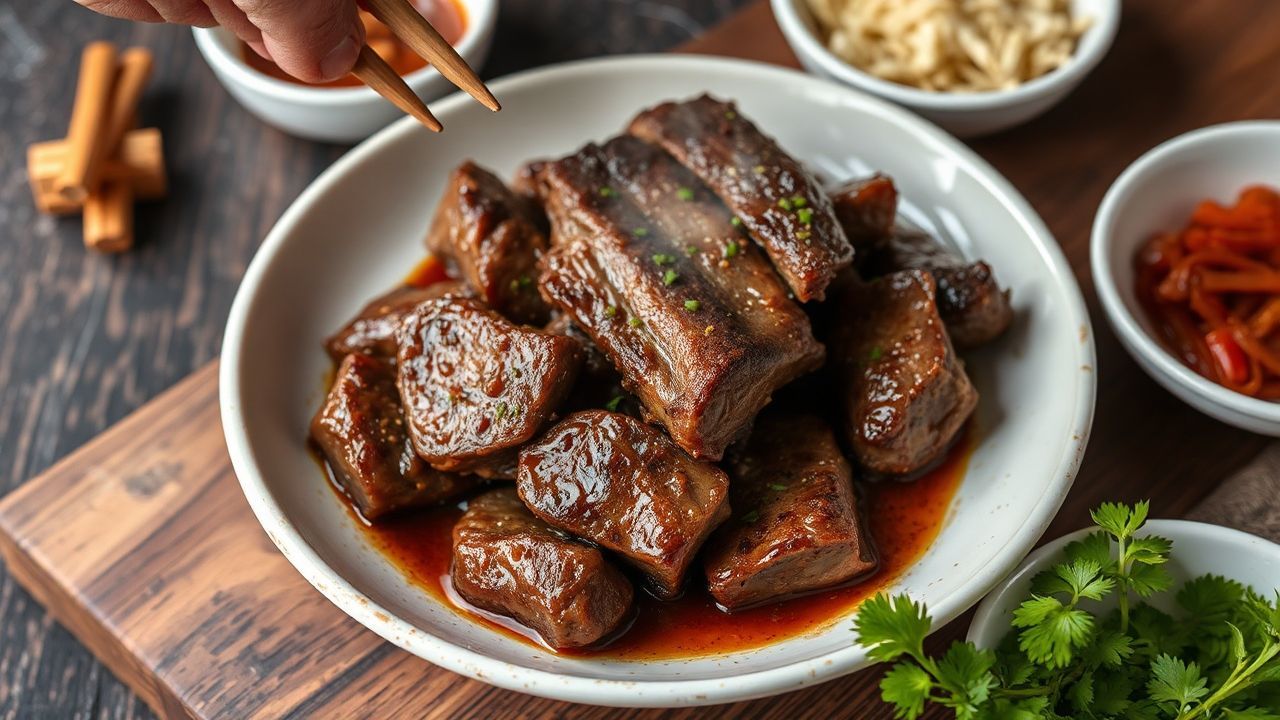

What truly elevates a dish from mere sustenance to a cultural touchstone, a shared experience that transcends borders and generations? in Korean cuisine, few dishes embody this essence quite like Bulgogi. More than just marinated beef, Bulgogi represents a convivial spirit, a dance of sweet and savory flavors, and proof of the profound simplicity that can achieve culinary brilliance. It’s the dish that often serves as a gateway for the uninitiated into the vibrant world of Korean food, its inviting aroma and tender, caramelised strips of beef a universal beckoner.
- The Genesis and Evolution of Bulgogi
- Deconstructing the Bulgogi Masterpiece: The Anatomy of the Dish
- The Star: Selecting the Perfect Beef
- The Soul: Crafting the Quintessential Bulgogi Marinade
- The Supporting Cast: Essential Accompaniments
- The Culinary Alchemy: Mastering the Bulgogi Preparation
- Nutritional Profile of Bulgogi
- Elevating Your Bulgogi: Expert Pro-Tips
- Beyond the Plate: Bulgogi as a Cultural Phenomenon
- Frequently Asked Questions about Bulgogi
At a Glance: Key Bulgogi Insights
- The foundation of exceptional Bulgogi lies in the quality and cut of the beef, with thinly sliced ribeye or sirloin being paramount for optimal texture and flavor absorption.
- A perfectly balanced marinade is crucial, harmonizing sweetness from fruit and sugar with umami from soy sauce and garlic, creating a complex flavor profile that caramelizes beautifully.
- Cooking technique significantly impacts the final dish; a fiercely hot surface, whether a cast-iron skillet or a grill, is essential for achieving the characteristic char and tender, juicy bite.
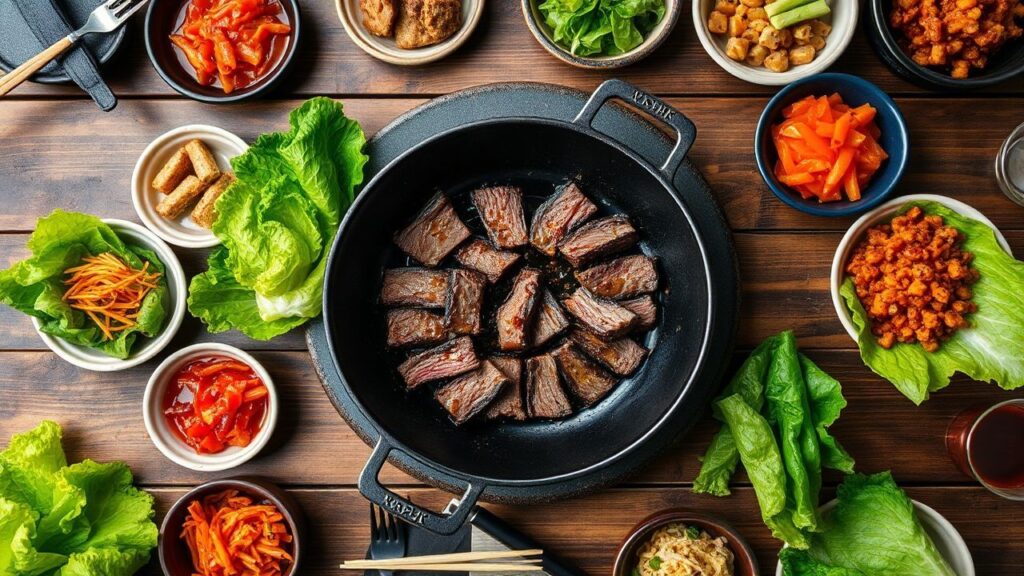
- Bulgogi is not merely a dish; it’s an experience, best enjoyed communally, often served with a variety of banchan (side dishes) and eaten wrapped in lettuce or perilla leaves.
This guide offers a comprehensive exploration of Bulgogi, dissecting its components, mastering its preparation, and understanding its cultural significance. We move beyond a simple recipe to explore the nuances that distinguish a good Bulgogi from an unforgettable one, offering insights that will empower both novice cooks and seasoned gourmands to achieve restaurant-quality results in their own kitchens.
The Genesis and Evolution of Bulgogi
The story of Bulgogi is intrinsically linked to the history of Korean barbecue itself, a tradition that has evolved over centuries. The term “Bulgogi” literally translates to “fire meat,” a name that aptly describes its preparation over an open flame. While grilled meats have a long history in Korea, the modern iteration of Bulgogi, characterized by its sweet and savory marinade, largely emerged during the Joseon Dynasty (1392-1897). This era saw the development of more sophisticated culinary techniques and the increasing availability of ingredients that would define Korean flavors.
Historically, grilling meats was a practice often reserved for special occasions or the aristocracy. However, as culinary practices democratized, Bulgogi became a beloved dish for all walks of life. The advent of refrigeration and modern cooking appliances in the 20th century further popularized Bulgogi, making it more accessible and adaptable for home cooks. Today, it stands as one of the most globally recognized Korean dishes, proof of its enduring appeal and adaptability. Its journey from royal feasts to everyday tables is a fascinating narrative of culinary evolution.
Deconstructing the Bulgogi Masterpiece: The Anatomy of the Dish
At its heart, Bulgogi is a symphony of carefully selected ingredients, each playing a crucial role in creating its signature flavor profile and texture. Understanding these components is the first step towards mastering this iconic dish.
The Star: Selecting the Perfect Beef
The choice of beef is paramount. Traditionally, Bulgogi is made with thinly sliced cuts of beef that are tender and have a good fat-to-meat ratio. The most prized cuts for Bulgogi are:
- Ribeye (Galbi-sal): Renowned for its rich marbling, ribeye offers unparalleled tenderness and a buttery texture. When sliced thinly, it melts in the mouth.
- Sirloin (Deungsim): Another excellent choice, sirloin provides a good balance of tenderness and flavor. It’s slightly leaner than ribeye but still yields a succulent result.
- Tenderloin (Ansim): While incredibly tender, tenderloin is quite lean and can be prone to drying out if overcooked. It’s less commonly used for traditional Bulgogi but can be an option for those seeking extreme tenderness.
The key is the thickness of the slice – typically no more than 1/8 inch (3mm). This ensures rapid cooking and allows the marinade to permeate the meat effectively. Many Asian grocers sell pre-sliced beef specifically for Bulgogi, which is a convenient option. If slicing at home, partially freezing the beef for about 30-45 minutes will make it much easier to achieve these paper-thin slices.
The Soul: Crafting the Quintessential Bulgogi Marinade
The marinade is where the magic truly happens, transforming simple beef into a flavour explosion. A well-balanced marinade for Bulgogi typically features a harmonious interplay of sweet, savory, and aromatic elements.
Core Marinade Components:
- Soy Sauce (Ganjang): The savory backbone, providing essential umami. Low-sodium soy sauce is often preferred to control the saltiness, especially when combined with other salty ingredients.
- Sweeteners: Traditionally, this includes sugar (white or brown) and often a fruit component. Pears (Asian or Bosc) or apples are commonly used for their natural sweetness and enzymatic properties, which help tenderize the meat. Honey or corn syrup can also be incorporated for added gloss and sweetness.
- Aromatics: Garlic and ginger are indispensable, providing pungent depth and warmth. Minced or grated, they infuse the meat with their characteristic fragrance.
- Sesame Oil: A toasted sesame oil adds a distinct nutty aroma and flavor that is quintessential to Korean cooking.
- Black Pepper: Freshly ground black pepper adds a subtle spicy kick and complexity.
- Onion/Scallion: Grated onion or finely chopped scallions contribute moisture and a mild, sweet onion flavor.
The precise ratios can vary, but the goal is to achieve a marinade that is robust enough to season the beef thoroughly without overpowering its natural flavor. The fruit’s role in tenderization is scientifically sound; the enzymes bromelain (from pineapple, though less common in traditional Bulgogi) and papain (from papaya) can break down muscle fibers, but even the natural sugars and acidity in pears and apples contribute to a more tender end product.
The Supporting Cast: Essential Accompaniments
While the beef is the star, Bulgogi is rarely eaten in isolation. A spread of accompaniments enhances the dining experience significantly.
- Rice: Steamed short-grain rice is the indispensable starch that balances the richness of the Bulgogi.
- Lettuce Wraps (Ssam): Crisp lettuce leaves, such as romaine or butter lettuce, are perfect for cradling the Bulgogi and other fillings. Perilla leaves (kkaennip) offer a unique, slightly minty, anise-like flavor that is highly prized.
- Kimchi: Fermented cabbage and other vegetables provide a spicy, tangy counterpoint to the sweet and savory beef.
- Ssamjang: A savory paste made from fermented soybean paste (doenjang) and chili paste (gochujang), often mixed with garlic, onion, and sesame oil. It adds a complex layer of flavor to the wraps.
- Garlic and Chili Slices: Thin slices of fresh garlic and green or red chili peppers offer a pungent, spicy kick for those who desire it.
The Culinary Alchemy: Mastering the Bulgogi Preparation
Achieving perfect Bulgogi involves a meticulous approach to marinating and cooking. Each step is designed to coax the best flavor and texture from the ingredients.
Step-by-Step Bulgogi Recipe
This recipe is designed for optimal flavor and texture, yielding approximately 4-6 servings.
Ingredients:
For the Bulgogi:
- 1.5 lbs (approx. 700g) Ribeye or Sirloin, thinly sliced (about 1/8 inch or 3mm thick)
- 1 medium Asian Pear or Bosc Pear, grated (about 1/2 cup)
- 1/2 cup (120ml) Soy Sauce (preferably low-sodium)
- 1/4 cup (60ml) Mirin (Korean rice wine) or Dry Sherry
- 3 tablespoons Brown Sugar (or Granulated Sugar)
- 2 tablespoons Toasted Sesame Oil
- 6-8 cloves Garlic, minced (about 2 tablespoons)
- 1 tablespoon Fresh Ginger, grated
- 1/4 small Yellow Onion, grated (about 2 tablespoons)
- 1 teaspoon Freshly Ground Black Pepper
- 2-3 Scallions, thinly sliced (for garnish)
- 1 tablespoon Vegetable Oil (for cooking)
For Serving (Optional but Recommended):
- 1 head Romaine Lettuce or 1 bunch Perilla Leaves
- Steamed Short-Grain Rice
- Kimchi
- Ssamjang
- Thinly sliced Garlic cloves
- Thinly sliced Green or Red Chili peppers
Preparation Method:
- Prepare the Beef: If your beef is not pre-sliced, place it in the freezer for 30-45 minutes until firm but not frozen solid. Using a very sharp knife, slice the beef against the grain into paper-thin pieces. If using store-bought pre-sliced beef, ensure the slices are separated.
- Make the Marinade: In a large bowl, combine the grated pear, soy sauce, mirin (or sherry), brown sugar, toasted sesame oil, minced garlic, grated ginger, grated onion, and black pepper. Whisk until the sugar is dissolved and all ingredients are well incorporated.
- Marinate the Beef: Add the thinly sliced beef to the marinade. Using your hands (gloves are recommended), gently toss the beef to ensure each slice is thoroughly coated. Cover the bowl tightly with plastic wrap and refrigerate for at least 2 hours, or preferably 4-6 hours, to allow the flavors to meld and the meat to tenderize. For an even deeper flavor, you can marinate overnight, though be mindful that the fruit enzymes can begin to break down the meat too much if left for excessively long periods.
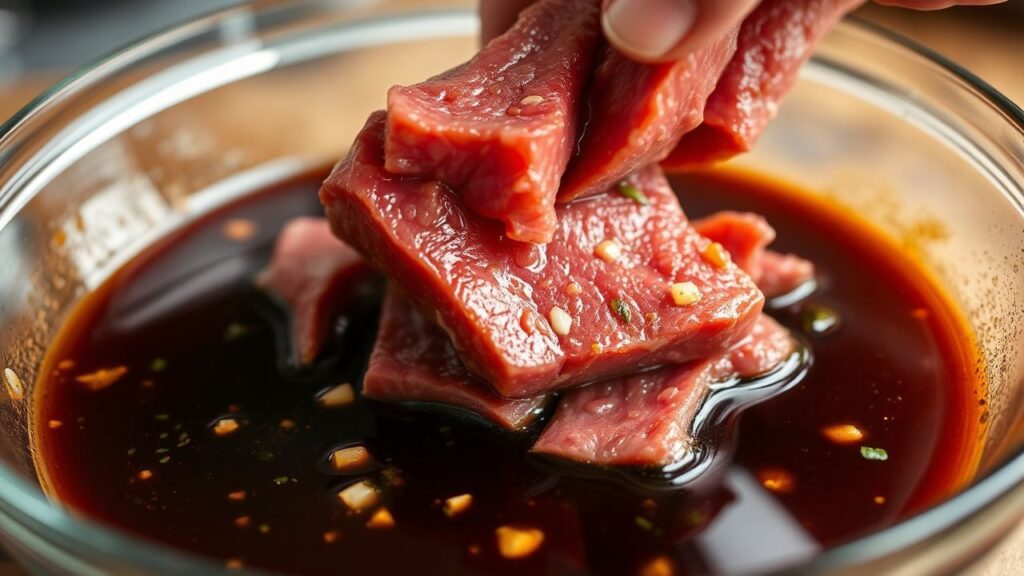
This marination period is critical. It’s not merely about flavoring the beef; it’s a transformative process. The acidic and enzymatic components of the pear begin to work on the muscle fibers, breaking them down and rendering the meat exceptionally tender. The sugars in the marinade, combined with the soy sauce, will caramelize beautifully during cooking, creating those coveted crispy edges and a rich, glossy finish. An extended marination ensures that the complex flavor profile penetrates every strand of the beef, making each bite a revelation.
- Prepare for Cooking: When ready to cook, remove the beef from the refrigerator. If any excess marinade has pooled, you can either drain some of it off or gently pat some of the marinade off the meat with paper towels if you prefer a less saucy result. Reserve the sliced scallions for garnish.
- Cook the Bulgogi: Heat a large, heavy-bottomed skillet (cast iron is ideal) or a grill pan over medium-high to high heat. Add the vegetable oil. Once the pan is smoking hot, add the marinated beef in a single layer. Do not overcrowd the pan; cook in batches if necessary to ensure proper searing and caramelization rather than steaming.
- Sear and Caramelize: Cook the beef for 1-3 minutes per side, depending on thickness and desired doneness. The goal is to achieve a beautiful char and caramelization on the edges while keeping the interior tender and juicy. Stir and toss the beef occasionally to ensure even cooking and browning.
- Garnish and Serve: Once cooked, transfer the Bulgogi to a serving platter. Garnish with the reserved sliced scallions. Serve immediately with hot steamed rice and your chosen accompaniments like lettuce leaves, kimchi, and ssamjang for a true Korean barbecue experience.
Chef’s Notes on Technique:
The heat of your cooking surface is paramount. A searingly hot pan or grill mimics the effect of traditional charcoal grilling, creating the essential Maillard reaction that gives Bulgogi its characteristic depth of flavor and appealing char. If you are using a non-stick pan, ensure it is robust enough to handle high heat. For outdoor grilling, a well-oiled grill grate is necessary to prevent sticking.
Another subtle but significant technique involves the *timing* of the pear. While it’s common to marinate for several hours, if you were to marinate for over 12 hours, particularly with a more potent tenderizer like pineapple, the meat could become mushy. The 4-6 hour window is a sweet spot for optimal tenderization without compromising texture.
Nutritional Profile of Bulgogi
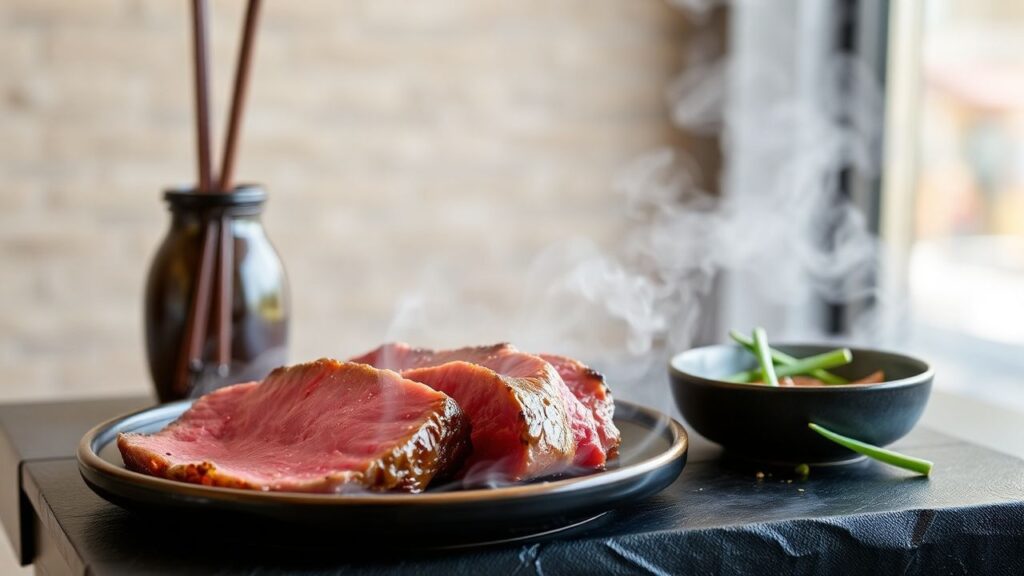
Bulgogi, like many Korean dishes, offers a complex nutritional profile. The exact values will vary based on the cut of beef, the amount of marinade used, and the cooking method. However, a typical serving (approximately 4-6 oz or 115-170g of cooked beef, excluding rice and accompaniments) can be estimated as follows:
| Nutrient | Approximate Amount |
|---|---|
| Calories | 350-500 kcal |
| Protein | 30-40g |
| Fat | 20-35g (depending on cut) |
| Saturated Fat | 8-15g |
| Carbohydrates | 10-20g (mostly from marinade ingredients) |
| Sugar | 8-15g (naturally occurring and added) |
| Sodium | 800-1200mg (can be reduced with low-sodium soy sauce) |
| Iron | 2-4mg |
It is important to consider the accompaniments. A standard serving of steamed white rice adds approximately 200 calories and 45g of carbohydrates. The high sodium content can be a concern for some, but using low-sodium soy sauce and being mindful of the amount of ssamjang consumed can help mitigate this. The inclusion of fruits and vegetables in the marinade and as accompaniments contributes vitamins and fiber, making Bulgogi a dish that, when balanced with other elements of a Korean meal, can be part of a healthy diet.
Elevating Your Bulgogi: Expert Pro-Tips
To truly capture the essence of authentic Bulgogi and achieve a restaurant-worthy result, consider these expert recommendations.
One of the most impactful tips for enhancing Bulgogi is the use of *toasted* sesame oil. While many recipes call for regular sesame oil, the toasted variety, often labeled as “kkwut-kkae-gi-reum” (참기름) in Korean markets, possesses a richer, more complex nutty aroma that is irreplaceable. Its flavor is far more potent and adds a crucial layer of authenticity that cannot be replicated with un-toasted sesame oil.
Furthermore, consider the *type* of sugar used. While white sugar is common, brown sugar or even honey can add subtle nuances. Brown sugar imparts a slight caramel note, while honey brings its own unique floral or fruity undertones. Experimentation here can lead to personalized perfection. For those seeking an even deeper umami punch, a small amount of finely grated daikon radish can be added to the marinade alongside the pear; it contributes a subtle sweetness and aids in tenderization.
Beyond the Plate: Bulgogi as a Cultural Phenomenon
Bulgogi is more than just a dish; it’s a cultural ambassador for Korean cuisine. Its popularity has soared globally, largely due to its approachable flavor profile, making it a favorite at Korean barbecue restaurants worldwide. In many Korean households, Bulgogi is a staple, a comfort food that evokes memories of family gatherings and celebrations. The communal act of cooking and sharing Bulgogi at the table fosters connection and conversation, embodying the spirit of Korean dining.
The adaptability of Bulgogi is another reason for its widespread appeal. While beef is traditional, variations using pork (Dwaeji Bulgogi), chicken (Dak Bulgogi), or even mushrooms for a vegetarian option are common. This versatility ensures that Bulgogi can be enjoyed by a wide range of palates and dietary preferences. The dish’s ability to be incorporated into other culinary creations, such as Bulgogi-bibimbap or Bulgogi-fried rice, further cements its status as a versatile and beloved ingredient in the Korean culinary landscape.
Frequently Asked Questions about Bulgogi
H3: What is the best cut of beef for Bulgogi?
The most traditional and highly recommended cut for Bulgogi is ribeye due to its excellent marbling, which ensures tenderness and rich flavor. Sirloin is another excellent alternative, offering a good balance of tenderness and a slightly leaner profile. The key factor, regardless of the specific cut, is that it must be sliced very thinly, ideally no more than 1/8 inch (3mm) thick. This thinness is crucial for both quick cooking and for the marinade to penetrate effectively, resulting in a tender and flavorful dish.
H3: How long should I marinate Bulgogi?
The ideal marination time for Bulgogi is between 2 and 6 hours. For optimal flavor and tenderization, marinating for 4-6 hours is generally recommended. This allows the sweet and savory elements of the marinade to fully infuse the meat, and the enzymatic action of the fruit (like pear) to tenderize the beef without making it mushy. While some prefer to marinate overnight, this can sometimes lead to the meat becoming too soft or even mushy due to the prolonged exposure to fruit enzymes. Shorter marination times (e.g., 1-2 hours) are acceptable if you are short on time, but the depth of flavor will be less pronounced.
H3: Can I make Bulgogi ahead of time?
Yes, you can prepare and marinate the Bulgogi ahead of time, which is often recommended. The beef can be marinated in the refrigerator for up to 6 hours, or even overnight for a deeper flavor, as long as you are mindful of the tenderizing effect of the fruit. However, it is best to cook the Bulgogi just before serving to ensure the best texture. Once cooked, Bulgogi is best enjoyed fresh. If you have leftovers, they can be stored in an airtight container in the refrigerator for 2-3 days and reheated, but the texture may not be as tender as when freshly cooked.
Bulgogi, with its captivating blend of flavors and textures, stands as a cornerstone of Korean culinary tradition. From the careful selection of beef to the artful balance of its marinade, every element contributes to its enduring appeal. By understanding the nuances of its preparation and embracing the communal spirit it embodies, you can recreate the magic of authentic Bulgogi in your own home, sharing a taste of Korea’s rich culinary heritage with friends and family.
See also: Bulgogi