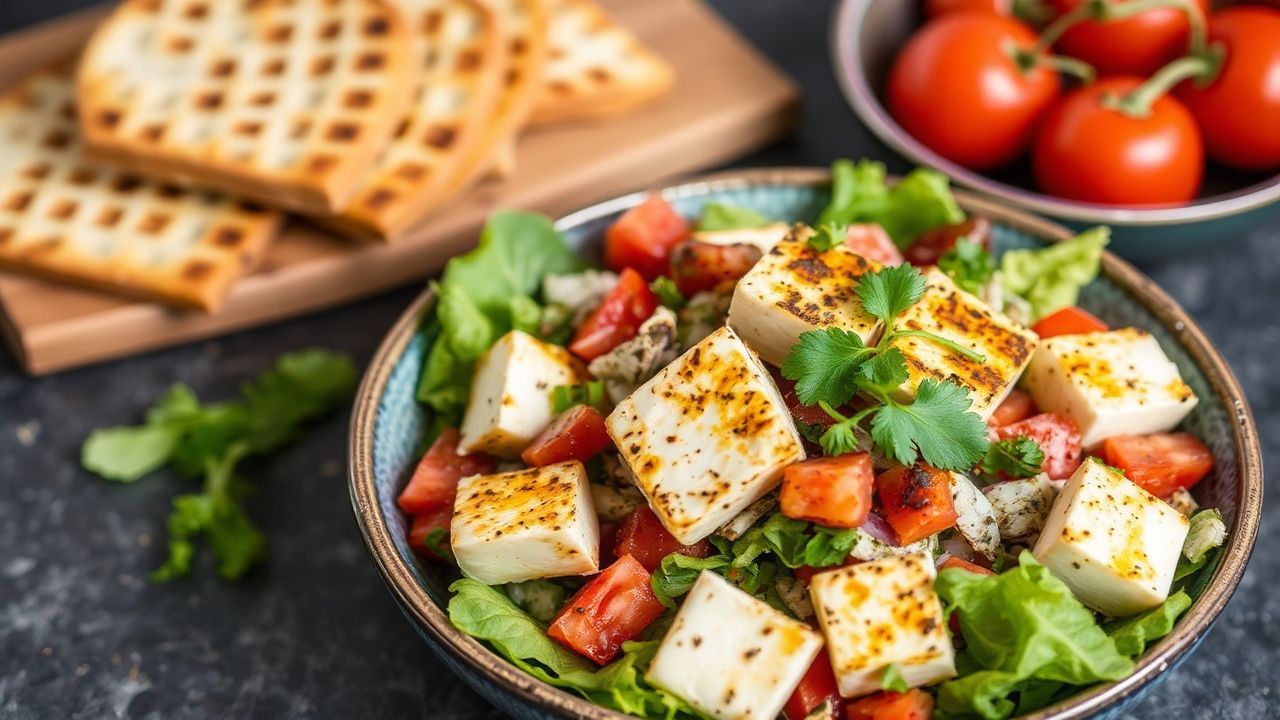

Fattoush, that vibrant tapestry of Levantine flavours, is a salad that speaks of sunshine, sustenance, and the art of making abundance from humble ingredients. But what if we could elevate this already beloved classic, imbuing it with a sophisticated, textural counterpoint that transforms it from a delightful side dish into a compelling main course? Enter the grilled halloumi. This is not merely an addition; it’s a harmonious marriage of crisp and yielding, salty and tangy, that sings on the palate. The smoky char from the grill, the squeaky, resilient texture of the cheese, and its inherent saltiness provide a profound anchor to the salad’s bright, zesty components.
- The Soul of Fattoush: A Culinary Tapestry
- The Anatomy of an Exceptional Fattoush: Ingredients and Their Roles
- The Art of Preparation: A Step-by-Step Journey to Fattoush Perfection
- Step 1: Preparing the Pita Croutons (The Crunchy Heart)
- Step 2: Crafting the Sumac-Lemon Vinaigrette (The Zesty Soul)
- Step 3: Preparing the Salad Vegetables and Herbs
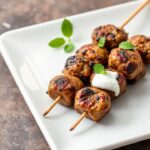
- Step 4: Grilling the Halloumi (The Savoury Counterpoint)
- Step 5: Assembling and Serving the Fattoush
- Nutritional Snapshot: A Wholesome Indulgence (Per Serving, approx. 4 servings)
- Elevating Your Fattoush: Pro-Tips for Restaurant-Quality Brilliance
- The Importance of the Bread’s Crunch
- The Sumac’s Subtle Power
- The Art of the Dressing Emulsion
- The Halloumi’s Char and Texture
- Seasonal Vibrancy: A Living Dish
- Conclusion: A Salad Reimagined
- Frequently Asked Questions
- Why is my fattoush salad soggy?
- Can I make fattoush salad ahead of time?
- What are some good vegetarian or vegan alternatives to halloumi in fattoush?
At a Glance: Elevating Fattoush
- The Halloumi Gambit: Grilled halloumi introduces a crucial textural and flavour dimension, elevating fattoush from a side to a substantial and sophisticated dish.
- Dressing Alchemy: The vinaigrette is the soul of fattoush; a perfectly balanced blend of sumac, lemon, and olive oil is paramount.
- Bread’s Rebirth: The twice-fried or baked pita bread (khobz) is the signature crunch, and achieving that ideal crispness without greasiness is key.
- Seasonal Symphony: The beauty of fattoush lies in its adaptability; embrace seasonal vegetables for peak flavour and vibrant colour.
This article will explore the philosophy behind a truly exceptional Lebanese Fattoush Salad with Grilled Halloumi. We will explore the nuances of ingredient selection, the precise techniques that unlock maximum flavour, and the subtle alchemy that transforms simple components into a culinary masterpiece.
The Soul of Fattoush: A Culinary Tapestry
The history of fattoush is intrinsically linked to the resourceful spirit of Levantine cuisine. Its origins are often traced back to the Bedouin communities in Syria and Lebanon, where the concept of “wastage” was anathema. Leftover bread, particularly stale pita, was a common sight, and the ingenious solution was to break it into pieces, fry or toast it, and then incorporate it into a salad of fresh vegetables. This act of culinary transformation, turning what might have been discarded into a crunchy, flavourful element, is at the heart of traditional fattoush. It’s a dish that celebrates the bounty of the garden, a vibrant medley of tomatoes, cucumbers, radishes, bell peppers, and leafy greens, all bound together by a bright, tangy dressing.
The addition of grilled halloumi, while a more contemporary evolution, perfectly complements this ethos. Halloumi, a semi-hard, unripened brined cheese traditionally made from a mixture of goat’s and sheep’s milk, possesses a unique ability to hold its shape when heated. Its high melting point means it can be grilled or fried to a delightful golden-brown exterior, while remaining firm and slightly chewy within. This textural contrast is precisely what the softer, crisper elements of fattoush crave. The salty brine of the cheese also offers a piquant counterpoint to the inherent sweetness of the vegetables and the tartness of the sumac-infused dressing.
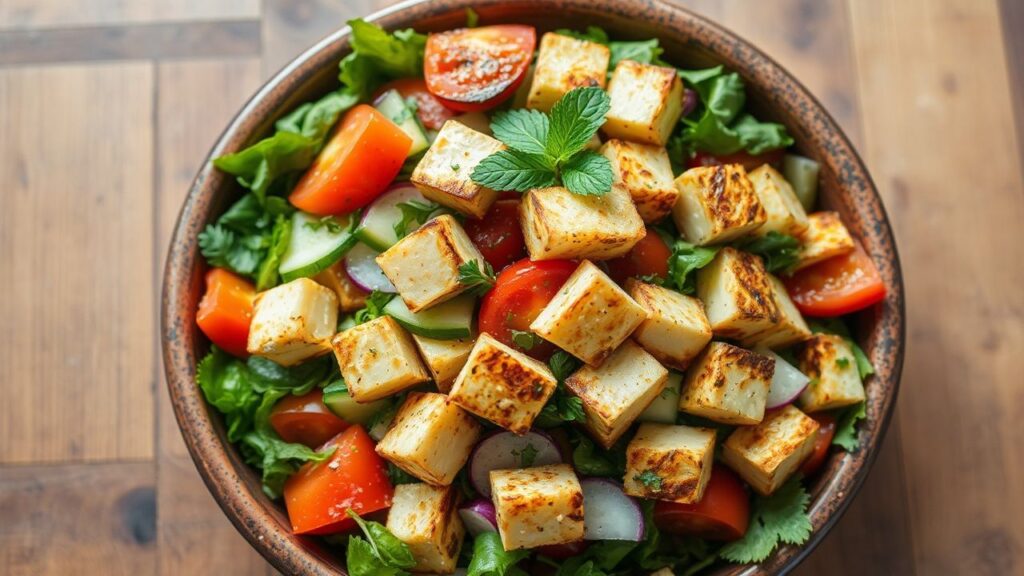
The Anatomy of an Exceptional Fattoush: Ingredients and Their Roles
Crafting a truly memorable fattoush, especially one featuring grilled halloumi, begins with a meticulous selection of ingredients. Each component matter significantly in the symphony of flavours and textures.
For the Fattoush Salad Base:
- Mixed Greens: A generous base is essential. Think a combination of crisp romaine lettuce, peppery arugula, and tender butter lettuce. Aim for approximately 8 cups (200g). The variety ensures a complex leafy foundation.
- Tomatoes: Ripe, flavourful tomatoes are non-negotiable. Heirloom varieties, cherry tomatoes, or Roma tomatoes all work well. Chop them into bite-sized pieces. We’ll use about 2 cups (300g).
- Cucumbers: English cucumbers or Persian cucumbers, with their thinner skins and fewer seeds, are ideal. Dice them for a refreshing crunch. Around 1.5 cups (200g) is a good measure.
- Radishes: Thinly sliced radishes offer a welcome peppery bite and a beautiful crimson hue. About 1 cup (50g), sliced thinly.
- Bell Peppers: A mix of red and yellow bell peppers adds sweetness and vibrant colour. Dice them finely. Approximately 1 cup (150g).
- Green Onions (Scallions): Finely sliced green onions provide a mild, fresh oniony flavour. About 4-5 stalks (50g).
- Fresh Herbs: A liberal hand with fresh mint and flat-leaf parsley is crucial. Finely chopped, these elevate the salad from good to sublime. Aim for at least 1/2 cup (20g chopped mint) and 1/2 cup (20g chopped parsley).
- Pita Bread: This is the textural heart of fattoush. Two large pita breads (approximately 150g total) are needed. We will prepare these for maximum crispness.
For the Sumac-Lemon Vinaigrette:
- Extra Virgin Olive Oil: A high-quality, robust extra virgin olive oil is the backbone of the dressing. Use about 1/2 cup (120ml). Its fruity notes will complement the salad beautifully.
- Fresh Lemon Juice: The vibrant acidity is paramount. Use the juice of 2-3 large lemons (about 1/4 cup or 60ml), strained to remove pulp and seeds.
- Sumac: This crimson spice is the signature flavour of fattoush, offering a tart, lemony astringency. Don’t be shy; use 2 tablespoons (10g). The quality of your sumac will significantly impact the final taste.
- Pomegranate Molasses (Optional but Recommended): For an added layer of complex sweetness and tang, a tablespoon of pomegranate molasses is a revelation. Use 1 tablespoon (15ml).
- Garlic: A single clove, minced very finely or passed through a garlic press, adds a subtle pungency.
- Salt: To taste. Start with 1/2 teaspoon (3g) and adjust as needed.
- Black Pepper: Freshly ground, to taste.
For the Grilled Halloumi:
- Halloumi Cheese: One block of good quality halloumi, approximately 8 oz (225g). It’s best to pat it dry before slicing.
- Olive Oil: For brushing the halloumi and the grill pan, about 1 tablespoon (15ml).
The Art of Preparation: A Step-by-Step Journey to Fattoush Perfection
The preparation of fattoush is a ritual, a mindful assembly of ingredients that culminates in a dish of remarkable complexity from seemingly simple parts.
Step 1: Preparing the Pita Croutons (The Crunchy Heart)
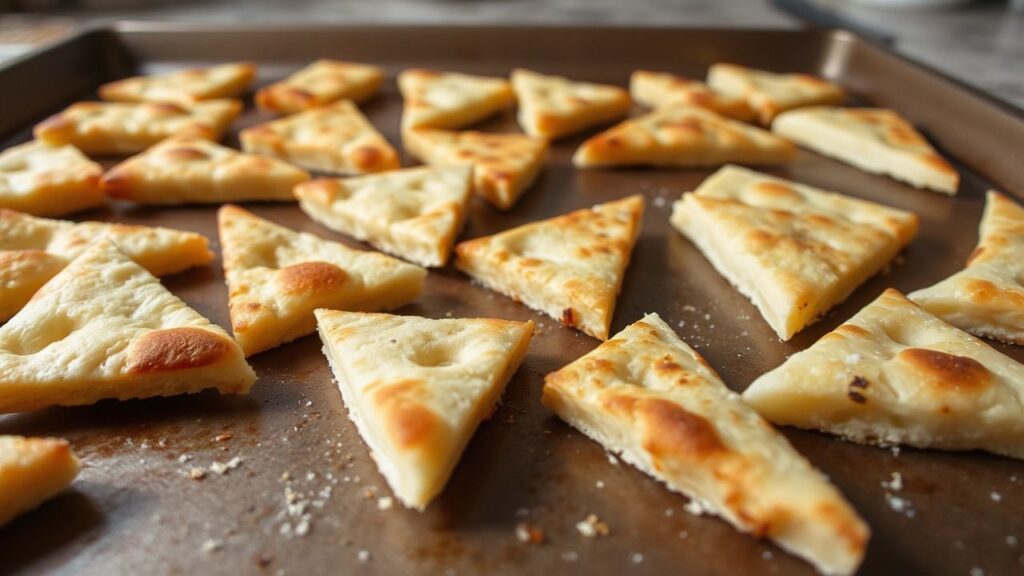
The pita bread is the textural anchor of any truly exceptional fattoush. While frying is traditional, a healthier and equally effective method involves baking.
1. Preheat your oven to 375°F (190°C).
2. Cut the pita breads into bite-sized triangles or squares, about 1-inch (2.5cm) in size.
3. In a large bowl, toss the pita pieces with 1-2 tablespoons of olive oil, ensuring they are lightly coated. You can also add a pinch of salt and a whisper of sumac at this stage for an extra flavour infusion.
4. Spread the pita pieces in a single layer on a baking sheet.
5. Bake for 10-15 minutes, or until golden brown and crisp. Keep a close eye on them as they can burn quickly. For an even crispier result, you can flip them halfway through. Once baked, remove from the oven and let them cool completely. This cooling process is critical for achieving that signature crunch.
Step 2: Crafting the Sumac-Lemon Vinaigrette (The Zesty Soul)
The dressing is where the vibrant acidity and herbaceous notes of fattoush truly shine.
1. In a small bowl or a jar with a tight-fitting lid, combine the extra virgin olive oil, fresh lemon juice, sumac, pomegranate molasses (if using), minced garlic, salt, and black pepper.
2. Whisk vigorously or shake the jar until the dressing is well emulsified. The sumac will infuse the oil with its beautiful crimson hue and tangy flavour.
3. Taste and adjust seasoning as needed. It should be bright, tangy, and balanced, with a pronounced sumac note.
Step 3: Preparing the Salad Vegetables and Herbs
Freshness is paramount here. Wash all vegetables thoroughly and dry them completely to prevent a watery salad.
1. Greens: Tear the mixed greens into bite-sized pieces and place them in a very large salad bowl.
2. Tomatoes: Chop the tomatoes into bite-sized pieces and add them to the bowl.
3. Cucumbers: Dice the cucumbers and add them.
4. Radishes: Thinly slice the radishes and scatter them over the salad.
5. Bell Peppers: Dice the bell peppers finely and add them to the mix.
6. Green Onions: Slice the green onions thinly and add them.
7. Herbs: Finely chop the fresh mint and parsley. Reserve a small amount for garnish, and add the rest to the salad bowl.
Step 4: Grilling the Halloumi (The Savoury Counterpoint)
This is where the magic happens, transforming the humble cheese into a star.
1. Slice the halloumi into 1/2-inch (1.25cm) thick slices or cubes.
2. Pat the halloumi slices very dry with paper towels. This is crucial for achieving a good sear and preventing sticking.
3. Heat a grill pan or an outdoor grill over medium-high heat. Brush the grill grates or pan lightly with olive oil.
4. Once hot, place the halloumi slices on the grill. Grill for 2-3 minutes per side, or until golden brown with distinct grill marks. The cheese should be slightly softened but not melting into a puddle.
5. Remove from the grill and let it rest for a minute before dicing into bite-sized pieces, if you sliced it initially.
Step 5: Assembling and Serving the Fattoush
The final act is the assembly, where all elements converge.
1. Dress and Toss: Just before serving, drizzle about half of the vinaigrette over the salad ingredients in the large bowl. Toss gently to coat everything evenly. Add more dressing as needed, but be careful not to overdress; you want the vegetables to be coated, not swimming.
2. Incorporate Halloumi and Pita: Gently fold in the grilled halloumi pieces and the cooled pita croutons. You want to distribute them evenly without crushing the delicate greens or breaking the pita too much.
3. Garnish and Serve: Transfer the fattoush to a serving platter or individual bowls. Garnish with the reserved fresh herbs and an extra sprinkle of sumac, if desired. Serve immediately to ensure the pita remains crisp and the halloumi is warm.
Nutritional Snapshot: A Wholesome Indulgence (Per Serving, approx. 4 servings)
While fattoush is celebrated for its vibrant flavours and textures, it also offers a commendable nutritional profile. The inclusion of halloumi, however, does increase the calorie and fat content compared to a purely vegetarian version.
- Calories: Approximately 350-450 kcal
- Protein: 15-20g (largely from halloumi)
- Fat: 20-30g (including healthy fats from olive oil and saturated fats from halloumi)
- Carbohydrates: 25-35g (from vegetables and pita)
- Fiber: 5-8g
- Vitamins & Minerals: Rich in Vitamin C (from tomatoes and peppers), Vitamin A (from greens), Potassium (from various vegetables), and Calcium (from halloumi).
Elevating Your Fattoush: Pro-Tips for Restaurant-Quality Brilliance
Transforming a good fattoush into an exceptional one is an art form, and a few key insights can make all the difference. These are the nuances that separate a home-cooked meal from a culinary experience.
The Importance of the Bread’s Crunch
The pita croutons are the unsung heroes of fattoush. Achieving that perfect balance of crispness without being greasy or overly hard is paramount. Baking is a highly effective method. However, if you are frying, ensure your oil is hot enough (around 350°F or 175°C) and fry in small batches to avoid overcrowding the pan, which lowers the oil temperature and leads to a greasy product. Draining them thoroughly on paper towels immediately after frying is also essential. For a truly sophisticated touch, consider lightly toasting some of the pita and then tearing smaller, more irregular pieces to add varying textural elements.
The Sumac’s Subtle Power
Sumac is not merely a spice; it is the soul of fattoush. Its unique tartness, reminiscent of lemon but with a distinct earthy undertone, defines the salad’s character. Always use good quality sumac. It should be a deep, vibrant red and fragrant. If your sumac has been sitting in the pantry for years, its flavour will have diminished. Consider buying it from a reputable Middle Eastern grocer or an online spice specialist. The amount specified in the recipe is a starting point; some prefer a more pronounced sumac flavour, others a subtler hint. Taste and adjust.
The Art of the Dressing Emulsion
A well-emulsified dressing clings to the ingredients, coating them evenly without pooling at the bottom of the bowl. The ratio of oil to acid is crucial, but so is the method of emulsification. Whisking vigorously or using a tightly sealed jar to shake the ingredients can achieve this. For a more stable emulsion, you can even use a small immersion blender. The addition of pomegranate molasses, while optional, adds a beautiful glossy sheen and a complex sweet-tart layer that complements the sumac exceptionally well.
The Halloumi’s Char and Texture
The success of the grilled halloumi hinges on achieving that beautiful char and slightly yielding texture. Overcooking will result in a rubbery, tough cheese. Undercooking will leave it too soft and unappealing. The key is a hot grill or grill pan and a short cooking time. Patting the halloumi dry is non-negotiable; it allows the cheese to sear rather than steam, leading to those desirable grill marks and a pleasant crust. For an even more luxurious presentation, consider cubing the halloumi after grilling, allowing for easier distribution throughout the salad.
Seasonal Vibrancy: A Living Dish
Fattoush is proof of seasonal eating. While the core ingredients remain consistent, the beauty of this salad lies in its adaptability. During the summer months, ripe, juicy tomatoes and crisp cucumbers are at their peak. In autumn, consider adding roasted butternut squash cubes or crisp apple slices for a seasonal twist. The key is to maintain the balance of textures and flavours – the crunch, the freshness, the tang, and the richness. A good fattoush is always a living dish, reflecting the best of what the season has to offer. For instance, studies on local produce consumption in the Levant reveal that salads incorporating a wide array of garden-fresh vegetables, like fattoush, are integral to daily meals, with regional variations in vegetable choices influenced by local harvest cycles.
Conclusion: A Salad Reimagined
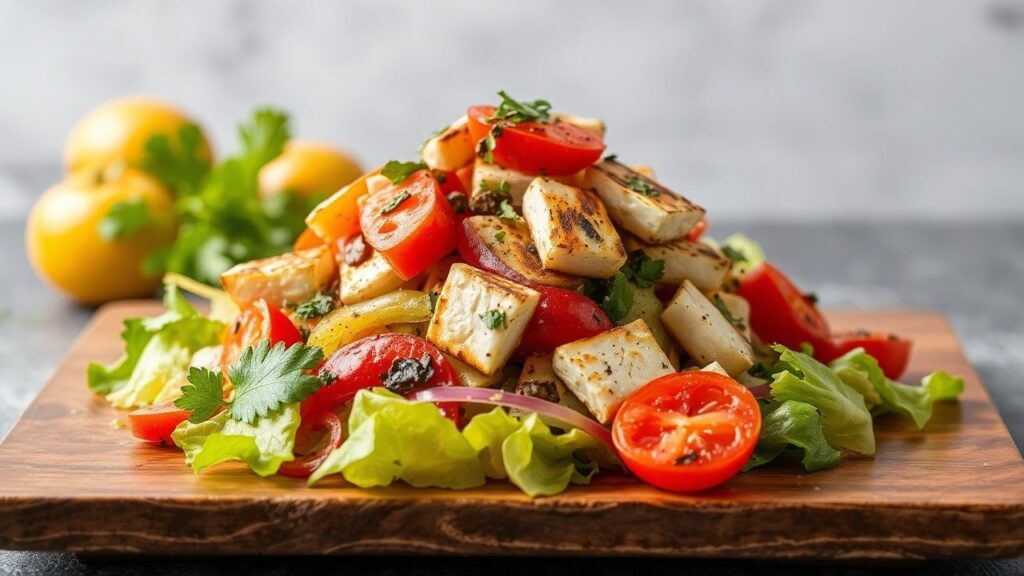
Lebanese Fattoush Salad with Grilled Halloumi is more than just a dish; it is a culinary dialogue between tradition and innovation. It respects the resourceful spirit of its origins while embracing the sophisticated pleasures of modern gastronomy. The interplay of crisp vegetables, the tangy sumac dressing, the crunchy pita, and the savoury, charred halloumi creates a multi-layered sensory experience that is both deeply satisfying and refreshingly vibrant. It is proof of the fact that even the most beloved classics can be reimagined, offering new dimensions of flavour and delight.
Frequently Asked Questions
Why is my fattoush salad soggy?
Sogginess in fattoush is typically a result of moisture in the ingredients or an improperly prepared pita. Ensure all your vegetables are thoroughly washed and, crucially, dried. A salad spinner is invaluable here. For the pita bread, if you’re frying, make sure your oil is hot and you’re not overcrowding the pan. If baking, ensure they are baked until truly crisp and then cooled completely before adding to the salad. Furthermore, dress the salad just before serving, and don’t overdress it. The dressing should lightly coat, not drench. The pita croutons should be added at the very last moment to retain their crunch.
Can I make fattoush salad ahead of time?
While many components of fattoush can be prepped in advance, the salad itself is best assembled and dressed just before serving. You can chop all your vegetables (except perhaps tomatoes if you want them very firm), prepare the dressing, and grill the halloumi ahead of time. Store these components separately in airtight containers in the refrigerator. The pita croutons should also be stored separately in a dry, airtight container at room temperature to prevent them from becoming stale or picking up moisture. When ready to serve, toss the vegetables with the dressing, then gently fold in the halloumi and pita croutons.
What are some good vegetarian or vegan alternatives to halloumi in fattoush?
For a vegetarian alternative that mimics the texture and savoury quality of halloumi, consider grilled paneer cheese. It’s a non-melting Indian cheese that grills beautifully and offers a similar firm texture. For a vegan option, marinated and grilled firm tofu is an excellent choice. Press extra-firm tofu thoroughly to remove excess water, then cube it and marinate in a mixture of olive oil, lemon juice, garlic, and herbs (similar to the halloumi marinade) for at least 30 minutes before grilling or pan-frying until golden and slightly crispy. Another creative vegan addition could be roasted chickpeas, which provide a delightful crunch and protein boost.
See also: Fattoush