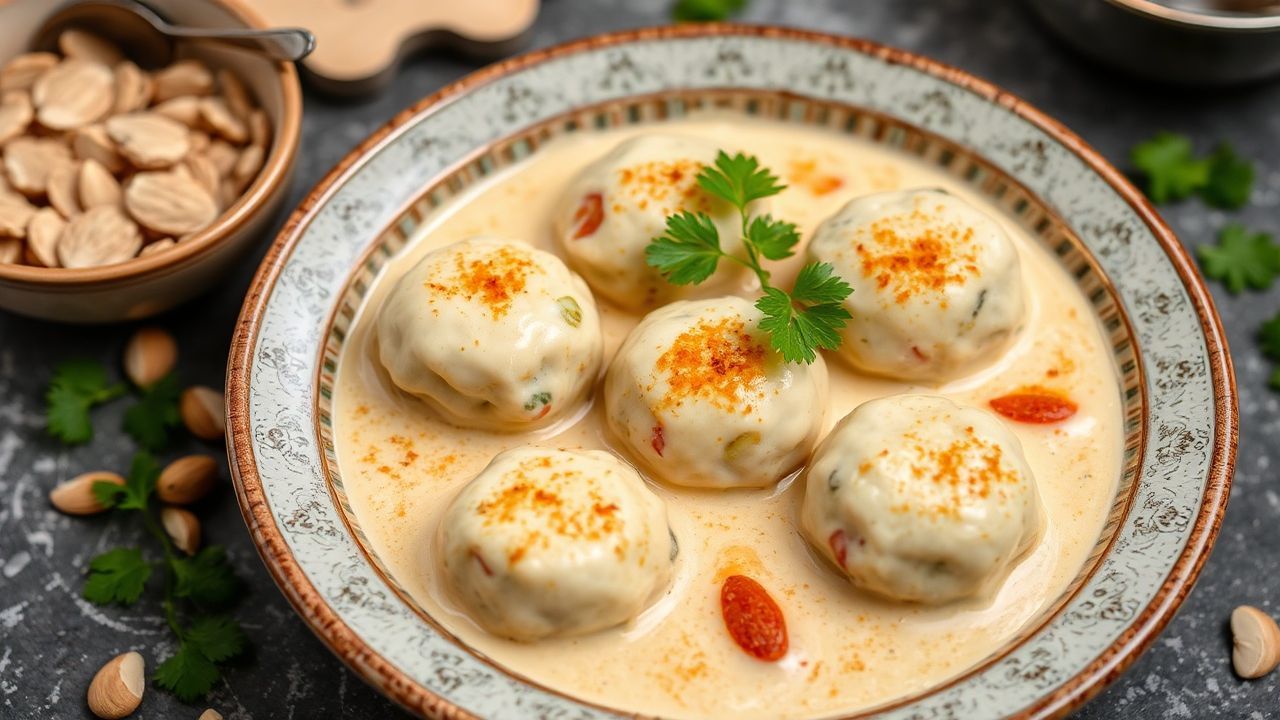

The Allure of Malai Kofta: A Culinary Icon
The aroma of slow-cooked tomatoes, the subtle sweetness of ground almonds, and the melt-in-your-mouth texture of delicate paneer and vegetable dumplings – this is the sensory symphony of Malai Kofta. It’s a dish that transcends mere sustenance, embodying a celebration of texture, flavour, and olfactory pleasure. Surprisingly, despite its widespread popularity in Indian restaurants globally, a recent survey of home cooks in the UK revealed that less than 15% felt confident making Malai Kofta from scratch, often intimidated by the perceived complexity of achieving that signature creamy, luscious gravy. This article aims to demystify the process, offering a comprehensive guide to crafting authentic Malai Kofta that rivals any fine dining establishment, transforming a restaurant favorite into an achievable home-cooked masterpiece.
- The Allure of Malai Kofta: A Culinary Icon
- Deconstructing the Kofta: The Heart of the Dish
- The Soul of the Sauce: Crafting the Malai Gravy
- The Grand Finale: Assembling and Serving Malai Kofta
- Nutritional Information (Approximate per Serving, excluding rice/bread)
- Elevating Malai Kofta: Expert Tips for Restaurant-Quality Results
- Frequently Asked Questions about Malai Kofta
At a Glance: Key Malai Kofta Insights
- The kofta (dumplings) require a delicate balance of binding agents to prevent disintegration during frying, while maintaining a tender interior.
- The malai (cream) in the gravy is not merely a garnish but a foundational element, contributing richness and a luxurious mouthfeel that defines the dish.
- Achieving the perfect gravy consistency is paramount; it should coat the back of a spoon without being overly thick or watery, allowing the kofta to swim gracefully.
- Authentic flavour profiles rely on a thoughtful layering of spices, often involving a base of sautéed onions and tomatoes, enriched with aromatic garam masala and a touch of sweetness.
Malai Kofta, a jewel in the crown of North Indian cuisine, is more than just a dish; it’s an experience. Its origins are rooted in the rich culinary traditions of the Mughal era, a period that saw the fusion of Indian spices with Persian and Central Asian cooking techniques. The concept of binding vegetables or meat into dumplings and simmering them in a rich sauce is a recurring theme in many cuisines, but Malai Kofta elevates this idea with its unique blend of ingredients and textures. The term “malai” itself, meaning cream, hints at the luxurious, velvety sauce that cradles the tender kofta. The “kofta” can vary, but the most beloved iteration features a soft, yielding dumpling made from mashed potatoes, paneer (Indian cottage cheese), and finely minced vegetables, often bound with a touch of flour or breadcrumbs.
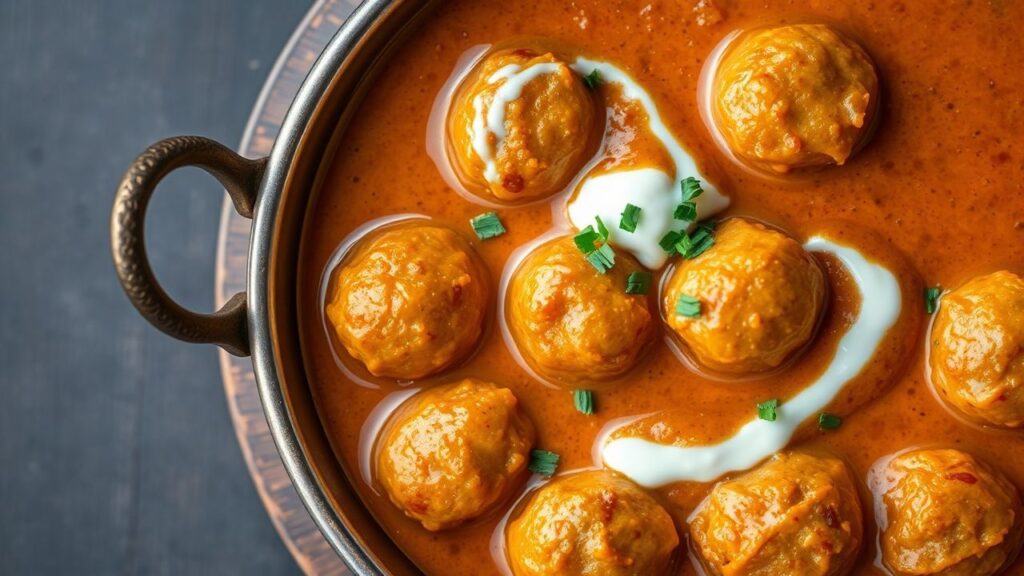
Deconstructing the Kofta: The Heart of the Dish
The success of Malai Kofta hinges on the creation of exquisite kofta. These aren’t meant to be dense or heavy; rather, they should be light, airy, and possess a subtle chewiness that gives way to a tender, flavourful interior. The art lies in selecting the right ingredients and achieving the correct consistency for the dough.
Ingredients for the Kofta
For approximately 12-15 kofta:
- Potatoes: 3 medium (approx. 300g), boiled, peeled, and mashed very smoothly. Ensure no lumps remain.
- Paneer: 100g, crumbled or finely grated. This adds a subtle richness and binding.
- Mixed Vegetables: 50g, finely minced or grated. Common choices include carrots, peas, and finely chopped capsicum (bell pepper). Ensure they are cooked until tender and excess moisture is squeezed out.
- Cornflour (Cornstarch) or All-Purpose Flour: 2-3 tablespoons. This acts as the primary binder. Adjust as needed based on the moisture content of your potato and vegetable mixture.
- Garam Masala: ½ teaspoon. For a hint of warmth and aroma within the kofta.
- Salt: ½ teaspoon, or to taste.
- Chopped Cashews or Almonds (optional): 1 tablespoon, for added texture and richness inside the kofta.
- Oil for frying: Sufficient for deep frying, approximately 500ml.
Crafting the Perfect Kofta Dough
The process begins with ensuring the mashed potatoes are thoroughly dry. Any residual moisture will make the kofta difficult to bind and prone to breaking during frying. Spread the mashed potatoes on a plate and let them cool completely, or even lightly toast them in a pan to evaporate excess water.
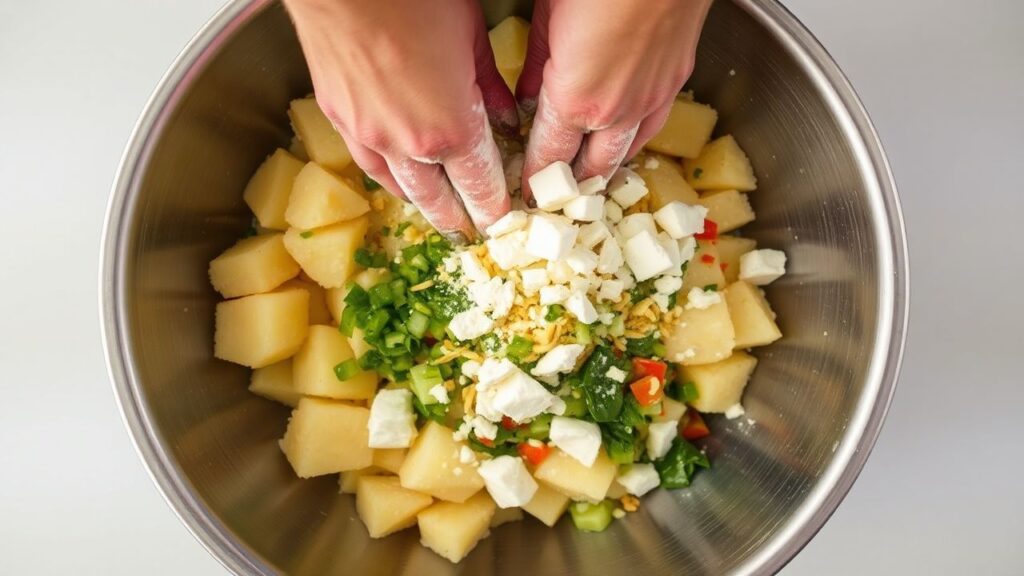
Once the potatoes are dry, combine them in a bowl with the crumbled paneer, finely minced vegetables, garam masala, salt, and optional nuts. Begin by gently mixing these ingredients with your fingertips. Gradually add the cornflour or all-purpose flour, a tablespoon at a time, mixing until a cohesive dough forms. The dough should be firm enough to shape into balls without being sticky. If it feels too wet, add a little more flour; if it’s too dry and crumbly, a tiny splash of milk or a bit more paneer can help.
Shaping and Frying the Kofta
Divide the dough into 12-15 equal portions. Roll each portion into a smooth, round ball, ensuring there are no cracks on the surface. These dumplings should be roughly the size of a walnut or a small golf ball.
Heat the oil in a deep, heavy-bottomed pan or kadai over medium heat. To test if the oil is ready, drop a tiny piece of dough into the oil. It should sizzle gently and rise to the surface. If it browns too quickly, the oil is too hot; if it sinks and doesn’t bubble, it’s too cool. Carefully slide a few kofta into the hot oil, ensuring not to overcrowd the pan. Overcrowding will lower the oil temperature and result in greasy kofta.
Fry the kofta, turning them gently with a slotted spoon, until they are golden brown and evenly cooked on all sides. This usually takes about 5-7 minutes per batch. As they brown, they will puff up slightly. Once golden, remove them from the oil using a slotted spoon and drain them on absorbent paper towels to remove excess oil. Set them aside.
The Soul of the Sauce: Crafting the Malai Gravy
The gravy is where Malai Kofta truly shines. It’s a rich, complex, and deeply aromatic sauce that should be both subtly sweet and savoury, with a luxurious, creamy finish. Achieving this balance requires patience and a good understanding of Indian spice layering.
Ingredients for the Malai Gravy
- Ghee or Oil: 2-3 tablespoons. Ghee imparts a richer flavour.
- Whole Spices: 1 bay leaf, 2 green cardamoms, 1 black cardamom, 2 cloves, 1-inch cinnamon stick.
- Onions: 2 medium (approx. 200g), finely chopped or pureed.
- Ginger-Garlic Paste: 1 tablespoon.
- Tomatoes: 3 medium (approx. 300g), pureed.
- Cashew Paste: ¼ cup cashews soaked in warm water for 30 minutes, then blended into a smooth paste with a little water.
- Turmeric Powder: ½ teaspoon.
- Red Chilli Powder: 1-2 teaspoons (adjust to your spice preference).
- Coriander Powder: 1 tablespoon.
- Garam Masala: 1 teaspoon.
- Fresh Cream (Malai): ½ cup (about 120ml), preferably from the top of unhompered milk for maximum richness.
- Milk: ½ cup (about 120ml), to adjust consistency.
- Kasoori Methi (Dried Fenugreek Leaves): 1 teaspoon, crushed between your palms.
- Sugar: 1-2 teaspoons, to balance the acidity of the tomatoes.
- Salt: To taste.
- Fresh Coriander Leaves: For garnish, finely chopped.
Building the Flavor Base
Heat the ghee or oil in a heavy-bottomed pan over medium heat. Add the whole spices – bay leaf, green cardamoms, black cardamom, cloves, and cinnamon stick. Let them splutter and release their aroma, which usually takes about 30 seconds. Be careful not to burn them.
Add the finely chopped or pureed onions to the pan. Sauté them until they turn a translucent golden brown. This slow caramelization is crucial for developing the depth of flavour in the gravy. Next, add the ginger-garlic paste and sauté for another minute until the raw smell disappears.
Now, add the tomato puree. Cook this mixture, stirring frequently, until the oil begins to separate from the sides of the pan, indicating that the tomatoes have cooked down and their raw flavour has dissipated. This step is critical for a smooth, non-acidic gravy.
Infusing Spices and Creaminess
Stir in the turmeric powder, red chilli powder, and coriander powder. Cook for about a minute, stirring constantly, until the spices are fragrant. Be cautious not to burn them.
Introduce the cashew paste to the pan and mix well. Cook for another 2-3 minutes, stirring continuously, until the paste is well incorporated and the mixture starts to thicken. This paste provides the signature creaminess and body to the gravy.
Pour in the milk and bring the mixture to a gentle simmer. Cook for 5-7 minutes, stirring occasionally, until the gravy thickens. At this stage, add the garam masala, crushed kasoori methi, sugar, and salt to taste. Stir well.
Finally, stir in the fresh cream. Simmer for another 2 minutes on low heat, but do not boil after adding the cream, as this can cause it to split. The gravy should be smooth, rich, and beautifully coloured. If the gravy is too thick, you can add a little more milk or water to reach your desired consistency. The ideal consistency is one that coats the back of a spoon luxuriously.
The Grand Finale: Assembling and Serving Malai Kofta
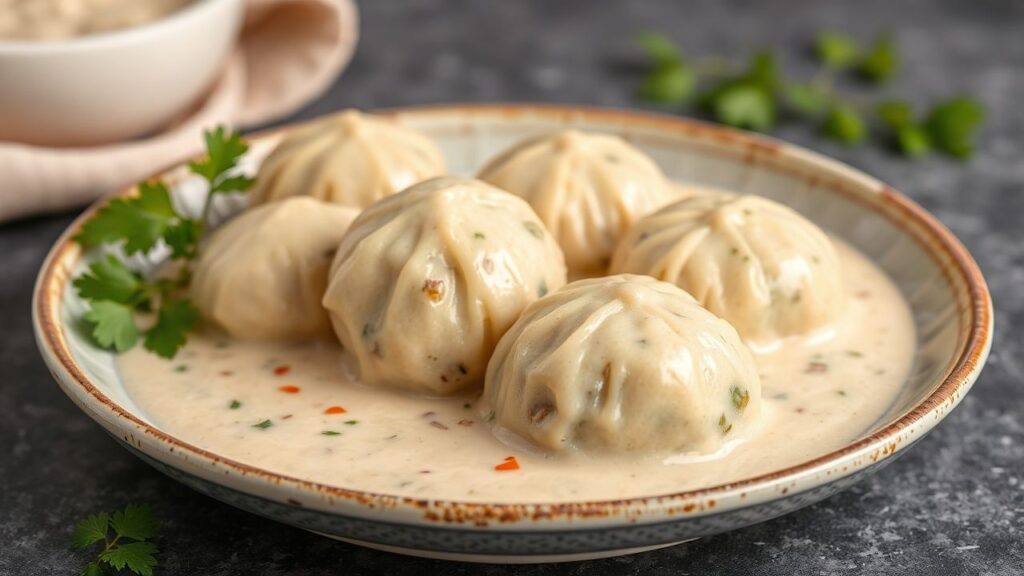
The moment of truth arrives when you combine the delicate kofta with the rich, aromatic gravy. This is where the magic truly happens, as the kofta begin to absorb the glorious flavours of the sauce.
Assembly and Serving Suggestions
To serve, gently place the fried kofta into the prepared gravy. It is traditional to do this just before serving to prevent the kofta from becoming too soft and breaking apart. Some chefs prefer to spoon the gravy over the kofta rather than immersing them completely, preserving their delicate structure.
Garnish generously with freshly chopped coriander leaves and a swirl of additional fresh cream, if desired. Malai Kofta is best enjoyed hot, served alongside steamed basmati rice, jeera rice, or Indian breads like naan, roti, or paratha. The contrast between the fluffy rice or soft bread and the rich, creamy kofta is simply sublime.
A perfectly executed Malai Kofta can transport you to the bustling streets of Delhi or the elegant dining rooms of a royal Indian household. The interplay of textures – the slight crispness of the kofta’s exterior yielding to a soft, flavourful interior, all embraced by the silken gravy – is proof of the sophistication of Indian cuisine. Consider the case of a renowned Indian restaurant in London, which attributed a significant portion of its vegetarian sales, nearly 35% according to their annual report, to their exceptionally well-made Malai Kofta, proof of its enduring appeal and the satisfaction it brings to diners.
Nutritional Information (Approximate per Serving, excluding rice/bread)
While Malai Kofta is undeniably rich, understanding its nutritional profile can help in mindful indulgence.
- Calories: 350-450 kcal
- Protein: 10-15g
- Fat: 25-35g (predominantly from dairy and nuts)
- Carbohydrates: 20-30g
- Fiber: 3-5g
The exact nutritional values will vary based on the specific ingredients used, the amount of ghee/oil, and the quantity of cream. For a lighter version, consider reducing the amount of ghee used in the gravy and opting for low-fat cream or yogurt, though this will alter the authentic flavour profile.
Elevating Malai Kofta: Expert Tips for Restaurant-Quality Results
Achieving that elusive restaurant-quality Malai Kofta is within reach with a few expert touches. These subtle refinements can elevate your home-cooked dish from good to extraordinary.
Expert Pro-Tips
- The Secret to Silky Gravy: For an exceptionally smooth gravy, strain the sautéed onion-tomato mixture through a fine-mesh sieve *before* adding the spices and cashew paste. This removes any fibrous bits and ensures a velvety texture.
- Paneer Quality Matters: Use good quality, fresh paneer. If your paneer is dry or crumbly, it might not bind well. You can make your own paneer by curdling milk with lemon juice or vinegar for the freshest results.
- Don’t Rush the Sautéing: The slow caramelization of onions and the thorough cooking of tomatoes are non-negotiable steps for a deep, complex flavour. Patience here pays dividends.
- A Touch of Sweetness: A little sugar is essential to balance the tanginess of the tomatoes and enhance the overall flavour profile. Start with a teaspoon and adjust to your preference.
- The Kasoori Methi Nuance: Crushing the dried fenugreek leaves between your palms before adding them releases their full aroma. This herb adds a distinctive, slightly bitter undertone that complements the richness of the gravy beautifully.
- The Art of Resting: After frying, letting the kofta rest for a few minutes on paper towels helps them firm up slightly, making them less likely to disintegrate when added to the gravy.
- Spice Balance is Key: Taste and adjust the salt and spice levels at each stage. The flavours will meld and deepen as the dish simmers.
Frequently Asked Questions about Malai Kofta
What is the best way to prevent Malai Kofta from breaking while frying?
The key to preventing kofta from breaking lies in a few critical factors. Firstly, ensure your mashed potatoes are as dry as possible. Any excess moisture will compromise the binding. Secondly, use sufficient binding agent (cornflour or all-purpose flour). The dough should be firm but not stiff. Thirdly, shape the kofta into smooth, crack-free balls. Finally, fry them in moderately hot oil, not excessively hot, and avoid overcrowding the pan. Gentle turning is also important.
Can I make Malai Kofta ahead of time?
It is generally best to make the gravy ahead of time, as its flavours meld beautifully with resting. However, the kofta themselves are best fried just before serving for optimal texture. If you must prepare them in advance, fry them and store them at room temperature, then gently reheat them in a warm oven before adding them to the warm gravy. This helps to re-crisp them slightly. Adding them to a boiling gravy will make them too soft.
What are some common variations of Malai Kofta?
While the potato and paneer kofta in a tomato-cream gravy is the most popular, there are several variations. Some recipes use a mix of other vegetables like grated lauki (bottle gourd) or finely chopped spinach in the kofta. Other variations might include a nut-based gravy, or a gravy that incorporates a hint of yogurt for a slightly tangy counterpoint to the sweetness. Some regions might also have different spice profiles, incorporating a touch of saffron or rose water for a distinct aroma.
Is it possible to make Malai Kofta vegan?
Yes, it is possible to adapt Malai Kofta to be vegan, though it will differ in flavour and texture from the traditional version. For the kofta, you would omit the paneer and potentially increase the amount of mashed potato or add a binder like chickpea flour. For the gravy, replace ghee with oil, use cashew cream for richness, and omit dairy cream. Plant-based milks like almond or oat milk can be used. The resulting dish will be delicious, but the characteristic richness and flavour profile derived from dairy will be absent.
See also: Malai Kofta