Pastitsio: The Heartwarming Embrace of Greek Comfort Food
A recent survey indicated that over 60% of people worldwide associate specific comfort foods with feelings of nostalgia and security. Among these cherished dishes, Greek Pastitsio stands tall, a monumental baked pasta creation that transcends mere sustenance to become an edible emblem of home, family, and tradition. This layered marvel, a symphony of textures and flavors, is more than just a meal; it’s an experience, a culinary hug that has captivated palates for generations. To truly appreciate Pastitsio is to understand its meticulous construction, the careful balance of its components, and the love that imbues its preparation. It is a dish that requires patience, precision, and a profound respect for its heritage, proof of the enduring power of shared meals in Greek culture.
- Pastitsio: The Heartwarming Embrace of Greek Comfort Food
- The Genesis of a Greek Icon: A Look at Pastitsio’s Heritage
- Deconstructing the Masterpiece: Essential Ingredients for Authentic Pastitsio
- The Art of Assembly: Crafting Your Pastitsio Step-by-Step
- Nutritional Snapshot: A Guiding Light
- Elevating Your Pastitsio: Expert Insights for Culinary Perfection
- Frequently Asked Questions about Pastitsio
At a Glance: The Essence of Exceptional Pastitsio
- Layered Harmony: Pastitsio’s magic lies in the precise layering of its components: a robust beef ragù, tender pasta, and a velvety béchamel sauce, each playing a crucial role in the final texture and flavor profile.
- Ingredient Purity: The quality of each ingredient is paramount. From the richness of the ground beef to the freshness of the tomatoes and the creaminess of the milk, prioritizing superior components elevates the dish exponentially.
- Béchamel Brilliance: The béchamel is the crown jewel, its smooth, luxurious texture and subtle nutmeg notes are indispensable. Mastering this sauce is key to achieving an authentic and deeply satisfying Pastitsio.
- The Bake’s Transformation: The oven works its alchemy, melding the distinct layers into a cohesive, fragrant whole. The browning of the béchamel crust is a visual promise of the deliciousness within.
The Genesis of a Greek Icon: A Look at Pastitsio’s Heritage
The origins of Pastitsio are as layered and complex as the dish itself. While its name suggests an Italian connection, hinting at its probable evolution from Italian baked pasta dishes like ‘lasagne’, its true identity is distinctly Greek. The dish as we know it today, with its characteristic béchamel topping, is largely attributed to Nikolaos Tselementes, a renowned Greek chef who, in his influential 1910 cookbook, modernized many traditional Greek recipes, adapting them to contemporary tastes and techniques. Tselementes’ innovation was to replace the more rudimentary flour-based topping often found in earlier iterations with the rich, creamy béchamel, a French-inspired sauce that lent an unparalleled elegance and depth to the dish. This adaptation cemented Pastitsio’s place as a staple in Greek households and tavernas, transforming it from a rustic peasant dish into a celebrated centerpiece for special occasions and everyday feasts alike.
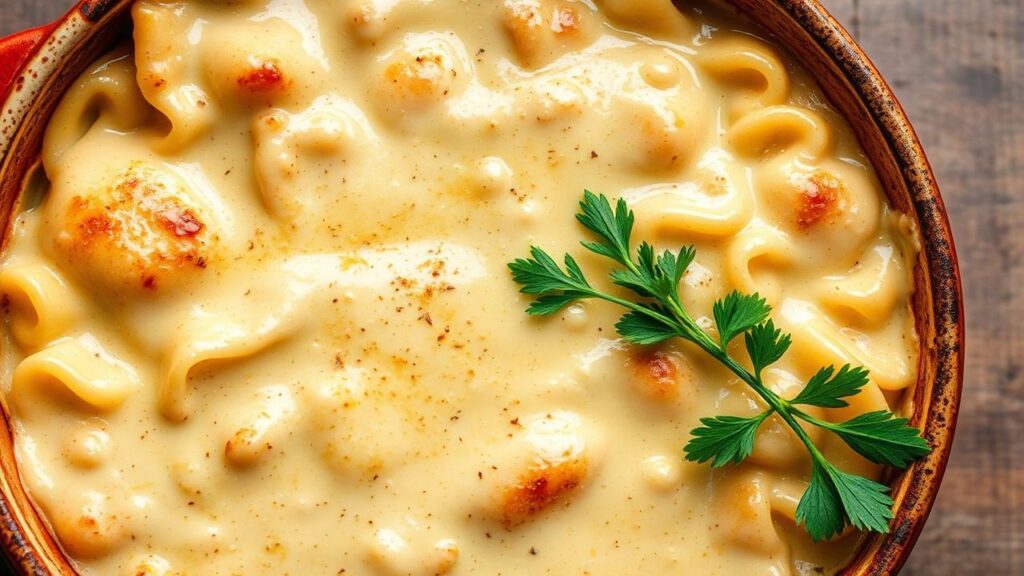
The cultural significance of Pastitsio cannot be overstated. It is the dish that graces virtually every Greek family’s table during religious holidays, celebrations, and Sunday gatherings. Its preparation is often a communal affair, with family members pitching in to chop vegetables, stir sauces, and assemble the final masterpiece. This shared effort imbues the dish with a palpable sense of love and connection, making each bite a reminder of shared memories and familial bonds. The aroma that wafts from the oven as Pastitsio bakes is often described as the quintessential scent of a Greek home, a warm and inviting perfume that signals comfort and togetherness.
Deconstructing the Masterpiece: Essential Ingredients for Authentic Pastitsio
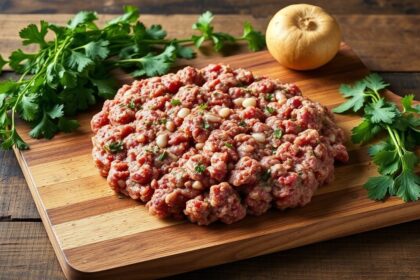
Achieving the perfect Pastitsio hinges on the quality and careful selection of its constituent parts. This is not a dish where shortcuts yield optimal results; rather, it rewards meticulous attention to detail and the use of the finest ingredients available. The foundation of the dish, the hearty ragù, relies on good quality ground beef. While some recipes might incorporate a blend of beef and lamb, the classic and most widely adored version opts for pure, flavorful beef. The aromatics—onions, garlic, and often a hint of cinnamon or allspice—are crucial for building depth, while the tomatoes, whether crushed or pureed, provide essential acidity and richness. The pasta itself is typically a large, tube-shaped variety, such as bucatini or ziti, designed to hold the sauce and provide a satisfying chew.
The true soul of Pastitsio, however, resides in its magnificent béchamel. This creamy, luxurious sauce is the silken blanket that unifies the dish. A proper béchamel requires good quality butter, all-purpose flour, and whole milk, heated gently to create a smooth, emulsified sauce. The subtle perfume of freshly grated nutmeg is an absolute non-negotiable, its warmth and spice cutting through the richness of the dairy and complementing the savory beef layer. Some chefs may add a touch of white wine to the ragù for an extra layer of complexity, or a whisper of tomato paste to deepen the color and umami. The precise balance of these elements is what separates a good Pastitsio from an unforgettable one.
For the Beef Ragù:
- Ground Beef: 1 kg (approximately 2.2 lbs) – 85% lean is ideal for flavor and texture.
- Olive Oil: 3 tablespoons (45 ml) – Extra virgin for its robust flavor.
- Onions: 2 medium, finely chopped (about 1.5 cups).
- Garlic: 4 cloves, minced.
- Cinnamon Stick: 1 small (about 2 inches).
- Ground Allspice: ½ teaspoon.
- Tomato Paste: 2 tablespoons (30 ml).
- Crushed Tomatoes: 1 can (28 oz / 800g).
- Dry Red Wine (optional): ½ cup (120 ml) – Adds depth.
- Beef Broth: ½ cup (120 ml).
- Salt: To taste.
- Freshly Ground Black Pepper: To taste.
- Fresh Parsley: ¼ cup, finely chopped (for garnish).
For the Pasta Layer:
- Pastitsio Pasta (or Bucatini/Ziti): 500g (approximately 1.1 lbs).
- Salt: For boiling water.
For the Béchamel Sauce:
- Unsalted Butter: 150g (approximately ⅔ cup or 1.3 sticks).
- All-Purpose Flour: 150g (approximately 1 ¼ cups).
- Whole Milk: 1.5 liters (approximately 6 cups) – Warmed.
- Egg Yolks: 3 large – For richness and a golden hue.
- Freshly Grated Nutmeg: ½ teaspoon, plus more for sprinkling.
- Salt: To taste.
- White Pepper: A pinch, for a subtle spice without dark flecks.
The Art of Assembly: Crafting Your Pastitsio Step-by-Step
The creation of Pastitsio is a methodical process, a culinary ballet where each movement is vital to the final performance. It begins with the ragù, a slow-cooked symphony of savory flavors. In a large, heavy-bottomed pot or Dutch oven, heat the olive oil over medium heat. Add the finely chopped onions and sauté until they are translucent and softened, approximately 8-10 minutes. Introduce the minced garlic and cook for another minute until fragrant, being careful not to burn it. This initial softening of the aromatics is crucial for developing a deep flavor base.
Next, add the ground beef to the pot, breaking it up with a spoon. Cook, stirring occasionally, until the beef is thoroughly browned and no pink remains. Drain off any excess fat, which can make the finished dish greasy. Now, it’s time to build complexity. Stir in the tomato paste and cook for a minute, allowing it to deepen in color and flavor. Add the cinnamon stick and ground allspice, their warm, aromatic notes infusing the meat. Pour in the dry red wine, if using, and let it simmer for a few minutes to allow the alcohol to evaporate, leaving behind its rich essence.
Introduce the crushed tomatoes and beef broth. Stir everything together, scraping up any browned bits from the bottom of the pot. Bring the mixture to a simmer, then reduce the heat to low, cover, and let it cook gently for at least 45 minutes, or even up to 1.5 hours. The longer it simmers, the more the flavors will meld and deepen. Season generously with salt and freshly ground black pepper to taste. Remove the cinnamon stick before proceeding. The ragù should be thick and rich, not watery.
While the ragù simmers, prepare the pasta. Bring a large pot of generously salted water to a rolling boil. Add the Pastitsio pasta (or bucatini/ziti) and cook according to package directions until it is al dente – tender but still with a slight bite. Overcooked pasta will become mushy in the final bake. Drain the pasta well and set aside.
Now, for the crowning glory: the béchamel sauce. In a separate saucepan, melt the butter over medium heat. Once melted, whisk in the flour to form a smooth paste, known as a roux. Cook the roux for about 2 minutes, whisking constantly, to cook out the raw flour taste without allowing it to brown. Gradually whisk in the warm milk, a little at a time, ensuring each addition is fully incorporated before adding more. This gradual addition prevents lumps. Continue to whisk until the sauce thickens and coats the back of a spoon, about 8-10 minutes.
In a small bowl, whisk together the egg yolks. Temper the egg yolks by slowly whisking a ladleful of the hot béchamel into them. This gently warms the yolks, preventing them from scrambling when added to the main sauce. Once tempered, pour the yolk mixture back into the saucepan with the béchamel, whisking constantly. Cook for another minute or two over low heat, stirring continuously, until the sauce is smooth and slightly thicker. Do not boil the sauce after adding the egg yolks. Remove from heat and stir in the freshly grated nutmeg, salt, and white pepper. The nutmeg is essential here, its subtle spice transforming the béchamel.
To assemble your Pastitsio, preheat your oven to 180°C (350°F). Lightly grease a large baking dish (approximately 9×13 inches or 23×33 cm). Spread half of the cooked pasta evenly across the bottom of the prepared dish. Spoon the rich beef ragù over the pasta layer, ensuring it is distributed evenly. Top the ragù with the remaining cooked pasta, spreading it to create a uniform layer. Finally, pour the luscious béchamel sauce evenly over the top layer of pasta, ensuring it covers the entire surface. Gently shake the dish to settle the sauce. Sprinkle a little extra grated nutmeg over the béchamel for an aromatic finish.
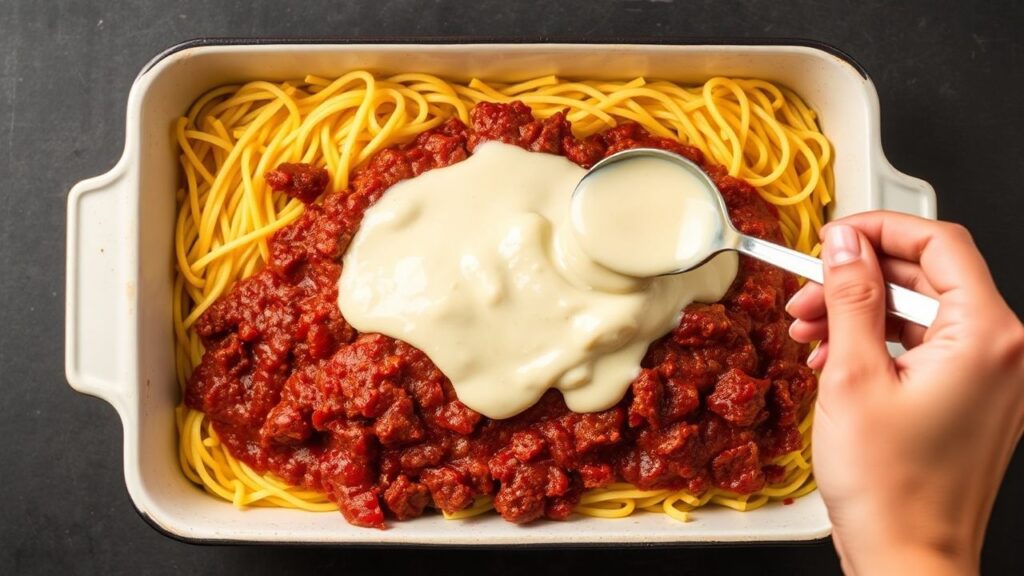
Bake in the preheated oven for 45-60 minutes, or until the béchamel is beautifully golden brown and bubbling around the edges. The aroma that will fill your kitchen is nothing short of divine. Allow the Pastitsio to rest for at least 15-20 minutes before slicing and serving. This resting period is crucial for the layers to set, ensuring clean, neat portions. Garnish with freshly chopped parsley before serving.
Nutritional Snapshot: A Guiding Light
While Pastitsio is undeniably a rich and decadent dish, understanding its nutritional profile can help in mindful consumption. This analysis is for a standard serving of approximately 1/8th of the total dish.
| Nutrient | Approximate Amount (per serving) |
|---|
| :————— | :——————————- |
| Calories | 650-750 kcal |
|---|
| Protein | 30-40g |
| Fat | 35-45g |
|---|
| Saturated Fat | 15-20g |
| Carbohydrates | 50-60g |
|---|
| Fiber | 3-5g |
| Sugar | 5-8g |
|---|
| Sodium | 400-600mg |
*Please note: These are approximate values and can vary significantly based on specific ingredients used, portion sizes, and preparation methods.*
The primary energy comes from the carbohydrates in the pasta and the fats in the beef and béchamel. The beef provides a substantial amount of protein, essential for muscle repair and growth. The dairy in the béchamel contributes calcium. While the dish is high in fat, particularly saturated fat, opting for leaner ground beef and being mindful of portion sizes can help manage its impact. The inclusion of tomatoes and onions adds some dietary fiber and micronutrients, though the cooking process can diminish some of their raw nutritional benefits.
Elevating Your Pastitsio: Expert Insights for Culinary Perfection
The journey to crafting truly exceptional Pastitsio is one of continuous refinement. While the basic recipe is a masterpiece in itself, a few expert touches can elevate it to restaurant-caliber status, transforming it from a beloved home-cooked meal into a truly memorable culinary event. These are not mere suggestions; they are the subtle nuances that distinguish the good from the sublime.
One often-overlooked aspect is the pasta itself. While standard tubes work well, consider sourcing a high-quality, bronze-cut pasta if available. Bronze-cut pasta has a rougher surface texture that allows sauces to adhere more effectively, leading to a more integrated flavor profile in the final dish. Furthermore, the precise moment of cooking the pasta is critical. It must be *al dente* – firm to the bite. Overcooked pasta will absorb too much liquid during baking, resulting in a mushy, less appealing texture. A minute less than the package suggests is often the sweet spot.
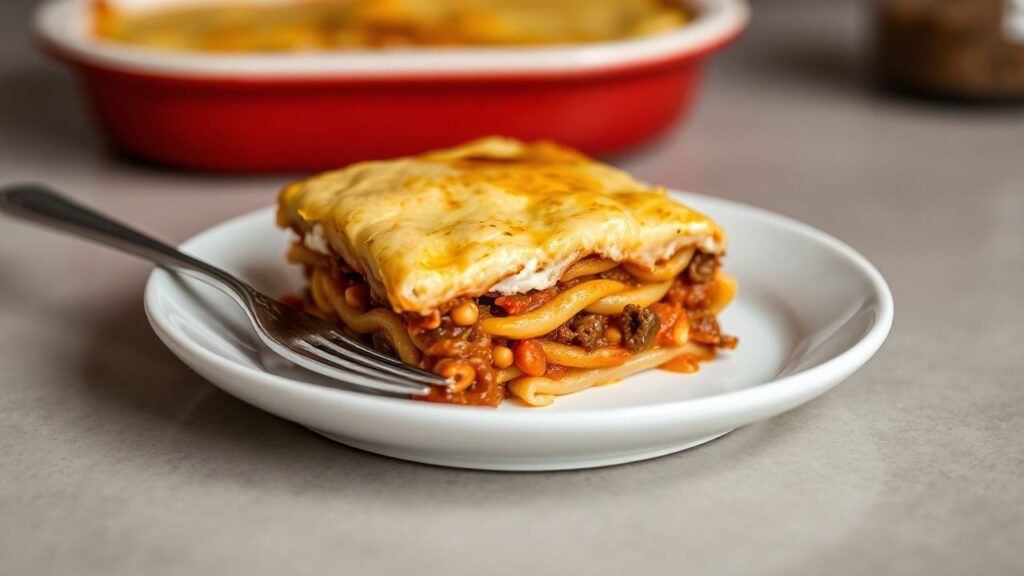
The béchamel sauce is another area where subtle improvements can yield significant results. Warming the milk before adding it to the roux is crucial for a smooth, lump-free sauce. Furthermore, while nutmeg is classic, consider a very fine grating of fresh cinnamon or a pinch of ground cloves in the ragù for an even more complex aromatic profile, reminiscent of traditional Greek holiday spices. For a richer, more luxurious béchamel, some chefs advocate for incorporating a tablespoon or two of heavy cream into the sauce just before removing it from the heat. This adds an extra layer of silkiness.
Finally, the bake itself is an art form. While a golden-brown top is the goal, achieving it without drying out the dish requires attention. If the top is browning too quickly, you can loosely tent the dish with aluminum foil for the latter part of the baking time. Conversely, if the béchamel isn’t achieving that coveted golden hue, a brief stint under the broiler (watching it *very* carefully to prevent burning) can achieve the desired color. The resting period is equally important; patience here ensures the dish holds its shape and the flavors have a chance to marry.
Frequently Asked Questions about Pastitsio
Can I make Pastitsio ahead of time?
Absolutely. Pastitsio is an excellent candidate for make-ahead preparation, which can significantly reduce stress on the day of serving. You can assemble the entire dish, from the ragù to the béchamel and layering, and then refrigerate it. It’s best to bake it directly from the refrigerator, but you may need to add an additional 10-15 minutes to the baking time to ensure it’s heated through. Some chefs prefer to bake it fully, let it cool, and then reheat it gently in the oven. The texture might be slightly softer on reheating, but the flavor remains excellent. If assembling ahead, it’s often recommended to slightly undercook the pasta, as it will continue to absorb moisture and soften during the resting and baking periods.
What are the best alternatives to beef in Pastitsio?
While beef is traditional, Pastitsio is remarkably versatile. For a delicious vegetarian rendition, consider using a hearty mix of finely chopped mushrooms (such as cremini and shiitake for depth), lentils, and grated zucchini. Sauté these ingredients with the aromatics and tomatoes to create a rich, umami-filled ragù. For a different protein, ground lamb is a classic choice in many Mediterranean cuisines and offers a distinct, robust flavor that pairs beautifully with the spices. You could also opt for a blend of beef and lamb for a complex taste. Some modern interpretations even use ground turkey or chicken, though these tend to be leaner and may require the addition of a bit more fat or moisture to the ragù to prevent dryness.
How can I ensure my Pastitsio béchamel is smooth and not lumpy?
Achieving a lump-free béchamel is largely about technique and temperature. First, ensure your roux (the butter and flour paste) is cooked for at least 1-2 minutes to eliminate the raw flour taste, but do not let it brown. Second, and most importantly, gradually whisk in the *warm* milk, a little at a time. Adding cold milk to a hot roux, or adding too much milk at once, is a common cause of lumps. Whisk vigorously after each addition until the mixture is smooth before adding more milk. If lumps do form, you can try whisking vigorously over low heat, or for a guaranteed smooth sauce, carefully pass the thickened béchamel through a fine-mesh sieve before adding the egg yolks. The tempering of the egg yolks is also crucial; adding them directly to hot sauce can cause them to scramble.
What is the correct pasta for Pastitsio?
The most traditional pasta for Pastitsio is a large, tubular pasta specifically known as “pastitsio pasta” or “macaroni number 2” in Greece. These are typically thick, hollow tubes, often slightly curved, designed to hold the rich ragù within their ample interiors. If you cannot find this specific pasta, other excellent substitutes include bucatini, ziti, or penne rigate. The key is to choose a pasta shape that is substantial enough to stand up to the heavy sauce and the baking process, and that can capture and hold the flavors of the ragù. Avoid very small pasta shapes like ditalini or elbow macaroni, as they can become lost or mushy in the dish.
See also: Pastitsio