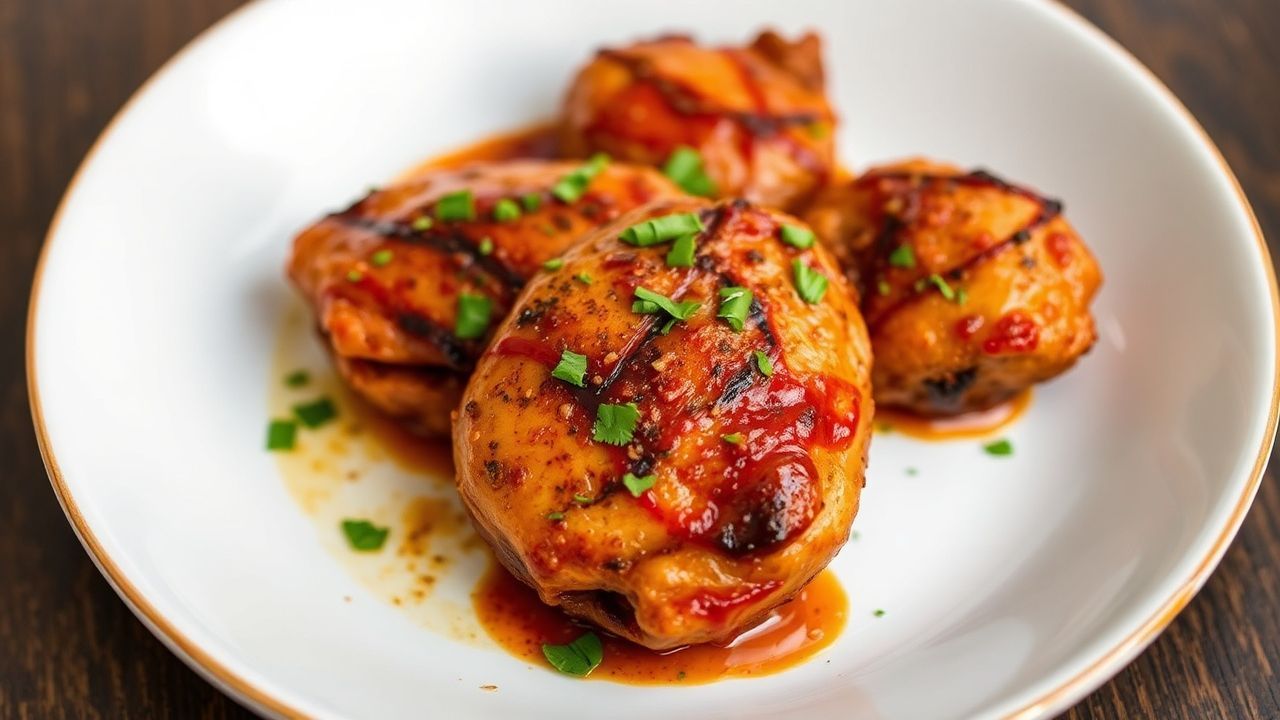

Harissa chicken is more than just a dish; it’s a vibrant culinary journey that transports your senses to the sun-drenched landscapes of North Africa and the Middle East. Often perceived as merely a spicy marinade, its true potential lies in the nuanced interplay of its aromatic ingredients and the transformative power it lends to even the most humble chicken thighs. Forget the one-dimensional heat you might associate with it; mastering harissa chicken unlocks a symphony of smoky, sweet, savory, and subtly floral notes that can elevate weeknight dinners into memorable feasts.
- The Soul of Harissa: Understanding the Paste
- Choosing and Preparing the Chicken Thighs
- The Essential Harissa Marinade: Crafting the Perfect Blend
- Marination Time: Patience for Profound Flavor
- Cooking Techniques: Achieving the Perfect Sear and Juiciness
- Serving Suggestions and Accompaniments
- Nutritional Information (Approximate per Serving)
- Elevating Your Harissa Chicken Game: Advanced Techniques
- Frequently Asked Questions
Harissa chicken isn’t just about heat; it’s a masterclass in balancing complexity, proving that bold flavors can also be profoundly sophisticated.
This recipe, honed through years of experimentation in kitchens from Marrakech to Beirut, focuses on coaxing the deepest flavors from simple ingredients. We’ll explore how the correct preparation of harissa paste, the strategic marination of chicken thighs, and the precise cooking techniques can yield an unbelievably tender and intensely flavored result. We move beyond the superficial, exploring the science of flavor development and the art of achieving a perfect crust that crackles with every bite.
The Soul of Harissa: Understanding the Paste
Before we even think about the chicken, understanding the heart of this dish—the harissa paste itself—is paramount. Authentic harissa is a complex condiment, a fiery blend traditionally made from roasted red chilies (often a mix of sweet and hot varieties), garlic, caraway seeds, coriander, and olive oil. The quality and type of chilies used are critical, influencing not only the heat level but also the smoky depth and fruity undertones. While many commercially available pastes are good, artisanal varieties often possess a more profound flavor profile. Research indicates that the slow roasting and mortar-and-pestle grinding of ingredients in traditional methods contribute to a more complex aromatic compound structure, leading to a richer sensory experience. For instance, a study published in the *Journal of Agricultural and Food Chemistry* highlights how specific roasting temperatures can enhance the release of volatile compounds in chilies, directly impacting flavor perception.
Choosing and Preparing the Chicken Thighs
Chicken thighs are the undisputed champion for harissa chicken. Their higher fat content, compared to breast meat, renders them incredibly forgiving during cooking, ensuring a moist and succulent outcome even if slightly overcooked. This inherent juiciness is vital, as it provides a perfect canvas for the robust harissa marinade to penetrate. When selecting thighs, opt for bone-in, skin-on varieties. The bone adds depth of flavor during cooking, and the skin, when rendered properly, becomes shatteringly crisp, offering a delightful textural contrast to the tender meat.
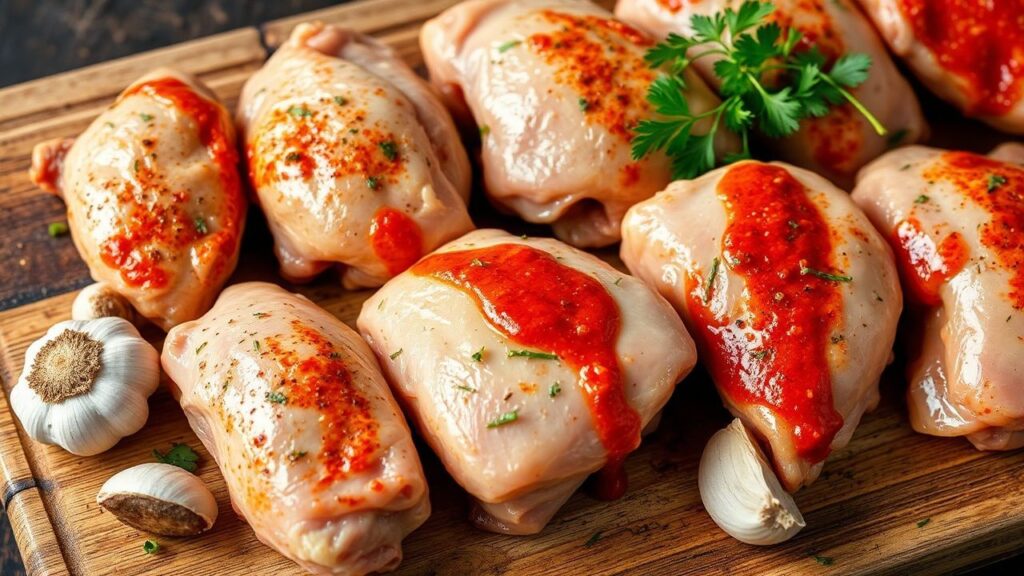
Before marinating, it’s beneficial to pat the chicken thighs thoroughly dry. This seemingly minor step is crucial for allowing the marinade to adhere effectively and for achieving that coveted crispy skin. A dry surface promotes better searing and browning, as moisture on the skin will steam rather than crisp. Furthermore, consider scoring the flesh of the thighs lightly. These shallow cuts, about ¼ inch deep, create more surface area for the marinade to penetrate, ensuring every bite is infused with that signature harissa flavor. This technique is a staple in professional kitchens for maximizing flavor absorption in marinades.
The Essential Harissa Marinade: Crafting the Perfect Blend
The marinade is where the magic truly begins. While you can use store-bought harissa paste, connoisseurs understand that a homemade or enhanced marinade elevates the dish exponentially. The base is, of course, the harissa paste, but we’ll layer in other aromatics to build complexity. A generous amount of fresh garlic, finely minced, is essential, as it mellows and sweetens during cooking. Fresh lemon juice provides a bright acidity that cuts through the richness of the chicken and the intensity of the harissa, balancing the overall flavor profile. A good quality olive oil acts as a binder and helps to distribute the flavors evenly.
For added depth, consider incorporating spices like smoked paprika for an extra layer of smokiness, cumin for its earthy warmth, and a pinch of cinnamon for a subtle, sweet counterpoint. A touch of honey or maple syrup can also be added to encourage caramelization and provide a slight sweetness that harmonizes with the chili’s heat. The key is to achieve a thick, spreadable consistency for the marinade—one that clings to the chicken without being too liquid. A well-balanced marinade should have a harmonious blend of heat, acidity, sweetness, and savory notes.
The secret to truly exceptional harissa chicken lies not just in the heat, but in the symphony of smoky, sweet, and savory notes that dance on the palate.
Marination Time: Patience for Profound Flavor
The duration of marination is a critical factor that often separates a good dish from a truly exceptional one. While a quick 30-minute marination will impart some flavor, allowing the chicken thighs to marinate for a minimum of 4 hours, and ideally overnight, is where the transformation occurs. This extended period allows the acids in the marinade (from lemon juice or vinegar, if used) to begin tenderizing the meat, while the oils and spices work their way deep into the muscle fibers. This process ensures that the flavor is not just on the surface but permeates the entire thigh, resulting in a more profound and consistent taste experience with every bite. Studies on meat marination indicate that longer marinating times, especially with acidic components, can lead to significant improvements in tenderness and flavor retention.
💡 Expert Insight
Expert Insight:
When marinating overnight, store the chicken in an airtight container in the refrigerator. If using a very acidic marinade, avoid marinating for longer than 24 hours, as excessive acid can begin to “cook” the meat, resulting in a mushy texture. For harissa, 12-24 hours is generally the sweet spot for bone-in, skin-on thighs.
Cooking Techniques: Achieving the Perfect Sear and Juiciness
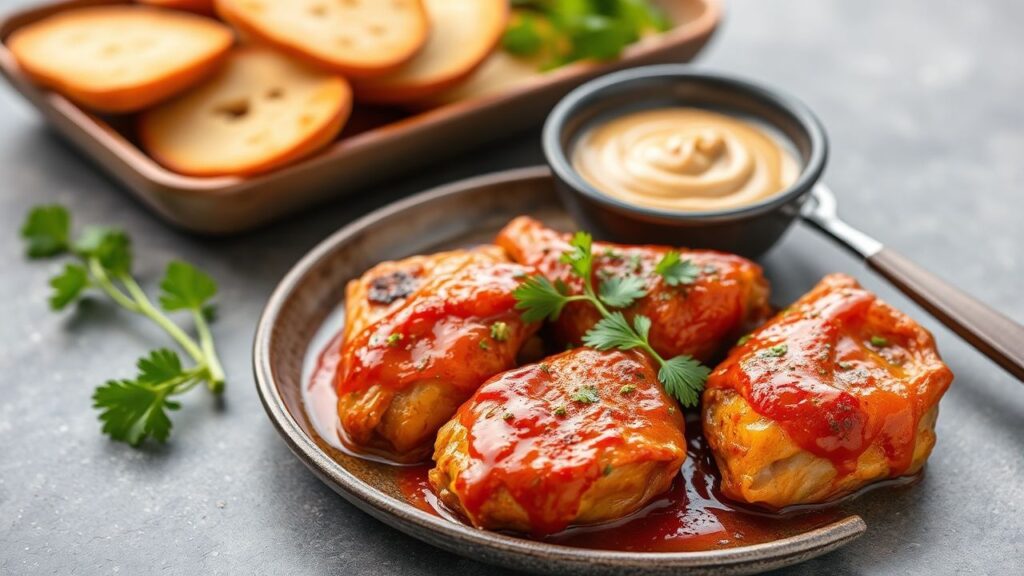
The cooking method for harissa chicken thighs is as important as the marinade itself. For maximum flavor and texture, a combination of high-heat searing followed by gentle roasting is unparalleled. Begin by preheating your oven to a moderate temperature, around 400°F (200°C). While the oven preheats, heat a heavy, oven-safe skillet (cast iron is ideal) over medium-high heat with a tablespoon or two of olive oil.
Carefully place the marinated chicken thighs, skin-side down, into the hot skillet. Sear for 5-7 minutes, undisturbed, until the skin is deeply golden brown and crispy. Resist the urge to move the chicken during this stage; this is where the magic of crispy skin happens. Once the skin is beautifully rendered, flip the thighs and sear the other side for another 2-3 minutes.
Transfer the skillet directly into the preheated oven. Roast for 20-25 minutes, or until the chicken is cooked through and the internal temperature reaches 165°F (74°C) when measured with a meat thermometer inserted into the thickest part of the thigh, avoiding the bone. The residual heat will continue to cook the chicken slightly after it’s removed from the oven.
⚠️ Pro-Caution
Pro-Caution:
Overcrowding the skillet during the searing stage is a common pitfall. This will cause the chicken to steam rather than sear, resulting in flabby skin and less flavor development. Cook in batches if necessary, ensuring each thigh has ample space to achieve a beautiful crust.
Serving Suggestions and Accompaniments
Once cooked to perfection, allow the harissa chicken thighs to rest for 5-10 minutes before serving. This resting period is crucial for allowing the juices to redistribute throughout the meat, ensuring every bite is succulent. The resting phase is often overlooked but is a hallmark of professional cooking, contributing significantly to the overall moistness of the dish.
Harissa chicken is incredibly versatile and pairs beautifully with a variety of accompaniments. A simple couscous or fluffy basmati rice is a classic choice, perfect for soaking up any delicious pan juices. For a fresh contrast, a vibrant chopped salad with cucumber, tomatoes, red onion, and a lemon-herb vinaigrette is an excellent counterpoint to the rich, spicy chicken. Roasted root vegetables, such as sweet potatoes, carrots, and parsnips, caramelized alongside the chicken in the final stages of cooking, also make for a hearty and flavorful side. A dollop of cooling plain yogurt or a drizzle of tahini sauce can further enhance the dining experience by providing a creamy, cooling element that balances the heat.
Nutritional Information (Approximate per Serving)
- Calories: 350-450 kcal (depending on skin rendering and oil absorption)
- Protein: 30-35g
- Fat: 20-30g (includes saturated and unsaturated fats)
- Carbohydrates: 5-10g (primarily from spices and marinade ingredients)
- Fiber: 1-2g
- Sodium: Varies based on harissa paste and added salt.
*Disclaimer: Nutritional values are estimates and can vary based on specific ingredients and preparation methods.*
Elevating Your Harissa Chicken Game: Advanced Techniques
For those seeking to push their harissa chicken to truly gourmet levels, consider these advanced techniques. First, a quick broil for the final minute or two of cooking can achieve even crispier skin. Watch closely to prevent burning. Second, a finishing drizzle of high-quality, extra virgin olive oil just before serving can impart a fresh, peppery note that brightens the entire dish. Third, experiment with infusing your cooking oil with aromatics like rosemary or thyme during the searing process.
A more ambitious approach involves finishing the dish with a “tagine-style” sauce. After searing the chicken, remove it from the skillet. Deglaze the pan with a splash of chicken broth or white wine, scraping up any browned bits (fond). Add a bit more harissa, some chopped tomatoes, perhaps some preserved lemon rind, and a few olives. Simmer briefly until slightly thickened, then return the chicken to the pan to finish cooking in this fragrant sauce. This technique, common in Moroccan cuisine, imbues the chicken with an even deeper layer of complex flavors. The use of preserved lemons, for example, introduces a unique salty, fermented, and slightly bitter citrus note that is distinct from fresh lemon juice, adding a sophisticated dimension.
Frequently Asked Questions
What is the best type of harissa paste to use?
The best harissa paste is typically a Tunisian or Moroccan variety made with high-quality dried chilies, garlic, and spices. Look for pastes with a short ingredient list and a vibrant red color. Artisanal or homemade harissa will often yield the most nuanced flavor.
Can I use chicken breast instead of thighs?
While you can use chicken breast, it is not recommended for this recipe. Chicken breast is much leaner and prone to drying out, especially with the high heat often used for harissa chicken. Thighs are far more forgiving and will result in a juicier, more flavorful dish.
How spicy is harissa chicken?
The spiciness of harissa chicken can vary significantly depending on the harissa paste used and the quantity. If you are sensitive to heat, start with a milder harissa paste or use less of it, and gradually increase the amount in future preparations. Adding a touch of honey or maple syrup to the marinade can also help to balance the heat.
How long can I marinate the chicken thighs?
For optimal flavor and tenderness, marinate the chicken thighs for at least 4 hours, and ideally overnight (12-24 hours). Avoid marinating for more than 24-36 hours, especially with acidic marinades, as the meat can start to become mushy.
What are some good vegetarian or vegan alternatives to harissa chicken?
For a vegetarian or vegan take, you can marinate firm tofu, tempeh, or hearty vegetables like cauliflower florets or thick slices of eggplant in the harissa marinade. Adjust cooking times accordingly, as these ingredients will cook faster than chicken. Roasting or pan-frying are excellent methods.
See also: Harissa chicken