
- Shakshuka: 7 Proven Steps to an Amazing Breakfast Masterpiece
- The Irresistible Appeal of Shakshuka
- Essential Ingredients for an Authentic Shakshuka
- The 7 Steps to Culinary Perfection
- Nutritional Snapshot (Approximate Per Serving)
- Elevating Your Shakshuka: Expert Tips and Tricks
- Creative Shakshuka Variations
- A Glimpse into Shakshuka’s History
- Essential Kitchen Tools for Shakshuka
- Make-Ahead and Storage Tips
- Frequently Asked Questions About Shakshuka
Shakshuka: 7 Proven Steps to an Amazing Breakfast Masterpiece
Shakshuka is more than just a breakfast dish; it’s a vibrant culinary embrace, a comforting melody of spices and textures that awakens the senses. But what if I told you that this seemingly complex dish, often lauded in bustling cafes, is remarkably achievable in your own kitchen, offering a profound sense of accomplishment with every perfectly poached egg?
The allure of Shakshuka lies in its deceptive simplicity. It’s a dish that speaks of shared meals, of slow mornings punctuated by the sizzle of aromatics and the gentle simmer of tomatoes. Originating from North Africa and popular throughout the Middle East, it has transcended borders to become a global brunch favorite. At its heart, Shakshuka is a celebration of humble ingredients – eggs, tomatoes, and spices – transformed into something extraordinary. It’s proof of how basic elements, when treated with respect and a touch of culinary intuition, can yield profound flavor. This article will guide you through the essential steps to create an authentic, delicious, and truly easy Shakshuka, ensuring you can replicate its magic time and time again.
Shakshuka is a culinary poem, where simple ingredients sing a complex song of flavor and comfort.
The Irresistible Appeal of Shakshuka
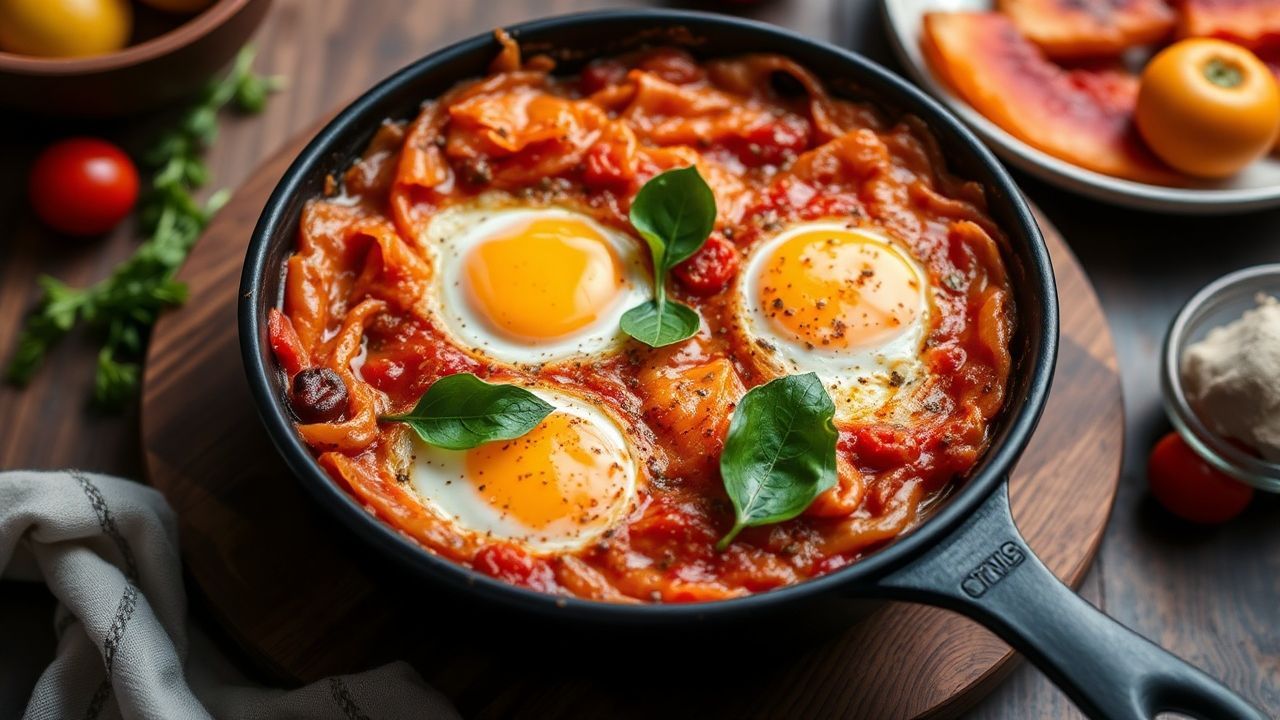
Why has Shakshuka captured the hearts (and stomachs) of so many? Its appeal is multi-faceted, touching upon sensory pleasure, nutritional value, and cultural resonance. The visual presentation alone is striking: a rich, crimson pool of spiced tomato sauce studded with bright white and sunshine-yellow eggs, often adorned with verdant herbs. This vibrant tableau is not just pleasing to the eye; it’s an invitation to a deeply satisfying gastronomic experience.
Beyond aesthetics, Shakshuka offers a robust nutritional profile. Tomatoes, the foundation of the sauce, are rich in lycopene, an antioxidant linked to various health benefits. Eggs provide high-quality protein, essential for satiety and muscle repair. Depending on the additions, vegetables like bell peppers and onions contribute fiber, vitamins, and minerals. According to the Harvard T.H. Chan School of Public Health, a diet rich in fruits and vegetables, such as those found in Shakshuka, is associated with a reduced risk of chronic diseases. This makes it an excellent choice for a balanced and energizing start to the day.
Furthermore, Shakshuka embodies a spirit of communal dining. It’s traditionally served directly from the pan, encouraging guests to dip pieces of crusty bread into the savory sauce and scoop up the runny egg yolks. This interactive element fosters connection and a sense of shared enjoyment, transforming a simple meal into a memorable occasion. Its adaptability also contributes to its popularity; while the core recipe remains consistent, variations abound, allowing for personal touches and catering to diverse palates.
Essential Ingredients for an Authentic Shakshuka
The beauty of Shakshuka lies in its reliance on readily available, pantry-staple ingredients. While variations exist, the following form the bedrock of a classic and profoundly satisfying dish. Precision in ingredient selection and measurement is key to achieving the perfect balance of flavors.
For the Tomato Base:
- Olive Oil: 2 tablespoons (30 ml) – Extra virgin olive oil is preferred for its robust flavor.
- Onion: 1 medium (about 150g), finely chopped. Yellow or red onions work well, contributing sweetness and depth.
- Garlic: 2-3 cloves, minced. Fresh garlic is paramount for its aromatic punch.
- Bell Peppers: 1 medium (about 100g), any color (red, green, or yellow), deseeded and finely chopped. Red peppers add a touch of sweetness, while green ones offer a slightly sharper note.
- Tomatoes: 1 can (28 ounces / 800g) crushed tomatoes or diced tomatoes. High-quality San Marzano tomatoes are ideal for their superior flavor and texture. If using fresh, you’ll need about 4-5 large, ripe tomatoes, peeled and roughly chopped.
Spices:
- Cumin: 1 teaspoon (5g), ground. Essential for its earthy warmth.
- Paprika: 1 teaspoon (5g), sweet or smoked. Smoked paprika adds a delightful depth.
- Cayenne Pepper: ¼ teaspoon (1g) or to taste. For a gentle warmth. Adjust according to your spice preference.
- Salt: ½ teaspoon (3g), or to taste.
- Black Pepper: ¼ teaspoon (1g), freshly ground.
For the Eggs and Garnish:
- Eggs: 4-6 large (about 50-60g each). The number depends on the size of your pan and how many servings you desire.
- Fresh Cilantro or Parsley: ¼ cup (15g), chopped, for garnish.
- Optional Additions: Crumbled feta cheese, a dollop of Greek yogurt or labneh, a sprinkle of chili flakes.
The quality of your tomatoes and spices will significantly influence the final outcome. Opt for the best you can find. The aroma of the spices blooming in the hot olive oil is the first step in unlocking the dish’s magic.
The 7 Steps to Culinary Perfection
The creation of Shakshuka is a dance of flavors and textures, a process best undertaken with patience and attention to detail. Follow these steps to achieve a dish that is both visually stunning and exceptionally delicious.
Step 1: Sautéing the Aromatics
Begin by heating the olive oil in a large, oven-safe skillet or a heavy-bottomed pan over medium heat. Once shimmering, add the finely chopped onion. Sauté the onion for about 5-7 minutes, stirring occasionally, until it becomes translucent and softened. Avoid browning it, as this can impart a bitter flavor. Next, introduce the minced garlic and chopped bell peppers. Continue to cook for another 5-7 minutes, stirring frequently, until the peppers have softened and the garlic is fragrant. This slow sautéing process is crucial for developing the base flavor of the dish.

A close-up shot of onions and red bell peppers being sautéed in a rustic cast-iron skillet with olive oil. The vegetables are glistening and slightly softened, with visible steam rising.
Step 2: Blooming the Spices
Now, it’s time to introduce the star spices. Add the cumin, paprika, and cayenne pepper to the pan. Stir them into the sautéed vegetables and cook for about 1 minute, until their aromas become intensely fragrant. This process, known as “blooming,” awakens the complex flavors of the spices. Be careful not to burn them.
Step 3: Building the Tomato Base
Immediately pour in the crushed or diced tomatoes. Add the salt and black pepper. Stir everything together, scraping any bits from the bottom of the pan. Bring the mixture to a gentle simmer.
Step 4: Simmering for Depth
Reduce the heat to low, cover the skillet, and let the tomato sauce simmer for at least 15-20 minutes. This simmering period is critical for allowing the flavors to meld and deepen, and for the sauce to thicken to a desirable consistency. The tomatoes will break down further, creating a rich, luscious base. Stir the sauce occasionally to prevent it from sticking to the bottom of the pan. If the sauce becomes too thick, you can add a splash of water or vegetable broth.
💡 Expert Insight
The longer you simmer your tomato sauce, the more profound the flavor will become. For an even richer taste, consider simmering for up to 30 minutes, allowing the tomatoes to break down further and the spices to fully infuse.
Step 5: Creating Wells for the Eggs
Once the sauce has reached your desired consistency and flavor profile, it’s time to prepare for the eggs. Using the back of a spoon, create small wells or indentations in the tomato sauce where you intend to place each egg. Ensure there’s enough space between each well to prevent the eggs from running into each other.
Step 6: Poaching the Eggs
Carefully crack one egg into each well. Try to keep the yolks intact. Once all the eggs are in place, cover the skillet again. You can cook the Shakshuka on the stovetop over low heat, or for a more even cooking of the egg whites while keeping the yolks runny, transfer the oven-safe skillet to a preheated oven at 375°F (190°C).
Step 7: Finishing and Serving
Cook for 5-10 minutes, or until the egg whites are set but the yolks are still wonderfully runny. The exact cooking time will depend on your preference for egg doneness and the heat of your stovetop or oven. Keep a close eye on them to prevent overcooking. The visual cue is key: the whites should be opaque, and the yolks should retain their vibrant, liquid gold hue.
Once the eggs are cooked to your liking, remove the skillet from the heat or oven. Generously sprinkle the chopped fresh cilantro or parsley over the entire dish. If using, add crumbled feta cheese or a dollop of yogurt. Serve the Shakshuka immediately, directly from the skillet, with warm crusty bread, pita, or challah for dipping. The textural contrast between the soft eggs, the rich sauce, and the bread is an essential part of the experience.
Nutritional Snapshot (Approximate Per Serving)
Nutritional Information (per serving, approximate, based on 4 servings):
- Calories: 250-300 kcal
- Protein: 12-15g
- Fat: 15-20g
- Carbohydrates: 15-20g
- Fiber: 4-6g
Note: Nutritional values can vary significantly based on specific ingredients used and portion sizes.
Elevating Your Shakshuka: Expert Tips and Tricks
While the basic recipe for Shakshuka is inherently delicious, a few expert touches can elevate it from a simple breakfast to a truly memorable culinary experience. These refinements are not about complexity, but about honing flavor and presentation.
⚠️ Pro-Caution
When working with hot skillets, especially those going into the oven, always use oven mitts and exercise extreme caution to prevent burns. Ensure your skillet is indeed oven-safe to avoid any accidents.
Enhancing the Flavor Profile
- Smoky Depth: Use smoked paprika instead of sweet paprika for a subtle smokiness that complements the sweetness of the tomatoes and the richness of the eggs.
- Roasted Peppers: Roast your bell peppers before chopping them. Roasting brings out their natural sweetness and adds a charred complexity. Broil them until skins are blackened, then steam them in a covered bowl before peeling and chopping.
- Enriching the Base: Add a splash of full-bodied red wine or a hint of balsamic vinegar to the simmering sauce. Sautéing a tablespoon of tomato paste with the aromatics before adding canned tomatoes will also intensify the tomato flavor.
- Creamy Texture (Optional): For a creamier sauce, incorporate a touch of heavy cream or coconut milk in the final stages of simmering, though this moves away from traditional preparation.
Perfecting the Eggs and Garnish
- Egg Quality: Always use fresh, high-quality eggs. Crack them gently into the sauce to avoid breaking the yolks.
- Oven Method for Eggs: For fully cooked whites and runny yolks, the oven method is most effective.
- Seasoning Eggs: Lightly season the eggs with a pinch of salt and pepper just before they set.
- Garnishes Galore: Beyond fresh herbs, consider:
- Feta Cheese: Adds a delightful salty tang.
- Toasted Nuts: Pine nuts or slivered almonds provide a welcome crunch.
- Drizzle of Olive Oil: Enhances aroma and flavor.
- Chili Flakes/Fresh Chilies: For a subtle kick.
Creative Shakshuka Variations
While the classic Shakshuka reigns supreme, its adaptable nature has led to a fascinating array of regional and personal interpretations. These variations showcase the dish’s versatility and its ability to absorb diverse culinary influences.
- Shakshuka with Feta: Incorporate feta more liberally into the simmering tomato sauce. The briny, salty cheese melts slightly, infusing the sauce with its characteristic tang and creamy texture.
- Spicy Sausage Shakshuka: Add crumbled and browned spicy sausage, such as merguez, before sautéing the onions. The sausage renders its flavorful fat, forming a robust base for the dish.
- Shakshuka with Spinach or Kale: Wilted greens, added towards the end of simmering, contribute nutrients, earthiness, and a pleasant texture, offering vibrant green hues against the red sauce.
- Shakshuka with Tahini: Drizzle a swirl of tahini, mixed with water and lemon juice, over the finished dish for a nutty, creamy dimension that is both unexpected and delicious.

A close-up of a portion of Shakshuka being scooped up with a piece of crusty bread. The runny yolk of an egg is beginning to mix with the rich tomato sauce.
A Glimpse into Shakshuka’s History
Research by culinary historians suggests that dishes involving eggs poached in sauces have ancient roots, possibly tracing back to Roman or even earlier culinary traditions. The specific iteration we know as Shakshuka likely evolved over centuries in the diverse culinary landscapes of North Africa and the Levant, absorbing influences from Arab, Berber, and Jewish culinary practices. For instance, the use of cumin and paprika is characteristic of many North African and Middle Eastern spice blends. The adaptability of the dish means that it continues to evolve, with cooks around the world adding their own personal touches.
Essential Kitchen Tools for Shakshuka
- Oven-Safe Skillet: An oven-safe, heavy-bottomed skillet, such as cast iron or stainless steel, is ideal. Cast iron distributes heat evenly and retains it well, ensuring consistent cooking. The oven-safe feature allows for the option of finishing the dish in the oven, which is excellent for cooking the eggs perfectly.
Make-Ahead and Storage Tips
- Preparing Ahead: You can prepare the tomato sauce base ahead of time and refrigerate it for up to 2-3 days. When you’re ready to serve, reheat the sauce gently on the stovetop, create the wells, and then cook the eggs fresh. Reheating the entire dish with the eggs already cooked can lead to overcooked eggs.
- Freezing: It is generally not recommended to freeze Shakshuka once the eggs have been cooked, as the texture of the eggs can become rubbery and unappealing. However, the tomato sauce base can be frozen for up to 3 months. Thaw it completely and reheat gently before adding fresh eggs.
Frequently Asked Questions About Shakshuka
How to Make Shakshuka Spicier?
To increase the heat, you can add more cayenne pepper to the sauce, include a pinch of red pepper flakes, or sauté finely chopped fresh chilies (like jalapeños or serranos) along with the onions and bell peppers. You can also serve the Shakshuka with a side of hot sauce.
What Bread is Best for Dipping?
Crusty breads are ideal for dipping. Think of warm pita bread, challah, sourdough, or a rustic baguette. The goal is to have a bread that can hold up to the rich sauce without becoming too soggy, allowing you to scoop up every last bit of flavor.
See also: Shakshuka