
“Mujadara is more than just a dish; it’s proof of the enduring power of simple ingredients to create profound flavor and comfort.” – Chef Yotam Ottolenghi
- The Soul of Mujadara: Understanding Its Core Components
- The Essential Mujadara Recipe: A Step-by-Step Masterclass
- Nutritional Insights: The Wholesome Appeal of Mujadara
- Elevating Your Mujadara: Pro Tips for Culinary Perfection
- The Cultural Significance and Global Appeal of Mujadara
- Frequently Asked Questions about Mujadara
Mujadara, a humble yet profoundly satisfying dish, stands as a cornerstone of Middle Eastern cuisine. Its origins are steeped in history, whispered to have been a favorite of the poor due to its economical ingredients and nourishing properties, yet it has ascended to the tables of royalty and the most discerning palates. This lentil and rice staple, often crowned with deeply caramelized onions, embodies a philosophy of culinary alchemy: transforming basic pantry items into a symphony of textures and tastes. Its enduring popularity across the Levant and beyond is proof of its inherent deliciousness and its adaptability to regional nuances. Mastering an authentic mujadara recipe isn’t just about following steps; it’s about understanding the interplay of ingredients, the magic of slow caramelization, and the subtle art of balancing earthy lentils with fragrant rice and sweet, savory onions.
This guide will equip you with the knowledge and techniques to recreate this beloved classic in your own kitchen, ensuring a dish that is both deeply traditional and exquisitely flavorful.
Authentic Mujadara transcends mere sustenance; it is a culinary hug, a dish that nourishes the soul as much as the body, reminding us of the profound beauty found in simplicity and tradition.
The Soul of Mujadara: Understanding Its Core Components
At its heart, mujadara is defined by three primary elements: lentils, rice, and onions. Each plays a crucial, distinct role, and their preparation is key to the final dish’s success. Understanding these foundational components is the first step towards achieving an authentic and exceptional mujadara.
Lentils: The Earthy Foundation
The type of lentil used significantly impacts the texture and flavor profile of mujadara. While various lentils can be employed, brown or green lentils are traditionally preferred. These varieties hold their shape well during cooking, preventing the dish from becoming overly mushy. They offer a robust, earthy flavor that provides a grounding counterpoint to the sweetness of the onions and the neutral base of the rice. The cooking process for the lentils is critical; they should be tender but not disintegrated, retaining a pleasant al dente bite. Overcooked lentils can render the entire dish pasty and unappealing. It’s often recommended to rinse lentils thoroughly before cooking to remove any debris and to soften their skins, aiding in more even cooking. Some chefs advocate for soaking lentils for a few hours, particularly if they are older, to further reduce cooking time and improve digestibility.
Rice: The Silky Carrier
Long-grain rice, such as Basmati or even a good quality Egyptian rice, is the typical choice for mujadara. The goal is to achieve distinct, fluffy grains that absorb the flavors of the lentils and onions without becoming sticky or clumpy. The ratio of rice to lentils is a matter of regional preference and personal taste. Some recipes favor a more lentil-forward dish, while others lean towards a higher proportion of rice. The rice is usually cooked separately or added to the lentil pot towards the end of the lentil cooking process, ensuring it steams to perfection. Proper rinsing of the rice is essential to remove excess starch, which is the primary culprit behind gummy rice. This simple step ensures that each grain remains separate, contributing to the dish’s appealing texture.
Onions: The Sweet, Crispy Crown
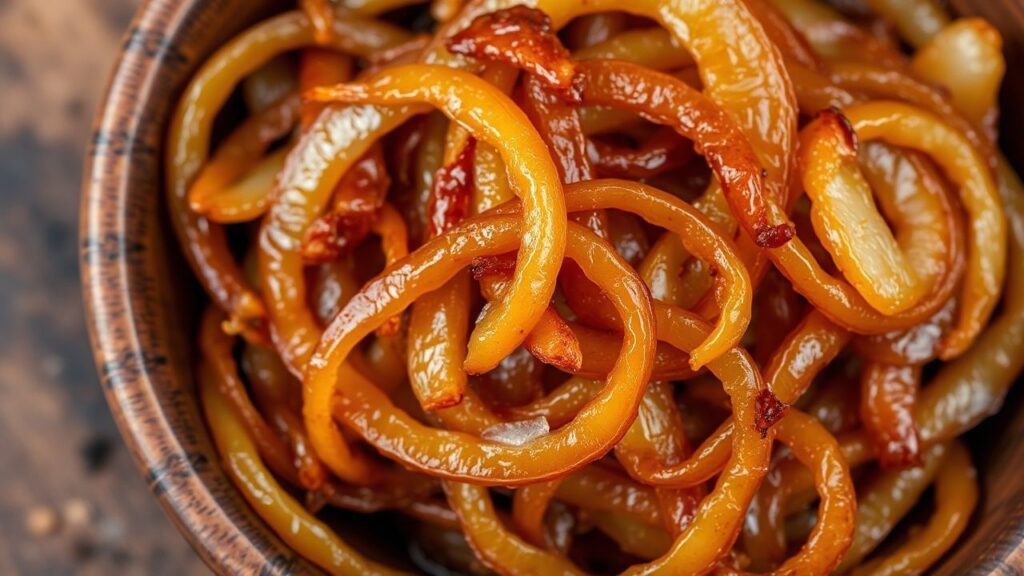
The onions are arguably the star of an exceptional mujadara, transforming from pungent bulbs into sweet, deeply caramelized jewels. This transformation is a slow, patient process, and it’s here that many home cooks falter by rushing. Onions are typically sliced thinly and fried in a generous amount of oil until they reach a rich, golden-brown hue. The key is low and slow heat, allowing the natural sugars in the onions to break down and caramelize gradually. This process can take anywhere from 30 to 60 minutes, depending on the heat and the volume of onions. The resulting onions provide a crucial element of sweetness and a delightful crispy texture that contrasts beautifully with the softer lentils and rice. Some of the caramelized oil from the onions is often reserved and used to flavor the rice, imparting an unparalleled depth of taste.
The Essential Mujadara Recipe: A Step-by-Step Masterclass
This recipe aims to capture the essence of authentic mujadara, balancing traditional techniques with clear, actionable steps for the home cook. It prioritizes flavor development and textural integrity, promising a result that is both comforting and sophisticated.
Yields: 4-6 servings
Prep time: 20 minutes
Cook time: 50-70 minutes
Prep time: 20 minutes
Cook time: 50-70 minutes
Ingredients:
- For the Lentils and Rice:
- 1 cup (200g) brown or green lentils, rinsed thoroughly
- 1 cup (200g) long-grain white rice (Basmati or Egyptian), rinsed until water runs clear
- 4 cups (960ml) water or vegetable broth, plus more if needed
- 1 teaspoon ground cumin
- ½ teaspoon ground coriander
- Salt, to taste
- Freshly ground black pepper, to taste
- 2 tablespoons olive oil (for cooking lentils and rice)
- For the Caramelized Onions:
- 3 large yellow onions (about 600-700g), thinly sliced into half-moons
- ½ cup (120ml) vegetable oil or a neutral cooking oil (more if needed for frying)
- ½ teaspoon salt
- For Serving (Optional but Recommended):
- Plain yogurt or labneh
- Fresh chopped parsley or cilantro
- Toasted pine nuts or slivered almonds
Preparation Method:
1. Prepare the Lentils: In a medium saucepan, combine the rinsed lentils with 3 cups (720ml) of water or vegetable broth. Add 1 tablespoon of olive oil, ½ teaspoon of cumin, ½ teaspoon of coriander, and a generous pinch of salt. Bring to a boil over medium-high heat, then reduce the heat to low, cover, and simmer for about 20-25 minutes, or until the lentils are tender but still hold their shape. Drain any excess water.
2. Cook the Rice: While the lentils are simmering, in a separate saucepan, heat the remaining 1 tablespoon of olive oil over medium heat. Add the rinsed rice and stir for about 1 minute to lightly toast the grains. Pour in 1 cup (240ml) of water or vegetable broth. Add a pinch of salt and the remaining ½ teaspoon of cumin and ½ teaspoon of coriander. Bring to a boil, then immediately reduce the heat to the lowest setting, cover tightly, and simmer for 15-18 minutes, or until all the liquid is absorbed and the rice is fluffy. Let it steam, covered, off the heat for another 5 minutes.
3. Caramelize the Onions: This is where patience is rewarded. In a large, heavy-bottomed skillet or pot, heat the ½ cup of vegetable oil over medium-low heat. Add the thinly sliced onions and ½ teaspoon of salt. Stir to coat the onions evenly with oil. Cook, stirring frequently, for 45-60 minutes. The onions will gradually soften, release their moisture, and begin to turn golden. Continue cooking, stirring more often as they darken, until they are a deep, rich brown and crispy. Be careful not to burn them; if they start to scorch, reduce the heat further or add a tablespoon of water. Once caramelized to your liking, use a slotted spoon to transfer the onions to a plate lined with paper towels to drain excess oil. Reserve about 2 tablespoons of the fragrant onion-infused oil.
“The true magic of mujadara lies in the unhurried caramelization of onions. This slow dance with heat unlocks their inherent sweetness, transforming a humble vegetable into a culinary jewel that defines the dish.”
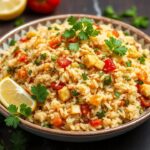
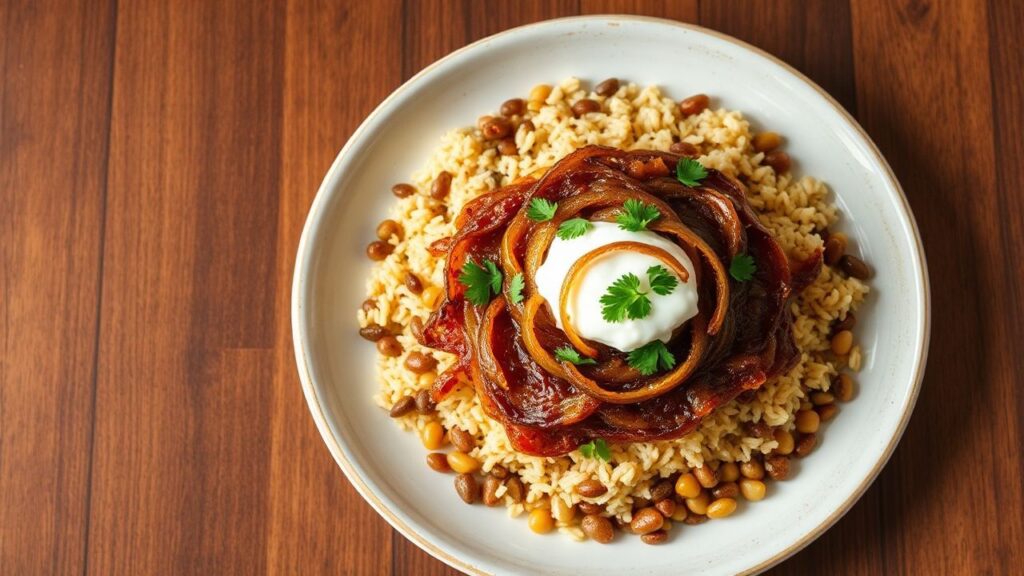
4. Combine and Serve: In a large serving bowl, gently combine the cooked lentils and the cooked rice. Drizzle in the reserved 2 tablespoons of flavorful onion oil and season with additional salt and pepper to taste. Toss gently to distribute the flavors evenly. Spoon the mujadara onto a serving platter. Generously top with the crispy caramelized onions.
5. Garnish and Enjoy: Serve the mujadara warm, accompanied by a dollop of plain yogurt or labneh, a sprinkle of fresh chopped parsley or cilantro, and a scattering of toasted pine nuts or slivered almonds for added texture and visual appeal.
Nutritional Insights: The Wholesome Appeal of Mujadara
Mujadara is not only a culinary delight but also a nutritionally sound dish. Its primary ingredients, lentils and rice, offer a balanced profile of carbohydrates, protein, and fiber, making it a satisfying and sustaining meal.
- Protein Powerhouse: Lentils are an excellent source of plant-based protein, essential for muscle repair and satiety. A serving of mujadara provides a significant portion of your daily protein needs.
- Fiber Rich: Both lentils and whole grains like brown rice are high in dietary fiber. Fiber aids digestion, helps regulate blood sugar levels, and contributes to a feeling of fullness, which can be beneficial for weight management. According to the Harvard T.H. Chan School of Public Health, a diet rich in fiber is associated with a reduced risk of heart disease, type 2 diabetes, and certain cancers.
- Complex Carbohydrates: The rice component provides complex carbohydrates, which are the body’s primary source of energy. Unlike simple sugars, complex carbohydrates are digested more slowly, providing sustained energy release throughout the day.
- Micronutrient Content: Lentils also contribute essential micronutrients, including iron, folate, magnesium, and potassium. These vitamins and minerals play vital roles in numerous bodily functions, from oxygen transport to nerve function.
- Healthy Fats (from Onions): While the dish itself is relatively low in fat, the generous use of oil for caramelizing onions means that a portion of the fat is incorporated. When made with good quality olive oil, this can contribute monounsaturated fats, which are beneficial for heart health. The overall fat content can be adjusted by moderating the amount of oil used for frying the onions.
Estimated Nutritional Information Per Serving (approximate, based on 6 servings):
- Calories: 400-450 kcal
- Protein: 15-18g
- Fat: 12-15g (depending on oil used)
- Carbohydrates: 60-70g
- Fiber: 10-12g
- Sodium: Varies based on added salt
[TIP]Expert Insight: For a healthier rendition, consider using a combination of olive oil and a neutral oil for caramelizing the onions. This can help moderate the saturated fat content while still achieving excellent flavor. Furthermore, baking some of the onions until tender and then crisping them under a broiler can reduce the amount of oil needed.
Elevating Your Mujadara: Pro Tips for Culinary Perfection
While the basic recipe is straightforward, a few expert touches can transform your mujadara from good to absolutely unforgettable. These are the nuances that separate a home-cooked meal from a restaurant-quality experience.
The Art of Onion Caramelization
- Low and Slow is Key: This cannot be stressed enough. Rushing the caramelization process will result in burnt, bitter onions rather than sweet, complex ones. Use medium-low heat and be patient. Stir frequently, especially as the onions begin to brown, to prevent sticking and ensure even cooking.
- Uniform Slicing: Slice your onions thinly and uniformly. This ensures they all cook at the same rate. A mandoline can be very helpful here.
- Don’t Fear the Oil: While it might seem like a lot of oil, it’s crucial for drawing out the sugars and achieving that deep, rich color and crispy texture. The oil also becomes infused with immense flavor and is often used to finish the rice.
- Deglaze (Optional): If your onions start to stick and brown too quickly, you can deglaze the pan with a tablespoon or two of water. This loosens any browned bits from the bottom of the pan, incorporating them into the final caramelized mass.
Lentil and Rice Harmony
- Rinse Thoroughly: Always rinse your lentils and rice. This removes excess starch, which prevents mushiness and allows the grains to remain distinct.
- Don’t Overcook Lentils: Aim for lentils that are tender but still have a slight bite. They should not be mushy or falling apart.
- Seasoning at Each Stage: Seasoning the lentils and rice separately with salt and spices builds layers of flavor. A pinch of cumin and coriander in both components is traditional and highly recommended.
- Infuse the Rice: If possible, cook the rice in the reserved flavorful oil from the caramelized onions. This adds an incredible depth of flavor that is hard to replicate otherwise.
Flavor Enhancements and Serving Suggestions
- Broth Over Water: Using vegetable or chicken broth instead of plain water for cooking the lentils and rice adds a subtle but noticeable layer of savory depth.
- A Touch of Acidity: A squeeze of fresh lemon juice just before serving can brighten the flavors and cut through the richness of the dish.
- Herbal Freshness: Fresh herbs like parsley or cilantro are essential for balancing the earthy lentils and sweet onions. They add a pop of color and a burst of freshness.
- Creamy Contrast: Serving mujadara with a side of plain yogurt or labneh provides a cool, creamy counterpoint that complements the warm, savory flavors beautifully.
- Textural Play: Toasted nuts, such as pine nuts or slivered almonds, add a delightful crunch and nutty flavor that enhances the overall eating experience.
[WARNING]Pro-Caution: Be mindful of the oil used for caramelizing onions. While it contributes significantly to flavor, it also adds calories. For those monitoring their fat intake, consider using a less-absorbent cooking method for the onions or draining them exceptionally well after frying. Alternatively, a smaller portion of very intensely caramelized onions can be used as a garnish.
The Cultural Significance and Global Appeal of Mujadara
Mujadara’s enduring appeal lies not just in its taste but also in its rich cultural tapestry. It represents a culinary heritage that values resourcefulness, community, and the profound satisfaction derived from simple, wholesome ingredients. Its presence on tables across the Middle East, and increasingly in kitchens worldwide, speaks to its universal language of comfort food.
In many Arab households, mujadara is more than just a meal; it’s a memory. It’s the dish prepared by grandmothers, a symbol of home and family gatherings. Its affordability and nutritional value have historically made it a staple, a dish that could feed a family generously and healthily without breaking the bank. This historical context has imbued mujadara with a sense of authenticity and tradition that resonates deeply with people of Middle Eastern descent and those who have adopted it into their culinary repertoire.
The dish’s popularity has spread far beyond its geographical origins. With increased global awareness and appreciation for diverse cuisines, mujadara has found its way onto menus in vegetarian and vegan restaurants, celebrated for its plant-based goodness. Its inherent simplicity makes it adaptable to various dietary needs, further broadening its appeal. The core components – lentils, rice, and onions – are universally accessible, allowing individuals from all walks of life to recreate this beloved dish. The advent of food blogs and social media has also played a significant role in disseminating authentic recipes and techniques, enabling a wider audience to connect with and master this Middle Eastern classic. Research published in the journal *Food & Foodways* has highlighted how traditional dishes like mujadara serve as powerful cultural markers, connecting individuals to their heritage and fostering a sense of belonging.
Frequently Asked Questions about Mujadara
What is the best type of lentil to use for Mujadara?
For authentic mujadara, brown or green lentils are traditionally preferred. These varieties are known for holding their shape well during cooking, preventing the dish from becoming overly mushy and ensuring a pleasant textural contrast with the rice. They also offer a robust, earthy flavor that forms the backbone of the dish. Red or yellow lentils, while edible, tend to break down more easily and will result in a softer, more porridge-like consistency, which is not typical for a classic mujadara.
How do I ensure my onions are perfectly caramelized and not burnt?
The key to perfect caramelization is patience and consistent, low heat. Slice your onions thinly and uniformly. Cook them in a generous amount of oil over medium-low heat, stirring frequently. As they soften and begin to brown, stir more often to prevent any single spot from burning. This process can take anywhere from 45 minutes to an hour or more. If you notice them browning too quickly or starting to scorch, reduce the heat further or add a tablespoon of water to deglaze the pan. The goal is a deep, rich golden-brown hue and a sweet, complex flavor, not a burnt, bitter taste.
Can I make Mujadara ahead of time?
Yes, mujadara can be made ahead of time. In fact, many find that the flavors meld and deepen beautifully when it sits for a few hours or is refrigerated overnight. When reheating, you may need to add a splash of water or broth to loosen the rice and lentils. The caramelized onions are best added just before serving, as they can lose their crispness if stored with the main dish for too long. However, they can be caramelized a day in advance and stored separately in an airtight container at room temperature.
Is Mujadara a vegan dish?
Traditional mujadara is inherently vegan, as it primarily consists of lentils, rice, and onions, cooked with vegetable oil. The optional garnishes like yogurt or labneh are dairy-based and would need to be substituted with vegan alternatives (e.g., plant-based yogurt) to maintain the vegan status of the entire meal. The core recipe, however, is proof of the deliciousness and satisfaction that can be achieved with plant-based ingredients alone.
What are some common variations of Mujadara?
While the core recipe remains consistent, regional variations exist. Some versions, particularly in Lebanon, might be more lentil-heavy and referred to as “mujaddara makhallaleh,” often served with pickled vegetables. In Syria, “mujaddara hamra” uses red lentils and tomatoes, giving it a distinct color and flavor. Some recipes also incorporate bulgur wheat alongside rice, creating a different textural profile. The method of preparing the onions also varies, with some opting for a quicker sauté rather than the traditional slow caramelization.
See also: Mujadara