
The Soul of the Noodle: Crafting Authentic Ramen Broth at Home
The allure of a perfectly crafted bowl of Ramen transcends mere sustenance; it is an art form, a symphony of textures and profound umami that speaks to the very soul. For too long, we have resigned ourselves to the pale imitations offered by instant packets or the often-disappointing, thinly veiled chicken stocks found in some eateries. This reliance on convenience has, in essence, robbed us of the true essence of this iconic Japanese dish. The foundation of any exceptional ramen is, unequivocally, its broth. It is the silent, yet dominant, protagonist that carries every other element – the noodles, the toppings, the tare – into harmonious convergence. To truly appreciate ramen is to understand and master its broth. This is not a task for the faint of heart, but for those willing to embark on a culinary journey, the rewards are immeasurable.
- The Soul of the Noodle: Crafting Authentic Ramen Broth at Home
- Deconstructing the Ramen Broth: The Pillars of Flavor
- The Bone Foundation: Building the Umami Backbone
- Aromatics: The Supporting Cast of Flavors
- Dashi: The Oceanic Umami Boost
- The Master Recipe: A Comprehensive Guide to Homemade Ramen Broth
- Elevating Your Ramen Broth: Expert Insights and Techniques
- The Importance of High-Quality Ingredients
- Mastering the Simmer: Heat Control and Time
- The Art of the Tare: The Broth’s Final Flourish
- Fat Rendering and Clarification: The Quest for Purity
- Nutritional Information (Per Serving – Approximate, assuming 4 servings from the recipe)
- Frequently Asked Questions (FAQ)
- The Broth is King: Authentic ramen broth is the non-negotiable cornerstone of a remarkable bowl, far surpassing the quality of convenience alternatives.
- Depth Over Speed: Achieving true flavor complexity requires time, patience, and a multi-layered approach to ingredient sourcing and preparation.
- Customization is Key: Understanding the fundamental principles allows for endless personalization, tailoring the broth to your specific taste preferences.
- A Rewarding Endeavor: The process, while demanding, yields an unparalleled depth of flavor that store-bought options simply cannot replicate.
My own journey into the heart of ramen began in a tiny, unassuming shop tucked away in Kyoto’s Gion district. The owner, a stoic man named Kenji, had been perfecting his tonkotsu broth for over forty years. He spoke of the broth not as a recipe, but as a living entity, demanding constant attention and respect. It was during that visit, savoring a bowl so rich and nuanced it felt like liquid silk, that I understood the profound difference a truly masterful broth makes. This experience, coupled with years of dedicated research and experimentation, has led me to demystify the process, revealing that the secrets to an exceptional homemade ramen broth are within reach for any passionate home cook. We will explore the fundamental components, the intricate techniques, and the subtle nuances that elevate a simple simmer into a culinary masterpiece.
Deconstructing the Ramen Broth: The Pillars of Flavor
The diversity of ramen broth is as vast as Japan itself, with regional variations dictating distinct flavor profiles. However, at their core, most exceptional broths are built upon a trinity of fundamental elements: animal bones, aromatics, and water, often enhanced by a dashi base. Understanding the role of each is paramount to achieving that sought-after depth and complexity.
The Bone Foundation: Building the Umami Backbone
The soul of many classic ramen broths, particularly tonkotsu (pork bone broth) and chicken-based paitan, lies in the slow, patient extraction of collagen and marrow from animal bones. This process not only imparts a rich, milky opacity but also provides an unparalleled depth of umami.
Tonkotsu: The Creamy Dream
Tonkotsu broth, perhaps the most iconic, relies heavily on pork bones – femurs, neck bones, and trotters are favored for their high collagen content. The key to its signature creamy texture lies in the “roux” that develops as the bones are vigorously boiled, emulsifying the rendered fat and collagen into the water. This is not a gentle simmer; it is a rolling boil for extended periods, often 12-18 hours, sometimes even longer. The initial blanching of the bones is a critical pre-step, removing impurities and rendering a cleaner, more refined final broth. The sheer volume of bones to water is also a significant factor; a higher bone-to-water ratio contributes to a more concentrated and viscous broth. This arduous process transforms humble pork bones into a luxurious, deeply savory elixir that coats the palate and leaves an indelible impression.
Chicken Paitan: The Lighter, Yet Profound, Alternative
While tonkotsu often grabs the spotlight, a well-executed chicken paitan broth can be equally, if not more, satisfying for some palates. Using chicken carcasses, backs, necks, and sometimes feet, the goal is to extract gelatin and flavor without the same degree of richness as pork. The process still involves a vigorous boil, though often for a shorter duration than tonkotsu, typically 4-8 hours. The visual cue for a well-made chicken paitan is a creamy, opaque white hue, achieved through the emulsification of rendered chicken fat and gelatin. This broth offers a more delicate yet still profoundly savory profile, making it a versatile canvas for a variety of ramen styles.
Aromatics: The Supporting Cast of Flavors
While bones provide the foundational richness, aromatics are the unsung heroes that layer complexity and nuance into the broth. They are the supporting actors that, when expertly employed, elevate the entire production.
The Essential Trinity: Onion, Garlic, and Ginger
These three ingredients are almost universally present in ramen broths. Onions, particularly yellow or white varieties, caramelize beautifully during long simmering, releasing sweet, savory notes. Garlic, when gently cooked, imparts a mellow, pungent depth rather than a harsh bite. Ginger adds a subtle warmth and a touch of zesty brightness that cuts through the richness, preventing the broth from becoming cloying. The method of preparation – whether whole, roughly chopped, or lightly bruised – can subtly alter their contribution. For instance, lightly toasting whole aromatics before adding them to the pot can deepen their flavor profile.
Beyond the Basics: Mushrooms, Scallions, and More
The exploration of aromatics doesn’t end with the trinity. Dried shiitake mushrooms are a common addition, lending a profound earthy umami and a distinct mushroom aroma. The stems, often discarded in other contexts, are particularly valuable here for their gelatinous quality. Scallion whites, with their pungent sweetness, and the darker green parts, which release a milder, herbaceous note, can both contribute to the broth’s complexity. Some chefs even incorporate leeks, daikon radish, or carrots for subtle sweetness and additional aromatic notes.
Dashi: The Oceanic Umami Boost
While many ramen broths can stand on their own, the integration of dashi, a fundamental Japanese stock, often provides an extra layer of savory depth and complexity, particularly in lighter shio or shoyu ramen.
Kombu and Katsuobushi: The Pillars of Dashi
The most common form of dashi is made from kombu (dried kelp) and katsuobushi (dried, smoked bonito flakes). Kombu provides a clean, briny umami, rich in glutamic acid. Katsuobushi adds a smoky, fishy depth and another layer of glutamates. The key to extracting their essence without bitterness is gentle, controlled heating. Kombu should be steeped in cold water and heated just to a simmer before being removed. Katsuobushi is then added and steeped briefly, again, just before boiling. This creates a delicate yet potent flavor base.
The Master Recipe: A Comprehensive Guide to Homemade Ramen Broth
This recipe focuses on a versatile chicken and pork bone blend, designed to be rich enough for a tonkotsu-inspired bowl but adaptable for lighter styles. It emphasizes patience and technique to extract maximum flavor.
Ingredients:
- For the Broth Base:
- 2-3 kg (4.5-6.5 lbs) Pork bones (femur, neck bones, trotters), cut into manageable pieces
- 1.5-2 kg (3.3-4.4 lbs) Chicken carcasses or backs
- 3-4 liters (approx. 12-16 cups) Cold water, plus more as needed
- For the Aromatics:
- 2 large Yellow onions, quartered
- 1 whole head Garlic, halved horizontally
- 1 large piece Ginger (approx. 4-inch/10cm), sliced thickly
- 10-15 Dried shiitake mushrooms
- 4-5 Scallion whites (use greens for garnish later)
- For the Dashi Component (Optional but Recommended):
- 20g (0.7 oz) Kombu
- 30g (1 oz) Katsuobushi
Preparation Method:
- Prepare the Bones: Thoroughly rinse all pork and chicken bones under cold water. Place them in a large stockpot and cover with cold water. Bring to a rolling boil over high heat for 10-15 minutes. This blanching step is crucial for removing impurities and achieving a cleaner broth. Drain the bones in a colander and rinse them again under cold water, scrubbing off any clinging scum or dark bits. Clean out the stockpot.
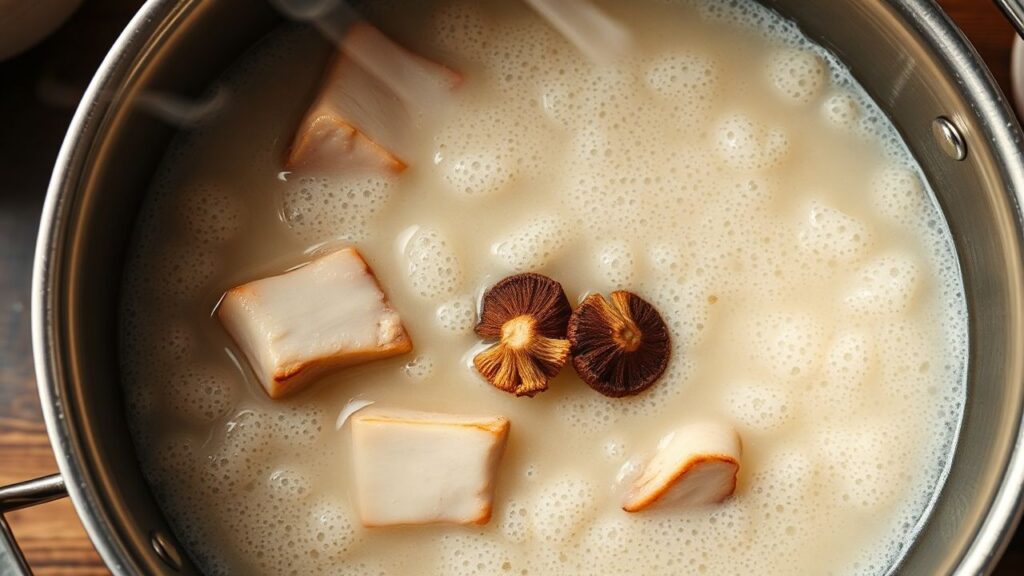
- Initial Simmer: Return the blanched bones to the clean stockpot. Add the quartered onions, halved garlic head, sliced ginger, dried shiitake mushrooms, and scallion whites. Cover with 3-4 liters (approx. 12-16 cups) of cold water, ensuring the bones are fully submerged.
- The Long Boil: Bring the pot to a rolling boil over high heat. Once boiling, reduce the heat to maintain a vigorous, rolling simmer. This is not a gentle simmer; the bubbles should be actively breaking the surface, emulsifying the rendered fats and collagen. Skim off any scum that rises to the surface during the first hour. Cover the pot loosely, allowing some steam to escape. Simmer for a minimum of 8 hours, and up to 12-18 hours for a richer, more opaque tonkotsu-style broth. Add more cold water as needed to keep the bones submerged, but avoid diluting the broth excessively.
- Prepare the Dashi (While Broth Simmers): About 30 minutes before the main broth is finished, prepare the dashi. In a separate pot, combine the kombu and 2 cups (480ml) of cold water. Heat gently until just before boiling (around 80°C/175°F), then remove the kombu. Add the katsuobushi to the hot water and steep for 5 minutes. Strain the dashi through a fine-mesh sieve lined with cheesecloth, discarding the solids.
- Strain and Combine: Once the main broth has simmered sufficiently, carefully strain it through a fine-mesh sieve lined with cheesecloth into a clean container or another large pot. Discard the solids. Stir in the prepared dashi (if using). Taste and season lightly with salt if desired; remember that the tare (seasoning sauce) will add significant saltiness later.
- Cool and Store: Allow the broth to cool slightly, then refrigerate. Once chilled, any excess fat will solidify on the surface and can be easily removed. This fat can be reserved for other dishes or used to create a flavored oil for your ramen. The broth can be stored in airtight containers in the refrigerator for up to 4 days or frozen for up to 3 months.
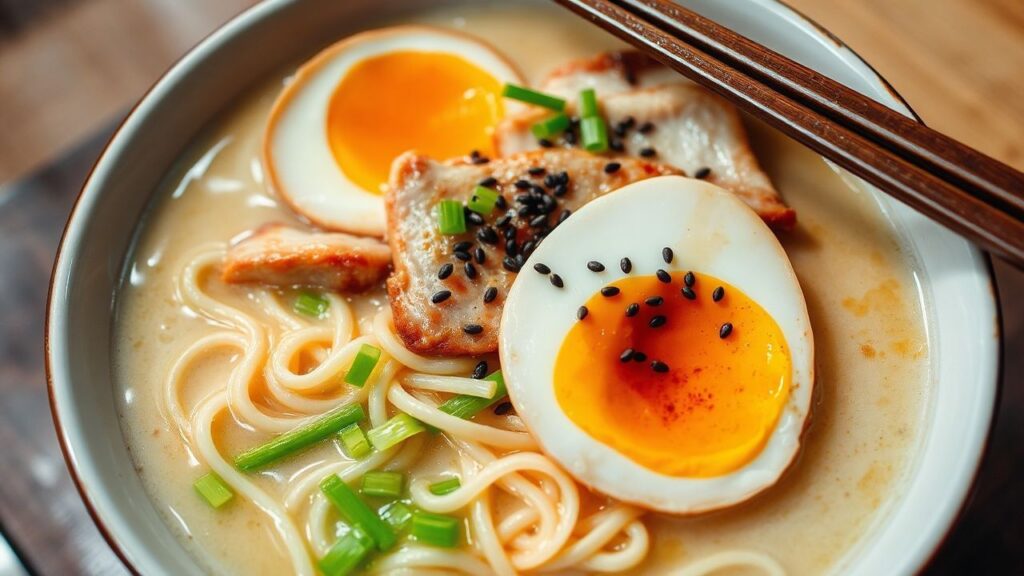
Elevating Your Ramen Broth: Expert Insights and Techniques
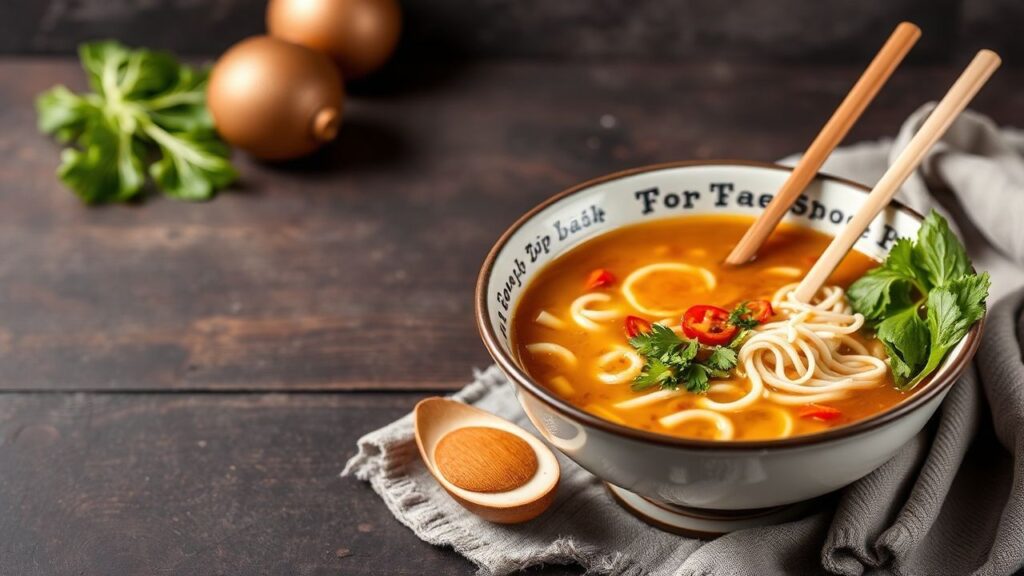
Achieving restaurant-quality ramen broth at home is not merely about following a recipe; it’s about understanding the nuances of technique and ingredient selection. These insights can transform a good broth into an exceptional one.
The Importance of High-Quality Ingredients
The adage “garbage in, garbage out” rings particularly true for ramen broth. Sourcing the freshest, highest-quality bones and aromatics is non-negotiable.
Bone Selection and Preparation
When purchasing pork bones, opt for those from a reputable butcher. Ask for a mix of bones – femurs for marrow, neck bones for richness, and trotters for gelatin. For chicken, use carcasses and backs from free-range or organic birds if possible; they often yield a more flavorful broth. The initial blanching step is crucial for removing blood and impurities, which can lead to a cloudy or off-flavored broth. A thorough rinse after blanching ensures a clean slate for flavor extraction.
Mastering the Simmer: Heat Control and Time
The sustained, vigorous simmer is what truly breaks down the collagen and marrow from the bones, creating that signature emulsified texture and profound flavor.
The Rolling Boil vs. Gentle Simmer Debate
While some recipes advocate for a gentle simmer, many authentic ramen broths, especially tonkotsu, require a strong, rolling boil. This agitation helps to emulsify the rendered fat and collagen, creating the characteristic creamy opacity. However, it’s essential to maintain control. Too vigorous a boil can lead to excessive evaporation and a potentially bitter flavor if ingredients scorch. Finding that sweet spot, where the broth is actively bubbling but not violently churning, is key. The lead editor at dinnercook.com highlighted that the visual cue of a consistent, rolling boil is often more important than a precise temperature for this specific style of broth.
The Art of the Tare: The Broth’s Final Flourish
While the broth provides the foundation, the tare is the concentrated seasoning sauce that truly defines the final flavor profile of the ramen. It’s typically added to the bowl before the broth.
Shio, Shoyu, and Miso: The Tare Trio
Shio (Salt) Tare: The simplest tare, often a blend of different salts, mirin, sake, and sometimes a touch of kombu or dried seafood. It allows the pure flavor of the broth to shine. recipesfoodie.com features a fantastic primer on the nuances of salt types for seasoning.
Shoyu (Soy Sauce) Tare: A more complex tare, typically made with various Japanese soy sauces, mirin, sake, kombu, katsuobushi, and sometimes dried mushrooms or other aromatics. It adds a deep, savory, and slightly sweet umami.
Miso Tare: Utilizes different types of miso (red, white, or a blend) combined with other ingredients like garlic, ginger, sake, and mirin. This tare provides a fermented, nutty, and intensely savory flavor profile.
The ratio of tare to broth is crucial. Typically, you’ll add 2-4 tablespoons of tare to the bottom of your ramen bowl and then ladle 300-400ml of hot broth over it, stirring to combine. This allows the tare to infuse the broth with its concentrated flavor without overpowering the delicate nuances of the underlying stock. Experimentation is key here, as personal preference plays a significant role.
Fat Rendering and Clarification: The Quest for Purity
While a rich, emulsified broth is desirable, controlling the fat content and achieving a clean flavor are also important.
Fat Separation and Skimming
As mentioned, refrigerating the broth allows the fat to solidify on the surface, making it easy to skim off. This is essential for a cleaner flavor and a more refined mouthfeel. However, don’t discard all the rendered fat. A portion can be reserved to create a flavored oil (e.g., scallion oil, chili oil) to add richness and aroma back into the final bowl.
Clarification Techniques (Optional)
For lighter, clearer broths (like chintan), traditional clarification techniques involving egg whites can be employed. This process involves slowly whisking egg whites into a simmering broth, which then traps impurities as they coagulate. The solids are then carefully strained out. However, for richer, opaque broths like tonkotsu or paitan, clarification is generally not desired, as the opacity is a key characteristic.
Nutritional Information (Per Serving – Approximate, assuming 4 servings from the recipe)
Keep in mind that the nutritional profile of ramen broth can vary significantly based on the specific ingredients used, particularly the types and quantities of bones and fats. This is a general estimation.
| Nutrient | Amount (approx.) |
|---|---|
| Calories | 300-500 kcal |
| Protein | 25-40g |
| Fat | 20-35g |
| Saturated Fat | 7-15g |
| Cholesterol | 80-120mg |
| Carbohydrates | 5-10g |
| Sodium | 100-300mg (before tare) |
| Calcium | Significant |
| Phosphorus | Significant |
The broth is an excellent source of protein and minerals, particularly calcium and phosphorus, due to the long simmering of bones. It’s also rich in gelatin, which is believed to have various health benefits. However, it can be high in fat and sodium, especially after the addition of tare and other flavorings. Adjusting the fat content by skimming and being mindful of the tare’s sodium level are key for a healthier rendition.
Frequently Asked Questions (FAQ)
How long does homemade ramen broth last?
Homemade ramen broth, when stored properly in airtight containers in the refrigerator, will typically last for 3 to 4 days. For longer storage, freezing is an excellent option. You can freeze the broth in ice cube trays for small portions or in larger containers for bigger batches. Frozen broth can maintain its quality for up to 3 months. Always ensure the broth is cooled completely before refrigerating or freezing to prevent bacterial growth.
Can I make ramen broth without pork bones?
Absolutely. While pork bones are central to tonkotsu, you can create incredibly delicious ramen broth using other ingredients. A rich chicken paitan, using chicken carcasses, backs, and feet, is a fantastic alternative. For a lighter, clearer broth (chintan), chicken bones and aromatics are sufficient. Vegetarian ramen broths can be made using a rich vegetable stock, often enhanced with kombu, dried mushrooms, and sometimes even nuts or seeds for body and creaminess. Exploring these variations can lead to exciting new flavor profiles and cater to different dietary needs.
What is the difference between ramen broth and other stocks?
The primary distinction lies in the intensity of flavor extraction and the desired final texture. Traditional Western stocks, like chicken or beef stock, are often simmered gently to create a clear liquid base. Ramen broth, particularly styles like tonkotsu and paitan, undergoes a prolonged, vigorous simmer (often a rolling boil) specifically designed to break down collagen and marrow from bones, emulsifying them into the liquid to create a rich, opaque, and viscous broth with a profound umami character. Furthermore, the role of ‘tare’ (seasoning sauce) is integral to ramen, allowing the broth itself to be a more neutral, yet deeply flavored, canvas for the final dish.
See also: Ramen