
Unlocking Flavor: The Art of Serving New Foods Perfectly
In the vibrant dance of taste and texture, serving new foods is an art form that goes beyond the plate. It’s about unlocking hidden layers of flavor, inviting the palate on an unforgettable journey. Whether it’s an exotic spice blend or an unfamiliar vegetable, the way a dish is presented and paired can transform hesitation into delight, curiosity into craving.
- Why Perfect Serving Elevates New Food Experiences
- Recipe: Pan-Seared Snapper with Quinoa and Red Pepper Relish
- Prep and Cook Time
- Yield
- Difficulty Level
- Ingredients
- Instructions
- Chef’s Notes
- Presentation Techniques: Unlocking Flavor through Visual Appeal
- Pairing New Foods with Complementary Ingredients
- Timing and Temperature Tips for Peak Flavor
- Serving Suggestions for a Complete Experience
- Q&A
- Why is serving a new food important for unlocking its full flavor?
- How can temperature influence the flavor of new dishes?
- What role does presentation play in serving unfamiliar foods?
- Are there pairing strategies that enhance the experience of trying new foods?
- How can one overcome hesitation when serving and tasting new foods?
- Can cultural context enhance the serving of new foods?
- What practical tips help ensure new foods are served perfectly?
- Wrapping Up
At a Glance: Mastering New Food Presentation
- Strategic plating enhances perceived flavors and invites exploration.
- Temperature control is crucial for releasing aromatic compounds and textural integrity.
- Thoughtful pairings create flavor harmony and elevate the dining experience.
- Understanding cultural context adds depth to the appreciation of new cuisines.
This article explore the subtle science and creative intuition behind serving new foods perfectly—because every bite holds the potential to surprise, satisfy, and inspire. Welcome to the art of unlocking flavor.
Why Perfect Serving Elevates New Food Experiences
Unlocking flavor truly transforms how we experience food. When discovering new dishes, understanding their intricate flavor profiles opens a world of taste that excites and delights the palate. Each element plays a critical role in creating unforgettable meals at home.
Balancing spices, enhancing textures, or pairing complementary ingredients are all vital steps. Mastering these nuances ensures that a new culinary adventure is met with enthusiasm, not apprehension. The goal is to make the unfamiliar feel inviting and delicious.
Recipe: Pan-Seared Snapper with Quinoa and Red Pepper Relish
Prep and Cook Time
Prep Time: 20 minutes
Cook Time: 30 minutes
Total Time: 50 minutes
Yield
Serves 4 generous portions
Difficulty Level
Medium – perfect for those ready to explore complex flavors and refined presentation skills
Ingredients
- 1 lb fresh snapper fillets, skin-on
- 2 tbsp olive oil, extra virgin
- 1 tsp smoked paprika
- 1/2 tsp sea salt
- 1/4 tsp freshly ground black pepper
- 1 tbsp fresh lemon juice
- 1/4 cup fresh parsley, finely chopped
- 1 medium shallot, minced
- 1/2 cup roasted red peppers, diced
- 1 cup quinoa, rinsed
- 2 cups vegetable broth
- 1 small avocado, sliced for garnish
- Microgreens (optional, for decoration)
Instructions
- Prepare the quinoa: In a medium saucepan, bring 2 cups of vegetable broth to a boil. Add rinsed quinoa, reduce heat, cover, and simmer for 15 minutes or until liquid is absorbed. Fluff with fork and set aside to cool slightly. This foundational grain provides a nutty base for the dish.
- Season the snapper: Pat the fillets dry. Mix olive oil, smoked paprika, salt, and pepper in a small bowl. Brush this mixture evenly over the fish, coating the skin and flesh completely. The paprika adds a beautiful color and smoky depth.
- Sear the fish: Heat a non-stick skillet over medium-high heat. Place snapper skin-side down and cook undisturbed for 4-5 minutes until the skin is crisp and golden. Flip carefully and cook for another 2-3 minutes until the fish is opaque and flakes easily. Proper searing creates an irresistible texture contrast.
- Prepare the topping: In a small bowl, combine minced shallot, diced roasted red peppers, lemon juice, and chopped parsley. Toss gently to marry the flavors. This vibrant relish adds a zesty and sweet counterpoint.
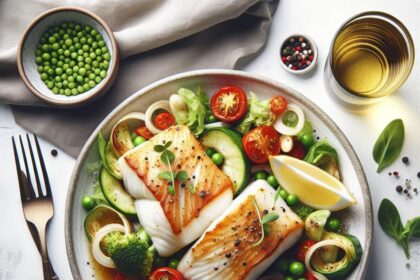
- Assemble the dish: On each plate, serve a bed of fluffy quinoa topped with a snapper fillet. Spoon the pepper and shallot mixture generously over the fish. This layering ensures every component is experienced together.
- Finish with garnishes: Add avocado slices around the plate and sprinkle microgreens on top for a fresh and vibrant visual appeal. These final touches enhance both taste and presentation.
Chef’s Notes
- For maximum flavor, allow the quinoa to cool slightly before plating; this preserves its nutty texture without overheating the cold elements. Temperature plays a significant role in how textures are perceived.
- If fresh snapper isn’t available, substitute with a firm white fish like cod or halibut, adjusting cooking time to ensure tenderness. Flexibility with ingredients is key to culinary exploration.
- To elevate presentation, serve on colorful ceramic plates or wooden boards that contrast the vibrant reds and greens in the dish. Visual appeal primes the palate for taste.
- Make-ahead tip: Cook quinoa up to 24 hours in advance and refrigerate in an airtight container. Bring to room temperature before serving for best texture. Planning ahead simplifies execution.
- Keep a digital meat thermometer handy; aiming for an internal temperature of 135°F (57°C) ensures flaky, moist fish. Precision in cooking is paramount for optimal results. Using a thermometer guarantees doneness.
Presentation Techniques: Unlocking Flavor through Visual Appeal
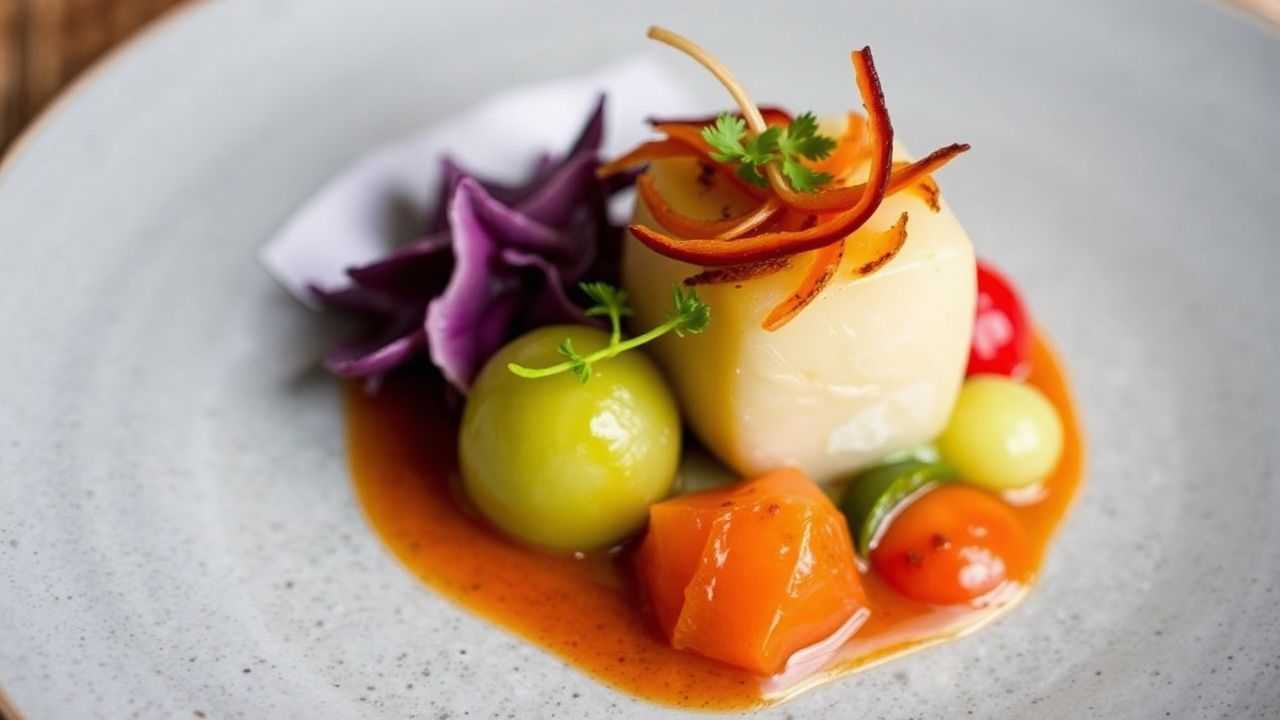
Layering colors and textures creates excitement on the plate. The glistening paprika-coated fish with crisp skin contrasts beautifully with the quilt of quinoa and the freshness of herbs. Mastering plating techniques such as offsetting the protein, scattering garnishes selectively, and using negative space can enhance perceived flavors and invite your guests into a multi-sensory experience.
Visual cues are incredibly powerful. A well-presented dish communicates care and quality, making diners more receptive to unfamiliar tastes. Think of the plate as a canvas, where each ingredient is a stroke of color and form designed to delight the eye before it even reaches the mouth.
Pairing New Foods with Complementary Ingredients
Brilliant pairing unlocks flavor harmony. The smokiness of the paprika enhances the mild snapper while the brightness of lemon juice and fresh herbs cuts through the richness. Roasted red peppers add an earthy sweetness that balances heat, and avocado introduces a velvety creaminess, elevating every bite.
Effective pairings create a synergistic effect, where the sum of the parts is greater than the whole. This principle applies whether you’re pairing a sauce with a protein or a side dish with a main course. The right combination can transform a good dish into an exceptional one, making new flavors more approachable.
Timing and Temperature Tips for Peak Flavor
Perfectly cooked fish paired with properly rested quinoa emphasizes the contrast of warm and cool elements that heightens tasting pleasure. Precision in temperature—like searing the fish skin on medium-high heat for a crisp finish—allows unlocking flavor nuances that undercooked or overcooked dishes miss entirely.
Temperature is a critical, often overlooked, component of flavor. Serving food at its ideal temperature ensures that volatile aromatics are released appropriately and that textures are at their peak. This attention to detail is what separates a good meal from a truly memorable one, especially when introducing new taste experiences.
Serving Suggestions for a Complete Experience
Present this dish alongside a chilled glass of Sauvignon Blanc to complement the citrusy and herbal notes. Garnish plates with thin lemon twists for an aromatic lift and a sprinkle of smoked sea salt flakes to awaken the senses. Minimalist cutlery and neutral-toned napkins will keep the vibrant colors the star of your table.
The beverage pairing complements the dish’s profile, enhancing its inherent flavors. Even the choice of tableware can influence perception; a clean, uncluttered presentation allows the food’s artistry to take center stage. This holistic approach ensures the entire dining experience is cohesive and enjoyable.
| Nutrient | Per Serving |
|---|---|
| Calories | 380 kcal |
| Protein | 34 g |
| Carbohydrates | 32 g |
| Fat | 11 g |
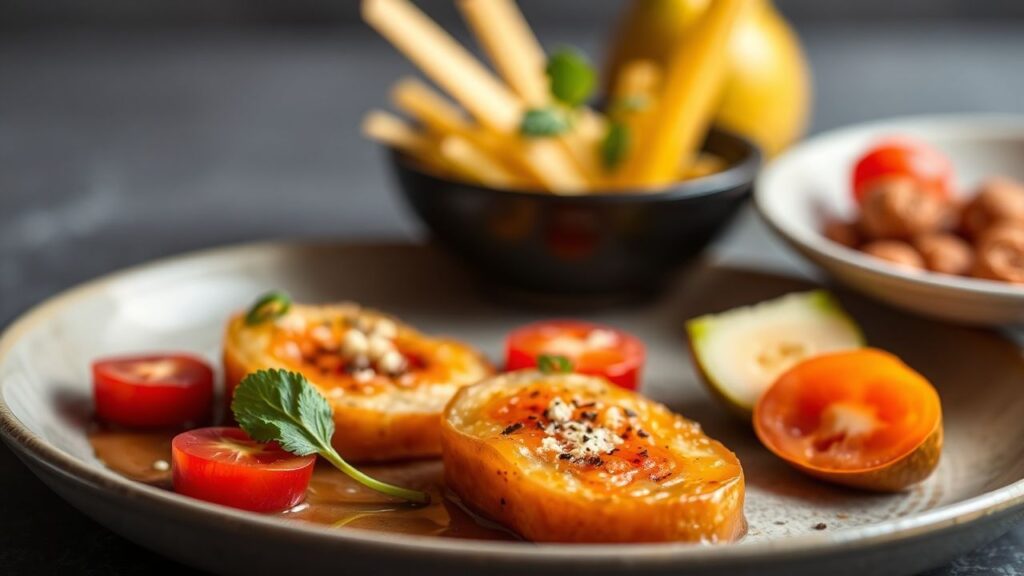
Explore more insightful guides on balanced meal planning and dive deeper into professional plating techniques. Understanding the fundamentals of food presentation is crucial for any aspiring home chef.
Q&A
Why is serving a new food important for unlocking its full flavor?
Serving is the grand finale of any culinary experience. Just as a symphony isn’t complete without the conductor’s flourish, new foods reveal their true essence only when presented thoughtfully. The right temperature, plating, and accompanying elements can elevate subtle notes and textures, transforming a curious bite into a memorable taste adventure.
How can temperature influence the flavor of new dishes?
Temperature is a powerful flavor activator. Warmth can release aromatic oils and soften textures, inviting your palate to savor deeper, richer layers. Conversely, chilled dishes often highlight brightness and acidity, refreshing the senses. Serving a novel dish at its ideal temperature ensures that each flavor component sings in harmony.
What role does presentation play in serving unfamiliar foods?
Presentation is your first impression—it sets the stage for flavor before the first bite. Artistic plating can intrigue and guide the eater’s expectations, making new foods less intimidating and more inviting. Think of it as storytelling with colors, shapes, and textures that whet curiosity and pleasure simultaneously.
Are there pairing strategies that enhance the experience of trying new foods?
Absolutely! Pairings—whether with beverages, sauces, or side dishes—can unlock hidden dimensions of flavor. For example, a touch of acidity or a hint of sweetness often balances unfamiliar ingredients, creating a dynamic taste profile. Experimenting with complementary or contrasting elements can turn a novel dish into a symphony of sensations.
How can one overcome hesitation when serving and tasting new foods?
Curiosity is the secret ingredient. Approach new foods with an open mind, embracing the unknown as an adventure rather than a risk. Sharing with friends and incorporating small tastings can build confidence. Remember, great flavor often lies just beyond your comfort zone—serving new foods perfectly invites you to discover it.
Can cultural context enhance the serving of new foods?
Definitely. Understanding the cultural origins and traditional serving customs enriches the tasting experience. Rituals, utensil choices, and even the environment can add layers of meaning, connecting you more deeply to the food’s story and, in turn, its flavor. Learning about global cuisines often begins with understanding their traditions.
What practical tips help ensure new foods are served perfectly?
Keep these in mind: Research the ideal serving temperature and style. Use fresh, quality ingredients for garnishes and accompaniments. Plate with balance and color contrast to engage the eyes. Don’t overcrowd the plate—let each element shine. Be ready to adjust based on feedback; serving is an art that evolves with experience. This iterative process ensures continuous improvement in your culinary presentations.
Unlocking flavor isn’t just about ingredients—it’s about the magic woven into every step of serving. When done thoughtfully, presenting new foods can turn discovery into delight, one perfect bite at a time.
Wrapping Up
As you embark on your culinary adventures, remember that unlocking flavor is as much about the story you tell on the plate as the ingredients you choose. Serving new foods perfectly is an art—one that blends curiosity, technique, and a dash of intuition. By embracing thoughtful presentation, complementary pairings, and mindful seasoning, you invite not just taste buds but all senses to join the journey.
So go ahead, experiment boldly and serve confidently—because every new dish deserves its moment to shine, turning first bites into lasting memories. The journey of culinary discovery is continuous, and mastering the art of serving is your passport to a world of exquisite tastes. For further exploration into culinary arts, consider resources on gastronomy.
See also: serving new foods