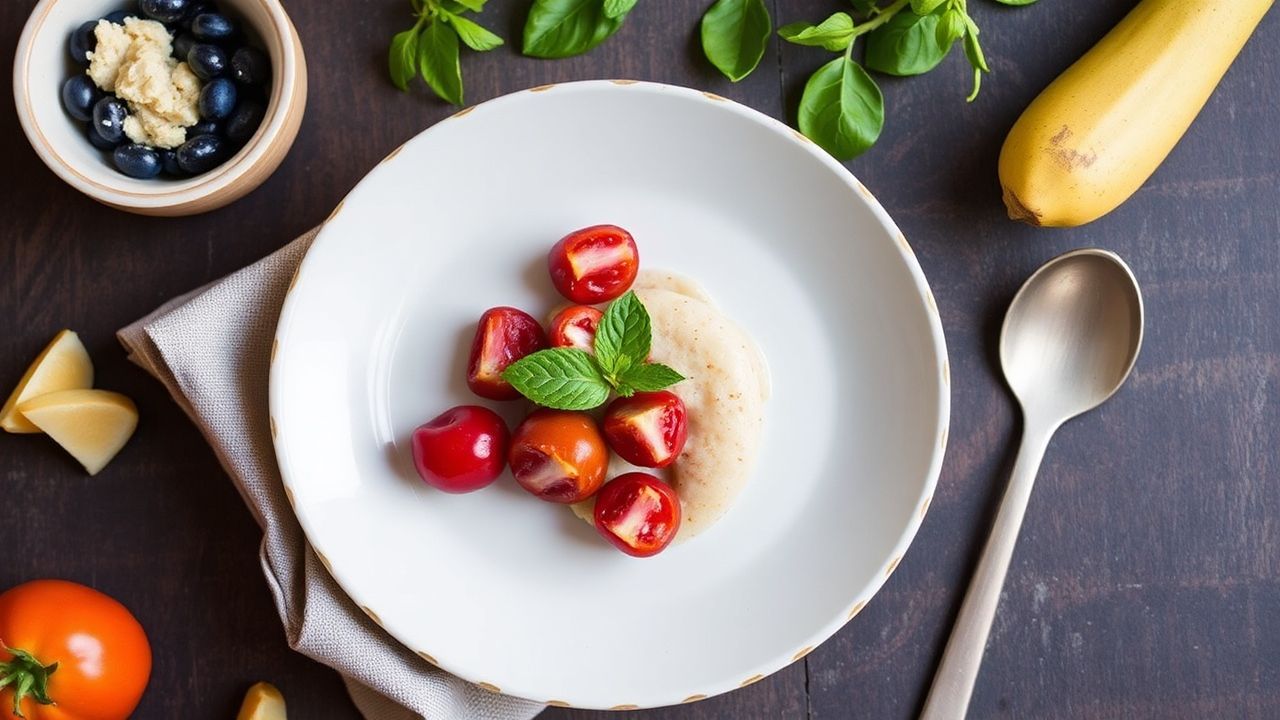

Reclaim Your Comfort: Nature’s Top Foods to Soothe Diarrhea and Boost Your Gut
A sudden bout of diarrhea can derail your day, making simple tasks feel overwhelming. While over-the-counter remedies are often the first thought, nature offers a powerful collection of healing foods. These gentle options can effectively calm your digestive system and significantly speed up recovery. This guide reveals the top foods to settle your stomach, restore essential balance, and help you feel like yourself again, quickly.
- Reclaim Your Comfort: Nature’s Top Foods to Soothe Diarrhea and Boost Your Gut
- Understanding Digestive Upset: What Triggers Diarrhea?
- The BRAT Approach: A Gentle Foundation for Healing
- Probiotic Powerhouses: Restoring Your Gut’s Natural Equilibrium
- Hydrating Heroes: Fruits and Vegetables for Replenishment
- Nourishing Grains and Starches: Energy Without the Irritation
- Herbal Teas: A Soothing Elixir for Digestive Comfort
- The Subtle Power of Gentle Fiber
- Recipe: Nourishing Probiotic Yogurt Bowl for Gut Recovery
- Frequently Asked Questions: Managing Diarrhea Naturally
- Q1: What typically causes diarrhea, and why is prompt treatment so important?
- Q2: Which natural foods are most effective for soothing diarrhea?
- Q3: How do bananas specifically help during a diarrheal episode?
- Q4: What is the mechanism by which yogurt aids in combating diarrhea?
- Q5: Is the BRAT diet still considered a valid approach today?
- Q6: Can herbal teas genuinely alleviate diarrhea symptoms?
- Q7: Are there specific foods one should actively avoid when experiencing diarrhea?
- Q8: How critical is hydration when complementing food-based diarrhea treatment?
- Q9: Under what circumstances should one seek medical advice despite using natural remedies?
- Q10: Can these recommended healing foods contribute to preventing future diarrhea episodes?
- Embracing Nature’s Path to Digestive Wellness
Quick Guide: Your Diarrhea Recovery Essentials
- Prioritize bland, easily digestible foods to minimize gut irritation.
- Embrace probiotic-rich options like yogurt to rebalance beneficial gut bacteria.
- Sustained hydration is non-negotiable; sip fluids consistently throughout the day.
- Gentle fibers help normalize stool consistency and support digestive regularity.
Easing diarrhea involves nurturing your gut’s delicate microbiome, replenishing vital nutrients, and calming digestive distress with wholesome ingredients. One of the most effective ways to restore digestive harmony is by incorporating foods rich in beneficial probiotics. Think of homemade kefir or pure, natural yogurt; these deliver live cultures that actively promote gut healing. Combined with hydrating vegetables and fruits packed with essential vitamins and minerals, these foods act as nature’s perfect antidote to dehydration and nutrient depletion.
Understanding Digestive Upset: What Triggers Diarrhea?
Diarrhea, characterized by frequent, loose, or watery bowel movements, signals your digestive system is out of sync. It can stem from viral or bacterial infections, adverse food reactions, or periods of heightened stress. When your intestines absorb water too slowly or the gut lining becomes irritated, diarrhea can occur. Grasping these underlying triggers is the first step toward effective management and a swift return to well-being.
The rapid passage of food and fluids through the intestines hinders water absorption, leading directly to watery stools. This process can cause significant loss of fluids and essential electrolytes, making consistent hydration absolutely paramount for recovery. Addressing diarrhea promptly helps prevent dangerous dehydration, potential nutrient deficiencies, and general discomfort. For a more comprehensive understanding of how your body processes food, exploring the intricacies of the digestive system can be highly informative.
The BRAT Approach: A Gentle Foundation for Healing
The well-established BRAT diet—comprising Bananas, Rice, Applesauce, and Toast—remains a cornerstone of dietary guidance for managing diarrhea. These foods are deliberately chosen for their blandness, low fiber content, and ease of digestion for a sensitive stomach. They supply necessary calories and nutrients without further aggravating an inflamed digestive tract, offering a safe starting point for reintroducing food.
Each element within the BRAT diet provides distinct advantages. Bananas are a fantastic source of potassium, an electrolyte often depleted during diarrheal episodes, and also contain pectin, a soluble fiber that assists in firming up stools. Plain white rice is exceptionally bland and breaks down easily in the stomach. Applesauce offers hydration and more pectin. Toast, particularly from white bread, is another stomach-friendly option. This dietary framework offers a fundamental strategy for navigating acute digestive distress.
Probiotic Powerhouses: Restoring Your Gut’s Natural Equilibrium
Re-establishing your gut’s natural balance is central to overcoming diarrhea and preventing its recurrence. Foods rich in probiotics actively introduce beneficial bacteria into your digestive system. These living cultures combat potentially harmful pathogens and re-establish healthy gut flora, which often suffers disruption during a diarrheal episode.
Natural yogurt and kefir stand out as exceptional sources of these vital probiotics. When shopping, always look for labels that explicitly state “live and active cultures.” These fermented dairy products can dramatically contribute to rebalancing your gut microbiome, accelerating recovery and fostering a more robust digestive system. For individuals who are lactose intolerant, opting for coconut-based or almond-based yogurts fortified with added probiotics presents an excellent alternative. The profound importance of a well-balanced gut microbiota cannot be overstated for overall health.
When choosing yogurt for digestive relief, always prioritize plain, unsweetened varieties. Added sugars can sometimes worsen digestive upset. Seek out labels that clearly indicate ‘live and active cultures’ to ensure you’re consuming genuinely beneficial bacteria for your gut health.
Hydrating Heroes: Fruits and Vegetables for Replenishment
During diarrhea, your body experiences significant fluid and essential electrolyte loss. Integrating hydrating fruits and vegetables is crucial for replenishing these losses and preventing dehydration. It’s best to choose options that are gentle and easily digested by a sensitive system.
Cooked carrots provide much-needed hydration and are a valuable source of essential vitamins. Steamed pumpkin or zucchini also make excellent choices, offering mild flavors and vital nutrients without taxing the digestive tract. Peeled cucumber provides a cooling and profoundly hydrating effect, making it a gentle yet effective addition to your recovery diet. These foods directly support your body’s urgent need for fluids and crucial micronutrients during the healing process.
Nourishing Grains and Starches: Energy Without the Irritation
Easily digestible grains and starches serve as a vital source of energy without placing undue stress on a sensitive stomach. These foods function as a bland, comforting base, effectively helping to absorb excess moisture within the gut and promote firmer stools.
Plain white rice, when cooked thoroughly, is a time-tested staple due to its exceptional digestibility. Boiled potatoes, served without their skins, offer another bland yet beneficial source of carbohydrates and potassium. Oatmeal, prepared with water and left unsweetened, can also be a gentle option as your symptoms begin to subside. These carbohydrate-rich sources are simple for the body to process and provide sustained, reliable energy.
Herbal Teas: A Soothing Elixir for Digestive Comfort
Certain herbal teas possess remarkable calming and anti-inflammatory properties that can significantly alleviate the discomfort associated with diarrhea. Beyond their therapeutic benefits, they also contribute essential hydration to your body.
Chamomile tea is widely recognized for its potent ability to reduce inflammation and calm spasms within the digestive tract, offering substantial relief from cramping. Ginger tea is another highly effective option, celebrated for its anti-nausea properties and its ability to soothe digestive upset. Peppermint tea can help relax the intestinal muscles, providing a comforting release from discomfort. These teas offer a warming, therapeutic, and deeply comforting beverage choice during recovery.
The Subtle Power of Gentle Fiber
While dietary fiber is generally a cornerstone of good health, during diarrhea, the focus must shift towards gentle, soluble fibers. These specific types of fibers absorb excess water within the intestines, contributing to a more normalized and firmer stool consistency.
Chia seeds, when allowed to soak and form their characteristic gel-like consistency, can be incredibly soothing to an irritated gut. They provide a valuable source of soluble fiber that actively aids in regulating bowel movements. Pectin, a type of soluble fiber abundantly found in foods like bananas and applesauce, is another beneficial component that plays a key role in normalizing stool consistency. Understanding the nuanced role of dietary fiber is fundamental to effectively managing digestive health during these challenging times.
While soluble fiber is highly beneficial when dealing with diarrhea, it’s crucial to avoid large quantities of insoluble fiber. This type, commonly found in whole grains, nuts, and raw vegetables, can be significantly harder to digest and may potentially exacerbate your symptoms. Concentrate on cooked and easily digestible forms of fiber instead.
Recipe: Nourishing Probiotic Yogurt Bowl for Gut Recovery
Prep and Cook Time
- Preparation: 10 minutes
- Cooking: 15 minutes (for carrot puree)
- Total: 25 minutes
Yield
Serves 2 as a comforting and restorative meal
Difficulty Level
Easy – perfectly suited for even the most delicate digestive systems
Ingredients
- 1 cup plain probiotic yogurt, preferably organic and unsweetened
- 1/2 cup cooked carrot puree (steam carrots until tender, then blend until smooth)
- 1/2 cup cooked white rice, cooled
- 1/2 cup peeled, finely chopped cucumber (for hydration and cooling effect)
- 1 tbsp chia seeds (a gentle fiber source, pre-soaked in 3 tbsp water for 10 minutes)
- 1 tsp freshly grated ginger (known for its stomach-calming properties)
- 1 cup cooled chamomile tea (a soothing herbal infusion)
- A few fresh mint leaves for garnish (optional, for aroma)
- A small pinch of fine sea salt
Instructions
- Prepare the probiotic base: In a clean bowl, gently combine the plain probiotic yogurt with the freshly grated ginger and a small pinch of sea salt. Stir lightly to meld the flavors while ensuring the integrity of the live cultures is maintained.
- Incorporate hydrating and fiber-rich elements: Carefully fold in the chilled cooked white rice and the smooth carrot puree. Stir until the mixture achieves a uniformly creamy and pleasing consistency. These additions provide essential nourishment and a gentle fiber boost that supports digestion without causing irritation.
- Add gentle fiber booster: Drain any excess water from the pre-soaked chia seeds and gently stir them into the yogurt mixture. This adds extra gut-soothing fiber, which naturally helps regulate bowel movements.
- Introduce cooling cucumber: Gently mix in the finely chopped cucumber, aiming to preserve its refreshing crunch and cooling sensation.
- Create the herbal liquid component: Slowly pour the cooled chamomile tea into the bowl, adjusting the amount to reach your desired consistency. You can aim for a thicker, spoonable porridge or a more fluid, sippable blend.
- Final flourish: Garnish with a few fresh mint leaves for an aromatic lift and serve immediately to maximize the benefits of the live probiotic cultures.
Chef’s Notes
- If carrots aren’t your preference, try substituting with steamed pumpkin or zucchini puree for a similar mild vegetable profile.
- For those with dairy sensitivities, utilize lactose-free or coconut-based probiotic yogurt, ensuring it still contains active cultures.
- This recipe can be prepared partially in advance. Store the base mixture in the refrigerator and add the cucumber and chamomile tea just before serving to ensure maximum freshness.
- If fresh ginger’s flavor is too potent for your palate, a small pinch of turmeric powder can be used as an alternative for its well-known anti-inflammatory benefits.
Serving Suggestions
Present this healing bowl in a deep ceramic dish to best capture its comforting warmth. Consider serving it with a small side of peeled, steamed apple slices for added natural sweetness and easily digestible fiber. A very light drizzle of raw honey might enhance the flavor and offer throat-soothing properties, if tolerated. Enjoy this nourishing meal in a calm, relaxed environment to fully benefit from the calming herbs and beneficial probiotics.
| Nutrient | Amount (per serving) |
|---|---|
| Calories | 180 kcal |
| Protein | 8 g |
| Carbohydrates | 28 g |
| Fat | 3.5 g |
For more gut-friendly recipes and expert dietary advice, explore our extensive collection of gut health recipes. To gain a deeper understanding of the science behind probiotics’ benefits, consult this comprehensive scientific overview on probiotics from the National Institutes of Health.
Frequently Asked Questions: Managing Diarrhea Naturally
Q1: What typically causes diarrhea, and why is prompt treatment so important?
Diarrhea commonly occurs when the digestive system speeds up excessively, preventing the intestines from absorbing water properly. Usual culprits include infections, dietary sensitivities, or periods of significant stress. Addressing diarrhea quickly is essential to prevent severe dehydration, nutrient depletion, and considerable discomfort. Identifying the root cause aids in selecting the most effective management strategies.
Q2: Which natural foods are most effective for soothing diarrhea?
The most beneficial healing foods for diarrhea are those that are gentle on the gut, aiding in both hydration and nutrient replenishment. Key examples include the staples of the BRAT diet – bananas, rice, applesauce, and toast. Probiotic-rich yogurt and soothing herbal teas like chamomile are also excellent choices. Boiled potatoes without the skin offer easily digestible carbohydrates and potassium, supporting your recovery.
Q3: How do bananas specifically help during a diarrheal episode?
Bananas are a powerhouse of pectin, a type of soluble fiber that helps absorb excess water within the intestinal tract, leading to firmer stools. Furthermore, they are invaluable for replenishing potassium, a critical electrolyte often lost during diarrhea, which helps maintain energy levels and overall bodily balance.
Q4: What is the mechanism by which yogurt aids in combating diarrhea?
Yogurt’s effectiveness lies in its probiotic content – beneficial bacteria that work to restore the delicate balance of the gut flora, which is frequently disrupted by diarrhea. These helpful microbes are crucial for fighting off harmful pathogens and promoting smoother, more regular digestion, ultimately expediting the healing process. This is why probiotic foods are consistently recommended.
Q5: Is the BRAT diet still considered a valid approach today?
Absolutely, the BRAT diet (Bananas, Rice, Applesauce, Toast) remains highly relevant and recommended. These foods are favored because they are bland, low in fiber, and easily processed by a compromised digestive system, providing necessary nutrition without causing further irritation. Their simplicity makes them an ideal starting point for reintroducing food after a bout of diarrhea.
Q6: Can herbal teas genuinely alleviate diarrhea symptoms?
Indeed, they can. Herbal teas such as chamomile and ginger are rich in anti-inflammatory and antispasmodic compounds. They work synergistically to calm the digestive tract, reduce painful cramping, and support gentle hydration, making them a valuable component of any recovery plan. Many individuals find them to be a comforting ritual during illness.
Q7: Are there specific foods one should actively avoid when experiencing diarrhea?
It is strongly advised to steer clear of most dairy products (except for probiotic yogurt), excessively fatty or fried foods, highly spicy dishes, caffeine, and overly sugary items during a diarrheal episode. These can all serve to irritate the digestive system and potentially prolong your symptoms. Minimizing these irritants allows your gut the necessary environment to heal effectively.
Q8: How critical is hydration when complementing food-based diarrhea treatment?
Hydration is not just important; it is absolutely critical. In tandem with consuming healing foods, drinking ample amounts of water, electrolyte-rich oral rehydration solutions, or clear broths is indispensable for replenishing fluids and electrolytes lost. This holistic approach ensures your body can recover more efficiently and rapidly, as dehydration can significantly complicate the healing process.
Q9: Under what circumstances should one seek medical advice despite using natural remedies?
You should consult a healthcare professional immediately if your diarrhea persists for more than two consecutive days, if it is accompanied by a high fever, if you notice blood in your stool, experience severe abdominal pain, or observe any signs of dehydration. These symptoms could indicate a more serious underlying condition that requires prompt medical intervention. Seeking professional advice is paramount in such situations.
Q10: Can these recommended healing foods contribute to preventing future diarrhea episodes?
By regularly incorporating probiotic-rich foods and maintaining an overall balanced diet, you actively support a healthy gut flora. This resilience can make your digestive system better equipped to withstand future disruptions. While they cannot guarantee absolute prevention, these foods significantly bolster your body’s natural defenses against digestive distress. Cultivating a healthy gut is a proactive strategy for long-term wellness.
Embracing Nature’s Path to Digestive Wellness
Successfully navigating diarrhea and recovering swiftly hinges on harnessing nature’s healing capabilities. A well-stocked pantry of carefully chosen foods works in harmony with your body to restore balance and promote robust health. From the simple, comforting ease of bananas to the crucial probiotics found in yogurt, these edible allies effectively nourish your digestive system back to optimal functioning.
Remember, while these foods are powerful allies on your healing journey, maintaining consistent hydration and paying close attention to your body’s unique signals are equally paramount. Embrace these natural remedies, allowing your diet to serve as a comforting balm that transforms discomfort into renewed vitality, one nourishing bite at a time. A consistent focus on whole, uncomplicated foods is the foundation for lasting digestive wellness and overall well-being.
Explore further: healing foods diarrhea
Related Reading:
- Wholesome Toddler-Friendly Dal Recipe for Happy Tummies
- Nourishing Little Tummies: Top Toddler Feeding Books
- Mastering Tender Broccoli: The Ultimate Softness Guide
Related Articles
- Wholesome Toddler-Friendly Dal Recipe for Happy Tummies
- Nourishing Little Tummies: Top Toddler Feeding Books
- Mastering Tender Broccoli: The Ultimate Softness Guide