
Broccoli, often celebrated for its vibrant green florets and nutritional prowess, can be a bit of a kitchen conundrum when it comes to achieving that perfect tender texture. Too crisp, and it feels undercooked; too mushy, and it loses its charm. But fear not-mastering tender broccoli is both an art and a science, a delicate balance of heat, time, and technique. In this ultimate softness guide, we’ll unlock the secrets to transforming humble broccoli stalks into melt-in-your-mouth marvels, elevating your vegetable game and turning every bite into a delightful experience. Whether you’re a seasoned chef or a curious home cook, preparing broccoli with the ideal tenderness has never been more accessible or rewarding.
Mastering tender broccoli begins long before you place the stalks in boiling water or sauté them in a pan. Selecting the right broccoli is the cornerstone to creating that perfect balance between silky softness and vibrant flavor. Whether you’re craving a velvety side dish or a luscious addition to a main course, understanding the nuances of broccoli’s texture transformation invites you to elevate this humble vegetable to exquisite culinary heights.
Prep and Cook Time
Preparation: 10 minutes | Cooking: 7-10 minutes | Total: 20 minutes
Yield
Serves 4 as a side dish
Difficulty Level
Easy
Ingredients
- 1 large head of broccoli (about 1 lb), fresh with firm stalks and vibrant green florets
- 2 tbsp olive oil or unsalted butter
- 1/2 tsp sea salt (adjust to taste)
- 1 clove garlic, thinly sliced (optional for flavor)
- 2 tbsp water or low-sodium vegetable broth
- 1 tsp lemon juice (to brighten the flavor)
Instructions
- Choose the perfect head: Look for broccoli with tight, dark green florets without yellowing or wilting. The stalk should be firm and not overly woody to ensure tenderness.
- Prep your broccoli: Rinse thoroughly under cold water. Trim the thick stalk’s base and peel if it feels tough. Cut florets into uniform bite-size pieces for even cooking.
- Preheat your pan: Warm the olive oil or butter over medium heat until shimmering. If using garlic, add and sauté until fragrant, about 30 seconds, ensuring it doesn’t burn.
- Start cooking: Add broccoli florets and stalks. Sauté for 2 minutes, stirring gently to coat each piece in oil and garlic.
- Steam to silky softness: Pour in water or broth and immediately cover the pan with a lid. Reduce heat to low and steam for 5-7 minutes, checking doneness-broccoli should be tender enough to pierce easily but still hold shape.
- Season and finish: Remove the lid, sprinkle sea salt evenly, drizzle lemon juice for brightness, and give a gentle toss before serving. Avoid overcooking for a tender yet flavorful bite.
Tips for Success
- Selecting broccoli: Always pick fresh, crisp heads with deep green florets. Avoid yellowing as it signals age and bitterness.
- Texture balance: To avoid mushiness, rely on steaming in the sauté pan rather than boiling. This preserves the delicate flavor and vibrant color.
- Retain nutrients: Use minimal water when steaming and avoid long cooking times; these reduce water-soluble vitamins like vitamin C.
- Flavor variations: Finish with a sprinkle of red pepper flakes or a dash of toasted sesame seeds for a subtle crunch.
- Make ahead: Cook broccoli just until tender, then shock in ice water to stop cooking. Reheat gently in a pan with a splash of olive oil before serving.
Serving Suggestions
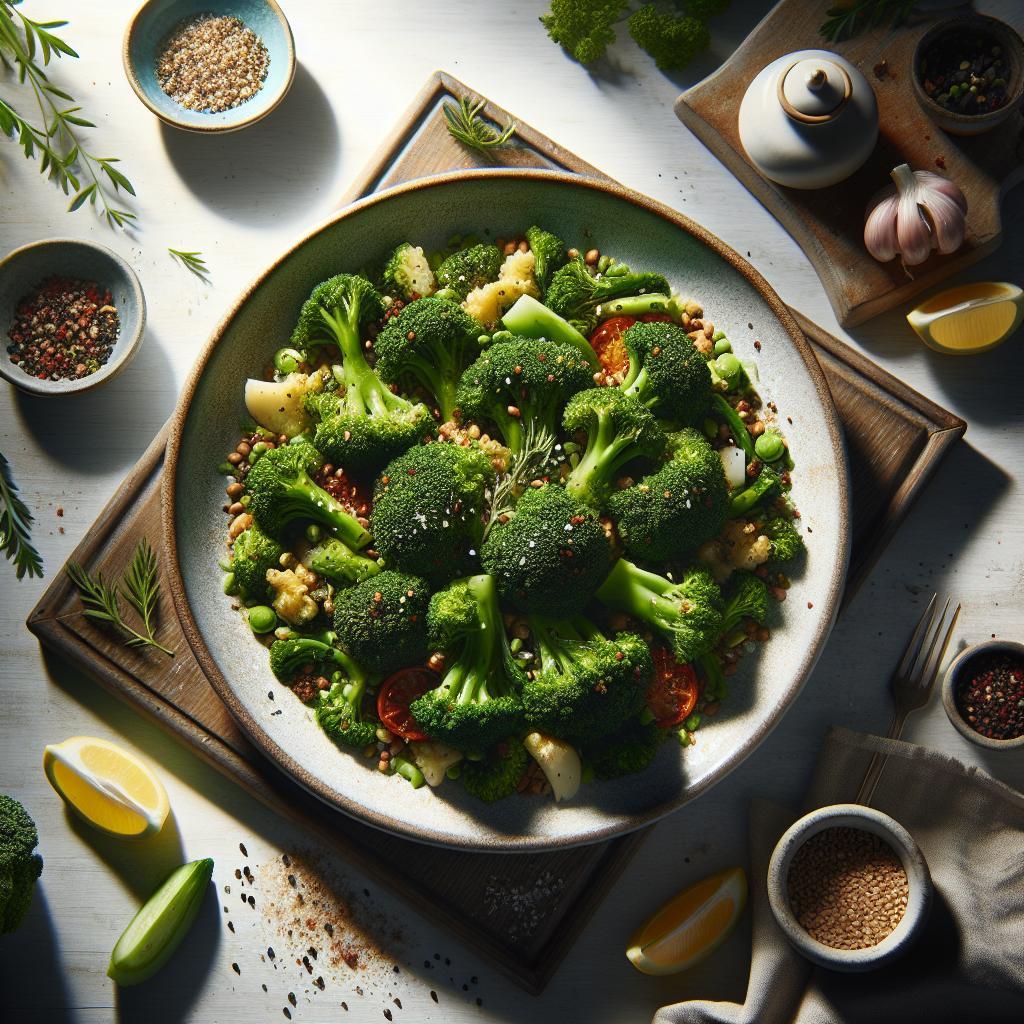
For an elegant presentation, arrange the tender broccoli on a wide platter garnished with lemon zest and toasted almonds. Pair it with pan-seared chicken or grilled fish to balance richness. A drizzle of a light tahini dressing or a sprinkle of freshly grated Parmesan provides delightful contrast. For a vibrant, vegetable-forward meal, combine with roasted cherry tomatoes and a pinch of flaky sea salt.

| Nutrient | Per Serving | Daily Value% |
|---|---|---|
| Calories | 58 kcal | 3% |
| Protein | 4 g | 8% |
| Carbohydrates | 11 g | 4% |
| Fat | 3 g | 5% |
Explore more on healthy steaming techniques for preserving nutrients in vegetables. For scientific insight on broccoli’s texture changes, visit ScienceDaily’s report on vegetable texture transformation.
Q&A
Q&A: Mastering Tender Broccoli – The Ultimate Softness Guide
Q1: Why is broccoli so often either too crunchy or mushy?
A: Broccoli is a delicate vegetable that reacts quickly to heat. Undercook it, and it stays tough and fibrous; overcook it, and it turns into a soggy, flavorless mess. The key to perfect tenderness lies in precise timing and technique.
Q2: What’s the ideal cooking method to achieve tender broccoli?
A: Steaming is the golden ticket. It gently cooks the broccoli, locking in moisture and nutrients while softening the fibrous stalks without turning the florets to mush. Alternatively, blanching followed by an ice bath can preserve crisp-tenderness with vibrant color.
Q3: How long should I steam broccoli for ultimate softness?
A: Aim for 5 to 7 minutes. The florets should be vibrant green and easily pierced with a fork, but still hold their shape. Timing may vary slightly based on the size of the broccoli pieces.
Q4: Can roasting broccoli produce the same softness as steaming?
A: Roasting brings a different kind of tenderness – more caramelized and slightly chewy with crispy edges. It doesn’t soften as uniformly as steaming, but if you crave that nutty, charred flavor, roast at 400°F (200°C) for about 15-20 minutes.
Q5: How can I tell when broccoli is perfectly tender?
A: Perfectly tender broccoli gives just enough resistance when pierced with a fork. It should not feel mushy or stringy. The stalks become pleasantly soft, and the florets hold their intricate texture without collapsing.
Q6: Does adding salt or acid affect broccoli’s tenderness?
A: Salt can firm up the broccoli if added to boiling water during blanching, while acid (like lemon juice or vinegar) added after cooking can brighten flavor without affecting softness. Adding acid before cooking can actually toughen the vegetable.
Q7: What’s a secret tip to make broccoli ultra-tender but not mushy?
A: The secret lies in precise heat control and shock treatment. Steam until tender, then plunge the broccoli into an ice bath to halt cooking instantly. This locks in softness and preserves that vibrant color and fresh flavor.
Q8: Can I achieve tender broccoli in the microwave?
A: Absolutely! Place cut broccoli in a microwave-safe dish with a splash of water, cover loosely, and microwave for 3 to 4 minutes. Check tenderness and add more time if needed in 30-second increments.
Q9: Should I peel broccoli stalks to make them tender?
A: Peeling the stalks removes the tougher outer layer, making them softer and more pleasant to eat. Many people discard stalks, but peeling and cooking those can add wonderful texture and nutrition to dishes.
Q10: What are some creative serving ideas for tender broccoli?
A: Toss it with garlic and olive oil for a quick side, incorporate it into creamy pastas, mash it into purees or soups, or sprinkle with toasted nuts and Parmesan for an extra savory crunch. Tender broccoli is a versatile canvas for your culinary creativity!
Mastering tender broccoli is all about respecting its natural texture and knowing when to stop cooking. With these tips, your broccoli will go from boring to brilliant-never mushy, never tough, just perfectly tender every time.
Wrapping Up
In the art of cooking broccoli, achieving that perfect, tender bite is truly a culinary triumph. With the techniques and tips shared in this guide, you hold the secret to transforming even the toughest stalks into irresistibly soft, vibrant greens that elevate any dish. Tender broccoli isn’t just about texture-it’s about unlocking deeper flavors and enhancing your dining experience. So next time you approach this humble vegetable, remember: mastery is just a steam, blanch, or roast away. Embrace the journey, and let every forkful celebrate the ultimate softness you now command. Happy cooking!