
There’s a hidden magic in a perfectly cooked vegetable – vibrant color, tender texture, and a subtle sweetness that dances on your palate. Yet, achieving that ideal softness can be an elusive art, leaving many cooks frustrated and veggies overlooked. Unlocking softness isn’t just about cooking longer; it’s about understanding the science and techniques that transform humble greens and roots into culinary delights. In this article, we’ll delve into the secrets of mastering the art of cooking vegetables, revealing tips, tricks, and methods that celebrate their natural flavors while delivering that coveted melt-in-your-mouth tenderness. Prepare to elevate your veggie game and unleash a whole new world of softness!
Unlocking Softness: Mastering the Art of Cooking Veggies
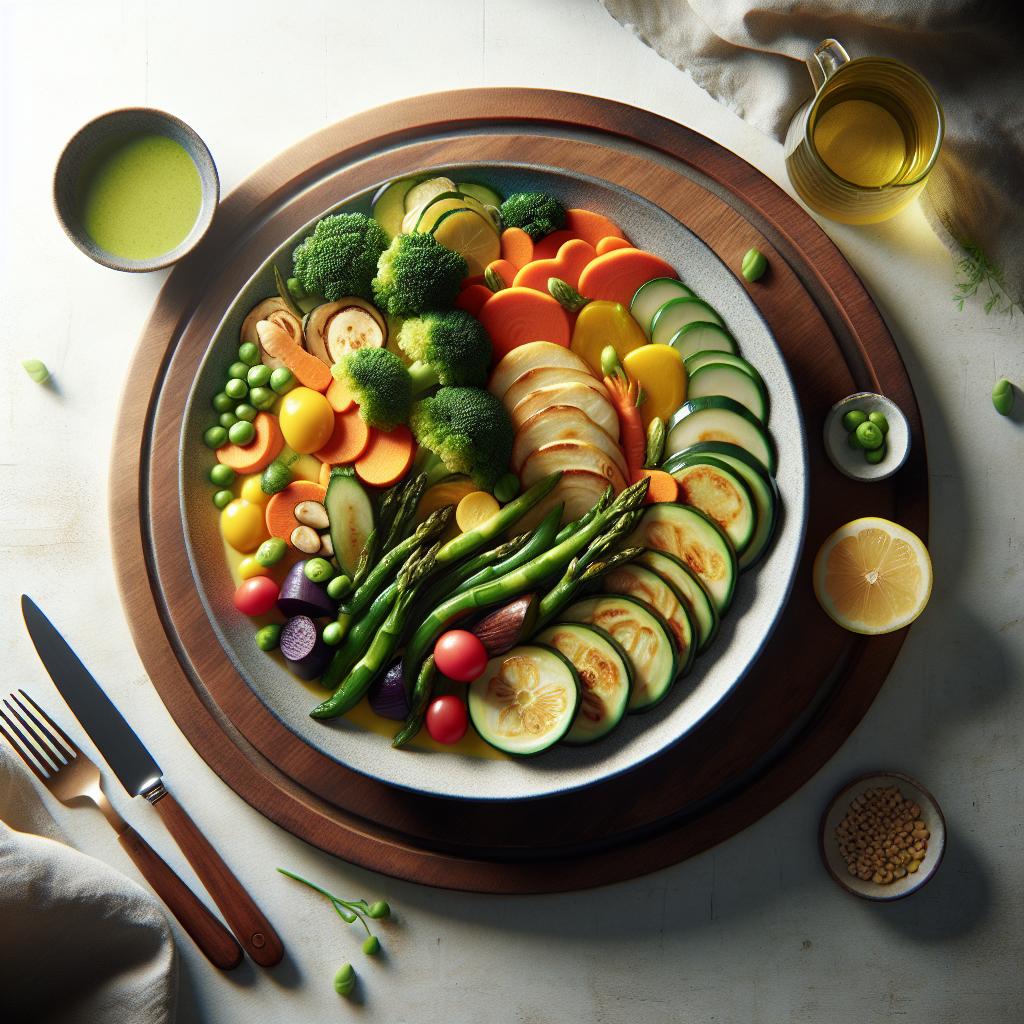
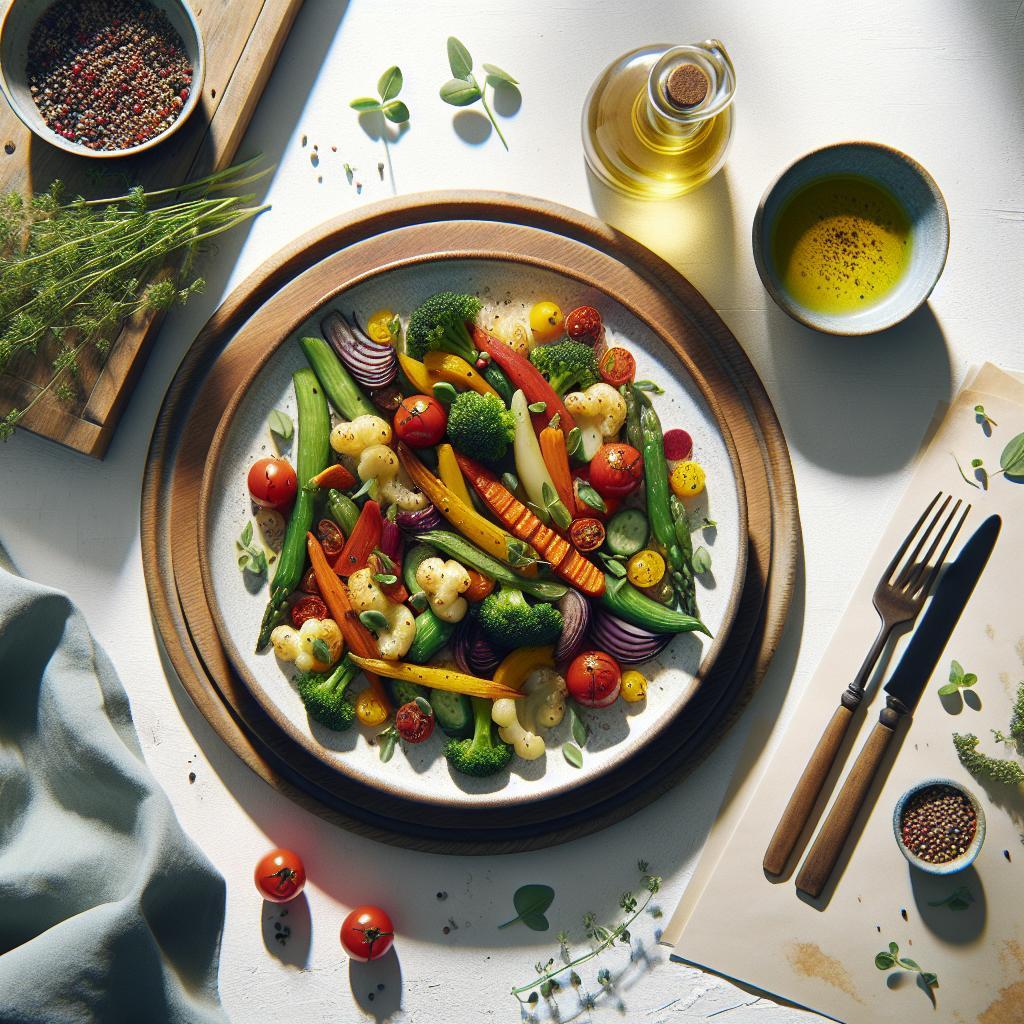
Unlocking softness in vegetables is an art that transforms humble greens, roots, and pods into velvety, tender delights that melt on the tongue. Whether you’re drawn to the subtle sweetness of caramelized carrots or the silkiness of perfectly steamed zucchini, choosing the right vegetables and applying the correct techniques is the key to elevated dishes that burst with both texture and flavor.
Prep and Cook Time
- Preparation: 10 minutes
- Cooking: 15-25 minutes (depending on vegetable)
- Total Time: 25-35 minutes
Yield
4 servings
Difficulty Level
Easy to Medium
Ingredients
- 2 cups baby carrots, peeled and halved
- 1 large zucchini, sliced into ½-inch rounds
- 1 cup green beans, trimmed
- 1 small onion, finely chopped
- 2 cloves garlic, minced
- 2 tbsp olive oil or unsalted butter
- ½ cup vegetable broth or water
- Salt and freshly ground black pepper, to taste
- 1 tbsp fresh thyme or rosemary, chopped
- 1 tbsp lemon juice (optional, for brightness)
Instructions
- Select your vegetables based on tenderness goals: baby carrots and green beans offer a sweet crunch that softens beautifully when cooked low and slow, while zucchini cooks up silky and delicate with just a few minutes of heat.
- Prepare the vegetables by washing and trimming as needed. Cutting vegetables into uniform pieces ensures even cooking and consistent tenderness.
- Heat olive oil or butter in a wide skillet over medium heat. Add chopped onions and minced garlic, sautéing until translucent and aromatic, about 3 minutes. This step builds a flavorful base to infuse the vegetables.
- Add the carrots and green beans first, as they require longer cooking times. Sauté for 5 minutes, stirring occasionally to encourage even browning without burning.
- Pour in vegetable broth or water along with fresh herbs. Reduce heat to low, cover the skillet, and allow vegetables to simmer gently. This delicate steaming method softens the fibers without turning the veg mushy-perfect for unlocking softness.
- After 10 minutes, add zucchini rounds to the skillet; they cook quickly and should retain their silky texture rather than becoming squishy.
- Continue cooking uncovered for another 5-7 minutes, stirring gently to absorb flavors and check doneness by piercing with a fork-veggies should be tender yet hold shape.
- Season generously with salt, black pepper, and a splash of lemon juice to brighten flavors and add a fresh contrast to the creamy texture.
Chef’s Notes
- Vegetable Variations: Swap carrots for sweet potatoes or butternut squash for richer sweetness. Use asparagus tips or bell peppers for a silkier bite.
- Technique Tip: Avoid high heat when seeking ultimate tenderness; gentle simmering or sautéing preserves natural sugars and avoids toughening fibers.
- Flavor Boosters: Finish with a pat of herb butter, a drizzle of aged balsamic vinegar, or a sprinkle of toasted nuts for texture contrast.
- Make-Ahead: Cooked veggies can be cooled and refrigerated up to 2 days; reheat with a splash of broth to revive softness.
Serving Suggestions
Present these perfectly softened vegetables alongside roasted meats, grilled fish, or as a star component in a grain bowl. Garnish with freshly chopped parsley, a few lemon zest curls, or toasted pine nuts for a pop of color and crunch. Pair with a crisp white wine or a zesty vinaigrette-dressed salad for a harmonious plate.

| Nutrient | Amount per Serving |
|---|---|
| Calories | 85 kcal |
| Protein | 2 g |
| Carbohydrates | 12 g |
| Fat | 4 g |
For more vegetable preparation tips and creative cooking inspiration, explore our Ultimate Guide to Vegetable Cooking. Enhance your kitchen mastery and unlock every texture and flavor your ingredients have to offer.
To deepen your understanding of vegetable science and textures, visit the ScienceDirect Food Texture Study, a valuable resource on heat and texture interplay.
Q&A
Q&A: Unlocking Softness – Mastering the Art of Cooking Veggies
Q1: Why is achieving the perfect softness important when cooking vegetables?
A: Softness isn’t just about texture; it’s the gentle unlocking of a vegetable’s true flavor and nutrients. When veggies reach that ideal softness, they become tender, delightful, and easier to digest, turning each bite into a smooth, satisfying experience.
Q2: What are the best cooking methods to master veggie softness?
A: Steaming, sautéing, roasting, and simmering are your go-to heroes. Steaming preserves the veggie’s integrity while softening, sautéing lets you control texture with a quick toss, roasting caramelizes sugars for a tender bite with depth, and simmering bathes your veggies in gentle heat, coaxing out smoothness.
Q3: How do I know when my vegetables have reached the perfect softness?
A: The test is tactile-pierce with a fork or skewer and feel a slight give without mushiness. Visually, the vegetables will look vibrant yet tender. Taste is the ultimate judge: it should slide easily in your mouth, balancing firmness with a velvety melt.
Q4: Are there veggies that need a special approach to softness?
A: Absolutely! Root vegetables like carrots and beets benefit from longer, slower cooking to break down fibers, while leafy greens soften quickly and require less time. Cruciferous veggies (broccoli, cauliflower) demand a watchful eye to avoid bitterness and retain gentle bite alongside softness.
Q5: Can seasoning affect the softness of my cooked vegetables?
A: Indeed it can! Salt draws out moisture, speeding softness; a touch of acid (lemon, vinegar) brightens flavors without compromising tender texture. Herbs and spices, when added thoughtfully, enhance the overall experience without masking the vegetable’s natural silkiness.
Q6: What common mistakes should I avoid when cooking for that perfect veggie softness?
A: Overcooking is the cardinal sin-it turns tender crunch to mushy despair. Under-seasoning can leave veggies flavorless even if soft. Also, overcrowding the pan traps steam and water, leading to uneven cooking. Patience, proper heat, and attention are your soft-cooking superpowers.
Q7: How can I incorporate softness mastery into everyday cooking?
A: Start by knowing your veggies-each has its own softness timeline and story. Experiment with your preferred cooking methods, taste frequently, and embrace the beautiful journey of textures. Soon, softness won’t just be a goal but an instinct, elevating your veggies from ordinary to extraordinary.
Unlocking softness is an art, a journey that transforms humble vegetables into culinary poetry. With these tips, your kitchen becomes a studio, and every veggie, a masterpiece of tenderness and flavor.
In Retrospect
As you venture forth, armed with the secrets to coaxing tenderness from every vegetable, remember: unlocking softness is more than technique-it’s an invitation to celebrate nature’s bounty in its most comforting form. Mastering the art of cooking veggies transforms simple ingredients into vibrant, velvety delights that nourish the body and soul alike. So, let your kitchen become a canvas where crisp greens yield to gentle heat, carrots melt into sweet silk, and every bite tells a story of patience, care, and culinary magic. Embrace the journey, savor the softness, and watch your vegetables come alive in ways you never thought possible.