
The Enduring Allure of Adobo: More Than Just a Dish, It’s a Culinary Legacy
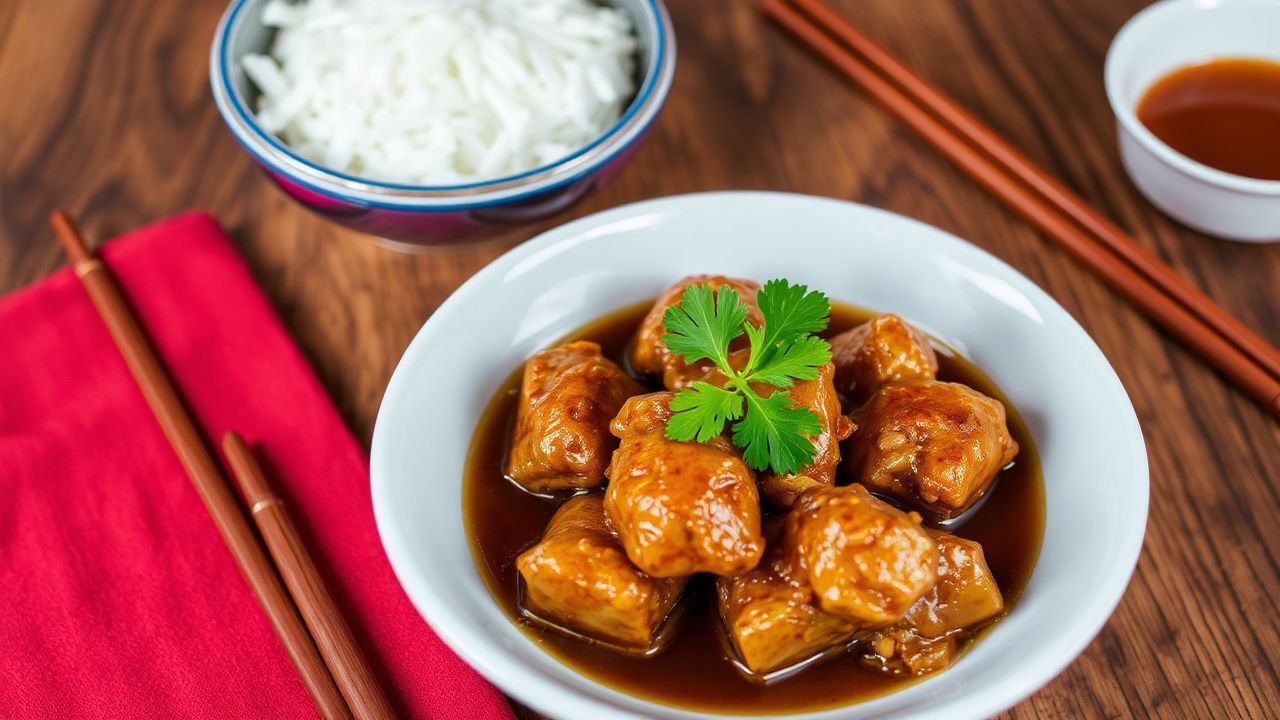
Have you ever encountered a flavor so profound, so deeply rooted in culture, that it transcends mere sustenance and becomes an edible story? Adobo, a classic Filipino recipe cooked in soy sauce, is precisely that kind of dish. It’s a culinary cornerstone, a dish that graces humble family tables and festive gatherings alike, carrying with it generations of history and adaptation. The very essence of Filipino identity is often found simmering in its rich, savory broth.
- The Enduring Allure of Adobo: More Than Just a Dish, It’s a Culinary Legacy
- Deconstructing the Magic: Core Ingredients and Their Roles
- Crafting the Perfect Adobo Chicken: A Step-by-Step Culinary Journey
- Variations on a Theme: Adobo’s Endless Adaptability
- Mastering the Art: Expert Tips for Unforgettable Adobo
- Frequently Asked Questions about Adobo
- Adobo is a cornerstone of Filipino cuisine, celebrated for its adaptable and deeply flavorful profile.
- The dish’s foundation lies in the ingenious combination of soy sauce, vinegar, garlic, and peppercorns, creating a unique umami and tangy balance.
- Its versatility allows for countless regional and personal variations, making each preparation a distinct experience.
- Understanding the core elements of Adobo unlocks the secret to its widespread appeal and enduring popularity.
The simplicity of its core ingredients belies the complexity of its taste. This is a dish that speaks of resourcefulness, using pantry staples to create something truly magical. It’s proof of how a few humble components, when brought together with care, can achieve culinary greatness. The aroma alone, a fragrant blend of garlic and simmering soy sauce, is enough to evoke a sense of home and comfort for many.
The Genesis of a Filipino Icon: Tracing Adobo’s Rich History
The origins of Adobo are not as straightforward as one might assume. While intrinsically Filipino, the name itself hints at external influences. The term “adobar” in Spanish means “to marinate,” and indeed, the Spanish colonial era likely played a role in naming this indigenous cooking method. However, the practice of preserving food using vinegar and salt predates Spanish arrival. Early Filipinos employed vinegar and salt to keep food from spoiling in the tropical climate.
When the Spanish arrived, they observed this method and, recognizing its similarity to their own marinades, applied the term “adobo.” This linguistic fusion highlights the dish’s evolution, absorbing influences while retaining its distinct Filipino soul. Over centuries, regional variations emerged, adapting to local ingredients and palates, further cementing Adobo’s place as a dynamic culinary tradition.
The beauty of Adobo lies in its adaptability. It’s a dish that has traveled with families, adapted to new environments, and been passed down through generations, each iteration adding a personal touch. This inherent flexibility is a key reason why Adobo remains so beloved and ubiquitous across the Philippines and in Filipino communities worldwide. It’s more than just a recipe; it’s a cultural touchstone.
Deconstructing the Magic: Core Ingredients and Their Roles
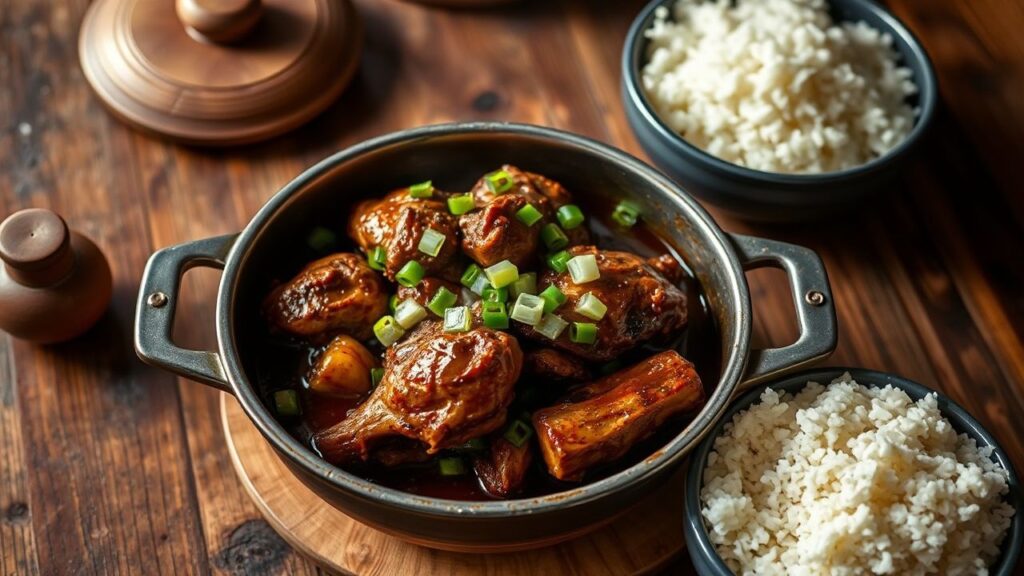
At its heart, Adobo chicken is a classic Filipino recipe cooked in soy sauce, a combination that forms the bedrock of its unforgettable flavor. While variations abound, certain ingredients remain indispensable, each contributing a crucial element to the final taste and texture. Understanding these components is key to mastering this beloved dish.
The foundational trinity of Adobo is undeniably soy sauce, vinegar, and garlic. The soy sauce provides the essential salty, umami depth. It’s the dark, savory backbone that gives the dish its characteristic color and rich flavor profile. Choosing a good quality soy sauce, whether a Filipino brand like Silver Swan or Datu Puti, or a widely available international one, makes a noticeable difference.
Vinegar is the counterpoint, providing the bright, tangy acidity that cuts through the richness of the soy sauce and balances the overall flavor. Common choices include white vinegar, cane vinegar (sukang Iloko), or even apple cider vinegar. The type of vinegar used can subtly alter the final taste, offering another avenue for personalization. Garlic, in generous amounts, infuses the dish with its pungent aroma and a subtle sweetness when cooked down. It’s the aromatic soul of Adobo.
Beyond these essentials, black peppercorns are crucial for a gentle warmth and spice. Whole peppercorns are preferred as they release their flavor more slowly and evenly during the simmering process. Bay leaves add a subtle herbaceous note that complements the other strong flavors.
The Symphony of Flavors: Balancing Soy Sauce and Vinegar
The ratio of soy sauce to vinegar is perhaps the most debated aspect of Adobo preparation. There is no single “correct” ratio, as it depends heavily on personal preference and regional tradition. Some prefer a more vinegary Adobo, often referred to as “Adobong Puti” (white Adobo) if no soy sauce is used, or simply a tangier version of the classic. Others favor a richer, more soy-sauce-forward profile.
Striking the right balance is an art. Too much soy sauce can make the dish overly salty and heavy. Conversely, too much vinegar can overpower the other flavors and result in a dish that is too sharp. The simmering process is where this magic happens. As the liquid reduces, the flavors meld and concentrate, creating a harmonious blend.
Often, the initial ratio is adjusted during cooking. Some cooks add a splash more vinegar towards the end to brighten the flavors, while others might add a touch more soy sauce if the tanginess is too pronounced. This iterative process of tasting and adjusting is what elevates a good Adobo to an exceptional one. It’s a dance of sweet, salty, sour, and savory, a true testament to the nuanced palate of Filipino cuisine.
Crafting the Perfect Adobo Chicken: A Step-by-Step Culinary Journey
Creating an authentic and delicious Adobo chicken is a rewarding experience, accessible even to novice cooks. The process is straightforward, focusing on patient simmering and allowing the flavors to meld beautifully. This classic Filipino recipe cooked in soy sauce is designed to be forgiving, yet yields impressive results.
Ingredients:
- 1.5 kg (approximately 3.3 lbs) chicken pieces (thighs and drumsticks are ideal for moisture and flavor)
- 1 cup (240 ml) soy sauce
- ½ cup (120 ml) white vinegar (or cane vinegar)
- 1 whole head of garlic, cloves peeled and smashed
- 1 teaspoon whole black peppercorns
- 3-4 dried bay leaves
- 1 tablespoon cooking oil (vegetable or canola)
- ½ cup (120 ml) water (optional, for a saucier consistency)
- 1 teaspoon brown sugar (optional, to balance acidity)
- Chopped green onions or fried garlic bits for garnish (optional)
Preparation Method:
1. Marinate the Chicken (Optional but Recommended): In a large bowl, combine the chicken pieces with soy sauce, vinegar, smashed garlic cloves, peppercorns, and bay leaves. Let it marinate for at least 30 minutes at room temperature, or for up to 2 hours in the refrigerator. This step is crucial for infusing the chicken with the core Adobo flavors.
2. Sear the Chicken: Heat the cooking oil in a large pot or Dutch oven over medium-high heat. Remove the chicken pieces from the marinade, reserving the marinade liquid. Sear the chicken pieces on all sides until lightly browned. This step adds depth of flavor and a pleasant texture to the chicken. Don’t overcrowd the pot; cook in batches if necessary.
3. Braise the Adobo: Pour the reserved marinade into the pot with the seared chicken. Bring the mixture to a boil, then reduce the heat to low, cover, and simmer gently for 30-45 minutes, or until the chicken is tender and cooked through. Stir occasionally to ensure even cooking and prevent sticking.
4. Reduce the Sauce: Once the chicken is tender, remove the lid. If you prefer a thicker, more concentrated sauce, increase the heat to medium and let the sauce simmer uncovered for another 10-15 minutes, allowing it to reduce. This process intensifies the flavors of the soy sauce and vinegar. If the sauce becomes too thick, you can add the optional ½ cup of water.
5. Adjust Seasoning: Taste the sauce. If it’s too tart for your liking, stir in the optional brown sugar to balance the acidity. Ensure the flavors are well-rounded and savory.
6. Serve: Serve the Adobo chicken hot, spooning the rich, flavorful sauce over the chicken. It is traditionally served with steamed white rice, which is perfect for soaking up every drop of the delicious sauce. Garnish with chopped green onions or crispy fried garlic bits for added texture and visual appeal.
Chef’s Notes on Technique: Elevating Your Adobo Game
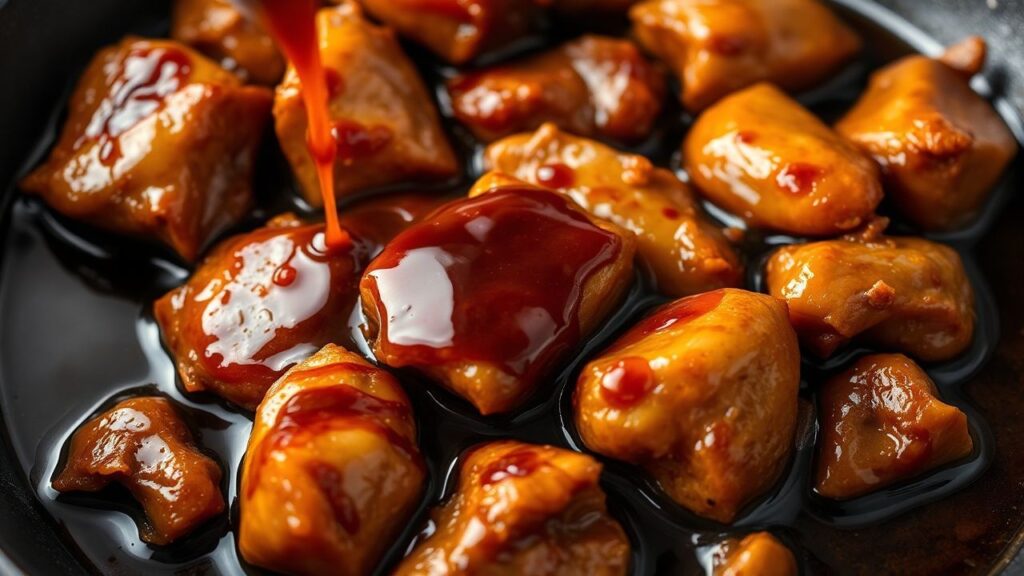
Achieving that perfect Adobo texture and flavor often comes down to a few subtle techniques. Browning the chicken is a non-negotiable step for many traditionalists, as it builds a foundation of flavor that permeates the entire dish. Don’t rush this part; a good sear is paramount.
When simmering, ensure the heat is low and consistent. A gentle simmer allows the chicken to cook through without drying out, while the flavors of the marinade slowly infuse into the meat. If the liquid evaporates too quickly, you can always add a little more water or broth, though this should be done sparingly to maintain the concentrated flavor profile.
Some cooks also like to finish their Adobo by pan-frying the braised chicken pieces until slightly crispy before returning them to the reduced sauce. This adds a wonderful textural contrast, offering both tender and slightly crisped pieces in every bite. It’s a small step that makes a significant impact.
Nutritional Information (per serving, approximate based on 6 servings):
- Calories: 350-450 kcal
- Protein: 30-40g
- Fat: 20-30g
- Carbohydrates: 5-10g
- Sodium: Varies greatly based on soy sauce used
These values are estimates and can vary based on the specific ingredients and portion sizes used.
Variations on a Theme: Adobo’s Endless Adaptability
The beauty of Adobo lies not only in its deliciousness but also in its incredible adaptability. While the classic chicken version is the most recognized, countless variations exist across the Philippines, each reflecting local ingredients and culinary preferences. This inherent flexibility is what has kept Adobo relevant and beloved for centuries.
One popular variation is Adobong Baboy (Pork Adobo), where pork belly or shoulder is used instead of chicken. The fattier cut of pork lends itself to a richer, melt-in-your-mouth texture, and the slow cooking process allows the flavors to penetrate deeply. Often, pork and chicken are cooked together for a delightful medley of textures and tastes.
Then there’s Adobong Pusit (Squid Adobo). Here, squid is braised in a similar soy sauce and vinegar mixture, often with the addition of its own ink, which gives the dish a striking black color and a unique briny flavor. The squid is typically cooked quickly to prevent it from becoming tough.
Other regional specialties include Adobong Kangkong, a vegetarian version using water spinach braised in an Adobo-style sauce, and variations that incorporate coconut milk for a creamier, richer Adobo. The inclusion of ingredients like potatoes, hard-boiled eggs, or even pineapple chunks further demonstrates the dish’s dynamic nature. Each variation offers a unique taste experience while staying true to the core Adobo essence.
The Adobo Migration: A Global Culinary Ambassador
As Filipinos have migrated across the globe, they have taken their beloved Adobo with them. This culinary diaspora has introduced Adobo to new audiences, and in turn, the dish has sometimes been adapted to suit local ingredients and tastes. In the United States, for instance, you might find Adobo made with less sugar or a different type of vinegar depending on availability.
This global spread has cemented Adobo’s status as a true culinary ambassador. It’s a dish that evokes home for Filipinos abroad and fascinates food enthusiasts worldwide with its unique flavor profile. The ability of Adobo to travel and adapt, while retaining its fundamental identity, is proof of its robust and universally appealing character. It’s a story of culinary resilience and widespread appeal.
Mastering the Art: Expert Tips for Unforgettable Adobo
Elevating your Adobo from good to absolutely sensational requires attention to detail and a willingness to experiment. While the basic recipe is straightforward, a few expert touches can transform this classic Filipino recipe cooked in soy sauce into a true showstopper.
One crucial tip is to use a combination of dark and light soy sauce. Light soy sauce provides the foundational saltiness and umami, while dark soy sauce adds a richer color and a more complex, slightly sweet molasses note. This dual approach creates a more nuanced and visually appealing dish.
Consider toasting your peppercorns before grinding or adding them whole. Gently toasting whole peppercorns in a dry pan for a minute or two unlocks their aromatic oils, intensifying their flavor and adding a subtle smoky depth to the Adobo. This small step can make a significant difference.
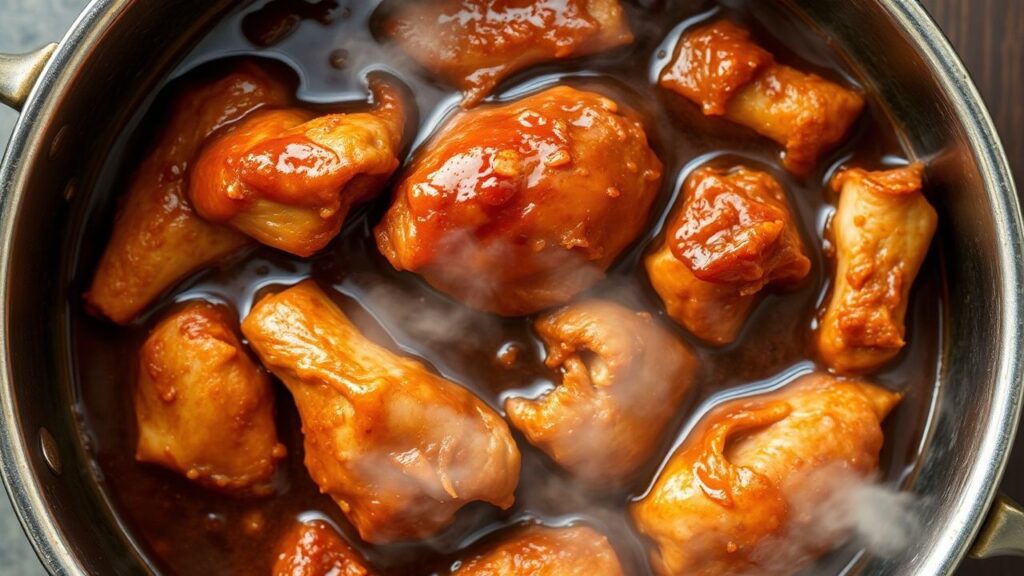
Another impactful technique is to braise the chicken in stages. After the initial sear and simmer, you can remove the chicken and reduce the sauce further. Then, return the chicken to the thickened sauce and let it simmer for a final 10-15 minutes. This ensures the chicken is perfectly tender and coated in a concentrated, glossy sauce.
Finally, don’t be afraid to experiment with aromatics. While garlic is standard, some chefs add a bruised stalk of lemongrass or a slice of ginger to the marinade for an extra layer of fragrance and complexity. These additions, used judiciously, can offer a delightful twist on the classic.
The Unsung Hero: Rice as the Perfect Adobo Companion
No discussion of Adobo is complete without acknowledging its quintessential partner: steamed white rice. The fluffy, slightly sticky texture of freshly cooked rice is the ideal canvas for the rich, savory, and tangy Adobo sauce. Each grain acts as a tiny sponge, ready to soak up the deliciousness.
The simplicity of the rice allows the complex flavors of the Adobo to shine. It provides a neutral base that balances the intensity of the dish, preventing it from becoming overwhelming. It’s a harmonious pairing that has stood the test of time, a culinary partnership that is as essential as the ingredients in the Adobo itself. Without the rice, the Adobo experience is simply incomplete.
Frequently Asked Questions about Adobo
What is the origin of the name “Adobo”?
The name “Adobo” comes from the Spanish word “adobar,” meaning “to marinate.” While the Spanish introduced the term during their colonial rule, the indigenous practice of preserving food with vinegar and salt predates their arrival in the Philippines.
Can I make Adobo with other proteins?
Absolutely. Adobo is incredibly versatile. Pork, seafood like squid (Adobong Pusit), and even vegetables like water spinach (Adobong Kangkong) are commonly prepared in an Adobo style.
How can I make my Adobo sauce thicker?
To thicken Adobo sauce, simply simmer it uncovered over medium heat after the chicken is cooked. This allows the liquid to reduce and concentrate, resulting in a thicker glaze. Alternatively, you can create a slurry with cornstarch and water and stir it into the simmering sauce.
Is Adobo supposed to be sour?
Adobo has a characteristic tanginess from the vinegar, which is essential for balancing the savory soy sauce. However, the level of sourness can be adjusted based on personal preference by varying the amount of vinegar used or by adding a touch of sugar to mellow the acidity.
How long can Adobo be stored?
Adobo can be stored in an airtight container in the refrigerator for up to 3-4 days. The flavors often deepen and improve with refrigeration, making it a fantastic dish to prepare ahead of time.
See also: Adobo