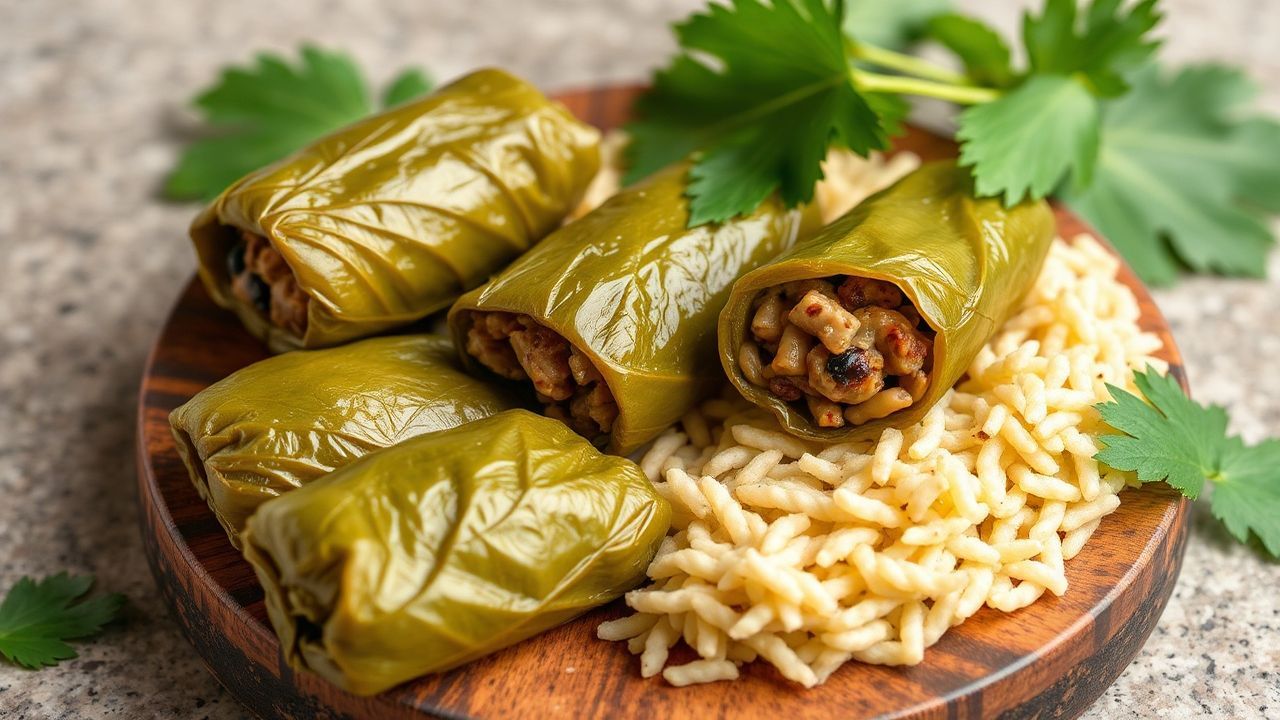

Grape leaves, often referred to as dolmades or yaprak sarma, represent far more than mere culinary components; they are edible vessels carrying centuries of history, tradition, and flavor across the Middle East and Mediterranean. For many, the mere mention evokes images of family gatherings, festive occasions, and the comforting aroma of slow-cooked, herb-infused parcels. Yet, achieving that perfect, melt-in-your-mouth texture and balanced flavor can feel like an elusive art form. This comprehensive guide demystifies the process, offering a proven path to dolmades mastery, ensuring your creations are not just food, but edible stories.
The journey of stuffed grape leaves is deeply intertwined with the agricultural cycles and cultural exchange of the regions where grapevines thrive. Evidence suggests the practice of stuffing leaves dates back to at least the 4th century BCE, with variations appearing in ancient Greek and Roman cuisines. Over millennia, as trade routes expanded and empires shifted, so too did culinary traditions, weaving the humble grape leaf into the fabric of Levantine, Balkan, and even some Central Asian diets. A 2018 study published in the *Journal of Ethnobiology and Food Science* highlights how the preparation of dolmades is often a communal activity, reinforcing social bonds and transmitting culinary heritage across generations.
The true magic of dolmades lies not just in its taste, but in the shared experience of its creation and consumption, proof of its enduring cultural significance.
Understanding the nuances of grape leaves themselves is the foundational step. Whether using fresh or preserved varieties, their preparation dictates the final outcome. Fresh leaves offer a vibrant, slightly tart flavor and a more yielding texture, but require blanching to become pliable. Preserved leaves, typically packed in brine, are conveniently ready to use after a thorough rinsing to temper their saltiness. The quality of the leaf – its size, thickness, and absence of tears – is paramount. Larger, tougher leaves are better suited for simpler fillings, while smaller, more delicate ones are ideal for intricate, finely seasoned mixtures.
The Art of the Filling: A Symphony of Flavors
The soul of dolmades resides within its filling. While a classic vegetarian or vegan version, typically featuring rice, fresh herbs, and often pine nuts or currants, is widely adored, the possibilities are nearly limitless. Meat-based fillings, incorporating finely minced lamb or beef, add a richer, more savory dimension. The key to an exceptional filling is balance: the earthy aroma of herbs like parsley and mint, the subtle sweetness of onion and garlic, the zest of lemon, and the satisfying chew of perfectly cooked rice.
For the foundational vegetarian filling, the ratio of ingredients is critical. A common starting point involves medium-grain rice, which absorbs flavors beautifully without becoming mushy. Fresh parsley and mint are non-negotiable, providing a bright, herbaceous counterpoint to the richness of the rice and olive oil. Finely diced onion, sautéed to translucence, adds a foundational sweetness, while garlic, used judiciously, imparts its characteristic pungency. The addition of lemon zest and juice is crucial, cutting through the richness and brightening the entire profile.
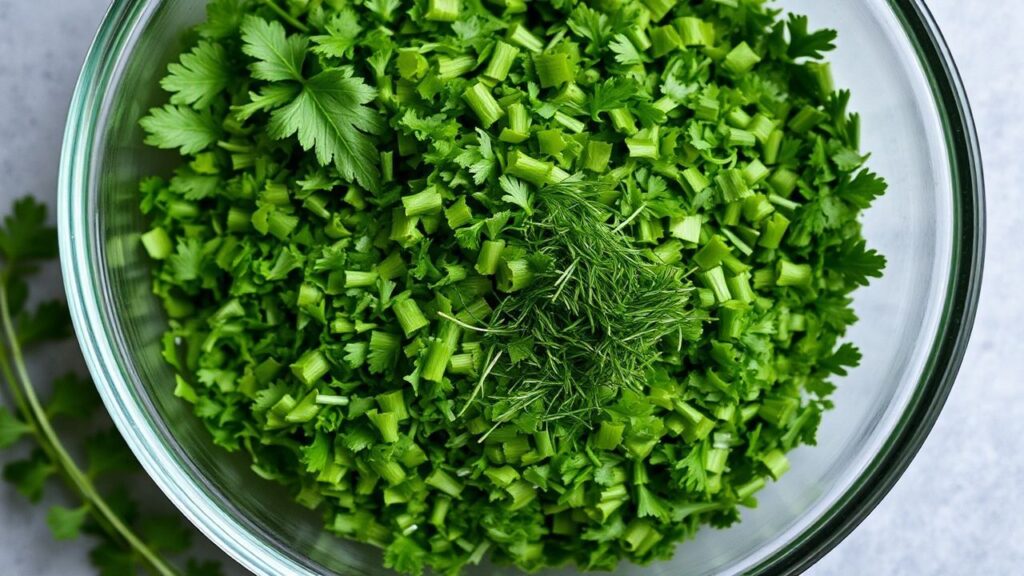
Beyond the standard, adventurous cooks might explore additions like toasted pine nuts for a buttery crunch, plump raisins or dried currants for bursts of sweetness, or even a pinch of allspice or cinnamon for a hint of exotic warmth. The consistency of the filling is also key; it should be moist enough to hold together but not so wet that it seeps out during cooking.
Crafting the Perfect Grape Leaf Parcel
The technique of rolling grape leaves is an art passed down through generations, requiring patience and a gentle touch. The process, while seemingly straightforward, involves several critical steps to ensure each parcel is neat, compact, and cooks evenly.
Preparation of the Leaves:
If using fresh grape leaves, they must first be blanched. Bring a large pot of water to a rolling boil. Carefully submerge batches of leaves for about 1-2 minutes, until they turn a vibrant green and become pliable. Immediately transfer them to an ice bath to stop the cooking process and preserve their color. Drain them thoroughly and pat them dry. For preserved leaves, rinse them thoroughly under cold water multiple times to remove excess brine, then drain and pat dry. Discard any bruised or torn leaves.
The Rolling Technique:
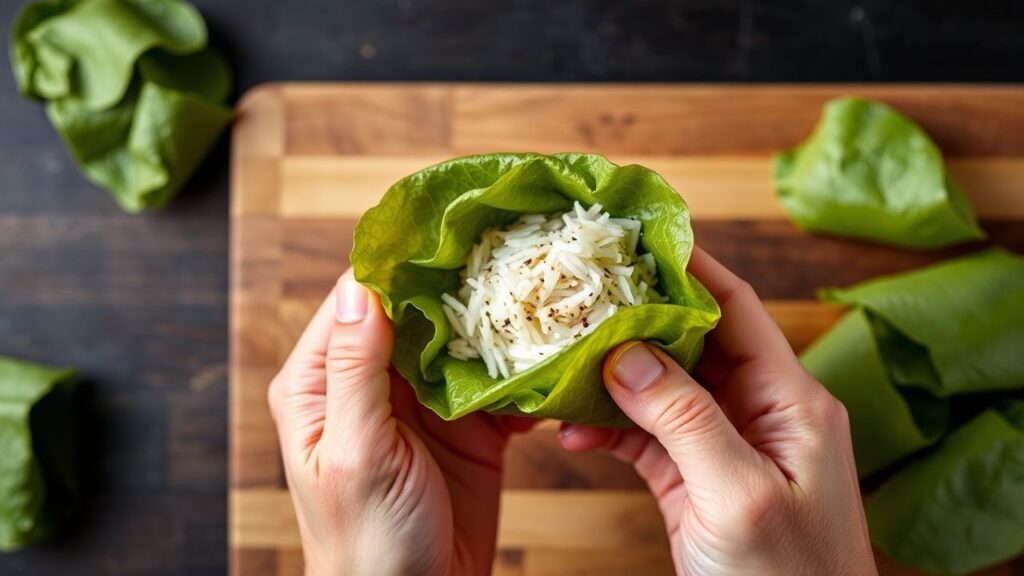
Lay a grape leaf, shiny side down, with the stem end towards you. Place a small amount of filling (about 1-2 teaspoons for smaller leaves, more for larger ones) near the stem end. Fold the sides of the leaf inward over the filling, then tightly roll the leaf upwards towards the pointed tip. The goal is a snug, torpedo-like shape. Avoid overfilling, as the rice will expand during cooking.
The Slow Simmer: Unlocking Depth of Flavor
The cooking method for dolmades is as vital as the ingredients and rolling technique. A gentle, slow simmer in a flavorful liquid allows the rice to cook through, the herbs to meld, and the grape leaves to become exquisitely tender. The traditional approach involves arranging the rolled dolmades snugly in a wide, heavy-bottomed pot, creating a tightly packed layer. This prevents them from unfurling during cooking. Some cooks place a layer of reserved grape leaves or even potato slices at the bottom of the pot to prevent sticking and add subtle flavor.
The cooking liquid is where much of the nuanced flavor is imparted. A common base is a mixture of water or vegetable broth, enriched with olive oil and ample fresh lemon juice. The acidity of the lemon is crucial not only for flavor but also for tenderizing the leaves and balancing the richness of the filling. Some variations incorporate a touch of tomato paste or a bay leaf for added complexity.
The pot is then covered, and the dolmades are simmered gently over low heat for approximately 45 minutes to an hour, or until the rice is fully cooked and the leaves are tender. The key is a very low, consistent heat; a vigorous boil can cause the parcels to break apart.
The true hallmark of expertly made dolmades is their ability to be pierced with a fork with minimal resistance, yielding a tender, flavorful bite.
Nutritional Insights and Variations
A typical serving of vegetarian dolmades (approximately 5-6 pieces) offers a moderate caloric intake, with the exact figures varying based on the richness of the filling and the amount of olive oil used. The primary nutritional contributions come from the carbohydrates in the rice, fiber from the rice and grape leaves, and healthy fats from the olive oil. The herbs contribute essential vitamins and minerals, albeit in smaller quantities.
For those seeking to enhance the nutritional profile, consider incorporating ingredients like quinoa or bulgur alongside or in place of some of the rice for added protein and fiber. Finely chopped vegetables such as zucchini or bell peppers can also be added to the filling. For a more protein-dense option, a small amount of finely ground lamb or beef can be mixed into the rice filling.
Expert Pro-Tips for Dolmades Perfection
Achieving restaurant-quality dolmades involves attention to detail and a few insider techniques.
The quality of olive oil used significantly impacts the final flavor. Opt for a good quality extra virgin olive oil, as its fruity notes will enhance the overall taste. When layering the dolmades in the pot, ensure they are packed snugly. This not only prevents them from coming undone but also creates a more cohesive final product, making them easier to serve.
Another critical aspect is resting. Allowing the cooked dolmades to rest in their cooking liquid for at least 15-20 minutes after removing them from the heat allows the flavors to fully meld and the parcels to firm up slightly, making them easier to handle and serve.
The best grape leaves are typically young, tender, and relatively thin. Both fresh and preserved leaves can yield excellent results. Fresh leaves offer a brighter flavor but require blanching. Preserved leaves are convenient but must be thoroughly rinsed to remove excess salt. Look for leaves that are free of blemishes and tears for the neatest results.
Packing the rolled dolmades tightly in a single layer in the cooking pot is crucial. This physical constraint helps them maintain their shape. Additionally, ensure your filling is not too loose and that you are not overfilling the leaves. A gentle simmer, rather than a rolling boil, is also vital for preventing them from disintegrating.
Absolutely. Dolmades are often considered even better the next day, as the flavors have more time to meld. You can prepare them completely and refrigerate them. Reheat them gently on the stovetop in a little extra liquid or in a moderate oven. They can also be frozen, either cooked or uncooked, for longer storage.
The terms “dolmades” and “yaprak sarma” are often used interchangeably, both referring to stuffed grape leaves. “Dolmades” is a Greek term, while “yaprak sarma” is Turkish. The fundamental concept is the same, though regional variations in fillings and cooking methods exist across the vast culinary landscape where these dishes are popular.
Enhance your filling with a generous amount of fresh herbs like parsley, mint, and dill. Sautéing the onions and garlic before adding them to the rice deepens their flavor. Don’t shy away from using good quality olive oil and fresh lemon juice, which are essential for brightness. Consider adding toasted pine nuts for texture and sweetness, or a pinch of allspice or cinnamon for a warm, aromatic note.
See also: Grape leaves