
Why Your Coconut Curry Lacks Depth: A Masterclass in Tofu and Vegetable Balance
Most home cooks treat a Coconut curry as a convenient “dump-and-stir” weeknight solution, yet this oversimplification is precisely why domestic versions often taste like thin, sweetened soups rather than the complex, layered masterpieces found in Southeast Asian kitchens. To truly master this dish, one must abandon the notion that coconut milk is merely a liquid base; it is a sophisticated chemical emulsion that dictates the entire flavor profile. If you aren’t actively managing the lipid-to-water ratio or the temperature at which your aromatics bloom, you aren’t making a curry—you are making a flavored broth.
At a Glance: Key Professional Insights
- Lipid Management: High-fat coconut milk (17-19% fat) is non-negotiable for achieving the silky viscosity required to coat tofu and vegetables effectively.
- The “Cracking” Technique: Professional chefs intentionally “crack” the coconut cream to fry aromatics in the released oil, a method that prioritizes depth over modern convenience.
- Tofu Structural Integrity: Achieving a Maillard reaction on the tofu’s exterior before it hits the sauce is the only way to prevent a soggy, uninspiring texture.
- Aromatic Tiering: Spices must be added in a specific sequence—not all at once—to ensure that volatile oils are preserved and earthy base notes are established.
The lineage of Coconut curry reflects the spice trade’s profound impact on regional identity. While many associate the dish primarily with Thailand, the interplay of coconut milk with turmeric and galangal draws a direct line through the Malay Archipelago and into the coastal regions of Southern India. This dish serves as a bridge between the pungent heat of the mainland and the cooling properties of the coastal palm. Reducing it to a generic “curry” ignores centuries of culinary refinement required to balance the five pillars of taste: salty, sweet, sour, spicy, and umami.
Understanding the biochemical properties of coconut milk is essential for any discerning chef. When heated, the proteins and fats in the milk interact with the acids from lime or tamarind and the salts from fermented pastes or soy sauce. If the heat is too aggressive, the emulsion breaks, resulting in a grainy texture. Conversely, if the heat is too low, the flavors remain “raw” and disjointed. Achieving that elusive restaurant-quality sheen requires a level of temperature control that standard recipes rarely mention.
The Architecture of a Superior Coconut Curry Base
The foundation of a great Coconut curry begins with the choice of coconut milk. In a professional setting, we distinguish between “first extract” (the thick cream) and “second extract” (the thinner milk). Most canned varieties are a blend, but for the best results, prioritize brands without excessive stabilizers like guar gum. These additives interfere with the “cracking” process, where the coconut fat separates from the solids. This separated fat is the ideal medium for frying your curry paste, as it carries a natural sweetness that neutral oils cannot replicate.
The aromatic foundation—the rempah or paste—demands precision. Whether you are using a red, green, or yellow base, the goal is to “bloom” the spices. This involves frying the paste in that cracked coconut oil until the moisture evaporates and the oils turn a deep, vibrant color. During this stage, the chemical compounds in ingredients like lemongrass, ginger, and garlic transform from sharp and aggressive to mellow and complex. Skipping this step ensures your Coconut curry will always taste “unfinished.”
Consider the role of “umami boosters” in a plant-based Coconut curry. While traditional Thai recipes rely on fish sauce, a sophisticated tofu-based version requires clever substitutions to achieve the same depth. White miso, high-quality tamari, or even a small amount of dried mushroom powder can provide the glutamates necessary to satisfy the palate. Without this savory backbone, the coconut milk can become cloying, leading to a dish that feels “one-note” after a few bites.
Managing the Tofu and Vegetable Texture Matrix
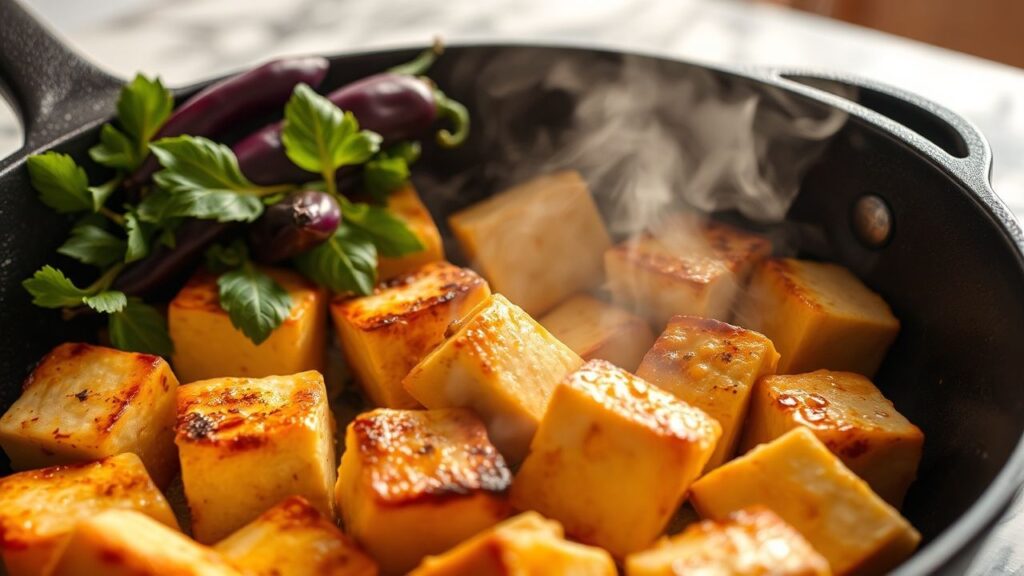
Tofu is often criticized for being bland or spongy, but this is a failure of preparation. For a Coconut curry, the objective is to create a textural contrast: a crisp, golden exterior and a tender, custard-like interior. This is achieved by pressing the tofu for at least 30 minutes to remove excess moisture, followed by a high-heat sear in a cast-iron skillet. By the time the tofu enters the curry, it should be a structural element capable of absorbing the sauce without disintegrating.
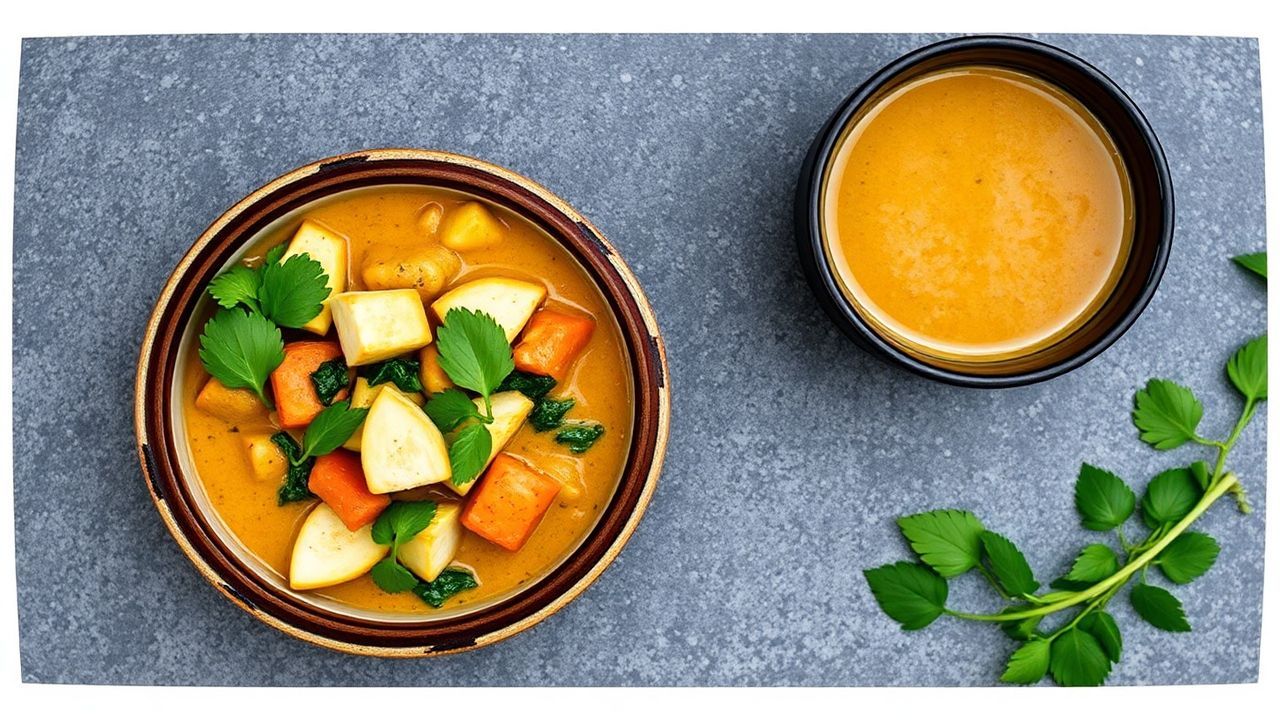
Vegetable selection should be a deliberate curation based on cook times and color retention. Denser vegetables like carrots or sweet potatoes should be par-boiled or added early, while delicate greens like spinach or bok choy should be folded in at the very last second. This ensures every component remains al dente. A study in the Journal of Food Science suggests that overcooking vegetables in an acidic/fatty environment (like a curry) leads to a 40-60% loss in vitamin C and a significant degradation of chlorophyll, resulting in the dull, brownish vegetables that characterize amateur cooking.
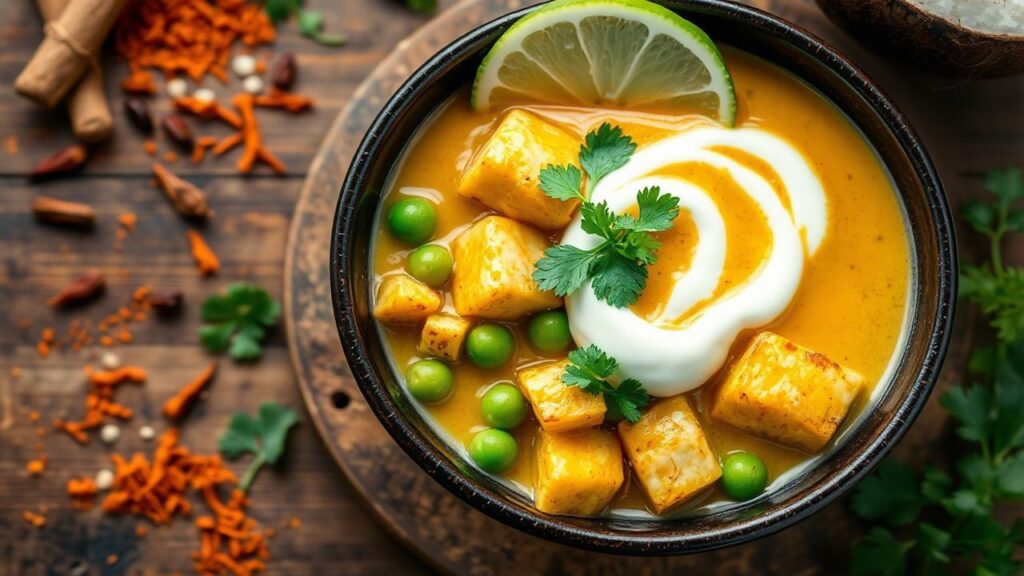
The interaction between the sugars in the coconut milk and the natural sugars in vegetables like red peppers or snap peas creates a secondary layer of sweetness. However, this must be balanced with acidity. A common mistake is adding lime juice too early; heat destroys the bright, top-note acidity of citrus. Always finish your Coconut curry with a fresh squeeze of lime after removing it from the heat. This “acid hit” cuts through the heavy fats and brightens the entire flavor profile, making the dish feel lighter and more vibrant.
The Definitive Recipe: Artisan Coconut Curry with Tofu
This recipe focuses on the “layering” technique used in high-end kitchens. It prioritizes the development of the flavor base before the bulk of the liquid is added. While it takes slightly longer than a standard recipe, the result is a Coconut curry with a depth of flavor that rivals the best restaurants in Bangkok or Singapore.
Ingredients List
| Ingredient | Metric Measure | Imperial Measure |
|---|---|---|
| Extra-Firm Tofu (Pressed) | 400g | 14 oz |
| Full-Fat Coconut Milk | 800ml (2 cans) | 27 fl oz |
| Red or Green Curry Paste | 45g | 3 tbsp |
| Fresh Ginger (Minced) | 15g | 1 tbsp |
| Garlic Cloves (Crushed) | 3 pieces | 3 pieces |
| Shallots (Finely Sliced) | 2 pieces | 2 pieces |
| Sweet Potato (1/2 inch cubes) | 250g | 9 oz |
| Snap Peas or Broccolini | 150g | 5 oz |
| Tamari or Soy Sauce | 30ml | 2 tbsp |
| Coconut Sugar | 10g | 2 tsp |
| Fresh Lime Juice | 15ml | 1 tbsp |
| Thai Basil or Cilantro | 1 handful | 1 handful |
Step-by-Step Preparation Method
- The Tofu Foundation: Slice the pressed tofu into 1-inch cubes. Heat a tablespoon of neutral oil in a heavy-bottomed skillet over medium-high heat. Sear the tofu until all sides are golden and crispy (approximately 8-10 minutes). Remove and set aside on a paper towel.
- The Coconut “Crack”: Open your cans of coconut milk without shaking them. Spoon the thick, white cream from the top into a large wok or pot. Heat over medium heat until it begins to bubble and the oil starts separating from the white solids.
- Aromatic Activation: Add the curry paste, ginger, garlic, and shallots to the “cracked” cream. Fry for 3-5 minutes, stirring constantly. You will know it is ready when the oil takes on the color of the paste and the mixture becomes highly fragrant.
- Building the Body: Pour in the remaining coconut milk and add the sweet potato cubes. Bring to a gentle simmer (avoid a rolling boil). Cover and cook for 10-12 minutes until the potatoes are just tender.
- The Vegetable and Tofu Merge: Add the snap peas and the seared tofu. Simmer for another 3-4 minutes. The tofu will act like a sponge, drawing the Coconut curry into its crispy exterior.
- The Final Balancing Act: Stir in the tamari and coconut sugar. Taste the sauce; it should be a perfect balance of salty, sweet, and spicy. Remove from heat and stir in the lime juice and fresh herbs.
Nutritional Analysis (Per Serving)
This Coconut curry is a powerhouse of healthy fats and plant-based protein. The medium-chain triglycerides (MCTs) found in coconut milk provide a sustained energy source, while the tofu offers a complete amino acid profile.
- Calories: 485 kcal
- Total Fat: 38g (Saturated: 28g)
- Protein: 18g
- Carbohydrates: 22g
- Fiber: 6g
- Sodium: 820mg
Advanced Techniques to Elevate Your Dish
To transcend the standard recipe, consider the “double-aromatic” approach. This involves adding half your aromatics at the beginning to create deep, cooked-in flavors, and the other half (specifically ginger and fresh chilies) during the last five minutes of cooking. This creates a multi-dimensional heat that hits both the back of the throat and the front of the tongue. This technique ensures the Coconut curry tastes fresh even after simmering.
Another “pro move” is the inclusion of Makrut lime leaves. However, do not simply throw them in whole. Tear the leaves to bruise them, which releases the essential oils. These leaves provide a floral, citrusy backbone that no amount of lime juice can replicate. If you cannot find them fresh, look for frozen options rather than dried, as dried leaves often lose their aromatic potency. Integrating these subtle elements is what separates a good Coconut curry from a transcendent one.
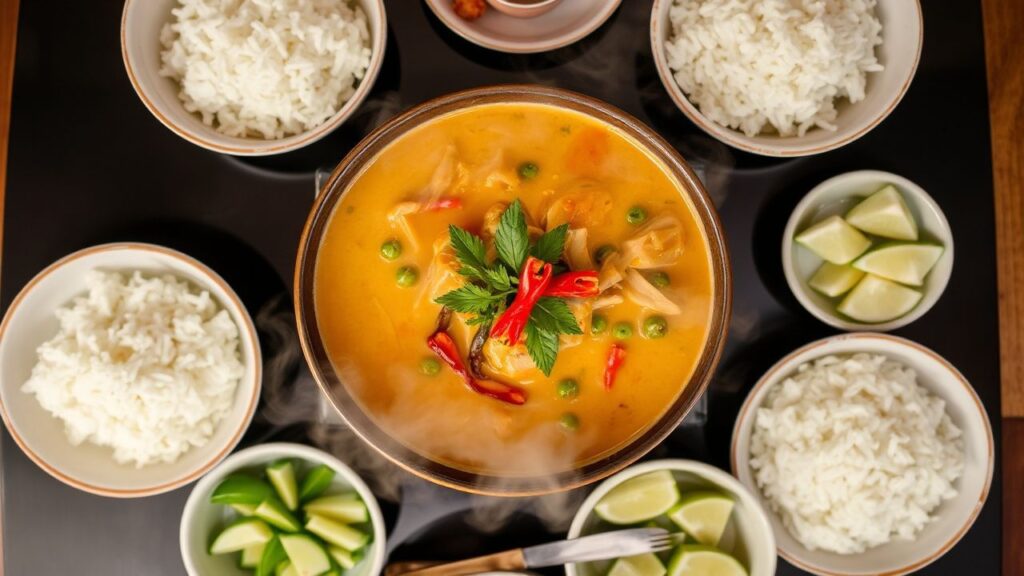
Finally, consider the rice. A Coconut curry is only as good as its vehicle. While plain jasmine rice is the standard, infusing your rice water with a bruised stalk of lemongrass or a few cardamom pods can elevate the entire meal. The goal is to create a cohesive sensory experience where the rice and the curry are in constant dialogue. When the starch of the rice meets the lipid-rich sauce, it creates a mouthfeel that is the literal definition of comfort food.
Frequently Asked Questions
Can I make a low-fat version of Coconut curry that still tastes good?
While you can use “lite” coconut milk, you will sacrifice the luxurious mouthfeel and the ability to “crack” the cream. To compensate for the lack of fat, you may need to add a teaspoon of cornstarch slurry to thicken the sauce, but the flavor will never be as deep. A better approach is to enjoy a smaller portion of a full-fat Coconut curry to maintain the integrity of the dish.
How do I prevent my tofu from getting soggy in the leftovers?
If you plan on having leftovers, store the seared tofu and the curry sauce in separate containers. Reheat the sauce first, then add the tofu. This prevents the tofu from sitting in the liquid for 24 hours and absorbing too much moisture. If they must be stored together, a quick 5-minute bake in the oven or air fryer can help revive the tofu’s exterior.
What is the best substitute for fish sauce in a vegan Coconut curry?
The best substitute is a combination of light soy sauce and a small amount of seaweed (like dulse flakes) or liquid aminos. This provides both the saltiness and the “oceanic” umami that fish sauce typically contributes. Some chefs also use a high-quality vegan mushroom sauce, which offers a similar fermented depth without animal products.
Why does my curry sometimes turn out gray instead of vibrant yellow or red?
This is usually caused by over-oxidizing the spices or using old, stale ground turmeric. To keep your Coconut curry vibrant, use fresh aromatics and high-quality pastes. Additionally, adding a pinch of fresh turmeric root or a high-curcumin powder at the very end of the blooming phase will help lock in that brilliant, appetizing color.
See also: Coconut curry