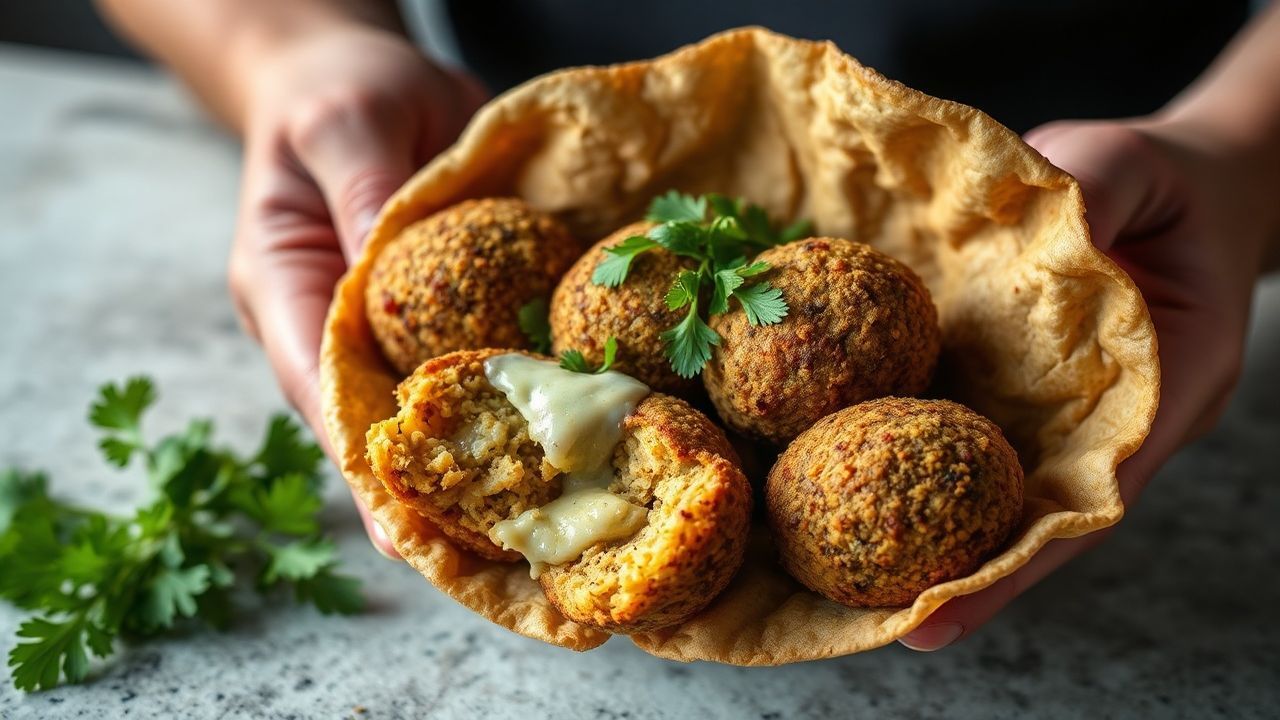

“The humblest ingredients, when handled with respect and a touch of inspiration, can transform into something truly extraordinary. This is the magic of falafel.” – Yotam Ottolenghi
- The Foundation of Flavor: Selecting Your Ingredients
- The Art of Preparation: From Legumes to Luscious Bites
- The Alchemy of Frying: Achieving Golden Perfection
- Nutritional Insights: The Wholesome Appeal of Falafel
- Elevating Your Falafel: Expert Tips for Restaurant-Quality Results
- 💡 Expert Insight Expert Insight: The Power of Freshness and the Cold Treatment
- ⚠️ Pro-Caution Pro-Caution: The Perils of Over-Processing
- Serving Suggestions: Beyond the Pita Pocket
- Conclusion: The Joy of Homemade Falafel
- Frequently Asked Questions
Falafel, that iconic street food and beloved staple across the Middle East and beyond, holds a special place in the global culinary landscape. Its humble origins, rooted in a need for a protein-rich, meat-free alternative, have blossomed into a worldwide phenomenon. Yet, achieving that perfect balance of a crisp, golden exterior and a tender, herbaceous interior at home can feel like an elusive art form. This comprehensive guide demystifies the process, drawing on decades of culinary expertise to make the most of truly exceptional homemade falafel. We’ll explore the nuances of ingredient selection, the critical steps in preparation, and the subtle techniques that elevate this dish from merely good to utterly unforgettable.
The true essence of falafel lies not just in its taste, but in its accessibility and its ability to nourish both body and soul. It’s proof of the power of simple, plant-based ingredients prepared with intention.
The Foundation of Flavor: Selecting Your Ingredients
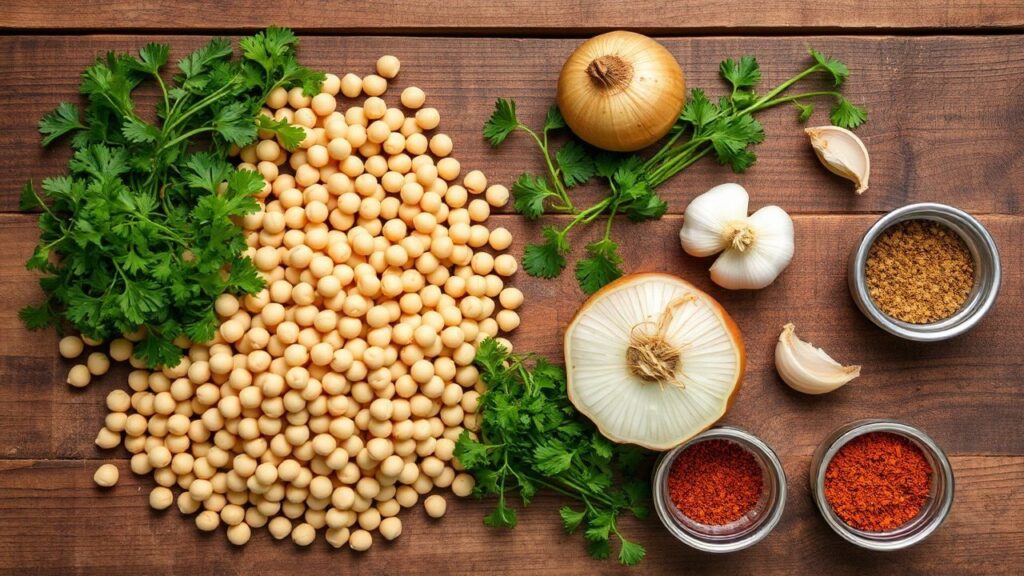
The soul of any great falafel dish resides in the quality and combination of its core ingredients. While recipe variations are numerous, a few fundamental principles underpin success. At its heart, falafel relies on dried legumes, typically chickpeas or fava beans, or a combination of both. The choice between the two, or their marriage, significantly impacts the final texture and flavor profile.
Chickpeas, the most common base, lend a slightly nuttier, earthier flavor and a more granular texture when processed. Fava beans, on the other hand, contribute a creamier, almost buttery consistency and a milder, sweeter taste. Many purists swear by using only dried fava beans (known as *ta’ameya* in Egypt), while others champion the robust flavor of chickpeas. A common and often optimal approach is to blend them, harnessing the best of both worlds. Crucially, always use dried legumes, never canned. Canned beans are pre-cooked and contain excess moisture, which will render your falafel mushy and prone to disintegration during frying.
Beyond the legumes, the aromatic trifecta of fresh herbs is paramount. Parsley and cilantro are non-negotiable, providing vibrant green hues and a fresh, zesty counterpoint to the richness of the beans. A generous hand with these herbs is essential for that authentic, bright flavor. Some recipes also incorporate a smaller amount of dill or mint for added complexity. The spices where personal preference often shines, but a foundational blend typically includes cumin, coriander, and a pinch of cayenne pepper for warmth. Garlic and onion, minced finely, add pungency and depth.
The Art of Preparation: From Legumes to Luscious Bites
The preparation of falafel is a ritual, a process that demands patience and attention to detail. The most critical step, one that cannot be overstated, is the soaking of the dried legumes. This is not a quick overnight affair; rather, it requires a minimum of 12-24 hours, with the beans ideally being soaked in ample cold water, changing it periodically. This rehydration process is essential for softening the legumes to a point where they can be ground into a workable paste without cooking. Skipping or shortening this step will result in falafel that is dense, uncooked, and gritty.
Once thoroughly soaked and drained, the legumes are ground. This is not a task for a high-powered blender, which tends to pulverize the ingredients into a paste, losing the desirable texture. A food processor is the ideal tool, used in short pulses. You are aiming for a coarse, slightly crumbly mixture, not a smooth puree. It should hold together when squeezed but still retain some discernible texture from the beans.
After grinding, the herbs and aromatics are added. Again, the food processor is employed, but with caution. Over-processing at this stage can bruise the herbs, leading to a less vibrant flavor and color. The spices, salt, and any additional binders are then mixed in. While some traditional recipes forgo binders entirely, relying solely on the starch from the legumes, a small amount of all-purpose flour or chickpea flour (besan) can be a helpful addition, particularly for novice cooks, to ensure the falafel hold their shape. The mixture should then be chilled for at least 30 minutes. This allows the flavors to meld and the mixture to firm up, making it easier to shape.
The transformation of humble dried beans into vibrant, flavorful falafel is proof of the power of careful preparation and the synergy of fresh herbs and aromatic spices.
Shaping the Perfect Orb: Technique and Consistency
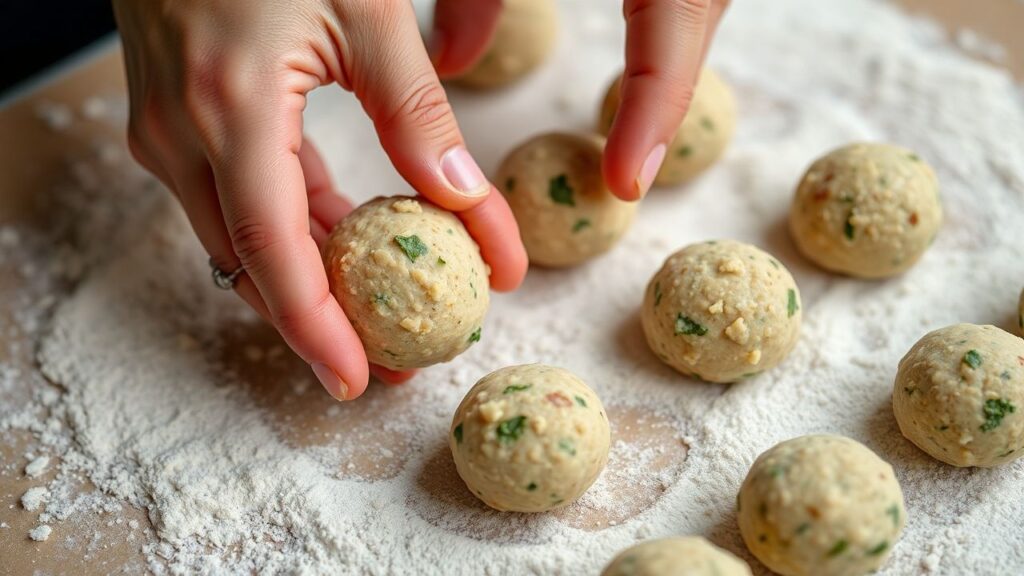
The shaping of falafel is where the visual appeal truly begins to take shape. Traditionally, small, disc-like patties or small balls are formed. A falafel scoop or a tablespoon can be used to portion the mixture. The key is to handle the mixture gently, avoiding over-compression, which can lead to dense, heavy falafel. Gently roll or press the mixture between your palms to form the desired shape. If the mixture is too sticky, a light dusting of flour on your hands can help.
The size of the falafel is also a consideration. Smaller pieces tend to cook more evenly and achieve a crispier exterior. Aim for pieces that are roughly 1 to 1.5 inches (2.5 to 3.8 cm) in diameter. Uniformity in size is also beneficial for consistent cooking times, ensuring that all your falafel are perfectly golden and cooked through simultaneously.
The Alchemy of Frying: Achieving Golden Perfection
Frying is the final, transformative stage in the falafel-making process. The choice of oil and the temperature are critical for achieving that coveted crisp exterior without burning the outside while leaving the inside undercooked. A neutral-flavored oil with a high smoke point is ideal. Vegetable oil, canola oil, or sunflower oil are excellent choices. The oil should be heated to approximately 350-375°F (175-190°C). Using a thermometer is highly recommended to maintain this precise temperature.
If the oil is too cool, the falafel will absorb excess oil, becoming greasy and heavy. If it’s too hot, the exterior will brown too quickly, potentially burning before the interior is heated through. Fry the falafel in small batches, ensuring not to overcrowd the pan. Overcrowding will lower the oil temperature, leading to the aforementioned greasiness.
The frying time will vary depending on the size of the falafel, but typically ranges from 3 to 5 minutes per batch, or until they are deeply golden brown and float to the surface. Use a slotted spoon or a spider strainer to remove the falafel from the hot oil and place them on a wire rack set over a baking sheet. This allows excess oil to drain off, maintaining their crispness. Avoid placing them directly on paper towels, as this can trap steam and make them soggy.
The Role of Binding Agents and Texture Considerations
While the foundational recipe relies on the natural binding properties of ground legumes and herbs, the judicious use of binders can significantly improve consistency, especially for those new to making falafel. A small amount of all-purpose flour or chickpea flour (besan), typically 1-2 tablespoons per pound of legumes, can help bind the mixture, preventing it from falling apart during frying. These flours also contribute a subtle crispness to the exterior.
However, it’s crucial to use binders sparingly. Overdoing it can lead to a doughy, dense falafel that lacks the characteristic light and airy interior. For those seeking a gluten-free option, chickpea flour is an excellent choice.
Nutritional Insights: The Wholesome Appeal of Falafel
Falafel, at its core, is a remarkably nutritious dish. When prepared with wholesome ingredients and fried judiciously, it offers a wealth of benefits. The primary ingredient, chickpeas, are an excellent source of plant-based protein and dietary fiber. A typical serving of falafel (around 3-4 pieces) can provide a significant portion of your daily recommended fiber intake, which is crucial for digestive health and promoting satiety.
Research has indicated that a diet rich in legumes can contribute to improved cholesterol levels and better blood sugar control. For instance, studies published in the *American Journal of Clinical Nutrition* have shown that increased legume consumption was associated with a lower risk of type 2 diabetes. Furthermore, the fresh herbs like parsley and cilantro are packed with vitamins and antioxidants, contributing to overall well-being.
While frying does introduce fat, the type of oil used and the efficiency of the frying process play a role. Using a high-quality oil and maintaining the correct temperature minimizes oil absorption. When served in moderation, falafel can be a guilt-free indulgence that aligns with a healthy, balanced diet. A standard serving of 3-4 falafel pieces (approximately 100g) contains roughly:
- Calories: 250-300
- Protein: 10-12g
- Fiber: 8-10g
- Fat: 12-15g (depending on frying)
- Carbohydrates: 25-30g
These figures are approximate and can vary based on the exact recipe and preparation method.
Elevating Your Falafel: Expert Tips for Restaurant-Quality Results
Achieving falafel that rivals that of your favorite Middle Eastern eatery is within reach with a few expert touches. These are the subtle nuances that separate the good from the truly exceptional.
💡 Expert Insight
Expert Insight: The Power of Freshness and the Cold Treatment
Always use the freshest possible herbs. Wilted herbs will diminish the vibrancy of your falafel. After mixing all ingredients, chill the falafel mixture for at least 30 minutes, or even up to a few hours. This is a critical step that allows the flavors to meld beautifully and, more importantly, firms up the mixture. A cold, firm mixture is significantly easier to shape and less likely to fall apart during frying, leading to a superior texture.
⚠️ Pro-Caution
Pro-Caution: The Perils of Over-Processing
When grinding the legumes, resist the urge to over-process into a smooth paste. The ideal texture is coarse and slightly crumbly. Over-processing releases too much starch, leading to dense, gummy falafel that lack the desirable interior texture. Pulse the food processor in short bursts, scraping down the sides as needed, until you achieve the right consistency.
Another often overlooked element is the double-fry method. For an ultra-crispy exterior that holds up exceptionally well, you can partially fry the falafel for about 2-3 minutes until they are lightly golden. Remove them from the oil and let them cool completely. Then, just before serving, fry them again for another 2-3 minutes until they achieve a deep, golden-brown crust. This technique ensures a perfectly cooked interior and an irresistible crunch.
Finally, consider the resting period after frying. Allowing the falafel to rest on a wire rack for a few minutes after they come out of the hot oil helps them to achieve their final crispness and allows the internal temperature to equalize. This prevents the dreaded “soggy bottom” and ensures every bite is a delight.
Serving Suggestions: Beyond the Pita Pocket
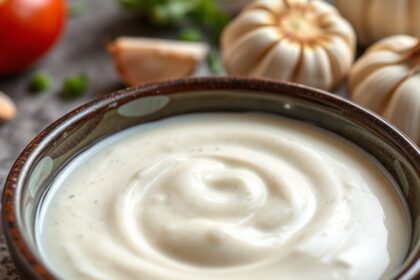
While the classic falafel pita sandwich—stuffed with tahini sauce, pickles, and fresh salad—is undeniably delicious, the versatility of homemade falafel extends far beyond. They can be crumbled over salads for a protein boost, served as an appetizer with a variety of dips (hummus, baba ghanoush, garlic sauce), or incorporated into grain bowls.
The key to a truly satisfying falafel experience lies in the accompaniments. A good tahini sauce is crucial. Whisk together tahini paste with lemon juice, garlic, water, and a pinch of salt until smooth and creamy. Freshly chopped parsley and a sprinkle of sumac add a final flourish. Pickled turnips, with their vibrant pink hue and tangy bite, provide a welcome acidic contrast.
Conclusion: The Joy of Homemade Falafel
Crafting authentic, delicious falafel at home is a rewarding culinary endeavor. It’s a journey that begins with understanding the fundamental ingredients and progresses through meticulous preparation and skillful frying. By adhering to the principles of using dried legumes, fresh herbs, precise spice blends, and mastering the techniques of grinding and frying, you can consistently create falafel that are proof of flavor and texture. The satisfaction derived from serving these golden orbs of deliciousness, knowing you’ve transformed simple ingredients into something truly special, is immense. So, embrace the process, experiment with your spice blends, and savor the unparalleled joy of homemade falafel.
Frequently Asked Questions
What is the best type of bean to use for homemade falafel?
The most traditional and recommended beans for authentic falafel are dried chickpeas (garbanzo beans) or dried fava beans. Many recipes use a combination of both for a balanced flavor and texture. It is crucial to use dried beans that have been soaked for at least 12-24 hours, never canned beans, as the latter contain too much moisture and will result in a mushy falafel.
Why is my homemade falafel falling apart when I fry it?
Several factors can cause falafel to fall apart. The most common reason is using canned beans instead of dried and properly soaked beans, which introduces too much moisture. Another culprit is over-processing the bean mixture in the food processor; you want a coarse texture, not a smooth paste. Additionally, ensuring the mixture is chilled sufficiently before frying is vital, as this firms up the ingredients and helps them hold their shape. If the mixture seems too loose, a small addition of all-purpose flour or chickpea flour can help bind it.
How can I make my falafel extra crispy?
To achieve extra crispiness, ensure the falafel mixture is not too wet before frying. Frying at the correct oil temperature of 350-375°F (175-190°C) is paramount; if the oil is too cool, the falafel will absorb too much oil and become greasy. For ultimate crispiness, consider the double-fry method: fry the falafel for 2-3 minutes until lightly golden, remove, cool completely, and then fry again until deeply golden brown. Always drain falafel on a wire rack to allow air circulation and prevent steam from making them soggy.
Can I bake falafel instead of frying it?
Yes, you can bake falafel, though the texture will be different from fried falafel. To bake, preheat your oven to 400°F (200°C) and line a baking sheet with parchment paper. Lightly brush the falafel with olive oil and bake for 20-25 minutes, flipping halfway through, until golden brown and firm. Baked falafel will be less crispy and may have a slightly drier texture compared to their fried counterparts.
What are the best ways to serve homemade falafel?
Homemade falafel are incredibly versatile. The classic serving is in a pita pocket with tahini sauce, hummus, pickles, and fresh salad. They also make a fantastic addition to salads, grain bowls, or as part of a mezze platter with various dips like baba ghanoush or muhammara. They can even be served as a vegetarian main course alongside rice and a side of vegetables.
See also: Falafel