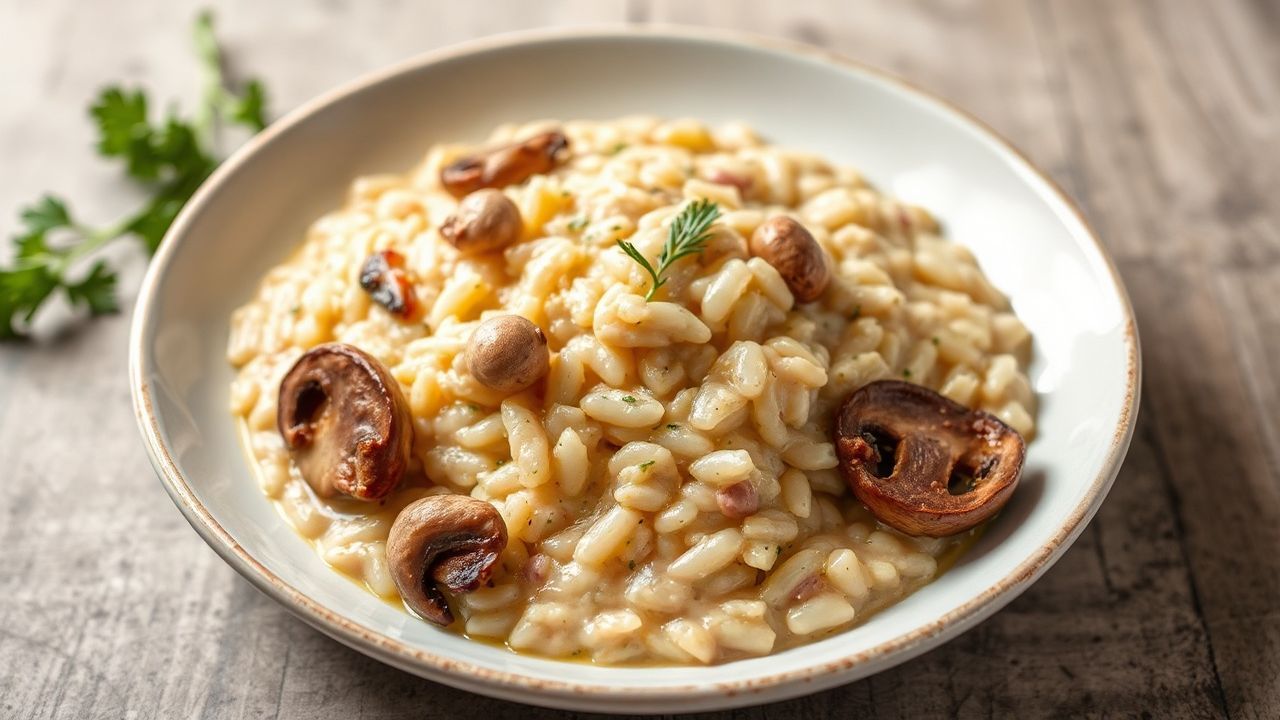

“The secret of great cooking is to use the best ingredients you can find and then to cook them with as much care and attention as possible.” – Thomas Keller
- The Anatomy of a Perfect Chicken and Mushroom Risotto
- Ingredients: The Foundation of Excellence
- The Art of Preparation: A Step-by-Step Symphony
- Nutritional Information (Approximate per Serving)
- Elevating Your Risotto: Expert Insights and Pro-Tips
- A Real-World Case Study: The Parisian Bistro’s Risotto Secret
- Frequently Asked Questions about Chicken and Mushroom Risotto
Few dishes embody rustic elegance quite like risotto. At its heart, it’s a deceptively simple preparation: rice, slowly coaxed into creamy perfection through the patient addition of broth. Yet, within this fundamental process lies a universe of nuance, a culinary dance that, when performed with precision, yields a dish of unparalleled comfort and sophistication. The marriage of tender chicken and earthy mushrooms within this creamy embrace is proof of this, transforming humble ingredients into a symphony of flavour and texture. This guide will explore the art of crafting an exceptional chicken and mushroom risotto, exploring the ‘how’ and the profound ‘why’ behind each step, elevating it from a mere recipe to a culinary exploration.
This classic iteration of risotto, with its earthy mushrooms and savoury chicken, is a cornerstone of Italian comfort food. Its origins are complex, with the dish gaining prominence in Northern Italy, particularly in regions like Lombardy and Piedmont, as rice cultivation flourished. The methodical stirring, a hallmark of risotto preparation, is crucial for releasing the starch from the Arborio or Carnaroli rice, creating that signature lusciousness without the need for heavy cream. Mastering this technique is key to unlocking the true potential of any risotto, and this chicken and mushroom variation offers a perfect canvas for honing those skills.
Key Takeaways
- Patient Broth Addition: The slow, ladle-by-ladle incorporation of hot broth is paramount for achieving the characteristic creamy texture of risotto.
- Rice Selection: Utilizing high-starch, short-grain rice like Arborio or Carnaroli is non-negotiable for authentic risotto results.
- Soffritto Foundation: A finely diced soffritto of onion and garlic builds a deep flavour base for the entire dish.
- Finishing Touches: The final ‘mantecatura’ – vigorously stirring in butter and Parmesan – is the secret to a truly sublime, glossy risotto.
The Anatomy of a Perfect Chicken and Mushroom Risotto
The success of any great risotto hinges on a harmonious interplay of elements: the quality of the rice, the depth of the broth, the flavour profile of the aromatics and additions, and, crucially, the technique employed in its creation. For this chicken and mushroom risotto, we aim to build layers of savoury richness, punctuated by the earthy notes of the mushrooms and the tender succulence of the chicken. It’s a dish that rewards mindfulness and patience, offering a deeply satisfying culinary experience.
Ingredients: The Foundation of Excellence
The integrity of your risotto begins with the selection of its components. Each ingredient matter significantly, and their quality directly translates to the final outcome. We aim for balance, ensuring that no single flavour overpowers another, but rather contributes to a cohesive and delightful whole.
For the Risotto Base:
- 2 tablespoons (30ml) Extra Virgin Olive Oil
- 1 tablespoon (15g) Unsalted Butter
- 1 medium Yellow Onion, finely diced (about 1 cup / 150g)
- 2 cloves Garlic, minced
- 1.5 cups (300g) Arborio or Carnaroli Rice
- 0.5 cup (120ml) Dry White Wine (e.g., Pinot Grigio, Sauvignon Blanc)
- 6 cups (1.4 litres) Chicken Broth, low sodium, heated to a simmer
- 0.5 cup (120ml) Water (optional, to adjust consistency)
For the Chicken and Mushroom Component:
- 1 tablespoon (15ml) Olive Oil
- 1 pound (450g) Boneless, Skinless Chicken Thighs or Breasts, cut into 1-inch (2.5cm) pieces
- 8 ounces (225g) Cremini Mushrooms, sliced
- 1 tablespoon (15g) Unsalted Butter
- 1 sprig fresh Thyme
- Salt and freshly ground Black Pepper, to taste
For Finishing:
- 2 tablespoons (30g) Unsalted Butter, cold and cubed
- 0.5 cup (50g) Parmesan Cheese, finely grated, plus more for serving
- 2 tablespoons fresh Parsley, chopped (for garnish)
The Art of Preparation: A Step-by-Step Symphony
Crafting a truly remarkable risotto is a process that demands your full attention. It is not a dish to be rushed; rather, it is an experience to be savoured, from the initial sauté to the final, luxurious swirl of cheese and butter.
Step 1: Prepare the Chicken and Mushrooms
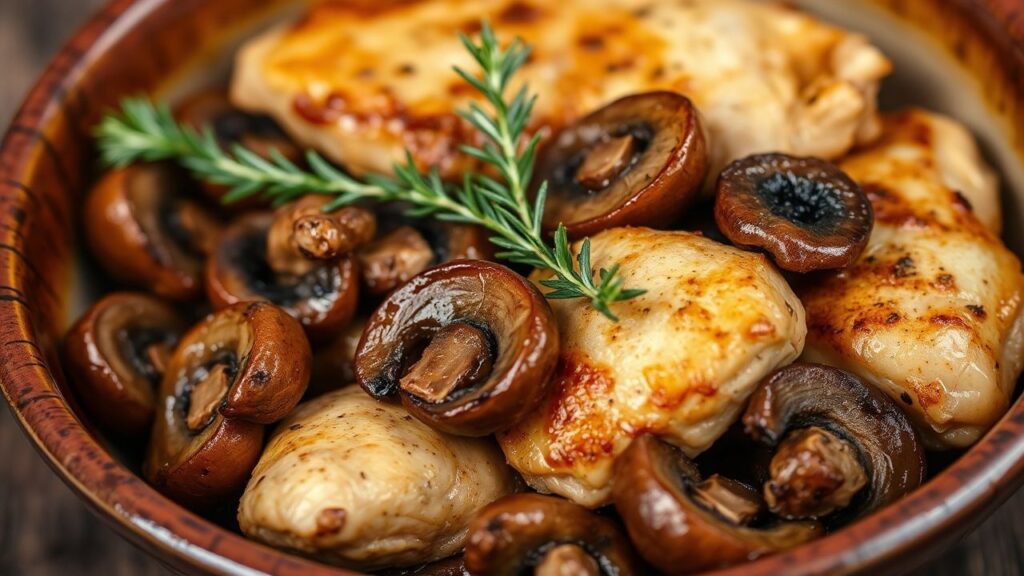
In a large skillet, heat 1 tablespoon of olive oil over medium-high heat. Season the chicken pieces generously with salt and pepper. Sear the chicken until golden brown on all sides and cooked through, about 5-7 minutes. Remove the chicken from the skillet and set aside. In the same skillet, add 1 tablespoon of butter and the sliced mushrooms. Cook, stirring occasionally, until the mushrooms are deeply browned and their moisture has evaporated, about 8-10 minutes. Add the thyme sprig during the last few minutes of cooking. Season the mushrooms with salt and pepper. Remove the thyme sprig and set the cooked chicken and mushrooms aside.
Step 2: Build the Soffritto (Aromatic Base)
In a wide, heavy-bottomed pot or Dutch oven, heat 2 tablespoons of olive oil and 1 tablespoon of butter over medium heat. Add the finely diced onion and cook, stirring frequently, until softened and translucent but not browned, about 5-7 minutes. This gentle cooking is crucial for releasing the onion’s natural sweetness without introducing bitterness. If the onion begins to stick, add a tablespoon of water to deglaze the pan. Then, add the minced garlic and cook for another minute until fragrant, being careful not to burn it.
Step 3: Toast the Rice (Tostatura)
Add the Arborio or Carnaroli rice to the pot with the softened aromatics. Stir the rice constantly for 1-2 minutes over medium heat. This process, known as ‘tostatura,’ is critical. It toasts the outer grains of the rice, helping them to absorb liquid more evenly and preventing them from becoming mushy. The grains should appear slightly translucent around the edges, with a creamy white core. This step is fundamental to achieving that perfect, al dente bite that defines a great risotto.
Step 4: Deglaze with Wine
Pour in the dry white wine. Increase the heat slightly and stir constantly until the wine has almost completely evaporated. The sharp aroma of the alcohol will dissipate, leaving behind a subtle acidity that brightens the entire dish. This deglazing not only adds flavour but also helps to lift any browned bits from the bottom of the pot, incorporating them into the developing risotto.
Step 5: The Patient Addition of Broth
Begin adding the hot chicken broth, one ladleful (about 1/2 cup or 120ml) at a time. Stir the rice constantly until each addition of broth is almost completely absorbed before adding the next. This constant stirring is the secret to releasing the starches from the rice, creating the creamy texture that is the hallmark of risotto. Maintain a gentle simmer throughout this process; the liquid should always be hot, never boiling vigorously, which could shock the rice and disrupt the starch release.
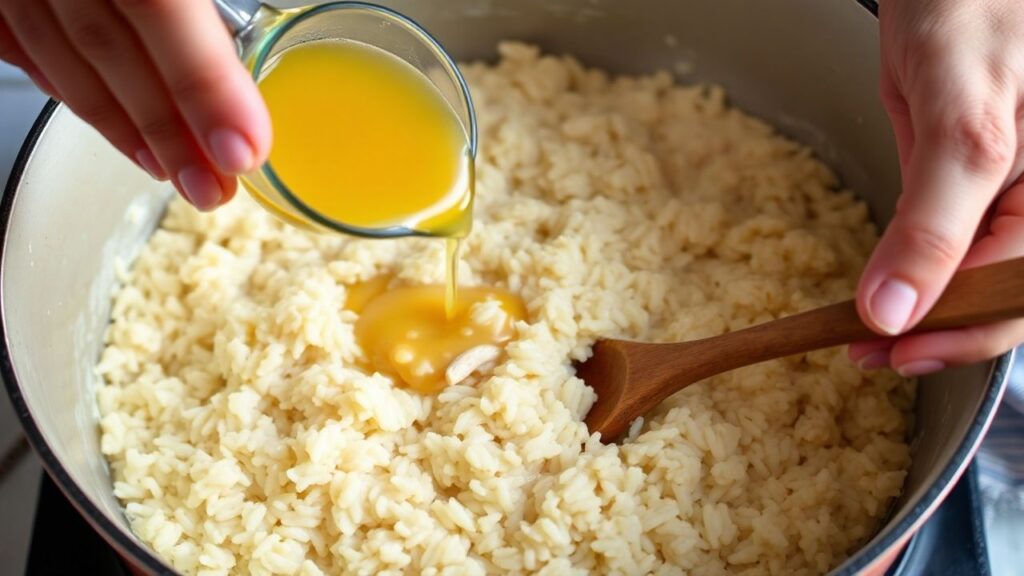
This methodical approach to broth addition is not merely about hydration; it’s about controlled gelatinization. As the rice grains tumble and rub against each other, aided by the constant stirring, they release their amylopectin starch. This starch emulsifies with the liquid, forming a luxurious, creamy sauce that coats each grain. A common pitfall for novice cooks is the temptation to add too much liquid at once, which leads to a soupy consistency and prevents the proper release of starch. Conversely, insufficient liquid will result in dry, undercooked rice.
Step 6: Incorporate Chicken and Mushrooms
After about 15-18 minutes of adding broth, when the rice is beginning to soften but still has a slight bite (al dente), gently stir in the reserved cooked chicken and mushrooms. Continue adding broth and stirring until the rice is cooked to your desired tenderness. The entire cooking process for the rice typically takes between 18-25 minutes, depending on the rice variety and heat. You want the risotto to be creamy and flowing, not stiff or dry. If it becomes too thick, add a splash of water or more broth to achieve the desired consistency. The risotto should be loose enough to spread slightly on the plate when tilted.
Step 7: The ‘Mantecatura’ – The Grand Finale
Once the rice is perfectly cooked and the risotto has reached its ideal consistency, remove the pot from the heat. Add the cold, cubed butter and the grated Parmesan cheese. Stir vigorously for about 1-2 minutes. This final emulsification process, known as ‘mantecatura,’ is what gives the risotto its glossy sheen and unparalleled creaminess. The cold butter and cheese melt into the hot rice, creating a rich, velvety sauce that binds everything together. Taste and adjust seasoning with salt and freshly ground black pepper.
Nutritional Information (Approximate per Serving)
| Nutrient | Amount |
|---|---|
| Calories | 550-650 kcal |
| Protein | 30-35g |
| Fat | 20-25g |
| Carbohydrates | 50-60g |
| Fiber | 2-3g |
| Sodium | 600-800mg (varies with broth) |
Note: Nutritional values are estimates and can vary based on specific ingredients and portion sizes.
Elevating Your Risotto: Expert Insights and Pro-Tips
While the foundational recipe provides a solid framework, a few expert touches can truly transform your chicken and mushroom risotto from merely good to utterly sublime. These are the nuances that separate a home-cooked meal from a restaurant-quality experience.
The Broth is King
The quality of your chicken broth is paramount. While store-bought is convenient, opt for a low-sodium variety to control the saltiness. Better yet, consider making your own chicken stock from scratch using chicken bones, aromatics like carrots, celery, and onions, and a bay leaf. The depth of flavour from homemade stock is incomparable and will imbue your risotto with a richness that is difficult to replicate otherwise. Some chefs even advocate for using a combination of chicken broth and a lighter vegetable broth to add complexity without overwhelming the palate.
Mushroom Mastery
While cremini mushrooms are excellent, don’t shy away from experimenting with other varieties. A mix of wild mushrooms – shiitake, oyster, or even a few dried porcini (rehydrated, with their soaking liquid strained and added to the broth) – can add a profound depth and earthiness to your risotto. The key is to cook them until they are deeply caramelized; this process concentrates their sugars and intensifies their flavour. Avoid overcrowding the pan when cooking mushrooms, as this will cause them to steam rather than brown, yielding a less desirable texture and flavour.
The Power of Aromatics
The soffritto of onion and garlic is the aromatic bedrock. However, you can subtly enhance this base. Consider adding a finely diced carrot and celery stalk to the initial sauté for an even more complex flavour profile, a technique borrowed from the classic Italian ‘soffritto.’ A pinch of freshly grated nutmeg towards the end of cooking can also add a warm, subtle spice that complements the earthiness of the mushrooms beautifully.
The Role of Acidity
The splash of white wine is not just for flavour; it provides a crucial element of acidity that cuts through the richness of the butter and cheese, balancing the dish. If you prefer not to use wine, a tablespoon of fresh lemon juice added at the very end, just before the mantecatura, can offer a similar brightening effect. However, the complexity of flavour derived from the wine is difficult to replicate with lemon alone.
Chicken Selection
While chicken breasts are leaner, chicken thighs offer more flavour and moisture, making them a superior choice for risotto. Their higher fat content ensures they remain tender and succulent throughout the cooking process. If using breasts, be mindful of their cooking time to prevent them from becoming dry and tough. Searing them properly and not overcooking them is essential.
A Real-World Case Study: The Parisian Bistro’s Risotto Secret
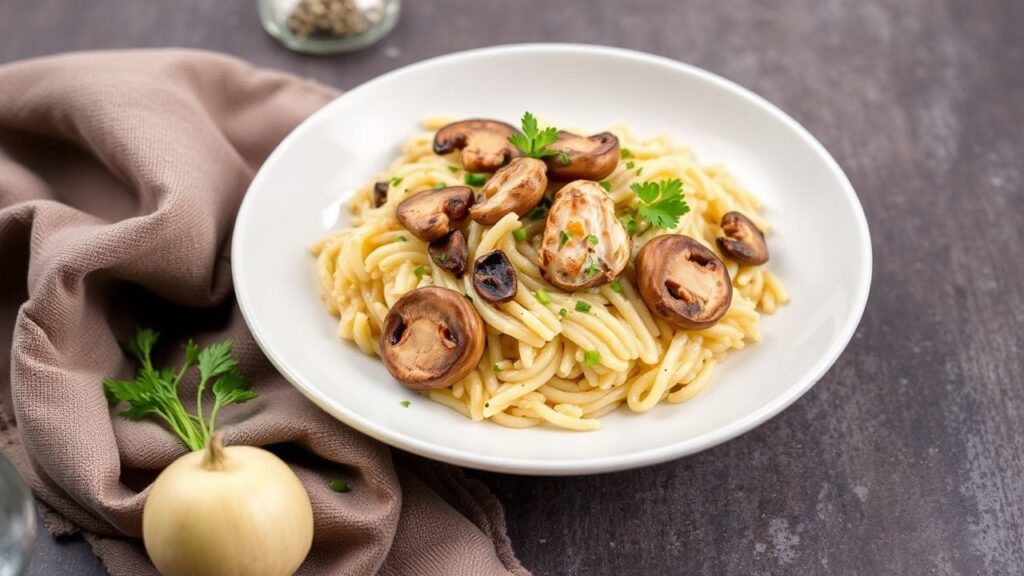
I recall a particularly memorable risotto I encountered at a small, unassuming bistro in Paris. It was a simple chicken and mushroom risotto, yet it possessed a depth of flavour and a luxurious texture that lingered long after the last bite. The chef, a seasoned veteran named Jean-Pierre, confided that his secret wasn’t in exotic ingredients but in the meticulous sourcing and preparation. He insisted on using only Carnaroli rice, which he believed held its structure better than Arborio. Furthermore, he made his chicken stock in-house daily, simmering chicken carcasses with a mirepoix for at least six hours. The mushrooms, a mix of cultivated and foraged varieties, were sautéed in duck fat, not butter, which imparted a subtle richness. Finally, the ‘mantecatura’ was performed not just with Parmesan but with a small amount of a creamy, aged Gruyère, adding an extra layer of nutty complexity. This anecdote highlights how even subtle shifts in technique and ingredient choice, rooted in a deep understanding of flavour development, can elevate a classic dish to extraordinary heights.
Frequently Asked Questions about Chicken and Mushroom Risotto
H2: Frequently Asked Questions
H3: Can I make chicken and mushroom risotto ahead of time?
Risotto is best enjoyed immediately after preparation when its creamy texture is at its peak. However, if you must prepare it in advance, you can cook the rice to about 80% doneness and then cool it rapidly. When ready to serve, reheat it gently in a skillet with a little extra broth, adding the cooked chicken and mushrooms towards the end. The ‘mantecatura’ with butter and cheese should always be done just before serving to achieve the best texture and sheen. It won’t be quite as perfect as freshly made, but it’s a workable compromise.
H3: What kind of mushrooms are best for risotto?
A variety of mushrooms will work beautifully, offering different flavour profiles. Cremini (baby bella) mushrooms are a reliable and readily available choice, providing a good balance of flavour and texture. For a more intense, earthy taste, consider incorporating shiitake or portobello mushrooms. Dried porcini mushrooms, rehydrated in hot water, add an unparalleled depth of flavour; strain the soaking liquid and add it to your chicken broth for an extra boost. A mix of fresh mushrooms, perhaps with a few rehydrated dried ones, often yields the most complex and satisfying result.
H3: How can I make my risotto creamier without adding cream?
The creaminess of risotto comes primarily from the starches released by the rice grains themselves, especially when using high-starch varieties like Arborio or Carnaroli. The key techniques are: 1) Toasting the rice (tostatura), which allows it to absorb liquid more evenly. 2) The slow, ladle-by-ladle addition of hot broth, combined with constant, gentle stirring. This process agitates the rice, encouraging the release of starch which emulsifies with the liquid to create a sauce. 3) The final ‘mantecatura’, where cold butter and finely grated Parmesan cheese are vigorously stirred into the hot rice off the heat, creating a stable emulsion that gives the risotto its signature luxurious, glossy texture.
See also: Risotto