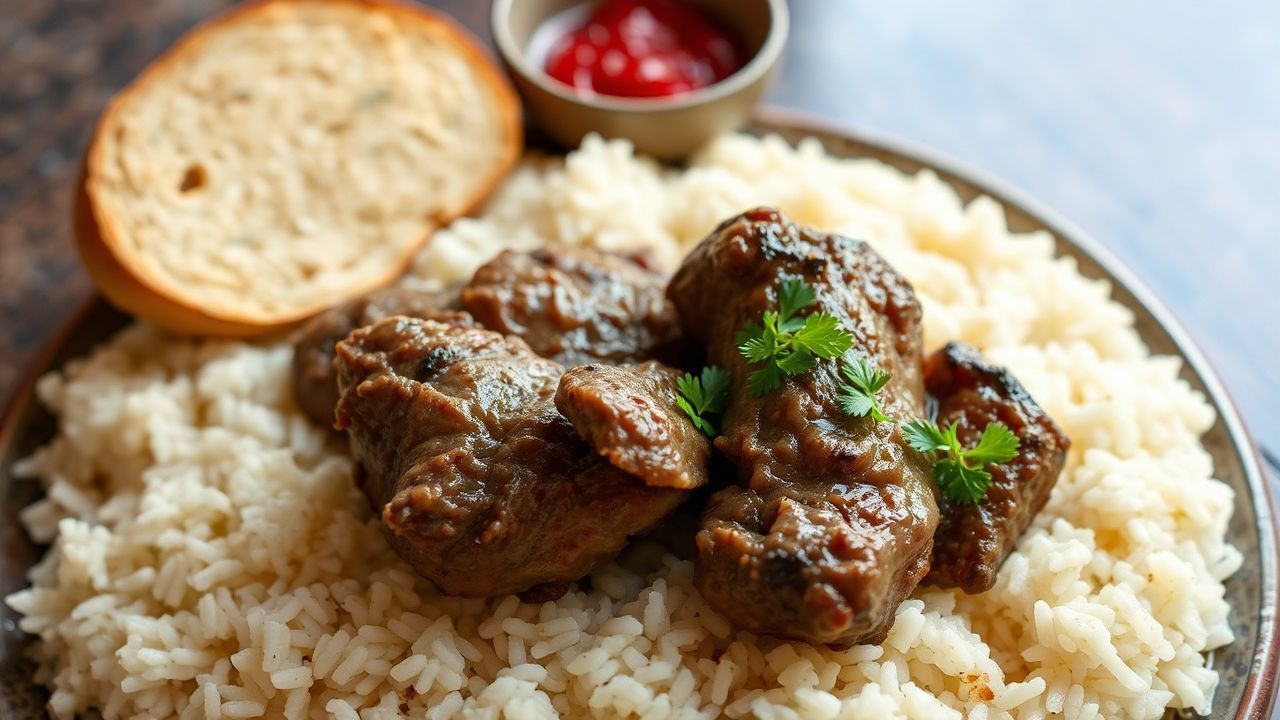

The aroma of roasted lamb, the tang of fermented yogurt, the comforting embrace of fluffy rice – these are the sensory hallmarks of Mansaf, a dish that transcends mere sustenance to become a profound cultural statement. For many, the first encounter with Mansaf is an indelible memory, a communal feast where hands are dipped in shared platters, fostering a connection as rich as the dish itself. I recall a particular gathering in Amman, where the matriarch of the family, with hands calloused from years of tradition, meticulously prepared the jameed, her movements proof of generations of culinary wisdom. It was in that moment, amidst the lively chatter and the steaming centerpiece, that I understood Mansaf is more than a recipe; it’s an edible narrative.
Key Takeaways:
- Authentic Mansaf hinges on the quality and preparation of jameed, the dried yogurt.
- The foundation of the dish is tender, slow-cooked lamb, infused with aromatic spices.
- Mastering the balance of flavors between the savory lamb, tangy jameed sauce, and sweet rice is crucial.
- Serving Mansaf traditionally involves a specific presentation and etiquette.
The Soul of Mansaf: Understanding Jameed
At the heart of any authentic Jordanian Mansaf lies jameed, a unique, hard, dried yogurt product. This is not simply yogurt; it’s a labor-intensive preservation method that imbues the sauce with its characteristic sharp, tangy flavor. The process typically involves churning sheep’s milk, then allowing the resulting yogurt to ferment further. This fermented yogurt is then strained to remove whey, formed into balls, and left to dry in the sun for extended periods. The result is a dense, almost cheese-like substance that, when rehydrated and cooked, forms the essential liquid base of Mansaf.
The quality of jameed can vary significantly, and discerning chefs will often seek out specific regions or producers known for superior product. A well-made jameed should have a pronounced, pleasant tang without being overwhelmingly sour. Its texture when dried is hard and brittle, often requiring soaking and then pounding or blending to achieve a smooth consistency for the sauce. This initial step is arguably the most critical and often where home cooks encounter their first hurdle. Many modern recipes suggest using readily available yogurt or a blend of yogurt and milk, but true purists insist that only rehydrated jameed can deliver the authentic flavor profile that defines Mansaf. Research from the Jordanian Ministry of Agriculture highlights the historical significance of jameed as a vital foodstuff for nomadic Bedouin tribes, demonstrating its deep roots in the region’s culinary heritage and its role in providing essential nutrients and sustenance.
Sourcing and Preparing Jameed
For those outside of Jordan, sourcing authentic jameed can be a challenge. It is often found in specialty Middle Eastern or Mediterranean grocery stores, sometimes vacuum-sealed or in its traditional ball form. If you find whole balls of jameed, the preparation involves soaking them in warm water for several hours, or even overnight, until they soften considerably. Once softened, the jameed is usually pounded with a mortar and pestle or blended in a food processor with fresh water until a smooth, creamy liquid is achieved. Some recipes may call for a small amount of milk to be added at this stage to further enhance the creaminess and temper the intensity of the jameed, but the primary liquid base should be derived from the rehydrated jameed itself.
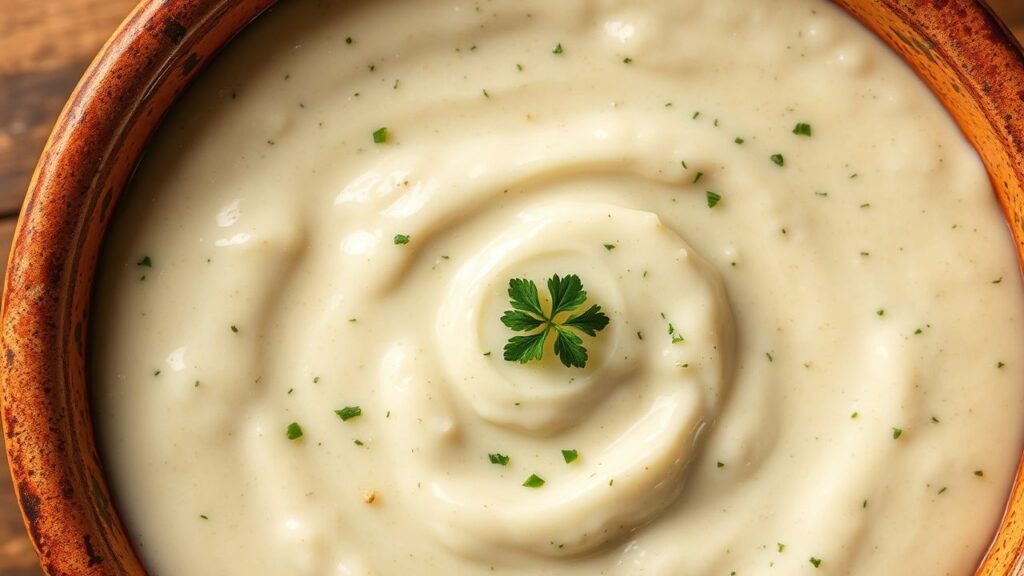
The consistency of the jameed sauce is paramount. It should be thick enough to coat the lamb generously but fluid enough to be spooned over the rice without being cloying. Achieving this delicate balance requires careful simmering and occasional adjustments with water or milk. The distinctive aroma that emanates from the simmering jameed is intoxicating, a prelude to the complex flavors that will soon grace the palate. It’s this unique taste, a symphony of savory and tangy notes, that truly distinguishes Mansaf from any other lamb and rice dish.
The Lamb: The Meaty Foundation
While jameed provides the soul, the lamb is the robust body of Mansaf. Traditionally, bone-in cuts of lamb, such as lamb shoulder or leg, are used. The bone imparts an additional depth of flavor to the cooking liquid, which will later be incorporated into the jameed sauce. The lamb is typically cut into large pieces, ensuring it remains tender and moist throughout the slow-cooking process. The key is to cook the lamb until it is fork-tender, easily falling off the bone, which requires patience and a low, steady heat.
The lamb is usually simmered in water with aromatic vegetables and spices. Common additions include onions, garlic, bay leaves, and sometimes a touch of cardamom or cloves. This initial cooking of the lamb not only tenderizes it but also creates a rich, flavorful broth that is indispensable for the Mansaf sauce. This broth is the bridge that connects the savory lamb to the tangy jameed, harmonizing the disparate elements into a cohesive and delicious whole. It’s imperative that this broth is rich and concentrated; a watery broth will dilute the jameed sauce, diminishing the overall flavor impact.
Achieving Perfect Lamb Tenderness
Achieving perfectly tender lamb is a cornerstone of excellent Mansaf. Slow braising or simmering is the preferred method. This involves cooking the lamb at a low temperature for an extended period, allowing the connective tissues to break down gradually. A typical simmering time can range from 2 to 4 hours, depending on the cut and size of the lamb pieces. Some chefs advocate for parboiling the lamb first to remove impurities and excess fat, then discarding that initial water before proceeding with the main braising in fresh water and aromatics. This step can contribute to a cleaner-tasting sauce.
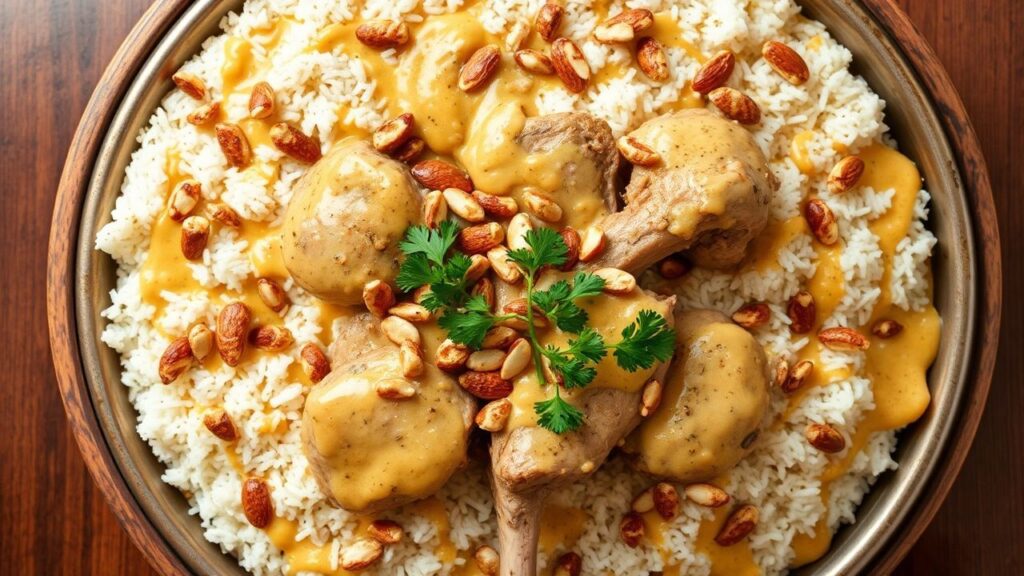
Once the lamb is tender, it’s usually removed from the broth. The broth is then strained to remove any solids, and a portion of it is used to rehydrate and thin the prepared jameed. The lamb pieces are often then briefly simmered or gently reheated in the prepared jameed sauce to allow them to absorb its tangy flavor before being served. This infusion process ensures that every bite of lamb is imbued with the signature taste of Mansaf.
The Rice: The Absorbent Bed
The rice serves as the essential canvas upon which the other flavors are painted. Long-grain rice, such as Basmati or a similar variety, is typically used. It’s crucial to cook the rice perfectly – fluffy, separate grains that can soak up the sauce without becoming mushy. Some cooks parboil the rice, while others rinse it thoroughly and cook it using the absorption method. The addition of a little salt and sometimes a touch of ghee or butter during cooking enhances its flavor.
A traditional element in some Mansaf preparations is the inclusion of toasted nuts, most commonly almonds and pine nuts, sprinkled generously over the finished dish. These nuts add a delightful textural contrast and a subtle richness that complements the tender lamb and tangy sauce. The toasting process is important; they should be golden brown and fragrant, not burnt. This small detail significantly elevates the overall sensory experience of the dish.
Mastering the Rice to Sauce Ratio
The ratio of rice to sauce to lamb is a matter of personal preference but is critical for the overall enjoyment of Mansaf. Too much rice can overwhelm the delicate balance of flavors, while too little can leave you wanting more of the glorious sauce. The rice is typically spread evenly on a large communal platter, forming a slightly mounded base. The lamb pieces are then artfully arranged on top, followed by a generous ladleful of the warm jameed sauce, ensuring it cascades down over the rice and lamb. The toasted nuts are then sprinkled over the entire creation.
The true measure of a Mansaf master is not just in cooking the components perfectly, but in orchestrating their union into a symphony of taste and texture that speaks of heritage and hospitality.
Essential Expert Tips for Authentic Mansaf
Crafting an authentic Mansaf is an art form, honed through practice and an understanding of its foundational elements. Here are some critical insights that elevate a good Mansaf to an extraordinary one.
The aroma that fills your kitchen as the jameed sauce simmers is a potent indicator of its quality and the care taken in its preparation. A well-made jameed sauce should possess a complex aroma—tangy, savory, and deeply comforting. If it smells overly sharp or unpleasantly sour, it might indicate the jameed was not properly dried or stored, or perhaps too much vinegar or lemon was added in an attempt to compensate.
The broth from cooking the lamb is liquid gold for the jameed sauce. Ensure it is rich and flavorful. If, by chance, your lamb broth seems a bit thin, consider reducing it slightly by simmering it uncovered for a while before adding it to the jameed. This concentrates the lamb’s essence, ensuring it stands up to the assertive tang of the yogurt.
The final consistency of the jameed sauce is a delicate dance. It should be thick enough to cling to the lamb and rice but not so dense that it becomes pasty. A common mistake is to make the sauce too thin, which can lead to a watery dish that lacks depth. Conversely, a sauce that is too thick can be heavy and overpowering. The ideal consistency allows the flavors to meld beautifully without overwhelming the palate.
Serving Mansaf is a ritual. Traditionally, it is served on a large, round platter, symbolizing unity and community. Diners gather around, and it is customary to eat with the right hand, using pieces of bread (khoubz) to scoop up the rice, lamb, and sauce. While forks are acceptable in modern settings, embracing the traditional method enhances the cultural immersion.
Nutritional Information (Per Serving – Approximate)
Mansaf is a hearty, nutrient-dense dish, rich in protein, calcium, and carbohydrates. Exact nutritional values can vary based on the specific cuts of lamb used, the amount of fat rendered, and the proportions of rice and jameed. However, a typical serving may be estimated as follows:
- Calories: 700-900 kcal
- Protein: 40-60g
- Fat: 30-50g (varying based on lamb cut and rendering)
- Carbohydrates: 60-80g (primarily from rice)
- Calcium: Significant amount, due to the jameed.
This is a substantial meal, intended for celebration and communal dining. While it provides essential nutrients, it is also calorically dense. For individuals managing specific dietary needs, portion control and consideration of the lamb cut (leaner cuts can be chosen) are advisable. The calcium content from the jameed is a significant benefit, making Mansaf a historically important source of this essential mineral, especially in regions where dairy products were a primary food source. Research published in the Journal of Nutritional Science has explored the nutritional profiles of traditional fermented dairy products, underscoring their contribution to dietary calcium and other beneficial compounds.
The practice of serving Mansaf on a large platter is not merely aesthetic; it fosters a sense of togetherness and shared experience, reinforcing the dish’s role as a centerpiece of hospitality and community bonding in Jordanian culture. This communal aspect is as vital to the experience as the flavors themselves.
Conclusion: A Taste of Jordanian Heritage
Mastering Mansaf is a culinary journey that rewards patience, attention to detail, and a deep appreciation for tradition. From the meticulous preparation of jameed to the tender braising of lamb and the perfect fluffiness of the rice, each step contributes to the iconic final dish. It’s a meal that nourishes not just the body but also the soul, embodying the warmth, generosity, and rich heritage of Jordan. Whether prepared for a special occasion or a family gathering, an authentic Mansaf is an unforgettable experience, a true testament to the power of food to connect us to our roots and to each other.
Frequently Asked Questions
What is the most critical ingredient for authentic Mansaf?
The most critical ingredient for authentic Mansaf is undoubtedly jameed, the dried, fermented yogurt. Its unique tangy flavor is the defining characteristic of the dish, and its proper preparation is essential for achieving the true taste of traditional Jordanian Mansaf. Substituting jameed with regular yogurt or other dairy products will fundamentally alter the dish’s flavor profile.
Can I make Mansaf without jameed?
While you can create a lamb and rice dish with a yogurt-based sauce without jameed, it will not be authentic Jordanian Mansaf. Many recipes offer alternatives using plain yogurt, sour cream, or a combination, often with lemon juice or vinegar to mimic the tang. However, these substitutes lack the complex, fermented depth that jameed provides. For a truly authentic experience, sourcing and preparing jameed is highly recommended.
How do I store leftover Mansaf?
Leftover Mansaf can be stored in an airtight container in the refrigerator for up to 3-4 days. It’s best to store the rice, lamb, and sauce separately if possible to maintain optimal texture, though storing them together is also common. When reheating, gently warm the components on the stovetop or in the microwave. You may need to add a little water or milk to the sauce to achieve the desired consistency, as it can thicken upon cooling.
What type of lamb is best for Mansaf?
For Mansaf, bone-in cuts of lamb that benefit from slow cooking are ideal. This includes lamb shoulder, leg, or even ribs. The bones contribute significantly to the flavor of the cooking broth, which is then used in the jameed sauce. Look for cuts with a good balance of meat and fat, as this ensures tenderness and rich flavor. Avoid very lean cuts, which can become dry during the long simmering process.
Is it possible to make Mansaf vegetarian or vegan?
Traditionally, Mansaf is a lamb-based dish and therefore not vegetarian or vegan. However, creative adaptations can be made. A vegetarian version might use hearty vegetables like cauliflower, eggplant, or chickpeas, cooked in a flavorful broth and served with the jameed sauce. For a vegan version, one would need to find a plant-based alternative for the lamb and use a vegan yogurt or fermented cashew cream to mimic the jameed sauce, though achieving the authentic flavor would be challenging.
See also: Mansaf