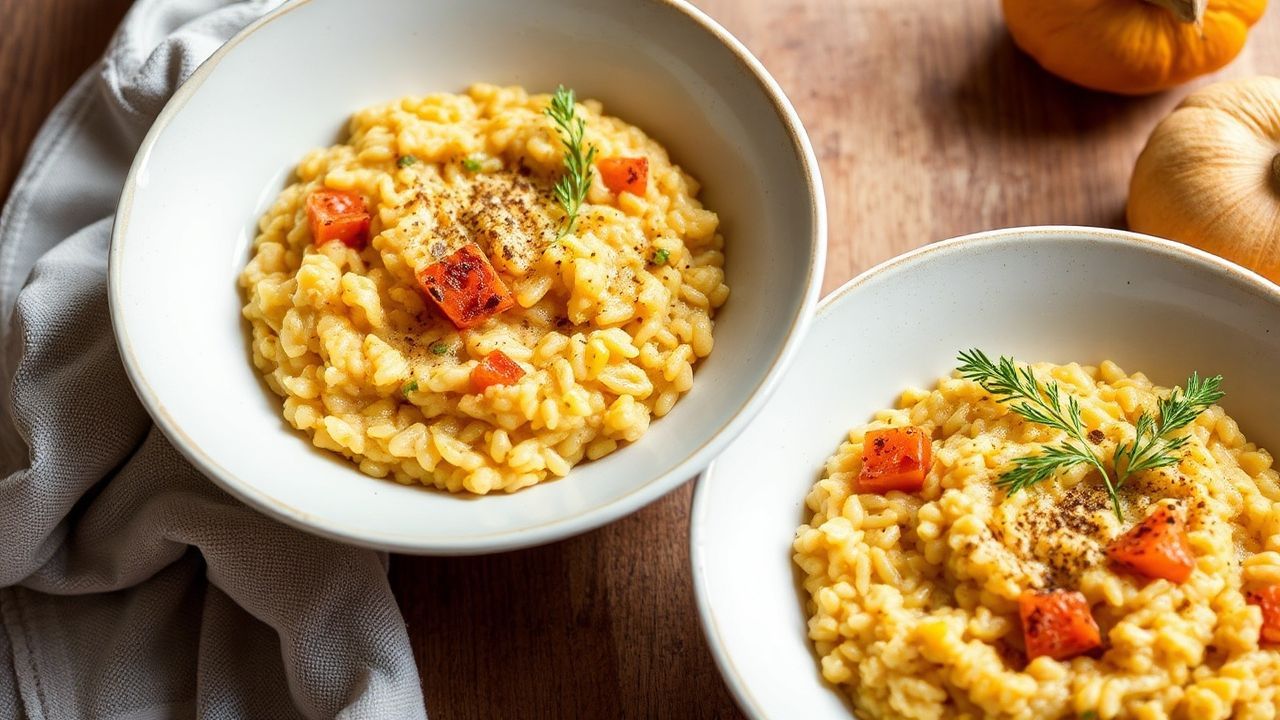

Risotto, that creamy, comforting embrace of Arborio rice and slowly coaxed starch, speaks of patience and culinary devotion. When autumn arrives, cloaking the world in a tapestry of amber and gold, palates naturally gravitate towards the earth’s bounty. This season, a particular alchemy emerges: the harmonious marriage of sweet, earthy butternut squash and the subtly anise-kissed whisper of fennel, all swirled into the silken heart of a perfect risotto. It’s not merely a recipe; it’s an evocation of crisp air, crackling fires, and the profound satisfaction of a meal crafted with intention.
- The Genesis of Autumnal Comfort: Butternut Squash & Fennel Risotto
- The Culinary Canvas: Ingredients for an Exemplary Butternut Squash Risotto
- The Ritual of Risotto: A Step-by-Step Culinary Journey
- The Art of the Soffritto and Toasting:
- The Gradual Addition of Liquid: The Heart of Risotto Making
- Serving the Masterpiece:
- Nutritional Insights: A Wholesome Autumnal Delight
- Elevating Your Risotto: Pro-Tips for Restaurant-Quality Results
- The Subtle Art of Broth Management:
- The Power of Stirring: A Rhythmic Pursuit
- The Mantecatura: The Grand Finale
- The Importance of Resting (Briefly):
- Conclusion: A Celebration of Autumn on a Plate
- Frequently Asked Questions
- What is the best type of rice for risotto?
- How do I prevent my risotto from becoming sticky or gummy?
- Can I make butternut squash risotto dairy-free?
- What wine pairs best with butternut squash risotto with fennel?
At a Glance: Mastering the Butternut Squash & Fennel Risotto
- The Foundation: A precise toasting of Arborio rice is paramount for achieving that signature creamy texture without resorting to excessive cream.
- Flavor Infusion: The slow caramelization of fennel and the deep sweetness of roasted butternut squash are the soul of this risotto.
- Broth is King: A high-quality, simmering vegetable or chicken broth is the lifeblood of any great risotto; its flavor directly translates.
- The Finish: A judicious amount of good quality Parmesan and a swirl of butter or olive oil at the end are non-negotiable for that luxurious mouthfeel.
This iteration of risotto offers a delightful departure from more common mushroom or saffron varieties. The butternut squash, when roasted to a tender, almost jammy consistency, imparts a natural sweetness and a vibrant hue that is captivating. Pairing it with fennel introduces a sophisticated counterpoint – a delicate licorice note that cuts through the richness and adds an unexpected layer of complexity. This isn’t just about combining ingredients; it’s about understanding how their individual characteristics can elevate each other, creating a symphony of flavors and textures that is far greater than the sum of its parts.
The journey to this exquisite butternut squash risotto with fennel is one of deliberate steps, each contributing to the final masterpiece. It begins with ingredient selection, moves through meticulous preparation, and culminates in the patient, rhythmic stirring that defines the risotto-making process. Let us embark on this culinary exploration, transforming humble autumn produce into a dish worthy of any discerning table.
The Genesis of Autumnal Comfort: Butternut Squash & Fennel Risotto
The art of risotto, originating from Northern Italy, is deeply intertwined with the agricultural cycles of the Po Valley. While classic risottos often feature spring asparagus or summer peas, the autumnal landscape offers its own treasures. Butternut squash, with its robust sweetness and velvety flesh, becomes a star player in this seasonal pivot. Its inherent sugars caramelize beautifully when roasted, concentrating their flavor and providing a natural sweetness that requires minimal added sugar. Fennel, often relegated to side dishes or aromatic bases, possesses a unique anise-like character that, when gently cooked, transforms into a mellow, intriguing sweetness. This combination is a thoughtful exploration of autumnal flavors, designed to evoke warmth and satisfaction.
The process of creating an exceptional risotto is proof of “mise en place” – everything in its place, prepared and ready. This applies not only to ingredients but also to the mindset. Risotto demands attention, a gentle, unwavering presence at the stove. It cannot be rushed; the starch needs time to release, the liquid needs gradual absorption, and the heat needs precise management. This deliberate pace imbues the final dish with its characteristic creaminess and depth of flavor.
Deconstructing the Flavor Profile: Sweetness, Anise, and Umami
At its core, this risotto is a dance between contrasting yet complementary elements. The butternut squash provides the primary sweet and earthy notes. When roasted, its natural sugars caramelize, intensifying the flavor and developing a deep, comforting sweetness. This sweetness is mellow and grounding, forming the backbone of the dish.
The fennel introduces a more subtle, nuanced complexity. Raw fennel can be pungent, but when sautéed or roasted, its sharp anise notes soften, yielding a delicate, almost floral sweetness with a whisper of licorice. This anise undertone is crucial; it acts as a palate cleanser, preventing the richness of the risotto from becoming overwhelming and adding an intriguing layer that keeps each bite engaging. Consider the classic pairing of fennel with fish or pork – the anise cuts through fat and richness, a principle that applies equally well here.
The Arborio rice itself, when cooked correctly, contributes a creamy, starchy texture that is the hallmark of great risotto. This texture, combined with the sweetness of the squash and the subtle anise of the fennel, is further enhanced by the Parmesan cheese, which brings a salty, umami depth, and a good quality stock, which provides a savory foundation. The slow cooking process allows these flavors to meld and deepen, creating a harmonious and deeply satisfying dish.
The Culinary Canvas: Ingredients for an Exemplary Butternut Squash Risotto
To achieve a risotto of true distinction, the quality of each ingredient is paramount.
Essential Components:
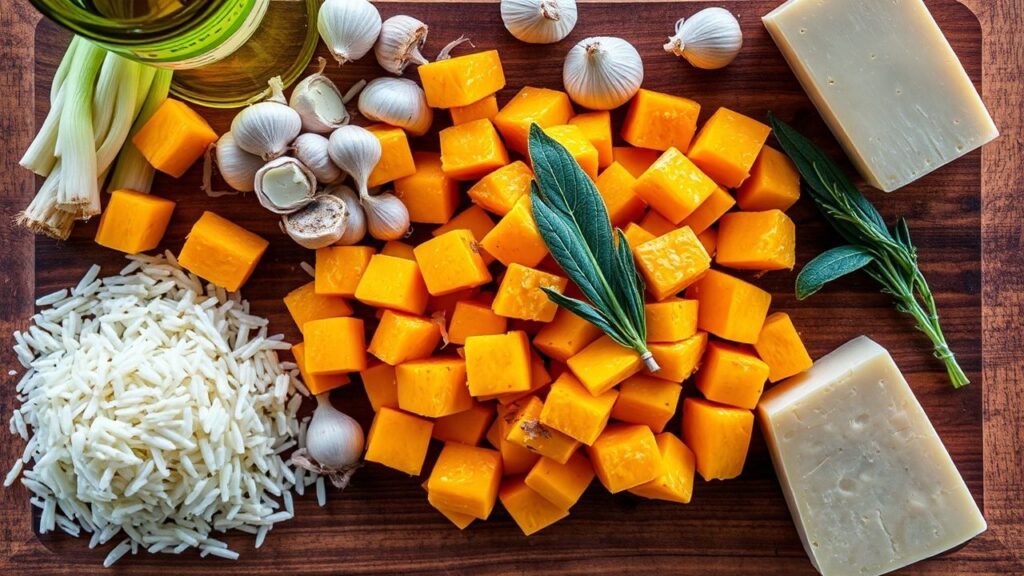
- Butternut Squash: 1 medium (approx. 1.2 kg / 2.6 lbs), peeled, seeded, and cut into 1.5 cm (approx. 0.6 inch) cubes
- Fennel: 2 medium bulbs, trimmed, cored, and thinly sliced (reserve some fronds for garnish)
- Arborio Rice: 300g (approx. 1.5 cups) – Carnaroli or Vialone Nano are also excellent, but Arborio is widely available and reliable.
- Shallots: 2 large, finely chopped
- Garlic: 2 cloves, minced
- Dry White Wine: 150ml (approx. 2/3 cup) – A crisp, unoaked variety like Pinot Grigio or Sauvignon Blanc.
- Vegetable or Chicken Stock: 1.2 – 1.5 litres (approx. 5-6 cups), kept simmering
- Parmesan Cheese: 80g (approx. 1 cup), finely grated, plus extra for serving
- Unsalted Butter: 60g (approx. 4 tbsp), divided
- Extra Virgin Olive Oil: 3 tbsp, divided
- Fresh Sage: 6-8 leaves, finely chopped (optional, but highly recommended)
- Salt: To taste
- Freshly Ground Black Pepper: To taste
Preparing the Squash and Fennel: The Foundation of Flavor
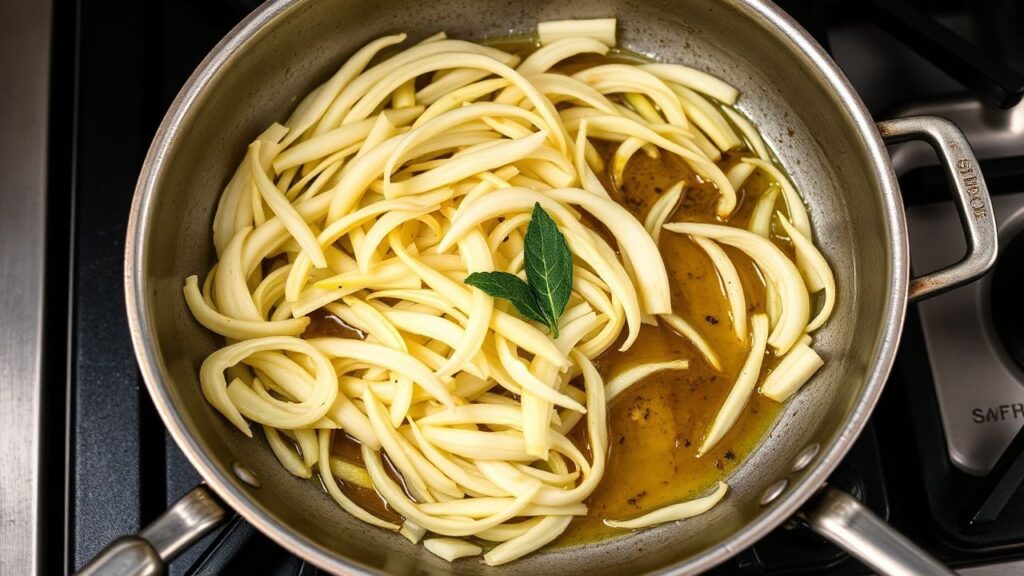
The initial preparation of the butternut squash and fennel is critical for building the depth of flavor. Roasting the squash concentrates its natural sweetness and creates a tender, almost creamy texture. Sautéing the fennel until tender and slightly caramelized develops its subtle anise notes and removes any raw harshness.
1. Roast the Butternut Squash: Preheat your oven to 200°C (400°F). Toss the cubed butternut squash with 1 tablespoon of olive oil, a pinch of salt, and pepper on a baking sheet. Roast for 25-30 minutes, or until fork-tender and lightly caramelized. Set aside.
2. Sauté the Fennel: While the squash roasts, heat 1 tablespoon of olive oil and 1 tablespoon of butter in a large, heavy-bottomed pan or Dutch oven over medium heat. Add the sliced fennel and cook, stirring occasionally, for 10-15 minutes, until softened and lightly golden. If using sage, add it for the last 2 minutes of cooking the fennel. Remove the fennel and sage from the pan and set aside, leaving any residual fat in the pan.
The Ritual of Risotto: A Step-by-Step Culinary Journey
The transformation of Arborio rice into a silken risotto rewards patience and attention. It’s a culinary dance, a rhythmic interplay of heat, liquid, and stirring.
The Art of the Soffritto and Toasting:
1. Build the Aromatic Base: Return the pan used for the fennel to medium heat. Add the remaining 1 tablespoon of olive oil and the remaining 2 tablespoons of butter. Once melted, add the finely chopped shallots. Cook gently for 5-7 minutes, stirring frequently, until translucent and softened. This is the “soffritto,” the aromatic foundation.
2. Infuse with Garlic: Add the minced garlic to the pan and cook for another minute until fragrant, being careful not to burn it.
3. Toast the Rice: Add the Arborio rice to the pan. Stir continuously for 2-3 minutes, allowing each grain to become coated in the fat. The grains should appear slightly translucent around the edges, with a small opaque white dot in the center. This toasting process, “tostatura,” is crucial for developing nutty flavor and ensuring grains cook separately.
The Gradual Addition of Liquid: The Heart of Risotto Making
4. Deglaze with Wine: Pour in the dry white wine. Increase heat slightly and stir continuously until the wine has completely evaporated. The sharp aroma will dissipate, leaving subtle acidity.
5. The First Broth Infusion: Begin adding the simmering stock, one ladleful (about 120ml or ½ cup) at a time. Stir the rice constantly until each ladleful has been almost completely absorbed before adding the next. Maintain medium-low heat; the risotto should be simmering gently. This slow absorption coaxes the starch from the rice, creating creaminess.
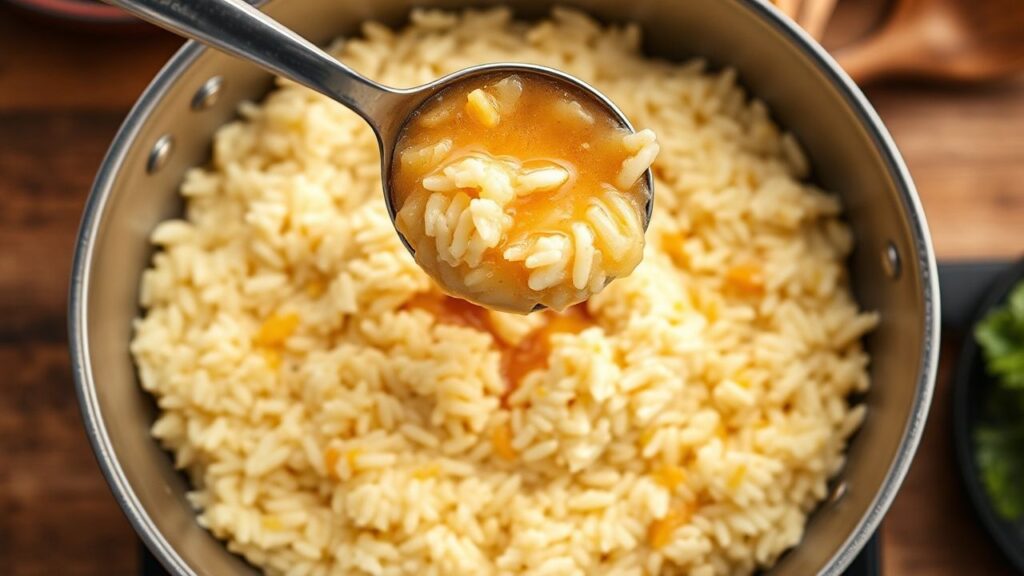
6. Continue the Stirring Dance: Continue adding stock, one ladleful at a time, stirring almost constantly. This motion is essential for releasing starches, which emulsify with liquid to create creaminess. This process will take approximately 18-20 minutes. Taste the rice periodically; it should be al dente – tender but with a slight bite.
7. Incorporate the Stars: When the rice is nearly cooked (about 2 minutes from al dente), gently fold in the roasted butternut squash and the sautéed fennel. Stir to combine and allow them to heat through.
8. The Mantecatura: The Final Flourish: Once the rice has reached al dente texture and the risotto has a creamy, flowing consistency (it should spread gently when the pan is tilted), remove from heat. This is the crucial “mantecatura” stage. Stir in the grated Parmesan cheese and the remaining 2 tablespoons of butter. Stir vigorously for about 1 minute. This emulsifies fat and cheese, creating a luxurious, velvety finish. Season with salt and freshly ground black pepper to taste. Remember Parmesan is salty, so taste before adding too much salt.
Serving the Masterpiece:
Serve the risotto immediately in warm, shallow bowls. Garnish with a sprinkle of extra grated Parmesan cheese and reserved fennel fronds. A drizzle of good quality extra virgin olive oil can also enhance the dish.
Nutritional Insights: A Wholesome Autumnal Delight
This butternut squash and fennel iteration offers a surprisingly wholesome profile when prepared with mindful fat choices. It’s rich in complex carbohydrates for sustained energy, fiber from the vegetables, and essential vitamins and minerals.
Approximate Nutritional Information Per Serving (based on 4 servings):
- Calories: 550-650 kcal (varies based on butter and cheese)
- Protein: 15-20g
- Fat: 20-30g
- Saturated Fat: 8-12g
- Carbohydrates: 70-80g
- Fiber: 6-8g
- Sugars: 10-15g (primarily natural from squash)
- Sodium: Varies greatly depending on stock and added salt.
Key Nutritional Benefits:
- Butternut Squash: Excellent source of Vitamin A (beta-carotene), Vitamin C, potassium, and fiber. Beta-carotene is an antioxidant converted to Vitamin A, crucial for vision, immune function, and skin health.
- Fennel: Good source of Vitamin C, potassium, and dietary fiber. Contains beneficial antioxidants and phytonutrients.
- Arborio Rice: Good source of complex carbohydrates, providing sustained energy.
- Parmesan Cheese: Provides calcium and protein, along with significant umami flavor that allows for less salt.
Elevating Your Risotto: Pro-Tips for Restaurant-Quality Results
Achieving restaurant-quality risotto at home is possible with key considerations and techniques. It’s about understanding the nuances that transform a good dish into an exceptional one.
The Subtle Art of Broth Management:
The most common pitfall is the temperature and consistency of the stock. It must be kept at a gentle simmer throughout cooking. Adding cold stock shocks the rice, interrupting starch release and leading to less creamy, unevenly cooked texture. The stock itself is a flavor carrier; a bland stock results in bland risotto. Opt for high-quality homemade or store-bought vegetable or chicken stock. If using store-bought, taste and adjust seasoning. The quantity of stock can vary; some rice absorbs more than others. Have extra simmering stock on hand.
The Power of Stirring: A Rhythmic Pursuit
Constant stirring is often emphasized, but it’s more about consistent, gentle agitation than frantic motion. The goal is to encourage starch release without breaking down grains completely. The ideal risotto should be “all’onda” – like a wave. When you tilt the pan, the risotto should flow smoothly, not clump. This requires a consistent presence at the stove, but also moments of pause between stock additions. A wooden spoon is traditional and helps scrape the bottom, preventing sticking and ensuring even cooking.
The Mantecatura: The Grand Finale
The “mantecatura” is the crucial final step where risotto reaches peak creamy perfection. This involves vigorously stirring in cheese and fat (butter or olive oil) off the heat. This process emulsifies fats and starches, creating a luxurious, glossy texture. Don’t overdo cheese or butter, as this can make the risotto greasy or heavy. The goal is a harmonious blend that enhances, rather than overpowers, other flavors.
The Importance of Resting (Briefly):
While risotto is best served immediately, allowing it to rest for 1-2 minutes off the heat after mantecatura lets flavors meld and texture settle. This brief rest is different from extended sitting, which causes it to become stodgy.
Conclusion: A Celebration of Autumn on a Plate
The butternut squash risotto with fennel is an invitation to savor the season. It speaks of comfort, warmth, and the simple pleasure of creating something delicious. The interplay of sweet, caramelized butternut squash and subtly anise-kissed fennel, enveloped in the creamy embrace of perfectly cooked Arborio rice, creates a symphony of flavors and textures that is both sophisticated and deeply satisfying.
This risotto is proof of the beauty of seasonal cooking and the transformative power of patient, mindful preparation. It can grace a weeknight table with elegance or be the star of a celebratory autumn gathering. By understanding the fundamental principles of risotto making and embracing the unique qualities of its star ingredients, you can confidently recreate this autumnal delight, bringing a taste of the season’s bounty to your table.
Frequently Asked Questions
What is the best type of rice for risotto?
The gold standard for risotto is undeniably Arborio rice, readily available and known for its high starch content which contributes to the creamy texture. However, culinary enthusiasts often favor Carnaroli rice, often referred to as the “king of rice,” for its firmer texture and ability to hold its shape, resulting in a more distinct grain. Vialone Nano is another excellent option, particularly popular in the Veneto region, offering a balance of creaminess and bite. Regardless of the specific variety, the key characteristic is a high starch content, typically from short to medium-grain rice, that releases gradually during the cooking process.
How do I prevent my risotto from becoming sticky or gummy?
The most critical factor in preventing a gummy risotto is the toasting of the rice (tostatura). This step, performed before adding any liquid, coats each grain of rice in fat, creating a protective barrier that slows down the absorption of liquid and starch release. It ensures that the grains cook more evenly and retain their individual identity. Additionally, gradually adding the hot stock, one ladleful at a time, and stirring consistently allows for controlled starch release. Over-stirring or adding too much liquid too quickly can break down the grains and lead to a gluey consistency. Lastly, the mantecatura, performed off the heat, helps to emulsify the fats and cheese, creating a luxurious creaminess without resorting to a mushy texture.
Can I make butternut squash risotto dairy-free?
Absolutely. To make a delicious dairy-free butternut squash risotto, the key is to strategically replace the butter and Parmesan cheese. For the butter, a good quality vegan butter substitute or a generous amount of extra virgin olive oil can be used. In the mantecatura stage, instead of Parmesan, you can incorporate nutritional yeast for a cheesy, umami flavor. A tablespoon or two can significantly elevate the savory notes. Ensure your vegetable stock is also vegan. Some recipes also call for a small amount of plant-based cream or a puree of soaked cashews for added richness, though this is often unnecessary if the stock is flavorful and the rice is cooked correctly.
What wine pairs best with butternut squash risotto with fennel?
The ideal wine pairing for butternut squash risotto with fennel should complement the dish’s sweet, earthy, and slightly anise-like notes without overpowering them. A crisp, unoaked white wine such as a Pinot Grigio or a dry Sauvignon Blanc is an excellent choice. Their bright acidity cuts through the richness of the risotto, while their subtle fruit notes harmonize with the sweetness of the squash. If you prefer red wine, opt for a light-bodied, fruity option like a Beaujolais, which has enough fruit to stand up to the squash but lacks the tannins that might clash with the creamy texture. For those who enjoy a richer wine, a medium-bodied Chardonnay with a hint of oak can also work, provided it’s not overly buttery, as it can echo the creamy texture of the risotto.
See also: Risotto