
The Humble Cauliflower’s Grand Transformation
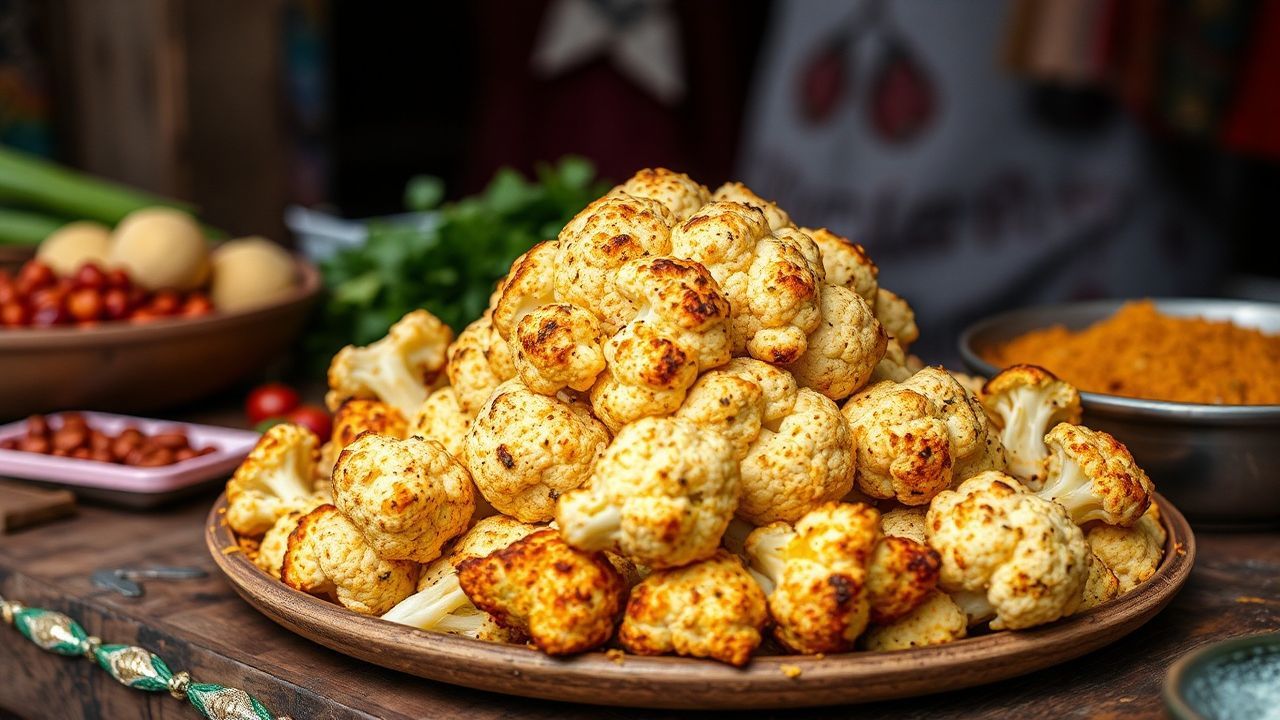
A crisp autumn evening in a bustling Marrakech spice market years ago ignited this culinary inspiration. The air, thick with the intoxicating aromas of cumin, coriander, and turmeric, was a fragrant tapestry woven by generations of culinary tradition. Amidst the vibrant chaos, a vendor proudly displayed a mountain of cauliflower, its florets pristine and pale. He spoke of its versatility, but it was his impassioned description of a slow-cooked curry that truly captured my imagination – a dish where the cauliflower, he claimed, would melt into the sauce, becoming something entirely new. This memory serves as a potent reminder: even the most familiar ingredients, treated with intention and respect, can yield astonishing results. Roasted Cauliflower Curry is precisely that—proof of how roasting elevates the humble cauliflower, coaxing out its inherent sweetness and nutty undertones, before it surrenders to the embrace of a rich, aromatic curry sauce.
- The Humble Cauliflower’s Grand Transformation
- The Art and Science of Roasting Cauliflower
- Crafting the Soulful Curry Base
- The Main Event: Roasted Cauliflower Curry Recipe
- Nutritional Insights: A Wholesome Indulgence
- Expert Pro-Tips for Restaurant-Quality Roasted Cauliflower Curry
- Frequently Asked Questions
- What are the best vegetables to add to roasted cauliflower curry?
- How can I make this curry spicier or milder?
- Can I prepare roasted cauliflower curry ahead of time?
- What are some serving suggestions for roasted cauliflower curry?
At a Glance: Key Takeaways for Perfect Roasted Cauliflower Curry
- Roasting is paramount: It caramelizes the cauliflower, developing a deep, complex flavor profile that raw or simply boiled cauliflower cannot replicate.
- Spice blend mastery: A well-balanced combination of warming spices forms the soul of the curry, creating layers of aroma and taste.
- Texture contrast is key: The tender, yielding roasted cauliflower should be complemented by a vibrant, often creamy, sauce and perhaps a textural garnish.
- Adaptability is inherent: This dish is a canvas, readily accepting variations in vegetables, proteins, and spice levels to suit individual palates.
The journey from a simple brassica to the star of a sophisticated curry is not merely a matter of cooking; it’s culinary alchemy. The dry heat of the oven performs a remarkable feat, dehydrating the outer surfaces of the cauliflower florets and concentrating their natural sugars. This process initiates the Maillard reaction, those complex chemical transformations that produce browning and a cascade of savory, toasty notes. This foundational step elevates a good cauliflower curry to an exceptional one, ensuring each bite is imbued with a depth of flavor that speaks of careful preparation and a profound understanding of ingredient potential. It’s a technique that transforms a watery vegetable into a rich, almost meaty component, setting the stage for the aromatic symphony of the curry itself.
The Art and Science of Roasting Cauliflower
Roasting cauliflower is not a passive act; it requires a discerning eye and an understanding of heat dynamics. The goal is to coax out its inherent sweetness through controlled caramelization, not to steam or boil the florets into submission. This begins with preparation. Larger pieces tend to steam more than roast, leading to less desirable texture and flavor. Therefore, cutting the cauliflower into uniform, bite-sized florets is crucial. Toss them generously with a high-smoke-point oil, such as avocado or grapeseed oil, ensuring each surface is lightly coated. This oil acts as a conduit for heat, promoting even browning and preventing sticking.
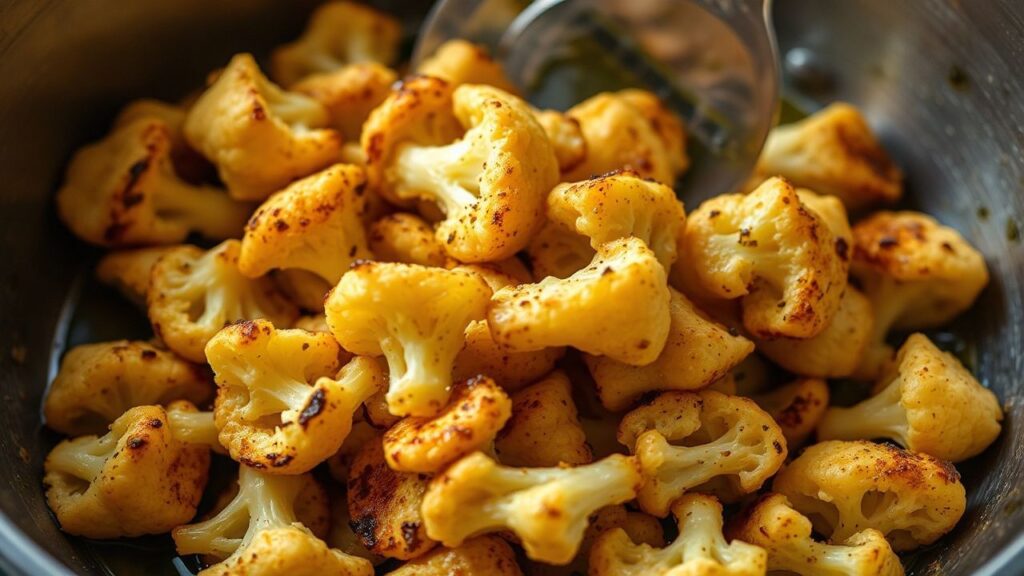
The oven temperature is another critical variable. A moderately high heat, typically between 200°C (400°F) and 220°C (425°F), is ideal. This ensures the exterior of the florets browns and crisps before the interior becomes overly tender. Spreading the florets in a single layer on a baking sheet is non-negotiable. Overcrowding leads to steaming, a culinary sin when the objective is roasting. The natural moisture released by the cauliflower will then condense on the pan, creating a steamy environment rather than facilitating the dry, radiant heat necessary for true caramelization. The visual cue for perfectly roasted cauliflower is a scattering of golden-brown, almost burnished edges, with a tender-crisp interior that still retains a slight bite.
Crafting the Soulful Curry Base
While the cauliflower undergoes its transformative roast, the foundation of our curry is meticulously constructed. The aromatic base, often referred to as the ‘soffritto’ in Western cooking, is the heart of most curries. This typically involves sautéing finely chopped onions, garlic, and ginger until softened and fragrant. The order and technique here are vital. Onions are usually cooked first, allowing their sugars to release and caramelize gently, providing subtle sweetness and depth. Subsequently, minced garlic and ginger are introduced. Cook these aromatics for just a minute or two until their raw pungency subsides and their fragrant oils are liberated. Overcooking garlic can lead to bitterness, a flavor profile antithetical to a well-balanced curry.
The selection and proportion of spices are where the true magic of a curry lies. For a roasted cauliflower curry, a robust yet harmonious blend is essential. Turmeric provides its characteristic golden hue and earthy notes, while cumin and coriander offer a warm, slightly citrusy depth. Garam masala, a fragrant blend that often includes cinnamon, cardamom, and cloves, adds complex warmth best introduced towards the end of cooking to preserve its volatile aromatics. A touch of chili, whether fresh or powdered, provides welcome warmth that can be adjusted to individual preference. Some recipes also benefit from the subtle bitterness of fenugreek or the pungent kick of mustard seeds, bloomed in hot oil at the beginning of the aromatics’ sauté.
The Creamy Embrace: Building the Sauce
Once the aromatic base is established and the spices have bloomed, the liquid component of the curry is introduced. This is where the texture and richness of the sauce are determined. For a truly luxurious roasted cauliflower curry, coconut milk is often the preferred choice. Full-fat coconut milk, with its high fat content, lends a silky smoothness and a subtle sweetness that beautifully complements the roasted cauliflower and spices. When incorporating coconut milk, bring the curry to a gentle simmer, allowing the flavors to meld without boiling, which can cause separation. Some chefs advocate for using a combination of coconut milk and vegetable or chicken broth to achieve a balance of richness and lightness.
The addition of crushed tomatoes or tomato paste provides welcome tanginess and a deeper, more complex flavor profile. Tomatoes, when simmered, break down and release their natural sugars, adding subtle sweetness and acidity that cuts through the richness of the coconut milk. A small amount of tomato paste, sautéed briefly with the aromatics, can concentrate its flavor and add wonderful umami depth. For an even more nuanced sauce, a spoonful of cashew paste or a few tablespoons of ground almonds can be incorporated, further enhancing creaminess and adding a subtle nutty undertone that harmonizes with the roasted cauliflower.
The Main Event: Roasted Cauliflower Curry Recipe
This recipe aims to deliver a roasted cauliflower curry that is both deeply flavorful and remarkably satisfying. The key lies in the precise execution of each step, from the initial roasting of the cauliflower to the patient simmering of the curry sauce.
Ingredients:
- For the Roasted Cauliflower:
- 1 medium head of cauliflower (approx. 600-700g), cut into uniform florets
- 2 tablespoons avocado oil or other high-smoke-point oil
- ½ teaspoon ground turmeric
- ¼ teaspoon salt
- ⅛ teaspoon black pepper
- For the Curry Base:
- 1 tablespoon ghee or coconut oil
- 1 large onion, finely chopped
- 3 cloves garlic, minced
- 1 inch ginger, grated
- 1-2 green chilies, finely chopped (optional, adjust to taste)
- 1 teaspoon ground cumin
- 1 teaspoon ground coriander
- ½ teaspoon ground turmeric
- ¼ teaspoon cayenne pepper (or to taste)
- ½ teaspoon garam masala
- 1 tablespoon tomato paste
- 1 (400ml) can full-fat coconut milk
- ½ cup vegetable broth or water
- 1 teaspoon salt, or to taste
- ½ teaspoon sugar (optional, to balance acidity)
- For Garnish (Optional):
- Fresh cilantro, chopped
- Toasted slivered almonds
- A squeeze of fresh lime juice
Preparation Method:
- Preheat the Oven and Prepare Cauliflower: Preheat your oven to 220°C (425°F). Line a large baking sheet with parchment paper. In a large bowl, toss the cauliflower florets with the avocado oil, ½ teaspoon turmeric, ¼ teaspoon salt, and ⅛ teaspoon black pepper until evenly coated.
- Roast the Cauliflower: Spread the seasoned cauliflower in a single layer on the prepared baking sheet. Roast for 20-25 minutes, or until tender-crisp and nicely browned in spots. Flip the florets halfway through roasting for even cooking.
- Sauté Aromatics: While the cauliflower roasts, heat the ghee or coconut oil in a large, heavy-bottomed pot or Dutch oven over medium heat. Add the chopped onion and cook, stirring occasionally, until softened and translucent, about 6-8 minutes.
- Add Garlic, Ginger, and Chilies: Stir in the minced garlic, grated ginger, and chopped green chilies (if using). Cook for 1-2 minutes more until fragrant, being careful not to burn the garlic.
- Bloom the Spices: Add the cumin, coriander, ½ teaspoon turmeric, and cayenne pepper to the pot. Cook, stirring constantly, for about 1 minute until the spices are fragrant. This blooming process intensifies their flavor.
- Incorporate Tomato Paste: Stir in the tomato paste and cook for another minute, allowing it to caramelize slightly.
- Deglaze and Simmer: Pour in the vegetable broth or water and scrape the bottom of the pot to loosen any browned bits. Bring to a simmer.
- Add Coconut Milk and Season: Pour in the full-fat coconut milk. Stir to combine and bring the curry back to a gentle simmer. Add 1 teaspoon of salt and the sugar (if using).
- Combine and Finish: Gently add the roasted cauliflower florets to the simmering curry sauce. Stir to coat them evenly. Let the curry simmer gently for 5-10 minutes, allowing the flavors to meld and the cauliflower to absorb some of the sauce.
- Adjust Seasoning: Taste the curry and adjust salt and spice levels as needed. Stir in the garam masala in the last minute of cooking.
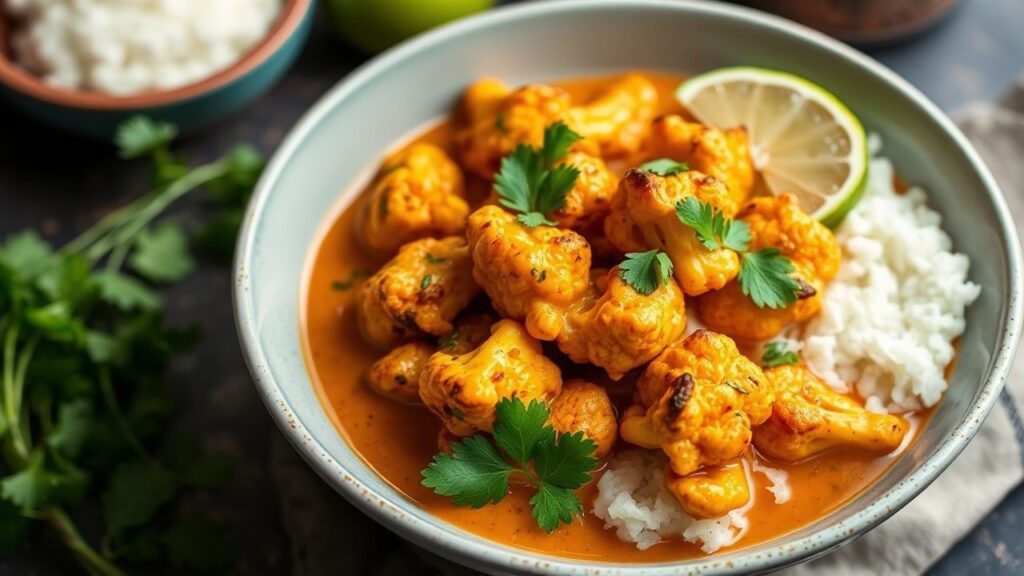
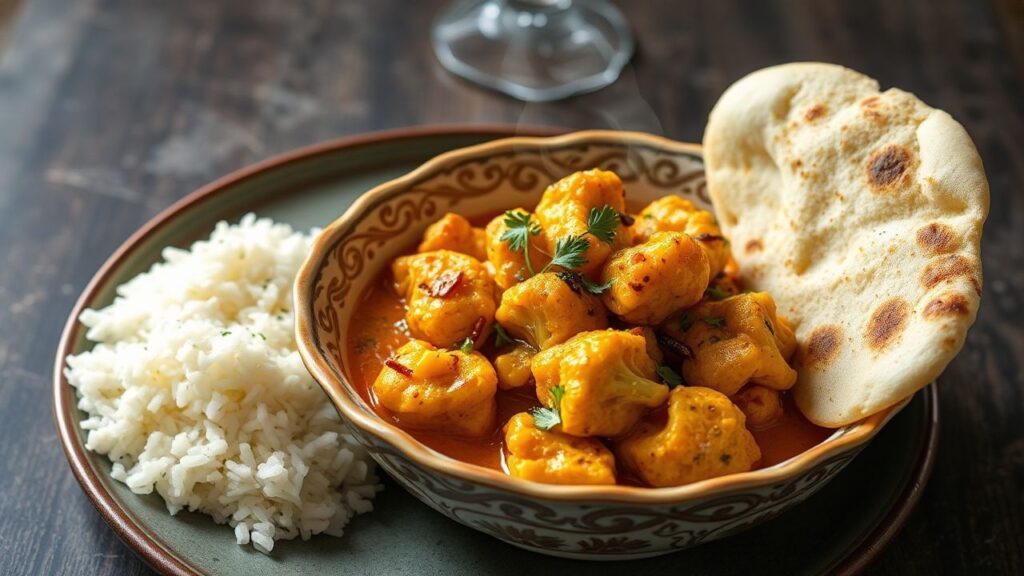
- Serve: Ladle the roasted cauliflower curry into bowls. Garnish with fresh cilantro, toasted almonds, and a squeeze of lime juice, if desired. Serve hot with rice, naan bread, or roti.
Nutritional Insights: A Wholesome Indulgence
This Roasted Cauliflower Curry, while undeniably decadent in flavor, offers a surprisingly robust nutritional profile. A typical serving (approximately one-quarter of the recipe, excluding rice or bread) is estimated to provide around 300-350 calories. The primary macronutrient breakdown leans towards healthy fats, largely from the coconut milk and cooking oil, contributing to satiety and aiding in the absorption of fat-soluble vitamins. Carbohydrates are present, primarily from the cauliflower and onion, providing essential fiber. Protein content, while not exceptionally high, is present from the legumes and spices, and can be significantly boosted by adding ingredients like chickpeas or lentils.
The nutritional powerhouse of this dish is undoubtedly the cauliflower itself, a cruciferous vegetable rich in vitamins C and K, folate, and dietary fiber. The spices, beyond their flavor contributions, are packed with antioxidants. For instance, turmeric contains curcumin, a potent anti-inflammatory compound, while cumin and coriander are known for their digestive benefits. The addition of healthy fats from coconut milk also means that compounds like lauric acid, which has antimicrobial properties, are readily absorbed by the body. This makes the dish not just a culinary delight but a contributor to overall well-being.
| Nutrient | Approximate Amount per Serving |
|---|---|
| Calories | 320 kcal |
| Total Fat | 25 g |
| Saturated Fat | 15 g |
| Cholesterol | 0 mg |
| Sodium | 600 mg (can vary based on salt added) |
| Total Carbohydrates | 18 g |
| Dietary Fiber | 5 g |
| Sugars | 7 g |
| Protein | 5 g |
| Vitamin C | ~50% DV |
| Vitamin K | ~20% DV |
Note: Nutritional values are estimates and can vary based on specific ingredients and portion sizes.
Expert Pro-Tips for Restaurant-Quality Roasted Cauliflower Curry
Elevating this roasted cauliflower curry from a home-cooked meal to a restaurant-worthy experience hinges on a few nuanced techniques and ingredient choices. Firstly, the quality of your spices is paramount. Whenever possible, opt for freshly ground spices or whole spices that you grind yourself just before use. The difference in aroma and depth of flavor is profound. Stale spices can render even the most carefully crafted curry flat and uninspired. Consider toasting whole spices like cumin seeds and coriander seeds in a dry pan over medium heat until fragrant before grinding them; this unlocks their volatile oils and enhances their complexity.
Secondly, pay meticulous attention to the caramelization of your aromatics. Patience here is a virtue. Onions, when cooked slowly until deeply golden and even slightly browned (but not burnt), contribute a sweetness and depth that forms an irreplaceable foundation. This process can take longer than anticipated, especially if you are working with a less powerful heat source. Similarly, don’t rush the blooming of your ground spices. A minute over medium-low heat, stirring constantly, is enough to release their essential oils and transform them from dusty powders into fragrant flavor agents. This step is often overlooked, but it’s a critical differentiator in achieving a truly complex curry.
Furthermore, the texture of the roasted cauliflower is key. While we aim for tender-crisp, some individuals prefer their cauliflower softer. If you find your cauliflower is too firm after roasting, or if you prefer a more integrated texture within the sauce, you can add it to the simmering curry earlier and allow it to braise gently for an additional 10-15 minutes. Conversely, if you desire a more pronounced textural contrast, roast the cauliflower slightly longer until the edges are deeply browned and almost crispy, then fold it into the sauce just before serving. This ensures each floret retains a delightful bite against the creamy backdrop of the curry.
Finally, consider layering additional flavors in the final stages. A small dollop of plain yogurt or a swirl of heavy cream can add a final touch of richness and temper the spice. A generous squeeze of fresh lime or lemon juice at the very end brightens all the flavors, cutting through the richness and adding a zesty counterpoint. Fresh herbs, such as cilantro or even a few mint leaves, add a burst of freshness that elevates the entire dish. Some chefs even advocate for a final tempering of spices – a ‘tadka’ or ‘tarka’ – where whole spices like mustard seeds, cumin seeds, and curry leaves are quickly fried in a small amount of hot oil or ghee and then poured over the finished curry. This final flourish adds an aromatic dimension that is truly captivating.
The journey of cauliflower from a simple vegetable to the star of a deeply satisfying curry is proof of the power of culinary technique. Roasting unlocks its inherent sweetness and nutty undertones, creating a foundation of flavor that is both robust and nuanced. When this perfectly roasted cauliflower is then enveloped in a rich, aromatic, and creamy curry sauce, the result is a dish that transcends its humble origins, offering a symphony of textures and tastes that is both comforting and sophisticated. This Roasted Cauliflower Curry is more than just a meal; it is an experience, a celebration of ingredients treated with respect and skill.
Frequently Asked Questions
What are the best vegetables to add to roasted cauliflower curry?
While cauliflower is the star, this curry readily accepts other complementary vegetables. Sweet potatoes or butternut squash, also roasted to enhance their sweetness, add beautiful color and creamy texture. Bell peppers, especially red or yellow, offer a slight crunch and sweetness when roasted. For added protein and texture, consider incorporating chickpeas or lentils, which can be added directly to the curry sauce to simmer and absorb the flavors. If you prefer green vegetables, spinach can be wilted into the sauce at the end, or broccoli florets can be roasted alongside the cauliflower, though they may require slightly less cooking time.
How can I make this curry spicier or milder?
Adjusting the spice level is straightforward. For a spicier curry, increase the amount of cayenne pepper or add more fresh green chilies to the aromatic base. You can also incorporate a pinch of red chili flakes directly into the curry sauce. For a milder curry, omit the cayenne pepper and reduce or omit the green chilies. If you find the curry too spicy after it’s cooked, a little extra coconut milk, a touch more sugar, or a dollop of plain yogurt stirred in at the end can help to temper the heat. Remember that the heat from spices can intensify as the curry simmers, so it’s often best to start with less and add more as needed.
Can I prepare roasted cauliflower curry ahead of time?
Yes, roasted cauliflower curry can be prepared ahead of time, and in many cases, the flavors meld and deepen overnight, making it even more delicious. The cauliflower can be roasted and the curry sauce made separately a day in advance. Store them in airtight containers in the refrigerator. When ready to serve, gently reheat the curry sauce, then add the roasted cauliflower and simmer for a few minutes to warm through. It’s important not to overcook the cauliflower during the reheating process, as it can become mushy. For optimal texture, it’s often best to add the roasted cauliflower to the reheated sauce just before serving, allowing it to warm gently without losing its delightful tender-crisp quality. If you are making it entirely ahead, consider roasting the cauliflower just before combining it with the reheated sauce for the best texture.
What are some serving suggestions for roasted cauliflower curry?
Roasted cauliflower curry is wonderfully versatile in its accompaniments. The classic pairings remain excellent: fluffy basmati rice, fragrant jeera rice (cumin rice), or a simple pilaf. For a more substantial meal, serve it with warm naan bread, roti, or chapati for scooping up the rich sauce. A side of cooling raita (yogurt dip with cucumber and mint) can provide a refreshing contrast to the warmth of the curry. A simple side salad with a light vinaigrette also works well to balance the richness. For a truly authentic experience, consider serving it with a side of pickled onions or a simple cucumber and tomato salad.
See also: Cauliflower