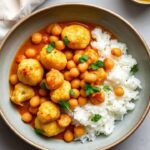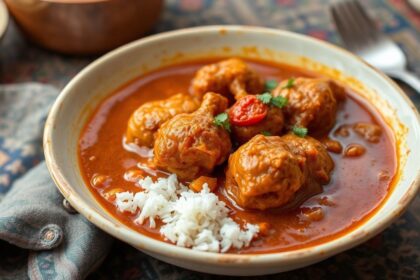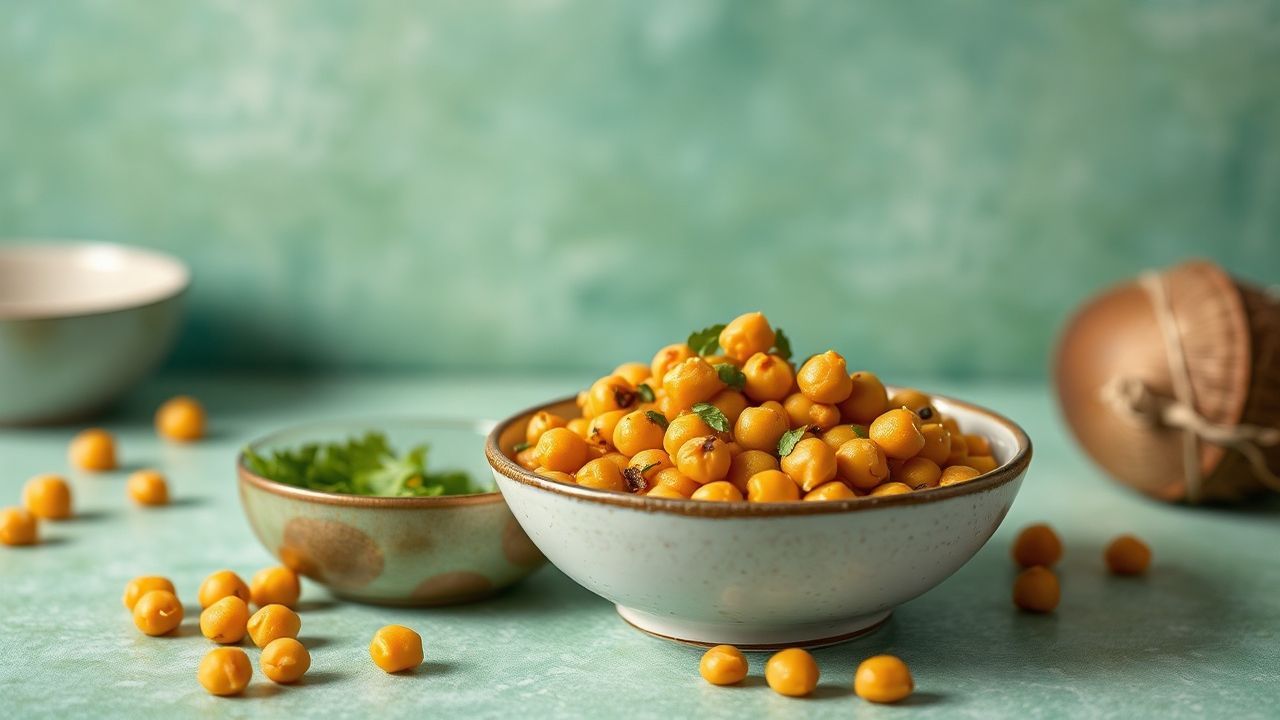

When does the aroma of simmering spices, the creamy embrace of coconut milk, and the hearty chew of perfectly cooked legumes converge to create a dish that is both comforting and exhilarating? It’s in the sublime alchemy of a well-executed chickpea curry. This is not merely a weeknight staple for millions; it’s a canvas for culinary artistry, proof of how humble ingredients can be transformed into something profoundly satisfying. Imagine a late autumn evening, the rain drumming a gentle rhythm against the windowpane, a hankering for something warm and nourishing. You open your pantry, and there they are: unassuming cans of chickpeas, a carton of coconut milk, a constellation of aromatic spices. The promise of a deeply flavorful, plant-powered meal hangs in the air.
At a Glance: The Essence of Superior Chickpea Curry
* Flavor Foundation is Paramount: Building layers of aromatic depth through careful spice toasting and aromatic mirepoix is non-negotiable.
* Coconut Milk Quality Matters: Opt for full-fat, unsweetened coconut milk for richness and a velvety texture.
* Chickpea Texture Control: Don’t overcook; retain a slight bite for textural contrast.
* Acidity as a Balancer: A final squeeze of lime or a touch of tamarind brightens and elevates all other flavors.
The journey of the chickpea curry, particularly its coconut milk-infused iteration, is a fascinating exploration of culinary diffusion. While pulses have been a cornerstone of diets across the Indian subcontinent, the Middle East, and North Africa for millennia, the widespread integration of coconut milk into these dishes is a more recent, albeit globally embraced, phenomenon. Its prevalence in South Indian and Sri Lankan cuisines, where coconuts grow in abundance, has undeniably influenced the global perception and preparation of many curries, including the beloved chickpea curry. This fusion has transcended geographical boundaries, becoming a beloved dish in kitchens from London to Los Angeles, appreciated for its robust flavors, inherent healthfulness, and adaptability. Its rise in popularity mirrors the broader global shift towards plant-based eating, offering a deeply satisfying and protein-rich alternative to meat-centric dishes. The sheer versatility of this chickpea curry makes it a true culinary chameleon, capable of adapting to a wide array of palates and occasions.
The beauty of a well-crafted chickpea curry lies in its foundational simplicity, yet it offers a vast expanse for sophisticated flavor development. It’s a dish that speaks to both the novice cook and the seasoned chef, rewarding meticulous attention to detail with profound gastronomic pleasure. The key to unlocking its true potential lies not just in the ingredients themselves, but in the nuanced techniques employed in their preparation.
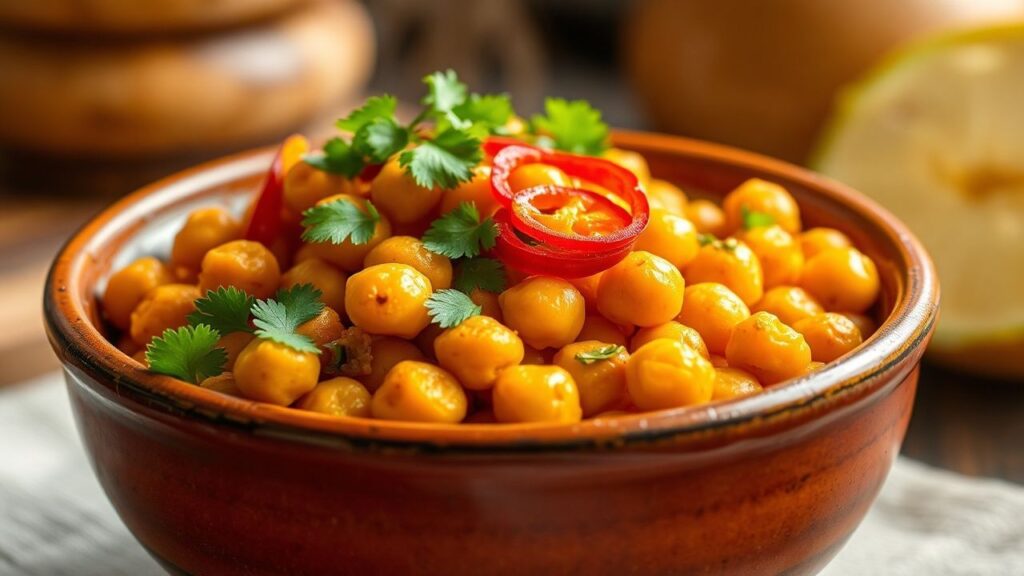
Creating an exceptional chickpea curry is akin to composing a symphony of flavors and textures. It requires an understanding of how individual components interact and contribute to the overall harmony of the dish. This is not simply about throwing ingredients into a pot; it’s about building complexity, coaxing out aromas, and achieving a balance that delights the palate.
The foundation of any great dish is the quality of its components. For a truly sublime chickpea curry, we must be discerning.
While canned chickpeas offer unparalleled convenience, for those seeking the absolute pinnacle of texture and flavor, starting with dried chickpeas is a revelation. Soaking them overnight (or using the quick-soak method) rehydrates them, allowing for a more tender and flavorful final product. When cooking dried chickpeas, ensure they are tender but not mushy, offering a satisfying slight chew. If using canned, a thorough rinse is essential to remove any metallic notes from the brine.
The choice of coconut milk is paramount. Full-fat, unsweetened coconut milk is the only acceptable option for achieving the luxurious, velvety texture that defines an authentic chickpea coconut curry. Lower-fat versions or those with added sweeteners will compromise the richness and introduce an unwelcome sweetness that detracts from the savory depth. Shake the can vigorously before opening, as the cream and water can separate.
This is where the magic truly begins. A finely diced onion, garlic, and ginger form the aromatic bedrock. The technique of sweating these ingredients gently in oil, rather than browning them aggressively, is crucial. This slow process coaxes out their inherent sweetness and softens their pungent edges, creating a more nuanced base.
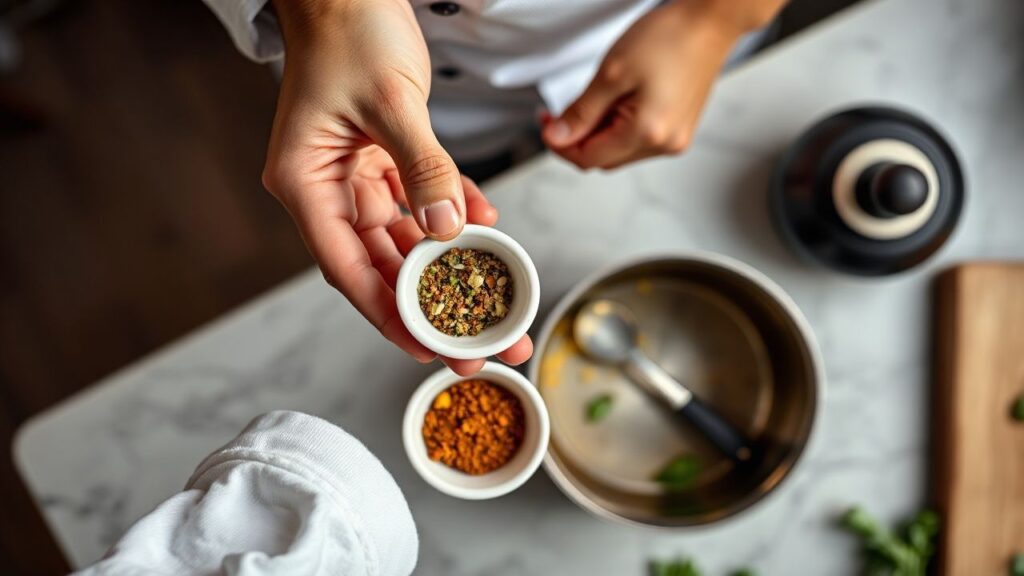
The spice blend is the heart and soul of the chickpea curry. A classic combination often includes:
- Cumin: Earthy and warm, it provides a foundational depth.
- Coriander: Citrusy and slightly sweet, it adds brightness.
- Turmeric: Imparts a vibrant golden hue and a subtly peppery, earthy flavor.
- Garam Masala: A complex blend, typically added towards the end of cooking to preserve its aromatic potency.
- Cayenne Pepper or Red Chili Flakes: For a customizable level of heat.
The construction of a truly memorable chickpea curry is a deliberate, layered process. Each step builds upon the last, creating a complex interplay of flavors and textures.
Heat a generous amount of neutral oil (like canola or vegetable oil, or for a more nuanced flavor, coconut oil) in a heavy-bottomed pot or Dutch oven over medium heat. Add one large onion, finely diced, and sauté until softened and translucent, about 8-10 minutes. Next, add 4-6 cloves of garlic, minced, and a 2-inch piece of fresh ginger, grated or finely minced. Cook for another 1-2 minutes until fragrant, being careful not to burn the garlic.
Reduce the heat to low. Add your ground spices: 2 teaspoons of ground cumin, 2 teaspoons of ground coriander, 1 teaspoon of ground turmeric, and ½ teaspoon of cayenne pepper (or to taste). Stir constantly for about 30-60 seconds. This process, known as “blooming” or “toasting” the spices in the warm oil, awakens their volatile oils, intensifying their aromas and flavors significantly.
Pour in one 14.5-ounce (400g) can of diced tomatoes, undrained. Stir well, scraping up any browned bits from the bottom of the pot. Let this simmer for 5-7 minutes, allowing the tomatoes to break down and meld with the spices.
Now, introduce the star: one 13.5-ounce (400ml) can of full-fat unsweetened coconut milk. Stir to combine, ensuring all the spices are well incorporated into the creamy liquid. Bring the mixture to a gentle simmer, then reduce the heat to low.
Drain and rinse two 15-ounce (425g) cans of chickpeas. Add them to the pot. Stir to coat them thoroughly with the coconut curry sauce. Season generously with salt to taste. Cover the pot and let the chickpea curry simmer gently for at least 20-30 minutes. This allows the flavors to meld and deepen, and the chickpeas to absorb the rich sauce. For an even more developed flavor, you can simmer for up to an hour, stirring occasionally.
Just before serving, stir in 1 teaspoon of garam masala. This spice blend is best added at the end to preserve its fresh, aromatic qualities. A squeeze of fresh lime juice (about 1-2 tablespoons) is crucial for brightening the flavors and cutting through the richness of the coconut milk. Garnish generously with fresh cilantro leaves, chopped.
This chickpea coconut curry is not only a delight for the senses but also a boon for your well-being. It’s a plant-based powerhouse, rich in protein, fiber, and essential micronutrients.
Approximate Nutritional Information Per Serving (assuming 4 servings):
- Calories: 400-450 kcal
- Protein: 15-20g
- Fat: 20-25g (primarily from coconut milk)
- Saturated Fat: 15-20g
- Carbohydrates: 40-45g
- Fiber: 10-15g
- Sugars: 8-10g
- Sodium: Varies based on added salt and canned goods (aim for lower sodium options)
- Key Micronutrients: Iron, Magnesium, Potassium, Folate, Vitamin C (from tomatoes and lime)
The high fiber content from the chickpeas aids digestion and promotes satiety, making this a filling and satisfying meal. The plant-based protein contributes to muscle maintenance and repair. While coconut milk does contain saturated fat, research increasingly suggests that the medium-chain triglycerides (MCTs) in coconut oil may have different metabolic effects compared to other saturated fats.
Even a well-made dish can be refined with a few expert touches. These are the subtle nuances that transform a good chickpea curry into an unforgettable culinary experience.
The intensity and complexity of spice can be manipulated with precision. Consider roasting whole spices like cumin seeds and coriander seeds in a dry pan until fragrant before grinding them. This unlocks a depth of flavor unattainable with pre-ground spices. A pinch of asafoetida (hing), a potent resin with a unique savory aroma, added to the hot oil at the beginning of the cooking process, can add an umami depth that is particularly transformative. For a touch of warmth and complexity that transcends simple heat, a small amount of fenugreek seeds (added carefully, as they can become bitter if overused) can lend a subtle, almost maple-like undertone.
While the chickpeas themselves provide a pleasing bite, introducing other textural elements can elevate the dish. Sautéing a handful of chopped spinach or kale until wilted and stirring it in during the last 10 minutes of simmering adds a fresh, green element and boosts nutritional value. For a delightful crunch, toasted cashews or slivered almonds sprinkled on top just before serving provide a wonderful contrast to the creamy sauce.
The role of acidity in balancing rich, creamy dishes cannot be overstated. While lime juice is a classic, consider the nuanced tang of tamarind paste. A tablespoon or two, dissolved in warm water and strained, can add a complex sweet-sour note that is both exotic and deeply satisfying. Alternatively, a swirl of plain yogurt or coconut yogurt just before serving can provide a cooling contrast and a creamy tang.
Consider the way chickpea curry is prepared in Sri Lanka. Often, it incorporates curry leaves, imparting a distinct herbaceous aroma that is both pungent and slightly floral. The spice base might lean more heavily on mustard seeds and fenugreek, creating a slightly different aromatic profile. Furthermore, the addition of rampe (pandan leaves), tied into a knot and simmered in the curry, infuses a subtle, sweet fragrance reminiscent of jasmine rice. This regional variation, a simple chickpea curry elevated by local aromatics, demonstrates the profound impact of ingredient selection and subtle technique on the final flavor profile, proving that even a humble dish can be a vessel for immense culinary diversity.
If your chickpea curry has turned out thinner than you’d prefer, several effective methods can restore its desired consistency without compromising flavor. One of the simplest is to simmer the curry uncovered for an extended period, allowing excess liquid to evaporate. This concentrates the flavors beautifully. Alternatively, you can mash a portion of the chickpeas directly in the pot with the back of a spoon or a potato masher. The starch released from the mashed chickpeas will naturally thicken the sauce. For a quicker, more potent thickening agent, create a slurry by whisking together 1-2 tablespoons of cornstarch or arrowroot powder with an equal amount of cold water until smooth. Gradually whisk this slurry into the simmering curry until it reaches your desired thickness. Ensure the curry is gently simmering when you add the slurry to prevent clumping.
Absolutely. In fact, chickpea curry often benefits from being made a day in advance. The resting period allows the complex flavors to meld and deepen, creating a more harmonious and robust taste. To store, let the curry cool completely at room temperature, then transfer it to an airtight container. Refrigerate for up to 3-4 days. When reheating, gently warm it on the stovetop over low heat, stirring occasionally. You may need to add a splash of water or vegetable broth if it has become too thick. Chickpea curry also freezes exceptionally well. Portion it into freezer-safe containers or bags and freeze for up to 3 months. Thaw overnight in the refrigerator before reheating.
The chickpea curry is a remarkably adaptable dish, and its coconut milk base is just one iteration among many. A classic North Indian chickpea curry, often referred to as Chana Masala, typically relies on a tomato and onion base with a rich blend of aromatic spices like cumin, coriander, garam masala, and amchur (dried mango powder) for a tangy finish, eschewing coconut milk entirely. Another variation involves a yogurt-based curry, where yogurt is tempered with spices and aromatics to create a creamy, tangy sauce. For a lighter, brighter profile, a lemon-herb chickpea curry might feature a broth base, abundant fresh herbs like parsley and dill, and a generous squeeze of lemon juice. Each variation offers a distinct flavor profile and textural experience, showcasing the versatility of the humble chickpea.
The chickpea coconut curry is far more than just a recipe; it’s a culinary narrative, proof of the power of simple ingredients transformed through thoughtful preparation and a touch of inspiration. It’s a dish that nourishes the body and soul, offering a symphony of flavors and textures that can be endlessly explored and adapted. Whether you’re seeking a quick weeknight meal or embarking on a more elaborate culinary adventure, this versatile curry stands ready to deliver satisfaction, warmth, and a profound connection to the global tapestry of food.
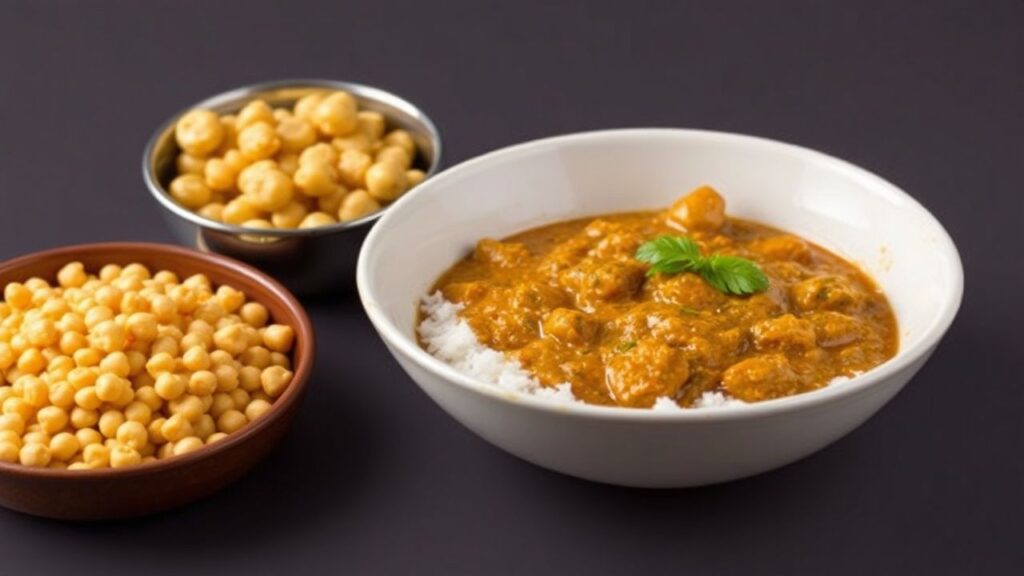
See also: Chickpea curry