
- The Genesis of Vege Pho: A Culinary Evolution
- Deconstructing the Vege Pho: The Pillars of Flavor
- The Vege Pho Saigon Recipe: A Masterclass in Plant-Based Flavor
- Yields: 4-6 servings | Prep time: 45 minutes | Cook time: 2-3 hours (mostly simmering)
- Preparation Method:
- Step 1: Roasting the Aromatics
- Step 2: Toasting the Spices
- Step 3: Simmering the Broth Base
- Step 4: Straining and Seasoning the Broth
- Step 5: Preparing the Noodles and Tofu
- Step 6: Sautéing the Vegetables
- Step 7: Assembling the Vege Pho
- Step 8: Garnishing and Serving
- Elevating Your Vege Pho: Pro-Tips for Restaurant-Quality Results
- 💡 Expert Insight Expert Insight: The Power of a Simmered Vegetable Mirepoix
- ⚠️ Pro-Caution Pro-Caution: The Peril of Over-Spicing
- The Cultural Significance of a Shared Bowl
- Frequently Asked Questions About Vege Pho
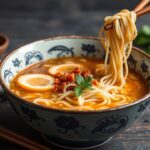
The aroma hits you first – a complex symphony of star anise, cinnamon, ginger, and toasted spices, a fragrance that is as much a part of Saigon’s streetscape as the buzzing mopeds and vibrant market stalls. For many, pho is the quintessential Vietnamese dish, a comforting, soul-warming noodle soup. But what about those who navigate the culinary landscape without meat? The quest for an authentic, deeply satisfying *vege pho* experience, especially one that captures the spirit of Saigon, can feel like a delicate tightrope walk between tradition and innovation. This isn’t just about omitting meat; it’s about reinterpreting the soul of the dish, about coaxing profound flavor from a palette of vegetables and aromatics, and about presenting it with the same reverence that a traditional pho master would afford their bone broth. To achieve this, we must explore the very essence of what makes pho, *pho*, and then thoughtfully reconstruct it.
At a Glance: Elevating Vege Pho
- Broth is King: The foundation of exceptional vege pho lies in a meticulously crafted vegetable broth, rich with roasted aromatics and umami boosters.
- Textural Harmony: A compelling vege pho balances the slurp of noodles with the satisfying bite of various vegetables and plant-based proteins.
- Freshness is Paramount: The vibrant, fresh herbs are not mere garnishes but integral flavor components, essential to the authentic pho experience.
- Umami Alchemy: Achieving meat-like depth without meat requires strategic use of fermented ingredients and specific vegetables.
The Genesis of Vege Pho: A Culinary Evolution
While pho’s origins are inextricably linked to beef and later chicken, the evolution of Vietnamese cuisine, particularly in response to dietary shifts and a growing global appreciation for plant-based eating, has given rise to the humble yet sophisticated *vege pho*. This isn’t a modern invention born of Western trends; rather, it’s a natural progression, echoing the resourcefulness and adaptability inherent in Vietnamese culinary traditions. Monks in Buddhist monasteries, for centuries, have prepared meatless versions of classic dishes, often achieving remarkable depth of flavor through meticulous preparation. The *vege pho* we aim to create here draws inspiration from this legacy, aiming for a broth that is not merely “good for a vegetarian option” but stands proudly on its own merits, rivaling its carnivorous counterparts in complexity and satisfaction. The challenge lies in replicating the profound umami and savory notes that slow-simmered bones and meat traditionally impart.
Deconstructing the Vege Pho: The Pillars of Flavor
To craft an exceptional *vege pho*, we must dissect its core components and understand how to imbue each with maximum flavor, especially in the absence of traditional meat bases. The broth, of course, is the soul. The noodles provide the comforting chew. The protein and vegetables offer texture and substance. And the fresh herbs and accompaniments deliver bright, aromatic counterpoints. Each element matter significantly in the final harmony.
The Foundation: Crafting a Broth of Unparalleled Depth
This is where the magic truly happens, and where the distinction between a passable *vege pho* and an extraordinary one is made. A truly magnificent vegetable broth for *vege pho* requires patience, strategic ingredient selection, and a deep understanding of how to extract maximum flavor. We’re not simply boiling vegetables; we’re building layers of aromatic complexity.
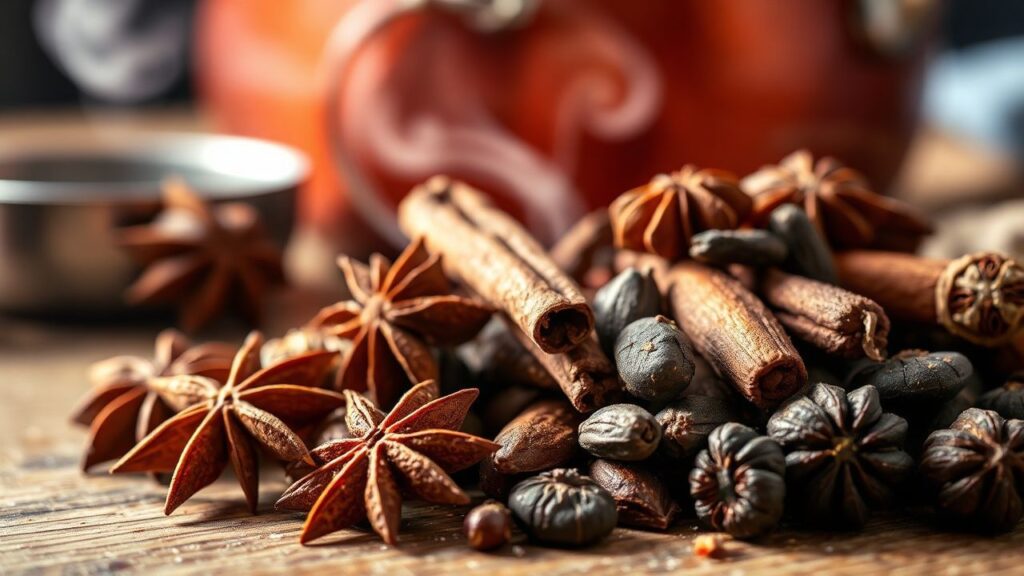
The cornerstone of a robust vegetable broth is aromatics. Think beyond the standard onion and ginger. We will roast them, charring them slightly to unlock their sugars and develop a smoky depth. Star anise, cinnamon sticks, cloves, and black cardamom pods are essential for that signature pho fragrance. Toasting these spices lightly before they go into the pot intensifies their volatile oils and prevents them from tasting acrid.
Beyond the aromatics, the secret to replicating the savory depth of meat broth lies in umami-rich ingredients. Dried shiitake mushrooms are indispensable, rehydrating and releasing a potent, earthy umami. Kombu, a type of dried kelp, adds a subtle minerality and a significant boost of glutamates. A touch of tamari or high-quality soy sauce, and perhaps even a splash of vegetarian oyster sauce (if available and desired), can further enhance the savory profile. The key is to build these flavors gradually, allowing them to meld and deepen over time.
The Vege Pho Saigon Recipe: A Masterclass in Plant-Based Flavor
This recipe is designed to be an accessible yet deeply authentic representation of *vege pho*, suitable for both the home cook and the aspiring culinary enthusiast. It emphasizes technique and ingredient quality to achieve a result that is both profoundly satisfying and remarkably nuanced.
Yields: 4-6 servings | Prep time: 45 minutes | Cook time: 2-3 hours (mostly simmering)
Ingredients:
For the Broth:
- 3 large yellow onions (about 700g / 1.5 lbs), halved and unpeeled
- 2 large daikon radishes (about 500g / 1.1 lbs), cut into 3-4 inch chunks, unpeeled
- 1 (15cm / 6 inch) piece fresh ginger (about 150g / 5.3 oz), unpeeled, halved lengthwise
- 10 whole star anise
- 5 cinnamon sticks (about 7-10 cm / 3-4 inches each)
- 1 tablespoon whole cloves
- 3 black cardamom pods, lightly bruised
- 1 teaspoon coriander seeds
- 1 teaspoon fennel seeds
- 50g / 1.7 oz dried shiitake mushrooms
- 20g / 0.7 oz dried kombu (about 1-2 sheets)
- 3 liters / 12 cups filtered water
- 2 tablespoons tamari or high-quality soy sauce (adjust to taste)
- 1 tablespoon vegan fish sauce or vegetarian oyster sauce (optional, for extra depth)
- 1 teaspoon sugar (or to taste, to balance flavors)
- Salt to taste
For the Noodles and Toppings:
- 450g / 1 lb dried flat rice noodles (banh pho)
- 300g / 10.5 oz firm or extra-firm tofu, pressed and cut into bite-sized pieces
- 1 tablespoon neutral cooking oil (e.g., canola, grapeseed)
- 1 small head of broccoli, cut into florets
- 1 red bell pepper, thinly sliced
- 1 yellow bell pepper, thinly sliced
- 1 cup thinly sliced white or yellow onion
- 1 cup sliced cremini mushrooms
For Serving:
- Fresh cilantro, chopped
- Fresh Thai basil leaves
- Fresh mint leaves
- Bean sprouts
- Lime wedges
- Sriracha or other chili sauce
- Hoisin sauce
Preparation Method:
The preparation of *vege pho* is a labor of love, each step contributing to the final, harmonious bowl.
Step 1: Roasting the Aromatics
Preheat your oven to 200°C (400°F). Place the halved onions, daikon chunks, and halved ginger piece on a baking sheet. Roast for 30-40 minutes, or until the onions are softened and lightly charred, and the ginger and daikon have developed some color. This caramelization is crucial for building the broth’s depth. Discard the peels from the onions and ginger after roasting.
Step 2: Toasting the Spices
While the aromatics are roasting, place the star anise, cinnamon sticks, cloves, black cardamom, coriander seeds, and fennel seeds in a dry skillet over medium heat. Toast for 2-3 minutes, until fragrant, being careful not to burn them. This awakens their essential oils.
Step 3: Simmering the Broth Base
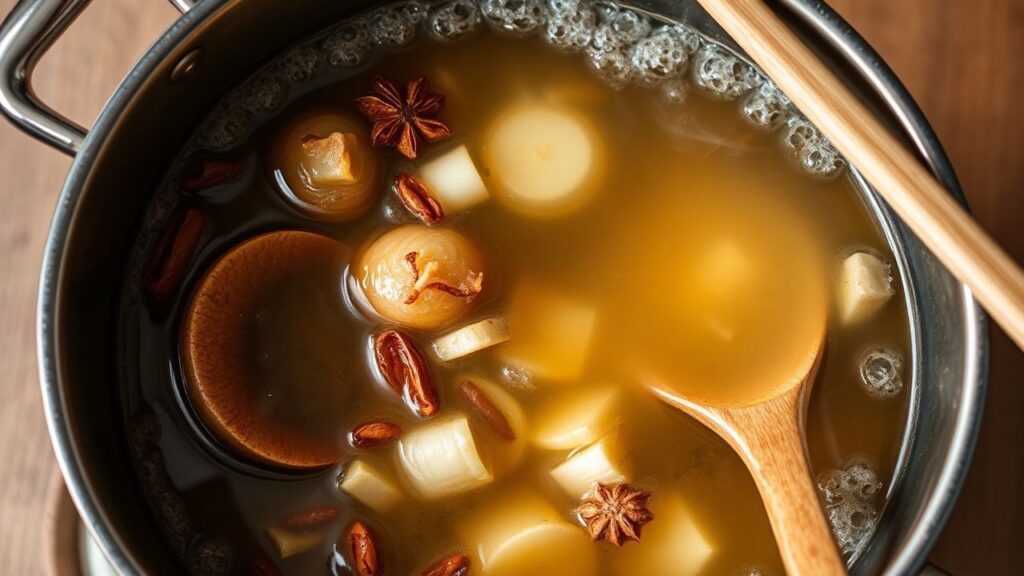
In a large stockpot or Dutch oven, combine the roasted onions, daikon, and ginger. Add the toasted spices, dried shiitake mushrooms, and dried kombu. Pour in the filtered water. Bring the mixture to a boil over high heat, then immediately reduce the heat to low, cover partially, and let it simmer gently for at least 2 hours, and up to 3 hours. The longer it simmers, the more flavors will meld and deepen. Skim off any scum that rises to the surface during the first hour of simmering.
Step 4: Straining and Seasoning the Broth
Carefully strain the broth through a fine-mesh sieve lined with cheesecloth (if you have it) into a clean pot. Discard the solids. Return the strained broth to low heat. Stir in the tamari (or soy sauce), vegan fish sauce (if using), and sugar. Taste and adjust seasoning with salt as needed. The broth should be savory, aromatic, and balanced. Aim for a complex flavor profile that hints at the richness of traditional pho.
This broth is the heart of your *vege pho*. Its clarity and depth are paramount. A good broth should be clear, not cloudy, indicating a gentle simmer and proper skimming. The careful roasting of aromatics and the judicious use of dried mushrooms and kombu are what elevate it beyond a simple vegetable stock.
💡 Expert Insight
Expert Insight: The Art of Umami Infusion
To truly replicate the mouthfeel and savory satisfaction of meat-based pho, consider a small addition of nutritional yeast to the broth in the final 30 minutes of simmering. It contributes a cheesy, nutty, and deeply savory note that complements the other umami elements beautifully, without imparting an overtly “cheesy” flavor.
Step 5: Preparing the Noodles and Tofu
Cook the rice noodles according to package directions until al dente. Drain them well and rinse with cold water to prevent them from sticking. Set aside. While the noodles are cooking, heat the neutral oil in a non-stick skillet over medium-high heat. Add the pressed tofu pieces and pan-fry until golden brown and slightly crispy on all sides. Remove from the skillet and set aside.
Step 6: Sautéing the Vegetables
In the same skillet (add a little more oil if needed), add the broccoli florets, sliced bell peppers, and sliced white onion. Sauté for 3-5 minutes until they are tender-crisp. Add the sliced cremini mushrooms and sauté for another 2-3 minutes until they are softened and lightly browned. Avoid overcrowding the pan; cook in batches if necessary to achieve proper searing rather than steaming.
Step 7: Assembling the Vege Pho
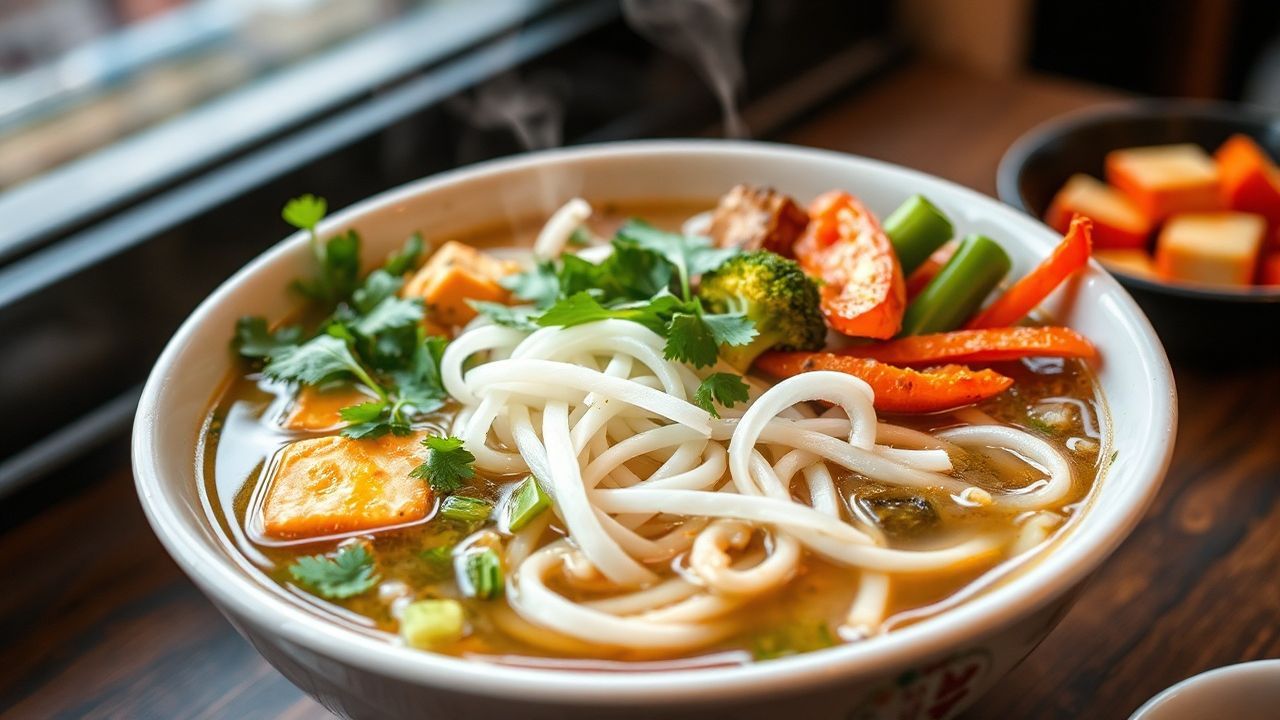
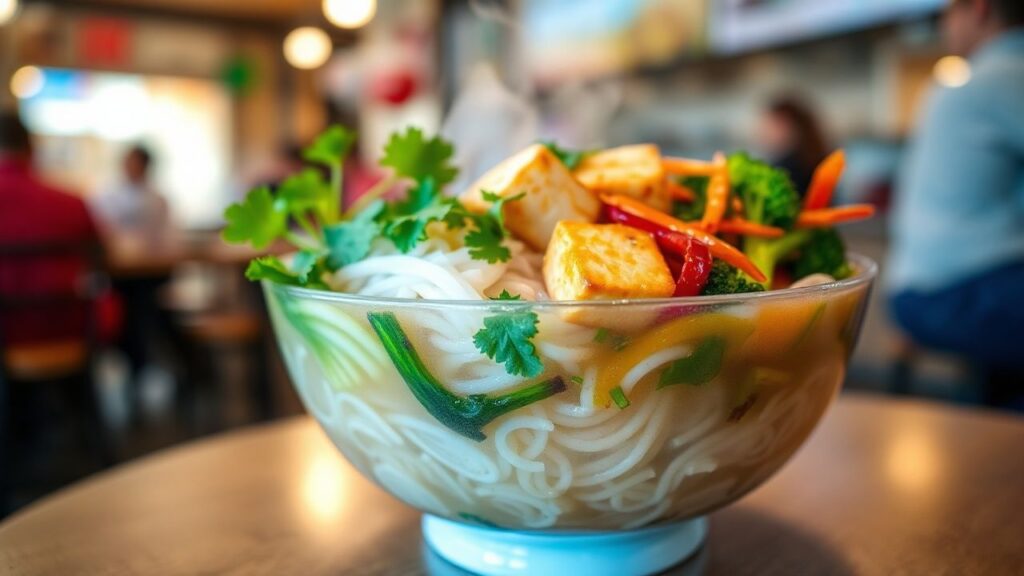
Divide the cooked rice noodles among four to six large soup bowls. Arrange the pan-fried tofu, sautéed vegetables, and sliced white onion over the noodles. Ladle the steaming hot, seasoned broth generously over the noodles and toppings. Ensure there is enough broth to almost cover everything.
Step 8: Garnishing and Serving
Serve immediately with a generous platter of fresh garnishes: chopped cilantro, Thai basil leaves, mint leaves, bean sprouts, and lime wedges. Encourage diners to customize their bowls with Sriracha and hoisin sauce to their preference. The vibrant greens and the sharp citrus cut through the richness of the broth, creating a perfectly balanced and invigorating experience.
The act of serving *vege pho* is as much a part of the ritual as its preparation. The fresh herbs, bright and fragrant, are not mere afterthoughts but essential components that awaken the palate and provide a vital contrast to the savory broth. The crunch of bean sprouts and the tang of lime are the final flourishes that complete the sensory journey.
Nutritional Information (per serving, approximate):
| Calories | 350-450 kcal |
|---|---|
| Protein | 15-20g |
| Fat | 10-15g |
| Carbohydrates | 50-60g |
| Fiber | 5-8g |
| Sodium | (Varies based on soy sauce/tamari and added salt) |
Note: Nutritional values are estimates and can vary based on specific ingredients and portion sizes.
Elevating Your Vege Pho: Pro-Tips for Restaurant-Quality Results
Achieving a truly exceptional *vege pho* at home is within reach with a few strategic enhancements. These tips go beyond the basic recipe to imbue your creation with the nuance and depth found in the finest Saigon eateries.
💡 Expert Insight
Expert Insight: The Power of a Simmered Vegetable Mirepoix
For an even more profound broth, consider a preliminary simmer of your base vegetables (onions, ginger, daikon) with a bit of water and a tablespoon of oil for about 20-30 minutes before adding the rest of the broth ingredients. This initial simmer helps to break down the cell walls of the vegetables, releasing more of their inherent sweetness and savory compounds into the liquid, laying a more robust foundation for the final broth.
The texture of the vegetables also plays a significant role. Instead of simply sautéing, consider lightly charring some of the vegetables like the bell peppers or daikon before adding them to the soup. This adds a subtle smokiness and a more complex flavor profile. For the tofu, marinating it in a mixture of tamari, a touch of sesame oil, and a pinch of sugar before pan-frying can further enhance its flavor and create a more appealing crust.
⚠️ Pro-Caution
Pro-Caution: The Peril of Over-Spicing
While the spices are critical to the characteristic aroma of pho, it’s easy to overdo it, especially with ingredients like star anise and cloves. Too much can make the broth taste medicinal or overpowering, masking the subtler vegetal notes. Always err on the side of caution, adding spices gradually and tasting as you go. The goal is a harmonious blend, not a spice-bomb.
Furthermore, the quality of your rice noodles matters. Seek out fresh or high-quality dried banh pho noodles that have a good chew and don’t become mushy easily. For the fresh herbs, ensure they are vibrant and fragrant. The difference between wilted, sad herbs and bright, perky ones can be astonishingly impactful on the final dish.
The Cultural Significance of a Shared Bowl
Pho, in its essence, is more than just sustenance; it’s an experience. It’s a dish that brings people together, a comfort food that evokes memories and fosters connection. The preparation of *vege pho* allows this cultural ritual to be inclusive, offering a deeply satisfying and authentic taste of Vietnamese cuisine to everyone. In the bustling streets of Saigon, a bowl of pho is an invitation to pause, to savor, and to connect. This *vege pho* recipe aims to bring that same spirit of communal enjoyment and culinary excellence into your home, proving that profound flavor knows no dietary bounds. The meticulous attention to detail, from the slow simmering of the broth to the careful arrangement of fresh garnishes, transforms a simple soup into a profound gastronomic statement.
Frequently Asked Questions About Vege Pho
What makes the broth for vege pho so flavorful without meat?
The exceptional flavor in *vege pho* broth is achieved through a multi-pronged approach to building umami and aromatic complexity. Firstly, roasting aromatics like onions, ginger, and daikon caramelizes their natural sugars, creating sweet and savory depth. Secondly, the judicious use of dried umami-rich ingredients such as shiitake mushrooms and kombu seaweed is paramount; these ingredients are packed with glutamates, the compounds responsible for savory taste. Finally, toasting whole spices like star anise, cinnamon, cloves, and cardamom intensifies their fragrance and flavor, contributing to the characteristic pho aroma without the need for meat. A touch of tamari or soy sauce and optional vegetarian oyster sauce further enhances the savory profile, creating a broth that is both rich and nuanced.
Can I make the vege pho broth ahead of time?
Absolutely. The broth for *vege pho* is an excellent candidate for making ahead. In fact, it often benefits from resting overnight in the refrigerator. This allows the flavors to meld and deepen further. Once cooled, store the broth in airtight containers in the refrigerator for up to 3-4 days, or freeze it for up to 3 months. When ready to serve, gently reheat the broth and adjust seasonings as needed. This makes assembling a delicious bowl of *vege pho* significantly quicker on a busy day.
What are the best vegetables to use in vege pho besides the ones listed?
The beauty of *vege pho* lies in its adaptability. Beyond the core vegetables mentioned, consider incorporating bok choy or baby bok choy, which wilt beautifully in the hot broth and add a mild sweetness. Enoki mushrooms can provide a delicate, slightly slippery texture. Thinly sliced carrots add a touch of sweetness and color. For a bit of bite and freshness, napa cabbage is a great addition. Some cooks also enjoy adding blanched gai lan (Chinese broccoli) for its slightly bitter, satisfying crunch. The key is to select vegetables that will cook relatively quickly and complement the other flavors and textures in the bowl.
See also: vege pho