
Mastering the Art of the Kid’s Plate: A Balanced Bite Blueprint
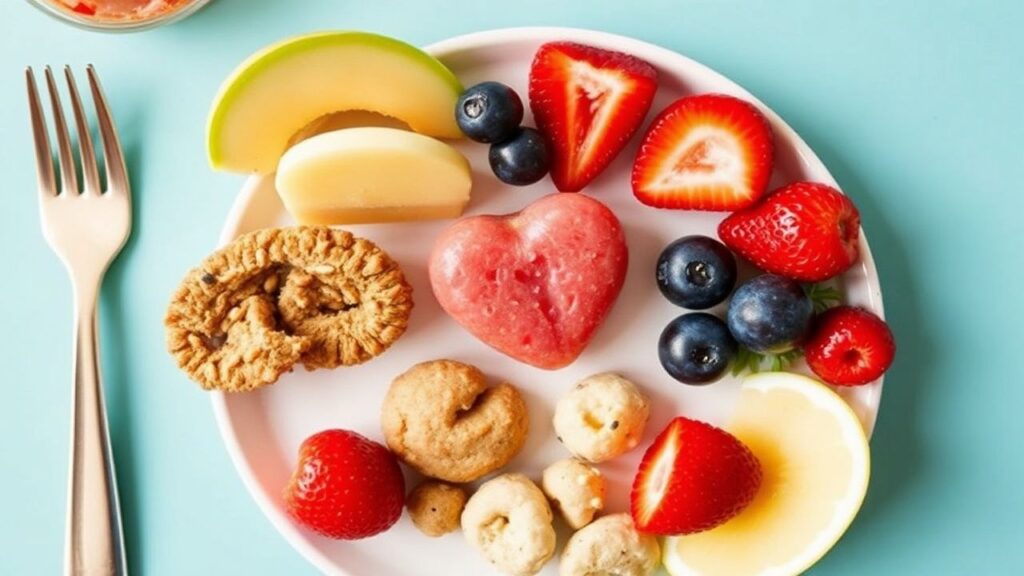
In the whirlwind of mealtime battles and picky palates, crafting the perfect kid’s plate can feel like both an art and a science. It’s more than just sneaking in vegetables or coaxing little fingers to try new flavors; it’s about creating a balanced bite that fuels growing bodies and curious minds. This guide offers a colorful, creative blueprint designed to transform mealtime into an adventure of nourishment and delight. Whether you’re a seasoned parent, a caregiver, or passionate about childhood nutrition, you’ll learn to master the mix of taste, texture, and nutrition that keeps kids happy, healthy, and eager for more.
- Mastering the Art of the Kid’s Plate: A Balanced Bite Blueprint
- The Foundation: Understanding Nutritional Needs and Visual Appeal
- Ingredients for a Nutritious and Delightful Plate
- Assembling the Masterpiece: Step-by-Step Instructions
- Tips for Success and Picky Eater Strategies
- Serving Suggestions for Enhanced Mealtime Enjoyment
- Q&A: Crafting the Perfect Kid’s Plate – A Balanced Bite Guide
- Q1: Why is crafting a balanced kid’s plate important?
- Q2: What are the key elements of a balanced kid’s plate?
- Q3: How can parents make the plate visually appealing to picky eaters?
- Q4: What portion sizes should be considered for kids?
- Q5: How can allergens and dietary restrictions be balanced?
- Q6: Are sweets and treats completely off the table?
- Q7: How can children be involved in crafting their own plates?
- Wrapping Up: Cultivating Lifelong Healthy Habits
At a Glance: Key Takeaways for the Perfect Kid’s Plate
- Prioritize vibrant, colorful ingredients to naturally attract children’s attention.
- Balance taste and health by incorporating a variety of food groups and textures.
- Employ creative presentation, like fun shapes and themed arrangements, to encourage eating.
- Understand and cater to children’s unique nutritional needs for optimal growth and development.
The Foundation: Understanding Nutritional Needs and Visual Appeal
Crafting the perfect kid’s plate starts with recognizing the unique nutritional needs of growing children. Simultaneously, you must spark their excitement around food. Vibrant and colorful ingredients naturally draw a child’s attention, transforming mealtime into a joyful experience that balances taste and health effortlessly.
Children’s developing bodies require a specific blend of macronutrients and micronutrients. A well-balanced plate ensures they receive the energy for play and learning, the building blocks for growth, and the essential vitamins and minerals for a robust immune system. This approach lays the groundwork for lifelong healthy eating habits.
Prep and Cook Time
Prep Time: 20 minutes | Cook Time: 15 minutes | Total Time: 35 minutes
Yield
Serves 2 children
Difficulty Level
Easy
Ingredients for a Nutritious and Delightful Plate
- 1 cup cooked quinoa, cooled
- 1 small carrot, peeled and sliced into thin rounds
- 1/2 cup cooked sweet corn kernels
- 1/2 cup steamed broccoli florets, cut into bite-size pieces
- 1 small avocado, diced
- 1/2 cup cherry tomatoes, halved
- 2 tbsp hummus
- 1 tbsp olive oil
- 1 tsp lemon juice
- Salt and pepper to taste
- Allergy-friendly alternatives: Use sunflower seed butter instead of hummus for nut-free variations.
Assembling the Masterpiece: Step-by-Step Instructions
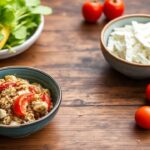
- Prepare the colorful base: Set your cooked quinoa on the plate as a nutritious foundation. Gently fluff it to form a light bed of grains that will hold the toppings beautifully. Quinoa offers a complete protein source, vital for muscle development.
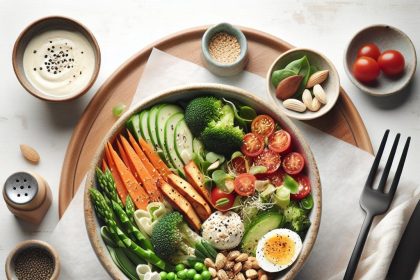
- Arrange vegetables by color: Place the steamed broccoli florets on one side, contrasting with the bright sweet corn kernels and vivid carrot rounds arranged like a sunburst. The variety of textures, from crunchy to soft, engages curious little palates and provides essential fiber and vitamins.
- Create fun shapes: Using a small cookie cutter or your hands, form avocado cubes into star shapes or hearts. Add these atop the quinoa bed to inject a playful element that encourages kids to explore their food. Avocado provides healthy monounsaturated fats crucial for brain health and nutrient absorption.
- Incorporate texture with cherry tomatoes: Halve the cherry tomatoes and scatter them evenly. Their juiciness balances the earthy quinoa and creamy avocado perfectly. Tomatoes are a good source of vitamin C and antioxidants.
- Dress and garnish: Drizzle olive oil mixed with lemon juice lightly over the plate. Add a small dollop of hummus on the side – or sunflower seed butter for allergy-friendly options. This offers a creamy dip that tempts little fingers. Olive oil contributes healthy fats, while lemon juice adds a touch of brightness.
- Final seasoning: Season lightly with salt and pepper for flavor. Remember that gentle seasoning respects sensitive taste buds without compromising on health benefits. This step refines the overall taste profile for young diners.
Tips for Success and Picky Eater Strategies
- Introduce new vegetables by pairing them with familiar favorites to ease picky eaters into a wider range of nutrients. This gradual exposure is key to expanding their palate.
- Utilize cookie cutters to create fun shapes from vegetables, fruits, or sandwiches. This simple trick can make even the most mundane ingredient exciting for children.
- Smart portioning is crucial. Aim for about half a cup of grains, one cup of vegetables, and a small protein portion appropriate for your child’s age and appetite. Overwhelming them with large portions can be counterproductive.
- If food allergies are a concern, swap ingredients accordingly and consult credible resources like Food Allergy Research & Education. Awareness and informed substitutions are paramount for safety.
- A helpful make-ahead tip: Prepare quinoa and chop vegetables the night before to save precious time on busy mornings. This streamlines the meal prep process significantly.
Consider the visual aspect of food as a powerful tool. Bright colors and interesting shapes can capture a child’s imagination and make them more willing to try new things. Think of the plate as a canvas for a culinary adventure.
Moreover, involving children in the food preparation process, even in simple ways, can foster a sense of ownership and excitement. Letting them wash vegetables or stir ingredients can make them more invested in the final meal.
Serving Suggestions for Enhanced Mealtime Enjoyment
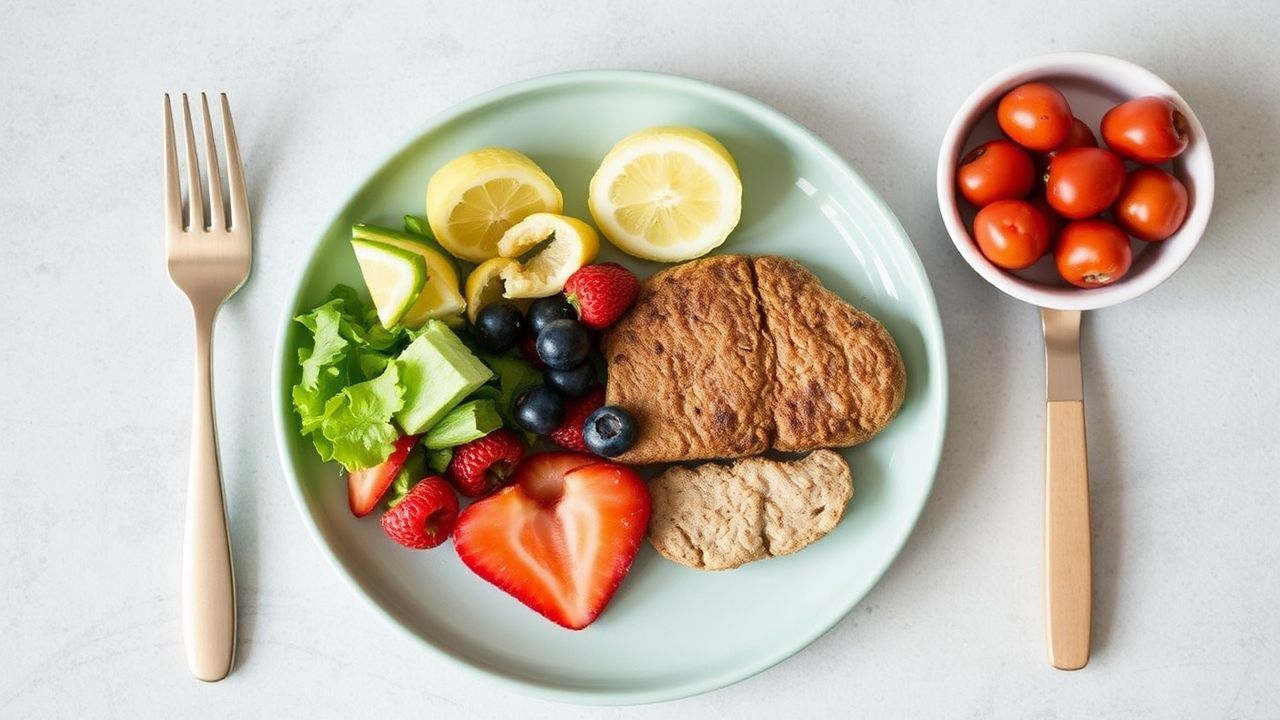
Enhance visual appeal by plating the dish on a vibrant, child-friendly plate, preferably divided into sections. These compartments can help keep foods separate, which is often preferred by younger children. Garnishing with fresh parsley or edible flowers can make the meal feel like a celebration.
Pair this balanced plate with a small cup of freshly squeezed orange juice or a warm herbal tea customized to your kid’s preference. These beverages complement the meal without adding excessive sugar. Remember that hydration is also an essential component of a healthy diet.
| Nutrition | Per Serving |
|---|---|
| Calories | 220 kcal |
| Protein | 6 g |
| Carbohydrates | 34 g |
| Fat | 7 g |
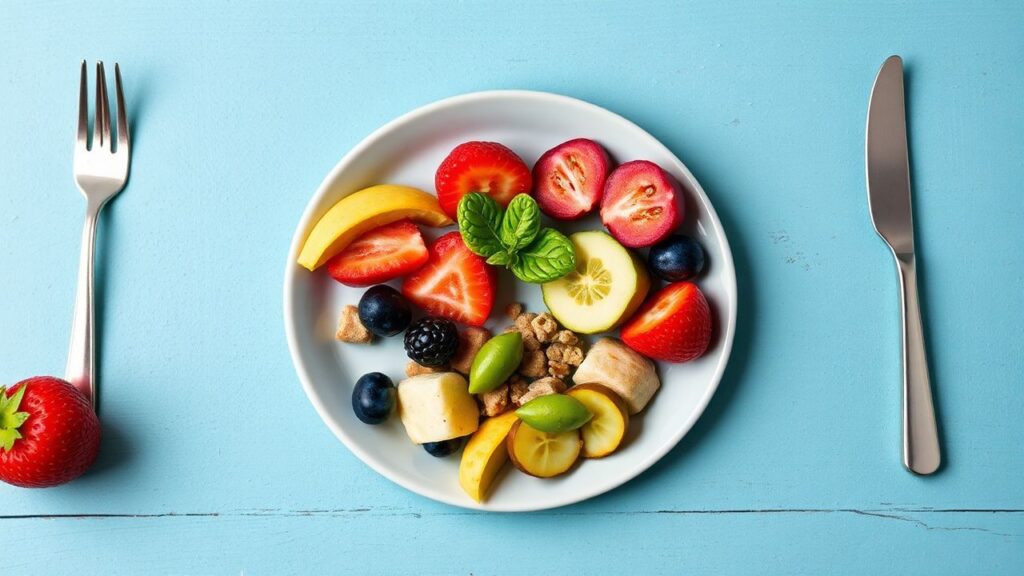
For more creative ways to boost your child’s nutrition, explore our detailed guide filled with quick and tasty ideas. Discovering new snack options can supplement their daily intake of essential nutrients.
Q&A: Crafting the Perfect Kid’s Plate – A Balanced Bite Guide
Q1: Why is crafting a balanced kid’s plate important?
A1: Just like a superhero needs the right fuel, kids need a balanced plate to power their growing bodies and active minds. A well-crafted plate ensures they get essential nutrients for energy, strong bones, sharp brains, and a healthy immune system. This approach sets the stage for lifelong healthy habits.
Q2: What are the key elements of a balanced kid’s plate?
A2: Think of the plate as a colorful palette! It should include:
- Protein (like lean meats, beans, or eggs) for muscle building and repair.
- Whole grains (such as brown rice or whole wheat bread) to provide lasting energy.
- Veggies and fruits for vitamins, minerals, and fiber – nature’s multivitamins.
- Dairy or alternatives for calcium and vitamin D, essential for strong bones.
- A splash of healthy fats (avocado, nuts, or olive oil) for brain growth and nutrient absorption.
Q3: How can parents make the plate visually appealing to picky eaters?
A3: Turn mealtime into a fun art project! Use vibrant fruits and veggies to create smiley faces or rainbow patterns. Bento boxes work wonders by separating foods into bite-sized, colorful compartments. Sometimes, a quirky name like “Dinosaur Trees” (broccoli) or “Magic Beans” (green beans) entices little ones to take a bite.
Q4: What portion sizes should be considered for kids?
A4: Kids’ stomachs are pint-sized, so think smaller portions but frequent servings throughout the day. A good rule of thumb is about ⅔ of an adult portion, adjusted to the child’s age and appetite. Let hunger and fullness cues guide the rest – forcing food is never recommended and can create negative associations with eating.
Understanding appropriate portion sizes helps prevent overeating and ensures children learn to recognize their body’s natural hunger and satiety signals. This is a foundational skill for developing a healthy relationship with food.
Q5: How can allergens and dietary restrictions be balanced?
A5: A balanced plate doesn’t mean sacrificing safety. Identify safe alternatives that provide similar nutrition – like almond or oat milk instead of cow’s milk, or quinoa instead of wheat for gluten sensitivity. Consulting with a pediatric nutritionist can tailor a perfect plate that’s both safe and nourishing. Always read labels carefully and communicate with your child’s school or caregivers about their dietary needs.
Q6: Are sweets and treats completely off the table?
A6: Not at all! Moderation is the secret sauce. The goal is to teach kids that sweets are occasional treats, not mainstays. When sweets are part of the plate, embedding them alongside nutrient-rich foods helps maintain balance and prevents sugar overload. This teaches them about balance and enjoyment in a healthy context.
Q7: How can children be involved in crafting their own plates?
A7: Empower kids by inviting them to choose vegetables and fruits at the store or help arrange foods at mealtime. This not only teaches portioning and balance but also increases the likelihood they’ll eat what’s on their plates – with pride and enthusiasm. Their involvement makes mealtime a positive, shared experience.
Crafting the perfect kid’s plate is like composing a nutritious symphony. Each component matter significantly in harmony, creating a healthy, happy meal that kids will love and parents can trust. It’s a continuous journey of learning and adaptation, tailored to each child’s unique needs and preferences.
Wrapping Up: Cultivating Lifelong Healthy Habits
As we close the chapter on crafting the perfect kid’s plate, remember that balance is more than just a buzzword – it’s the secret ingredient to nourishing little bodies and curious minds. By blending vibrant veggies, hearty proteins, and wholesome grains into a colorful mosaic, you’re not just serving a meal; you’re building the foundation for lifelong healthy habits. This deliberate approach to nutrition significantly impacts their overall well-being and development.
So, roll up those sleeves, get creative with textures and tastes, and watch as your child’s plate transforms into a joyful, balanced bite that fuels their adventures – one delicious forkful at a time. Remember, consistency and positive reinforcement are key to fostering a healthy relationship with food that will last a lifetime. For more inspiration on balanced eating for young ones, explore resources on childhood nutrition and balanced meal planning.
See also: Kid’s plate