
At a Glance: Key Takeaways
- Umami Mastery: Nutritional yeast is the linchpin for achieving a savory, cheesy depth without dairy.
- Rice Selection is Crucial: Arborio or Carnaroli rice are non-negotiable for true risotto texture.
- Broth is King: A high-quality, intensely flavored vegetable broth forms the flavor foundation.
- Patience and Technique: Gradual addition of hot broth and constant stirring are paramount for creaminess.
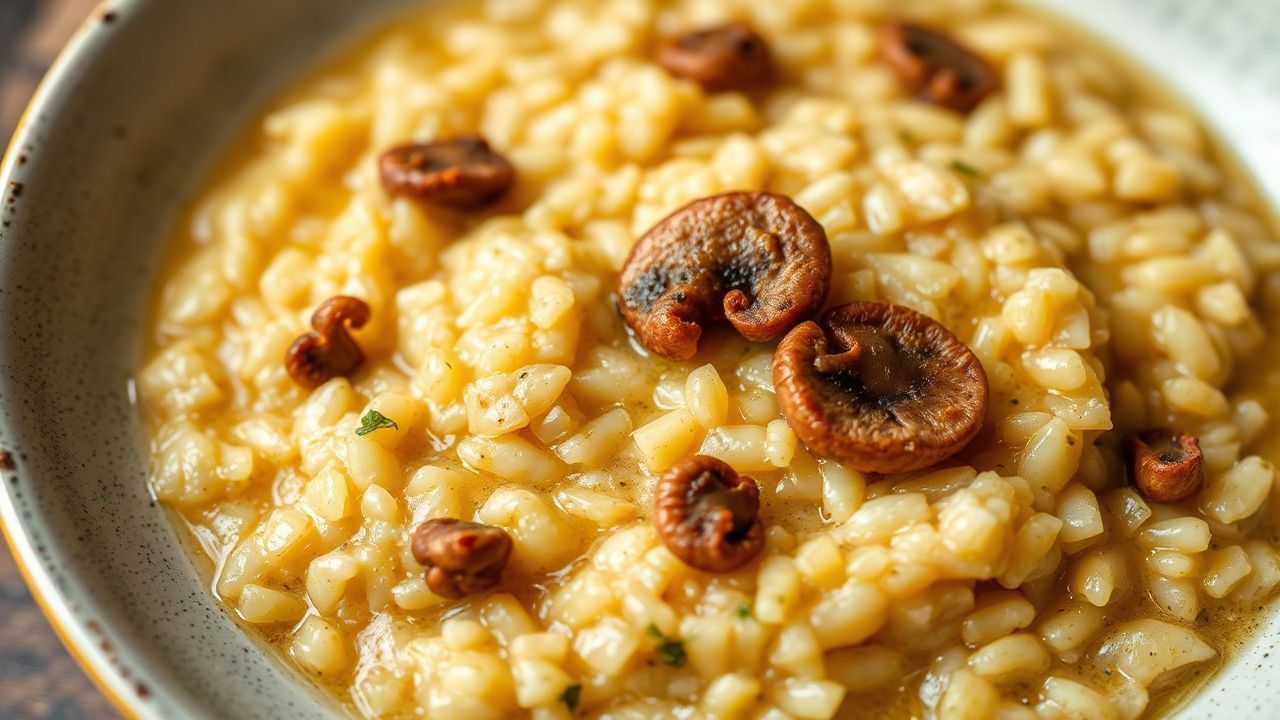
This exploration into vegan mushroom risotto isn’t merely about substitution; it’s about intelligent reinvention. The soulful essence of a well-made risotto—its velvety texture, its harmonious blend of earthy flavors, its comforting warmth—is achievable through a nuanced understanding of vegan ingredients and classic culinary techniques. The humble mushroom, already a powerhouse of savory notes, finds its perfect partner in nutritional yeast, a deactivated yeast that imparts a distinctively cheesy, nutty, and deeply satisfying umami. Together, they create a symphony of flavor that rivals any traditional version.
- The Alchemy of Vegan Mushroom Risotto: A close look
- Crafting the Perfect Vegan Mushroom Risotto: A Step-by-Step Guide
- Nutritional Information (Approximate per Serving)
- Expert Pro-Tips: Elevating Your Mushroom Risotto
- The Case for Conscious Culinary Choices
- Frequently Asked Questions
- What is the best type of mushroom for vegan mushroom risotto?
- How do I make my vegan mushroom risotto extra creamy without dairy?
- Can I make mushroom risotto ahead of time?
The Alchemy of Vegan Mushroom Risotto: A close look
The journey to a superior vegan mushroom risotto begins with an appreciation for its origins and the subtle art of its preparation. Traditionally, risotto relies on the starch released from specific rice varietals, coaxed out through gentle cooking and constant agitation, combined with the richness of butter and Parmesan cheese. To replicate this luscious mouthfeel and profound flavor profile without these elements requires a deliberate and informed approach.
The Pillars of Flavor and Texture
Creating a compelling vegan mushroom risotto hinges on mastering two critical components: the foundation of flavor and the achievement of creamy texture. Without the inherent fat and protein of dairy, these elements must be meticulously constructed.
Unlocking Umami: The Power of Mushrooms and Nutritional Yeast
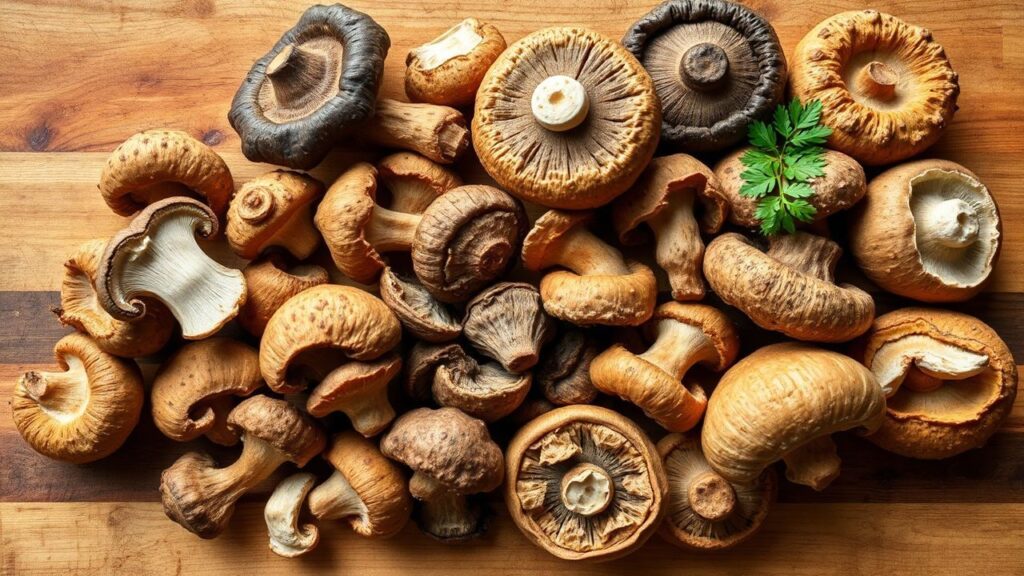
Mushrooms are nature’s umami bombs, and selecting the right varieties is the first strategic move. A blend of fresh, dried, and even powdered mushrooms can amplify the savory depth. Shiitake mushrooms, with their intensely earthy and slightly smoky profile, are indispensable. Porcini mushrooms, whether fresh or rehydrated, offer a complex, almost meaty richness. Even common cremini or button mushrooms, when sautéed until deeply browned, contribute significantly to the flavor base.
Nutritional yeast, often referred to as “nooch,” is the undisputed champion in the vegan pantry for replicating cheesy, savory notes. Its flavor is complex, often described as nutty, cheesy, and slightly eggy. When incorporated into a hot risotto, it dissolves, contributing a creamy, emulsified quality and a profound umami that binds the dish together. The quantity is key; too little, and the flavor will be muted; too much, and it can become overpowering or slightly bitter.
The Rice: The Soul of Risotto
The choice of rice is paramount and non-negotiable for achieving authentic risotto texture. Arborio and Carnaroli rice varietals are short-grain, high-starch rice that possess a unique ability to release amylopectin during cooking. This starch is what creates the characteristic creamy, flowing texture of risotto, without the need for heavy cream. Unlike long-grain rice, which tends to remain separate, these Italian varieties are designed to break down slightly, forming a naturally luscious sauce.
Broth: The Flavor Carrier
A robust, deeply flavored vegetable broth is the backbone of any great risotto, vegan or otherwise. Store-bought broths can be a convenient starting point, but for truly exceptional results, homemade is often superior. Simmering aromatic vegetables like onions, carrots, celery, leeks, and a bouquet garni (parsley stems, thyme, bay leaf) for an extended period extracts maximum flavor. For an extra layer of mushroom essence, consider simmering some mushroom stems or scraps in the broth. Crucially, the broth must be kept at a gentle simmer throughout the cooking process; adding cold broth will shock the rice and hinder the starch release.
Crafting the Perfect Vegan Mushroom Risotto: A Step-by-Step Guide
This recipe is designed to guide you through the nuanced process of creating a vegan mushroom risotto that is both technically sound and gastronomically rewarding.
Ingredients: The Foundation of Excellence
- For the Mushroom Base:
- 500g (about 1 lb) mixed fresh mushrooms (e.g., shiitake, cremini, oyster), sliced
- 20g (about 0.7 oz) dried porcini mushrooms
- 2 tablespoons olive oil
- 1 tablespoon vegan butter (optional, for extra richness)
- 2 cloves garlic, minced
- 1 shallot, finely chopped
- Fresh thyme sprigs
- Salt and freshly ground black pepper to taste
- For the Risotto:
- 300g (about 1.5 cups) Arborio or Carnaroli rice
- 1 medium onion, finely chopped
- 2 cloves garlic, minced
- 150ml (about 5 fl oz) dry white wine (optional, but recommended for acidity)
- 1.2 – 1.5 litres (about 5 – 6 cups) hot high-quality vegetable broth (kept simmering)
- 3-4 tablespoons nutritional yeast
- 2 tablespoons fresh parsley, chopped
- 1 tablespoon fresh chives, finely chopped
- Salt and freshly ground black pepper to taste
- Extra virgin olive oil, for finishing
Preparation Method: The Art of Agitation and Infusion
1. Prepare the Dried Porcini: Place the dried porcini mushrooms in a heatproof bowl and cover with about 150ml (5 fl oz) of hot water. Let them soak for at least 20-30 minutes until softened. Once rehydrated, carefully lift the mushrooms out of the soaking liquid (reserving the liquid), rinse them gently to remove any grit, and finely chop. Strain the soaking liquid through a fine-mesh sieve lined with cheesecloth or a coffee filter to remove any sediment. Add this strained liquid to your main vegetable broth.
2. Sauté the Fresh Mushrooms: In a large, heavy-bottomed pan or Dutch oven, heat the olive oil (and vegan butter, if using) over medium-high heat. Add the sliced fresh mushrooms and cook, stirring occasionally, until they release their liquid and begin to brown deeply. This browning is crucial for developing their flavor. Add the chopped shallot and minced garlic, and sauté for another 2-3 minutes until fragrant. Stir in the chopped rehydrated porcini and fresh thyme sprigs. Season with salt and pepper. Remove about half of this mushroom mixture from the pan and set aside for garnishing.
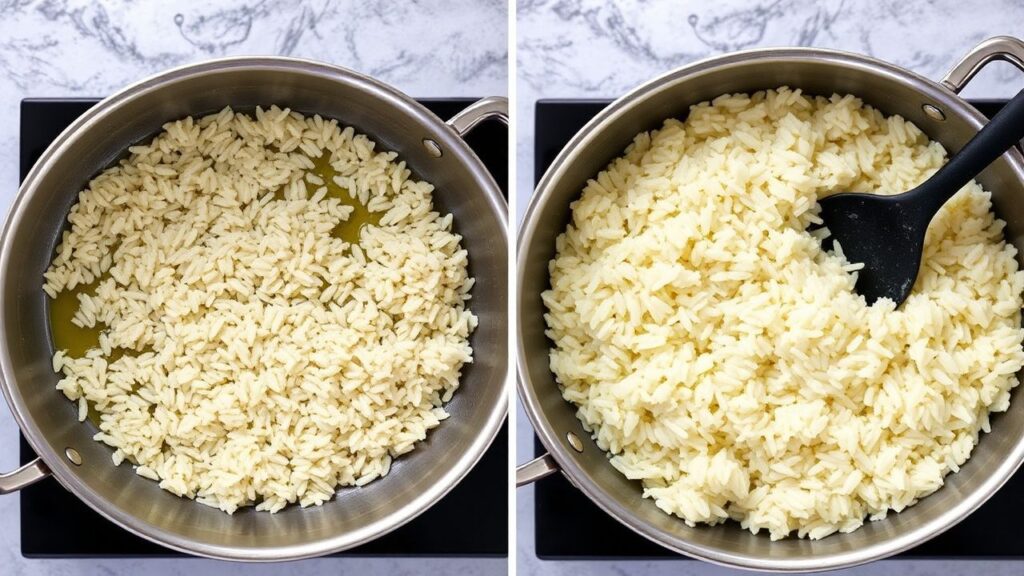
3. Toast the Rice: Return the pan with the remaining mushrooms to medium heat. Add the Arborio or Carnaroli rice and stir constantly for 1-2 minutes until the grains become slightly translucent around the edges. This toasting step helps the rice grains absorb liquid more evenly and maintain their structure.
4. Deglaze with Wine (Optional): Pour in the white wine, if using. Stir constantly until the wine has almost completely evaporated. This step adds a welcome acidity that balances the richness of the risotto.
5. Begin the Broth Infusion: Add one ladleful (about 150ml or 5 fl oz) of the hot, simmering vegetable broth to the rice. Stir continuously, ensuring the rice grains are fully submerged. Wait until the liquid is almost fully absorbed before adding the next ladleful. This gradual addition of hot liquid and constant stirring is the heart of the risotto-making process, coaxing the starch from the rice to create a creamy texture.
6. Continue Adding Broth: Continue this process, ladle by ladle, stirring gently but consistently. The process will take approximately 18-20 minutes. You are looking for the rice to be al dente – tender but with a slight bite in the center. The risotto should be creamy and flowing, not stiff or dry.
7. Incorporate Nutritional Yeast and Finish: Once the rice is cooked to your liking and the risotto has a creamy consistency, remove the pan from the heat. Stir in the nutritional yeast, chopped fresh parsley, and chives. The residual heat will melt the nutritional yeast into the risotto, enhancing its creaminess and cheesy flavor. Season generously with salt and freshly ground black pepper to taste.
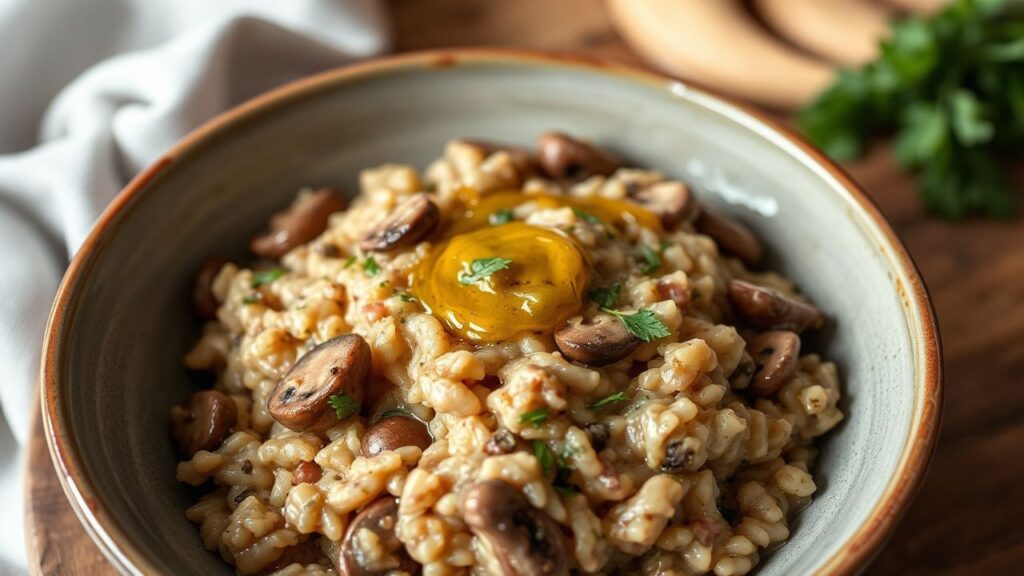
8. Serve: Ladle the vegan mushroom risotto into warmed bowls. Garnish with the reserved sautéed mushrooms and a drizzle of good quality extra virgin olive oil.
Nutritional Information (Approximate per Serving)
- Calories: 450-550 kcal (depending on exact ingredients and portion size)
- Protein: 10-15g
- Fat: 12-18g (mostly unsaturated from olive oil)
- Carbohydrates: 70-85g
- Fiber: 5-7g
- Sodium: Varies greatly based on broth and added salt.
This vegan mushroom risotto is a good source of B vitamins (especially from nutritional yeast), dietary fiber, and essential minerals. The complex carbohydrates from the rice provide sustained energy.
Expert Pro-Tips: Elevating Your Mushroom Risotto
Achieving a restaurant-quality vegan mushroom risotto involves attention to detail and a few subtle techniques that make a significant difference.
💡 Expert Insight
Expert Insight: The Role of Acidity and Fat
While we are omitting dairy fat, a touch of acidity and a final drizzle of high-quality olive oil can mimic some of the richness and brightness that dairy provides. The optional white wine contributes acidity. If omitting wine, a tiny splash of lemon juice or a micro-grated zest of lemon at the very end can brighten the dish. For the final flourish, a generous drizzle of a fruity, peppery extra virgin olive oil not only adds flavor but also a luxurious sheen and a mouthfeel reminiscent of butter. Consider using an olive oil that has a distinct grassy or peppery note to complement the earthy mushrooms.
A classic example of flavor enhancement through careful fat and acid balance can be seen in many traditional Italian dishes. For instance, a simple pasta aglio e olio, while seemingly basic, relies on the emulsification of olive oil and pasta water, plus a hint of garlic and chili, to create a satisfying sauce. Similarly, the careful use of good olive oil in this vegan risotto provides a necessary richness that fat inherently imparts.
The Case for Conscious Culinary Choices
The evolution of cuisine is often driven by necessity, dietary choices, and a desire for innovation. Consider the rise of plant-based dining; it’s not just a trend but a significant shift in how we approach food. The vegan mushroom risotto exemplifies this evolution. For individuals with lactose intolerance or those choosing a vegan lifestyle, traditional risotto has been off-limits. However, through understanding the fundamental principles of cooking—starch release, flavor layering, and achieving desirable textures—we can create dishes that are not only inclusive but also exceptional.
One compelling real-world case study is the growing popularity of upscale vegan restaurants. Places like “Dirt Candy” in New York City, or “Gauthier Soho” in London, have built entire empires on the premise that plant-based cuisine can be sophisticated, creative, and profoundly delicious, often challenging long-held notions of what is possible without animal products. Their success is proof of meticulous ingredient sourcing, innovative techniques, and a deep understanding of flavor. This vegan mushroom risotto follows a similar philosophy, aiming to deliver a powerful culinary experience through intelligent vegan adaptation.
⚠️ Pro-Caution
Pro-Caution: The Pitfalls of Over-Stirring or Under-Stirring
While constant stirring is key, it’s a gentle, rhythmic motion, not an aggressive churning. Over-stirring can break down the rice grains too much, leading to a gummy, gluey texture rather than a creamy one. Conversely, insufficient stirring means the starch won’t be released effectively, resulting in a watery, granular risotto where the grains remain distinct and undercooked. Aim for a consistent, gentle stir that ensures the rice is always moving in the pot and interacting with the liquid.
Frequently Asked Questions
What is the best type of mushroom for vegan mushroom risotto?
The beauty of this dish lies in the versatility of mushrooms. For optimal flavor, a blend is highly recommended. Shiitake mushrooms offer a deep, earthy, and slightly smoky umami. Cremini (baby bella) mushrooms provide a mild, earthy flavor and a pleasant meaty texture. Oyster mushrooms contribute a delicate, slightly sweet flavor and a silky texture when cooked. For an even more intense flavor, consider using dried porcini mushrooms, either rehydrated and chopped, or by adding a bit of their strained soaking liquid to your broth. The key is to utilize mushrooms that offer a range of textures and flavor profiles to create a complex and satisfying dish.
How do I make my vegan mushroom risotto extra creamy without dairy?
The creaminess in vegan mushroom risotto is achieved through a combination of factors. Firstly, the starch released from Arborio or Carnaroli rice during the slow cooking process is fundamental. This amylopectin coats the grains and creates a natural sauce. Secondly, nutritional yeast matter significantly by dissolving and adding a savory, cheesy depth that contributes to the overall creamy mouthfeel. Thirdly, the gradual addition of hot broth and consistent, gentle stirring are paramount. This agitation encourages the release of starch. Finally, finishing the risotto with a good quality extra virgin olive oil and potentially a small amount of vegan butter at the end can add a luxurious richness and silkiness. Some chefs also advocate for a small amount of pureed cooked white beans or cashews (soaked and blended) for an added layer of creaminess, though this is less traditional and can alter the flavor profile.
Can I make mushroom risotto ahead of time?
Risotto is best enjoyed fresh, immediately after it’s cooked. The texture of the rice changes significantly as it sits, becoming stiff and clumpy. While you can partially cook risotto (stopping about 5 minutes before it’s done) and then reheat it gently with a little extra broth, the texture will never be quite as perfect as a freshly made batch. The creaminess is a result of the starch being being released and emulsified *during* the cooking process. If you absolutely must prepare it in advance, do so with the understanding that it will be a compromise on texture. For a party or gathering, it’s far better to prepare all your ingredients (mise en place) and cook the risotto just before serving.
See also: Mushroom risotto