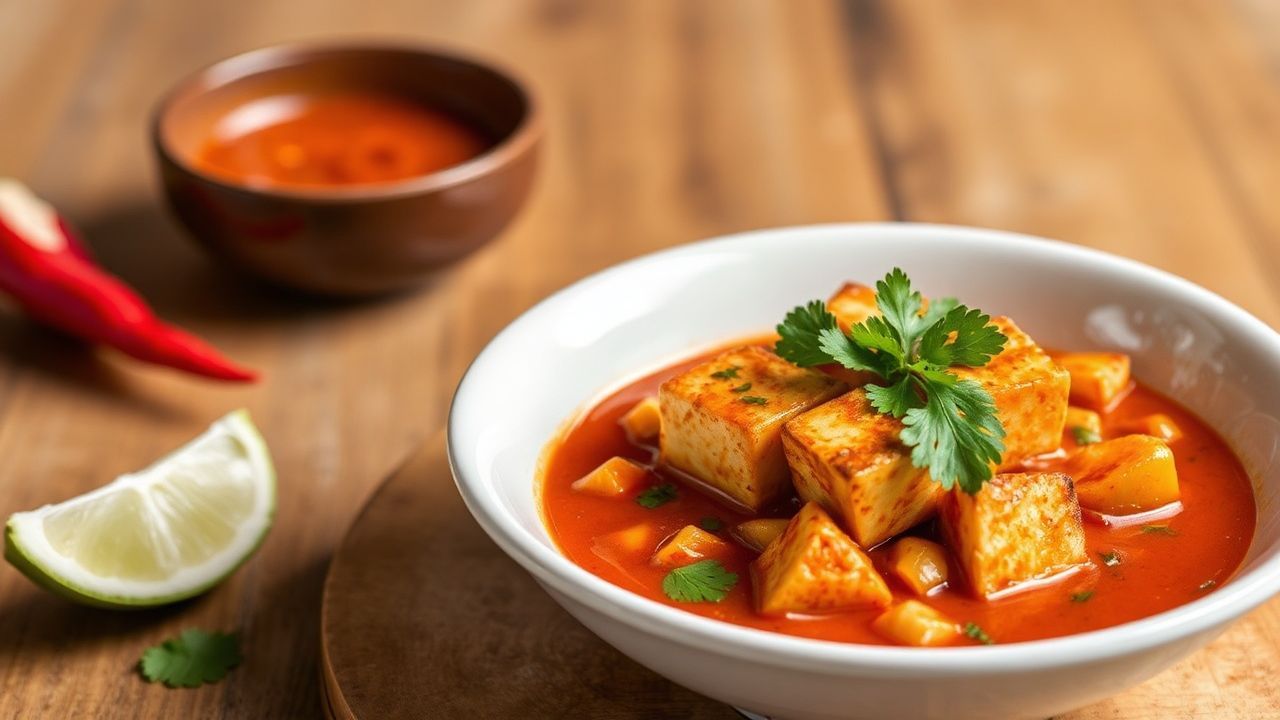

“The secret to truly great Thai food isn’t just about heat; it’s about balance, the interplay of sweet, sour, salty, and spicy, all harmonizing to create a symphony on the palate.” – David Thompson, renowned Thai cuisine expert.
- The Genesis of Thai Red Curry and the Tofu Revolution
- Unlocking the Potential: The Art of Tofu Preparation
- The Heart of the Dish: Crafting the Red Curry Paste and Sauce
- Assembling the Perfect Bowl: Ingredients and Method
- Nutritional Profile: A Wholesome Delight
- Expert Pro-Tips for Restaurant-Quality Thai Red Curry Tofu
- 1. Bloom Your Spices: The Foundation of Flavor
- 2. The Coconut Milk Conundrum: Cream vs. Liquid
- 3. Vegetable Harmony: Texture and Timing
- 4. The Art of Seasoning: A Gradual Approach
- 5. The Power of a Good Paste
- Conclusion: A Triumphant Tofu Curry
- Frequently Asked Questions (FAQ)
The allure of Thai red curry is undeniable. Its vibrant crimson hue, proof of the potent chilies at its heart, promises an explosion of flavor that is both comforting and exhilarating. While often associated with succulent meats, the humble block of tofu can, with the right approach, ascend to become the undisputed star of this iconic dish. Moving beyond the often-soggy, bland iterations found in many a takeout container, a meticulously prepared tofu red curry can rival any traditional rendition, offering a textural complexity and depth of flavor that will captivate even the most discerning palate. This isn’t merely a vegetarian substitute; it’s a deliberate culinary choice, celebrating the versatility and absorbent nature of tofu, allowing it to become a perfect vehicle for the rich, aromatic embrace of the curry paste and coconut milk.
At a Glance: Elevating Your Tofu Red Curry
- Tofu Preparation is Paramount: The key to avoiding a rubbery or mushy texture lies in proper pressing and pan-frying or baking for a delightful crispness.
- Paste Prowess: Using a high-quality, authentic red curry paste, or better yet, making your own, is non-negotiable for genuine flavor.
- Coconut Milk Nuance: Opt for full-fat coconut milk for richness and consider a combination of types for varied texture and flavor.
- Balancing Act: Achieving the quintessential Thai flavor profile requires a careful, iterative adjustment of sweet, sour, salty, and spicy elements.
The Genesis of Thai Red Curry and the Tofu Revolution
Thai red curry, known as *gaeng phet*, translates literally to “spicy curry.” Its origins are deeply rooted in the culinary traditions of Central Thailand, where the fusion of indigenous spices with influences from Indian and Malay traders over centuries gave rise to its complex flavor profile. The vibrant red color traditionally comes from a generous amount of dried red chilies, often combined with aromatics like lemongrass, galangal, garlic, and shallots, pounded into a fragrant paste. Coconut milk, a staple of Southeast Asian cuisine, provides a creamy, cooling counterpoint to the chili’s heat, creating a luxurious sauce that coats every ingredient.
For decades, the protein in *gaeng phet* was predominantly meat – chicken, beef, or duck. However, as global palates have broadened and dietary preferences have shifted towards plant-based eating, tofu has emerged as a surprisingly adept contender. Its neutral flavor profile acts as a blank canvas, readily absorbing the potent spices of the curry paste. The challenge, and indeed the art, lies in coaxing out its best textural qualities. Early attempts often resulted in disappointing, waterlogged tofu that detracted from the dish. Yet, through culinary experimentation and a deeper understanding of tofu’s properties, a sophisticated approach has developed, transforming it from a mere afterthought into a celebrated component.
Unlocking the Potential: The Art of Tofu Preparation
The success of your Thai red curry tofu hinges almost entirely on how you treat the tofu itself. Simply cubing and tossing it into the curry will yield a soft, somewhat uninspired texture. To achieve that delightful contrast – a slightly crisp exterior yielding to a tender, creamy interior – a multi-step approach is essential. This process not only improves texture but also allows the tofu to better absorb the curry’s complex flavors.
The first, and arguably most critical, step is pressing the tofu. This removes excess water, which is crucial for achieving a good sear and preventing a watery curry. For firm or extra-firm tofu, wrap the block in paper towels or a clean kitchen towel and place a heavy object on top (like a cutting board with cans or books) for at least 30 minutes, or ideally, an hour. For a more efficient method, a dedicated tofu press can be used. This extrusion of water concentrates the soy protein, leading to a chewier, more satisfying bite.
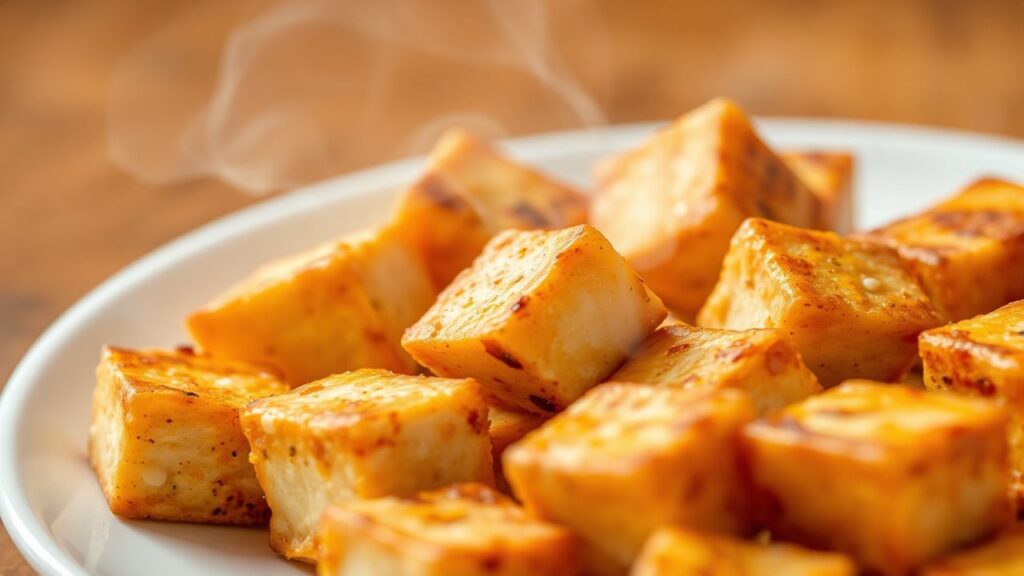
Once pressed, the tofu can be prepared in several ways to enhance its texture. Pan-frying is a classic and effective method. Cut the pressed tofu into bite-sized cubes or triangles. Heat a generous amount of high-smoke-point oil (like peanut or canola) in a wok or large skillet over medium-high heat. Carefully add the tofu, ensuring not to overcrowd the pan, and fry until golden brown and slightly crispy on all sides. This creates a delightful textural contrast that holds up beautifully in the curry. Another excellent method is baking. Toss the tofu cubes with a tablespoon of oil and a pinch of salt, then spread them in a single layer on a baking sheet lined with parchment paper. Bake at 400°F (200°C) for 25-35 minutes, flipping halfway through, until golden and firm.
Choosing Your Tofu: Firmness Matters
When selecting tofu for red curry, firm or extra-firm varieties are unequivocally the best choice. These types have a lower water content inherently and will hold their shape during the cooking process. Silken or soft tofu, while wonderful for desserts or sauces, will disintegrate into an unappetizing mush when subjected to the rigors of curry preparation. The density of firm tofu allows it to stand up to the simmering sauce and the act of frying or baking, ensuring that each piece offers a satisfying chew and a pleasant crust.
For those seeking an even more robust texture, consider pressed extra-firm tofu, which has undergone an additional stage of pressing to remove even more water. This can lead to a wonderfully chewy, almost “meaty” texture that is particularly pleasing in hearty curries. Regardless of the specific firmness you choose, the initial pressing step remains non-negotiable for optimal results.
The Heart of the Dish: Crafting the Red Curry Paste and Sauce
The soul of Thai red curry resides in its paste. While high-quality store-bought pastes can be a convenient option, the truly exceptional flavor often comes from a homemade paste. The aroma alone, as you pound fragrant ingredients together, is a culinary experience in itself. The fundamental components of a classic Thai red curry paste include:
- Dried Red Chilies: The source of heat and the signature red hue. A mix of mild and hot chilies, like guajillo (for color and mild heat) and bird’s eye chilies (for potent heat), provides complexity. Soaking dried chilies in hot water until softened is essential before pounding.
- Aromatics: Lemongrass (thinly sliced), galangal (peeled and thinly sliced), garlic, and shallots form the fragrant base.
- Spices: Coriander seeds and cumin seeds, toasted and ground, add earthy depth. White peppercorns and shrimp paste (for non-vegetarian versions, though omitted here for our tofu focus) contribute further layers of flavor.
- Other Flavorings: Kaffir lime zest or peel adds a unique citrusy fragrance.
Traditionally, these ingredients are pounded in a mortar and pestle until a smooth paste forms. This laborious process releases volatile oils and creates a superior texture and flavor compared to blending, which can sometimes yield a less nuanced paste. However, a high-powered blender or food processor can be used as a modern alternative, though care should be taken not to over-process and create a gummy texture.
The Symphony of Coconut Milk and Flavor Building
Once you have your red curry paste, the magic truly begins with the coconut milk. For a truly luxurious and authentic red curry, full-fat coconut milk is indispensable. It provides the rich, creamy base that balances the chili’s heat and carries the complex flavors of the paste. Many recipes call for two cans: one for sautéing the paste and another for adding later to create the desired sauce consistency. This layering approach allows the spices in the paste to bloom in the fat of the coconut milk, intensifying their aroma and flavor before the bulk of the liquid is added.
The process of building the curry’s flavor is an iterative dance of adding ingredients and tasting. After sautéing the curry paste in a bit of oil or coconut cream until fragrant, the coconut milk is introduced. This is where the crucial balancing act of Thai cuisine comes into play. Taste the curry broth and begin to adjust. A touch of sugar (palm sugar is traditional and offers a caramel note, but granulated or brown sugar works) balances the heat and acidity. Fish sauce (or soy sauce/tamari for a vegan version) provides the essential salty umami. A squeeze of lime juice or a splash of tamarind paste introduces the bright, sour counterpoint that cuts through the richness.
The key is to add these elements gradually, tasting after each addition, until the perfect harmony is achieved. It’s a dynamic process, and what tastes perfect to one person might need a slight adjustment for another. This attention to detail transforms a good curry into an exceptional one. The goal is a flavor profile that is not just spicy, but a complex interplay of sweet, sour, salty, and spicy, with each element distinct yet harmoniously integrated.
Assembling the Perfect Bowl: Ingredients and Method
This recipe focuses on creating a vibrant and satisfying Thai red curry with tofu, emphasizing authentic flavors and techniques. It’s designed to be adaptable, allowing you to customize the heat and vegetables to your preference.
Ingredients:
- For the Tofu:
- 1 block (approx. 400g / 14 oz) extra-firm tofu
- 1 tablespoon neutral oil (e.g., canola, peanut)
- Pinch of salt
- For the Curry Paste (or 2-3 tablespoons high-quality store-bought paste):
- 5-8 dried red chilies (e.g., guajillo, arbol, or Thai bird’s eye, adjust to heat preference)
- 2 stalks lemongrass, tough outer layers removed, thinly sliced
- 1-inch piece galangal, peeled and thinly sliced (or ginger if galangal is unavailable)
- 4 cloves garlic, peeled
- 2 shallots, peeled and roughly chopped
- 1 teaspoon coriander seeds
- 1/2 teaspoon cumin seeds
- 1/4 teaspoon white peppercorns
- 1/2 teaspoon shrimp paste (optional, omit for vegan)
- 1/4 teaspoon salt
- For the Curry:
- 1 tablespoon neutral oil
- 1 can (400ml / 13.5 fl oz) full-fat coconut milk, unshaken
- 1 cup vegetable broth or water
- 1 tablespoon palm sugar (or granulated sugar)
- 2 tablespoons fish sauce (or soy sauce/tamari for vegan)
- 1 tablespoon lime juice (or to taste)
- 1 cup mixed vegetables (e.g., bamboo shoots, bell peppers, snap peas, Thai eggplant, broccoli florets)
- Fresh Thai basil leaves, for garnish
- Fresh cilantro, for garnish
- Cooked jasmine rice, for serving
Preparation Method:
- Prepare the Tofu: Press the extra-firm tofu for at least 30 minutes (or up to 1 hour) to remove excess water. Cut into 1-inch cubes or triangles. Toss with 1 tablespoon of neutral oil and a pinch of salt.
- Make the Curry Paste (if homemade): If using dried chilies, soak them in hot water for 15-20 minutes until softened. Drain well, discarding soaking water. Toast coriander seeds, cumin seeds, and white peppercorns in a dry pan over medium heat until fragrant (about 1 minute). Grind them into a fine powder. In a mortar and pestle (or food processor/blender), combine the softened chilies, lemongrass, galangal, garlic, shallots, ground spices, shrimp paste (if using), and salt. Pound or process until a smooth paste forms.
- Cook the Tofu: Heat 1 tablespoon of neutral oil in a large skillet or wok over medium-high heat. Add the prepared tofu in a single layer, ensuring not to overcrowd the pan. Fry for 3-5 minutes per side, until golden brown and crispy. Remove from pan and set aside. Alternatively, bake as described in the “Art of Tofu Preparation” section.
- Build the Curry Base: Open the can of unshaken coconut milk. Spoon out the thick cream from the top (about 1/2 cup) and add it to the same skillet or wok used for the tofu, over medium heat. Add the curry paste and sauté, stirring constantly, for 2-3 minutes until fragrant and the oil begins to separate from the paste. This step is crucial for developing the paste’s flavors.
- Simmer the Curry: Pour in the remaining coconut milk from the can and the vegetable broth or water. Bring to a gentle simmer, stirring to combine. Add the palm sugar and fish sauce (or soy sauce/tamari). Stir until the sugar dissolves.
- Add Vegetables and Tofu: Add your chosen vegetables. If using firmer vegetables like broccoli or Thai eggplant, add them first. Simmer for 5-7 minutes, or until tender-crisp. Then, add the pre-cooked tofu and any quicker-cooking vegetables like bamboo shoots or bell peppers. Simmer for another 3-5 minutes, allowing the flavors to meld and the tofu to absorb some of the sauce.
- Adjust Seasoning: Taste the curry and adjust the seasoning as needed. Add more fish sauce for saltiness, sugar for sweetness, or lime juice for tanginess. The goal is a balanced, complex flavor.
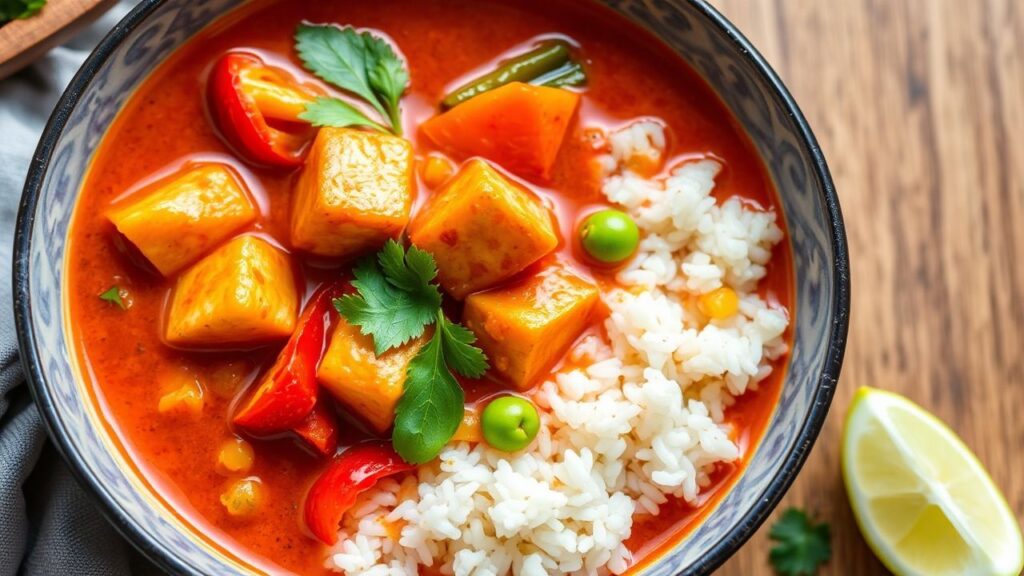
- Serve: Ladle the hot Thai red curry tofu over freshly cooked jasmine rice. Garnish generously with fresh Thai basil leaves and cilantro.
The beauty of this dish lies in its adaptability. For instance, a restaurant in London might feature Thai eggplant (a small, firm, pea-sized eggplant common in Thai cuisine) and Thai basil in their red curry, offering a more authentic regional variation. Conversely, a health-conscious eatery in California might opt for broccoli florets, snap peas, and firm tofu, catering to a broader audience while still delivering a flavorful experience. The key is selecting vegetables that complement the richness of the curry and offer textural variety.
Nutritional Profile: A Wholesome Delight
While precise nutritional values can vary significantly based on specific ingredients and portion sizes, a well-prepared Thai red curry with tofu is generally a nutritious and satisfying meal. The tofu provides a good source of plant-based protein and is naturally cholesterol-free. When fried or baked with minimal oil, it contributes healthy fats. The coconut milk, while rich, contains medium-chain triglycerides (MCTs), which are metabolized differently than other fats.
The inclusion of various vegetables offers a wealth of vitamins, minerals, and dietary fiber. For example, bell peppers are rich in Vitamin C, while broccoli provides Vitamin K and fiber. The spices in the curry paste, such as turmeric and ginger (if used), are known for their anti-inflammatory properties. A typical serving, when prepared as above and served with jasmine rice, might look something like this:
| Nutrient | Approximate Value (per serving) |
|---|---|
| Calories | 450-600 kcal |
| Protein | 15-20 g |
| Fat | 25-35 g (of which saturated 15-20 g) |
| Carbohydrates | 40-55 g |
| Fiber | 4-6 g |
| Sodium | 800-1200 mg (can be reduced with careful use of fish sauce/soy sauce) |
Keep in mind that the sodium content can be high due to fish sauce and soy sauce. For those monitoring sodium intake, using low-sodium soy sauce or tamari, and being judicious with the amount of fish sauce added, can help mitigate this. Similarly, the fat content is largely influenced by the amount of coconut milk and oil used. Opting for a lighter coconut milk or reducing the quantity of oil can adjust these figures.
Expert Pro-Tips for Restaurant-Quality Thai Red Curry Tofu
Elevating your homemade Thai red curry tofu from merely good to truly exceptional requires a nuanced understanding of technique and flavor. These insights, honed through years of culinary practice and study, will help you achieve that coveted restaurant-quality taste and texture.
1. Bloom Your Spices: The Foundation of Flavor
This is arguably the most critical step for unlocking the full potential of your curry paste. After sautéing the paste in a small amount of oil or coconut cream, allow it to cook until it becomes intensely fragrant and the oil begins to separate from the solids. This process, known as “blooming,” toasts the spices within the paste, releasing their aromatic oils and deepening their flavor profile. Rushing this step or not cooking the paste thoroughly will result in a raw, less complex curry flavor.
2. The Coconut Milk Conundrum: Cream vs. Liquid
Always use full-fat coconut milk for the best results. When you open a can of full-fat coconut milk, you’ll notice a thick cream layer at the top and a thinner liquid below. Start by cooking the curry paste in this thick cream. This allows the paste to fry and develop its flavor in the fat, creating a richer, more emulsified base. Then, add the remaining thinner coconut milk and broth to achieve the desired sauce consistency. This two-stage approach significantly enhances the depth and luxuriousness of the curry.
3. Vegetable Harmony: Texture and Timing
The choice and preparation of vegetables are crucial for textural balance. Avoid overcooking them; they should retain a slight bite, a pleasant “al dente” quality. Group vegetables by cooking time: root vegetables and harder items like Thai eggplant or broccoli florets should be added earlier, while quick-cooking vegetables like snow peas, bell peppers, and bamboo shoots can be added towards the end. This ensures that each vegetable is perfectly tender-crisp.
Consider incorporating ingredients that add unique textures. For instance, crispy fried shallots sprinkled as a garnish provide an addictive crunch, a common element in many Southeast Asian dishes. Similarly, the inclusion of Thai basil not only imparts its characteristic anise-like aroma but also adds a fresh, herbaceous counterpoint to the rich curry. The juxtaposition of soft tofu, tender vegetables, and crispy garnishes creates a far more engaging culinary experience.
4. The Art of Seasoning: A Gradual Approach
Thai cuisine is built on the principle of balance. When seasoning your curry, add the fish sauce, sugar, and lime juice incrementally, tasting as you go. It’s easier to add more than to take away. The goal is to achieve a complex interplay of salty, sweet, sour, and spicy. Don’t be afraid to add a little more lime juice at the end to brighten the flavors, or a pinch more sugar to round out the heat. The final seasoning is often done just before serving, as flavors can meld and deepen during simmering.
5. The Power of a Good Paste
As mentioned, a homemade paste is superior. If you are using store-bought, invest in a premium brand known for its authentic ingredients and flavor. Look for brands that list fresh ingredients like lemongrass, galangal, and chilies prominently. Some brands also offer different heat levels or regional variations, allowing you to tailor the curry to your preference. The quality of your starting paste dictates much of the final curry’s success.
Conclusion: A Triumphant Tofu Curry
Thai red curry tofu is more than just a meatless alternative; it’s proof of the power of thoughtful preparation and a deep appreciation for flavor. By understanding the nuances of tofu preparation, mastering the art of the curry paste, and diligently balancing the sweet, sour, salty, and spicy elements, you can create a dish that is not only satisfying but also deeply authentic and incredibly delicious. The vibrant colors, intoxicating aromas, and complex flavors of this dish offer a culinary journey that transports you straight to the heart of Thailand, proving that tofu, when treated with respect and skill, can indeed be the star of any curry.
Frequently Asked Questions (FAQ)
H3: What is the best type of tofu for Thai red curry?
The absolute best type of tofu for Thai red curry is extra-firm or firm tofu. These varieties have a lower water content, which allows them to hold their shape during cooking and develop a desirable chewy texture. Silken or soft tofu is too delicate and will disintegrate in the curry. Always remember to press any tofu you use to remove excess water, which is critical for achieving a good texture and allowing the tofu to absorb the curry’s flavors.
H3: How can I make my tofu red curry less spicy?
There are several effective ways to reduce the spiciness of your Thai red curry. Firstly, reduce the number of dried red chilies used in the curry paste. If using store-bought paste, look for milder versions or use less of it. You can also remove the seeds and membranes from the chilies before soaking and using them, as these parts contain the most capsaicin (the compound responsible for heat). During the cooking process, adding more coconut milk or vegetable broth will dilute the heat. Sweeteners like palm sugar and the sourness from lime juice can also help to balance and mask some of the chili’s intensity. Finally, serving the curry with plenty of plain jasmine rice can help to temper the heat with each bite.
H3: Can I make the curry paste ahead of time?
Yes, absolutely. Homemade curry paste can be made several days in advance and stored in an airtight container in the refrigerator. The flavors often meld and deepen over time, making it even more delicious. For longer storage, you can freeze portions of the curry paste in ice cube trays or small containers. Once frozen, transfer the frozen paste cubes to a freezer bag. This allows you to easily add a convenient flavor boost to your curries whenever you need it, saving significant preparation time on busy weeknights.
H3: What are some good vegetable substitutions for Thai red curry tofu?
Thai red curry is incredibly versatile, and many vegetables work wonderfully. Beyond the classic bamboo shoots, bell peppers, and Thai eggplant, consider green beans, snow peas, sugar snap peas, broccoli florets, cauliflower florets, zucchini, baby corn, mushrooms (shiitake or cremini), and even chunks of sweet potato or butternut squash for a touch of sweetness and heartiness. For a more authentic Thai flavor, look for pea eggplants (ma-khuea puang), which are small, round, and add a slightly bitter, unique pop. When selecting, remember to consider their cooking times to ensure they are all perfectly tender-crisp when served.
See also: Tofu