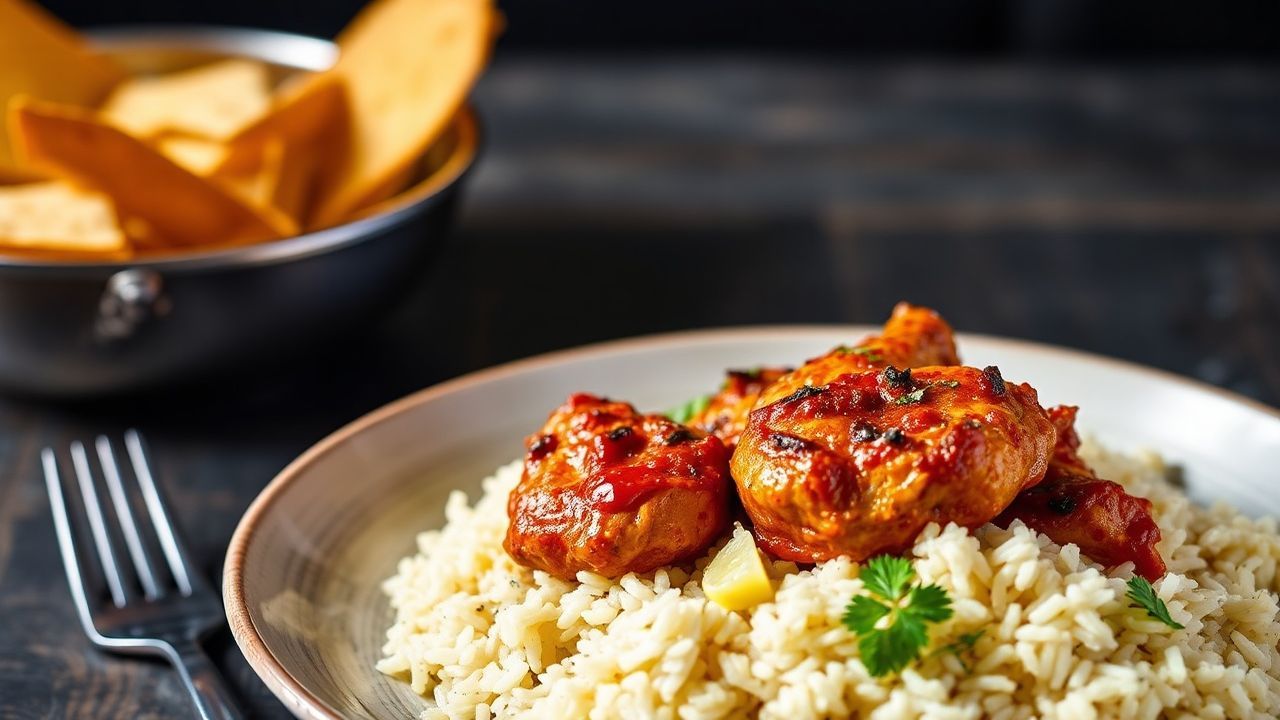

The very notion of Chicken Tikka Masala as quintessentially “Indian” is a culinary myth, a delightful fabrication born from the ingenious adaptability of immigrants and the insatiable appetite of a nation for flavour. This dish, a cornerstone of British Indian cuisine, is less a direct import from the subcontinent and more a sophisticated reimagining, proof of how food evolves across borders. It’s a dish that sparks debate, ignites passion, and, when executed with precision, delivers an unparalleled symphony of creamy, tangy, and spiced perfection. My exploration into the heart of Chicken Tikka Masala, paired with fragrant basmati rice, seeks to demystify its creation, honor its complex heritage, and equip you with the knowledge to replicate its magic in your own kitchen.
At a Glance: Key Insights
- Contested Origins: Chicken Tikka Masala’s lineage is a fascinating blend of Indian culinary techniques and British palate adaptation, likely originating in the UK.
- The Art of the Marinade: A truly exceptional tikka requires a multi-stage marination process, allowing yogurt and spices to tenderize and infuse the chicken deeply.
- Balancing the Sauce: The soul of tikka masala lies in the perfect equilibrium of sweetness, acidity, and spice, achieved through careful layering of aromatics and tomatoes.
- Basmati: The Perfect Canvas: The delicate aroma and fluffy texture of well-cooked basmati rice are crucial for complementing, not competing with, the richness of the tikka masala.
The story of Chicken Tikka Masala is not a linear narrative but a complex tapestry woven with threads of migration, adaptation, and culinary innovation. While it bears the hallmarks of Indian cooking – the tandoori-inspired chicken, the aromatic spice blend – its ubiquitous presence and specific flavour profile are largely a British phenomenon. The most widely accepted, though still debated, origin story places its birth in Glasgow, Scotland, in the 1970s. Legend has it that a Bangladeshi chef, Yousuf Ariff Mohammed, created the dish in response to a customer’s request for a sauce to accompany his chicken tikka. He purportedly used a can of condensed tomato soup as a shortcut for the sauce base, a pragmatic solution that, over time, evolved into the creamy, tomato-rich gravy we know today.
This origin, however, is just one facet of a broader trend. Indian restaurants in Britain, particularly from the mid-20th century onwards, began to cater to local tastes. This involved moderating spice levels, introducing milder flavours, and creating dishes that resonated with a Western palate. Chicken Tikka Masala emerged as the ultimate expression of this culinary diplomacy. It offered the exotic appeal of Indian spices and cooking methods – the charred, marinated chicken – but wrapped it in a comforting, familiar, and deeply flavourful sauce. It’s a dish that successfully bridges two cultures, becoming a beloved national dish of the United Kingdom, a remarkable feat for a dish with no single, definitive ancient root in India itself.
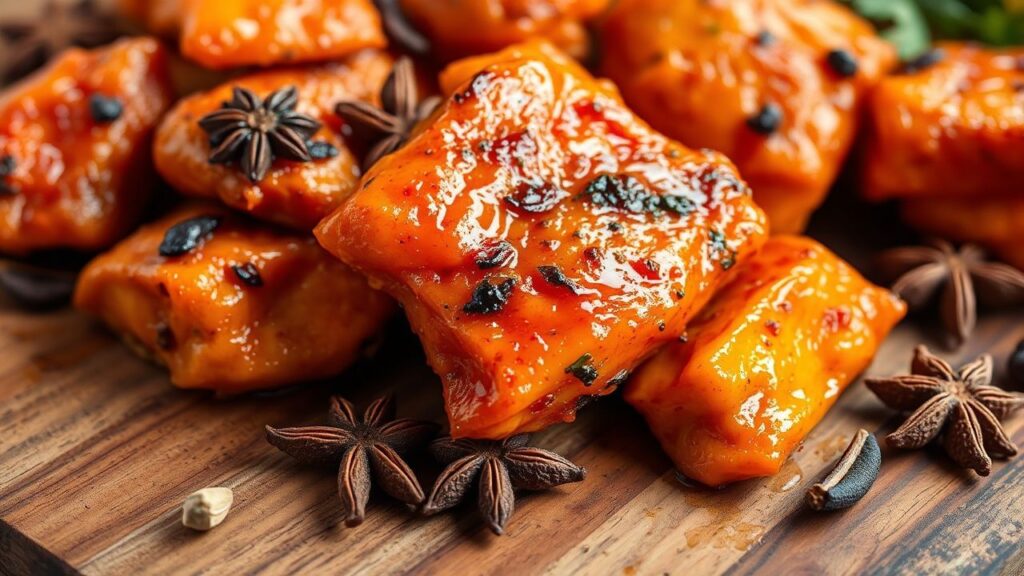
The foundation of any great Chicken Tikka Masala is, of course, the chicken itself. The “tikka” in its name refers to small pieces of boneless meat marinated and then traditionally cooked in a tandoor, a cylindrical clay oven. While a home kitchen may not boast a tandoor, the principles of marination and achieving a slightly charred exterior remain paramount.
The marinade is where the magic begins. It’s a multi-stage process designed to tenderize the chicken, impart deep flavour, and create that signature slightly smoky character. A classic marinade for tikka masala typically involves yogurt, which acts as a tenderizer due to its acidity, and a robust blend of spices. Common ingredients include ginger-garlic paste, garam masala, turmeric, cumin, coriander, chili powder, and lemon juice.
Ingredients for the Chicken Tikka Marinade:
- 500g (approx. 1.1 lbs) boneless, skinless chicken thighs or breast, cut into 2.5cm (1-inch) cubes
- 150g (approx. 5.3 oz) plain full-fat yogurt
- 2 tbsp lemon juice
- 1 tbsp ginger-garlic paste (equal parts fresh ginger and garlic, blended)
- 1 tsp ground cumin
- 1 tsp ground coriander
- 1 tsp garam masala
- ½ tsp turmeric powder
- ½ tsp Kashmiri chili powder (for colour and mild heat)
- ¼ tsp cayenne pepper (optional, for extra heat)
- 1 tsp salt
Preparation of the Chicken:
1. First Marinade (Optional but Recommended): In a bowl, combine the chicken pieces with 2 tablespoons of the plain yogurt and 1 tablespoon of lemon juice. Mix well to coat. Cover and refrigerate for at least 30 minutes, or up to 2 hours. This initial step helps to start the tenderizing process.
2. Second Marinade: In a separate, larger bowl, whisk together the remaining yogurt, lemon juice, ginger-garlic paste, all the ground spices (cumin, coriander, garam masala, turmeric, chili powders), salt, and cayenne pepper (if using). Ensure the spices are well incorporated and form a smooth paste.
3. Combine and Marinate: Add the chicken pieces from the first marinade (draining any excess liquid) to the spice paste. Toss thoroughly to ensure every piece of chicken is coated. Cover the bowl tightly with cling film and refrigerate for a minimum of 4 hours, or preferably overnight. The longer the marination, the deeper the flavour penetration and the more tender the chicken will become.
The marination time is a critical factor. While a few hours will yield acceptable results, an overnight marination allows the yogurt’s enzymes to break down the protein chains in the chicken, resulting in an exceptionally tender and succulent final product. This depth of flavour is what separates good tikka from truly great tikka.
The “masala” in Chicken Tikka Masala refers to the rich, creamy, and aromatic sauce that envelops the marinated chicken. This is where the dish truly shines, a complex symphony of flavours that balances sweetness, tanginess, and spice with a luxurious, velvety texture. The sauce is built upon a foundation of aromatics, tomatoes, and a carefully curated blend of spices, finished with cream and butter for that signature richness.
Ingredients for the Masala Sauce:
- 2 tbsp ghee or unsalted butter
- 1 large onion, finely chopped
- 2 cloves garlic, minced
- 1-inch piece fresh ginger, grated
- 1-2 green chilies, finely chopped (adjust to taste)
- 1 tsp ground cumin
- 1 tsp ground coriander
- ½ tsp turmeric powder
- ½ tsp garam masala
- ½ tsp Kashmiri chili powder
- ¼ tsp cayenne pepper (optional)
- 400g (approx. 14 oz) crushed tomatoes or tomato purée (high quality)
- 150ml (approx. 5 fl oz) water or chicken/vegetable stock
- 100ml (approx. 3.5 fl oz) double cream (heavy cream)
- 1 tbsp tomato purée (tomato paste)
- 1 tsp sugar (or to taste)
- Salt to taste
- Fresh coriander (cilantro), chopped, for garnish
Preparation of the Masala Sauce:
1. Sauté Aromatics: Heat the ghee or butter in a large, heavy-bottomed pan or Dutch oven over medium heat. Add the chopped onion and sauté gently until softened and translucent, about 8-10 minutes. Do not rush this step; softened onions form the sweet base of the sauce.
2. Add Ginger, Garlic, and Chilies: Stir in the minced garlic, grated ginger, and chopped green chilies. Cook for another 2 minutes until fragrant, being careful not to burn the garlic.
3. Bloom the Spices: Add the ground cumin, coriander, turmeric, garam masala, Kashmiri chili powder, and cayenne pepper (if using). Stir well and cook for 1 minute, allowing the spices to toast and release their aromas. This “blooming” process is crucial for unlocking their full flavour potential.
4. Incorporate Tomatoes: Stir in the crushed tomatoes (or purée) and the tomato purée (paste). Cook for 5-7 minutes, stirring occasionally, until the tomatoes have darkened slightly and the oil begins to separate from the mixture. This intensifies the tomato flavour and removes any raw edge.
5. Simmer the Sauce: Pour in the water or stock. Bring the mixture to a simmer, then reduce the heat to low, cover the pan, and let it gently simmer for at least 20-25 minutes. This allows the flavours to meld and deepen. Stir occasionally to prevent sticking.
6. Blend for Smoothness (Optional but Recommended): For an exceptionally smooth sauce, carefully transfer the sauce to a blender (or use an immersion blender) and purée until smooth. Be cautious when blending hot liquids. Return the smooth sauce to the pan.
7. Finish the Sauce: Stir in the double cream and sugar. Season with salt to taste. Gently heat the sauce through, but do not boil after adding the cream, as it can curdle. The sauce should be rich, creamy, and have a beautiful, vibrant orange hue.
The balance of spices is key. Too much chili can overpower, while insufficient aromatics will result in a flat sauce. The addition of sugar, though seemingly counterintuitive, helps to round out the acidity of the tomatoes and create a harmonious flavour profile.
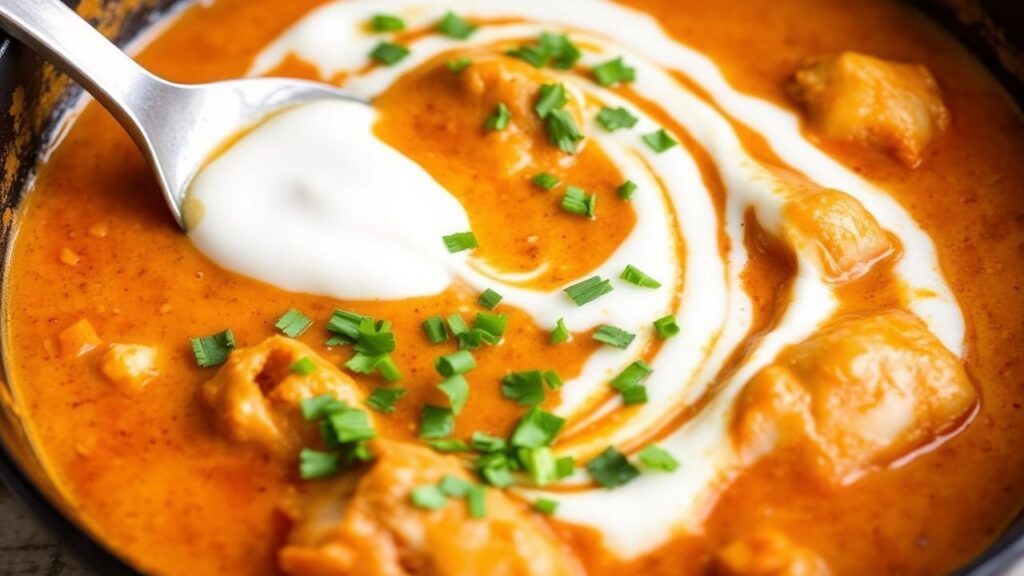
Once the chicken is marinated and the sauce is simmering, the final act is to bring them together. Traditionally, the marinated chicken pieces are grilled, baked, or pan-fried until cooked through and slightly charred, mimicking the tandoor effect. This charring adds a crucial layer of smoky flavour and texture that distinguishes authentic tikka.
Cooking the Chicken Tikka:
1. Method 1: Pan-Frying (Most Accessible): Heat 1-2 tablespoons of oil or ghee in a non-stick skillet or cast-iron pan over medium-high heat. Add the marinated chicken pieces in a single layer, ensuring not to overcrowd the pan. Cook for 3-4 minutes per side, until golden brown and cooked through with slightly charred edges. You may need to do this in batches.
2. Method 2: Baking: Preheat your oven to 200°C (400°F). Arrange the marinated chicken pieces on a baking sheet lined with parchment paper. Bake for 15-20 minutes, or until cooked through and slightly browned. For extra charring, you can finish under the broiler for 1-2 minutes, watching carefully.
3. Method 3: Grilling: If using a grill (barbecue or indoor grill pan), cook the chicken pieces for 3-4 minutes per side until cooked through and nicely charred.
After cooking, gently add the cooked chicken tikka pieces into the simmering masala sauce. Stir to coat evenly and let it simmer for a further 5-10 minutes. This allows the chicken to absorb some of the sauce’s flavour and for the sauce to thicken slightly around the chicken.
For an even richer flavour and smoother texture in your tikka masala sauce, consider adding a tablespoon of ground almonds or cashew paste along with the tomatoes. This adds a subtle nuttiness and enhances the creamy mouthfeel, a technique often employed in more refined Indian restaurant kitchens.
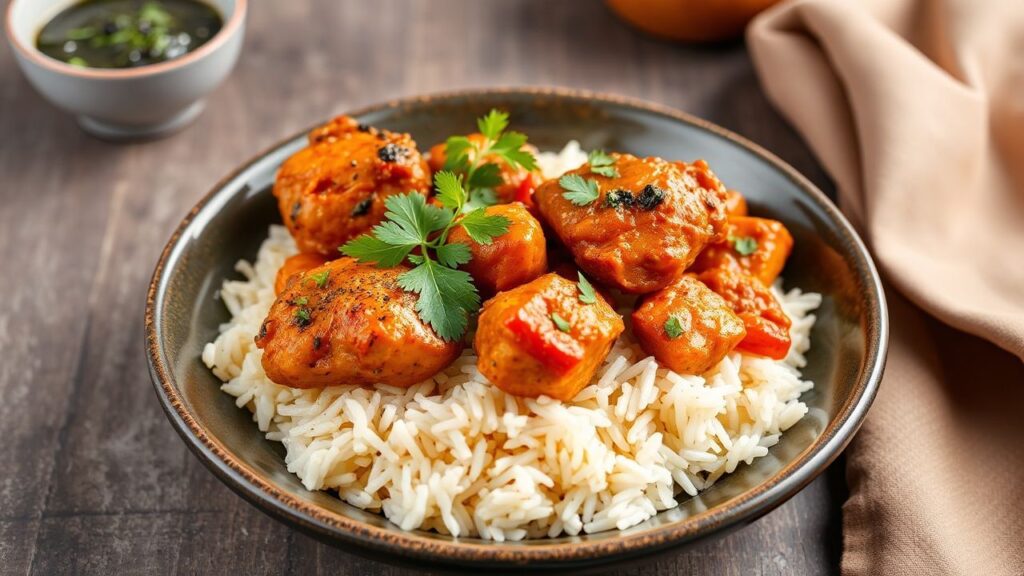
No Chicken Tikka Masala is complete without its perfect partner: fluffy, fragrant basmati rice. The subtle, floral aroma and the distinct, separate grains of well-cooked basmati provide a neutral yet aromatic canvas that allows the complex flavours of the tikka masala to shine. It’s not merely a side dish; it’s an integral component of the dining experience, absorbing the delicious sauce and providing a textural counterpoint.
Ingredients for Perfect Basmati Rice:
- 200g (approx. 1 cup) long-grain basmati rice
- 400ml (approx. 1.7 cups) cold water
- ½ tsp salt
- 1 tbsp ghee or neutral oil (optional, for extra fragrance and separation)
Preparation of Basmati Rice:
1. Rinsing: Thoroughly rinse the basmati rice under cold running water until the water runs clear. This removes excess starch, which is crucial for achieving separate, fluffy grains.
2. Soaking (Optional but Recommended): For an even more tender and aromatic result, soak the rinsed rice in cold water for 20-30 minutes. Drain well after soaking.
3. Cooking: In a medium saucepan, combine the rinsed (and soaked, if applicable) rice, cold water, salt, and ghee or oil (if using). Bring to a rolling boil over high heat.
4. Simmering: As soon as it boils, reduce the heat to the lowest possible setting, cover the pan tightly with a lid (ensure a snug fit, perhaps place a clean tea towel under the lid), and simmer for 12-15 minutes. Do not lift the lid during this time.
5. Resting: Once the cooking time is up, remove the pan from the heat and let it stand, covered, for another 5-10 minutes. This allows the residual steam to finish cooking the rice evenly.
6. Fluffing: Gently fluff the rice with a fork before serving.
The precise ratio of rice to water, the rinsing, and the resting period are all critical for achieving that perfect, individual grain texture that complements the rich tikka masala.
- Calories: 550-700 kcal (varies with cream and fat content)
- Protein: 30-40g
- Fat: 30-45g (saturated fat will be significant due to cream and ghee/butter)
- Carbohydrates: 25-35g
- Fiber: 3-5g
- Sodium: 800-1200mg (can vary significantly based on added salt and stock)
While undeniably delicious, Chicken Tikka Masala is an indulgence. The high fat content from cream, butter, and yogurt, coupled with the sodium from seasoning, means it should be enjoyed in moderation. For a lighter version, consider using low-fat yogurt and a reduced amount of cream, or even a splash of milk. However, be aware that these substitutions will alter the authentic richness and texture of the dish.
Achieving that coveted restaurant-style Chicken Tikka Masala at home requires attention to detail and an understanding of key flavour-building techniques. It’s not simply about following a recipe; it’s about mastering the nuances.
- The Marinade is Non-Negotiable: Don’t skimp on marination time. Overnight is best. The yogurt’s acidity is paramount for tenderizing.
- Char the Chicken Properly: Whether pan-frying, baking, or grilling, ensure the chicken gets a good char. This smoky, slightly burnt edge is a signature flavour.
- Quality Tomatoes Matter: Use high-quality crushed tomatoes or San Marzano tomatoes for the sauce. Their sweetness and lower acidity make a noticeable difference.
- Bloom Your Spices: Toasting the ground spices in ghee or oil before adding liquids unlocks their full aromatic potential.
- Slow Simmer for Depth: Allow the sauce to simmer gently for at least 20-30 minutes. This melds the flavours and develops a richer, more complex taste.
- The Cream Finish: Use double cream (heavy cream) for that luxurious, velvety texture. A small amount of sugar balances the acidity.
- A Touch of Fenugreek: For an authentic restaurant flavour, add a pinch of dried fenugreek leaves (kasuri methi) to the sauce in the final minutes of cooking. Crush them between your palms before adding. This imparts a distinct, slightly bitter, aromatic note.
- The Garnish: Fresh coriander is essential. A final swirl of cream or a dollop of butter just before serving adds an extra layer of richness and visual appeal.
The history of Indian cuisine in the UK is a fascinating field of study. One notable example of adaptation is the evolution of dishes like the vindaloo, which, in its original Goan form, was a pork dish with a vinegar and garlic base, but in the UK became a fiery, intensely spiced beef or lamb curry. This demonstrates a broader pattern of culinary dialogue and reinvention that Chicken Tikka Masala exemplifies on a global scale.
Chicken Tikka Masala, with its creamy, spiced allure and its perfect partner, basmati rice, is more than just a dish; it’s a culinary phenomenon. It represents the power of adaptation, the beauty of cultural fusion, and the universal language of delicious food. By understanding its components – the marinated chicken, the flavourful sauce, and the fragrant rice – and by employing a few expert techniques, you can recreate this beloved classic in your own home, bringing a taste of Britain’s favourite “Indian” dish to your table. It’s a journey of flavour that transcends borders, proving that the most enduring culinary creations are often born from innovation and a shared love for the exquisite.
Frequently Asked Questions
What is the true origin of Chicken Tikka Masala?
The true origin of Chicken Tikka Masala is widely believed to be in the United Kingdom, likely in Glasgow, Scotland, during the 1970s. While it draws heavily from Indian culinary traditions, particularly the marination and cooking of chicken in a tandoori style, the creamy tomato sauce is thought to have been developed in the UK to cater to local tastes. It is a prime example of a dish that evolved through migration and cultural exchange rather than originating directly from India itself.
Can I make Chicken Tikka Masala vegan or vegetarian?
Yes, you can absolutely make a delicious vegan or vegetarian version of Chicken Tikka Masala. For a vegetarian option, paneer (Indian cottage cheese) is an excellent substitute for chicken. Marinate and cook the paneer cubes as you would chicken. For a vegan version, firm tofu or cauliflower florets are great alternatives. Ensure your marinade and sauce ingredients are plant-based; use plant-based yogurt (e.g., soy or coconut), and replace ghee/butter with vegetable oil and cream with coconut milk or a cashew cream. The cooking times will need to be adjusted for the substituted ingredients.
How can I make the tikka masala sauce spicier?
To make your Chicken Tikka Masala spicier, there are several effective methods. You can increase the amount of chili powder (both Kashmiri for colour and flavour, and cayenne for heat) in the sauce and marinade. Adding fresh green chilies, finely chopped, to the aromatics will also impart a fresh, sharp heat. For a more intense heat, consider adding a pinch of ghost pepper powder or a small amount of finely minced habanero pepper (use with extreme caution). Another option is to serve the tikka masala with a side of spicy pickle or a swirl of chili oil.
See also: Tikka Masala