
“The art of cooking is a delicate balance of tradition and innovation. A truly great dish respects its roots while offering something new to the palate.” – Auguste Escoffier
- Unveiling the Essence: The Anatomy of Authentic Lemon Chicken
- The Symphony of Flavours: A Step-by-Step Culinary Journey
- Nutritional Insights: A Wholesome Mediterranean Profile
- Elevating the Ordinary: Pro-Tips for Restaurant-Quality Results
- Mastering the Lemon
- The Herbaceous Balance
- The Sauce’s Secret
- Serving Suggestions: Complementing the Star
- The Enduring Appeal of Lemon Chicken
- Frequently Asked Questions
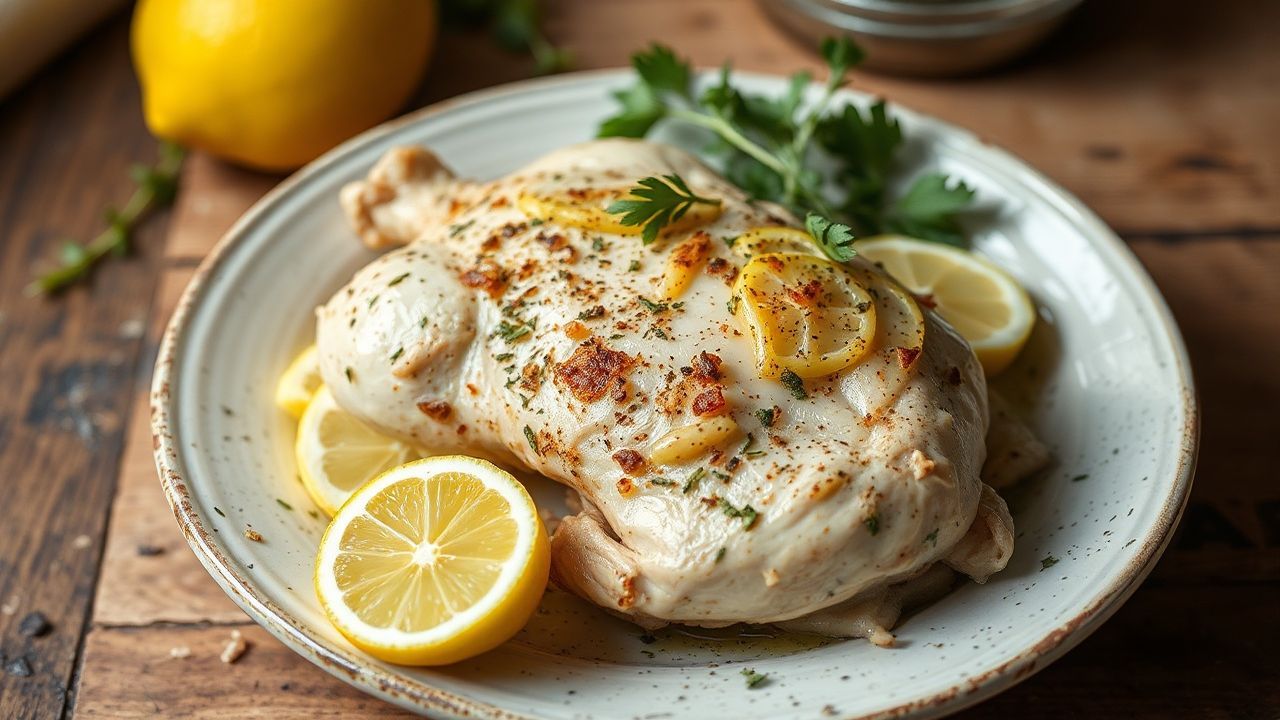
The mere mention of Greek cuisine conjures images of sun-drenched islands, ancient ruins, and, of course, vibrant, flavourful food. Among its many celebrated offerings, Lemon Chicken, or *Kotopoulo Lemonato* as it’s known in its homeland, stands as proof of the power of simple, high-quality ingredients harmoniously combined. It’s a dish that transcends the ordinary, transforming humble chicken into a masterpiece of citrusy brightness, subtle herbaceousness, and comforting succulence. This is not merely a recipe; it is an invitation to explore a cornerstone of Greek home cooking, a dish that graces family tables and taverna menus with equal aplomb, its aroma a fragrant promise of culinary delight. My own explorations into Greek gastronomy, spanning decades of research and countless hours spent in kitchens from Athens to Crete, have consistently returned to the profound elegance of this particular preparation. It embodies the very essence of the Mediterranean diet – fresh, healthy, and utterly delicious.
At a Glance: Key Takeaways for Perfect Greek Lemon Chicken
- The Lemon is Paramount: Freshly squeezed lemon juice, not bottled, is non-negotiable for authentic flavour.
- Herbal Harmony: Oregano and thyme are the classic aromatics, but a hint of rosemary can add intriguing depth.
- Moisture is Key: Achieving tender, juicy chicken relies on proper searing and a generous braising liquid.
- The Gravy is Gold: Don’t discard the pan juices; they are the soul of the dish, perfect for spooning over rice or potatoes.
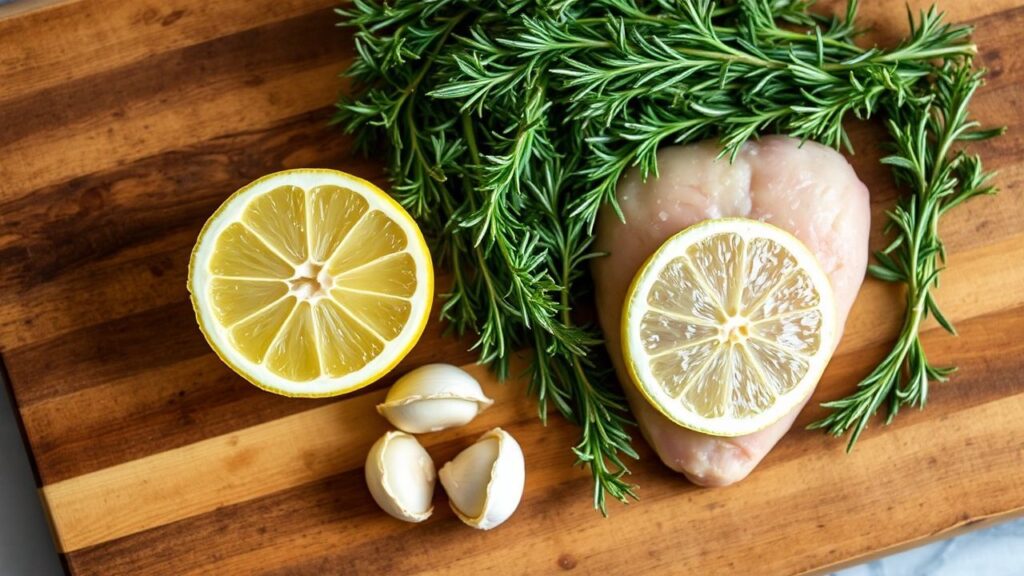
The genesis of Greek Lemon Chicken is deeply rooted in the agricultural landscape of Greece. Lemons, abundant and vital to the Mediterranean diet, are not merely a seasoning but a foundational element, providing both acidity to cut through richness and a fragrant zest that awakens the senses. Olive oil, the lifeblood of Greek cooking, forms the base for searing and infusing flavour. Herbs, particularly oregano and thyme, are ubiquitous in Greek gardens and kitchens, their robust aromas echoing the wild herbs that carpet the hillsides. Chicken, a versatile protein, readily absorbs these potent flavours, becoming a canvas for the bright, zesty sauce. The beauty of this dish lies in its unpretentiousness; it’s a celebration of what’s readily available, elevated through mindful preparation.
Unveiling the Essence: The Anatomy of Authentic Lemon Chicken
To truly master Greek Lemon Chicken, one must understand the interplay of its core components. The chicken itself, whether bone-in pieces or a whole bird, offers a richer flavour and moisture retention compared to boneless, skinless breasts, though the latter can be adapted. The citrus element, primarily lemon juice, provides the dish’s signature tang. However, the zest, often overlooked, contributes a crucial aromatic layer that complements the juice’s acidity. Olive oil, a cornerstone of Mediterranean gastronomy, not only aids in the searing process but also emulsifies with the lemon juice and chicken drippings to create a luscious, flavourful sauce. Finally, the herbs – oregano and thyme being the most traditional – infuse the dish with an earthy, fragrant complexity that is unmistakably Greek.
The simplicity of the ingredient list belies the depth of flavour achievable. This is not a dish that relies on an exhaustive pantry; rather, it’s about the quality and synergy of a few key players. Consider the role of garlic, which, when gently sautéed, releases its pungent sweetness, forming a fragrant base without overpowering the delicate lemon notes. Some regional variations might incorporate a touch of white wine, adding another layer of complexity to the braising liquid, or even a whisper of honey to balance the acidity. However, the purest form, the one that resonates most deeply with tradition, remains proof of the power of lemon, olive oil, herbs, and perfectly cooked chicken.
The Symphony of Flavours: A Step-by-Step Culinary Journey
Embarking on the creation of an exceptional Greek Lemon Chicken requires precision and an understanding of fundamental cooking techniques. Each step, from the initial preparation of the chicken to the final resting period, matter significantly in achieving that coveted balance of tender meat and vibrant sauce.
Ingredients: The Pillars of Flavour
For a dish serving 4-6 individuals:
- 1.5 kg (approximately 3.3 lbs) bone-in, skin-on chicken pieces (such as thighs, drumsticks, or a whole chicken cut into 8-10 pieces)
- 120 ml (1/2 cup) extra virgin olive oil, plus more for searing
- 120 ml (1/2 cup) freshly squeezed lemon juice (from about 2-3 large lemons)
- Zest of 1 large lemon
- 4-6 cloves garlic, thinly sliced
- 2 tablespoons fresh oregano, chopped (or 2 teaspoons dried oregano)
- 1 tablespoon fresh thyme, chopped (or 1 teaspoon dried thyme)
- 1 teaspoon salt, or to taste
- 1/2 teaspoon freshly ground black pepper, or to taste
- 120 ml (1/2 cup) chicken broth or water (optional, for a saucier dish)
- Fresh parsley, chopped, for garnish
Preparation Method: Crafting Culinary Excellence
1. Prepare the Chicken: Pat the chicken pieces thoroughly dry with paper towels. This is a crucial step for achieving beautifully seared skin, which adds both flavour and texture to the final dish. Season generously on all sides with salt and freshly ground black pepper.
2. Sear for Depth: In a large, heavy-bottomed oven-safe skillet or Dutch oven, heat 2-3 tablespoons of olive oil over medium-high heat until shimmering. Working in batches to avoid overcrowding the pan, sear the chicken pieces, skin-side down first, until deeply golden brown and crispy on all sides. This process, known as the Maillard reaction, develops complex flavours and a desirable crust. Remove the seared chicken to a plate and set aside.
3. Aromatics and Infusion: Reduce the heat to medium. Add the sliced garlic to the skillet and sauté for about 1-2 minutes until fragrant, being careful not to burn it. If using dried herbs, add them now and toast for 30 seconds until aromatic.
4. The Citrus Embrace: Pour in the freshly squeezed lemon juice and the lemon zest. Stir to deglaze the pan, scraping up any browned bits from the bottom; these are packed with flavour. If using, add the chicken broth or water at this stage. Bring the liquid to a gentle simmer.
5. Herbaceous Touches: Stir in the chopped fresh oregano and thyme. Taste the liquid and adjust seasoning with salt and pepper if necessary. Remember that the flavours will concentrate as the chicken cooks.
6. The Braising Transformation: Return the seared chicken pieces to the skillet, nestling them into the liquid. Ensure the skin-side is facing upwards, if possible, to maintain crispness.
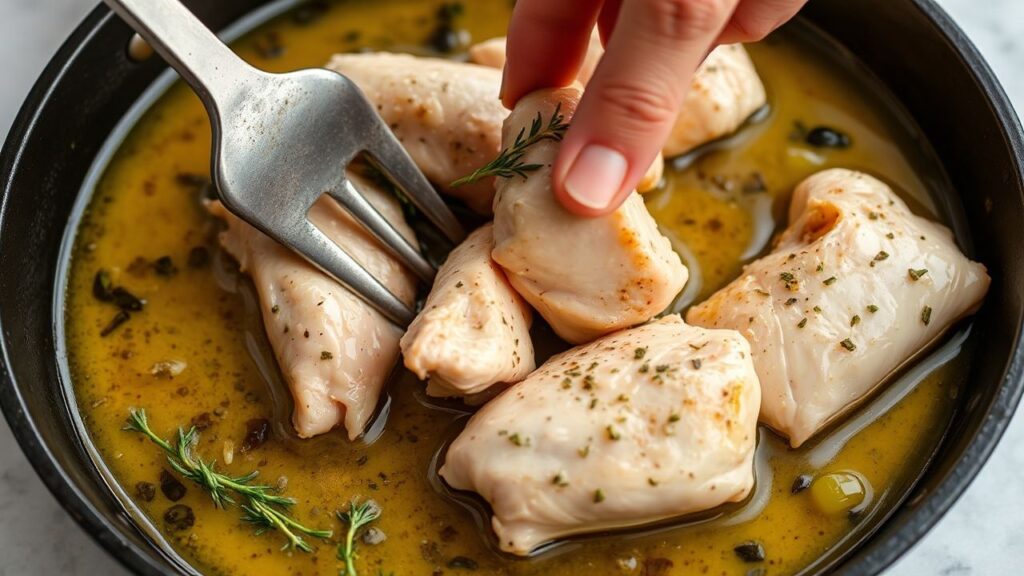
7. Oven Alchemy: Cover the skillet tightly with a lid or aluminum foil. Transfer to a preheated oven at 190°C (375°F). Bake for 35-45 minutes, or until the chicken is cooked through and tender, with an internal temperature of 75°C (165°F) at the thickest part. The exact cooking time will depend on the size and type of chicken pieces used.
8. Rest and Rejuvenate: Once cooked, remove the skillet from the oven. Allow the chicken to rest in the pan for 10-15 minutes before serving. This resting period allows the juices to redistribute throughout the meat, ensuring maximum tenderness and succulence.
9. Final Flourish: Spoon the glistening lemon-herb sauce generously over the chicken. Garnish with freshly chopped parsley for a burst of colour and freshness.
Nutritional Insights: A Wholesome Mediterranean Profile
While the primary focus of Greek Lemon Chicken is its exquisite taste, its nutritional profile aligns beautifully with the principles of the Mediterranean diet. A typical serving (assuming 4-6 servings) offers a balanced intake of protein, healthy fats, and essential vitamins.
| Nutrient | Approximate per Serving |
|---|---|
| Calories | 350-450 kcal |
| Protein | 30-40g |
| Fat | 20-30g (primarily monounsaturated from olive oil) |
| Carbohydrates | 5-10g |
| Vitamin C | Significant (from lemon juice) |
| Iron | Present (from chicken) |
These figures are estimates and can vary based on the exact cut of chicken used, the amount of olive oil, and portion sizes. The use of bone-in chicken also contributes to flavour and can add trace minerals. The abundance of olive oil provides heart-healthy monounsaturated fats, while the lean protein from the chicken is essential for muscle repair and satiety.
Elevating the Ordinary: Pro-Tips for Restaurant-Quality Results
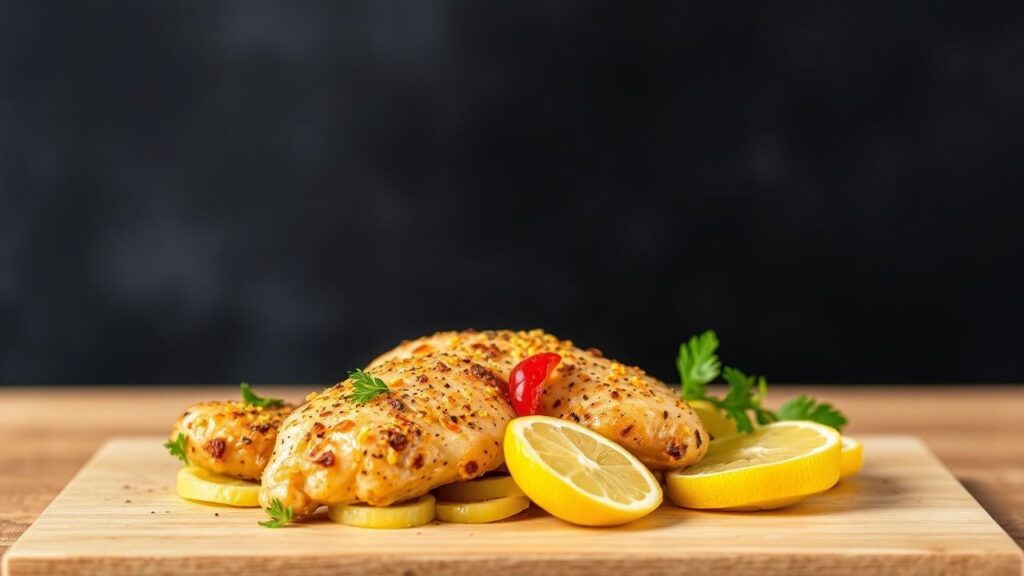
Achieving that restaurant-worthy perfection with your Greek Lemon Chicken is within reach with a few key considerations. It’s in the nuances, the subtle adjustments that transform a good dish into an extraordinary one.
Mastering the Lemon
The quality of your lemon is paramount. Opt for fresh, ripe lemons that feel heavy for their size, indicating a good juice content. Meyer lemons, if available, offer a slightly sweeter, more floral note, though traditional Eureka or Lisbon lemons are perfectly suitable. When zesting, use a microplane or fine grater to capture only the brightly coloured outer layer, avoiding the bitter white pith. For the juice, strain out any seeds but retain a little pulp for texture and visual appeal in the sauce.
The Herbaceous Balance
While oregano and thyme are the traditional stars, don’t be afraid to experiment with a sprig of fresh rosemary added during the braising stage. Remove it before serving to prevent the rosemary flavour from becoming too dominant. A small pinch of dried mint can also add an unexpected and refreshing note, particularly if serving the dish in warmer months. For a truly authentic aroma, rub the chicken pieces with a little dried oregano and thyme before searing.
The Sauce’s Secret
The pan sauce is the soul of this dish. To achieve a slightly thicker, more emulsified sauce, you can, after removing the chicken to rest, simmer the sauce gently for a few minutes. Whisking in a teaspoon of cornstarch slurry (1 teaspoon cornstarch mixed with 2 teaspoons cold water) can also achieve this, but do so judiciously to avoid a gummy texture. For an even richer sauce, consider whisking in a tablespoon of cold butter just before serving, creating a glossy, luxurious finish. This technique, known as *monter au beurre*, is a classic French method that elevates sauces beautifully.
Serving Suggestions: Complementing the Star
Greek Lemon Chicken is incredibly versatile. It pairs beautifully with fluffy basmati rice to soak up the delectable sauce, or with roasted potatoes, particularly small, waxy varieties like fingerlings or Yukon Golds, which develop a delightful crispness. A simple Greek salad with its crisp cucumbers, tomatoes, and briny olives provides a refreshing counterpoint to the richness of the chicken. For a lighter option, serve alongside steamed green beans or broccolini, lightly tossed with olive oil and lemon.
The preparation of Greek Lemon Chicken is an exercise in controlled simplicity, a culinary dance where each ingredient plays its part with intention. The initial searing of the chicken, a process that requires patience and a watchful eye, lays the groundwork for a depth of flavour that cannot be replicated by simply poaching or baking. This browning is not merely about aesthetics; it is the foundation upon which the entire flavour profile of the dish is built. The Maillard reaction, a complex chemical process occurring at high temperatures, creates hundreds of new aromatic compounds, imbuing the chicken with a savoury richness that will permeate the subsequent braising liquid.
Following the searing, the introduction of garlic and herbs into the rendered chicken fat begins the aromatic journey. The gentle sautéing of garlic releases its sweet, pungent notes without allowing it to turn acrid. The dried herbs, toasted briefly, bloom their essential oils, releasing their fragrant essence into the fat. This aromatic infusion is crucial, as it prepares the palate for the bright, zesty arrival of the lemon juice. When the lemon juice hits the hot pan, it deglazes, lifting all those delectable browned bits from the bottom of the skillet – these are known as *fond*, and they are the concentrated essence of flavour.
The braising stage in the oven is where the magic truly solidifies. Encased in the aromatic, citrusy liquid, the chicken becomes incredibly tender. The low and slow heat of the oven allows the collagen in the chicken to break down into gelatin, resulting in that melt-in-your-mouth succulence. The flavours meld and deepen, the lemon softening its initial sharpness into a more rounded, complex acidity, while the herbs infuse their essence throughout the meat. This patient transformation is what separates a good Greek Lemon Chicken from a truly exceptional one.
The Enduring Appeal of Lemon Chicken
Greek Lemon Chicken is more than just a recipe; it’s a culinary touchstone, a dish that embodies the warmth, generosity, and vibrant flavours of Greek culture. Its enduring appeal lies in its ability to deliver profound satisfaction with a seemingly simple assembly of ingredients. The bright, zesty notes of the lemon cut through the richness of the chicken and olive oil, creating a perfectly balanced and incredibly moreish sauce. This dish is proof of the power of fresh, high-quality ingredients treated with respect and a touch of culinary wisdom. Whether prepared for a weeknight family dinner or a special occasion, it consistently delivers a taste of the Mediterranean that is both comforting and invigorating. The lingering citrus aroma, the tender succulence of the chicken, and the delightful tang of the sauce combine to create an unforgettable dining experience.
Frequently Asked Questions
H3: Can I use boneless, skinless chicken breasts for this recipe?
While the recipe is optimized for bone-in, skin-on chicken for maximum flavour and moisture, you can adapt it for boneless, skinless chicken breasts. Reduce the oven cooking time significantly to avoid drying out the breasts. Sear them briefly on both sides, then add them to the sauce and bake for only 15-20 minutes, or until just cooked through. It’s crucial to monitor their internal temperature to prevent overcooking.
H3: How can I make the lemon flavour more pronounced?
To intensify the lemon flavour, you can increase the amount of fresh lemon juice slightly, perhaps by an additional tablespoon or two. Ensure you are using the zest of at least one large lemon, as this provides a different, more aromatic dimension of lemon flavour. Some chefs also recommend adding a small splash of fresh lemon juice just before serving to brighten the dish further.
H3: What is the best way to store and reheat Greek Lemon Chicken?
Leftover Greek Lemon Chicken can be stored in an airtight container in the refrigerator for up to 3-4 days. To reheat, gently warm it in a covered skillet over low heat with a tablespoon or two of water or chicken broth to rehydrate the sauce. Alternatively, you can reheat it in a low oven (around 150°C/300°F) until warmed through. Avoid microwaving for extended periods, as this can toughen the chicken.
See also: Lemon Chicken