
Dinner is more than just sustenance; it’s the anchor of our most cherished traditions, the culinary heartbeat of our celebrations. As the crescent moon heralds the arrival of Eid al-Fitr or Eid al-Adha, families across the globe begin to anticipate not just the spiritual reflections and joyous gatherings, but also the magnificent feasts that define these blessed occasions. The aroma of slow-cooked meats, the vibrant hues of fresh vegetables, and the comforting warmth of freshly baked bread – these are the sensory touchstones that bind generations and create lasting memories. For many, the planning of the Eid dinner is as significant as the celebration itself, a delicate dance between honoring time-tested recipes and exploring new culinary horizons.
- The Heart of the Eid Feast: Understanding the Culinary Landscape
- Essential Eid Dinner Ideas: A Culinary Journey
- 1. The Majestic Lamb Mandi: A Yemeni Classic Reimagined
- 2. The Opulent Chicken Biryani: A Fragrant Symphony
- 3. The Elegant Kofta Kebab Platter: A Crowd-Pleaser
- 4. The Comforting Tagine: Slow-Cooked Moroccan Elegance
- 5. The Vibrant Fattoush Salad: A Refreshing Counterpoint
- Beyond the Main Course: Essential Sides and Desserts
- 6. The Fluffy Couscous: A Moroccan Staple
- 7. The Creamy Hummus and Baba Ghanoush: Levantine Delights
- 8. The Sweet Symphony: Um Ali and Baklava
- 9. The Refreshing Fruit Platter: A Healthy Finale
- 10. The Spiced Rice Pilaf: A Versatile Side Dish
- Elevating Your Eid Dinner: Expert Tips for Success
- The Art of Preparation: Advance Planning is Key
- Presentation Matters: Setting the Scene
- Dietary Considerations: Inclusivity at the Table
- The Host’s Role: Presence Over Perfection
- Frequently Asked Questions
Key Takeaways:
- Eid dinners are a critical element of cultural celebration, blending tradition with personal expression.
- The focus should be on dishes that can be prepared ahead, allowing hosts to fully engage with guests.
- Balancing rich, savory mains with refreshing sides and indulgent desserts is key to a harmonious meal.
- Incorporating seasonal ingredients and regional variations can add a unique and personal touch to any Eid feast.
This guide is crafted for those who wish to orchestrate an Eid dinner that is not merely a meal, but a breathtaking culinary narrative. We will explore a spectrum of ideas, from time-honored classics to innovative interpretations, ensuring your table becomes proof of the spirit of Eid: generosity, togetherness, and gratitude. Whether you are a seasoned home chef or embarking on your first Eid feast as a host, these insights are designed to empower you with the knowledge and inspiration to create a truly exceptional dining experience.
The Heart of the Eid Feast: Understanding the Culinary Landscape
The Eid dinner is a reflection of the community and the specific cultural heritage it celebrates. While certain dishes have achieved near-universal recognition, the true beauty lies in the regional nuances and the personal touches that each family brings to their table. For Eid al-Fitr, which marks the end of Ramadan, the emphasis often falls on celebratory, often sweeter dishes, symbolizing the breaking of the fast and the return to abundance. Eid al-Adha, on the other hand, with its tradition of sacrifice, frequently features a more robust display of meat-centric dishes, showcasing the bounty of the occasion. Understanding this foundational context allows for a more thoughtful and authentic approach to menu planning.
Research from culinary anthropologists highlights how food traditions evolve, adapting to available ingredients and societal changes while retaining core elements that signify cultural identity. A study published in the *Journal of Food and Culture* noted that “communal dining during festivals like Eid serves as a potent vehicle for reinforcing social bonds and transmitting cultural knowledge across generations.” This underscores the profound significance of the Eid dinner beyond mere sustenance.
The Pillars of a Successful Eid Dinner
A truly memorable Eid dinner rests upon several key pillars: flavor, presentation, tradition, and ease of execution. It’s a delicate balance, particularly for the host. The goal is to create dishes that are deeply satisfying and authentic, yet manageable within the context of hosting. This often means strategically selecting dishes that can be partially or fully prepared in advance, minimizing last-minute stress and allowing the host to be present and engaged with their guests.
Essential Eid Dinner Ideas: A Culinary Journey
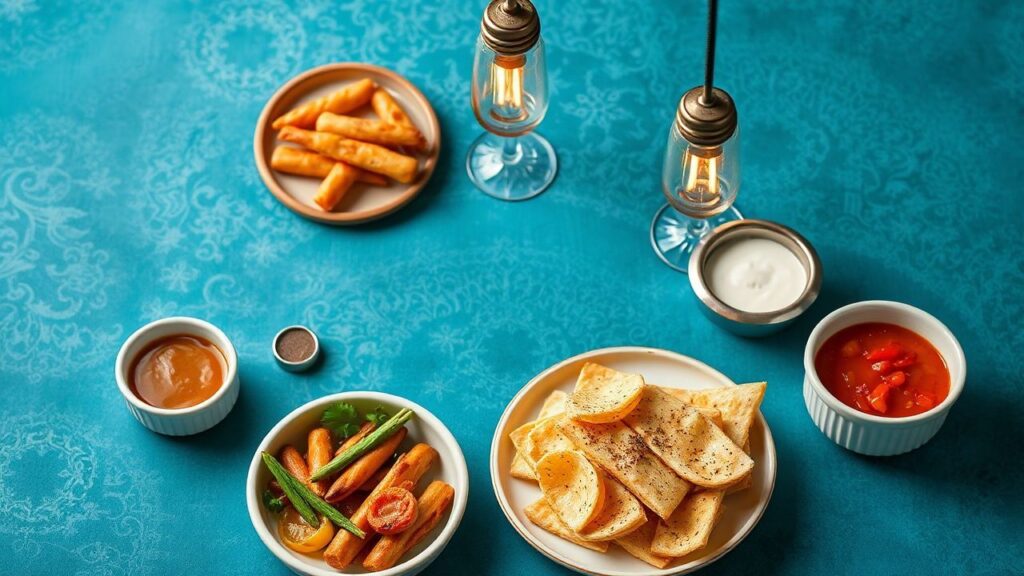
Here, we present a curated selection of dinner ideas, ranging from universally beloved classics to inspired modern takes, designed to ignite your culinary creativity and ensure your Eid celebration is nothing short of spectacular.
1. The Majestic Lamb Mandi: A Yemeni Classic Reimagined
Lamb Mandi, a fragrant and deeply flavorful rice dish originating from Yemen, is a showstopper for any Eid feast. The slow-cooked lamb, infused with aromatic spices and tenderized to perfection, rests atop a bed of subtly spiced basmati rice, often cooked in the same broth. The magic of Mandi lies in its preparation, traditionally cooked in a tandoor-like pit, which imparts an unparalleled smoky depth. For home kitchens, achieving a similar effect involves slow roasting or braising.
Ingredients:
- For the Lamb:
- 1 whole lamb shoulder or leg (approx. 2-3 kg / 4.5-6.5 lbs)
- 4 tablespoons olive oil
- 2 tablespoons Mandi spice mix (coriander, cumin, cardamom, cloves, cinnamon, black pepper)
- 1 teaspoon turmeric powder
- Salt to taste
- 4-5 whole dried limes (loomi)
- 2-3 bay leaves
- For the Rice:
- 3 cups (approx. 600g) high-quality basmati rice
- 6 cups lamb broth or water
- 2 tablespoons ghee or vegetable oil
- 1 large onion, finely chopped
- 4-5 whole cloves
- 2-3 cardamom pods
- 1-inch piece of cinnamon stick
- Salt to taste
- Garnishes:
- Toasted slivered almonds and pine nuts
- Fresh cilantro, chopped
- Fried onions
Preparation Method:
1. Prepare the Lamb: Preheat your oven to 160°C (320°F). In a bowl, combine olive oil, Mandi spice mix, turmeric, and salt. Rub this mixture generously all over the lamb. Place the dried limes and bay leaves around the lamb. Cover the lamb tightly with aluminum foil and place it in a deep roasting pan. 2. Slow Roast: Roast for 3.5 to 4.5 hours, or until the lamb is exceptionally tender and falling off the bone. In the last 30 minutes, remove the foil to allow the lamb to brown and crisp up. 3. Prepare the Rice: While the lamb is roasting, rinse the basmati rice thoroughly until the water runs clear. Soak it in water for 30 minutes. Drain well. 4. Sauté Aromatics: In a large pot or Dutch oven, heat the ghee or oil over medium heat. Add the chopped onion and sauté until golden brown.
Add the whole cloves, cardamom pods, and cinnamon stick, and sauté for another minute until fragrant. 5. Cook the Rice: Add the drained basmati rice to the pot and stir gently to coat with the aromatics. Pour in the lamb broth or water and season with salt. Bring to a boil, then reduce heat to low, cover tightly, and simmer for 15-20 minutes, or until the rice is cooked and fluffy. 6. Assemble and Serve: Gently flake the roasted lamb off the bone. Fluff the rice with a fork. In a large serving platter, spread the cooked rice. Arrange the shredded lamb over the rice. Drizzle with any pan juices. Garnish generously with toasted nuts, fried onions, and fresh cilantro.
Nutritional Info (per serving, approximate): Calories: 750-850, Protein: 50-60g, Fat: 35-45g, Carbohydrates: 60-70g.
2. The Opulent Chicken Biryani: A Fragrant Symphony
No Eid celebration is complete without the regal presence of Biryani. This iconic dish, with its layers of fragrant basmati rice, succulent marinated chicken, and a medley of aromatic spices, is proof of culinary artistry. The key to a perfect Biryani lies in the meticulous layering and the controlled cooking process that allows the flavors to meld beautifully.
Ingredients:
- For the Chicken Marinade:
- 1 kg (2.2 lbs) boneless, skinless chicken thighs, cut into bite-sized pieces
- 1 cup plain yogurt
- 2 tablespoons ginger-garlic paste
- 1 teaspoon red chili powder
- 1 teaspoon turmeric powder
- 1 teaspoon garam masala
- 1 teaspoon ground coriander
- ½ teaspoon cumin powder
- Salt to taste
- Juice of ½ lemon
- For the Rice:
- 3 cups (approx. 600g) basmati rice
- 6 cups water
- 2 tablespoons ghee or vegetable oil
- 1 large onion, thinly sliced and fried until golden brown (for garnish)
- 4-5 green cardamom pods
- 2-3 cloves
- 1-inch piece of cinnamon stick
- 1 bay leaf
- Salt to taste
- For Layering and Cooking:
- ½ cup chopped fresh mint leaves
- ½ cup chopped fresh cilantro leaves
- ¼ cup milk infused with saffron strands (optional)
- 2 tablespoons ghee
Preparation Method:
1. Marinate the Chicken: In a large bowl, combine all the marinade ingredients. Add the chicken pieces and mix well to coat. Cover and refrigerate for at least 2 hours, or preferably overnight. 2. Prepare the Rice: Rinse the basmati rice until the water runs clear. Soak in water for 30 minutes. Drain well. In a large pot, bring 6 cups of water to a boil with salt, cardamom, cloves, cinnamon, and bay leaf. Add the drained rice and cook for about 5-7 minutes, until it is about 70% cooked. Drain the rice immediately and set aside. 3. Cook the Chicken: In a heavy-bottomed pot or Dutch oven, heat 2 tablespoons of ghee over medium-high heat. Add the marinated chicken and cook for about 8-10 minutes, until the chicken is partially cooked and sealed. 4. Layer the Biryani: In the same pot with the partially cooked chicken, start layering.
Spread half of the partially cooked rice over the chicken. Sprinkle half of the chopped mint and cilantro. Drizzle with a little ghee and saffron milk (if using). Repeat the layering with the remaining rice, mint, cilantro, ghee, and saffron milk. 5. Steam Cook (Dum): Cover the pot tightly with a lid. You can seal the edges with dough to prevent steam from escaping, or use heavy-duty aluminum foil. Cook on very low heat for 25-30 minutes, allowing the rice to cook fully and absorb the flavors from the chicken and spices. 6. Serve: Gently mix the Biryani from the bottom to combine the chicken and rice. Garnish with the fried onions and serve hot.
Nutritional Info (per serving, approximate): Calories: 600-700, Protein: 40-50g, Fat: 25-35g, Carbohydrates: 50-60g.
3. The Elegant Kofta Kebab Platter: A Crowd-Pleaser
Kofta Kebabs are a versatile and universally loved dish, perfect for any gathering. These spiced minced meat skewers, grilled to perfection, offer a delightful textural contrast and a burst of savory flavors. Offering a platter with different types of kofta – lamb, beef, or even a vegetarian lentil option – caters to diverse palates.
Ingredients:
- For Lamb Kofta:
- 500g (1.1 lbs) ground lamb
- 1 small onion, finely grated and squeezed dry
- 2 cloves garlic, minced
- 1 teaspoon ground cumin
- 1 teaspoon ground coriander
- ½ teaspoon red chili flakes
- ¼ cup chopped fresh parsley
- Salt and black pepper to taste
- Wooden skewers, soaked in water
- For Beef Kofta (optional, similar ingredients with ground beef)
- For Serving:
- Pita bread or naan
- Tahini sauce
- Yogurt-mint sauce
- Chopped tomato and cucumber salad
- Pickled vegetables
Preparation Method:
1. Prepare the Kofta Mixture: In a bowl, combine the ground lamb (or beef) with grated onion, minced garlic, cumin, coriander, chili flakes, parsley, salt, and pepper. Mix thoroughly with your hands until well combined.
2. Shape the Kebabs: Divide the mixture into equal portions. Take a portion and mold it around a soaked wooden skewer, forming a sausage-like shape. Repeat with the remaining mixture.
3. Grill the Kebabs: Preheat your grill or grill pan to medium-high heat. Lightly oil the grill grates. Place the kofta skewers on the grill and cook for 8-10 minutes, turning occasionally, until browned and cooked through.
4. Assemble the Platter: Arrange the grilled kofta skewers on a large serving platter. Serve immediately with warm pita bread or naan, tahini sauce, yogurt-mint sauce, and a fresh salad.
Nutritional Info (per serving of 2 kofta, approximate): Calories: 300-400, Protein: 25-35g, Fat: 15-25g, Carbohydrates: 5-10g.
4. The Comforting Tagine: Slow-Cooked Moroccan Elegance
A Tagine, named after the iconic conical earthenware pot it’s cooked in, offers a rich and aromatic stew, perfect for communal dining. A lamb or chicken tagine, slow-cooked with preserved lemons, olives, and a symphony of spices, embodies the warmth and hospitality of Moroccan cuisine.
Ingredients:
- 1 kg (2.2 lbs) lamb shoulder or chicken pieces
- 2 tablespoons olive oil
- 2 large onions, thinly sliced
- 4 cloves garlic, minced
- 1 teaspoon ground ginger
- 1 teaspoon turmeric powder
- ½ teaspoon cumin powder
- ½ teaspoon cinnamon
- Pinch of saffron threads (optional)
- 1 preserved lemon, rind only, thinly sliced
- ½ cup green olives, pitted
- 1.5 cups chicken or lamb broth
- Salt and black pepper to taste
- Fresh cilantro and parsley, chopped, for garnish
Preparation Method:
1. Sear the Meat: In a tagine pot or heavy-bottomed pot, heat olive oil over medium-high heat. Sear the lamb or chicken pieces until browned on all sides. Remove and set aside.
2. Sauté Aromatics: Add the sliced onions to the pot and sauté until softened and lightly golden. Add the minced garlic, ginger, turmeric, cumin, cinnamon, and saffron (if using). Cook for 1-2 minutes until fragrant.
3. Simmer the Tagine: Return the seared meat to the pot. Add the sliced preserved lemon, olives, and broth. Season with salt and pepper. Bring to a gentle simmer.
4. Slow Cook: Cover the tagine with its conical lid. Reduce heat to low and simmer for 1.5-2 hours for chicken, or 2.5-3 hours for lamb, until the meat is very tender.
5. Serve: Garnish with fresh cilantro and parsley. Serve hot with couscous or crusty bread.
Nutritional Info (per serving, approximate): Calories: 500-600, Protein: 40-50g, Fat: 25-35g, Carbohydrates: 20-30g.
5. The Vibrant Fattoush Salad: A Refreshing Counterpoint
To balance the richness of the main courses, a vibrant Fattoush salad is essential. This Levantine salad, with its crisp mixed greens, colorful vegetables, and crunchy fried pita bread, offers a delightful textural and flavor contrast. The tangy sumac dressing ties all the elements together.
Ingredients:
- 1 head romaine lettuce, chopped
- 1 cucumber, diced
- 2 tomatoes, diced
- 1 green bell pepper, diced
- ½ cup radishes, thinly sliced
- ½ cup fresh mint leaves, chopped
- ½ cup fresh parsley leaves, chopped
- 1 small pita bread, cut into triangles and fried or baked until crisp
- For the Dressing:
- ¼ cup olive oil
- 2 tablespoons lemon juice
- 1 tablespoon sumac
- 1 teaspoon pomegranate molasses (optional)
- Salt and black pepper to taste
Preparation Method:
1. Prepare the Vegetables: In a large salad bowl, combine the chopped romaine lettuce, diced cucumber, tomatoes, green bell pepper, radishes, mint, and parsley.
2. Make the Dressing: In a small bowl, whisk together olive oil, lemon juice, sumac, pomegranate molasses (if using), salt, and pepper.
3. Assemble: Just before serving, add the fried or baked pita bread triangles to the salad. Drizzle the dressing over the salad and toss gently to combine.
Nutritional Info (per serving, approximate): Calories: 150-200, Protein: 3-5g, Fat: 10-15g, Carbohydrates: 10-15g.
Beyond the Main Course: Essential Sides and Desserts
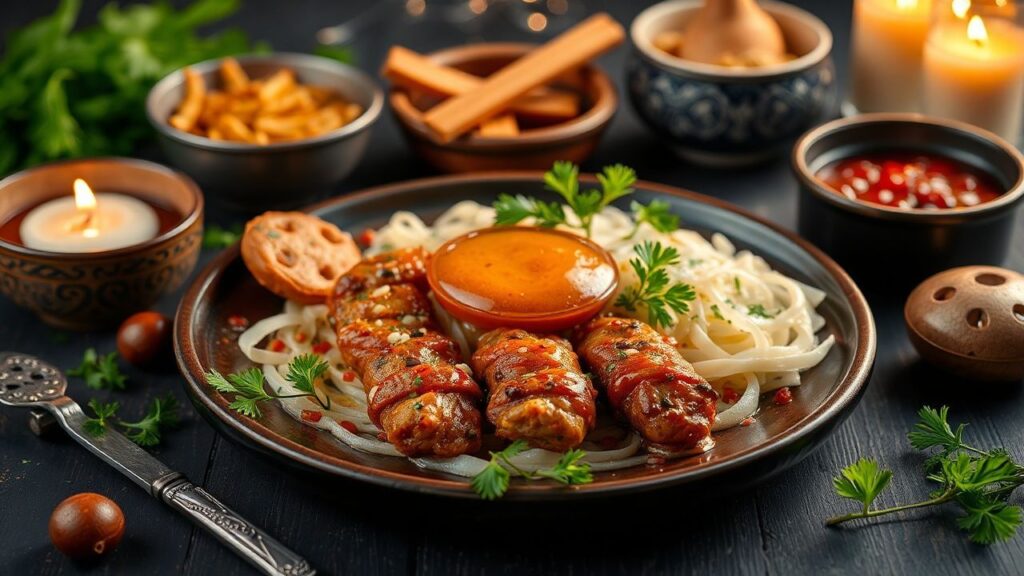
A truly exceptional Eid dinner extends beyond the main protein. The supporting cast of side dishes and the grand finale of desserts play an equally crucial role in creating a memorable experience.
6. The Fluffy Couscous: A Moroccan Staple
Perfectly steamed couscous is the ideal accompaniment to stews and tagines. Its light, fluffy texture soaks up the rich sauces beautifully.
Preparation: Follow package instructions for steaming couscous, typically involving rinsing the grains and steaming them over simmering broth for 15-20 minutes until tender. Fluff with a fork and serve.
7. The Creamy Hummus and Baba Ghanoush: Levantine Delights
These classic dips are not only delicious but also add a touch of elegance and variety to the appetizer or side spread.
Hummus: Made from chickpeas, tahini, lemon juice, and garlic.
Baba Ghanoush: Made from roasted eggplant, tahini, lemon juice, and garlic.
Serve with warm pita bread and fresh vegetable sticks.
8. The Sweet Symphony: Um Ali and Baklava
No Eid celebration is truly complete without a decadent dessert.
- Um Ali: A rich and comforting Egyptian bread pudding, typically made with puff pastry or stale bread, milk, cream, nuts, and raisins.
- Baklava: Layers of delicate phyllo dough, filled with chopped nuts and drenched in a sweet syrup, is a timeless favorite across many Middle Eastern cultures.
9. The Refreshing Fruit Platter: A Healthy Finale
A beautifully arranged platter of fresh, seasonal fruits provides a light and healthy alternative or complement to richer desserts. Think ripe melons, juicy berries, sweet figs, and vibrant citrus.
10. The Spiced Rice Pilaf: A Versatile Side Dish
Beyond Biryani, a simpler spiced rice pilaf can serve as a comforting and versatile side. Cook basmati rice with a blend of whole spices like cardamom, cloves, and cinnamon, perhaps with some toasted vermicelli for texture.
Elevating Your Eid Dinner: Expert Tips for Success
Executing a flawless Eid dinner involves more than just following recipes; it requires strategic planning and a keen eye for detail.
The Art of Preparation: Advance Planning is Key
Many components of an Eid feast can and should be prepared in advance.
- Day(s) Before: Marinate meats, make dessert syrups, chop vegetables for salads and stews, prepare dips like hummus and baba ghanoush.
- Morning Of: Assemble Biryani layers (cook later), prepare tagine bases, make salad dressings.
- Hours Before: Cook main dishes like Mandi or Biryani, bake bread.
- Just Before Serving: Toss salads, reheat tagines, assemble fruit platters.
According to a survey by the International Culinary Institute, over 70% of successful hosts report that advance preparation significantly reduces stress on the day of the event.
Presentation Matters: Setting the Scene
The visual appeal of your Eid dinner is as important as the taste.
- Table Setting: Use your finest linens, dishes, and serveware. Consider incorporating traditional decorative elements like lanterns or floral arrangements.
- Garnishes: Fresh herbs, toasted nuts, fried onions, and edible flowers can transform a dish from ordinary to extraordinary.
- Serving Platters: Use large, beautiful platters to showcase the abundance of your meal.
Dietary Considerations: Inclusivity at the Table
In today’s diverse culinary landscape, it’s thoughtful to consider guests with dietary restrictions.
- Vegetarian/Vegan Options: Ensure you have at least one substantial vegetarian or vegan main dish, such as a vegetable tagine, lentil kofta, or a hearty stuffed vegetable dish.
- Allergies: Discreetly inquire about any severe allergies (nuts, gluten, etc.) and label dishes accordingly if necessary.
The Host’s Role: Presence Over Perfection
Remember, the most important ingredient for any celebration is the host’s presence and warmth. While striving for culinary excellence, don’t let the pressure of perfection detract from the joy of connecting with your loved ones.
Frequently Asked Questions
What are the most traditional Eid dinner dishes?
The most traditional Eid dinner dishes vary by region, but universally loved options include Biryani, Mandi, Kebabs, Tagines, and various meat stews. For Eid al-Fitr, sweeter dishes often feature prominently, while Eid al-Adha celebrations tend to highlight roasted or grilled meats.
How can I make my Eid dinner vegetarian-friendly?
You can create delicious vegetarian Eid dishes by focusing on hearty legumes, vegetables, and grains. Consider a robust vegetable tagine with preserved lemons and olives, stuffed bell peppers with rice and herbs, a flavorful lentil kofta, or a rich vegetable biryani. Hummus and baba ghanoush with fresh bread and salads are also excellent additions.
What are some tips for preparing Eid dinner ahead of time?
Many components can be prepared in advance. Meats can be marinated the day before, desserts like baklava syrup can be made ahead, and chopped vegetables for salads and stews can be stored. Dips like hummus and baba ghanoush are best made a day or two in advance. The actual cooking of main dishes often benefits from being done closer to serving time, but elements like layering biryani can be done hours ahead.
How can I make my Eid dinner visually appealing?
Presentation is key. Use attractive serving platters, garnish generously with fresh herbs, toasted nuts, or edible flowers. A well-set table with beautiful linens and tableware also enhances the dining experience. Consider thematic decorations that reflect the spirit of Eid.
What is the significance of sharing food during Eid?
Sharing food during Eid is a central aspect of the celebration, symbolizing generosity, community, and gratitude. It reinforces social bonds, allows families and friends to connect, and provides an opportunity to express hospitality and goodwill towards all, including those less fortunate through charitable giving of food.
See also: Dinner