
“The secret of a good cook lies not in the exoticism of the ingredients, but in the mastery of the humble.” – Auguste Escoffier
- The Quintessential Ingredients for a Deeply Satisfying Beef Stew
- Selecting the Right Cut of Beef
- The Aromatic Foundation and Root Vegetables
- Liquid Gold: Broth and Flavour Enhancers
- The Art of Preparation: Building Layers of Flavour
- Step 1: Browning the Beef – The Maillard Reaction’s Embrace
- Step 2: Sautéing the Aromatics
- Step 3: Assembling the Crock-Pot
- Step 4: The Slow Cooker’s Magic
- The Finishing Touches: Elevating Your Beef Stew
- Nutritional Insights: A Hearty, Wholesome Meal
- Classic Crock-Pot Beef Stew Recipe
- Frequently Asked Questions About Beef Stew
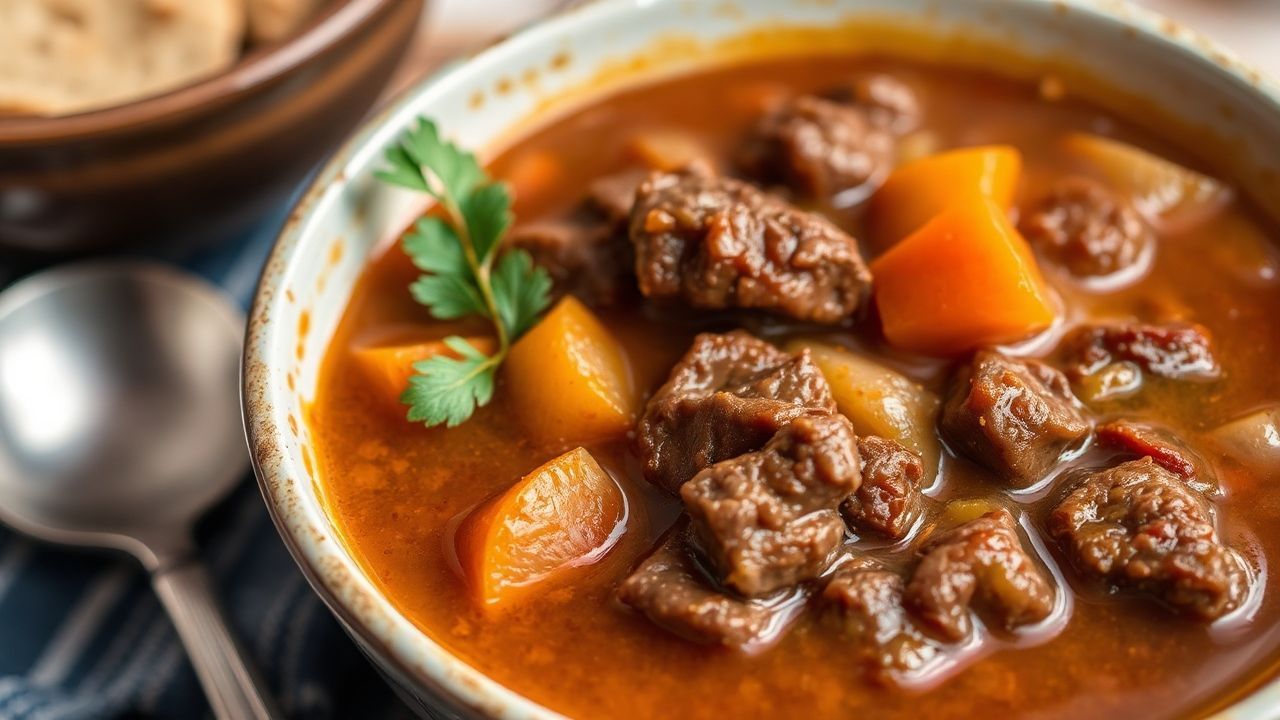
The aroma of slow-cooked beef stew is more than just a scent; it’s an olfactory embrace, a herald of comfort and sustenance. This dish, a cornerstone of home cooking across the English-speaking world, transcends fleeting culinary trends. It’s proof of the power of time, patience, and the transformative magic of low, slow heat. While modern kitchens boast an arsenal of rapid-cooking technologies, the enduring appeal of a well-executed beef stew, particularly one coaxed to perfection in a Crock-Pot, lies in its ability to deliver profound flavour with an almost effortless grace. This article explores the heart of crafting an exemplary beef stew, examining its historical roots, precise ingredient selection, meticulous preparation, and the subtle nuances that elevate it from mere sustenance to a truly memorable culinary experience.
At a Glance: Mastering the Crock-Pot Beef Stew
- Patience is paramount: Low and slow cooking is non-negotiable for tender beef and melded flavours.
- Quality ingredients matter: The foundation of exceptional beef stew lies in well-marbled beef and fresh, robust vegetables.
- Layering flavours: Browning the beef and sautéing aromatics before slow cooking builds crucial depth.
- The finishing touch: A slight thickening and a final seasoning adjustment are key to a restaurant-quality outcome.
The history of stewing meat is as old as humankind’s mastery of fire. Early civilizations likely combined tough cuts of meat with water and whatever edible roots and herbs were available, simmering them over open flames for extended periods. This rudimentary method not only made the meat palatable but also released nutrients into the liquid, creating a nourishing broth. The concept evolved through centuries, with different cultures adding their unique flavour profiles. In Britain, for instance, beef stew, often referred to as “hotpot” or simply “stew,” became a staple, particularly during colder months, providing warmth and hearty sustenance for working families. The advent of the slow cooker, or Crock-Pot as it’s widely known, in the mid-20th century democratized this slow-cooking process, making it accessible and convenient for even the busiest households. It allowed the principles of traditional stewing – the long, gentle simmering that breaks down connective tissues and melds flavours – to be achieved with minimal active supervision.
The Quintessential Ingredients for a Deeply Satisfying Beef Stew
Crafting an exceptional beef stew begins with an unwavering commitment to ingredient quality. Each component matter significantly, contributing to the final symphony of flavours and textures. The foundation, of course, is the beef itself.
Selecting the Right Cut of Beef
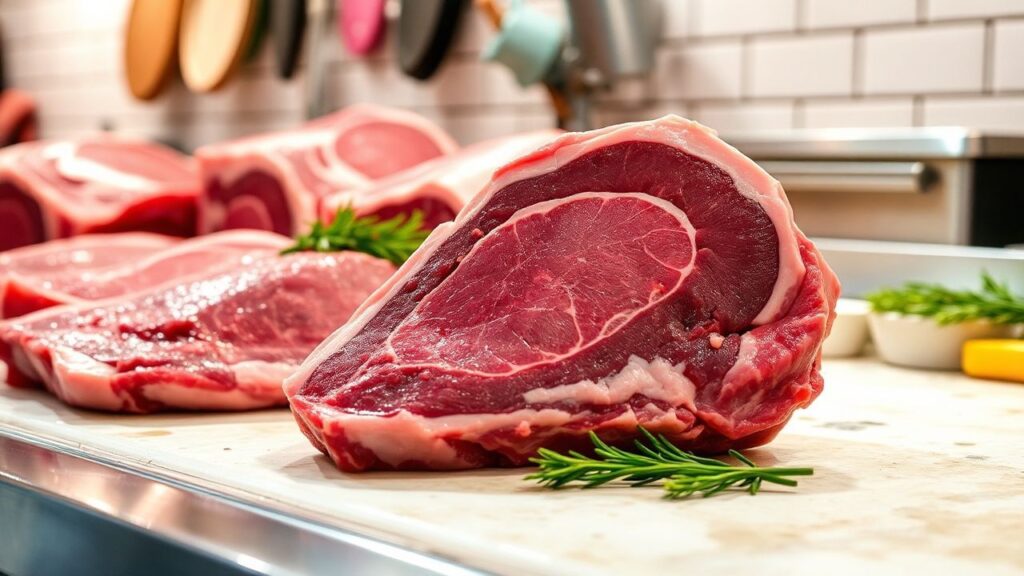
For a slow-cooked beef stew, the ideal cuts are those that benefit from long, moist cooking. These are typically tougher cuts with a good amount of connective tissue and fat, which break down during the slow braising process, rendering the meat incredibly tender and imparting richness to the stew.
- Chuck Roast (or Shoulder Roast): This is the undisputed champion for beef stew. It’s well-marbled, yielding a rich flavour and becoming exceptionally tender after hours of cooking. Look for cuts with visible marbling throughout.
- Brisket: While often associated with smoking, brisket also fares well in slow cooking. Its robust flavour and fatty nature make it a good candidate, though it can sometimes be slightly chewier than chuck if not cooked long enough.
- Short Ribs: For an even more decadent experience, boneless short ribs offer unparalleled richness and tenderness. The marrow in the bone, if using bone-in, adds another layer of unctuous flavour.
The Aromatic Foundation and Root Vegetables
Beyond the beef, a robust ensemble of aromatics and hearty root vegetables forms the flavour backbone of any great beef stew. These ingredients not only contribute flavour but also provide essential texture and body to the dish.
- Onions: Yellow or Spanish onions are ideal for their balanced sweetness and pungency, which mellows beautifully during slow cooking.
- Carrots: They provide sweetness and a vibrant colour. Cut them into substantial chunks so they don’t disintegrate.
- Celery: Its subtle bitterness and herbaceous notes add complexity. Like carrots, aim for generous pieces.
- Garlic: Several cloves, minced or roughly chopped, are essential for depth.
- Potatoes: Waxy varieties like Yukon Gold or red potatoes hold their shape well. Russets can become too mealy if overcooked.
- Tomatoes: Diced tomatoes (canned or fresh) add acidity and umami. A tablespoon or two of tomato paste, caramelized, offers a more concentrated flavour.
Liquid Gold: Broth and Flavour Enhancers
The liquid component is crucial for braising and infusing flavour. A good quality beef broth is essential, but its impact can be amplified.
- Beef Broth/Stock: Use a low-sodium, high-quality beef broth or stock. Homemade is always best, but good store-bought options exist.
- Red Wine: A dry red wine, such as Cabernet Sauvignon, Merlot, or Pinot Noir, adds significant depth and acidity. The alcohol cooks off, leaving behind complex flavour notes.
- Worcestershire Sauce: A dash of this umami-rich condiment provides a savoury, tangy kick.
- Herbs: Fresh or dried thyme, rosemary, and bay leaves are classic pairings. A bouquet garni (a bundle of herbs tied together) is an elegant way to infuse flavour without leaving stray leaves.
The Art of Preparation: Building Layers of Flavour
While the Crock-Pot simplifies the cooking process, the preparation steps are where the magic truly begins. Skipping these stages is akin to leaving a masterpiece unfinished.
Step 1: Browning the Beef – The Maillard Reaction’s Embrace
The initial searing of the beef is arguably the most critical step for flavour development. This is where the Maillard reaction, a complex chemical process responsible for browning and creating hundreds of new flavour compounds, takes place. Don’t overcrowd the pan; sear the beef in batches to ensure a proper crust rather than steaming.
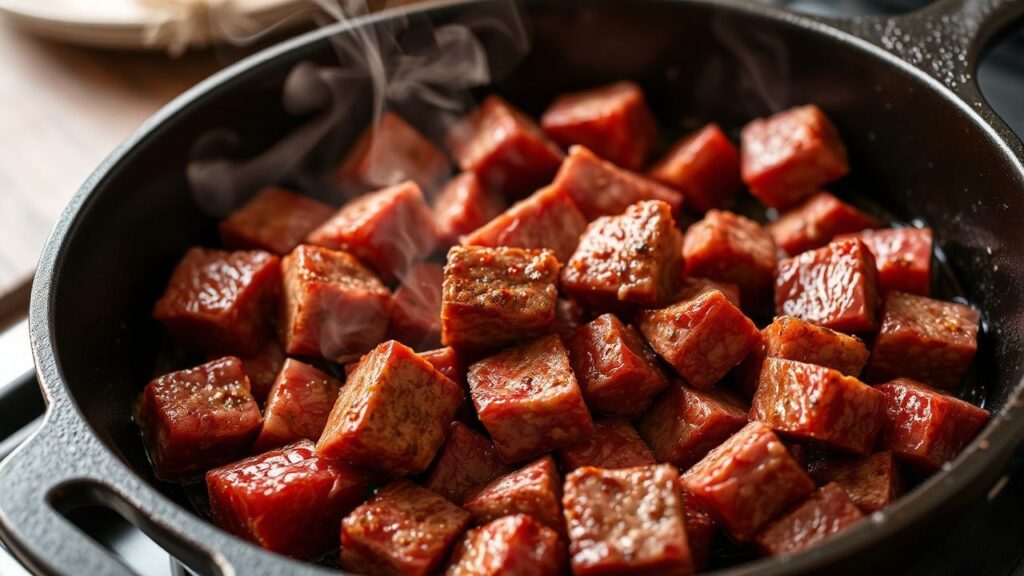
The goal here is not to cook the beef through, but to achieve a rich, dark brown exterior on each piece. This caramelized crust will dissolve into the cooking liquid, contributing immensely to the stew’s body and depth of flavour. A cast-iron skillet is ideal for its heat retention and even cooking surface. Ensure the pan is hot before adding the beef, and resist the urge to stir too frequently. Allow each side to develop a substantial sear.
Once browned, remove the beef from the skillet and set aside. Deglaze the pan with a splash of red wine or beef broth, scraping up any browned bits (fond) stuck to the bottom. This fond is pure flavour, a concentrated essence of the beef and aromatics that will form the base of your stew’s liquid.
Step 2: Sautéing the Aromatics
In the same skillet used for the beef (adding a little more oil if necessary), sauté the chopped onions, carrots, and celery until they begin to soften and the onions become translucent. This process mellows their raw flavour and releases their natural sweetness. Add the minced garlic towards the end of this sauté to prevent it from burning, which would impart a bitter taste.
Step 3: Assembling the Crock-Pot
The order of assembly in the Crock-Pot can influence how evenly the flavours meld. A common and effective method is to place the browned beef at the bottom, followed by the sautéed vegetables and aromatics. Then, add the diced tomatoes, tomato paste, herbs, Worcestershire sauce, and finally, the liquid. Ensure the liquid comes up to just cover the ingredients; you can always add a little more if needed during cooking.
The precise ratio of liquid to solids is a matter of personal preference, but a general guideline is to have enough liquid to mostly submerge the ingredients without them being completely swimming. Too much liquid can dilute the flavour, while too little might result in dry spots or insufficient braising.
Step 4: The Slow Cooker’s Magic
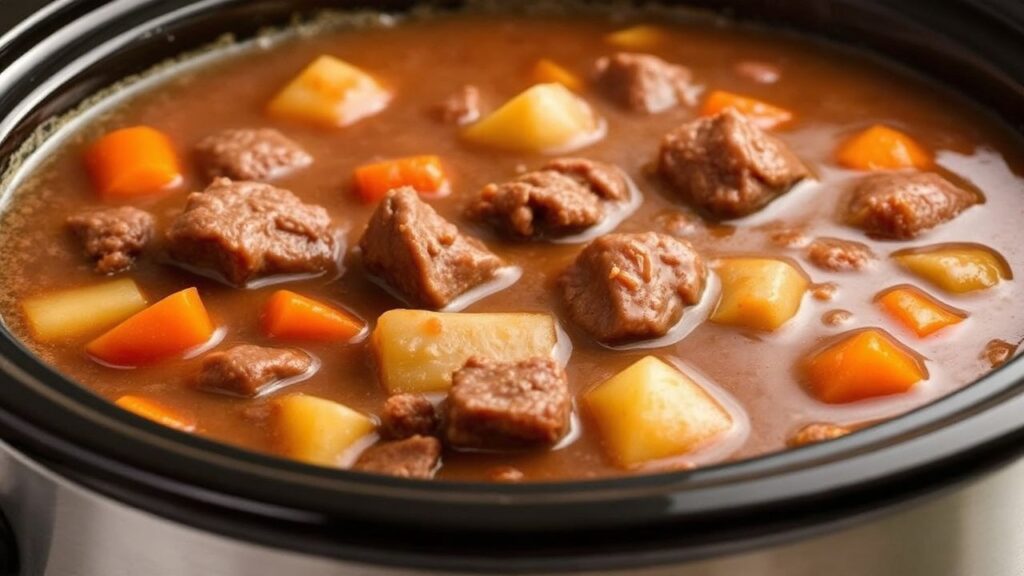
Set your Crock-Pot to the LOW setting for 6-8 hours, or on HIGH for 3-4 hours. The LOW setting is generally preferred for beef stew as it allows for a more gradual and even cooking process, resulting in exceptionally tender meat. The extended cooking time is crucial for breaking down the collagen in the tougher cuts of beef, transforming them into gelatin, which enriches the stew and makes the meat melt-in-your-mouth tender.
The Finishing Touches: Elevating Your Beef Stew
Once the slow cooking is complete, the stew is nearly ready, but a few final steps can elevate it from good to extraordinary.
Thickening the Gravy
The natural thickening from the rendered collagen and starch from the vegetables is often sufficient. However, if you prefer a thicker gravy, you can create a slurry by whisking together equal parts cornstarch or flour with cold water or broth until smooth. Stir this slurry into the simmering stew and cook for a few more minutes until thickened. Alternatively, some chefs advocate for a roux (equal parts butter and flour cooked together) for a richer, more stable thickening agent.
Seasoning and Adjustments
Taste the stew before serving. This is the time to adjust the seasoning. Add salt and freshly ground black pepper as needed. If the stew tastes a little flat, a splash more Worcestershire sauce or a touch of red wine vinegar can brighten the flavours. A pinch of sugar can also balance any lingering bitterness from the vegetables.
Incorporating Fresh Herbs
While dried herbs are excellent for slow simmering, a scattering of fresh parsley or chives just before serving adds a burst of freshness and vibrant colour. This final flourish makes the stew visually appealing and adds a subtle aromatic lift.
Nutritional Insights: A Hearty, Wholesome Meal
A well-prepared beef stew, while hearty, can be a surprisingly balanced meal. The lean protein from the beef provides essential amino acids, while the root vegetables offer a wealth of vitamins, minerals, and dietary fibre.
Estimated Nutritional Information (Per Serving – assuming 6 servings from the recipe below):
- Calories: 450-550 (varies with fat content of beef and amount of added oil)
- Protein: 30-40g
- Fat: 20-30g (saturated and unsaturated)
- Carbohydrates: 30-40g (primarily from vegetables)
- Fibre: 5-8g
- Vitamins: Rich in Vitamin A (from carrots), Vitamin C (from potatoes and carrots), and various B vitamins (from beef and vegetables).
- Minerals: Good source of iron, zinc, and potassium.
The beauty of this dish lies in its adaptability. For those mindful of carbohydrates, the potato portion can be reduced or replaced with lower-carb root vegetables like parsnips or rutabaga. The broth base, rich in electrolytes, also contributes to hydration and overall well-being, making it a comforting choice during illness or recovery.
Classic Crock-Pot Beef Stew Recipe
This recipe aims for a deeply flavourful and satisfying beef stew, perfect for a cozy evening.
Yields: 6-8 servings
Prep time: 30 minutes
Cook time: 6-8 hours on LOW or 3-4 hours on HIGH
Ingredients:
- 2 lbs (approx. 900g) boneless beef chuck roast, cut into 1.5-inch cubes
- 2 tablespoons olive oil or vegetable oil
- 1 large yellow onion, chopped
- 3 medium carrots, peeled and cut into 1-inch chunks
- 3 celery stalks, cut into 1-inch chunks
- 4 cloves garlic, minced
- 1 tablespoon tomato paste
- 1 (14.5 oz / 411g) can diced tomatoes, undrained
- 1.5 cups (approx. 350ml) dry red wine (such as Merlot or Cabernet Sauvignon)
- 4 cups (approx. 950ml) low-sodium beef broth
- 1 teaspoon dried thyme
- 1 teaspoon dried rosemary
- 2 bay leaves
- 1 tablespoon Worcestershire sauce
- 1.5 lbs (approx. 680g) Yukon Gold potatoes, cut into 1.5-inch chunks
- Salt and freshly ground black pepper to taste
- 2 tablespoons fresh parsley, chopped (for garnish)
- For Thickening (optional): 2 tablespoons cornstarch mixed with 2 tablespoons cold water
Instructions:
- Prepare the Beef: Pat the beef cubes completely dry with paper towels. Season generously with salt and freshly ground black pepper.
- Brown the Beef: Heat the olive oil in a large, heavy-bottomed skillet or Dutch oven over medium-high heat. Working in batches, sear the beef cubes on all sides until deeply browned and a crust forms. Do not overcrowd the pan. Remove browned beef to a plate.
- Sauté Aromatics: Reduce the heat to medium. Add the chopped onion, carrots, and celery to the skillet. Cook, stirring occasionally, until softened and the onions are translucent, about 6-8 minutes. Add the minced garlic and tomato paste; cook for another 1-2 minutes until fragrant, stirring constantly.
- Deglaze the Pan: Pour in the red wine and scrape the bottom of the skillet with a wooden spoon to loosen any browned bits. Let the wine simmer and reduce slightly for about 2-3 minutes.
- Assemble the Crock-Pot: Transfer the browned beef to the bottom of your Crock-Pot. Add the sautéed vegetable mixture from the skillet on top of the beef.
- Add Liquids and Seasonings: Pour in the diced tomatoes (with their juice), beef broth, dried thyme, dried rosemary, bay leaves, and Worcestershire sauce. Stir gently to combine. Ensure the liquid mostly covers the ingredients.
- Slow Cook: Cover the Crock-Pot and cook on the LOW setting for 6-8 hours, or on the HIGH setting for 3-4 hours, until the beef is fork-tender and the vegetables are cooked through.
- Add Potatoes: During the last 1.5-2 hours of cooking on LOW (or last hour on HIGH), add the potato chunks to the Crock-Pot. Stir them into the liquid to ensure they cook evenly.
- Thicken (Optional): If you prefer a thicker stew, remove the bay leaves. In a small bowl, whisk together the cornstarch and cold water to create a slurry. Stir the slurry into the stew in the Crock-Pot. Cook on HIGH for an additional 15-30 minutes, or until the gravy has thickened to your desired consistency.
- Final Seasoning and Serving: Taste the stew and adjust seasoning with salt and pepper as needed. Ladle the hot beef stew into bowls, garnish with fresh parsley, and serve immediately.
This recipe provides a robust foundation, but feel free to experiment. A splash of balsamic vinegar at the end can add a welcome tang, and a handful of frozen peas added in the final 30 minutes offers a touch of colour and sweetness.
The act of slow cooking beef stew has a certain meditative quality. It requires trust in the process, a willingness to let time do its work. This is a dish that nourishes not just the body, but also the soul, evoking memories of family gatherings and the simple, profound comfort of a well-made meal. The inclusion of ingredients like potatoes, which are a staple in Irish cuisine and across many Western diets, further cements its status as a comforting, familiar dish.
Frequently Asked Questions About Beef Stew
What is the best type of beef for Crock-Pot beef stew?
The undisputed champion for Crock-Pot beef stew is beef chuck roast. This cut is rich in connective tissue and marbling, which break down beautifully during the long, slow cooking process. This breakdown yields incredibly tender, flavourful meat and a rich, gelatinous gravy. Other excellent choices include brisket or boneless short ribs, but chuck roast generally offers the best balance of flavour, tenderness, and affordability for this type of slow-cooked dish.
Can I add other vegetables to my beef stew?
Absolutely! Beef stew is incredibly versatile. While onions, carrots, celery, and potatoes are classic, you can easily incorporate other vegetables. Hearty root vegetables like parsnips, rutabaga, or turnips can be added at the beginning with the other vegetables. Softer vegetables such as peas, green beans, or mushrooms should be added during the last 30-60 minutes of cooking to prevent them from becoming overcooked and mushy. Bell peppers can also be a lovely addition, providing a touch of sweetness and colour.
How do I prevent my beef stew from becoming too watery?
There are several ways to address a watery beef stew. Firstly, ensure you’re not using too much liquid initially; the ingredients should be mostly submerged, not swimming. If the stew is still too thin after the cooking time, you can thicken it. The most common method is to create a slurry of cornstarch or flour mixed with a cold liquid (water or broth) and stir it into the simmering stew until thickened. Alternatively, you can remove some of the liquid, boil it down separately to reduce it, and then return it to the stew. For a richer flavour and thicker consistency, consider making a roux (equal parts butter and flour cooked together) and stirring it into the stew.
See also: Beef Stew