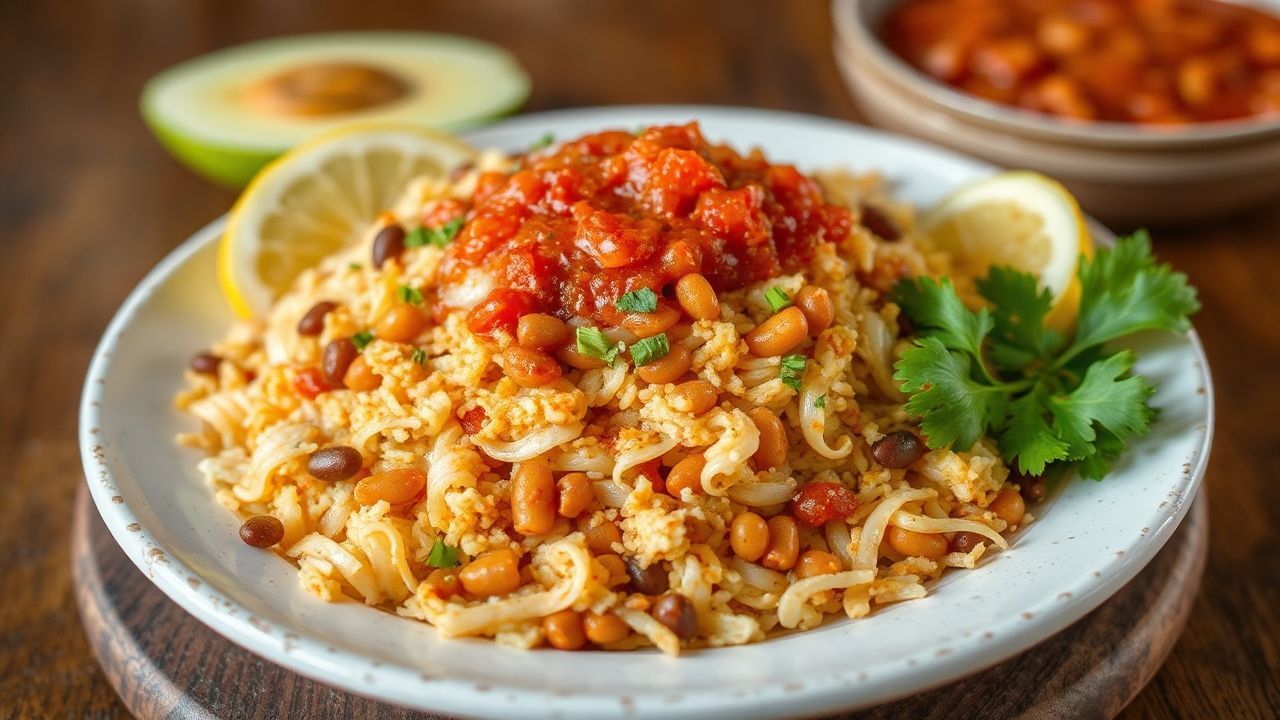

The scent of toasted cumin and caramelized onions, a symphony of textures—crispy fried noodles, tender lentils, fluffy rice, and a tangy tomato sauce—this is the unforgettable experience of Koshari, Egypt’s beloved national dish. For many, the mere mention conjures memories of bustling Cairo streets, vibrant market stalls, and the comforting embrace of a truly home-cooked meal. But recreating that authentic magic in your own kitchen can feel like an elusive quest. The truth is, achieving Koshari perfection isn’t about a single secret ingredient, but a meticulous understanding of its components and their harmonious interplay. This guide will demystify the process, revealing the core principles and nuanced techniques that transform simple ingredients into an extraordinary culinary phenomenon, ensuring your Koshari is not just a meal, but a revelation.
- The Essential Koshari Components: A Detailed Breakdown
- 1. The Rice Foundation: Fluffy Perfection
- 2. The Lentil Heart: Earthy Depth
- 3. The Chickpea Crown: A Nutty Topper
- 4. The Macaroni Medley: Chewy Delight
- 5. The Fiery Tomato Sauce (Salata): The Zesty Soul
- 6. The Crispy Fried Onion Garnish (Tard): The Irresistible Crunch
- 7. The Dukkah (Optional but Recommended): A Flavorful Accent
- The Art of Assembly: Building Your Koshari Masterpiece
- Nutritional Profile of Authentic Koshari
- Elevating Your Koshari: Pro-Tips for Restaurant-Quality Results
- The Vinegar Splash: Da’a (Dakka) Sauce
- Spice Control: The Art of Cumin and Coriander
- The Onion Crispness Factor
- Frequently Asked Questions about Koshari
Koshari is more than just a dish; it’s a vibrant tapestry of Egyptian culinary heritage, woven from humble beginnings into a globally adored comfort food.
The Soul of Koshari: A Culinary History
Koshari’s origins are as rich and layered as the dish itself. While its modern form is distinctly Egyptian, its roots are believed to trace back to the 19th century, influenced by the multicultural influx during the British occupation. Some culinary historians suggest a connection to Indian khichdi, a lentil and rice dish, brought by British soldiers. The dish evolved over time, absorbing influences and adapting to local ingredients, eventually becoming the culinary icon it is today. It gained widespread popularity as an affordable, filling, and nutritious meal for the working class, proof of its resourcefulness and deliciousness. Today, Koshari stands as a symbol of Egyptian identity, found everywhere from humble street carts to upscale restaurants, a universal comfort for Egyptians at home and abroad.
The Essential Koshari Components: A Detailed Breakdown
To master Koshari, one must first appreciate each distinct element, understanding its role in the grand symphony of flavors and textures. The beauty of Koshari lies in its distinct layers, each prepared separately and then combined to create a harmonious whole.
1. The Rice Foundation: Fluffy Perfection
The base of Koshari is typically medium-grain white rice. The key to its success lies in achieving a fluffy, separate grain, avoiding the clumpy, mushy texture that can mar the dish.
Ingredients:
- 1 cup (approx. 200g) medium-grain white rice
- 1 ¾ cups (approx. 415ml) water or vegetable broth
- 1 tablespoon olive oil or unsalted butter
- ½ teaspoon salt
Preparation Method:
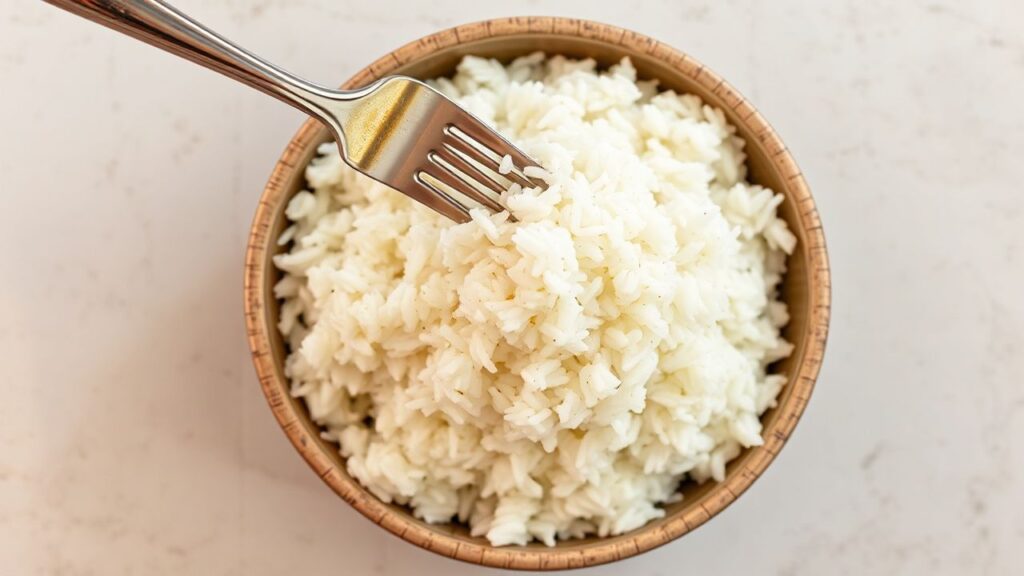
1. Rinsing is Crucial: Thoroughly rinse the rice under cold running water until the water runs clear. This removes excess starch, preventing stickiness. 2. Toasting for Flavor: Heat the olive oil or butter in a medium saucepan over medium heat. Add the rinsed and drained rice and toast for 2-3 minutes, stirring constantly, until the grains are slightly opaque and fragrant. This step adds a subtle nutty depth. 3. Simmering to Perfection: Pour in the water or broth, add the salt, and bring to a boil. Once boiling, reduce the heat to the lowest setting, cover the saucepan tightly, and simmer for 15-18 minutes, or until all the liquid is absorbed and the rice is tender. 4. Steaming for Fluffiness: Do not lift the lid during cooking. Once done, remove from heat and let it stand, covered, for another 5-10 minutes.
This allows the steam to further cook the rice and ensures a light, fluffy texture. Fluff with a fork before serving.
2. The Lentil Heart: Earthy Depth
Brown lentils are the savory anchor of Koshari, providing an earthy, protein-rich counterpoint to the rice.
Ingredients:
- 1 cup (approx. 200g) brown lentils
- 3 cups (approx. 710ml) water
- ½ teaspoon cumin (optional, for extra flavor)
Preparation Method:
1. Rinse and Sort: Rinse the lentils thoroughly under cold water and pick through them to remove any small stones or debris.
2. Boil and Simmer: Combine the rinsed lentils and water in a saucepan. Add cumin if desired. Bring to a boil, then reduce heat and simmer, uncovered, for 20-25 minutes, or until the lentils are tender but still hold their shape. Avoid overcooking, as they can become mushy.
3. Drain and Season: Drain any excess water and season lightly with salt.
3. The Chickpea Crown: A Nutty Topper
Canned chickpeas are a convenient and essential addition, offering a creamy texture and subtle nutty flavor that complements the other components.
Ingredients:
- 1 can (approx. 15 ounces / 425g) chickpeas, drained and rinsed
- Pinch of salt (optional)
Preparation Method:
- Simply drain and rinse the canned chickpeas. If desired, you can warm them gently in a small saucepan or microwave before serving. A pinch of salt can enhance their flavor.
4. The Macaroni Medley: Chewy Delight
A mix of small pasta shapes, typically elbow macaroni and vermicelli, adds a delightful chewiness and familiar comfort to the dish.
Ingredients:
- ½ cup (approx. 75g) elbow macaroni
- ½ cup (approx. 75g) vermicelli or other small pasta shapes
- Salt for boiling water
Preparation Method:
1. Cook Separately: Cook each pasta shape according to package directions in salted boiling water until al dente.
2. Drain and Rinse (Optional): Drain the pasta well. Some prefer a quick rinse under cold water to prevent sticking, especially if not assembling immediately.
5. The Fiery Tomato Sauce (Salata): The Zesty Soul
This is arguably the most critical component, providing the zesty, tangy, and slightly spicy flavor that ties everything together. Authentic Koshari sauce is a vibrant tomato concoction infused with garlic and vinegar.
Ingredients:
- 2 tablespoons olive oil
- 4-5 cloves garlic, minced
- 1 teaspoon ground cumin
- ½ teaspoon coriander powder
- ¼ teaspoon cayenne pepper (or to taste)
- 1 can (approx. 28 ounces / 794g) crushed tomatoes
- 2 tablespoons white vinegar
- 1 tablespoon tomato paste (optional, for deeper color and flavor)
- Salt and freshly ground black pepper to taste
- Pinch of sugar (to balance acidity)
Preparation Method:
1. Sauté Aromatics: Heat the olive oil in a saucepan over medium heat. Add the minced garlic and sauté until fragrant, about 1 minute. Be careful not to burn the garlic.
2. Bloom Spices: Add the cumin, coriander, and cayenne pepper. Stir and cook for about 30 seconds until fragrant.
3. Simmer the Sauce: Pour in the crushed tomatoes and tomato paste (if using). Stir well to combine. Bring the sauce to a gentle simmer.
4. Infuse with Vinegar: Stir in the white vinegar, salt, pepper, and a pinch of sugar.
5. Slow Cook: Reduce the heat to low, cover, and let the sauce simmer for at least 20-30 minutes, allowing the flavors to meld and deepen. Adjust seasoning as needed. The sauce should be rich and slightly thickened.
6. The Crispy Fried Onion Garnish (Tard): The Irresistible Crunch
No Koshari is complete without the crowning glory of crispy fried onions. This element adds an essential textural contrast and a sweet, savory depth that is utterly addictive.
Ingredients:
- 2 large yellow onions, thinly sliced into rings
- ½ cup (approx. 60g) all-purpose flour
- Pinch of salt
- Vegetable oil for frying (enough for about 1-2 inches depth in a pan)
Preparation Method:
1. Prepare the Onions: In a bowl, toss the thinly sliced onion rings with the flour and salt. Ensure each ring is lightly coated. Shake off any excess flour.
2. Heat the Oil: Heat the vegetable oil in a deep skillet or pot over medium-high heat until it reaches about 350°F (175°C).
3. Fry in Batches: Carefully add the floured onion rings to the hot oil in batches, ensuring not to overcrowd the pan. Fry for 3-5 minutes, stirring occasionally, until golden brown and crispy.
4. Drain and Cool: Use a slotted spoon to remove the fried onions from the oil and place them on a plate lined with paper towels to drain excess oil. They will continue to crisp as they cool.

7. The Dukkah (Optional but Recommended): A Flavorful Accent
While not always considered a core component by every household, a sprinkle of Dukkah, an Egyptian nut and spice blend, adds an extraordinary layer of complexity and authenticity.
Ingredients:
- ½ cup (approx. 60g) sesame seeds
- ¼ cup (approx. 35g) coriander seeds
- ¼ cup (approx. 35g) cumin seeds
- ¼ cup (approx. 30g) blanched almonds or hazelnuts (optional)
- 1 teaspoon salt
Preparation Method:
1. Toast Spices and Nuts: In a dry skillet over medium heat, toast the sesame seeds, coriander seeds, cumin seeds, and nuts (if using) separately until fragrant. Be careful not to burn them.
2. Grind: Let the toasted ingredients cool. Grind them together in a spice grinder or mortar and pestle until you achieve a coarse, crumbly texture. Add salt.
3. Store: Store in an airtight container.
The Art of Assembly: Building Your Koshari Masterpiece
The true magic of Koshari unfolds during assembly. It’s a deliberate layering process that allows each component to shine while contributing to the overall sensory experience.
Assembly Steps:
1. The Base: Start with a generous portion of the fluffy white rice at the bottom of your serving bowl or plate.
2. The Lentils: Spoon a layer of the tender brown lentils over the rice.
3. The Pasta: Distribute the cooked macaroni and vermicelli evenly over the lentils.
4. The Chickpeas: Scatter the drained and rinsed chickpeas on top.
5. The Sauce: Ladle a generous amount of the zesty tomato sauce (Salata) over the entire assembly.
6. The Crunch: Generously sprinkle the crispy fried onions (Tard) over the sauce.
7. The Dukkah (Optional): Finish with a light dusting of Dukkah for an extra layer of flavor and aroma.
Nutritional Profile of Authentic Koshari
Koshari is a surprisingly well-rounded meal, offering a good balance of carbohydrates, protein, and fiber, especially when prepared with its traditional ingredients.
Approximate Nutritional Information Per Serving (assuming 6 servings):
- Calories: 450-550 kcal
- Carbohydrates: 70-85g (primarily from rice, pasta, and lentils)
- Protein: 15-20g (from lentils and chickpeas)
- Fiber: 10-15g (from lentils, chickpeas, and rice)
- Fat: 10-15g (primarily from olive oil and frying oil)
Keep in mind that the fat content can vary significantly based on the amount of oil used for frying the onions and in the sauce. For a healthier version, consider baking the onions until crispy or using less oil in the sauce. According to the *Egyptian Journal of Nutrition and Food Sciences*, Koshari’s combination of legumes and grains provides a complete protein profile, making it a valuable dietary staple.
Elevating Your Koshari: Pro-Tips for Restaurant-Quality Results
To truly capture the essence of authentic Koshari, a few expert touches can make all the difference. These are the nuances that seasoned Egyptian cooks masterfully employ.
The Vinegar Splash: Da’a (Dakka) Sauce
A critical, often overlooked, element in true Koshari is the *Da’a*, a pungent garlic-vinegar sauce that is drizzled over the dish, adding a sharp, acidic kick.
Ingredients:
- 4 cloves garlic, minced
- ¼ cup (approx. 60ml) white vinegar
- 2 tablespoons water
- Pinch of salt
Preparation Method:
1. Combine all ingredients in a small bowl. Stir well.
2. Let it sit for at least 15-20 minutes for the flavors to meld.
3. Drizzle sparingly over your assembled Koshari just before serving.
Spice Control: The Art of Cumin and Coriander
The judicious use of cumin and coriander is paramount. Toasted and freshly ground spices offer a superior aroma and flavor compared to pre-ground varieties. Consider lightly toasting your cumin and coriander seeds before grinding them for the sauce and Dukkah.
The Onion Crispness Factor
The secret to consistently crispy fried onions lies in ensuring they are thinly sliced and coated evenly with flour. Frying them at the correct temperature and draining them thoroughly on paper towels is also key. Some chefs advocate for double-frying for an extra shatteringly crisp texture, though this adds significantly to the fat content.
Frequently Asked Questions about Koshari
What is the main difference between authentic Koshari and imitations?
The most significant difference lies in the meticulous preparation of each component and the inclusion of key flavor enhancers. Authentic Koshari features distinct layers of perfectly cooked rice, tender lentils, al dente pasta, and a vibrant, well-spiced tomato sauce. Crucially, the addition of crispy fried onions (Tard) and the pungent garlic-vinegar sauce (Da’a) are non-negotiable for true authenticity. Imitations often compromise on the quality of individual ingredients or omit these vital finishing touches, resulting in a less complex and satisfying flavor profile.
Can Koshari be made ahead of time?
While individual components of Koshari can be prepared in advance, the dish is best assembled and served immediately to maintain the integrity of textures. The rice, lentils, and pasta can be cooked a day ahead and stored separately in the refrigerator. The tomato sauce can also be made in advance and reheated. However, the crispy fried onions should always be prepared just before serving to ensure maximum crunch. Assembling the Koshari too far in advance will lead to soggy onions and a less appealing texture.
What are the best side dishes to serve with Koshari?
Koshari is often considered a complete meal in itself, proof of its balanced composition. However, in Egypt, it is sometimes accompanied by a simple salad of finely chopped tomatoes, cucumbers, and onions with a light vinaigrette, or a side of pickled vegetables for an extra tangy element. The *Da’a* sauce, as mentioned, is not just a topping but a crucial flavor enhancer that can be considered an integral part of the dish.
How do I achieve perfectly fluffy rice for my Koshari?
Perfectly fluffy rice for Koshari hinges on a few key steps. First, it’s essential to thoroughly rinse the rice under cold water until the water runs clear to remove excess starch. Second, toasting the rice in a bit of oil or butter before adding liquid imparts a subtle nutty flavor and helps the grains cook separately. Finally, it’s crucial to use the correct water-to-rice ratio (typically 1.75 cups of liquid for 1 cup of rice for medium-grain), bring it to a boil, then immediately reduce heat to the lowest setting and simmer, covered, without lifting the lid. Letting the rice steam off the heat for 5-10 minutes after cooking is the final step to ensuring a light and fluffy texture.
See also: Koshari